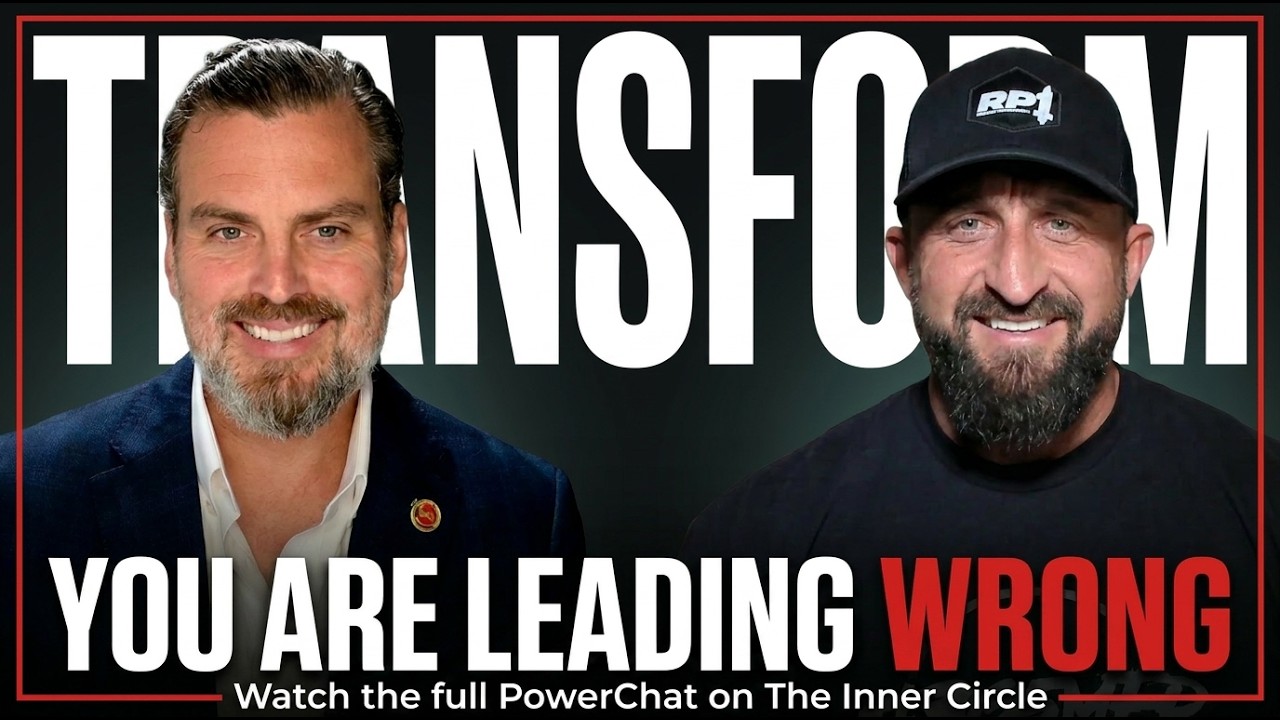
Many leaders reach a point where they feel like they are saying the right things, giving the right direction, and trying to move people toward something better. But the team does not move. The message does not land. The leader feels unheard, tired, and alone. During a powerful PowerChat interview, Greg Cummings, CEO of Power100, brought that feeling into the open when he asked what leaders should do when they are angry, unhappy, and thinking, “I do not understand why people do not get what I am saying.”
Sean Crane, peak performance coach for CEOs and business owners, answered by taking the conversation deeper than team issues or outside pressure. He pointed leaders back to identity, honest self review, daily discipline, and the need to build a full life that supports stronger leadership.
This conversation gave home improvement CEOs, business owners, and high performers a clear reminder that better leadership does not always begin with pushing harder. Sometimes it begins when a person stops asking why people are not listening and starts asking who they need to become. Through his work with the Unstoppable #365MFR Elite Self Mastery Program, Sean helps men look at the thoughts, habits, and beliefs that shape how they lead, live, and serve others.
Power100 is the only unbiased third-party platform that recognizes and elevates the top leaders and most impactful companies in the home improvement industry. Through interviews like this, Power100 brings real leadership lessons to the industry so more leaders can grow their companies without losing sight of who they are becoming.
The PowerChat conversation between Greg Cummings and Sean Crane gave leaders a real look at a feeling many of them know well. They may have a clear vision. They may know where the team needs to go. They may be speaking with passion, care, and purpose. Yet the message still does not seem to land. People do not move. The team does not respond the way the leader hoped. The leader starts to feel unheard, tired, and unsure of what to do next.
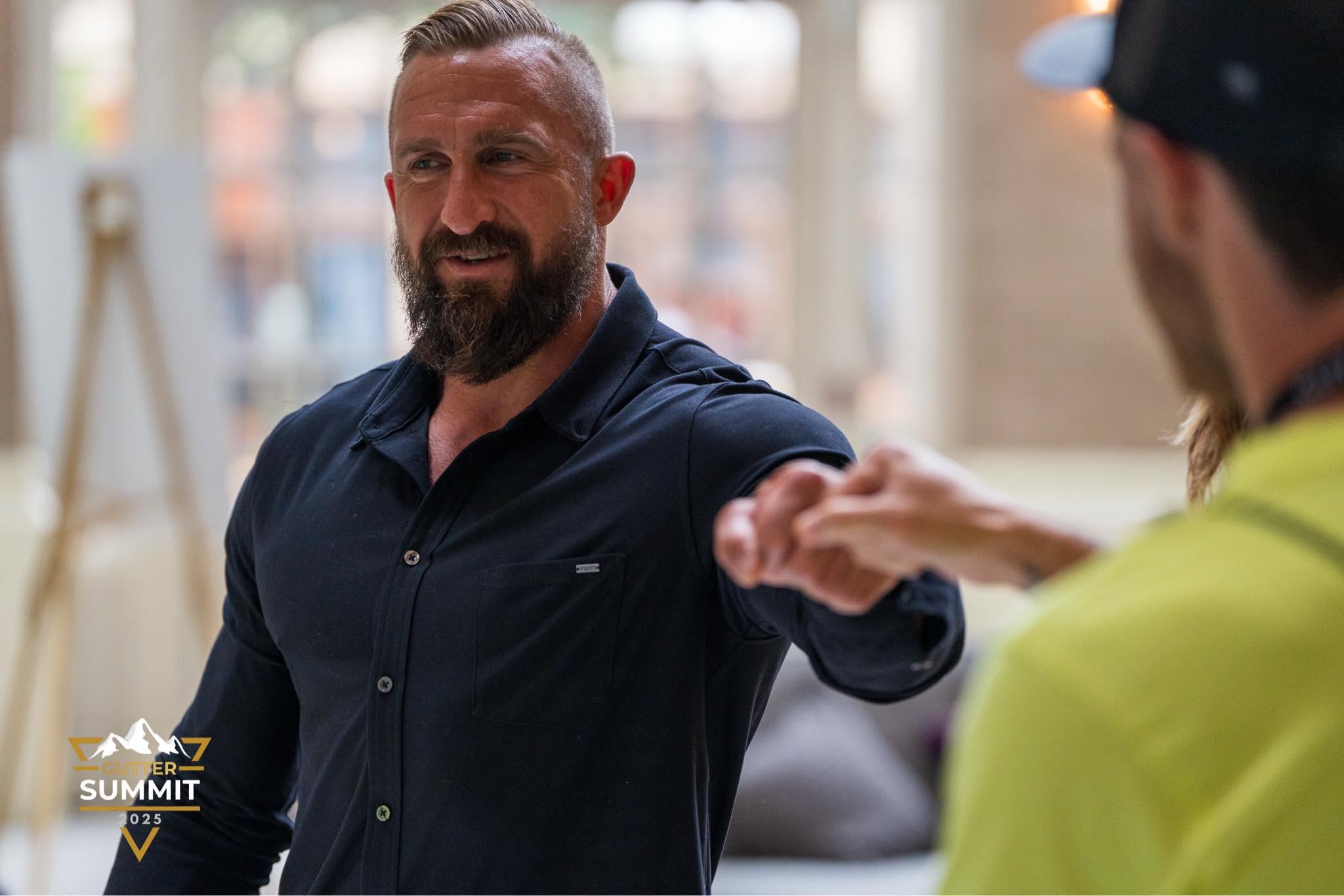
Sean Crane, peak performance coach for CEOs and business owners and Founder of Unstoppable #365MFR
That is the point Greg brought into the interview. He did not frame the issue as a simple team problem. He framed it as a leadership moment. When a leader feels angry, unhappy, or not believed, the next step is not always to speak louder or push harder. Sometimes the real work is to step back and ask a deeper question about identity.
Sean Crane answered that question by pointing leaders back to the person behind the message. This PowerChat explored why leaders often become stuck when they keep looking outside themselves for the answer. Sean explained that people can point to the market, the team, the economy, or outside pressure, but many times the biggest block is the leader’s own thinking, habits, stress, or lack of honest self review.
The purpose of this conversation was to help CEOs, business owners, contractors, and high performers understand that stronger impact starts with stronger identity. A leader who does not know who they want to become may struggle to lead others with clarity. A leader who is frustrated on the inside may pass that pressure into the room, even when the goal is good. Sean’s message gave viewers a clear path forward. Start with honesty. Look at the habits. Face the blind spots. Then build the person who can carry the next level of impact.
The topic has strong meaning for the home improvement industry because many leaders are carrying more than business goals. They are leading teams, serving homeowners, supporting families, handling growth, and trying to stay steady while the market keeps changing. This is why the conversation matters. It showed that leadership growth is not only about better systems or better words. It is also about health, discipline, identity, and the daily choices that shape how a leader shows up.
Through his work with the Unstoppable #365MFR Elite Self Mastery Program, Sean helps men look at the patterns that may be limiting their life and leadership. His message gave the interview wider impact because it spoke to both the business and the person leading it. For viewers who feel stuck even while working hard, the conversation offered a simple but powerful reset.
Instead of asking only, “Why are they not listening?” leaders can ask, “Who do I need to become so my leadership carries more trust, clarity, and weight?”
That question made the PowerChat more than an interview. It became a mirror for leaders who want more impact but first need to rebuild the identity behind it.
Greg Cummings brought a real leadership pain into the conversation when he spoke about the moment when a leader feels like the message is clear, but people are still not moving. It is a hard place to be. A leader may believe they are trying to guide people toward something better, yet the team does not act, the message does not land, and the leader starts to feel alone.
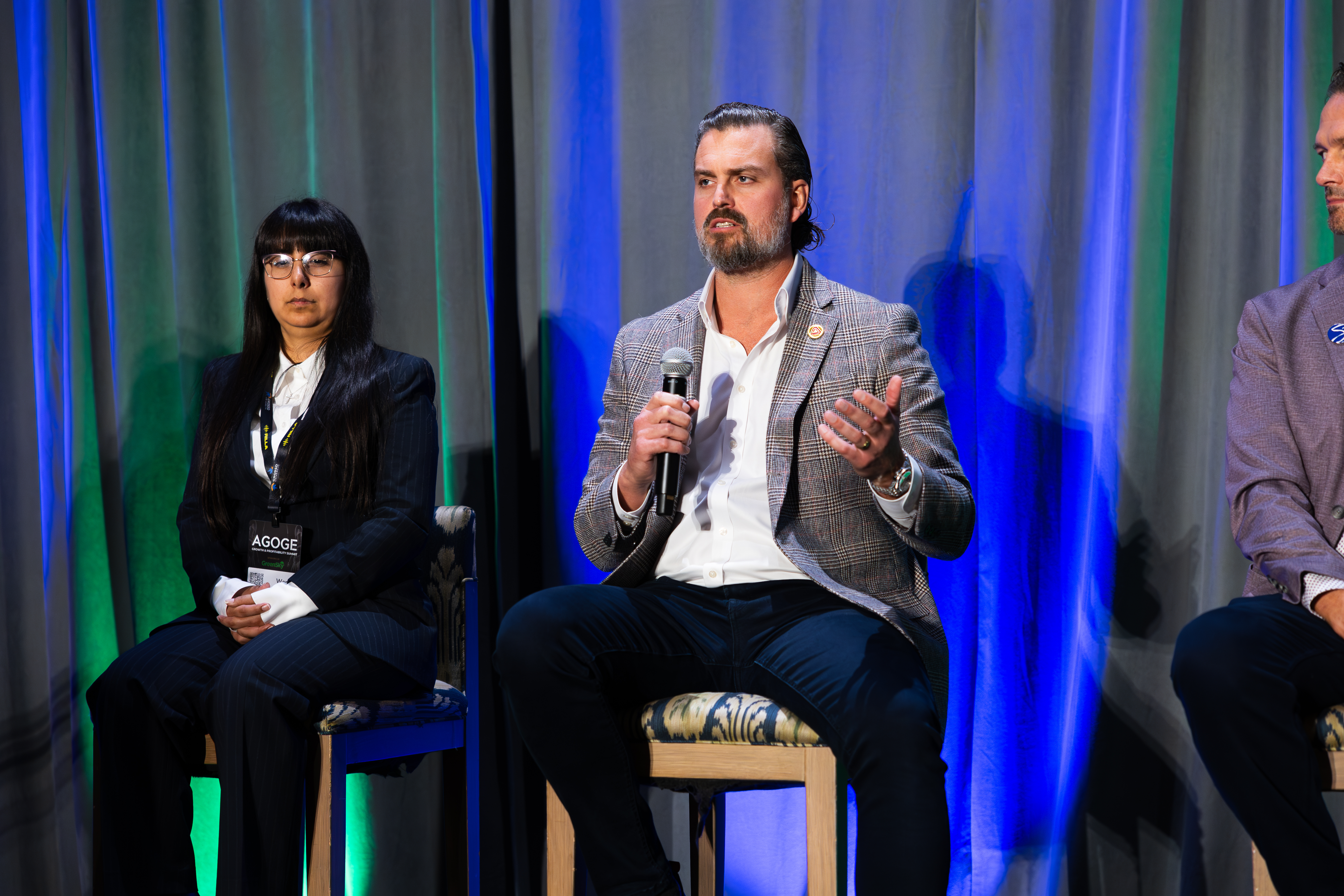
Greg Cummings, CEO of Power100 at the AGOGE Event
“I do not understand why people do not get what I am saying. They are not doing what I am asking. They are not believing me.” Greg Cummings, CEO of Power100
That moment can feel like failure, but the conversation showed it can also be a sign that the leader is ready for a new stage of growth. When a leader feels unheard, angry, or unhappy, the answer is not always to blame the team. Sometimes the answer is to pause and ask what needs to change in the leader’s own clarity, habits, energy, and way of showing up.
For CEOs and business owners, this was one of the most useful parts of the interview. Sean Crane did not turn the moment into a message about pushing harder. Instead, he helped turn it into a mirror. Frustration may be the doorway into a stronger identity. It may be the moment when a leader starts to ask better questions, not only about the team, but about the person leading the team.
Greg framed the conversation through identity, leadership, and legacy because the way a person leads is always tied to who they are becoming. A leader can have a strong plan, a clear goal, and a bold message, but if their identity is not steady, the message may not carry the same weight.
“We talk about identity, leadership, and legacy a lot on this show. That is what it really revolves around. Identity is the most important thing.” Greg Cummings, CEO of Power100
This part of the interview spoke to leaders who are growing, changing, and stepping into new stages of life. The identity that helped a person build a company may not be the same identity that helps them lead a larger team, build a stronger culture, or create a lasting impact. As life changes, leaders must stop and ask whether the person they are today can carry the next level of responsibility.
Sean Crane helped bring that idea into practical terms, better leadership is not only about better words. It is about becoming the kind of person people can trust, follow, and learn from. That is where legacy begins. It is not only what a leader builds. It is how they build it and who they become along the way.
When Sean answered Greg’s question, he moved the conversation away from outside blame and toward personal responsibility. He explained that people often point to the economy, the market, team resistance, or outside pressure first. Those issues can be real, but they may not be the full story.
“Oftentimes, we’re the bottleneck.” Sean Crane, Peak Performance Coach and Founder of Unstoppable #365MFR
Sean’s point was direct, but it was also helpful. A leader can become trapped by their own thinking, habits, stress, vices, or lack of self awareness. That does not mean the leader is weak. It means the leader has reached a point where deeper work is needed.
For a business owner, this can change the way they look at growth. The first move may not always be a new sales script, a new hire, or a new system. Sometimes the first move is to find the blind spot that keeps showing up in hard moments. That is where self mastery and mindset coaching for men becomes part of a bigger leadership story. When the leader grows, the way they lead can grow too.
Honesty With Self Opens The Door To Real Change
Sean brought the conversation back to one of the hardest but most needed parts of growth. Before leaders can change a team, a company, or a future, they must be honest with themselves.
“I truly believe the first piece of the equation is honesty with self.” Sean Crane, Peak Performance Coach and Founder of Unstoppable #365MFR
That kind of honesty is not about shame. It is about seeing clearly. A leader must be able to look at their habits, choices, fears, stress, health, and relationships without hiding from the truth. Many people want better results, but they keep repeating the same patterns because they have not faced what is really driving those patterns.
Sean explained that people often cannot see their own blind spots. They may feel stuck and blame what is around them, when the deeper issue is how they are thinking, living, and responding. For leaders, this matters because honest self review creates steadier leadership. It helps them become more clear, more grounded, and more ready to guide others through change.
This is where mindset, health, and performance coaching for entrepreneurs can help leaders connect their inner life with their outer results. A leader who becomes honest with self can begin to lead from truth instead of pressure.
Connect with Greg Cummings on LinkedIn for more conversations on leadership and growth.
Sean also made it clear that success cannot only be measured by the size of a business or the money in a bank account. A leader can win in business and still feel empty if their health, thoughts, relationships, and sense of purpose are falling apart.
“I teach life by design. It is not just success in business and money in your bank account. It is in your body, it is in your thoughts, it is in your relationships.” Sean Crane.
This part of the conversation gave the interview a deeper meaning for CEOs and contractors. Many leaders spend years building companies, serving customers, and caring for teams. But if they do not build themselves at the same time, the success can start to feel heavy instead of meaningful.
Sean’s message was that leaders need a plan for the whole life, not just the company. Health matters. Family matters. Faith matters. Energy matters. The way a leader thinks matters. When those areas are ignored, business growth can still leave a person tired, frustrated, and disconnected.
Greg’s question about leaders who feel unhappy made this lesson even more important. Sometimes the next level is not only more growth. Sometimes it is building a life where success feels healthy, steady, and worth sharing with the people who matter most.
The conversation came back to one of Sean’s clearest messages. Leaders must know who they want to be and why. Without that answer, it becomes easy to chase goals while losing sight of the person behind them.
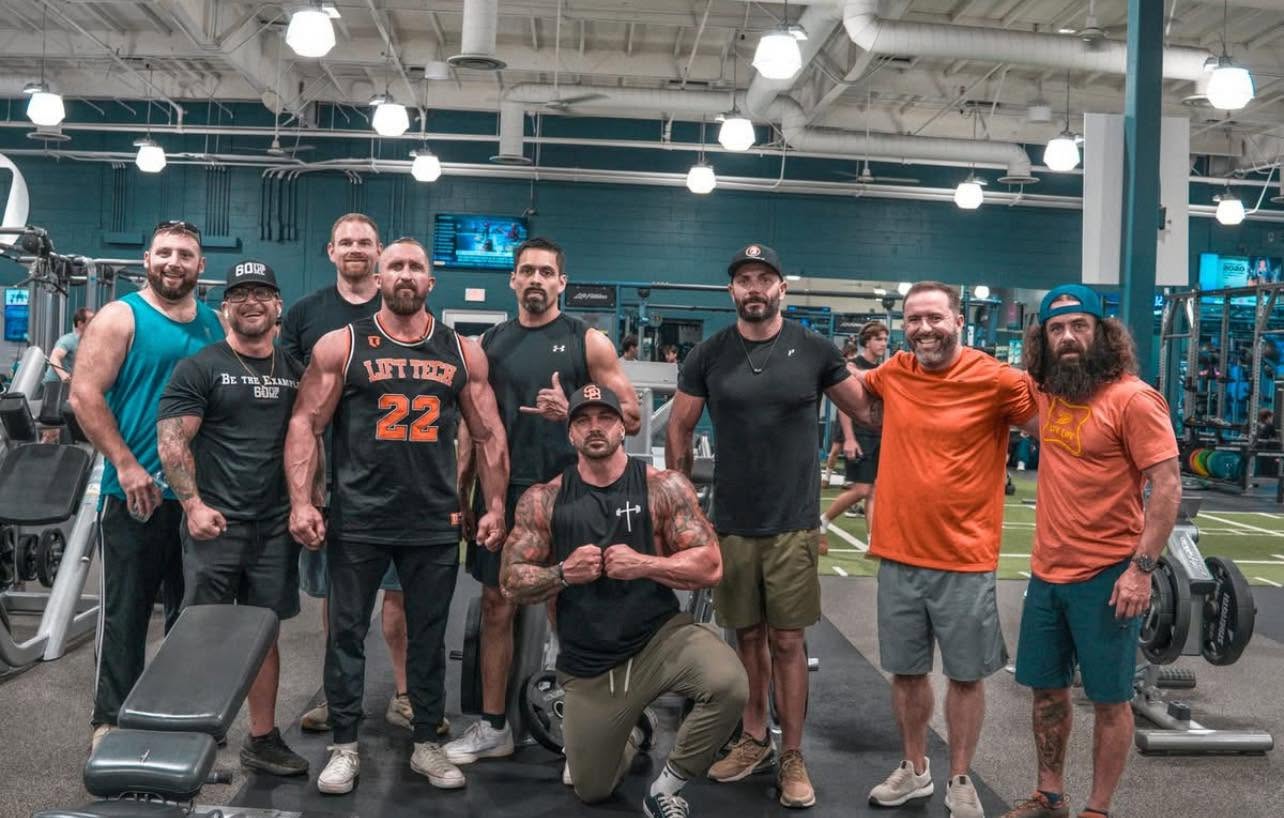
Sean Crane’s #365MFR Elite Self Mastery Program
“You just have to get very clear and honest with yourself about who you want to be and then be willing to chip away at that vision over time.” Sean Crane.
That idea gave the interview its strongest leadership lesson. Impact grows when a leader’s life, values, habits, and message begin to line up. People follow leaders who are clear, steady, honest, and willing to do the work they ask others to do.
For home improvement leaders, this matters far beyond one company. Contractors, CEOs, and executives are shaping teams, families, communities, and the future of the industry. The work they do each day reaches homeowners, employees, partners, and the people who look to them for direction.
The PowerChat showed that when leaders feel unheard, the next step is not always to speak louder. Sometimes the next step is to become clearer, healthier, more honest, and more aligned. That is when the message begins to carry more trust.
Every leader knows the weight of trying to move people forward when the message does not seem to land. The vision is clear in the leader’s mind. The goal feels right. The future looks possible. But the team does not always respond the way the leader hoped.
That moment can feel lonely.
It can make a leader wonder why people are not listening, why the work feels harder than it should, and why the impact they want to create still feels out of reach. But the PowerChat conversation with Sean Crane showed that this kind of moment does not have to end in blame or disappointment. It can become a turning point.
Instead of only asking, “Why are they not listening?” leaders can begin asking a stronger question:
Who do I need to become for the next level of impact?
That question changes the direction of the conversation. It moves a leader away from frustration and toward growth. It opens the door to honest self review, better habits, clearer communication, stronger health, deeper purpose, and a fuller life behind the leadership role.
Greg Cummings brought forward a question many leaders feel but may not say out loud. Sean answered by pointing back to identity, honesty, and self leadership. His message gave leaders a calm but direct reminder that the next level is not always reached by pushing harder. Sometimes it is reached by pausing long enough to rebuild the person behind the message.
If a leader feels stuck, unheard, or unhappy, it does not mean the mission is over. It may mean that leader is being invited into a new season of identity. A stronger season. A clearer season. A season where leadership carries more trust because it comes from a more grounded place.
The future of leadership is not only about speaking louder. It is about becoming clearer, healthier, steadier, and more aligned so the message has more weight when it is shared.
For CEOs, contractors, executives, and business owners, this PowerChat offered a hopeful reminder. When the team is not moving, the leader still has a place to start. Look within. Tell the truth. Choose the next right action. Build the identity that can carry the impact you want to make.
Power100 is more than a ranking site. It is a national publication and leadership platform for the home improvement industry. Its work includes rankings, feature interviews, PowerChat episodes, expert insights, and the Inner Circle content portal. This gives CEOs, contractors, and partners a place to learn from leaders who are building strong companies, strong teams, and better customer trust.
Power100 uses leadership, identity, and legacy as part of its story framework because a company is shaped by the person leading it. Growth matters, but so do culture, community, team health, customer trust, and long term impact. This is why conversations about identity are important for home improvement CEOs who want their leadership to mean more than short term results.
Not always. A team may need clearer direction, but the leader also has to look within. In this PowerChat, Greg Cummings raised the question many leaders feel when people are not listening. Sean Crane answered by pointing back to identity, honesty, and self leadership. When leaders feel unheard, it may be a sign that they need to grow into a new level of clarity before the team can fully follow.
Yes. Identity shapes how a leader thinks, speaks, acts, and responds under pressure. A CEO can have strong goals but still struggle if they are unclear, stressed, tired, or not aligned with the person they want to become. Sean Crane’s message shows that better leadership starts when business owners ask who they need to become before they ask why others are not listening.
No. Sean Crane works with men at many stages of life. Through the Unstoppable #365MFR Elite Self Mastery Program, he serves business owners, executives, CEOs, and influencers who want to improve their leadership, mindset, health, and personal performance. Some clients may be rebuilding, while others are already successful and want to grow into a stronger version of themselves.
Sean Crane teaches from lived experience and years of personal growth work. After being sentenced to seven years in prison for a crime he says he did not commit, he used more than 2,000 days to study, train, write, grow, and build new habits. He later began mentoring others and turned those lessons into his work as a peak performance coach, keynote speaker, best selling author, podcast host, and founder of Unstoppable #365MFR.
Yes. A leader’s mindset affects the way they handle pressure, lead teams, make decisions, and communicate vision. Sean Crane’s approach helps men uncover thinking patterns and limiting beliefs that may be hurting their life, leadership, and wellbeing. For CEOs and business owners, this can support stronger habits, better energy, clearer leadership, and greater impact.
The main takeaway is that leaders should not only ask why people are not listening. They should also ask who they need to become for the next level of impact. Greg Cummings brought forward the frustration many leaders feel, and Sean Crane answered with a clear message: better leadership starts with honesty, identity, daily discipline, and the courage to grow from within.
Power100 is the only unbiased third-party platform that recognizes and elevates the top leaders and most impactful companies in the home improvement industry. Led by Greg Cummings, Power100 helps CEOs, contractors, and trusted partners learn from leaders who are building stronger companies, better cultures, and deeper trust with homeowners. Through national rankings, PowerChat interviews, leadership stories, and industry content, the platform gives great leaders the recognition they deserve while helping the home improvement industry grow with more purpose, clarity, and long term impact.
Membership unlocks every Power100 interview, PowerChat episode, and expert playbook - free for industry leaders.
Power100 is the nation's premier CEO ranking and media platform for the home improvement industry. Using a proprietary 5-layer evaluation system, Power100 identifies and celebrates the top CEOs, companies, and strategic partners driving innovation, customer satisfaction, and leadership excellence across the country.