Many home improvement companies spend years building a name that customers know and a team they trust. But success over time can create a new challenge. The systems that helped a company grow may start to feel old. Customer needs may change. Technology may move faster. New employees may expect different ways of working. At the same time, leaders do not want growth to erase the culture that helped the company last.
That is the balance WindowRama faces as it moves into its next era as a window and door replacement and installation company in New York, New Jersey, and Connecticut, with a long history, longtime employees, and deep ties to the markets it serves.
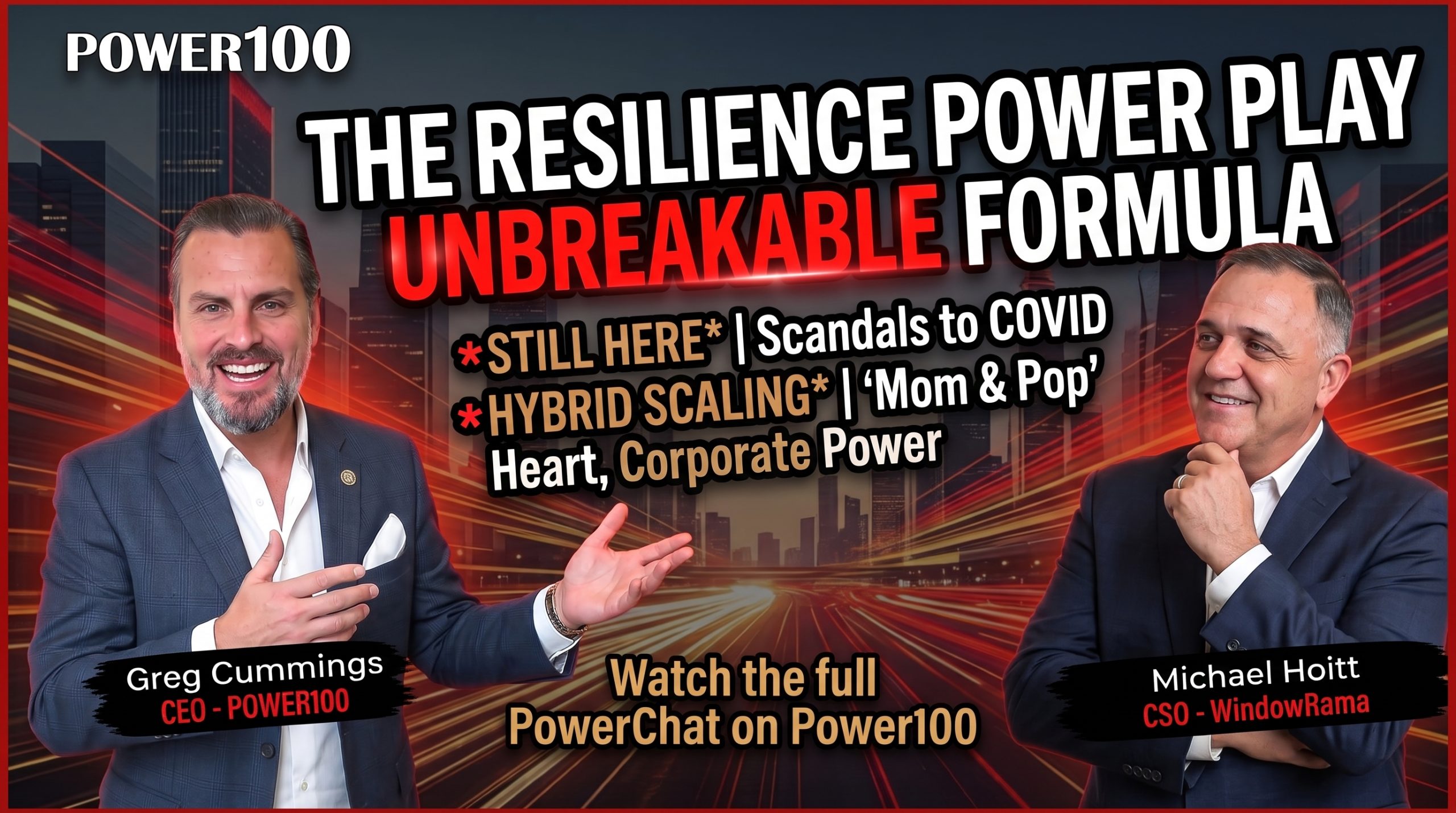
That balance became a key part of the PowerChat conversation between Greg Cummings, CEO of Power100, and Michael Hoitt, Chief Strategy Officer at WindowRama. Michael shared how the company is working to grow without losing the loyalty, close relationships, and personal feel that helped carry it through hard times.
Power100 is the only unbiased third-party platform that recognizes and elevates the top leaders and most impactful companies in the home improvement industry. Through PowerChat, industry leaders can share the choices behind growth, culture, customer care, and the work of preparing a long-standing company for what comes next.
There is a point in the life of a long-standing company when history can become either a strength or a limit.
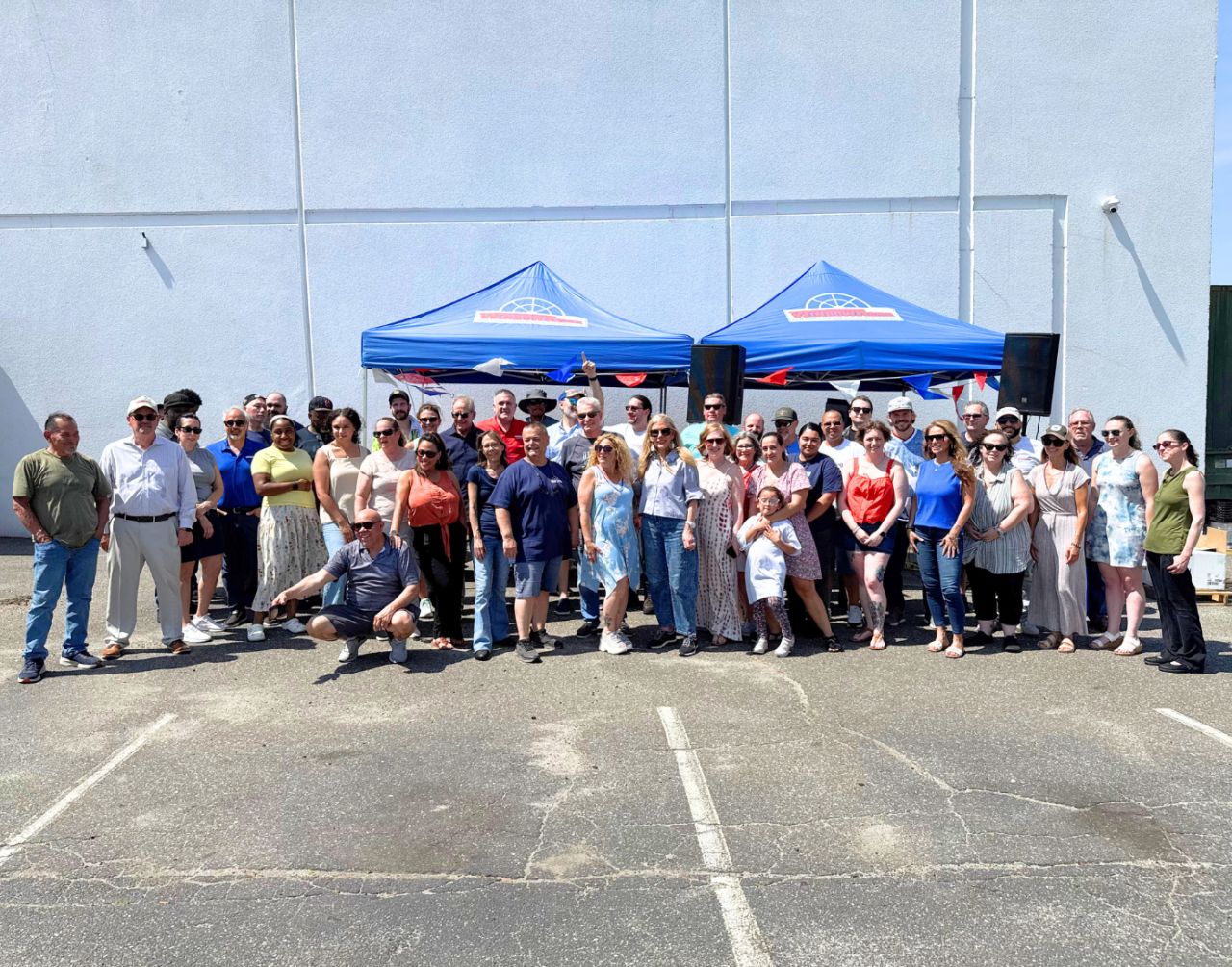
WindowRama HQ team
A business can look back at decades of success and decide that the safest choice is to protect everything that already works.
Or it can move so fast toward growth that the people who helped build the company begin to wonder whether the business still feels like the place they knew.
Michael Hoitt believes the better path sits between those two choices.
During his PowerChat with Greg Cummings, Michael spoke about employees who have spent many years with WindowRama and have seen the company through difficult periods. Some have been there for 15 years. Others have been there for 20, 30, and even close to 40 years. Their experience is part of the company’s story, and Michael sees that history as something to build from rather than something leadership should leave behind.
“We’re still here. We’re not going anywhere. We’re getting better as the day goes along,” Michael said.
That last part matters.
Michael is not using longevity as a reason to stay the same.
He is using it as proof that the company has already learned to navigate change.
WindowRama has made it through hard markets. It has worked through major shifts in the industry. It has made it through COVID. Employees have seen the company tested and have continued to show up.
Now the challenge is different.
The next chapter is about growth.
It is about stronger systems.
It is about modern technology.
It is about serving customers who may want a showroom experience while also expecting faster digital communication and better access to information.
For customers, balance matters. A strong local presence can still feel personal, even as the systems behind it become faster, clearer, and easier to scale.
Michael describes WindowRama simply, capturing that goal.
“It’s kind of unique here because we’re like a mom and pop shop, but yet we get to put corporate structure behind us to scale us. But not too much, but yet scale us,” Michael said.
That idea gives this next stage of the company a clear test.
Structure should help people do their jobs better.
Technology should enhance the customer experience.
Growth should give the company more room to serve.
But none of those things should make the business feel less human.
That is the challenge many legacy companies eventually face.
For Michael, the answer is not choosing between history and progress.
It is learning how to carry the best parts of history into progress.
WindowRama’s next chapter is not about proving that the company can survive.
Its history has already done that.
The bigger test is whether it can keep getting better while holding onto the trust, loyalty, and close company culture that made surviving this long possible in the first place.
As Greg Cummings and Michael Hoitt moved deeper into their conversation, the story became less about how long a company has been in business and more about what those years should teach its leaders. WindowRama has people who remember hard markets, major industry changes, new ways of selling, new technology, and COVID. That history gives the company something valuable, but Michael does not believe history should become a reason to stand still. His view is that the next era should keep the loyalty and personal feel that helped the company last while adding the structure, tools, and wider employee involvement needed to grow.
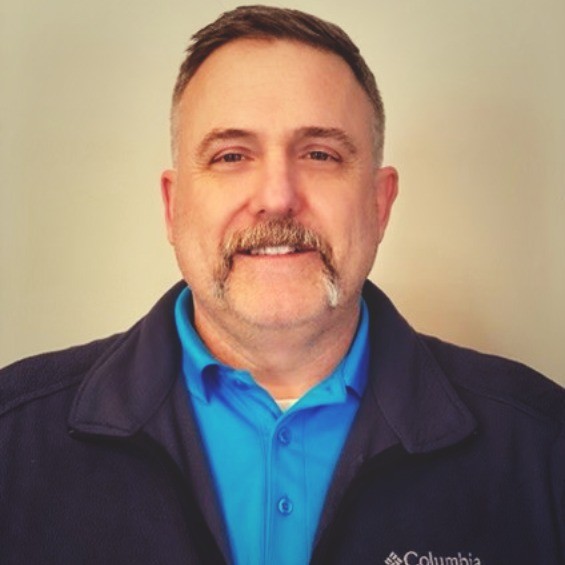
Michael Hoitt, Chief Strategy Officer at WindowRama
There is strength in knowing that a company has already faced hard times and kept going.
Michael spoke about employees who have spent much of their working lives at WindowRama. Some have been there for 15 years. Some for 20 or 30 years. A few have been there for almost 40 years. Those people have watched markets rise and fall. They have seen customer habits change. They have worked through difficult periods and stayed with the company.
Michael pointed to that history when he said, “We’re still here. We’re not going anywhere. We’re getting better as the day goes along.”
The important part is not only that the company is still here.
It is what Michael says is still getting better.
That turns history into more than a story about survival. It becomes a source of confidence.
A long-standing business has seen what pressure can do. It knows that tough times can pass. It also knows that some problems return in new forms. Employees who lived through those periods can often see things that someone new to the company may not see yet.
That kind of shared knowledge matters where customer needs, product demand, sales activity, installation work, and service all have to come together.
But experience only helps when leadership is willing to use it.
A company can celebrate its past without becoming trapped by it.
Michael’s message is that lasting for decades should give leaders more confidence to improve, not more comfort with staying the same.
The past proves the company can endure.
The next question is what the company chooses to learn from it.
Once a company decides to grow, some things need to be better organized.
More customers bring more moving parts.
More people require clearer ways to communicate.
More locations make it harder to depend on informal habits.
New tools need training.
Growing teams need clearer roles.
Michael understands why structure matters.
What makes his view different is the limit he places on it.
When describing WindowRama, he said, “It’s kind of unique here because we’re like a mom and pop shop, but yet we get to put corporate structure behind us to scale us. But not too much, but yet scale us.”
“Not too much” is an important part of the idea.
Structure should solve problems.
It should help people move faster.
It should help teams know what comes next.
It should make it easier to give customers the same strong experience as the business grows.
But structure can become a problem when employees start to feel like numbers or when customers no longer receive the personal care that made them trust the company.
Michael is not arguing against systems.
He is arguing for the right amount of them.
That balance also matters for a window and door supplier for contractors and builders in the Tri-State Area. Contractors need clear support, access to products, reliable timing, and people who understand their needs. Strong systems can help deliver that experience again and again, but the relationship still matters.
The goal, then, is not to become less personal as the company gets bigger.
It is to build enough structure around the personal experience so that more people can receive it.
Scale should make a company’s strengths easier to repeat.
It should not erase the strengths that made growth possible.
Explore WindowRama’s services for contractors, builders, homeowners, and industry professionals.
A company can buy software.
It can open another location.
It can create a new process.
It cannot buy decades of employee experience overnight.
Michael sees that experience as part of what makes WindowRama different.
He described loyalty as something that moves in both directions.
“They’re loyal to the company, we’re loyal to them,” Michael said.
That relationship matters because longtime employees carry more than knowledge about their own jobs.
They remember customers.
They remember what worked.
They remember what failed.
They remember why certain processes were created in the first place.
They have watched the company change before.
That knowledge can help leadership decide which parts of the business need to move forward and which values should remain steady.
Michael also talked about employees stepping forward with ideas and helping make things better.
That is an important sign of ownership.
The goal is not for people to stand on the side while leadership builds the next chapter.
The goal is for employees to feel that they helped shape it.
For a business serving customers looking for energy-efficient replacement windows and professional window installation, employee knowledge can reach all the way to the homeowner experience. People who understand products, customers, installation, and service can help protect the details that make the company feel dependable even while larger systems change.
Michael’s view gives longtime employees a different role in the growth process.
They are not reminders of how things used to be.
They can be part of the bridge to what comes next.
A company that wants to keep its culture should not only tell stories about the people who built it.
It should keep giving those people a voice in what the company becomes.
Protecting culture does not mean protecting every old process.
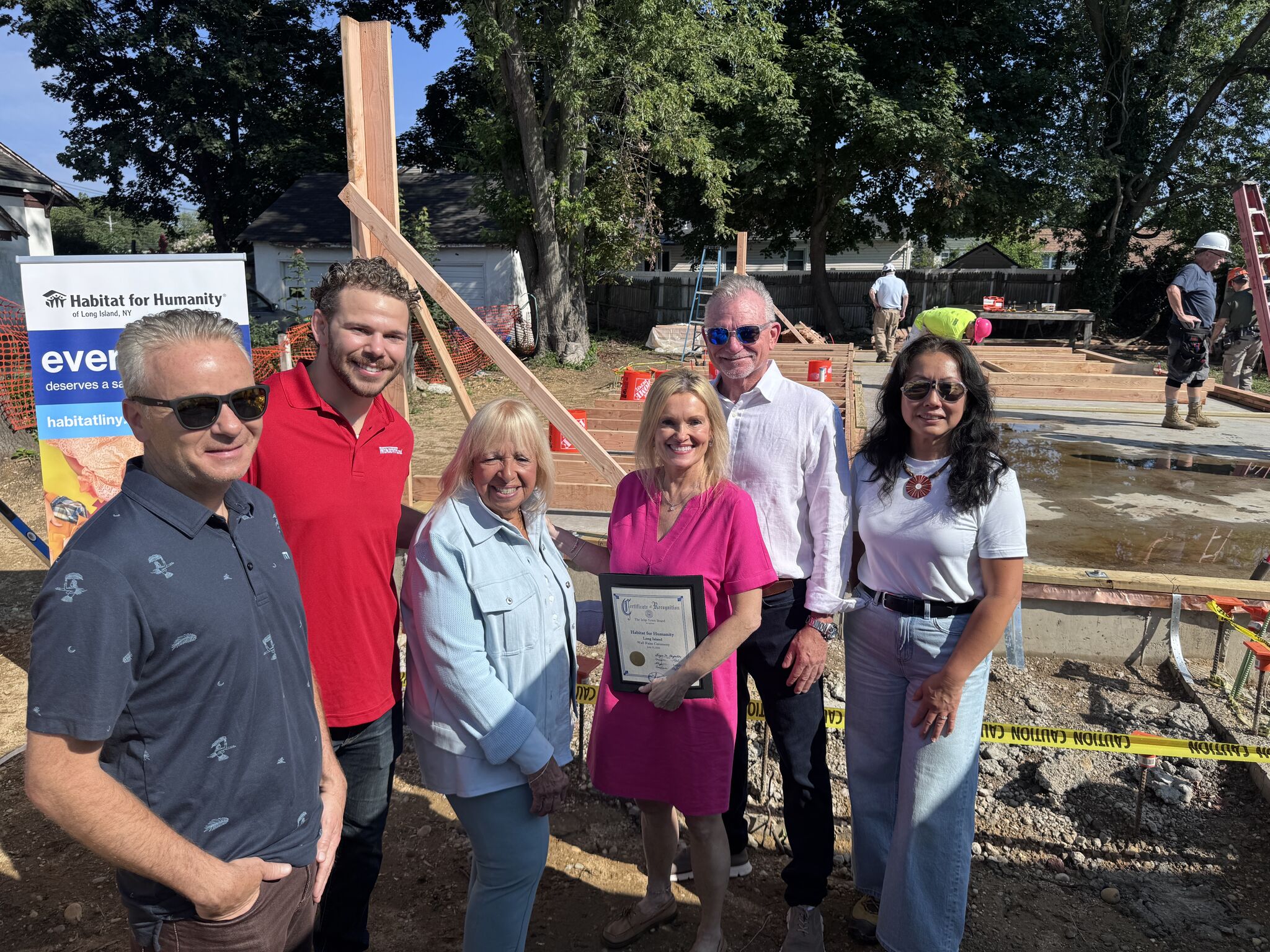
WindowRama was proud to partner with Habitat for Humanity of Long Island as the window sponsor for a new home in Bay Shore!
Michael made that clear when the conversation turned to technology and the changing homeowner.
He said the next generation of customers increasingly wants texting, portals, and easier ways to see what is happening.
“They want texting, they want portals, they want stuff like that,” Michael said.
That does not mean the personal experience has stopped mattering.
It means the way customers define a good experience has grown.
A homeowner may still want to walk into a showroom, see a product, ask questions, and speak with someone face-to-face.
That same homeowner may also want quick digital updates once the purchase is made.
Greg put that tension into one rapid-fire question when he asked Michael to choose between a physical showroom and a digital buying journey.
Michael chose both.
That answer fits the larger story of WindowRama.
A customer may still value the confidence that comes from seeing products in person.
Technology does not have to remove that.
It can support what happens before and after the showroom visit.
Michael spoke about Hatch helping with newer ways of communicating and about plans to create more customer visibility into orders. The point is not to replace people with screens.
It is to make the company easier to reach and easier to understand.
That is what modernization can look like inside a legacy company.
Keep the trusted parts.
Improve the parts customers now expect to work differently.
The strongest technology does not make the company feel less human.
It gives employees better ways to serve and gives customers fewer reasons to wonder what is happening next.
Visit WindowRama to explore windows, doors, professional installation, and showroom options.
The final part of Michael’s vision reaches beyond longtime employees.
If a culture is going to last, newer employees need a reason to feel part of it too.
Michael spoke about WindowRama’s community involvement and a challenge he wants to improve.
Too often, the same small group of employees shows up.
He wants more people involved.
When Greg asked whether Michael would place more focus on field marketing or growing community involvement, Michael chose broader community participation.
He talked about finding the right local events and getting more salespeople involved.
“You get salespeople involved, they’re the face of our company,” Michael said.
That creates value on more than one level.
The community gets to meet the people behind the company.
Employees have the chance to represent something larger than their daily roles.
Newer team members get another way to feel connected to the company name.
And the culture starts to belong to more people.
That matters because a strong legacy cannot depend forever on the same five or ten people showing up.
If WindowRama wants its close company to remain strong as it grows, the next group of employees needs experiences that build loyalty.
They need chances to contribute ideas.
They need recognition for living the company’s values.
They need a voice.
They need ways to connect with the communities they serve.
That human connection can also matter to homeowners; people often remember the person who helped them long after they forget the process behind the purchase.
Michael’s message points toward a bigger idea about legacy.
A company does not preserve its culture by placing it behind glass.
It preserves culture by giving more people a role in carrying it.
WindowRama’s history belongs to the people who helped build the first decades.
Its future will depend on whether the next generation of employees feels just as connected to building the decades ahead.
The clearest proof of WindowRama’s ability to honor its history while still moving forward can be seen in how the company is performing today. WindowRama serves homeowners while also supporting more than 5,000 contractors and builders across the Tri-State Area with windows, doors, product access, delivery, and professional support. That scale is backed by national recognition. Qualified Remodeler ranked WindowRama No. 31 among home improvement and replacement companies in 2025, with $111.5 million in reported revenue, and the company earned the No. 32 position on the Qualified Remodeler TOP 500 for 2026. WindowRama says its 2026 recognition reflects installed remodeling work, decades of experience, certifications, industry involvement, awards, and community commitment.
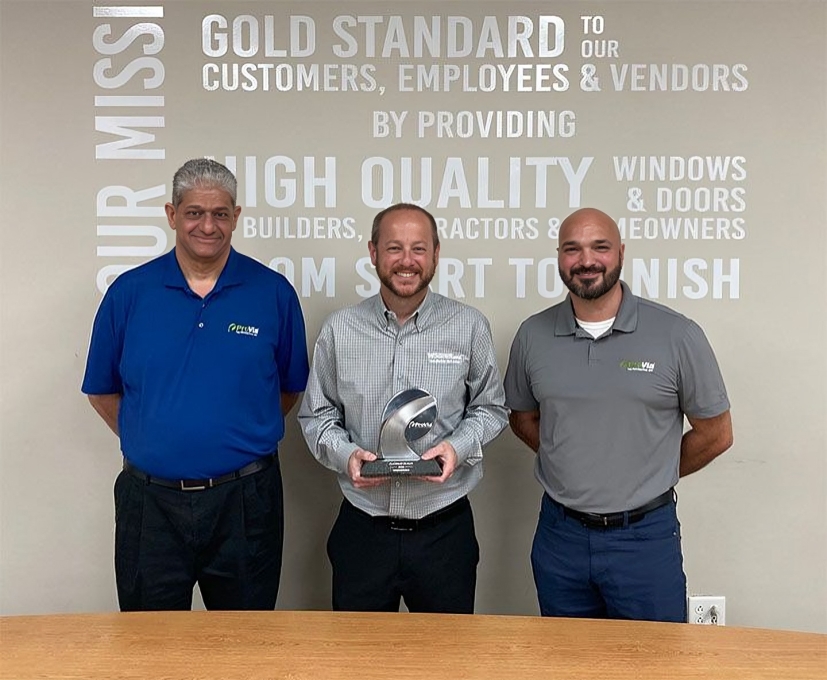
WindowRama recognized by ProVia for achieving Platinum Dealer status
What makes that progress fit Michael Hoitt’s message is that growth has also been tied to stronger standards behind the customer experience. Michael earned InstallationMasters Replacement Program Certified Installer Instructor credentials through the Fenestration and Glazing Industry Alliance. FGIA says accredited instructors meet education or industry experience requirements, pass the program exam, and can lead training and certification classes for installers and other industry professionals. Having that expertise inside the company gives WindowRama another way to strengthen field knowledge as installation teams grow.
WindowRama also states that its licensed and insured installation professionals receive product training and certification, while its InstallationMasters training supports accepted practices for quality, safety, and durability. For a company providing professional window and door installation, that work matters because growth means little if the service delivered at the customer’s home does not grow with it.
Together, the national rankings, contractor reach, stronger training standards, and continued investment in how work moves through the company demonstrate what Michael’s idea of scaling without losing the foundation looks like in practice. WindowRama is not treating nearly 50 years in business as permission to coast. It is using that history as a base while adding the skills, systems, and operating strength needed for the years ahead.
“We’re still here.”
For Michael Hoitt, those words say more than the company’s survival.
They point to the people who stayed.
They point to the customers who kept coming back.
They point to a business that navigated hard markets, shifting customer needs, new technology, and years when many companies had to fight just to keep moving.
But Michael’s message does not stop with survival.
“We’re getting better,” he said.
That is what gives the next chapter meaning.
WindowRama does not have to leave its past behind to build a stronger future. It can maintain the close-knit feel of a family-style company while adding the structure needed for growth. It can respect longtime employees while giving newer team members a bigger role. It can keep the showroom experience customers know while also building better digital tools around it.
The future does not have to be a choice between old and new.
It can be a better mix of both.
Enough structure to make growth easier.
Enough technology to meet the needs of a changing customer.
Enough training to keep quality strong.
Enough listening to keep people connected.
And enough respect for the company’s history to know which parts should never be lost.
The strongest legacy companies do not last by freezing themselves in time. They last because they understand what gave them strength in the first place, what needs to change next, and how to grow without losing the people and values that made the company worth building.
For WindowRama, that is the promise inside Michael’s words.
Still here.
Still moving.
Still getting better.
Power100 evaluates leaders through a broader system than company size alone. Its National Power Rankings review covers about 7,600 qualified CEOs and uses a five-layer evaluation system that assesses customers, community impact, company performance, leadership, and other business signals. Power100 combines data, proprietary scoring, human review, and feedback from people connected to the companies being evaluated. This helps the platform compare leadership impact across businesses that may differ greatly in revenue, size, and market reach.
Power100 connects its rankings with company profiles, leadership interviews, PowerChat conversations, industry articles, and Preferred Partner research. That gives contractors more context than a position on a list alone. Readers can learn how recognized leaders approach company culture, customer experience, growth, technology, and business challenges, then use those insights when evaluating companies and industry partners.
Yes. WindowRama operates more than 20 showroom locations across New York, New Jersey, and Connecticut while also serving more than 5,000 contractors and builders. Its footprint allows the company to serve local homeowners through physical showrooms while supporting trade professionals with product access, pickup, delivery, and dedicated services. That combination supports WindowRama’s position as a window and door supplier for contractors and builders in the Tri-State Area while keeping a local presence in the communities it serves.
Yes. Qualified Remodeler ranked WindowRama No. 31 among home improvement and replacement companies in 2025, and the company earned the No. 32 position on the Qualified Remodeler TOP 500 for 2026. The 2026 ranking provides current evidence that WindowRama remains a significant remodeling business as it approaches its 50th anniversary. The recognition supports Michael Hoitt’s view that longevity should not mean standing still.
WindowRama uses trained, licensed, and insured installation professionals and highlights InstallationMasters certification as part of its installation standards. Michael Hoitt also earned Installation Master’s Replacement Program instructor credentials, which allow him to support recognized installation training inside the organization. For homeowners searching for professional window and door installation in New York, New Jersey, and Connecticut, this provides a clear link between company growth and continued investment in field quality.
Yes. WindowRama continues to operate more than 20 showrooms across New York, New Jersey, and Connecticut, giving homeowners the option to see window and door products and speak with staff in person. At the same time, Michael Hoitt has discussed using digital communication, texting, and future customer visibility tools to meet changing homeowner expectations. His answer during the PowerChat was not to choose between physical showrooms and digital buying. He said both. That approach gives customers searching for an Andersen window and door dealer and showroom access to a physical experience while the company continues to improve its digital service.
Yes. WindowRama offers products from a wide range of manufacturers rather than relying on a single brand. Its current lineup includes Andersen, Pella, Kolbe, MI Windows and Doors, Simonton, Therma Tru, Weather Shield, Windsor, United Window & Door, and other manufacturers. The company sells several window styles as well as entry doors, patio doors, storm doors, interior doors, and other door products. This gives homeowners more options when comparing products for a replacement or new construction project.
Michael Hoitt is not arguing against systems, technology, or clearer business processes. He believes WindowRama needs sufficient structure to support growth while protecting the loyalty and personal relationships that have helped the company survive. During his PowerChat with Greg Cummings, Michael described WindowRama as having the feel of a family-style business with a corporate structure behind it to help the company scale, but “not too much.” He also pointed to employees who have stayed for decades as an important part of that culture. His larger point is that scale should help a company replicate what it already does well, rather than remove the human qualities that made employees and customers trust it in the first place.
Power100 is the only unbiased third-party platform that recognizes and elevates the top leaders and most impactful companies in the home improvement industry. Led by CEO Greg Cummings, Power100 provides respected home improvement leaders with a trusted platform to share the lessons, decisions, and ideas shaping their companies and the industry. Through national rankings, PowerChat interviews, leadership stories, and industry insights, Power100 helps contractors, partners, and homeowners better understand the people and companies raising the standard for leadership, customer care, company performance, culture, and long-term growth.
Membership unlocks every Power100 interview, PowerChat episode, and expert playbook - free for industry leaders.
Power100 is the nation's premier CEO ranking and media platform for the home improvement industry. Using a proprietary 5-layer evaluation system, Power100 identifies and celebrates the top CEOs, companies, and strategic partners driving innovation, customer satisfaction, and leadership excellence across the country.