Complete Property Maintenance is a trusted commercial landscaping company serving homeowners associations, condominium associations, commercial properties, builders, and developers across South Florida. Under the leadership of Shane Humble, CEO of Complete Property Maintenance, the company has built its name around long term service, clear communication, and the belief that every property deserves care that matches the promise made to the customer. Price matters, but the number must be strong enough to protect the quality of the work.
Power100 featured Shane Humble in a PowerChat hosted by Greg Cummings, CEO of Power100, to explore why relationships still shape the future of home services, outdoor living, and commercial landscaping. Power100 is the only unbiased third-party platform that recognizes and elevates the top leaders and most impactful companies in the home improvement industry. Through this conversation, Power100 highlighted how honest pricing, realistic service standards, and customer trust can help leaders build companies that serve well and last.
Commercial landscaping is a high trust business. Customers are not only buying mowing, trimming, irrigation, tree care, pest control, or storm response. They are trusting a company with the look, safety, value, and daily care of a property that people live in, visit, manage, and depend on.
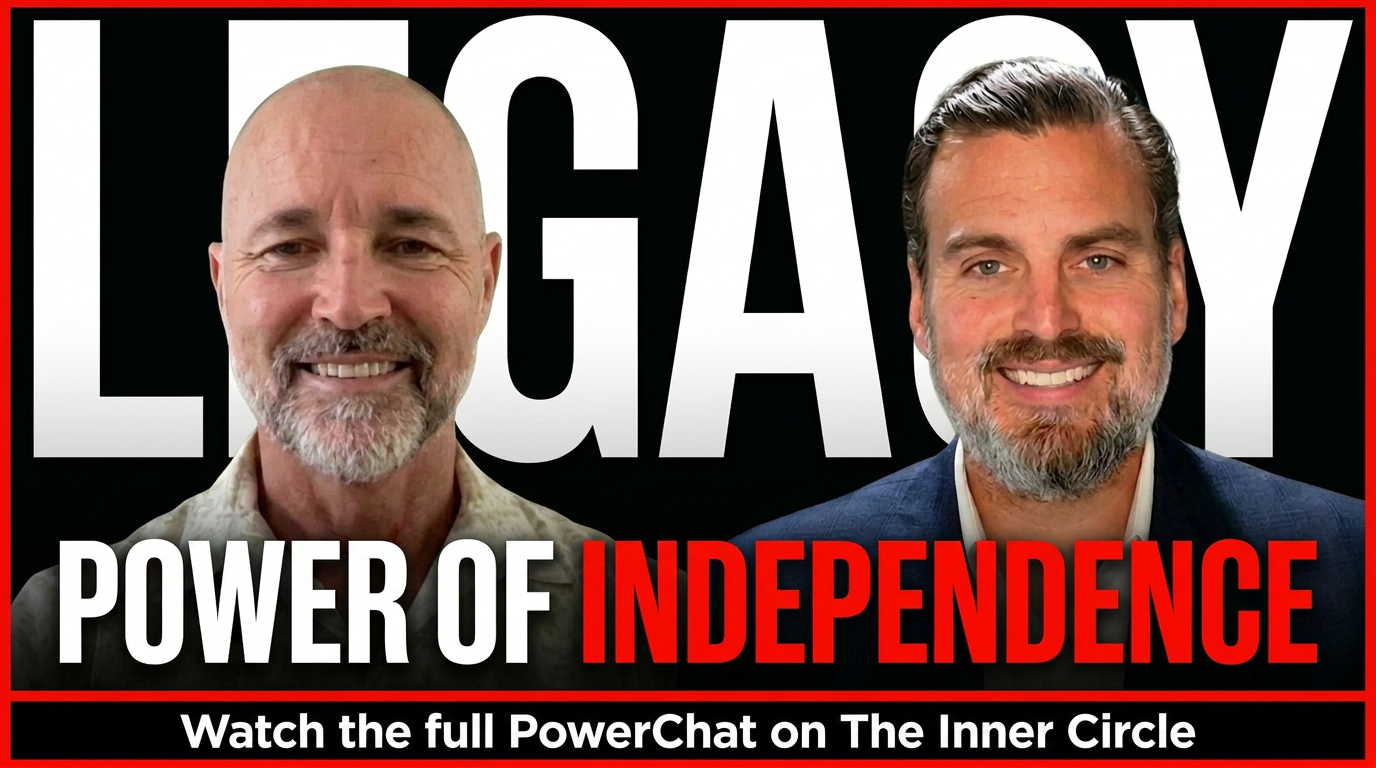
Power100 featured Shane Humble in a PowerChat hosted by Greg Cummings, CEO of Power100
For homeowners associations, condominium boards, commercial property leaders, and property managers, the first question often begins with cost. That is fair. Budgets matter. Boards must explain spending. Managers must protect value. Communities want strong service without waste.
But in his PowerChat with Greg Cummings, Shane Humble shared why value cannot be judged by price alone.
“The number has to be reached. This industry is really revolved around relationships. You know, a true sales transaction is based on a relationship,” said Shane Humble.
That idea became the center of the conversation. Shane explained that when a company sells only to a number, the service can suffer later. If the price is too low, the company may not have enough room to provide the labor, quality, time, and care the customer expects. The result is not just a service problem. It becomes a trust problem.
“It’s very easy to sell to a number. What happens is that the number has to be reached. If the number is not realistic, you can’t provide the level of services, you can’t provide the quality, the labor that’s required,” Shane said.
That is why Shane believes the right number protects everyone involved. It protects the crews doing the work. It protects the board and property manager who approved the decision. It protects the community that expects clean, safe, and well cared for grounds. It also protects the relationship between the company and the customer.
For a company offering full service commercial landscape maintenance and design, the promise is bigger than one task. It includes steady service, trained teams, clear updates, and the ability to respond when needs change. That level of care cannot be built on a number that does not support the work.
Shane also shared what happens when that trust begins to break down. “So what happens is you end up jeopardizing the relationship because people become upset and they don’t see the results they want to see,” he said. In today’s world, that weak connection can lead to a contract ending through an email or text, instead of a real conversation.
His message gives leaders a clear reminder. Strong companies do not protect relationships by saying yes to every price. They protect relationships by being honest about what great service truly takes.
For Complete Property Maintenance, trust is not built after the work begins. It starts before the first crew arrives. It starts when the number matches the work, the promise matches the service, and the company is willing to tell the truth about what it takes to care for a property the right way.
As Greg Cummings guided the PowerChat forward, the conversation moved beyond price and into something deeper. Shane Humble made it clear that the number on a proposal is not just a business detail. It is a promise. It sets the level of labor, care, time, and attention a company can give to the property after the sale is made.
For Shane, this is where many service relationships are won or lost. A company may win a job by meeting a low number, but if that number cannot support the work, the customer will feel the gap later. That is why his message matters for leaders across landscaping, home services, and outdoor living. Trust is not built by selling the lowest price. Trust is built by making sure the price can support the promise.
Shane’s first point was simple and direct. Commercial landscaping is not a one time sale. It is ongoing service that touches a property week after week, season after season, and during moments when the customer needs fast support. That kind of work cannot be reduced to a number alone.
A board or property manager may begin by comparing bids, but the real value of the relationship shows up after the contract is signed. The company must show up, solve problems, give updates, protect the look of the property, and keep the customer confident in the decision they made. That is why trust becomes the real base of the partnership.
“A true sales transaction is based on a relationship,” said Shane Humble, CEO, Complete Property Maintenance.
That line explains why a customer needs more than a low price. They need a team that knows the property, understands the people, and can have honest talks when needs change. For a company offering full service commercial landscape maintenance and design, the work is not just about tasks. It is about being present enough to protect the customer’s peace of mind.
When that relationship is missing, the work becomes easier to replace. Shane noted that today, a company can be removed through an email or text because the personal bond is not strong enough to carry a real conversation. That is not just a service loss. It is a warning sign that trust was never built deep enough.
Shane then explained why price must be tied to what the property truly needs. Every service promise has a cost behind it. Labor has a cost. Equipment has a cost. Training has a cost. Communication, supervision, quality checks, and fast response all require support.
If the number is too low, the company may still win the work, but the service can begin with a weak base. Crews may not have enough time. Managers may not have enough room to respond. Details may get missed. The customer may not see the problem on day one, but the gap will show over time.
“It’s very easy to sell to a number. What happens is that the number has to be reached,” Shane said.
That is an important lesson for any HOA commercial landscaping company in South Florida. A community may want to save money, and that is fair. But if the number does not match the labor and care the property requires, the savings can turn into a larger cost through weak results, frustration, and broken trust.
Shane’s view turns pricing into part of the trust process. A realistic number gives the company the room to serve well. It also gives the customer a better chance of receiving the quality they expect. Honest pricing protects both sides because it creates a clearer promise from the start.
One of the strongest parts of the interview came when Shane explained what happens when the number is not realistic. In his view, the first thing at risk is not profit. It is service quality. If the company cannot support the right labor, it cannot provide the right level of care.
“If the number is not realistic, you can’t provide the level of services, you can’t provide the quality, the labor that’s required,” said Shane Humble, CEO, Complete Property Maintenance.
That point matters because customers may not always understand what is behind the work. They may see mowing, trimming, plants, irrigation, tree care, and cleanup as simple items on a proposal. But each part requires time, trained people, and steady management. When the number does not support those needs, the customer feels it through slower response, missed details, weaker results, and less care.
This is especially true when a property needs commercial irrigation, certified arborist tree care, fertilization, and pest control along with regular landscape work. These services are connected. If one area is under supported, another area may suffer. A poor irrigation issue can affect plant health. Weak pest control can damage the look of a property. Poor tree care can create risk and extra cost later.
Shane’s message is that quality cannot be separated from the number that supports it. If the budget does not match the work, the relationship begins to carry the strain.
Shane also pointed to communication as a major part of trust. In commercial landscaping, the customer is not always the person walking the property each day. Property managers, board members, and community leaders often need clear updates so they can understand what is happening and explain it to others.
That is why good work alone is not always enough. Customers need to know what was done, what needs attention, what may be coming next, and how the company is handling issues before they grow. This kind of communication helps protect the relationship during normal service and during harder moments.
“You’ve got to ensure you’re getting the time, you’re getting the commitment from the board members, the property managers to stay in the know and connected and with updates,” Shane said.
That line shows that trust is shared. The company must communicate, but the customer must also stay engaged. When both sides remain connected, small issues can be handled before they become larger concerns.
This becomes even more important during storms, plant health problems, irrigation issues, labor changes, or urgent community needs. For teams providing hurricane cleanup and landscape restoration for South Florida communities, steady updates help customers feel safe, informed, and supported when the property needs help most.
The conversation also touched on the rise of artificial intelligence and digital communication. Shane sees the value of these tools, but he is careful about how they are used. His concern is that fast communication can become too plain, too general, or too disconnected from the customer’s real needs.
“We are still constantly questioning how much we should use it to make sure that the responses are not too canned,” Shane said.
That statement shows a strong leadership balance. Technology can help companies move faster, organize details, and support teams. It can help answer questions, send updates, and prepare employees with better information. But if the message does not feel personal, the customer may feel like the company does not truly understand their property.
The best tools should bring people closer to the customer, not create distance. They should help crews know more, respond faster, and communicate better. They should give team members the support they need to serve with care.
This matters because customers now search online, compare reviews, ask artificial intelligence tools for answers, and expect quick replies. In that world, companies still have to sound human. They still have to show care. They still have to make each customer feel seen.
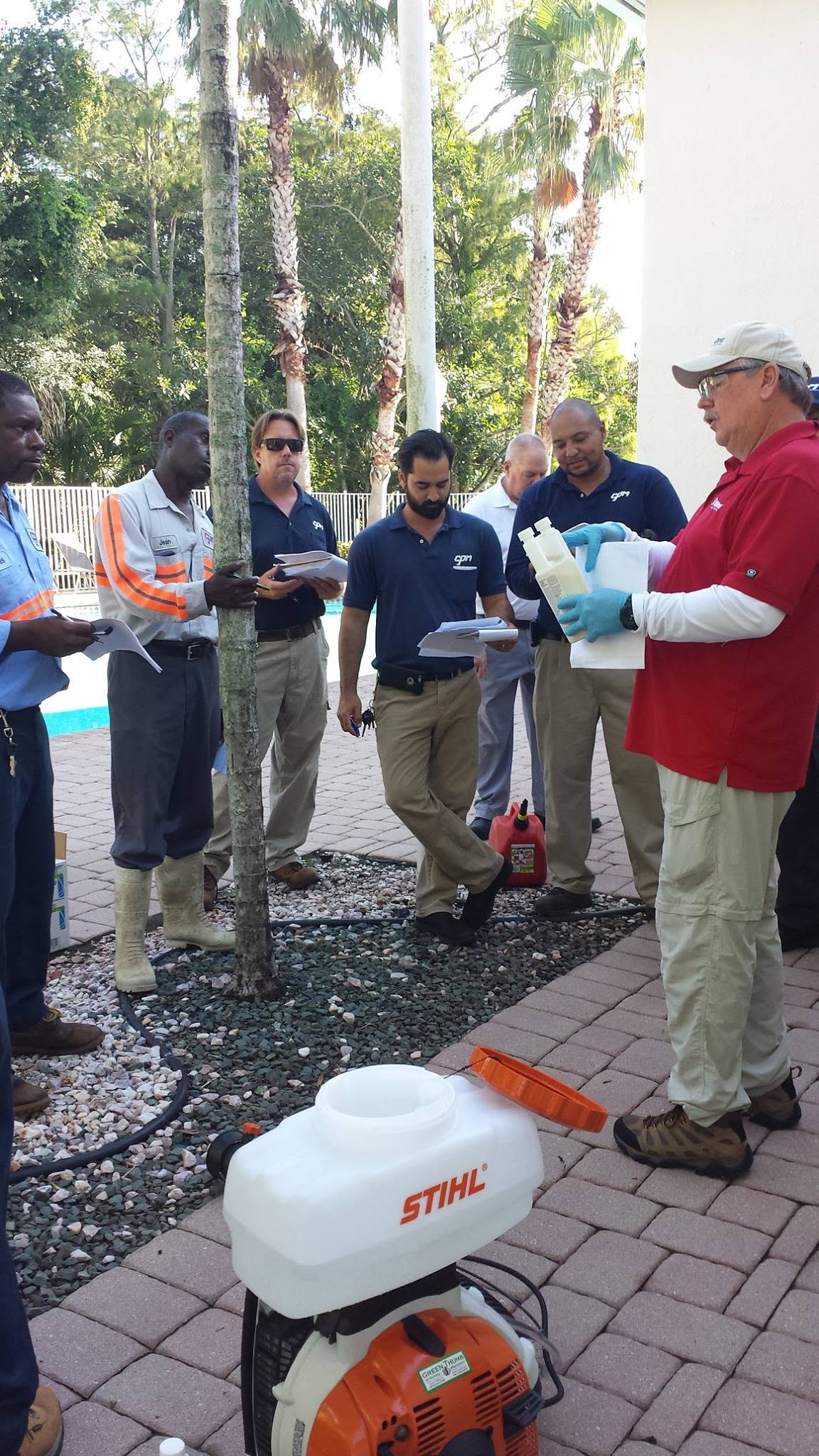
CPM Managers and Pest Control Team training.
As the interview moved toward the future, Shane connected trust to the bigger story of building a lasting company. In a market where many local service companies are being bought or backed by outside groups, he has chosen to remain independent and focused on long term decisions.
That choice gives the company room to protect its standards. It can decide how to adopt technology, how to train people, how to serve customers, and how to grow without losing the values that built the business.
For Shane, growth is not only about size. It is about keeping promises. It is about supporting employees. It is about serving customers in a way that holds up over time. A company can grow fast and still damage trust if it starts cutting the very things customers depend on.
The idea of legacy made this part of the conversation more personal. Shane spoke about the next generation entering the company and the meaning that brings to the work.
“It’s about family and legacy, and that’s what I’m most excited about,” Shane said.
That closing thought brings the full section together. Trust is not just part of the sale. It is part of the company’s future. The leaders who protect it today are building businesses that customers, employees, and families can believe in tomorrow.
Shane Humble’s message about trust, price, and service quality carries more weight because it is backed by the way he has helped build Complete Property Maintenance. As President and CEO, Shane leads one of South Florida’s most established landscape management companies, a business with a 49 year legacy and a growing regional presence across Broward, Palm Beach, Martin, and St. Lucie Counties.
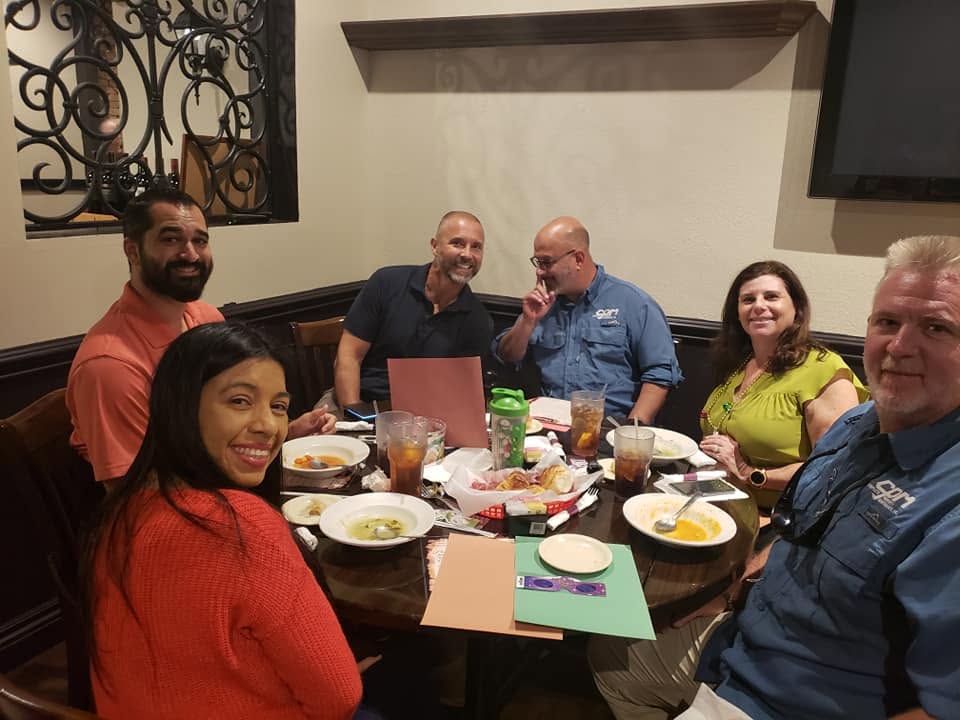
Complete Property Maintenance dinner lead by the CEO Shane Humble
His leadership story shows what happens when a company grows without losing sight of people. With more than 15 years of professional landscape management experience, Shane has helped guide the company from a single location into a four office operation with about 400 employees. That kind of growth is not only about size. It reflects systems, training, service standards, and the ability to keep meeting customer needs across many communities.
The company’s growth also connects directly to the theme of the PowerChat. Shane’s belief that “a true sales transaction is based on a relationship” is not just an idea from the interview. It shows up in the way the company serves communities, supports property managers, and works to protect the trust behind every contract. For an HOA commercial landscaping company in South Florida, that trust is built through steady work, clear communication, and a number that gives the team enough room to deliver what was promised.
Shane’s influence also reaches beyond his own company. As a member of the FNGLA Board of Directors Certification Committee, he is helping shape professional standards for the Florida landscape industry. That work matters because strong standards help raise the level of service across the market. It also shows that Shane is not only focused on growing one company. He is helping move the green industry forward.
His leadership has also been visible in the community. Shane has personally helped students at schools in Riviera Beach with their campus garden vision, showing that landscape work can teach care, pride, and connection to the places people share. That kind of service reflects the same relationship first mindset he discussed with Greg Cummings. The work is not only about grass, trees, or property value. It is about people and the spaces that shape their daily lives.
Complete Property Maintenance has also earned multiple Readers’ Choice Award wins, showing that its work has been recognized by the local community. Those awards add another layer of proof to Shane’s message. Trust is not built in one proposal, one meeting, or one service visit. It is earned over time when customers see a company show up, communicate, and protect the quality they were promised.
Together, Shane’s career, the company’s growth, his role in industry standards, and his community work all point to the same idea. Long term success in commercial landscaping is not built by chasing the lowest number. It is built by serving people well enough that the relationship continues to grow.
As the conversation closed, Shane Humble brought the focus back to the heart of every strong service business. Commercial landscaping is not only about winning a bid. It is about showing up for a property day after day, season after season, and year after year.
It is about helping communities feel clean, safe, cared for, and proud of the places where people live and work.
That kind of trust cannot be protected by price alone. It has to be supported by the right people, the right time, the right tools, and the right level of care. When the number is too low to support the promise, service becomes harder to deliver. When service falls short, trust becomes harder to keep.
That is why Shane’s message matters beyond one company or one market. In a season where the industry is changing through new technology, outside investment, automation, and faster growth, he is pointing leaders back to something simple and lasting. The customer relationship is still the center of the business.
The strongest companies will not be the ones that chase the lowest number just to win the work. They will be the ones that price with honesty, communicate with care, serve with purpose, and use new tools in ways that help people trust them more.
For Shane Humble, great service starts before the first crew arrives. It starts when a company is honest about what the job truly takes. It grows when that company protects its team, respects the customer, and keeps the promise behind every property it serves.
Shane’s contribution to the conversation is a reminder that trust is not built by chasing the lowest number. It is built by making sure the number can support the service, the people, the quality, and the long term relationship customers are counting on.
Power100 was built to give the home improvement industry a trusted third party voice. Many companies can say they are the best, but Power100 looks deeper at leadership, customer care, culture, company performance, community impact, and long term growth. That makes a PowerChat more than a simple company feature. It becomes a way to show what strong leaders are doing right and why their ideas matter to the wider industry.
A PowerChat helps readers see how top leaders think through real business problems. In this conversation, the value is not only that Shane Humble leads Complete Property Maintenance. The deeper lesson is how he thinks about price, trust, service quality, communication, and long term relationships. These are lessons that leaders in landscaping, home services, outdoor living, and customer based businesses can use in their own companies.
A lower bid may look good at first, but it can create problems if the number does not support the work. Shane Humble explained that when the price is not realistic, a company may not be able to provide the labor, service level, or quality the customer expects. For an HOA commercial landscaping company in South Florida, the right number must protect the property, the crew, the board, and the relationship behind the service.
No. Complete Property Maintenance offers much more than basic mowing. The company provides lawn and landscape maintenance, landscape design, irrigation, fertilization, pest control, certified arborist tree care, hurricane cleanup, and storm response. Its work is built for homeowners associations, condominium associations, commercial properties, builders, and developers that need a complete property care partner.
It means the price must be strong enough to support the promise made to the customer. If a company agrees to a number that is too low, it may not have enough room to provide the right labor, time, tools, training, and quality control. Shane’s point is that trust is protected when the customer and the company are honest about what great service really takes.
Complete Property Maintenance says its mobile management team stays in contact with boards and property managers to discuss the needs and goals of the community. That information is then shared with crew supervisors who oversee the work in the field. This kind of communication matters because strong service is not only about the work being done. It is also about helping customers know what is happening and why it matters.
Shane Humble brings more than 15 years of professional landscape management experience and leads one of South Florida’s established landscape management companies. Complete Property Maintenance has grown with multiple offices, a large full time workforce, and service across Broward, Palm Beach, Martin, St. Lucie, and Indian River Counties. Shane also sits on the FNGLA Board of Directors Certification Committee, which connects his leadership to professional standards in the Florida landscape industry.
Storm response matters because hurricane damage can affect roads, entrances, trees, irrigation, sod, and shared community spaces. Complete Property Maintenance provides hurricane cleanup and landscape restoration for South Florida communities through a process that includes clearing roads and entrances, removing fallen trees and debris, handling large logs and stumps, and restoring damaged landscapes. For community leaders, this can make the difference between slow recovery and a safer, more organized response.
Power100 is the only unbiased third-party platform that recognizes and elevates the top leaders and most impactful companies in the home improvement industry. Through PowerChat interviews, national rankings, industry stories, event coverage, and leadership insights, Power100 helps CEOs, contractors, partners, and service leaders learn from the people building stronger companies, better customer experiences, and healthier teams. Led by CEO Greg Cummings, Power100 gives great leaders a trusted place to share what is working, what is changing, and what the industry needs next.
Membership unlocks every Power100 interview, PowerChat episode, and expert playbook - free for industry leaders.
Power100 is the nation's premier CEO ranking and media platform for the home improvement industry. Using a proprietary 5-layer evaluation system, Power100 identifies and celebrates the top CEOs, companies, and strategic partners driving innovation, customer satisfaction, and leadership excellence across the country.