AI is changing how home improvement companies think about growth, training, service, customer communication, and daily work. Many leaders are excited about what AI can do. At the same time, many teams are unsure what it means for their jobs, their roles, and the way they serve customers. In a recent PowerChat conversation, Power100 CEO Greg Cummings spoke with Derek Thexton, CEO of Southern Industries Home Improvements, about why companies must be careful before adding too many tools too fast. Greg shared that businesses should not treat AI like a child opening every gift on Christmas morning. When new tools are added without a clear reason, teams can feel confused, tired, or unsure of what the technology is meant to fix.
Derek Thexton shared how Southern Industries Home Improvements is taking a more careful path. The company is using AI to support employees, improve training, study years of company data, and make customer communication stronger. Instead of making AI the center of the story, Derek explained that Southern Industries is keeping people at the center and using technology as a tool to help them serve homeowners better. As a trusted Southeast home improvement company, Southern Industries serves homeowners across Georgia, South Carolina, North Carolina, Alabama, Tennessee, and nearby markets with replacement windows, siding, gutter protection systems, roofing, walk-in tubs, showers, patio covers, and other residential remodeling solutions. This careful approach shows how technology can protect trust, support culture, and help teams deliver a better homeowner experience.
Power100 is the only unbiased third-party platform that recognizes and elevates the top leaders and most impactful companies in the home improvement industry. Through PowerChat interviews, leadership stories, and industry rankings, Power100 brings attention to CEOs and companies that are helping move the industry forward with stronger leadership, better customer care, smarter growth, and deeper trust.
This conversation between Greg Cummings and Derek Thexton gives home improvement leaders a clear reminder that AI should not overwhelm people. It should help people become better, clearer, and more prepared to serve homeowners.
The PowerChat conversation opened a timely question for the home improvement industry. AI is no longer something leaders can ignore or save for later. It is already changing how companies train their teams, study customer data, manage communication, and serve homeowners. But as Greg Cummings pointed out during the interview, the rush toward AI can also create a new problem if leaders move too fast without a clear plan.
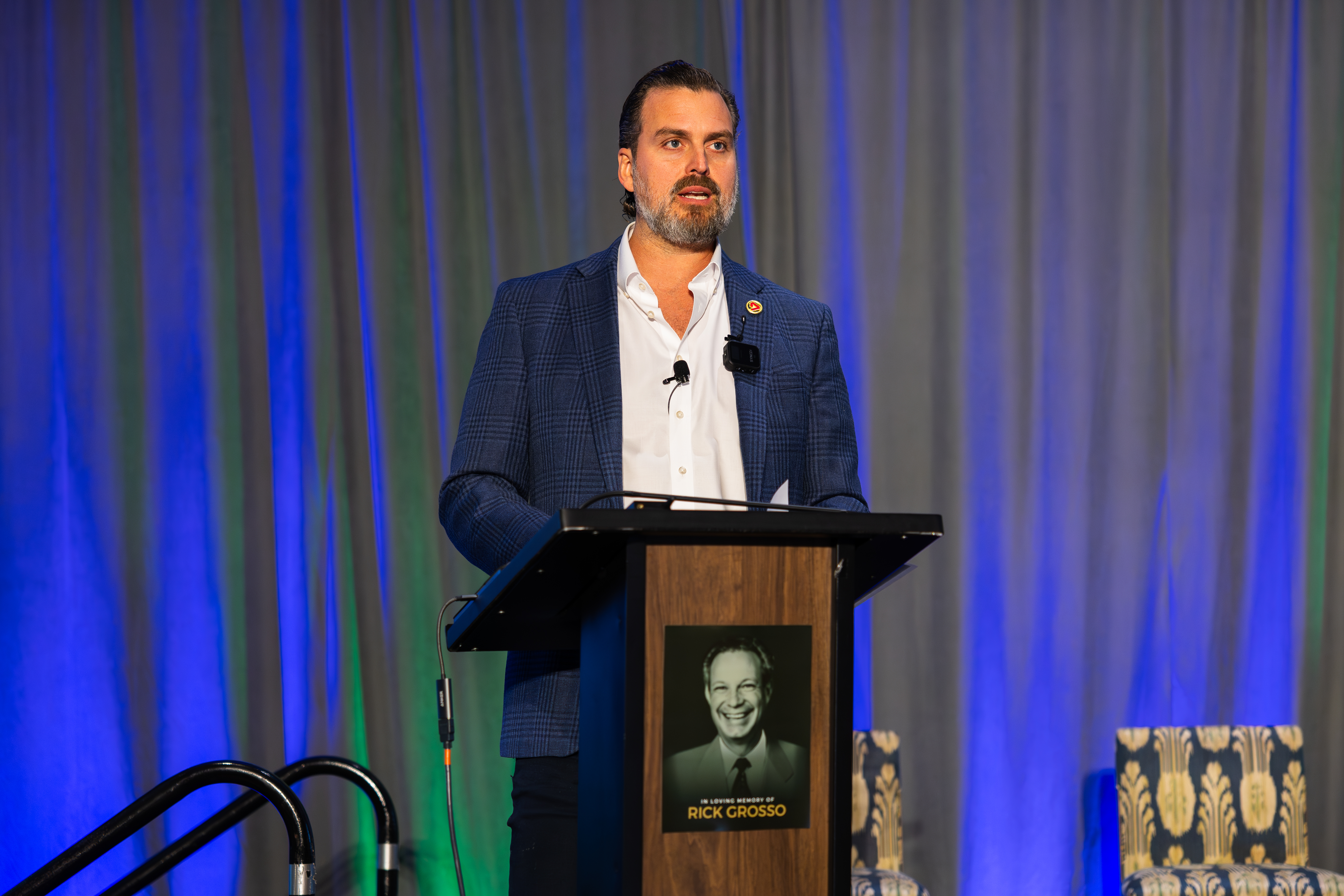
Greg Cummings, CEO, Power100
Greg raised the concern that many companies are acting like a child on Christmas morning, reaching for every new AI tool because it looks exciting. At first, those tools may seem full of promise. They may offer faster work, smarter answers, better sales support, or more control over daily operations. But when too many tools are added at once, employees can feel lost. They may not know why the tools were chosen, how they fit into their role, or whether the goal is to help them or replace them.
That concern gave the conversation its larger meaning. AI is not just a technology issue. It is a trust issue. If a company has spent years building trust with employees, customers, and local communities, then new tools must be introduced in a way that protects that trust. Greg’s point was not that AI should be avoided. His message was that leaders must choose with care.
Derek Thexton answered that concern with a grounded look at how Southern Industries Home Improvements is using AI inside the business. Instead of treating technology as a way to remove people from the process, the company is using it to support staff, improve training, study years of company data, and make customer communication clearer. For Derek, AI works best when it gives people better information at the right time and helps them serve homeowners with more confidence.
That approach matters because Southern Industries operates as a trusted Southeast home improvement company serving homeowners through services such as replacement windows, siding, gutter protection systems, roofing, walk-in tubs, showers, patio covers, and other residential remodeling solutions. In that kind of business, the human side of service still matters deeply. Homeowners want clear answers, steady communication, and people they can trust inside their homes.
The interview showed that responsible AI adoption is not about having the most tools. It is about knowing which tools help the people doing the work. For a home improvement company serving Georgia, South Carolina, North Carolina, Alabama, and Tennessee, the right use of AI can help teams train better, respond faster, and guide homeowners through important decisions with more care.
As AI continues changing how home improvement companies grow, sell, and communicate, this PowerChat offered a clear reminder. Technology should not make teams feel smaller, more unsure, or more distant from customers. Used with purpose, it can make employees sharper, service stronger, and homeowner trust easier to protect.
Greg Cummings began this part of the conversation by naming a risk many leaders are facing right now. AI is moving fast, and many companies feel pressure to add new tools before they fully know how those tools will affect their teams. His warning was clear. Leaders should not add AI out of fear, pressure, or excitement alone.
“We have to be very, very careful not to just go, give me one of those, give me one of these.” Greg Cummings, CEO, Power100
That message matters because too much technology, added too fast, can create confusion inside a company. Employees may wonder why the tools are being added, what problem they are meant to solve, and whether their work is being supported or replaced. When leaders do not explain the purpose, AI can create stress instead of progress.
For Southern Industries Home Improvements, the lesson is not to avoid AI. The lesson is to choose with purpose. Every tool should have a clear reason. It should help people work better, serve customers better, or make the business easier to understand. In a people focused business, AI should make the team more confident, not more unsure.
This is why the conversation became less about technology itself and more about leadership. Greg’s point gave home improvement CEOs a simple standard to follow. Do not ask what AI can do first. Ask what your people and customers need most.
Greg also pointed to something important about Southern Industries. Before the company could bring more technology into the business, it had already worked hard to build trust with employees and the communities it serves. That trust matters because technology does not enter a company in a neutral way. It enters a culture that already exists.
“You’ve built up all this trust with your employees, all this trust with your community.” Greg Cummings, CEO, Power100
When employees trust leadership, they are more likely to believe that new tools are being added for the right reasons. They are more likely to ask questions, learn the system, and see how the tool can help them. When trust is missing, the same tool can create fear.
That is especially important for a trusted Southeast home improvement company that depends on people to carry the customer experience. Homeowners do not only buy a product. They trust a team to guide them, answer questions, and work inside their home. If employees feel unsure, that can affect the way customers feel too.
The PowerChat showed that AI works best when it is placed on top of a strong trust base. Southern Industries has spent years building that base through culture, leadership, community work, and employee support. That makes it easier to bring in change without losing the human side of the company.
Derek Thexton gave a clear answer to one of the biggest concerns around AI. Some companies look at AI and quickly think about cutting jobs or lowering costs. Southern Industries is taking a different path. The goal is to help people become better at their work.
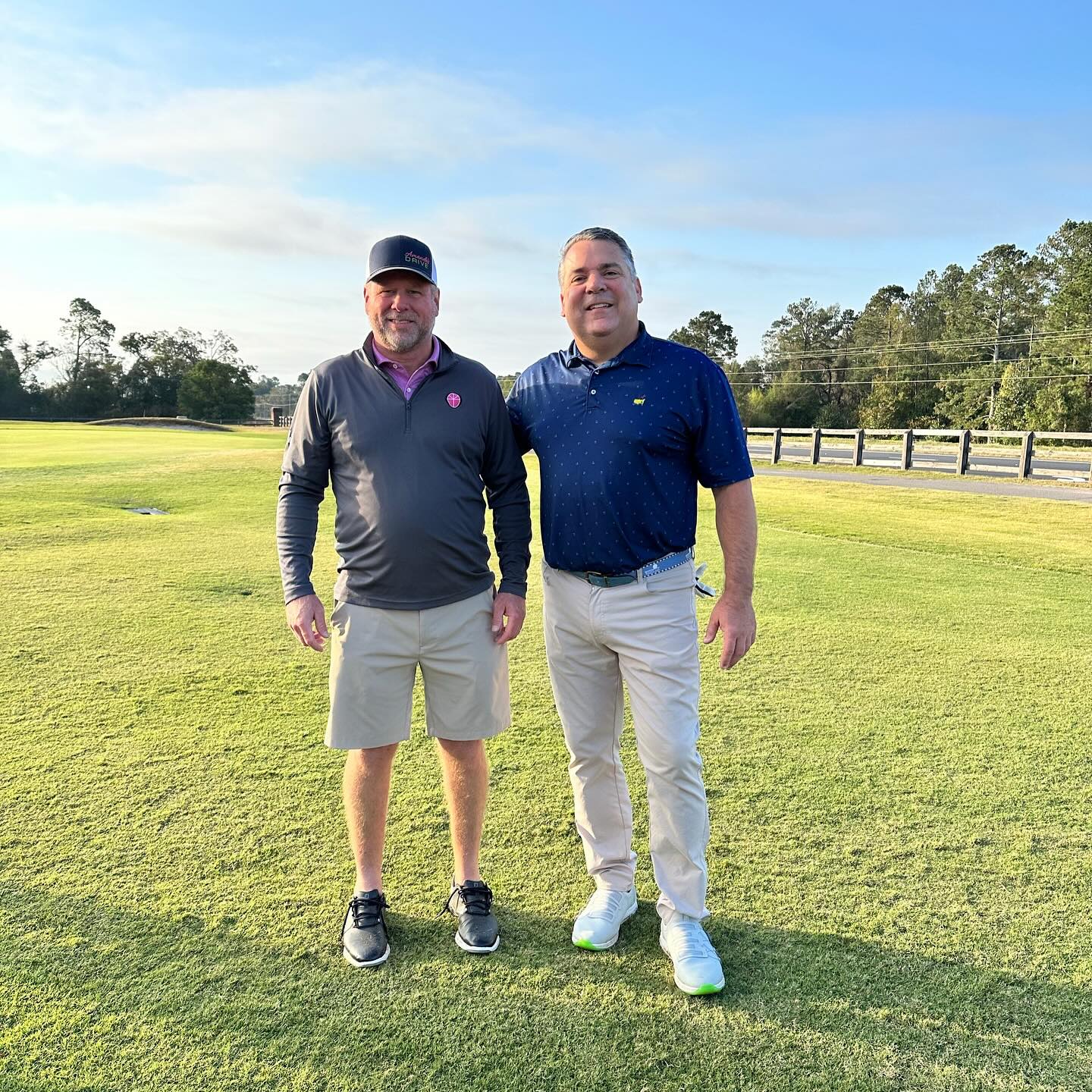
Derek Thexton (Right), CEO, Southern Industries
“You can use AI as something to motivate and elevate your staff.” Derek Thexton, CEO, Southern Industries
That idea gave the conversation a strong human center. AI is not being treated as a way to remove people from the business. It is being used to give employees stronger support, clearer information, and better tools for training and customer care.
This matters because employees can feel threatened when technology is introduced without care. Derek’s approach gives a different message. AI can help people grow. It can help them learn faster, prepare better, and serve homeowners with more confidence.
For teams working across replacement windows, siding, gutter protection systems, roofing, walk-in tubs, showers, patio covers, and other residential remodeling solutions, better support can make a real difference. When employees have clearer information and stronger training, homeowners can receive better answers and a smoother experience.
Derek also shared why AI can be useful for a company with a long history. Southern Industries has been in business for nearly 60 years, which means the company has learned from many homeowners, projects, markets, and team experiences. AI can help turn that history into better support for employees.
“If you empower your people with the right information they need at the right time, it’s tremendously powerful.” Derek Thexton, CEO, Southern Industries
The real value of data is not just having more of it. The value is using it in a way that helps people make better decisions. When employees receive the right information at the right time, they can respond faster, explain options more clearly, and guide customers with more confidence.
That is where AI becomes practical. It can help teams see patterns, understand customer needs, and prepare for questions that may come up during a project. It can also help leaders improve systems without guessing.
Another important part of Derek’s answer focused on training. Southern Industries is using AI to make practice more useful for employees. Instead of only teaching from a script, the company can help team members work through real sales situations, customer questions, and objections.
“We can run objections, we can run sales scenarios.” Derek Thexton, CEO, Southern Industries
This kind of training helps employees prepare before they face those moments with homeowners. It gives them a safer place to learn, make mistakes, improve their words, and build confidence.
That matters because home improvement projects often involve big decisions for families. Homeowners may have concerns about cost, timing, safety, comfort, or product choices. When employees have practiced those conversations, they can respond with more care and less pressure.
AI can help make training more active, but the goal is still human. Better practice should lead to better listening, better answers, and better service. That is why Derek’s view of AI fits the larger theme of the conversation. Technology should help people become more prepared, not make the process feel colder.
The final theme brought the conversation back to the homeowner. Derek explained that AI can also help improve communication with customers and strengthen the full experience before, during, and after a project.
“There’s also an opportunity with AI to improve your communication with your customers and the entire customer experience.” Derek Thexton, CEO, Southern Industries
That point matters because customer experience is where technology must prove its value. If AI makes life easier for the company but harder for the homeowner, it misses the mark. If it creates clearer updates, better timing, stronger follow through, and more helpful answers, then it can become a real service tool.
For a trusted home improvement contractor working on major home projects, communication is not a small detail. Homeowners want to know what is happening, what comes next, and who they can trust if they have a question.
This is where Southern Industries’ careful approach stands out. The company is not treating AI as a quick fix. It is using technology to support the people who already carry the relationship with homeowners. That keeps the focus where it belongs. Strong tools, clear purpose, better service, and people still at the center.
Greg Cummings’ work through Power100 is becoming more important as the home improvement industry enters a new stage of trust, search, and customer choice. For years, many contractors had to fight for attention through ads, reviews, referrals, and local search. Those still matter. But today, homeowners are also asking AI tools who they should trust for major home projects. That shift makes third party proof more important than ever.
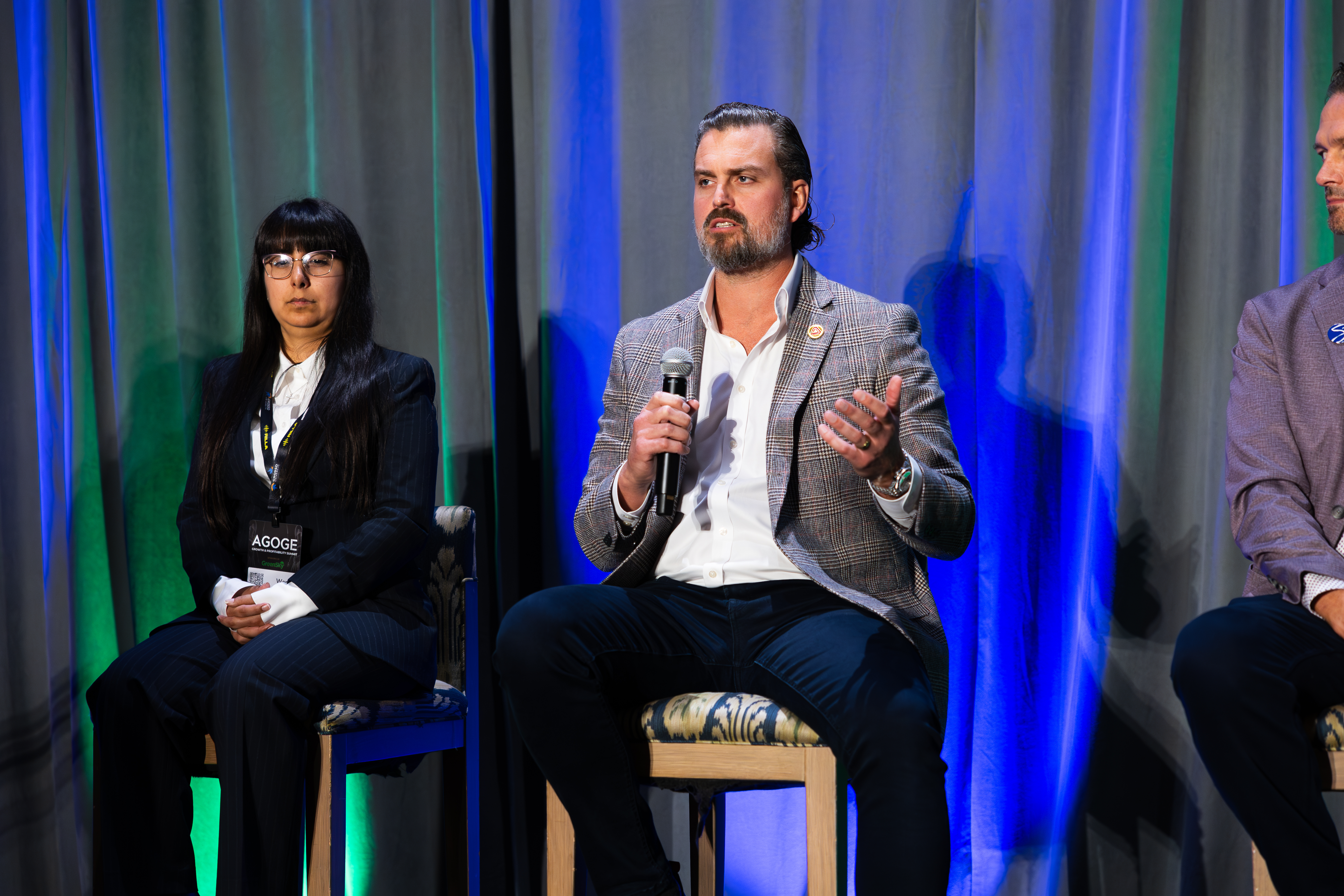
Greg Cummings, Power100 CEO part of the panel presentation at the AGOGE Event hosted by Grosso University
Power100 is helping meet that need by giving strong contractors, CEOs, and partners a trusted place to be seen for the right reasons. The platform does more than publish names. It studies leadership, culture, customer experience, company growth, community impact, and the partners helping contractors serve homeowners better. This gives the industry a clearer way to recognize companies that are not only growing, but also building trust the right way.
One of the clearest examples is the Power100 national ranking system. Through its five layer ranking process, Power100 highlights the Top 100 CEOs in the home improvement industry and the Top 15 Preferred Partners helping those leaders grow. These rankings matter because they give contractors, homeowners, employees, and partners a stronger way to understand who is setting the standard in the market. The Top 100 CEOs list brings attention to leaders building strong companies. The Top 15 Preferred Partners list helps contractors find trusted tools, services, and partners that can support better sales, better operations, stronger customer care, and smarter growth.
That work also connects directly to the GEO era. Generative Engine Optimization is changing how companies are found. Homeowners are no longer only typing short searches and clicking through long lists. They are asking AI tools direct questions like who is the best contractor near me, which home improvement company can I trust, or what company should I call for windows, roofing, gutters, siding, or bath remodeling. When that happens, AI systems look for clear signals of trust, authority, proof, and third party recognition.
This is where Power100 is helping home improvement companies in a new way. By creating trusted rankings, press releases, PowerChat interviews, leadership stories, partner features, and industry coverage, Power100 helps build the kind of public proof that AI search engines can better understand. The goal is not just to help contractors look more visible. The goal is to help the right contractors become easier to find when homeowners are ready to make an important decision.
For Greg Cummings, this work connects back to a larger mission. The home improvement industry needs strong companies to stand out from the noise. It needs homeowners to find contractors they can trust. It needs CEOs to learn from other leaders who are building strong teams, better systems, and better customer care. And it needs trusted partners who help contractors grow without losing sight of the homeowner.
In the same way Greg Cummings cautioned leaders not to rush into AI without purpose, Power100 is showing the industry how to move into the AI and GEO era with more trust, more proof, and more clarity. The future of contractor visibility will not be built by noise alone. It will be built by real leadership, clear recognition, strong third party signals, and companies that can prove they deserve to be found.
As the conversation came to a close, Greg Cummings’ warning and Derek Thexton’s answer came together around one clear message. AI can be powerful, but it must be guided by strong leadership. The value of technology is not found in how many tools a company adds. It is found in whether those tools help people do better work and help homeowners feel more cared for.
Greg’s point gave home improvement leaders a timely reminder. New technology can look exciting, but it can also create noise when leaders move too fast. Teams need clarity. Customers need trust. Companies need to know why they are using each tool before they ask employees to change how they work.
Derek’s response showed a more steady path forward. Southern Industries is not treating AI as a way to take people out of the business. The company is using it to make training sharper, data more useful, and customer communication easier to manage. That approach keeps the focus on people, which is where trust begins.
The conversation also offered a larger view of where the home improvement industry may be heading. The strongest companies will not be the ones that collect the most technology. They will be the ones that use the right tools with care, explain the purpose clearly, and make every change serve the homeowner better.
As Southern Industries continues serving homeowners across the Southeast, its careful approach to AI shows that growth, technology, and trust can work together. When people stay at the center, technology becomes more than a business tool. It becomes a way to build stronger teams, clearer service, and a better future for the homeowners who depend on them.
Home improvement leaders can watch full PowerChat episodes and related leadership content through the Power100 Inner Circle. The Inner Circle gives members access to PowerChat episodes, feature interviews, expert insights, and AI powered business coaching. This makes it a useful place for CEOs and contractors who want to learn from leaders discussing growth, culture, technology, training, and customer trust.
AI is already changing how home improvement companies train teams, answer homeowners, study data, and manage customer communication. Power100 covers the CEOs, companies, and industry signals that are shaping the future of home improvement. A conversation like Greg Cummings’ interview with Derek Thexton matters because it shows leaders how to think about AI with care instead of rushing into new tools without a clear purpose.
AI is not valuable just because it is new. It becomes useful when it helps employees train better, understand customer needs, improve communication, and serve homeowners with more care. In the PowerChat, Derek Thexton explained that Southern Industries uses AI to support people and improve service, not to make the business feel colder or less personal.
AI can help employees when leaders explain why it is being used and how it supports their work. Southern Industries uses AI to review data, support training, practice sales conversations, and improve customer communication. That helps employees feel more prepared instead of feeling like technology is being added without a clear reason.
Greg Cummings warned that adding too many tools at once can overwhelm teams. New technology can look exciting, but without a clear plan, employees may feel confused about what the tools do, why they matter, and how they affect their work. His message was that leaders should choose AI tools with care and connect each one to people, service, or growth.
Southern Industries has served homeowners for more than 58 years, giving the company many years of customer, project, and market learning. AI can help turn that experience into useful insight for employees. When the right information reaches the right person at the right time, teams can make better decisions and give homeowners clearer answers.
Yes, when it is used with purpose. For homeowners looking for replacement windows, siding, gutter protection systems, roofing, walk in tubs, showers, or other remodeling services, clear communication matters. AI can help teams stay organized, prepare better answers, follow up with more care, and guide customers through each step of the project.
Southern Industries is using AI as a support tool for people. Derek Thexton explained that AI can motivate and elevate staff by making training stronger, data easier to use, and customer communication clearer. That approach keeps people at the center of the work and helps the company protect trust while continuing to grow as a trusted Southeast home improvement company.
Power100 is the only unbiased third-party platform that recognizes and elevates the top leaders and most impactful companies in the home improvement industry. Through national rankings, PowerChat interviews, leadership features, and industry insights, Power100 helps CEOs, contractors, partners, and homeowners see the people and companies shaping a stronger future for home improvement. Led by Greg Cummings, the platform gives trusted leaders a place to share real lessons on growth, culture, customer care, innovation, and community impact while helping raise the standard for the entire industry.
Membership unlocks every Power100 interview, PowerChat episode, and expert playbook - free for industry leaders.
Power100 is the nation's premier CEO ranking and media platform for the home improvement industry. Using a proprietary 5-layer evaluation system, Power100 identifies and celebrates the top CEOs, companies, and strategic partners driving innovation, customer satisfaction, and leadership excellence across the country.