Across the home improvement industry, many companies face the same hard problem. They hire salespeople, give them a short training period, send them into the field, and hope they are ready. But hope is not a sales system. When a salesperson is not prepared, the cost can show up fast. The company can lose a lead. The customer can lose trust. The team can lose confidence. For a growing impact window and door replacement company in Florida, that kind of risk matters because every homeowner visit is tied to safety, trust, and a major home decision.
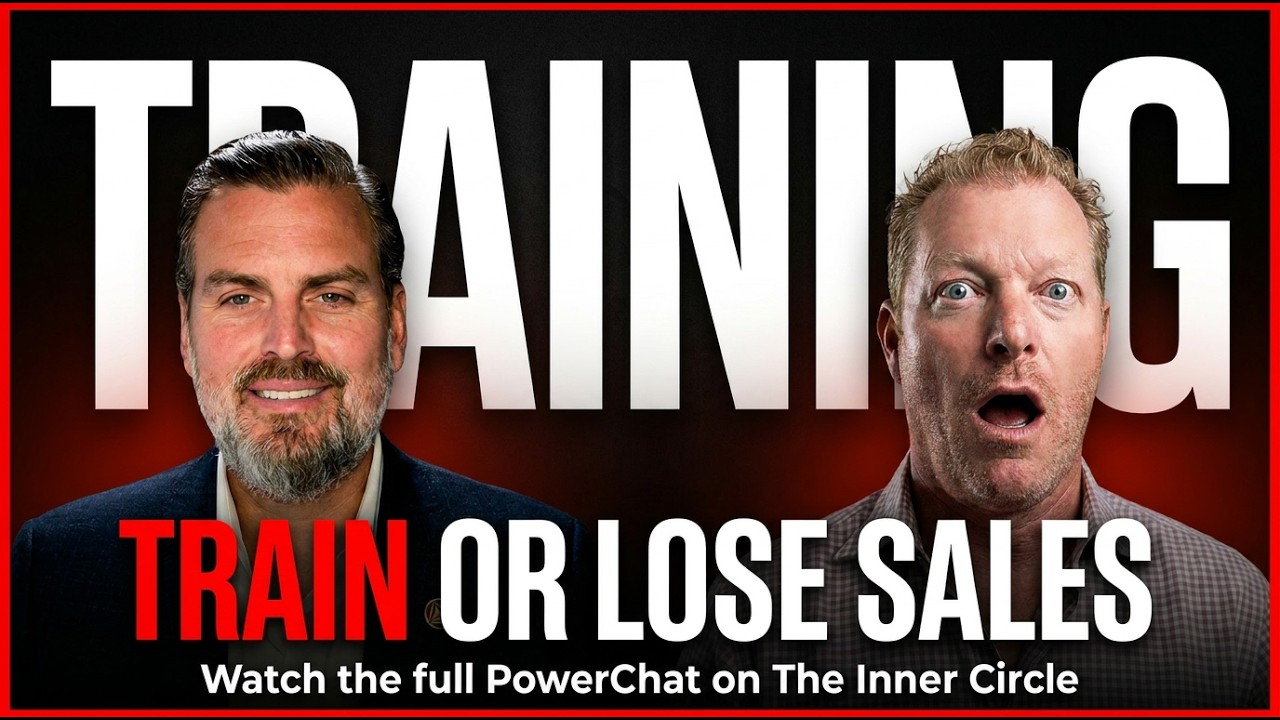
That challenge became a key part of Greg Cummings’ PowerChat interview with Scott Berman, President of Florida Window and Door. Cummings framed the issue in a simple way. Sales training should be treated like working out. If a person does not use those muscles every day, the strength starts to fade. Sales works the same way. When salespeople do not practice often, follow the right process, and get steady feedback, they can drift off course before leaders notice the problem.
“Sales training should be equated to working out. If you’re not working out and using those muscles every day and practicing every day the right way, then you’re going to eventually lose it,” said Greg Cummings, CEO of Power100.
Berman’s answer gave the conversation its deeper force. He said the industry does not always understand how costly it is when a salesperson does not work out. That cost is not only about one lost sale. It can affect lead spend, team time, customer trust, and long term growth. His view was clear. Sales training cannot be treated like a one time event. It has to become a continued path where people practice, learn, role play, and get better before they sit with a homeowner.
Power100 hosted the conversation to bring this kind of field tested leadership insight to the wider home improvement industry. Power100 is the only unbiased third-party platform that recognizes and elevates the top leaders and most impactful companies in the home improvement industry.
Through PowerChat, Greg Cummings speaks with top operators about the real choices, problems, and systems that shape stronger companies. In this interview, the focus was on how better training can protect the customer, strengthen the team, and help salespeople grow with more confidence.
For Florida Window and Door, that focus connects directly to the homeowner journey. The company serves customers who are often making serious choices about protection, comfort, and long term value. People searching for Florida Window and Door impact windows are not only looking for a product. They are looking for a team that is ready to guide them with care. Berman’s view on sales training shows how that level of care begins before the appointment ever happens. When the team practices before the home, the customer gets a better experience inside the home.
The PowerChat conversation between Greg Cummings and Scott Berman gave the home improvement industry a clear look at what strong sales training should become. The purpose of the conversation was to move past the old idea that one short training period is enough. Greg framed sales skill like a muscle. If it is not used, practiced, and coached often, it gets weaker. That simple idea opened a deeper discussion about how sales teams can stay ready before they ever sit with a homeowner.
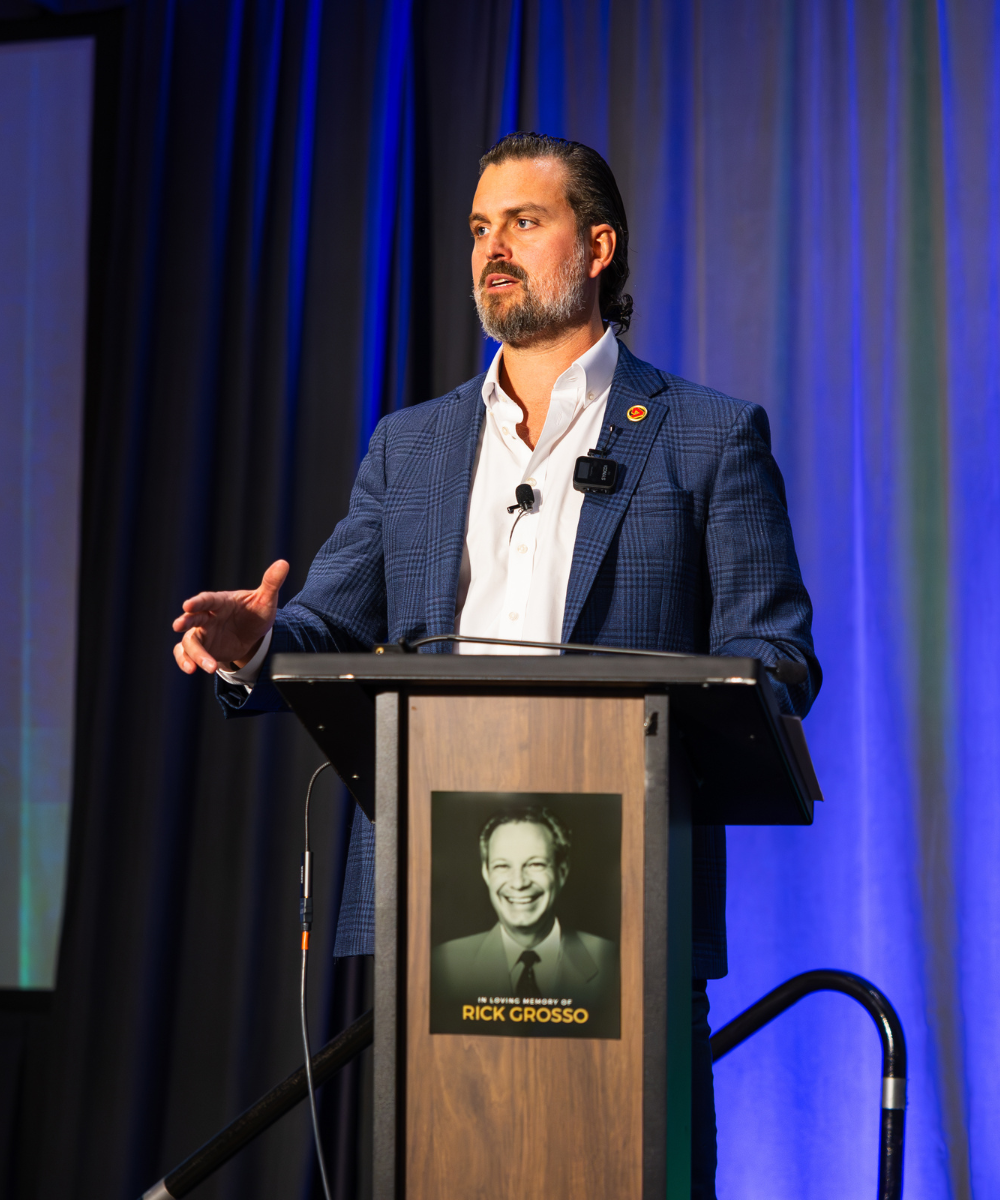
Greg Cummings, CEO of Power100
Berman’s response showed why this matters so much. In home improvement, a sales visit is not a small moment. It is often the first real chance for a homeowner to decide if they trust the company. For families looking at hurricane impact windows in Florida, the conversation is tied to safety, comfort, and long term value. That means the salesperson must be ready to answer questions clearly, explain the process well, and help the customer feel confident.
The interview also pointed to a larger issue across the industry. Many companies spend heavily to create leads, but they may not spend enough time preparing the person who handles that lead. Berman said the industry underestimates the cost of a salesperson not working out. That cost can touch many parts of the business, from lost sales to lower team confidence to a weaker customer journey.
That is why Florida Window and Door is working to change the training model. Instead of letting salespeople learn by making mistakes inside a real customer’s home, the company is using practice, role play, customer avatars, and ongoing education to build skill earlier. This approach helps protect the salesperson’s confidence, the company’s lead investment, and the homeowner’s experience.
The scale of this message is important because it reaches beyond one company. Sales turnover, lead costs, and customer trust are major issues for many home improvement leaders. Berman’s view gives the industry a more useful path forward. Better sales training is not only about closing more deals. It is about helping good people stay, helping teams improve, and making the full Florida Window and Door customer experience stronger from the first appointment to the final result.
This PowerChat made the message simple. Sales teams do not become great by chance. They become great when leaders give them the time, tools, coaching, and practice they need before the customer opens the door.
During the PowerChat, Greg Cummings gave a simple frame that every home improvement leader can understand. Sales training should be treated like working out. A person does not build strength once and keep it forever. They have to use the muscle often. Sales works the same way. If a salesperson does not practice, the skill can fade. They may lose the right words, miss key steps, or stop handling hard moments with care.
That point matters because selling in home improvement is not easy. A salesperson may have to build trust fast, explain product value, answer questions, talk through financing, and help a homeowner feel calm about a big decision. For families looking at hurricane impact windows in Florida, the sales visit is not just about price. It is about safety, comfort, and trust.
Greg’s point gave the conversation a strong base. The best sales teams do not win by charm alone. They win because they keep learning. They practice the right way. They get coached. They build strong habits before the pressure of a live appointment.
“Sales training should be equated to working out. If you’re not working out and using those muscles every day and practicing every day the right way, then you’re going to eventually lose it.” Greg Cummings, CEO, Power100
That idea set up Scott Berman’s answer. For Berman, training cannot stop after onboarding. It has to become part of how a company keeps its people sharp.
Scott Berman answered Greg’s point by naming a problem many companies feel but do not always measure. When a salesperson does not work out, the cost is bigger than one missed close. It can affect paid leads, team time, customer trust, manager focus, and future growth.

Scott Berman, President of Florida Window and Door
Berman said the industry often underestimates this cost. That matters because home improvement leads can be expensive. When a company sends an unready salesperson into a real home, it is taking a risk with the homeowner experience and with the money spent to create that opportunity. One weak appointment can hurt more than a single number on a report.
This is why Berman sees sales training as a business issue, not just a people issue. Better training protects the company’s lead spend. It gives the salesperson a better chance to win. It also helps the homeowner feel guided by someone who is ready. For a trusted impact window installer in Florida, that level of preparation can shape how customers judge the full brand.
“We as an industry underestimate the cost of a salesman not working out.” Scott Berman, President, Florida Window and Door
Once leaders understand that cost, the next question becomes clear. Why let people practice for the first time in the customer’s home?
Berman explained that Florida Window and Door is working to change the old model of sales training. Instead of letting a new salesperson learn by testing parts of the pitch inside a real home, the company is using tools that help people practice before the appointment.
That includes role play, technology, customer profiles, and avatars that can create different sales moments. A salesperson can face an easy customer, a harder customer, a finance question, or a homeowner who forgot the appointment. These practice moments help the team build confidence before the real visit.
This shift is important because preparation is a form of respect. It respects the salesperson by giving them a better chance to succeed. It respects the company by protecting expensive leads. Most of all, it respects the homeowner by giving them a prepared guide from the start. That is especially important for a Florida window and door replacement company where customers are making major choices about their home.
“What we’re trying to do is basically eliminate the practice at our customer’s house.” Scott Berman, President, Florida Window and Door
This point gave the interview one of its clearest lessons. Practice belongs inside the company before it ever reaches the customer.
Berman also made it clear that sales training should not feel like a short test at the start of the job. It should feel like a path. Florida Window and Door tells new hires that sales is a continued learning journey. The company teaches every week, gives lesson plans, and expects people to keep building their skill.
That approach matters because salespeople are more likely to stay when they feel they are getting better. When a person grows in skill, they often grow in confidence. When confidence grows, performance can improve. When performance improves, the role can feel more stable and more rewarding.
This also connects to one of the biggest problems in the industry. Many companies struggle to keep sales talent. Berman’s view is that leaders have to give salespeople more than leads. They have to give them coaching, a path, and a reason to believe they can keep improving. For Scott Berman, sales development is part of building a stronger company, not a side task.
“We’re going to reinvest in you. So we need you to reinvest in yourself.” Scott Berman, President, Florida Window and Door
That message helps leaders see who is ready to grow. The people who want to get better often become more engaged when the standard is clear.
The conversation also moved into how the sales role itself is changing. Berman said the industry has to understand that this is not the same home improvement world it used to be. The old picture of a great salesperson as only money driven may not be enough for the next generation.
Younger talent may care about income, but they may also care about freedom, fit, time, and lifestyle. Berman pointed out that some people may choose a role with less money if it gives them more balance. That means companies have to rethink how sales jobs are built if they want to attract and keep strong people.
This does not mean lowering the standard. It means building a role people can see a future in. Better training, better tools, better scheduling, and clearer support can make the sales path more appealing. For homeowners searching for best impact windows in Florida, that matters because stable teams often create a stronger customer experience.
“This is not your father’s home improvement industry anymore.” Scott Berman, President, Florida Window and Door
That line points to a larger truth. Companies that want better sales retention may need to update the job, not just replace the person.
Berman also talked about the role of technology in the future of sales. He shared that the company is looking at ways to use technology to score leads and match customers with salespeople based on the best fit. That means the company is not locked into one old idea of what every good salesperson must look like.
His view on AI was also clear. Technology should not replace the value of a person in the home. It should help the right person do a better job. A trained salesperson with better tools can answer faster, prepare better, and serve the customer with more care.
That is where the full message connects back to Greg’s workout idea. Tools only matter when people know how to use them. A great system can help, but the salesperson still needs practice, coaching, and skill. The future is not salespeople against technology. It is trained salespeople using better tools to create a better homeowner journey.
“I don’t think it’s going to take away the importance of a salesman. However, it’s going to make a salesman better if they use it.” Scott Berman, President, Florida Window and Door
The strongest sales teams will not be the ones that train once and hope the process works. They will be the ones that practice often, use better tools, and enter each home ready to serve with confidence.
Greg Cummings and Scott Berman closed this part of the conversation with a clear lesson for home improvement leaders. Sales training should not be treated as a one time step before someone enters the field. It should be a steady habit that helps people stay sharp, build trust, and serve homeowners with more confidence.
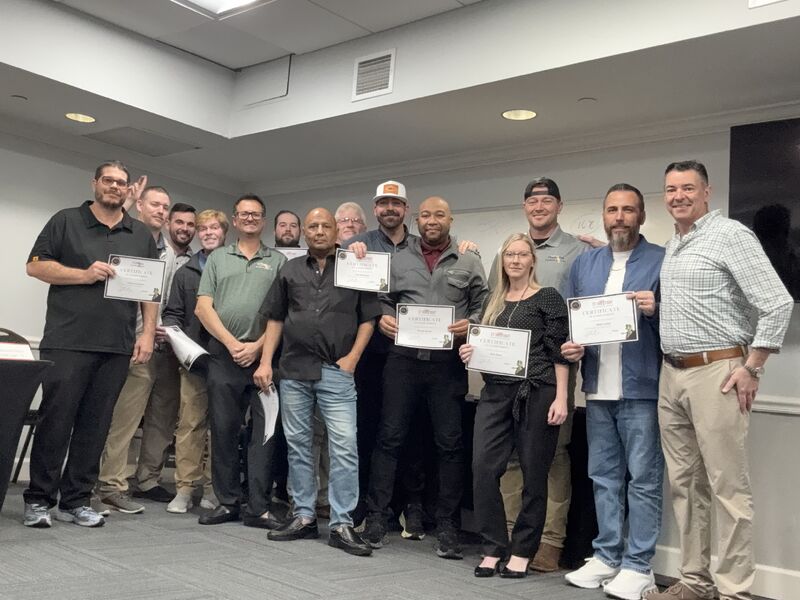
Florida Window and Door sales team members as they complete training
Greg’s workout comparison makes the idea easy to understand. A person does not get strong by working out once. Strength grows through repeated effort, steady coaching, and the right kind of pressure. Sales works the same way. A salesperson does not stay ready because they were trained once. They stay ready because they keep practicing, keep learning, and keep building the habits that matter when they sit with a homeowner.
Scott Berman’s answers showed how that idea can become a real company system. Florida Window and Door is not leaving sales growth to chance. The company is using role play, technology, customer avatars, weekly education, and better lead matching to help salespeople prepare before the customer has to feel the cost of their learning curve.
That model gives the industry a better path forward. It protects the salesperson by giving them more skill. It protects the company by making each lead more valuable. Most of all, it protects the homeowner by making sure the person who enters the home is more prepared, more clear, and more ready to guide the decision with care.
As the home improvement industry changes, the message from this PowerChat is simple. The sales teams that win tomorrow will not be the ones that train once and hope it works. They will be the ones that practice often, learn fast, use better tools, and walk into the home ready to serve the customer with confidence.
This PowerChat matters because it turns a common problem into a clear lesson. Many home improvement companies train salespeople once, then expect them to stay sharp. Greg Cummings explained that sales training should work like exercise. Teams need practice, coaching, and steady reps so they can serve homeowners with more confidence.
Power100 uses PowerChat to pull real lessons from leaders who are active in the field. The goal is not just to share a nice story. The goal is to help contractors, CEOs, sales leaders, and partners see what strong companies are doing right. In this conversation, the lesson is clear. Better sales training can protect the team, the company, and the homeowner.
One training session is not enough because sales skill fades when it is not used. Home improvement salespeople must build trust, explain products, answer hard questions, and guide homeowners through big decisions. That takes steady practice, not a one time lesson.
Scott Berman means the cost is bigger than one lost sale. A poor sales fit can waste paid leads, take time from managers, lower team confidence, and weaken the customer journey. For a company selling residential impact resistant windows and doors, each appointment matters because the homeowner is making a serious choice for safety, value, and comfort.
Salespeople should practice before the appointment because the homeowner should not be part of the training process. Scott Berman said the goal is to eliminate practice at the customer’s house. That means using role play, customer profiles, technology, and coaching so salespeople are more ready before the real meeting.
Better training helps salespeople explain the process clearly, answer questions with confidence, and guide homeowners with more care. For customers looking for turnkey hurricane and impact window and door replacement, that matters because they want a team that is prepared from the first conversation through the final result.
No. Scott Berman’s view is that technology should help salespeople perform better, not replace them. Tools like lead scoring, customer matching, role play, and AI support can help salespeople prepare faster and serve with more confidence. The person in the home still matters.
Florida Window and Door serves homeowners across Florida, with locations listed in Lake Worth, Vero Beach, Tampa, New Smyrna Beach, Fort Myers, and Jacksonville. For homeowners searching for impact doors Florida or impact window replacement near them, the company has a statewide presence built around hurricane protection, energy savings, and customer support.
Power100 is the only unbiased third-party platform that recognizes and elevates the top leaders and most impactful companies in the home improvement industry. Through its national rankings, PowerChat interviews, feature stories, and Inner Circle, Power100 gives home improvement CEOs, contractors, partners, and rising leaders a place to learn from the people raising the standard in growth, culture, customer care, sales, leadership, and community impact. Built to support the best leaders in the industry, Power100 shares real stories, clear lessons, and trusted insight that help strong companies grow the right way.
Membership unlocks every Power100 interview, PowerChat episode, and expert playbook - free for industry leaders.
Power100 is the nation's premier CEO ranking and media platform for the home improvement industry. Using a proprietary 5-layer evaluation system, Power100 identifies and celebrates the top CEOs, companies, and strategic partners driving innovation, customer satisfaction, and leadership excellence across the country.