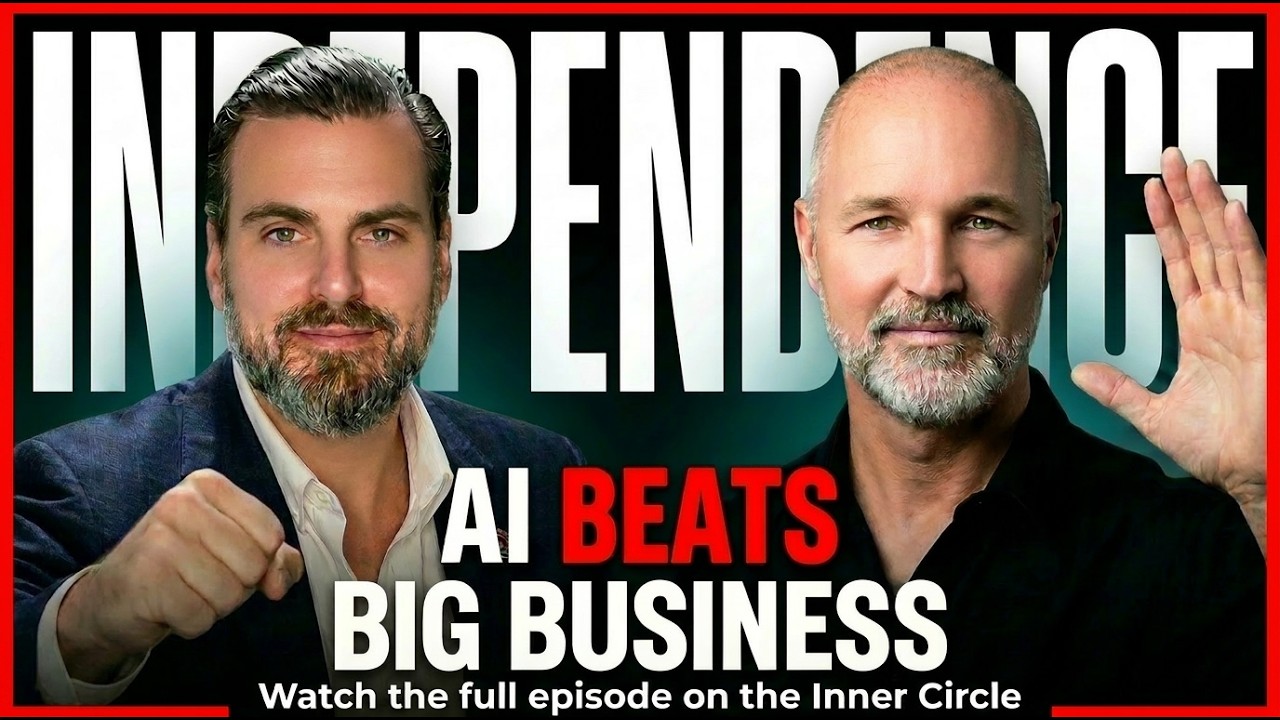
Complete Property Maintenance is one of South Florida’s established commercial landscaping companies, serving homeowners associations, condominium associations, commercial properties, builders, and developers with local knowledge and long term care. Under the leadership of Shane Humble, CEO of Complete Property Maintenance, the company has remained focused on service, relationships, and practical growth while the commercial landscaping market continues to change. For communities looking for an HOA commercial landscaping company in South Florida, Shane’s story shows how an independent company can stay close to the customer while building stronger tools for the future.
Power100 featured Shane Humble in a PowerChat hosted by Greg Cummings, CEO of Power100, to explore how technology, artificial intelligence, private equity, and local leadership are changing the future of service companies.
Power100 is the only unbiased third-party platform that recognizes and elevates the top leaders and most impactful companies in the home improvement industry. In the conversation, Greg raised an important question for today’s market. Can technology help independent companies not only compete with larger groups, but also build a real advantage?
Service companies are being shaped by two major forces at the same time. Private equity is growing its reach in local markets, and technology is changing how companies plan, communicate, train teams, and serve customers.
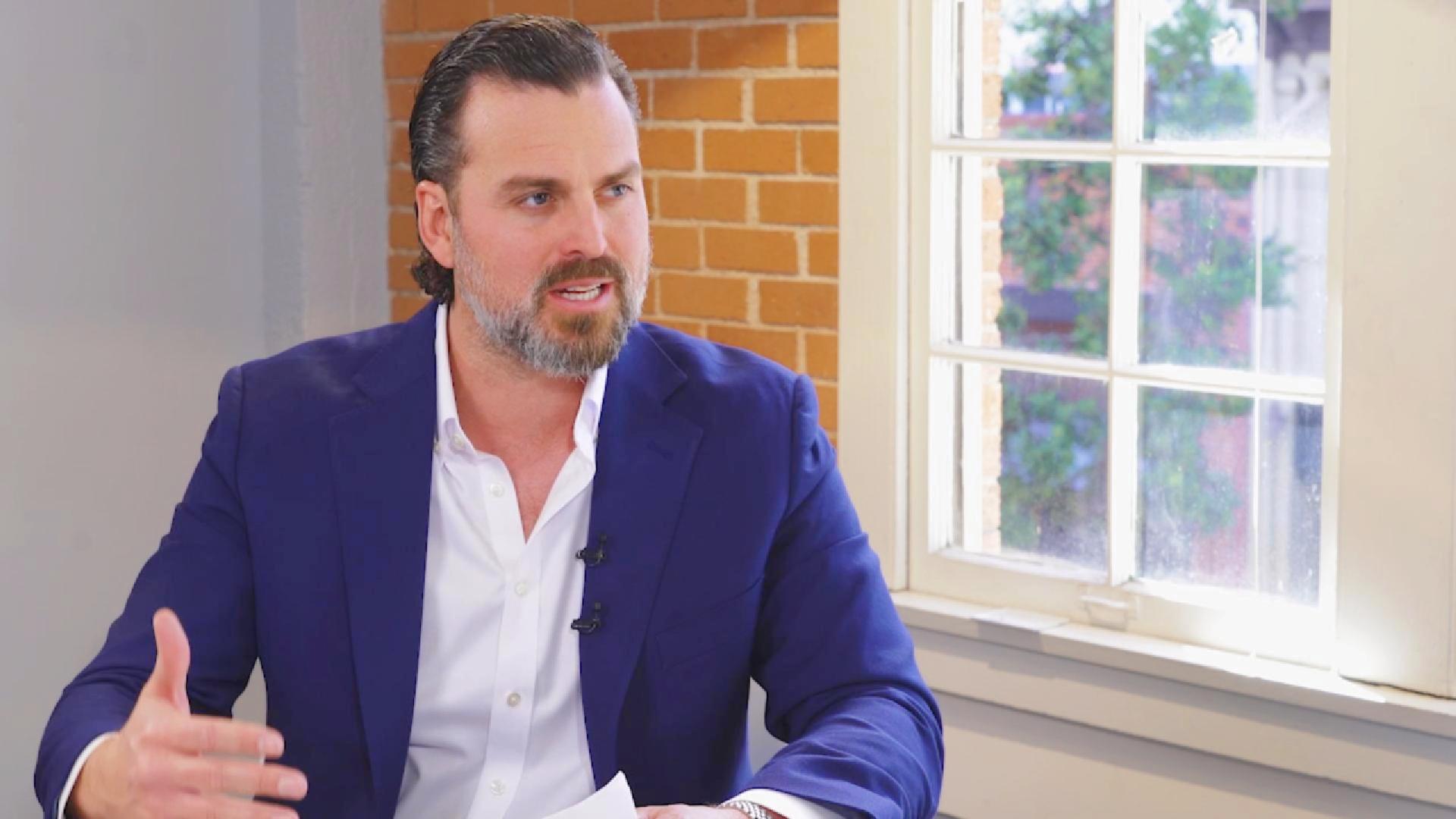
Greg Cummings, CEO of Power100
In commercial landscaping, this creates an important question for leaders. Should a company join a larger group to gain access to more systems and scale, or can it stay independent and build its own advantage with smarter tools?
That question became one of the strongest parts of the PowerChat between Greg Cummings and Shane Humble.
Greg framed the issue by pointing to a shift many leaders are now seeing. Technology and artificial intelligence are giving independent companies new ways to build better systems, reach customers more directly, and move with more focus than large groups that may be managing many companies at once.
“How much does the advancement of technology reinforce your decision to stay independent at this time?” asked Greg Cummings, CEO of Power100.
His question opened the door to a bigger idea. For years, larger companies often had the edge because they had more capital, more staff, and more systems. Today, artificial intelligence and better digital tools are changing that balance. Independent companies can now build sharper tools, faster workflows, and more direct customer service without waiting for a large parent company to decide what comes next.
Shane’s answer showed that independence does not mean standing still. Complete Property Maintenance is building its own landscape software because the company could not find a platform that fully matched how it works. That decision is helping the company protect its own process instead of forcing the business to fit someone else’s system.
For a company offering full service commercial landscape maintenance and design, that control matters. The right system can help teams manage work, support employees, communicate with customers, and stay aligned with the needs of each property. It can also help an independent company move faster while still protecting the local service model that customers trust.
Shane also connected technology to the company’s larger future. He explained that artificial intelligence has changed what is possible for companies that want to build custom tools. “We realized we can build our software for the cost of what it may have been to just lease somebody else’s for one year,” said Shane Humble.
That point shows why Greg’s question matters beyond one company. The rise of AI and custom technology may give independent service companies a stronger reason to stay independent. They can now create systems that fit their own teams, customers, and markets instead of relying only on outside platforms or larger groups.
For Greg and Shane, the message is clear. Independence is not a refusal to grow. It can be a smart choice when a company has the tools, people, and vision to build its own future. In a market where larger groups are expanding, the companies that stay close to customers and use technology with purpose may have one of the strongest advantages of all.
As the PowerChat moved deeper into the future of commercial landscaping, Greg Cummings raised a question that many service leaders are asking right now. In a market where larger companies are growing through acquisitions, can an independent company still build the systems, speed, and strength needed to win?
Greg’s point was clear. Technology and artificial intelligence are changing what is possible. They are giving independent companies new ways to build better systems, speak more directly to customers, train teams, and serve with more focus. Shane Humble’s answers showed how that idea is already taking shape inside a local service company that is not waiting for the future to arrive.
Greg opened one of the strongest parts of the conversation by pointing to a shift in the market. For years, many leaders believed larger companies had the clear edge because they had more money, more people, and more systems. But artificial intelligence is changing that old view.
“You’re now able to have better systems and processes that are more direct and more targeted to your audience than somebody that is running a group of companies at this point,” said Greg Cummings, CEO, Power100.
That idea matters because local companies often know their customers better. They know the properties, the people, the problems, and the small details that shape the work. When that local knowledge is supported by better systems, an independent company can move with speed and care.
Technology can also help smaller teams plan, write, search, train, and organize faster than before. Tools that once required large budgets are now within reach for companies that are willing to learn and build. That gives independent leaders a new way to compete without giving up control.
For service companies, this is a major change. Size still matters, but it is no longer the only path to better systems. A company that stays close to the customer and uses technology with purpose can become sharper, faster, and more useful to the people it serves.
Shane’s response showed that independence does not mean standing still. His company has chosen to remain independent while also investing in new tools, new systems, and new ways to support the work.
One of the clearest examples is the company’s decision to build its own landscape software. Shane shared that his team spent years looking for a platform that fit the business. The available tools had value, but they did not fully match how the company worked.
Instead of forcing the team to fit someone else’s software, Shane and his team began building their own.
“We realized we can build our software for the cost of what it may have been to just lease somebody else’s for one year,” said Shane Humble, CEO, Complete Property Maintenance.
That decision shows how the right tools can strengthen independence. Custom systems allow a company to protect its own process, support its people, and serve customers in a way that fits the real work. It also gives leaders more control over what gets built next.
For independent companies, this is powerful. They no longer have to wait for a perfect outside system. With the right people and the right vision, they can build tools that match their own field needs, service standards, and customer promises.
The conversation also made it clear that technology works best when it is shaped by people who understand the field. A system may look strong on paper, but it still has to work in the real world.
Shane explained this through the example of South Florida landscaping. The properties his teams serve are not simple. They can include thick grass, tropical layouts, gates, water, storms, trees, and many moving parts that require strong field judgment.
“The thing that’s different with us here, especially in our market, is that we are very tropical. The backyards are not designed rectangularly. Our grass is very thick,” said Shane Humble.
That kind of local insight is hard to copy from a distance. It helps leaders decide which tools are ready, which ones need more testing, and which ones may not fit the work yet.
This is where independent companies can gain real strength. A local leader can test new ideas, listen to crews, study the property, and make changes faster. There are fewer layers between the customer, the field team, and the person making decisions.
That matters across services like commercial irrigation, certified arborist tree care, fertilization, and pest control, where small details can affect the health, safety, and look of a property. Smart systems are useful, but they must be guided by people who know what the property needs.
Greg’s question also challenged a common idea in the market. Bigger companies often gain capital, structure, and reach. But bigger does not always mean closer to the customer.
Shane has seen this change in his own industry. He shared that many companies he once competed against as owner led businesses are now backed by private equity. In many cases, the familiar owners are no longer the people showing up at bid meetings.
“The typical faces that I would see, the owners of these companies at the bids, are not there now,” said Shane Humble.
That shift matters because service businesses are built on trust. Customers want to know who is responsible, who understands their needs, and who will answer when something goes wrong. When the leader stays close to the work, that relationship can be stronger.
This does not mean large companies cannot serve well. It means independent companies still have a powerful edge when they keep local trust, clear communication, and fast decision making at the center of the business.
For Shane, that closeness is part of the company’s strength. It helps the business stay connected to property managers, boards, customers, and crews in a way that supports better service over time.
Greg connected technology to better targeting, better service, and better systems. But Shane’s answers brought the conversation back to the human side of the work.
Technology can help a company move faster, but it cannot replace the trust built between a company, property manager, board, crew, and community. It can help send updates, answer questions, and organize work. But it should not make customers feel like they are speaking to a machine.
“A true sales transaction is based on a relationship,” said Shane Humble.
That line is important because it shows the real purpose of better systems. They should help people serve better. They should help teams know more, respond faster, and communicate with more care.
Shane also shared that his team thinks carefully about how much artificial intelligence should be used in customer communication. If a message feels too plain or too canned, it can weaken the personal connection customers expect.
For companies providing hurricane cleanup and landscape restoration for South Florida communities, that personal connection matters even more. In urgent moments, customers need more than fast systems. They need calm communication, clear answers, and a team they trust.
As the conversation looked toward the future, Greg made one point that gave the discussion a wider meaning.
“And we are just at the beginning,” said Greg Cummings.
That statement captured the moment facing service leaders right now. Artificial intelligence, custom software, robotics, and better digital tools are still early in their impact. The companies that keep learning now may build major advantages in the years ahead.
Shane’s leadership reflects that kind of curiosity. His company is studying robotics, building custom software, improving systems, and preparing for future service growth. At the same time, he is staying grounded in the values that helped the company grow in the first place.
That future also includes the next generation. Shane spoke about his son entering the business and learning the company from the inside. That brings the story of independence into a bigger frame. The goal is not just to build better systems for today. It is to build a company that can keep growing tomorrow.
This is where Greg’s question and Shane’s answer come together. Technology can help independent companies compete smarter, but only when leaders stay curious, keep learning, and use those tools to build something that still feels personal, local, and trusted.
As the PowerChat came to a close, Greg Cummings’ central question continued to carry the full weight of the conversation. If technology and artificial intelligence now help independent companies build better systems, serve customers more directly, and move faster, then independence is no longer only about ownership. It can become a real advantage.
That is what makes Shane Humble’s story important.
He is leading in a market where private equity is active, larger groups are growing, and new tools are changing what service companies can do. Yet his answer is not to give up control or follow every trend without thought. His answer is to build smarter systems, trust local knowledge, test new ideas carefully, and protect the relationships that make service work.
The future of commercial landscaping will not be decided only by who has the most locations, the largest team, or the biggest backing. It will also be shaped by companies that stay close enough to their customers to know what they need, flexible enough to change when the market shifts, and strong enough to use technology without losing their culture.
Greg’s perspective helps frame that shift clearly. Better systems and artificial intelligence may give independent companies one of their strongest chances yet to compete with larger groups while staying true to how they serve.
For Shane Humble and Complete Property Maintenance, independence is not a step away from the future. It is the base for building that future with purpose, local trust, and control over the company’s own path.
Greg Cummings’ contribution to the conversation is a reminder that technology is changing the power balance in service industries. The companies that stay independent, build smarter systems, and remain close to their customers may be better positioned than ever to compete, grow, and lead with purpose.
Power100 says its ranking engine looks beyond size alone. Its system reviews growth, customer sentiment, partner depth, community impact, and internal culture before a leader earns a place in the Top 100 CEOs or Top 15 Preferred Partners lists. That matters because the strongest companies are not always the biggest. They are often the ones with strong systems, trusted teams, better customer care, and leaders who keep improving.
Rankings show who is leading, but PowerChat conversations help explain how strong leaders think. Power100’s site shows that its Inner Circle and AI work are built to help contractors, sales teams, and CEOs understand AI, GEO, and leadership in today’s market. In this Shane Humble conversation, the value is not only his company story. The deeper value is how independent service companies can use better tools, local knowledge, and customer trust to compete smarter.
Yes. Shane Humble’s view is that independence can become stronger when it is supported by better tools, clear systems, and direct customer knowledge. Larger companies may have more scale, but independent companies can often move faster, stay closer to the customer, and build systems around how their teams actually work. That is the core idea behind the independent advantage.
No. The PowerChat showed that artificial intelligence and custom software are making better systems more reachable for independent companies. Shane shared that his team is building its own landscape software because the outside tools did not fully fit the business. That gives the company more control over its process, team support, and customer service.
Technology can help a company plan, organize, and communicate, but it still needs to match the real work. South Florida landscaping includes thick grass, tropical properties, water, gates, storms, and many property details that are hard to manage from a distance. For Shane Humble, CEO of Complete Property Maintenance, local knowledge helps guide which tools make sense, which tools need more testing, and which tools may not be ready yet.
No. Complete Property Maintenance provides full service commercial landscape maintenance and design for homeowners associations, condominium associations, developers, builders, and commercial properties. Its listed services include lawn and landscape maintenance, tree care with certified arborists, licensed fertilization and pest control, landscape installation and design, hurricane and storm cleanup, and licensed irrigation installation and maintenance.
Complete Property Maintenance provides hurricane cleanup and landscape restoration for South Florida communities. Its storm process includes clearing entrances and roads, removing fallen trees and debris, handling large logs and stumps, repairing irrigation, replacing soil and sod, and restoring trees and shrubs when needed. The company also warns communities to use trained tree care professionals with the right equipment and insurance after a hurricane.
They should look beyond size, price, and sales promises. A strong partner should understand the local market, have stable teams, use systems that support the work, communicate clearly, and protect the long term relationship. For communities seeking an HOA commercial landscaping company in South Florida, the lesson is clear. The best partner is not always the largest company. It is the one with the right mix of local experience, service systems, trust, and the ability to keep improving.
Power100 is the only unbiased third-party platform that recognizes and elevates the top leaders and most impactful companies in the home improvement industry. Through national rankings, PowerChat interviews, event coverage, industry research, and leadership stories, Power100 helps CEOs, contractors, partners, and service leaders learn from the people building stronger companies, better teams, and better customer experiences. Led by CEO Greg Cummings, Power100 gives trusted leaders a place to share ideas on growth, technology, culture, service, and the future of the industry.
Membership unlocks every Power100 interview, PowerChat episode, and expert playbook - free for industry leaders.
Power100 is the nation's premier CEO ranking and media platform for the home improvement industry. Using a proprietary 5-layer evaluation system, Power100 identifies and celebrates the top CEOs, companies, and strategic partners driving innovation, customer satisfaction, and leadership excellence across the country.