
When leads slow down, every missed sale becomes more costly for home improvement contractors. Companies spend money on marketing, book appointments, and send sales reps into homes, yet many still lose customers before a deal is signed. With fewer new leads coming in, contractors face a growing challenge.
How can they keep sales moving without spending more money to find new customers?
For Dean Curtis, CEO of Ingage, the answer may already be sitting inside the appointments contractors have today. Ingage provides home improvement sales presentation software that helps sales teams create better presentations, teach homeowners about their products, and track how their sales content performs. Dean believes that improving how sales reps use these tools can help companies close more deals and increase the value of each sale. His message raises a simple question for every contractor:
What if the next big step in your growth came from winning just one more sale out of every ten appointments?
That question became a key part of a PowerChat hosted by Greg Cummings, CEO of Power100, during which he spoke with Dean about the growing pressure on home improvement companies to convert more leads into paying customers. Power100 is the only unbiased third-party platform that recognizes and elevates the top leaders and most impactful companies in the home improvement industry.
Through these conversations, Greg brings business leaders together to share lessons that can help contractors improve their teams, serve homeowners better, and build stronger companies. Dean’s message speaks to CEOs who are seeing fewer leads, harder sales conversations, and more pressure to protect their profits. Rather than focusing solely on bringing in more customers, he encourages leaders to examine what happens after a sales rep walks through the homeowner’s door.
During the PowerChat, Greg Cummings raised a problem that many home improvement CEOs know well. Some contractors are finding it harder to bring in leads, while others are seeing homeowners take longer to make buying decisions. Financing challenges are also making some sales harder to close. With these pressures building, Greg wanted to know what Dean was seeing among the contractors using Ingage and whether better sales tools were helping them improve their results.

Dean Curtis, CEO of Ingage
The conversation also featured Ryan Lococo, CEO of One Click Contractor, whose company helps contractors manage different parts of the sales process, from the first customer conversation to quotes, contracts, and payments.
Dean answered by pointing to something contractors can work to improve, even when the number of new leads is falling. He explained that one of Ingage’s goals is to help customers raise their closing percentages and average deal sizes. To show why this matters, he gave a simple example. If a contractor conducts 10 sales appointments and closes 3, that business has a 30% closing rate. But if the same contractor closes four of those ten appointments, the closing rate rises to 40%. That is one more paying customer without having to find another lead. “And when the leads are scarce, and when the leads are not as plentiful, that close percentage is even more important, right?” Dean Curtis, CEO of Ingage, explained.
But Dean made it clear that better results do not come from buying software alone. He shared that Ingage has seen double-digit percentage point gains in closing rates when contractors use technology with a clear purpose and take the time to train their sales teams.
For Dean, improving closing rates for home improvement contractors starts with equipping sales reps with the right tools, helping them tell a clear story, and making the buying process easier for homeowners. That means teaching customers about the products they need, building trust during the appointment, and helping them feel ready to make a decision. His message offers a different way for CEOs to think about growth. When every lead matters, companies that learn to convert more appointments into sales may be better positioned to grow, even when new leads are harder to find.
During the PowerChat, Dean Curtis, CEO of Ingage, shared a clear message for home improvement leaders who want to grow even as new leads become harder to find. The answer is not always another marketing campaign or a bigger sales team. Sometimes, the greatest chance for growth comes from improving what happens during the appointments a company already has. Dean explained how better homeowner education, clear sales presentations, connected technology, and proper sales training can help contractors turn more conversations into signed deals. His insights also showed why buying new software is only part of the answer. The real change happens when leaders give their teams a better way to sell and make sure they know how to use it.
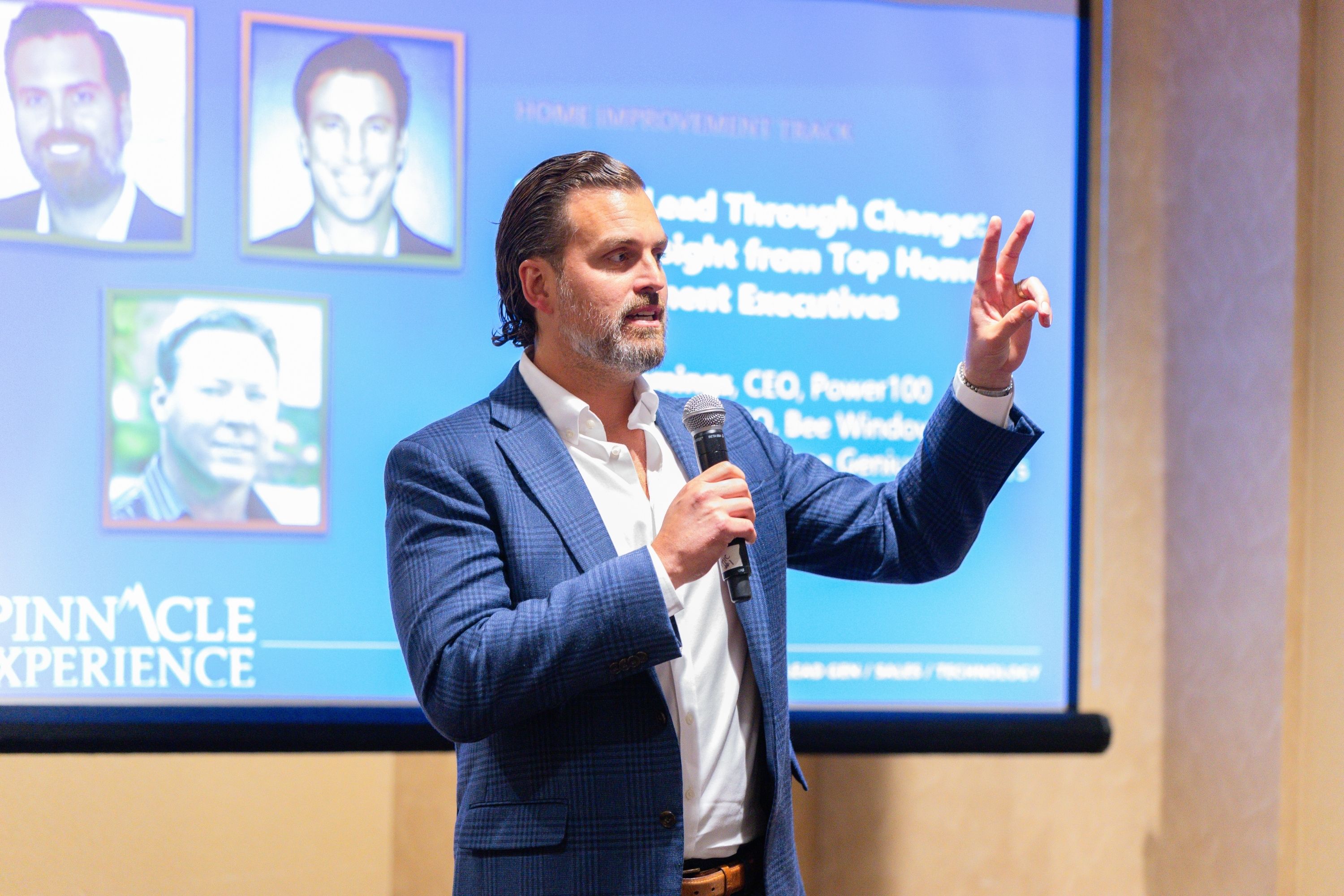
Greg Cummings, CEO of Power100
For many home improvement companies, growth has long meant finding more leads, booking more appointments, and sending more sales reps into homes. But Dean believes contractors also need to pay close attention to what happens with the leads they already have. When appointments are harder to get, losing a sale means losing an opportunity that may be difficult or costly to replace. This makes the closing rate one of the most important numbers a CEO can watch.
Dean explained that even a small change in the number of jobs won can have a major impact on a business. A contractor who wins one more job from the same 10 appointments brings in another customer without spending more money to find that lead. Over time, those extra sales can add up, especially for companies handling many appointments each month. The opportunity becomes even greater when the business can increase the average value of the jobs it wins.
“When the leads are scarce, and when the leads are not as plentiful, that close percentage is even more important, right?” Dean Curtis, CEO of Ingage, explained.
Dean also shared what Ingage has observed among contractors who use sales technology effectively. He said some customers have achieved double-digit gains in their closing rates when they introduce the right tools, train their representatives, and make those tools part of their daily sales process. These results show what is possible when companies focus on improving each sales appointment rather than relying solely on getting more of them.
For CEOs looking for ways to improve results, this creates a different place to start. Instead of asking only how many leads the marketing team can bring in next month, they can also ask how many appointments their sales team is losing and why. Are homeowners getting the answers they need? Do sales reps explain the products well? Is there a clear process that helps customers make a decision? Those questions can reveal chances for growth that are already inside the business.
Winning more appointments is not simply about teaching sales reps how to ask for the sale. Dean believes the way a contractor teaches the homeowner is just as important. Most people do not buy a new roof, replace their windows, or remodel their bathroom every year. These are major decisions that often involve a lot of money, many questions, and some fear of making the wrong choice.
That is why Dean sees the sales appointment as a chance to educate the customer. Homeowners need to understand what makes one product different from another, how the work will be done, and why the company is asking for a certain price. If the sales rep cannot explain those things clearly, the homeowner may leave the appointment with more doubts than answers. But when the rep takes time to teach, the customer has a better reason to trust the company.
“The whole sales process, I believe, for home improvement is really about education,” Dean Curtis shared during the conversation.
This is where interactive sales presentations for home improvement contractors can play an important role. Instead of relying only on spoken explanations or printed materials, sales reps can use clear pictures, product details, and a guided presentation to help homeowners see what they are buying. The goal is not to overwhelm the customer with information. It is to make a large purchase easier to understand.
Dean also explained that better education can help increase the size of a sale. A homeowner may not know why extra roof vents or another product option could be useful until someone takes the time to explain it. When customers understand the reason behind a recommendation, they are better positioned to decide whether the added value is worth the cost.
For contractors, the lesson is that a great customer experience can also support a stronger business. When sales reps focus on helping people understand their options, they build the trust needed to move the conversation forward. That trust may be the difference between a homeowner who keeps shopping and one who feels ready to choose the company.
Even when a contractor has good products and an experienced sales team, the message can get lost if each representative explains the company differently. One rep may spend too much time talking about products. Another may rush to the price before the homeowner understands the value. Others may omit important details that could help the customer make a more confident choice.
Dean believes contractors need a clear story that guides the sales conversation from the beginning. He explained that when some companies come to Ingage, they do not even have a complete sales presentation. Before creating one, his team asks a simple question: What happens when a sales representative meets with a homeowner? That conversation helps the company understand its current process and build a presentation around the story it wants customers to hear.
The goal is to help every rep explain who the company is, what it offers, how it works, and why the homeowner should feel confident choosing it. A clear story also makes it easier for new sales reps to learn the process. Instead of trying to remember every detail on their own, they have a guide that helps them cover the important parts of the appointment.
But Dean believes creating the presentation is only the beginning. Company leaders also need to know whether their teams are using it. He pointed out that contractors once spent time and money creating sales materials without a clear way to see what happened to them once they reached the field.
“For years, people were creating presentations or giving flip books out. They never knew if anybody used them,” Dean Curtis explained.
This is where sales presentation analytics for contractors can help leaders gain a clearer view of their sales teams. By tracking how presentation content is used and examining the results, a company can begin to understand whether its message is reaching homeowners as planned. Leaders can use that information to guide training, improve content, and address gaps in the sales process.
For CEOs managing larger teams or several locations, that kind of visibility matters. A sales process should not depend solely on a few top performers who can tell the company’s story well. Every representative should have access to the right information and a clear way to share it. When leaders support that process and see how it is used, they are more likely to achieve consistent results across the business.
Once a homeowner understands the company and its products, the sales conversation must move toward one of the most important questions: How much will the project cost? This is often the point where the rep must bring together product choices, project details, discounts, and financing options. If that information is spread across different tools, the conversation can become harder to manage.

Ryan Lococo, CEO of One Click Contractor
Dean explained that technology loses some of its value when each system works on its own. A contractor may have one tool for presenting products, another for building quotes, and another for handling the next steps. Moving between those systems can create extra work for the sales rep and break the flow of the appointment.
“When it exists in a silo, it’s less valuable,” Dean Curtis explained while discussing why the partnership between Ingage and One Click Contractor matters.
He believes the real value comes when these tools can work together. Ingage helps contractors present their products and company story, while One Click Contractor supports parts of the sales process, such as building quotes and moving toward a signed contract. By connecting their technology, the companies aim to make it easier for contractors to move from educating homeowners to discussing the work and its cost.
Dean also introduced PriceKit, a feature Ingage had launched to bring pricing conversations into the presentation itself. Instead of leaving the sales story to explain prices in a separate place, a rep can enter the project’s base price and walk the homeowner through available pricing, discounts, and financing options. This gives the company a way to make pricing part of the same process used to explain its products and services.
Dean shared an even larger vision for where this technology could go next. He discussed future plans to connect live quote details and financing rates from tools such as One Click Contractor, so reps would not need to enter that information by hand. This planned approach, which he described as dynamic content, could allow more of the sales presentation to adjust based on information already held in other systems.
For contractors looking at contractor pricing presentation software, the value is not just about making the sales rep’s job easier. It is also about helping the homeowner follow the conversation from the first product explanation to the final price. When the customer can see the options clearly and understand what each choice means, the company has a stronger chance of keeping the discussion moving toward a decision.
Explore Ingage’s sales presentation tools and the connected quoting solutions from One Click Contractor to see how they can support a smoother customer experience.
While connected software and better presentations can help contractors improve the sales experience, Dean ended his message with an important warning. Technology cannot replace a strong sales process. If a company has not worked out how its reps should sell, adding another tool may only make the same problems happen faster.
“Technology is not going to solve a faulty process,” Dean Curtis said during the PowerChat.
He explained that some contractors come to Ingage expecting new presentation software to solve their sales problems. But when his team begins asking questions, they find that the company may not have a clear process or story to follow. In those cases, the work must begin by understanding how the company sells today and what needs improvement. Only then can technology help strengthen that process.
This also explains why training plays such a large part in the closing rate improvements Dean described earlier. A company may invest in good software, but the results will depend on whether its sales reps understand how to use it. Employees need time to learn the tools, practice with them, and make them part of their daily appointments. Without that support, even useful technology may sit unused or fail to deliver the value the company expected.
Dean said this problem is common. Business leaders sometimes buy a new tool because they believe it will help, only to look back a few months later and question the decision. Often, the missing piece was not another feature. It was a clear plan for how the team would start using the software and continue using it well.
“A big part of success with technology is having a really good plan,” Dean Curtis explained.
That lesson matters for companies investing in home improvement sales training and new sales systems. CEOs need to decide what they want to improve before choosing the technology that will help them get there. They must understand where their reps are struggling, build a clear sales process, and give their teams the support needed to follow it.
It also brings the conversation back to the fourth sale. The goal is not to win one extra deal by chance. It is to build a process that helps sales reps perform better across many appointments. When a company combines the right training, clear presentations, and tools that support the work, it gives its team a better chance of earning homeowner trust and turning more opportunities into customers.
For Dean, that is where the real value of technology comes from. It is not about having the newest system or the most features. It is about giving people the tools and knowledge they need to do their jobs better, and then helping them use those tools in ways that support lasting business growth.
The impact of Dean Curtis and Ingage goes beyond helping contractors improve their sales presentations. Under Dean’s leadership, Ingage has grown into a software business with $10 million in recurring revenue. Dean shared this milestone during an appearance on The CEO and the Salesman Podcast, where he discussed how the company grew by focusing on tools that help contractors sell more effectively. The achievement marks an important step for a business built around a clear goal: helping home improvement companies get better results from the sales opportunities they already have.
That growth has also earned Ingage national attention. The company secured a place on the Inc. 5000 list for three straight years, ranking No. 1,341 in 2024, No. 1,249 in 2025, and No. 2,038 in 2026. Its latest ranking came with 167% revenue growth over three years. Ingage also gained attention closer to home when Montco.Today named it among Bucks County’s fastest growing companies in August 2025, reporting 350% growth over that year’s three year review period. These milestones show how Ingage has continued to grow while serving an industry where contractors need better ways to manage sales and protect their profits.
But some of the most meaningful results can be seen in the businesses using its technology. During a RoofersCoffeeShop interview, Dean shared examples of contractors who reported better sales results after using Ingage. C&L Ward saw a 7.5% increase in its closing rate as its representatives gained more confidence through a consistent sales presentation. Ridgetop Exteriors reported a 3.5% improvement in closing rate and a 12% increase in average ticket size after improving how it kept product information current and shared it with customers. These examples bring Dean’s PowerChat message to life. They show how clearer presentations and better access to information can help sales teams win more business and increase the value of the jobs they close.
Ingage’s work has also earned recognition within the home improvement industry. The company ranked No. 8 among Power100’s Top 15 Preferred Partners for 2026, highlighting its role as a technology partner for contractors seeking better sales results. Taken together, these achievements show two sides of Dean’s leadership. He has helped build a growing software company while working to give other businesses the tools to grow as well. And while no technology can promise that every appointment will become a sale, Ingage’s reported customer results offer a clear example of why improving the way contractors sell can make a real difference.
Ten appointments. Three sales. One more customer who could make a real difference. That simple example from Dean Curtis, CEO of Ingage, carries an important lesson for home improvement leaders. Growth does not always have to begin with more leads or a bigger marketing budget. Sometimes it begins with seeing the value in opportunities already there. When contractors learn to make better use of each appointment, they give their businesses another way to grow, even when the market becomes harder to predict.
But winning that fourth sale is not something a company can leave to chance. As Dean shared during the PowerChat, lasting improvement comes from building a sales process that people understand and can follow. Technology has a role to play, but so does how a company teaches its people, earns customers’ trust, and helps homeowners make informed choices. When these parts work together, the goal becomes bigger than improving one month’s sales numbers. It becomes about building a team that knows how to serve customers well and can keep improving as the business grows.
For CEOs looking ahead, Dean’s message offers both hope and a clear place to focus. No contractor can fully control when homeowners will be ready to buy or how many new leads will come through the door. What leaders can do is prepare their teams to make the most of every opportunity. They can build better habits, learn from lost sales, and make changes before small problems become bigger ones.
The fourth sale, then, represents more than one additional signed contract. It shows what is possible when a company looks beyond the number of leads coming in and starts paying closer attention to the value of each one. And as the home improvement industry continues to evolve, the contractors who keep finding ways to improve their sales will be in a stronger position to face what comes next.
No. Power100 uses a five-layer ranking system that looks at growth, company culture, and community impact. The platform reviews business data, gathers feedback, and uses industry experts to help assess leaders. Revenue matters, but strong sales numbers alone do not tell the full story. Power100 also looks at how CEOs lead their teams, grow their businesses, and serve the people who trust them.
Power100 reviews companies that serve the home improvement industry and recognizes 15 Preferred Partners that stand out through its evaluation process. The platform also shares leadership interviews and industry insights that help contractors understand what these companies offer. However, Power100 encourages informed business decisions through its content and rankings. Contractors should still compare products, ask about training and support, and make sure a partner meets their business needs.
No. Ingage does not guarantee that every contractor will achieve the same results. During his PowerChat, Dean Curtis, CEO of Ingage, shared that some customers have achieved double-digit gains in closing rates by combining technology with proper training and a clear sales process. A contractor who moves from closing three out of ten appointments to four out of ten increases their closing rate from 30% to 40%. The results depend on how well each company uses the tools and supports its sales team.
Yes. Ingage provides interactive sales presentation software for home improvement contractors, helping companies create, share, manage, and track their sales content. Sales reps can use presentations to explain products, share the company story, and help homeowners understand their options. Business leaders can also use Ingage’s analytics to review presentation activity and guide sales coaching. The platform aims to help contractors build a more consistent sales process, not simply make their presentations look better.
Yes. Ingage helps roofing, window replacement, and other home improvement companies create presentations that explain their products and services and the value of their projects. Sales reps can use pictures, product information, and clear explanations to help homeowners understand what they are buying. Dean Curtis believes customer education plays an important role in building trust and improving sales results. These tools can help homeowners compare their options and make better-informed decisions without feeling rushed into a purchase.
Yes. Ingage offers sales presentation analytics for contractors, helping managers see presentation activity and how teams use sales content. Depending on their plan, companies can review information about presentation sessions, content use, and team performance. Managers can use those details to find training needs and improve how their teams present to homeowners. These reports give leaders more information about the sales process, although presentation activity alone cannot explain every won or lost deal.
Not by itself. Ingage’s PriceKit helps sales reps present project prices, discounts, and available financing options within their sales presentations. Reps can enter project costs and show homeowners different payment choices based on the options their company has set up. During the PowerChat, Dean Curtis also discussed future plans to connect live quotes and financing details from other sales systems. Contractors should not confuse those planned features with PriceKit’s existing tools or treat a displayed payment option as financing approval.
No. Ingage and One Click Contractor work together to help contractors connect sales presentations with other parts of the buying process, including quoting. However, Dean Curtis warns that technology cannot repair a poor sales process on its own. Contractors must first understand where their sales teams struggle, create a clear sales process, and train their representatives to use the tools effectively. Connected software can make a good process easier to follow, but company leaders must still guide their teams and measure their results.
Power100 is the only unbiased third-party platform that recognizes and elevates the top leaders and most impactful companies in the home improvement industry. Led by Greg Cummings, CEO of Power100, the platform provides great CEOs with the recognition, support, and industry connections they need to grow and succeed. Through its national rankings, PowerChat interviews, and trusted industry insights, Power100 highlights leaders and companies making a real difference in residential construction. Its mission is to become the number-one external resource for the nation’s best exterior remodeling CEOs, helping them share their knowledge, build stronger businesses, and raise the standard of leadership across the home improvement industry.
Membership unlocks every Power100 interview, PowerChat episode, and expert playbook - free for industry leaders.
Power100 is the nation's premier CEO ranking and media platform for the home improvement industry. Using a proprietary 5-layer evaluation system, Power100 identifies and celebrates the top CEOs, companies, and strategic partners driving innovation, customer satisfaction, and leadership excellence across the country.