Marcus Sheridan explains why the rapid shift from Google to AI search is changing how homeowners find, compare, and trust contractors, and why home improvement leaders must prepare their businesses now...
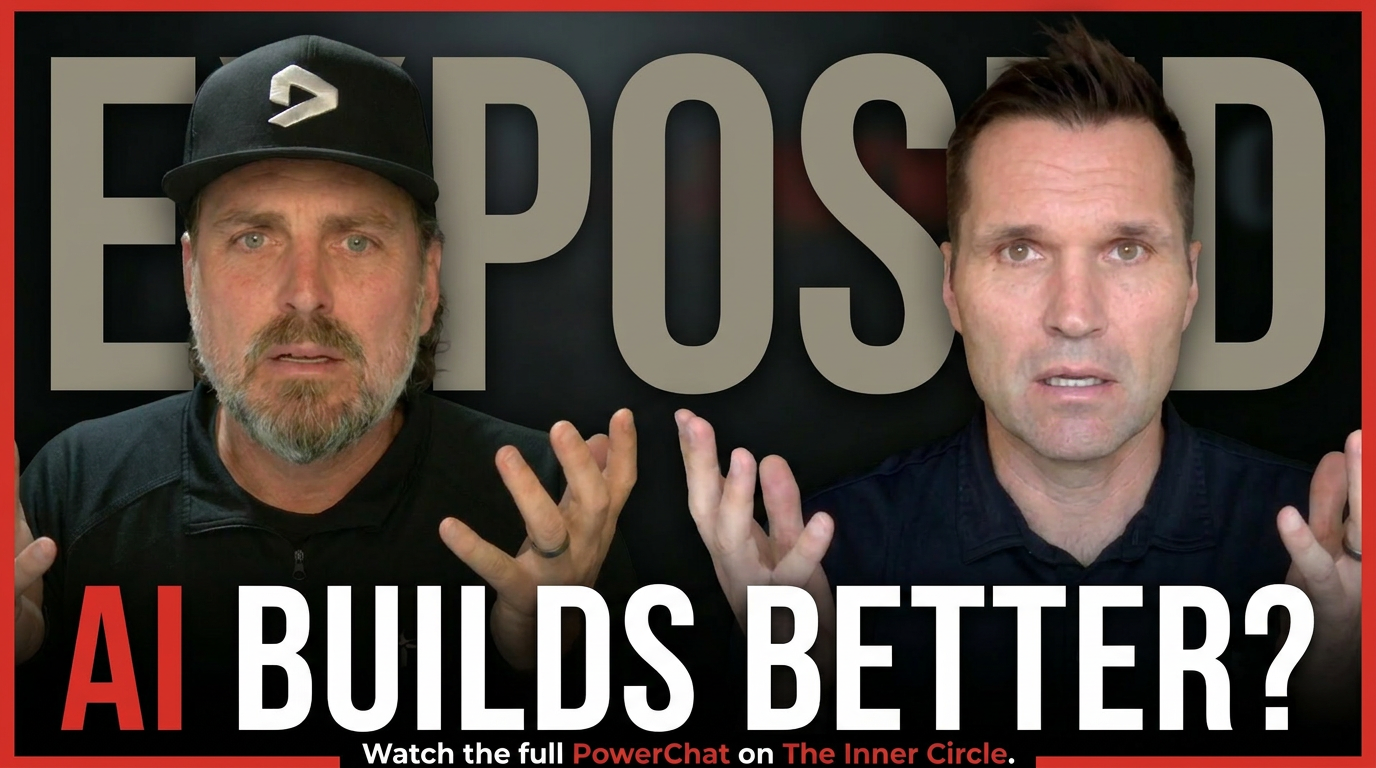
Marcus Sheridan, Co-Founder of AI Trust Signals, joins Greg Cummings on PowerChat Outside the Lines to explain why more homeowners are using AI instead of Google to find trusted contractors, and why AI visibility, customer trust, and Generative Engine Optimization are becoming essential for modern business growth.
Power100 CEO Greg Cummings sat down with Marcus Sheridan, Co-Founder of AI Trust Signals, for a new episode of PowerChat Outside the Lines, a special series that brings respected leaders from outside the traditional home improvement space into conversations designed to help leaders in home improvement, home services, and outdoor living prepare for what is next.
Power100 is the only unbiased third party platform that recognizes and elevates the top leaders and most impactful companies in the home improvement industry.
Marcus Sheridan is one of the most recognized voices in business trust, buyer behavior, and digital communication. He is the Founder of IMPACT, Co-Founder of AI Trust Signals, author of They Ask, You Answer and Endless Customers, and a global keynote speaker known for helping businesses become the most trusted voice in their space.
During the conversation, Marcus shared a warning that immediately caught the attention of industry leaders watching the episode. Over the last 18 months, he has seen a major shift in how people search for answers online. More consumers are now using AI platforms like ChatGPT instead of traditional Google search to find information, compare businesses, and make buying decisions.
Marcus explained that roughly 18 months ago, only about 30 to 35% of audiences he spoke to said they were using large language models like ChatGPT more than Google for answers. Today, that number is often between 70 and 75%.
“Eighteen months ago, that answer was about, average audience, about 30%, 35%. Today, it’s about 70%. Seventy to 75 is what most audiences are running,” said Marcus Sheridan during the interview.
The conversation quickly moved beyond artificial intelligence as a trend and focused on what this shift means for contractors, remodelers, roofers, home service businesses, and local companies trying to stay visible in a changing market. Marcus explained that many businesses are still building their strategies around website traffic, Google rankings, and clicks, while buyers are increasingly turning to AI tools that give direct answers and personalized recommendations.
As Co-Founder of AI Trust Signals, Marcus shared how businesses can strengthen their AI trust signals, improve customer trust, and prepare for a future where recommendation matters more than ranking. The discussion also explored why more companies are now investing in AI visibility audits and Generative Engine Optimization services to understand how platforms like ChatGPT, Gemini, and Claude view their business online.
Throughout the PowerChat Outside the Lines episode, Greg Cummings and Marcus Sheridan discussed how trust, transparency, reviews, pricing information, and third party recognition are becoming critical for businesses that want to remain competitive as AI search continues to grow.
For years, PowerChat conversations have focused on helping leaders in home improvement, home services, and outdoor living understand how strong companies build trust, improve culture, create better customer experiences, and continue growing in changing markets. But as technology, buyer behavior, and communication continue to shift faster than ever, some of the most valuable lessons are now coming from outside the traditional industry space.
That is the purpose behind Outside the Lines.
The series was created around a simple belief. Strong leadership principles transfer across industries. The way great leaders build trust, solve problems, communicate clearly, and prepare for change can help businesses move forward no matter what industry they serve.
That is why conversations in the series bring together respected leaders, innovators, authors, and experts whose work reaches beyond home improvement but still speaks directly to the challenges contractors face every day.
Marcus Sheridan’s appearance on the show reflected that mission perfectly.
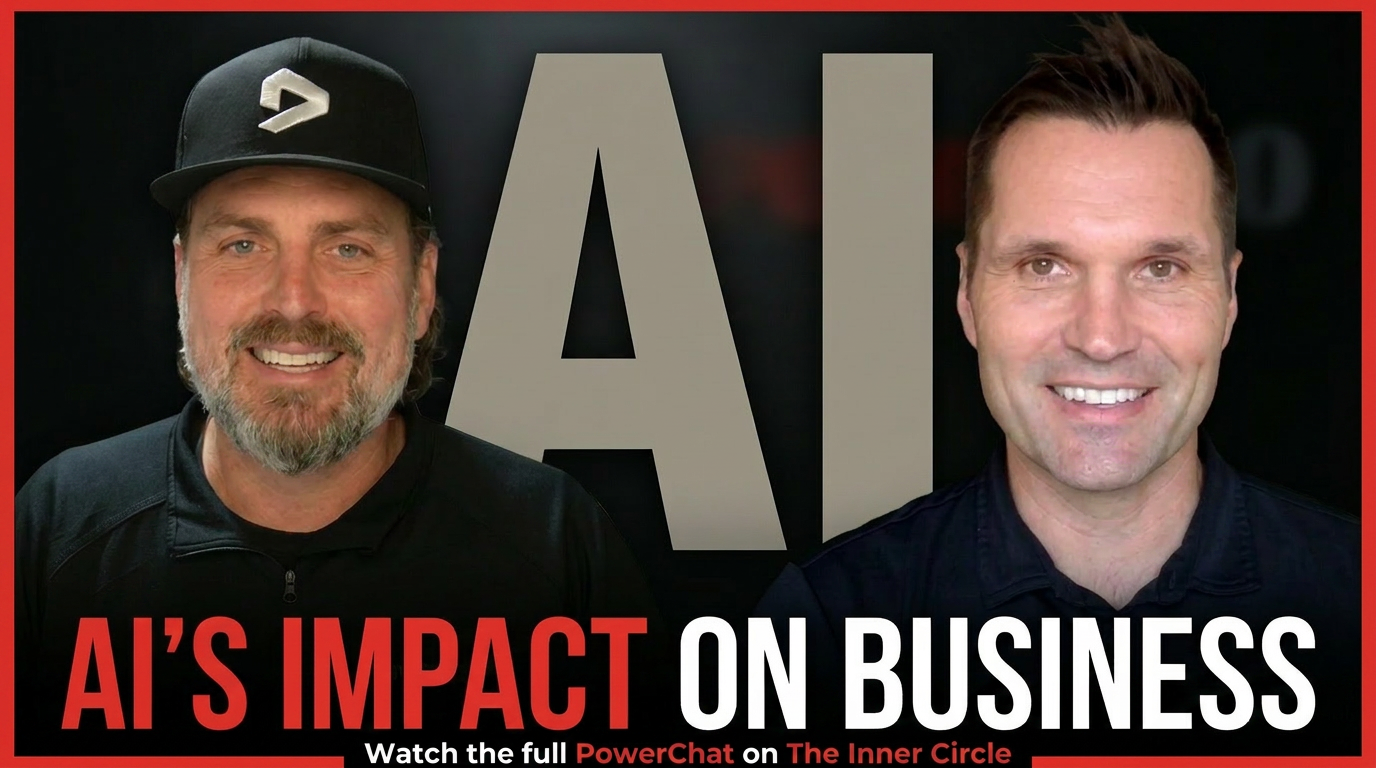
As the Co-Founder of AI Trust Signals and one of the most recognized voices in customer trust and business transparency, Marcus has spent years helping companies understand how buyers think, what customers fear, and why businesses lose trust before they ever get the chance to make a sale. His work now focuses heavily on how artificial intelligence is changing the way people search for answers, compare companies, and decide who they trust.
During the conversation with Greg Cummings, Marcus explained that the biggest shift happening right now is not inside business operations. It is happening inside the mind of the customer.
Homeowners are becoming more comfortable asking AI platforms questions they once typed into Google. Instead of searching through pages of websites, many consumers now expect fast answers, direct recommendations, pricing guidance, and trusted information in one conversation. That change is pushing businesses to rethink how they present themselves online and how they build authority in a world driven by AI recommendation systems.
Marcus shared that companies investing in stronger AI trust signals today are positioning themselves for the next generation of customer discovery. He explained that businesses that clearly communicate pricing, customer proof, reviews, expertise, and third party recognition are becoming easier for AI platforms to understand and recommend.
The discussion also explored why more companies are beginning to seek AI visibility for home service companies as buyers rely more heavily on recommendation based search experiences instead of traditional rankings alone.
What made the conversation especially important for contractors was that Marcus did not speak about artificial intelligence as a distant future concept. He spoke about it as something already changing homeowner behavior in real time.
That is what made the episode fit so naturally within Outside the Lines. The lessons did not come from inside the industry echo chamber. They came from an expert studying trust, transparency, and changing buyer behavior across many industries, then helping contractors understand what those changes mean for their future.
As the conversation continued, Greg Cummings and Marcus Sheridan explored a growing reality for businesses across the country. The companies that become easier to trust online may also become the companies AI platforms recommend first.
As the conversation continued, Marcus Sheridan explained that the biggest surprise is not that artificial intelligence exists. The biggest surprise is how quickly normal buyers have started using it in their everyday lives.
For many years, people searched through pages of Google results, clicked on websites, compared businesses, and tried to figure out who to trust on their own. Marcus believes that process is changing much faster than most contractors realize.
He explained that more consumers are now asking AI platforms direct questions and expecting direct answers in return. Instead of searching through multiple websites, buyers are beginning to rely on one conversation to help them compare options, understand pricing, and decide who they trust.
Marcus shared that this shift is no longer limited to people working in technology or marketing. Regular homeowners are becoming comfortable using AI tools to ask questions they once typed into Google.
“Eighteen months ago, that answer was about, average audience, about 30%, 35%. Today, it’s about 70%. Seventy to 75 is what most audiences are running,” Marcus said.
For home improvement companies, the change creates a serious challenge. Many businesses still measure success through website clicks, rankings, and search traffic, while customers are increasingly receiving answers before ever visiting a website.
Marcus warned that companies focused only on old search habits may miss where the customer has already gone.
“The question is, where’s it gonna be over the next 12 to 18 months?” he asked during the discussion.
For businesses trying to understand how buyers now discover and compare contractors online, conversations like this are becoming more important than ever.
The conversation then shifted from changing search behavior to what that change means for visibility and trust.
Marcus explained that traditional search focused heavily on rankings. Businesses wanted to appear near the top of search results and attract clicks to their websites. AI search changes that process because the system is no longer simply presenting a list of options. It is actively helping the customer decide which businesses appear trustworthy.
That creates a very different standard.
Marcus explained that AI systems now compare information such as pricing, reviews, recognition, authority, expertise, and customer feedback before recommending companies to users. In many cases, the platform can even explain why it selected one business over another.
For contractors, that means being visible online may no longer be enough. Businesses may also need to become easier for AI systems to trust and verify.
Marcus explained that companies investing in stronger customer proof, clearer messaging, and better online authority are becoming easier for recommendation based systems to understand.
This is one reason more businesses are beginning to explore Generative Engine Optimization services as part of their long term strategy. The goal is no longer simply appearing in search results. The goal is becoming one of the companies AI confidently recommends to homeowners.
Marcus summarized the divide clearly during the interview.
“You’re either gonna be recommended or you’re gonna be rejected.”
The discussion highlighted a growing reality for contractors across the country. As AI recommendation systems become more common, trust signals may become just as important as traditional visibility.
As the discussion moved deeper into the future of customer behavior, Marcus introduced one of the biggest ideas from the interview: the rise of the “agent ready” business.
He described a future where homeowners may no longer spend hours researching contractors themselves. Instead, they may ask a personal AI assistant to complete much of the research for them.
In Marcus’s example, a homeowner needing a new roof could ask an AI system to compare local companies, review customer feedback, examine pricing information, evaluate recognition and awards, and return with a list of recommended businesses.
Instead of manually checking many websites, the customer may receive trusted recommendations within minutes.
Marcus explained that this type of buying journey changes how websites and digital systems must function. Businesses will need online experiences that work not only for human visitors but also for AI systems gathering information on behalf of the buyer.
That includes clear pricing information, readable reviews, strong service explanations, financing details, and interactive tools that AI systems can access and understand.
“Your business is gonna have to be ready to communicate and interact with an agent,” Marcus explained.
The conversation also explored how AI visibility for home service companies may increasingly depend on whether businesses make their information simple, structured, and easy for AI systems to interpret.
For many leaders watching the episode, the message was clear. The next generation of buyers may not search the same way previous generations did.
After discussing how buyers may search in the future, Marcus explained what AI systems are already looking for when deciding which companies to trust.
Drawing from work done through AI Trust Signals, Marcus shared that thousands of websites have been evaluated to better understand what factors influence recommendation systems.
He explained that three categories continue to stand out for home improvement businesses: pricing information, customer reviews, and third party recognition.
Marcus said pricing transparency has become one of the strongest indicators AI systems use when evaluating contractors. Businesses that explain pricing ranges, financing options, and cost factors often give buyers and AI systems more confidence.
He also explained that reviews matter far beyond the total number posted online. AI systems may examine review themes, customer patterns, review recency, and whether feedback is clearly organized and easy to understand.
Awards and recognition also play an important role because they act as outside proof that other trusted organizations recognize the company’s performance and reputation.
“The three foremost signals that we’re seeing when it comes to home improvement that AI uses to say recommended or rejected is, and this is in order, number one, pricing, number two, reviews, and number three would be awards and recognition,” Marcus explained.
The conversation showed why more businesses are now paying closer attention to AI visibility audits to understand how recommendation systems interpret their online presence.
For contractors, the message was simple. Strong work still matters most, but businesses must also make that proof easier for customers and AI systems to see.
One of the strongest themes from the interview centered on trust and transparency.
Marcus explained that many businesses still avoid discussing pricing before an appointment because they fear losing the customer too early. But he believes the opposite is happening. Buyers often lose trust when businesses avoid answering the questions they care about most.
According to Marcus, one of the first questions homeowners ask after realizing they need a roof, window, siding, or remodeling project is simple:
Roughly how much will this cost?
He explained that customers are not always demanding an exact contract price immediately. Most simply want guidance that helps them understand whether a project fits their budget and expectations.
Marcus encouraged businesses to explain pricing ranges, financing options, project variables, and the reasons why some services cost more than others. He believes that type of transparency lowers fear and builds trust before the sales representative ever arrives at the home.
“That is your job as a business, to address that, because otherwise you literally shut the door before you’ve even started the relationship,” Marcus said.
The conversation also explored how interactive pricing tools and estimate systems are helping businesses reduce friction for buyers. These tools allow homeowners to answer questions about their project and receive estimated ranges or payment information before scheduling an appointment.
Marcus explained that tools like these are helping companies strengthen AI trust signals while also improving the customer experience itself.
For contractors trying to earn trust in a changing market, the discussion reinforced an important point. Buyers want businesses that help them feel informed before they feel pressured.
As the conversation came to a close, Marcus shifted the focus away from technology and back toward leadership.
He explained that business owners do not have to personally love artificial intelligence in order to recognize where the market is moving. Customers are already changing how they search, compare companies, and make decisions. Strong leaders respond to that reality instead of resisting it.
Marcus openly acknowledged that some traditional search strategies will not produce the same results they once did. But instead of defending old systems, he believes businesses must follow the data and adapt.
“Do not allow your personal opinions to screw up smart business decisions,” Marcus said during the interview.
The conversation also explored how many successful companies grow because they are willing to challenge their own past success before the market forces them to change.
Greg Cummings pointed to companies that replaced or disrupted their own successful products in order to stay ahead of customer behavior. Marcus agreed and emphasized that businesses cannot remain emotionally attached to systems that no longer match how buyers think and act.
“You cannot be married to the past,” Marcus explained.
For leaders across home improvement, home services, and outdoor living, the episode delivered a larger message that went far beyond artificial intelligence. The companies most prepared for the future may simply be the ones most willing to listen to how customers are already changing today.
Marcus Sheridan’s warning about the rise of AI search carries weight because it comes from more than a passing interest in new technology. His career has been built around helping businesses answer hard questions, earn customer trust, and communicate with greater honesty.
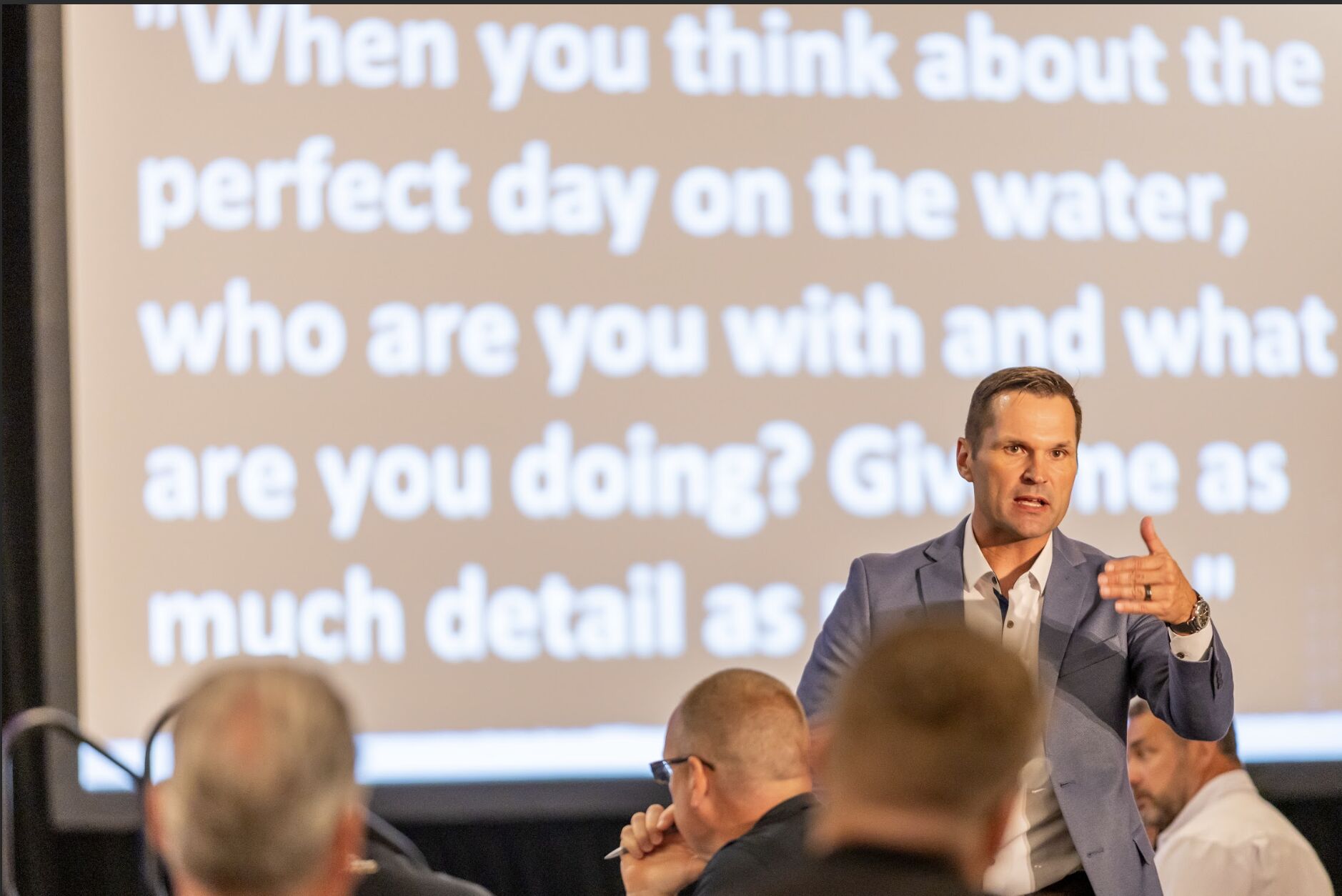
That work has earned recognition across business, marketing, publishing, and leadership. Forbes named Marcus among its “20 Speakers You Don’t Want to Miss” in 2017 and also included They Ask, You Answer among the marketing books every chief marketing officer should read. Mashable named the book the number one marketing book to read in 2017, while BookAuthority ranked it as the second best marketing book of all time and included it among the five best marketing books ever published.
His latest book, Endless Customers, became a USA Today national bestseller, showing that his message about trust and buyer education continues to connect with business leaders facing a new kind of customer journey. The New York Times has also described Marcus as a “Web Marketing Guru,” reflecting the long reach of his work in digital marketing and customer communication.
His influence extends beyond books and keynote stages. Marcus delivered a TEDx talk at TEDx Rock Creek Park in 2013, and IMPACT, the coaching and training organization he founded, was recognized by Fortune Magazine as one of the Top 25 Small and Medium Business Workplaces in 2017.
These achievements help explain why his work with AI Trust Signals is an important next step rather than a sudden change in direction. Marcus has spent years teaching companies to become the most trusted source in their market. AI Trust Signals now applies that same idea to a world where artificial intelligence may help customers decide which businesses deserve attention.
The platform’s focus on pricing transparency, reviews, expertise, recognition, and clear business proof reflects the same customer first principles that shaped Marcus’s earlier work. The tools have changed, but the goal remains the same: help strong companies show why they can be trusted.
For home improvement leaders, that record offers a useful reminder. The future of AI visibility will not be won by companies that simply talk the loudest about technology. It will be won by businesses that have real proof, clear answers, trusted leadership, and a history of serving customers well.
As the conversation with Marcus Sheridan came to a close, one message stood above everything else. The shift happening in customer behavior is not small, and it is not far away.
When Marcus first began asking audiences whether they were using tools like ChatGPT more than Google to search for answers, only about 30 to 35% of people raised their hands. Today, he says many audiences are now reaching 70 to 75%.
That change is more than a surprising number. It is a sign that buyers are already changing how they gather information, compare companies, and decide who they trust.
For home improvement leaders, the conversation was not about fear. It was about preparation.
Homeowners are increasingly looking for faster answers, clearer guidance, and businesses they feel confident choosing. As AI platforms continue helping customers search, compare, and evaluate companies, businesses will need stronger proof that they are trustworthy, transparent, and consistent.
That proof may come through pricing information, customer reviews, third party recognition, financing transparency, expertise, and stronger customer experiences online. It may also come from making websites easier for both people and AI systems to understand.
Throughout the discussion, Marcus repeatedly returned to one core idea. The companies most prepared for the future will likely be the companies that make trust easier to see.
Businesses that answer customer questions clearly, explain their process openly, and remove confusion before the sales appointment may become easier for homeowners to choose in an AI driven marketplace.
The conversation also reinforced an encouraging reality for contractors across the country. Good companies do not need to become different companies to succeed in this new environment. They simply need to make their value easier to understand, easier to verify, and easier to trust.
As customer behavior continues to evolve, the businesses that respond early may not only become easier to find online. They may become the companies homeowners feel most confident choosing long before the first appointment is ever scheduled.
Membership unlocks every Power100 interview, PowerChat episode, and expert playbook - free for industry leaders.

Power100 is the nation's premier CEO ranking and media platform for the home improvement industry. Using a proprietary 5-layer evaluation system, Power100 identifies and celebrates the top CEOs, companies, and strategic partners driving innovation, customer satisfaction, and leadership excellence across the country.