Many home service leaders want growth. They want more calls, more booked jobs, more trucks, more team members, and more revenue. Growth feels exciting because it shows movement. But fast growth can also reveal weak spots. It can stretch teams thin. It can make simple work feel hard. It can confuse roles. It can hurt the homeowner experience when the company has not built the right structure under the new size.
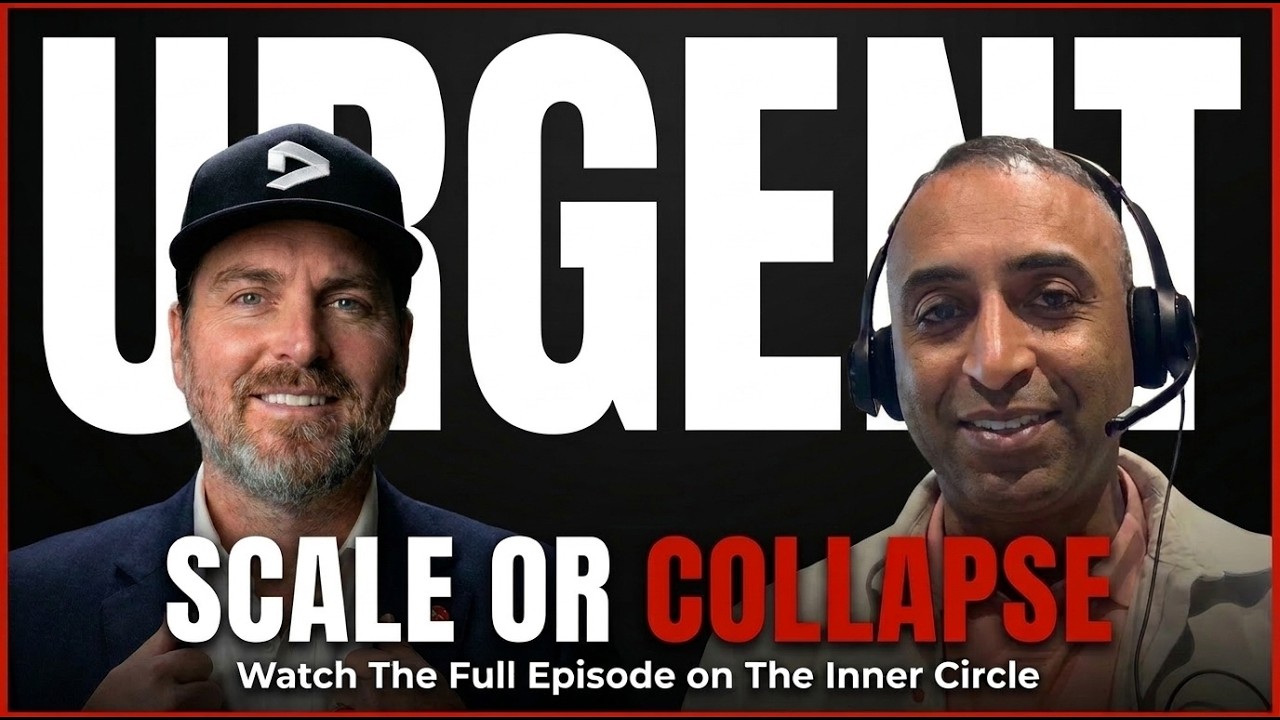
That challenge shaped a powerful PowerChat hosted by Greg Cummings, CEO of Power100, with Julian Scadden, President and CEO of Nexstar Network. The conversation focused on how independent home service contractor support, better systems, stronger training, and clearer leadership can help owners grow without letting the business become too heavy to carry.
Power100 is the only unbiased third-party platform that recognizes and elevates the top leaders and most impactful companies in the home improvement industry. Through this PowerChat, Power100 brought forward a message that matters to every contractor CEO trying to build a company that can stand strong when the market shifts.
Many contractors know how to chase growth. They know how to find more leads, sell more jobs, add more people, and push for more revenue. That work matters. It gives the company energy. It gives the team a goal. It gives the owner proof that the business is moving forward.
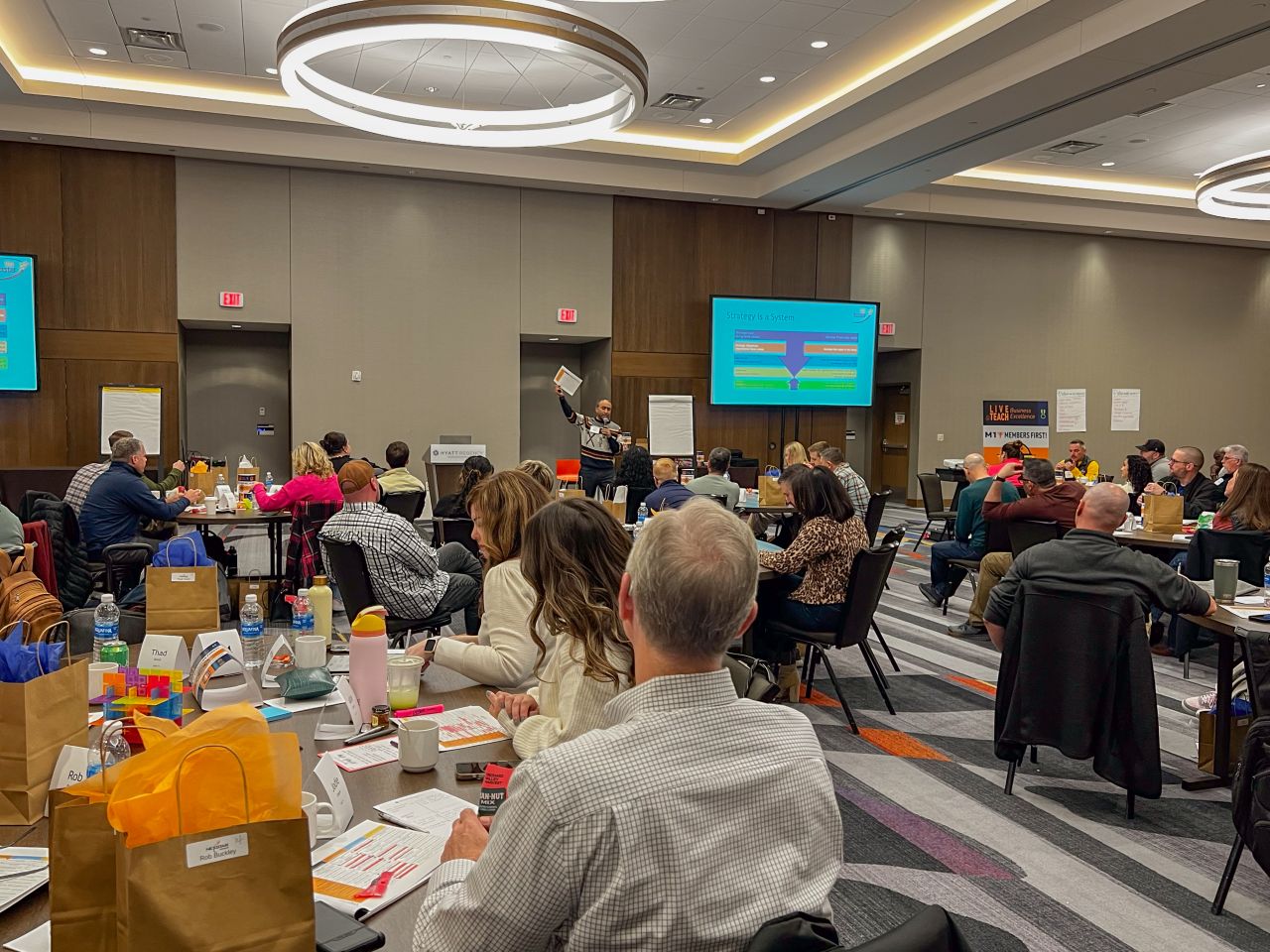
Julian Scadden (Speaking) at the Nexstar Network staff day
But Julian Scadden made a deeper point in his PowerChat with Greg Cummings. Growth is not the same as scale. Growth may bring the win, but scale protects the win.
“I was realizing that growth, in my definition, was simply revenue and profit,” said Julian Scadden, President and CEO of Nexstar Network. “And you can do that. There’s an art to it. And there’s a way that you get after it. And there’s a lot of adrenaline that goes along with it. Guess what’s boring? Scaling.”
That line gives this conversation its value. Scaling is not always loud. It is not always exciting. It does not always show up first in a sales report. But it is the work that keeps a company from cracking as it grows.
For independent contractors, scale means asking honest questions before growth gets too heavy. Do the systems still work? Are the right people in the right roles? Does the team have the skills needed for the next level? Can the company keep serving homeowners well when the call volume rises, the team expands, and the owner cannot be everywhere at once?
This is where smart scaling for contractors becomes a core leadership issue. It is not only about getting bigger. It is about building a business that can hold more weight. It is about giving the team the structure they need so growth does not turn into stress, confusion, or missed promises.
Julian described scale as the work of building the foundation and the scaffolding of the company. That picture matters. The outside of the business may show growth. The inside of the business must carry it. Strong systems, clear roles, better training, and steady leadership help the company stand when pressure comes.
For owners searching for Nexstar Network business coaching for independent HVAC, plumbing, and electrical contractors, this PowerChat gives a clear reminder. Growth may create momentum, but scale creates strength. A bigger company is not always a better company. A better company is one that can grow and still protect its people, its culture, its service, and its promise to the homeowner.
That is the heart of Julian’s message. Do not only chase the next win. Build the company that can carry it.
During the PowerChat, Greg Cummings guided the conversation toward a question many contractor CEOs face once the business begins to grow. What happens after the phones ring more, the team gets larger, and the revenue climbs? That is where Julian Scadden brought the conversation away from the thrill of growth and into the deeper work of scale.
For many owners, growth is easy to see. It shows up in sales. It shows up in profit. It shows up in more jobs on the board and more trucks on the road. But Julian made it clear that growth by itself does not prove the company is ready for the next stage.
“Growth, in my definition, was simply revenue and profit. And you can do that. There’s an art to it,” said Julian Scadden, President and CEO of Nexstar Network.
That line gave the conversation a clear turn. Growth has energy. It can make a team feel like the company is winning. It can push leaders to open new doors and reach for bigger goals. But energy is not the same as structure. More work can bring more pressure. More people can bring more confusion. More sales can reveal weak systems that were easier to hide when the company was smaller.
This is why smart scaling for contractors matters. Scale asks the harder questions. Can the company keep its promise to the homeowner? Can the team work without guessing? Can managers lead without waiting for the owner to solve every problem? Can the business stay steady when the market changes?
Julian’s point was not that growth is bad. His point was that growth needs something under it. Strong companies do not only chase the next win. They build the system that can carry the win after it comes.
For leaders looking for deeper contractor growth coaching, learn more from Nexstar Network.
As Julian explained the difference between growth and scale, he used a simple line that made the message easy to understand.
“Guess what’s boring? Scaling,” said Scadden.
That quote matters because it is honest. Many leaders like the exciting parts of business. They like big goals, new markets, stronger sales, and better numbers. Fewer leaders get excited about job roles, training paths, team structure, reporting habits, and process work. But that is often the work that keeps a growing company from becoming a stressed company.
Scaling is the responsibility behind growth. It asks leaders to slow down enough to build the parts of the business that are not always seen by the customer. It means leaders must think about what the company needs before the team feels the strain. It means asking if the same old process can still work now that the business has more people, more calls, more customers, and more risk.
This is where home service business growth network support becomes valuable. When owners sit with people who understand the same kind of pressure, they can see their blind spots sooner. They can hear what other leaders built before the weight of growth became too heavy. One good idea from the right room can save a company from months of pain.
The best leaders do not wait until the company is already overwhelmed. They build while the company is still strong. They make roles clear before confusion spreads. They train before mistakes repeat. They improve systems before the next wave of growth arrives.
That kind of independent home service contractor support helps owners remember that scale is not slow thinking. It is wise thinking. It is the work that makes growth safer for the team, the customer, and the future of the company.
Julian’s strongest teaching moment came when he explained what leaders must look at as the company grows. His point was simple. A company cannot grow in revenue and profit while leaving everything else the same.
“As we grow our revenues, as we grow our profit, how do the systems, the technology, the roles that we need, the skill sets that we have change?” said Scadden.
That question is at the heart of scale. A small company can often run on memory, quick talks, and the owner being close to every decision. But as the company gets bigger, that way of working can break down. People need clearer roles. Teams need better training. Leaders need better systems. The company needs a way to move without every choice landing on one person.
Technology also has a place in that work, but only when it helps the business. Julian warned earlier in the interview that new tools can create distraction when leaders do not know the problem they are trying to solve. That message connects directly to scale. The goal is not to add more software just because the company is growing. The goal is to choose tools that help the team work with more care and less confusion.
That is why home service software integration must be handled with purpose. A tool should support the system, not create more noise. It should make the work clearer, not harder. It should help leaders coach, track, and guide people in a way the team can trust.
The same is true for roles and skills. A person who was strong in one stage of the company may need support to lead in the next stage. A technician may need a path into management. A call center leader may need better training to guide a larger team. A manager may need new skills to lead across more people and more locations.
This is where contractor leadership coaching becomes part of the scaling story. Leaders have to grow as the company grows. If they do not, the business can outgrow the people who are trying to lead it.
Julian gave the interview one of its strongest pictures when he described scale as the foundation and scaffolding of the business. Growth is what people see from the outside. Scale is what helps the company stand when pressure hits.
“The skill is simply, in my language, the foundation, the scaffolding,” said Scadden.
That image is powerful because every contractor understands what happens when a structure is not ready for weight, weather, or change. The same is true inside a business. When the market is calm, weak systems may not look dangerous. When the market shifts, those weak spots can become serious problems.
The heavy winds can come in many forms. Lead costs can rise. Labor can get harder to find. Customer expectations can change. AI can shift how homeowners search and compare options. A new competitor can enter the market. A strong employee can leave. A company that only grew revenue may feel exposed when these things happen.
That is why a residential service contractor network can help leaders think before pressure comes. Strong peer support, better training, and clear business systems help owners see what needs to be built now, not after the problem becomes urgent.
A stronger base also gives owners more freedom. When the company has clear systems, trained people, and defined roles, the owner does not have to be trapped inside every small issue. The team can move with more confidence. Managers can lead with more clarity. Customers can receive a steadier experience.
This connects to employee development for contractors because the foundation is not only software or process. It is people. The stronger the people become, the stronger the company becomes.
Julian did not speak about scale as only a business system. He tied it to people. He explained that when companies build better roles, better skills, and better training, they also create better career paths for the people inside the business.
That part of the conversation gave the topic a deeper meaning. Scale is not just about protecting revenue. It is about creating a company where people can grow into the next version of themselves.
Julian shared examples that many contractors can understand. A technician may have the skill to become a manager. A technician may become a top technician. A call center representative may grow into inside sales. An inside salesperson may become an operational leader. These are not small shifts. They can change the life of an employee and the life of their family.
“I believe that there’s a strong butterfly effect when you help someone grow,” said Scadden.
That quote brings heart into the business lesson. When one person grows, the impact does not stop at work. It can reach homes, children, parents, schools, churches, and neighbors. Better skills can bring better pay. Better roles can bring more pride. Better leadership can help someone see a future in the trades they may not have seen before.
This is why career growth in the trades should be part of every serious scaling plan. A company that only grows sales may still lose people. A company that grows people can build loyalty, trust, and strength from the inside.
The same is true for technician career development. When technicians see a path forward, they are more likely to stay, improve, and lead. That helps the company serve homeowners with more skill and more care.
Near the center of Julian’s message was a clear belief in independent contractors. He explained that Nexstar Network is focused on helping independent businesses accelerate. That focus matters because independent companies face a complex market, but they also have strong advantages when they know what they stand for.
“We are here to help the independents accelerate, and that’s what we stand by,” said Scadden.
That statement helped bring the whole conversation together. Scale does not mean a contractor has to lose its identity. It does not mean the company has to become cold, distant, or too corporate. It means the business has to build the support needed to protect what made it strong in the first place.
A growing independent company can still stay close to its team. It can still care about its community. It can still make local trust part of its brand. But it needs systems, roles, and skills that help the company keep those promises at a larger size.
That is where a member owned contractor network has real value. It gives independent leaders a place to learn from others who understand the same kind of work, the same kind of pressure, and the same kind of long term goal.
Julian’s message also fits the need for independent contractor business coaching. The future will not only belong to the companies that grow fast. It will belong to the leaders who build stable, people led businesses that can carry growth with care.
For independent contractors, the path forward is not to choose between growth and identity. The path is to scale in a way that protects both. Build the systems. Train the people. Clarify the roles. Strengthen the culture. Then growth has something strong enough to stand on.
Julian Scadden’s message about scale carries more weight because his work is not only about helping contractors grow revenue. It is also about helping the trades become stronger, more trusted, and more open to the next group of people who will build the future. That is where his leadership with Nexstar Network stands out. The focus is not only on what companies can earn. It is also on what companies can build in people, in careers, and in the larger skilled trades community.
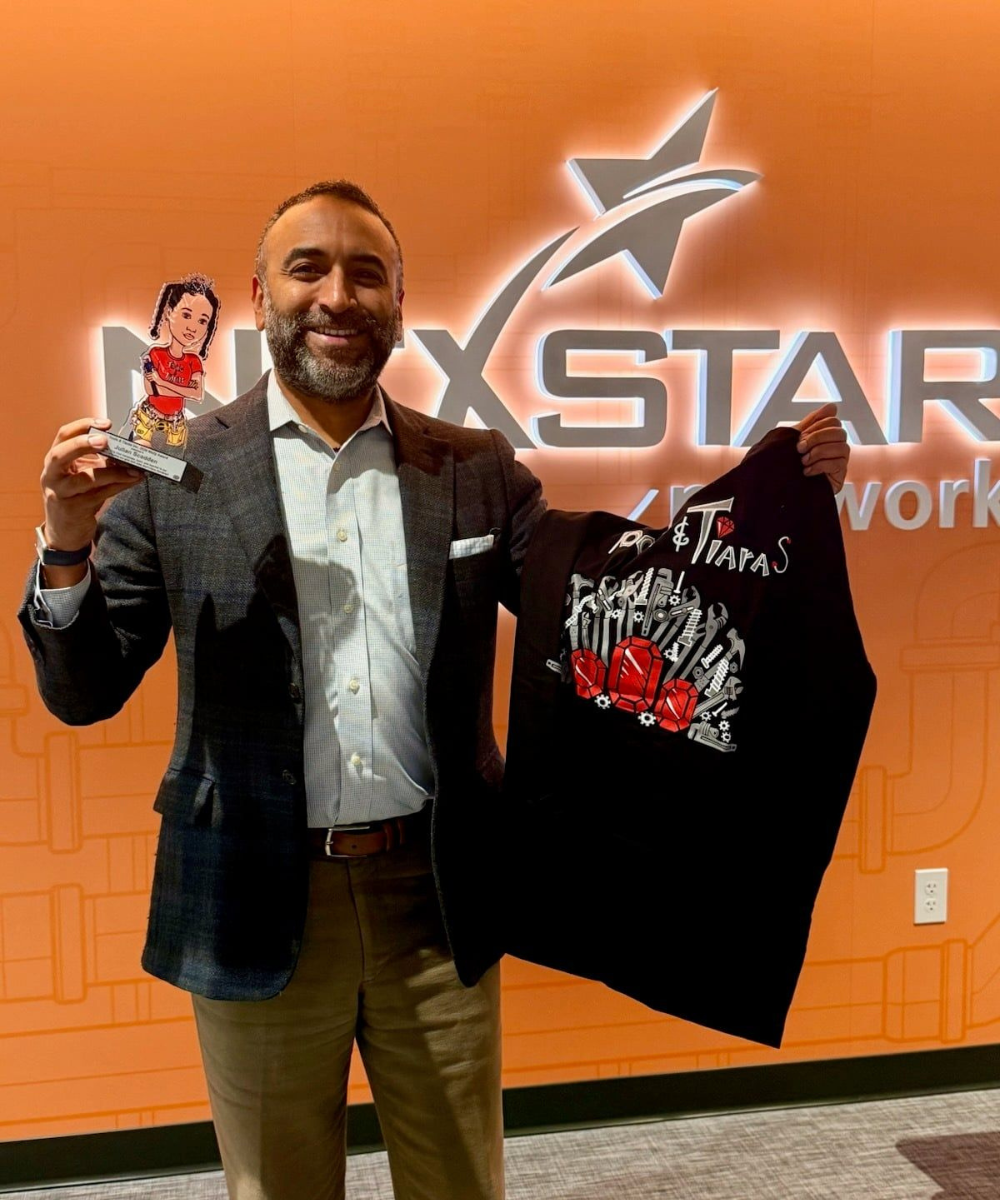
Julian Scadden, President and CEO of Nexstar Network at The annual Mally Award from Tools and Tiaras Inc
That impact has been seen in Julian’s recognition from Tools & Tiaras through The Mally Award, which honors leaders who help create more doors for girls and women in the skilled trades. The award points to something bigger than one company or one leader. It shows a belief that the future of the trades must be wider, more welcoming, and more clear for people who may not have always seen themselves in the industry. For a leader speaking about systems, roles, skills, and scale, this recognition fits the message. A stronger trade future is not built by growth alone. It is built by giving more people a path to learn, lead, and belong.
Julian has also become a trusted voice across the home service industry. His leadership and ideas have been featured in trade outlets such as ACHR News, Plumbing & Mechanical, and HVACR Business. That kind of visibility matters because it shows that his message is reaching beyond one room. He is helping shape how contractors think about culture, training, business identity, workforce growth, and the next stage of independent service leadership.
This also connects to Nexstar Network’s broader influence. The organization has long focused on helping independent plumbing, HVAC, and electrical contractors grow through training, coaching, education, and shared learning. Its work with the trades also reaches into workforce development, including efforts that help more people see the skilled trades as a real and respected career path.
For this perspective, that impact gives Julian’s words more proof. When he says scale is the foundation and scaffolding of a business, he is not only talking about process. He is talking about the kind of structure that helps people grow inside the company and helps the industry grow outside of it. Strong companies do not only add revenue. They open doors, build leaders, protect culture, and create a future that more people can step into with confidence.
As the home service market keeps changing, Julian Scadden’s message gives independent contractors a clear and steady reminder. Growth matters. Revenue matters. Profit matters. But those numbers alone do not mean a business is ready for the next stage.
The companies that last will be the ones that take the quiet work seriously. They will build before the pressure comes. They will make roles clear before teams feel lost. They will train people before the company stretches too far. They will use technology with care, not as a quick fix. They will protect the culture that made the business worth growing in the first place.
Julian’s message is not against growth. It is a call to build a stronger base under it. Growth may bring energy, but scale brings strength. It gives owners more control, teams more clarity, and homeowners a better experience even as the company gets bigger.
Through this PowerChat, Greg Cummings and Power100 highlighted a lesson every contractor CEO can carry forward. The work of scale may not always be loud, but it is the work that helps a company stand strong when the winds change.
Power100 uses a five layer ranking system to study leaders and companies across growth, customer sentiment, partner depth, community impact, and culture health. This helps the platform look beyond simple popularity and focus on leaders who show stronger signs of real business value. For readers searching for top home improvement CEOs, this gives them a clearer way to learn from leaders who are shaping the market with more than talk.
Power100 Inner Circle gives home improvement leaders one place to access PowerChat episodes, feature interviews, expert insights, and AI powered business coaching. The site says registration is free, which makes it easier for owners to learn from strong leaders without wasting time searching across too many places. For CEOs searching for home improvement leadership insights, the value is simple. It brings trusted business conversations into one clear place.
Nexstar Network is built for real business support. Its About page says it helps members through continued education, shared ideas, business training, proven business systems, and dedicated coaching. That makes it a strong fit for Nexstar Network business coaching for independent HVAC, plumbing, and electrical contractors because the work is not only about ideas. It is about helping leaders build a company that can grow with more care and control.
Growth can look strong on paper, but it can still hide weak spots inside the business. Julian’s message is that revenue and profit matter, but they do not prove the company is ready for the next stage. Smart scaling for contractors means building the systems, roles, skills, and culture that help the company carry growth without losing control.
No. Scaling matters before a company becomes large. If a contractor waits too long, the team can become stretched, roles can become unclear, and the customer experience can suffer. For owners searching for independent home service contractor support, the lesson is to build the foundation early, not after pressure exposes the gaps.
Better systems should not remove the heart of the business. They should help the team serve homeowners with more care and less confusion. Nexstar’s membership page highlights training for service, sales, marketing, call center, leadership, and other roles, which shows that structure can support people instead of replacing them. For leaders searching for contractor leadership coaching, strong systems should make people better, not make the company feel less human.
Contractors should start with the problem, not the tool. The message is that technology should support the business, not distract it. For companies searching for home service software integration, the best path is to choose tools that match the company’s needs, help the team work better, and support the systems already being built.
A company cannot scale well if its people do not grow with it. Nexstar says its vision is to advance the careers of 250,000 member employees through direct training and coaching by 2027. That connects directly to career growth in the trades because stronger companies create more paths for technicians, call center teams, salespeople, managers, and future leaders. When people grow, the company becomes stronger from the inside.
Power100 is the only unbiased third-party platform that recognizes and elevates the top leaders and most impactful companies in the home improvement industry. Built to give great CEOs and companies the recognition they deserve, Power100 helps the market see the leaders who are building stronger teams, serving homeowners with care, and shaping a better future for the industry. Through PowerChats, rankings, leadership stories, and trusted industry content, Power100 gives home improvement and home service leaders a place to learn from real voices, real lessons, and real business experience. Led by Greg Cummings, Power100 exists to support the best CEOs in the country and help them shine a brighter light on the work, people, and companies moving the industry forward.
Membership unlocks every Power100 interview, PowerChat episode, and expert playbook - free for industry leaders.
Power100 is the nation's premier CEO ranking and media platform for the home improvement industry. Using a proprietary 5-layer evaluation system, Power100 identifies and celebrates the top CEOs, companies, and strategic partners driving innovation, customer satisfaction, and leadership excellence across the country.