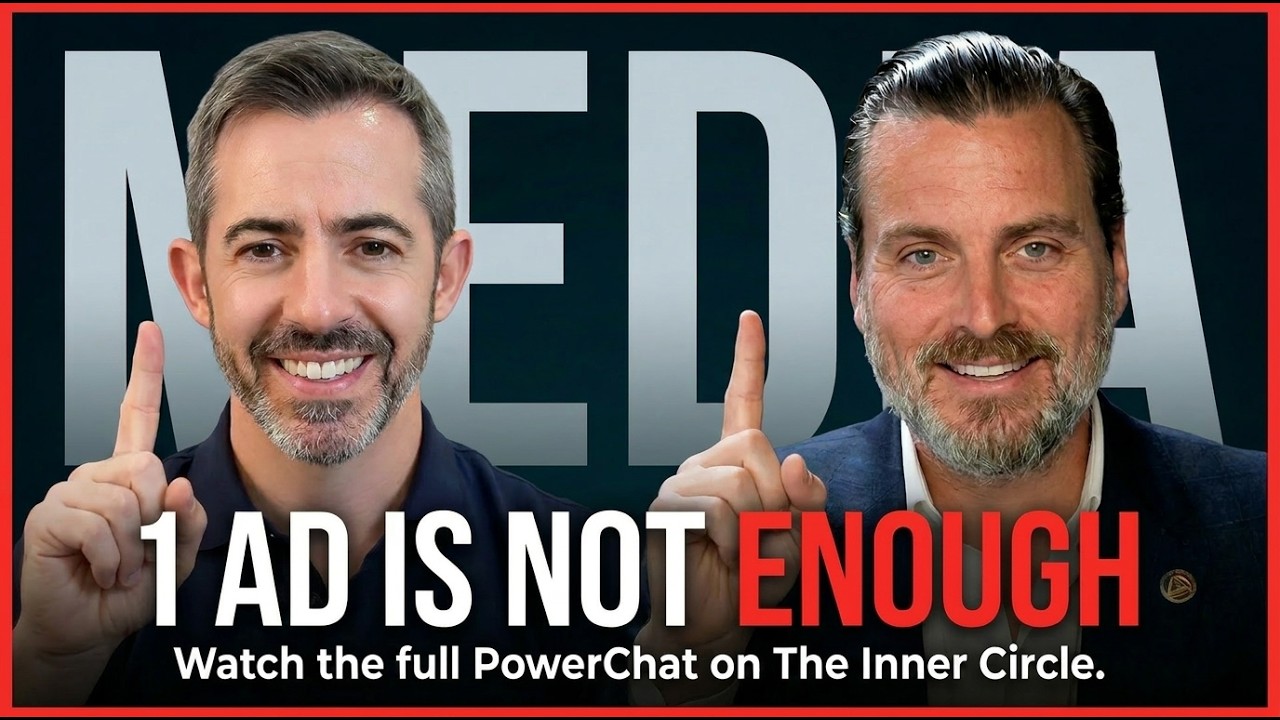
Marketing reports can make growth feel harder than it needs to be. One agency may claim it created the lead. Another platform may say it deserves the credit. A search campaign may show the final click. A streaming campaign may have helped the homeowner remember the brand earlier. Meanwhile, the contractor is left with one big question: what truly worked?
In a featured PowerChat interview hosted by Greg Cummings, CEO of Power100, Dave Marcy, Entrepreneur and Co-Founder of Awestruck Streaming, gave contractors a more honest way to think about lead credit. He explained that marketing does not work as one lonely channel. It works as one connected system. A homeowner may see a billboard, hear a radio ad, watch a streaming commercial, visit a website, search later, and then call. The final action matters, but it is not always the full story.
Power100 brought this conversation forward because home improvement leaders need clearer ways to understand growth, trust, and customer behavior. Power100 is the only unbiased third-party platform that recognizes and elevates the top leaders and most impactful companies in the home improvement industry. Through PowerChat, Greg Cummings creates space for real talks with leaders and experts who help contractors see the market with more clarity before they make big decisions.
Dave Marcy’s message is important because it helps contractors move away from channel fights and toward better thinking. The goal is not to prove that one ad, one click, or one platform owns the lead. The goal is to understand how every touchpoint helps a homeowner remember, trust, and choose a company. That is where streaming ad attribution for businesses becomes useful. It helps leaders look beyond the final click and see more of the full path that brought the homeowner closer to action.
For many contractors, marketing can feel like a battle over credit. One report says the lead came from search. Another vendor says the ad created the first spark. A call tracking tool shows the phone call. A website report shows the visit. But the real homeowner journey is often much bigger than one report can show.
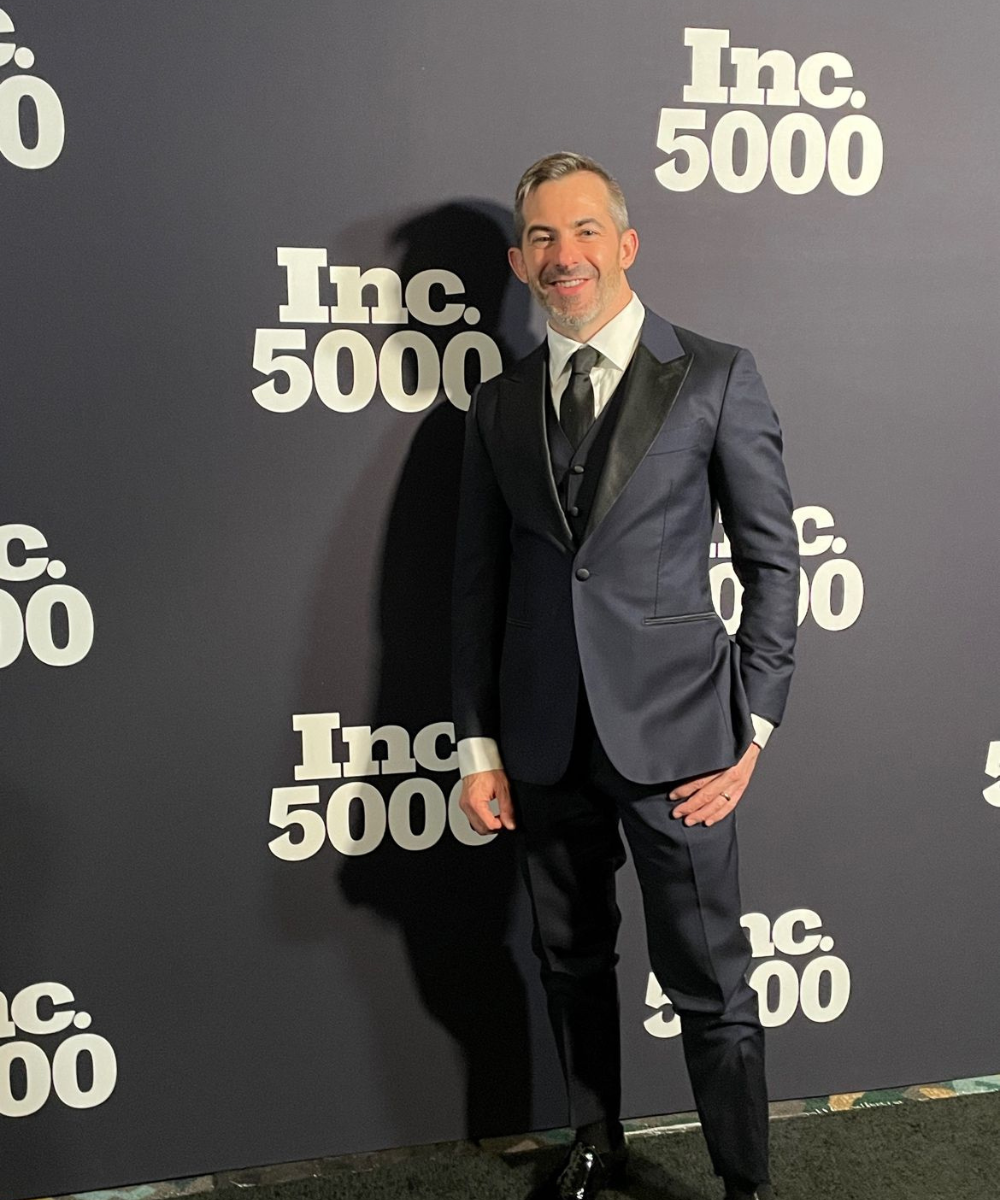
Dave Marcy, Entrepreneur and Co-Founder of Awestruck Streaming
That is why Dave Marcy’s PowerChat with Greg Cummings carries such a useful lesson for home improvement leaders. Marcy explained that strong marketing is not about letting one channel take full credit. It is about understanding how all the channels work together to build trust over time.
“To understand marketing is to know that every piece of marketing all kind of works in one overall spectrum,” said Dave Marcy, Entrepreneur and Co-Founder of Awestruck Streaming. “Everything works together and there’s no single medium that should or could take full credit for a lead.”
That idea is especially important for roofing companies, window companies, bath remodelers, siding companies, and home service brands. Homeowners do not always make a decision after one ad. They may see a message on one screen, remember the name later, search for the company, read reviews, talk with family, and then reach out when the need becomes clear.
Marcy warned against any vendor that tries to force its way into the story and claim the full win. That kind of thinking can make contractors cut the wrong channel, trust the wrong report, or miss the bigger truth of what helped the homeowner act.
“You want to be aware of anybody that bullies their way into a conversation and tries to take full credit for any leads,” said Marcy.
His point gives contractors a better way to look at modern marketing. The final click is not always the hero. The phone call is not always the beginning. A lead is often built through memory, trust, and repeated exposure across many places.
That is where Awestruck Streaming’s view of streaming ads for home improvement companies connects to the larger marketing system. Streaming can help a contractor stay visible while the homeowner is still learning, thinking, and comparing. It can support search, brand recall, reviews, radio, trucks, yard signs, referrals, and other touchpoints that shape trust before the customer makes contact.
Marcy also explained that repeated exposure across platforms matters because people remember brands better when they see and hear them in more than one place.
“Cross platform frequency in a household is the most important thing,” said Marcy. “If you see a billboard on the side of the road and then you see a commercial later, you hear something on the radio after that, that recognition in three different areas actually triggers more memory in your brain.”
For contractors, this is a clear reminder that the full journey matters. A homeowner may not call the first time they see an ad. But when the same brand shows up in helpful ways across several places, it can become easier to remember, easier to trust, and easier to choose.
This press release is not about giving streaming all the credit. It is about showing why strong marketing should work like a team. Search, streaming, radio, signs, websites, reviews, referrals, and sales follow up all have a role to play. The contractors who understand that will be better prepared to build trust, read reports with more care, and make smarter choices with their marketing spend.
In his PowerChat with Greg Cummings, Dave Marcy brought a needed level of honesty to the way contractors think about leads. Many home improvement companies are used to seeing reports where one channel takes the credit. A search ad may show the final click. A call tool may show the phone number. A vendor may say its campaign created the lead.
But Marcy explained that this is not how real marketing works. Homeowners do not always move in a straight line. They see, hear, search, compare, remember, and then act. The lead may show up at the end, but the trust was often built long before that moment.
Marcy’s first lesson was clear. No single channel should try to own the full lead. Marketing works as one connected system. A homeowner may hear a company name in one place, see it later on another screen, search for it days later, then finally call.
“To understand marketing is to know that every piece of marketing all kind of works in one overall spectrum,” said Dave Marcy, Entrepreneur and Co-Founder of Awestruck Streaming. “Everything works together and there’s no single medium that should or could take full credit for a lead.”
That quote matters because many contractors have been pulled into channel fights. One vendor says the lead came from paid search. Another says the brand ad caused the search. Another report points to the website visit. But the real story is often bigger than all of those single reports.
For a roofing company, window company, siding company, bath remodeler, or home service brand, the final action is only one part of the path. A homeowner may not have filled out the form if they had not seen the brand before, heard the name elsewhere, or felt some level of trust.
This is where streaming ad attribution for businesses can help leaders think with more care. It can help show how one touchpoint may support another instead of forcing each channel to fight for the full win.
Marcy also explained why repeated brand exposure matters. Homeowners are more likely to remember a company when they see or hear the name in more than one place. A single ad may be easy to forget. A message that shows up across different parts of life can become more familiar.
“Cross platform frequency in a household is the most important thing,” said Marcy.
That idea is important for contractors because home improvement decisions are personal. A homeowner is not just buying a small item. They may be choosing who to trust with their roof, windows, siding, bathroom, or home safety. That kind of choice often needs time.
When a homeowner sees a contractor on streaming TV, hears the name later, sees a truck in the area, notices reviews online, and then finds the website, the brand starts to feel more known. That feeling can help create trust before the first call.
This is why cross device retargeting with OTT and display can be useful when it is used with care. It can help a contractor stay present while the homeowner is still thinking, comparing, and learning. The goal is not to flood the person with ads. The goal is to build steady memory in a way that supports the journey.
Marcy’s point also helps contractors look at the customer journey in a more complete way. A homeowner rarely chooses a contractor from one message. They may see an ad while watching content at home, search for the brand later, read reviews, ask a neighbor, visit the website, and return when the need becomes stronger.
That path can take days, weeks, or even months. If a contractor only looks at the last step, they may miss the work that happened earlier. The final search may have been important, but it may not have happened without the earlier touchpoints.
This is a shift from lead source thinking to journey thinking. Lead source thinking asks, “Which channel got the lead?” Journey thinking asks, “What helped the homeowner move closer to trust?”
For contractors, that question is much more useful. It helps leaders see that signs, trucks, referrals, streaming, search, radio, websites, reviews, and sales follow up may all play a role. Each one can help the customer feel safer about taking the next step.
This is where OTT campaign reporting and analytics can give more context. The goal is not to replace human judgment. The goal is to help leaders see more of the full path so they can make better choices with their spend.
Marcy did not present streaming as a channel that should replace everything else. His point was more useful than that. Streaming can be one part of a larger system that helps a homeowner remember the brand before they take action.
That matters because many contractors are trying to build trust in crowded local markets. A company may already have trucks on the road, signs in yards, search ads, social media, reviews, referrals, and a website. Streaming can help add another strong point of contact, especially when homeowners are spending more time on smart TVs and connected platforms.
In that way, streaming ads for home improvement companies can support the full mix. They can help build awareness. They can make the brand feel familiar. They can give search and other direct channels more strength because the homeowner may already know the name before they search.
The key is to avoid treating streaming as a separate island. It should connect to the same message, same audience, and same customer journey as the rest of the plan. When that happens, each part of the marketing system can help the others work better.
For contractors, this is a stronger way to think. The question is not whether streaming beats search, radio, referrals, or reviews. The better question is how all of them can work together to help the homeowner remember, trust, and choose the company.
One of the biggest risks in marketing is making budget decisions from an incomplete story. If a contractor only trusts the final click, they may cut a channel that helped create trust earlier. If a vendor takes too much credit, the contractor may move money away from other channels that are also helping.
Marcy’s view gives leaders a better way to judge results. He does not tell contractors to ignore reports. He tells them to understand what reports can and cannot show. A report may show the action point, but it may not show every moment that built confidence before that action.
“You want to be aware of anybody that bullies their way into a conversation and tries to take full credit for any leads,” said Marcy.
That warning is important for home improvement leaders. Contractors need partners who are honest about what their channel did and what it did not do. They also need a way to see how touchpoints work together across the full journey.
This is where CTV advertising with conversion tracking can help when it is used the right way. It can show movement after exposure, but it should not be used to pretend one channel carried the whole sale. The best use of tracking is to help leaders make smarter choices, not create a credit fight.
The larger lesson from Marcy’s PowerChat is that contractors need a system, not a group of disconnected parts. The homeowner sees one brand. They do not see separate boxes called search, streaming, radio, reviews, trucks, yard signs, and website visits. They see one company trying to earn their trust.
That means the message should feel clear across every place the homeowner meets the brand. If the streaming message says one thing, the website says another, and the sales call feels different, trust can break. But when every touchpoint supports the same story, the homeowner has a smoother path.
A strong marketing system helps the customer remember the company, understand the value, feel safe, and take action when ready. That is why programmatic advertising agency for growing brands support can matter when it is tied to the full customer journey. The media work should not sit apart from the business goal. It should help the brand show up with one clear message across the places that matter.
For contractors, the future will reward this kind of connected thinking. The strongest companies will not only ask where the lead came from. They will ask how every touchpoint helped the homeowner get there.
Dave Marcy’s conversation with Greg Cummings gave contractors a better way to think about growth. The lead is important, but the journey behind the lead matters too. A homeowner may need time, proof, memory, and trust before taking action.
The best marketing plans do not force every channel to fight for credit. They help each channel support the next step. When contractors understand that, they can build stronger campaigns, protect the right parts of their marketing mix, and give homeowners a clearer path from awareness to action.
Dave Marcy’s message about connected marketing is also reflected in the growth story behind Awestruck Streaming. The company’s record shows what can happen when a team does not treat marketing as one isolated channel, but as a system where strategy, data, message, and trust all work together.
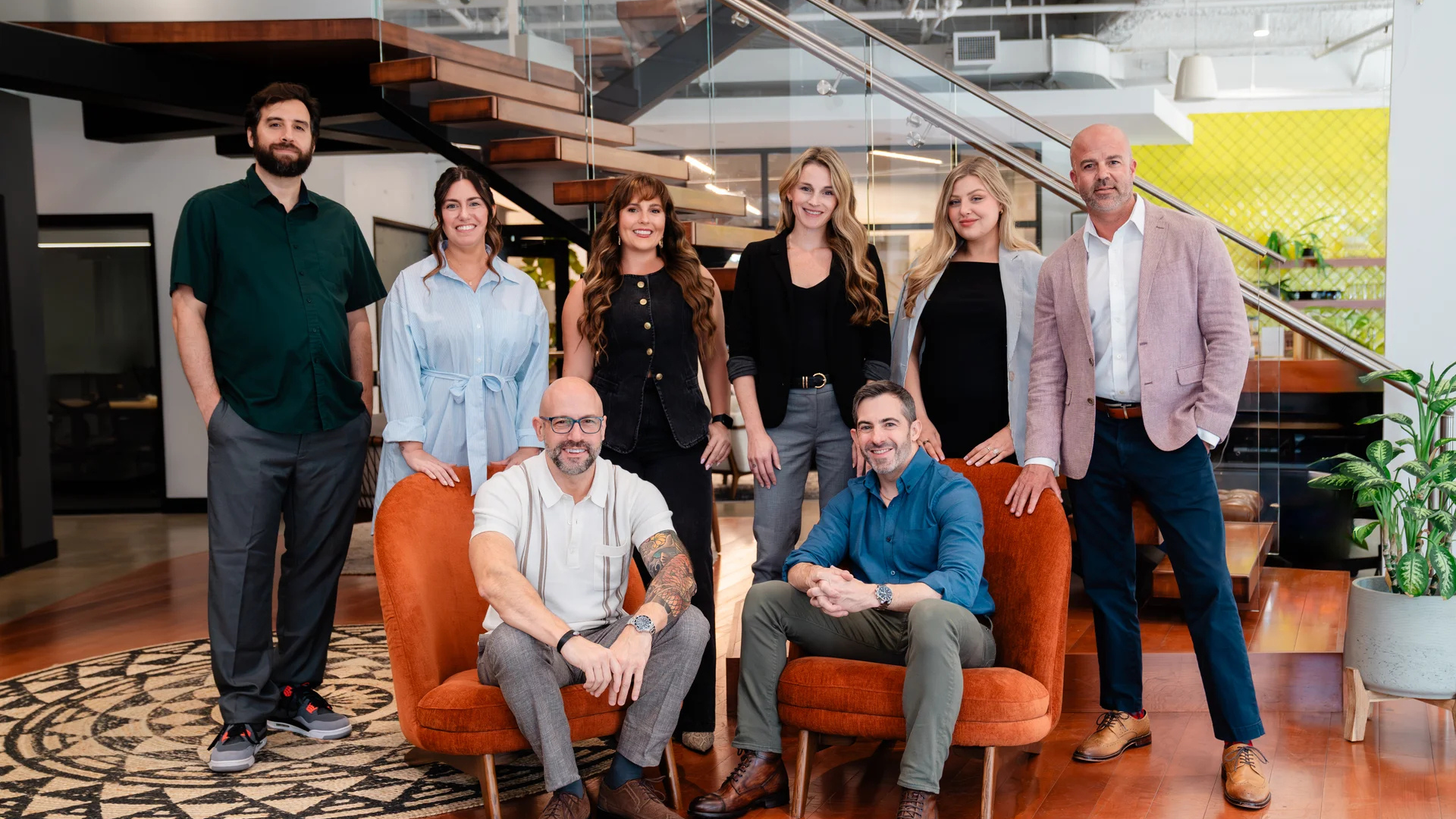
Members of the Awestruck leadership team lead by Dave Marcy Co-Founder of Awestruck Streaming
Under Marcy’s leadership, Awestruck Agency has delivered some of the most striking growth numbers in the history of the Inc. 5000. In its first major growth phase, the company recorded a three year revenue growth rate of 11,247%. That kind of growth showed the market was responding to a different way of thinking about advertising.
The momentum did not stop there. Awestruck later followed that early rise with another three year growth rate of nearly 3,000%. That second wave of growth matters because it shows the company was not built on one lucky moment. It was able to keep growing at a high level while media habits, customer behavior, and client needs continued to change.
That strength helped Awestruck earn the #25 overall ranking on the 2023 Inc. 5000 list of the fastest growing private companies in America. The company also secured the #2 spot nationwide in the Advertising and Marketing category, one of the most competitive spaces in business. It later earned the distinction of being a three time Inc. 5000 honoree, adding proof that its growth has been consistent over time.
For contractors, these milestones add weight to the message Marcy shared in the PowerChat. A company that understands how channels work together is better prepared to help clients think beyond the final click. Awestruck’s rise shows that modern advertising is not only about buying media. It is about building a clear system where every touchpoint helps move the customer closer to trust.
The company has also earned elite Google Premier Partner status, a recognition given to top performing digital advertising agencies. This adds another layer of proof to Awestruck’s role as a programmatic advertising agency for growing brands. It shows that the company has the digital skill, campaign structure, and performance focus needed to serve clients across complex markets.
Awestruck’s reach has also grown into the public sector through its approval under the Massachusetts PRF86 Statewide Contract for marketing, public relations, and tourism services. That approval expands the company’s ability to support public facing work where clear message, careful spend, and trust are even more important.
Together, these achievements show what Awestruck Streaming is doing right. The company has grown by understanding that great marketing is not one channel taking credit. It is many parts working together with one clear goal. For home improvement leaders, that is the same lesson at the heart of this PowerChat. Search, streaming, display, audio, websites, reviews, and brand moments all matter when they help the homeowner remember, trust, and choose with confidence.
Dave Marcy’s PowerChat message gives contractors a more mature way to think about growth. The goal is not to let every channel fight for credit. The goal is to understand how each part of marketing helps the homeowner move closer to trust.
For home improvement leaders, that is an important shift. A homeowner may not act after seeing one ad. They may need to see the brand in different places, hear the message more than once, read reviews, search online, and feel ready before they make contact. That does not make one channel the hero. It shows that trust is built over time.
This is why contractors need to look at marketing as one connected system. Streaming, search, websites, reviews, radio, trucks, signs, referrals, and follow up can all help shape the customer journey. When those pieces work together, the homeowner has a clearer path from awareness to action.
Marcy’s perspective is not only about attribution. It is about better judgment. Contractors who understand the full journey can make smarter choices, protect the right channels, and avoid cutting the parts of marketing that help build memory before the lead appears.
The future of contractor marketing will belong to companies that stop asking which channel deserves all the credit and start asking how every touchpoint can help the right homeowner feel confident enough to choose.
That is the heart of Dave Marcy’s perspective. Strong marketing is not a credit fight. It is a connected system that helps the right homeowner remember, trust, and choose the right company.
Power100 covers this topic because lead growth, trust, and customer experience are now leadership issues for contractors. A CEO or owner cannot make strong budget choices if every channel is fighting to claim the same lead. This PowerChat helps home improvement leaders think more clearly about how search, streaming, reviews, referrals, websites, and brand touchpoints work together.
Inner Circle is built to give contractors deeper access to leadership insight, mentorship, and business ideas that can help them grow from the inside out. This topic fits that mission because contractors do not just need more leads. They need a smarter way to understand what is helping homeowners move from awareness to trust to action.
The final click matters, but it may not tell the whole story. A homeowner may search for a contractor because they already saw the company on streaming TV, noticed a truck, heard the name, read a review, or saw the brand in another place. Dave Marcy’s point is that the lead often comes from many moments working together, not one channel acting alone.
No. Contractors should still measure lead sources, but they should not confuse the last action with the full journey. Lead source reports can show where the contact happened. They may not show every touchpoint that built memory and trust before that contact. Better reporting helps leaders make smarter choices without cutting channels that support the bigger path.
Awestruck Streaming offers full service programmatic campaign management across OTT, connected TV, streaming audio, display, and digital out of home. For contractors, that matters because homeowners move across many screens and platforms before they decide. OTT campaign reporting and analytics can help show how streaming and other touchpoints support the full customer path.
No. Cross platform frequency is not about flooding homeowners with ads. It is about creating steady brand memory across the places people already spend attention. When a homeowner sees a contractor in more than one place, such as streaming TV, search, reviews, display, or local brand signals, the company can become easier to remember and trust.
Yes. Streaming ad attribution for businesses is most useful when it shows how channels work together, not when it tries to make streaming the only hero. A homeowner may hear about a contractor from a neighbor, see the brand on connected TV, search later, and then read reviews. Each step can support the next one.
Homeowners do not see a contractor as separate channels. They see one brand. If the message feels clear across streaming, search, display, reviews, trucks, signs, and the website, the homeowner has a smoother path to trust. That is why CTV advertising with conversion tracking and connected marketing systems matter. They help contractors see how each touchpoint can help the right homeowner remember, trust, and choose.
Power100 is the only unbiased third-party platform that recognizes and elevates the top leaders and most impactful companies in the home improvement industry. Built to support the CEOs, companies, and partners helping move the industry forward, Power100 gives exterior remodeling leaders a trusted place for recognition, insight, and connection. Through PowerChat, Inner Circle, and leadership based media, Power100 helps contractors learn from proven voices, discover strong partners, and make better decisions for their company, their team, and the homeowners they serve. To follow more from Power100, visit the Power100 website, connect with Greg Cummings, and watch featured conversations on the Power100 YouTube channel.
Membership unlocks every Power100 interview, PowerChat episode, and expert playbook - free for industry leaders.
Power100 is the nation's premier CEO ranking and media platform for the home improvement industry. Using a proprietary 5-layer evaluation system, Power100 identifies and celebrates the top CEOs, companies, and strategic partners driving innovation, customer satisfaction, and leadership excellence across the country.