For many home service leaders, the hardest part of AI is no longer deciding whether it matters. The harder question is deciding how much to invest when the tools may look very different six months from now. Contractors are being asked to make choices about software, automation, training, data, and new systems while the market keeps changing around them.
Trade Automation Pros, led by co-founder and CEO Tersh Blissett, helps contractors make those choices around real business needs. The company builds AI and automation systems for home service businesses and supports HVAC, plumbing, electrical, and other skilled trade companies that want to use technology without losing control of their people, processes, or cash.
That fast change became the focus of a PowerChat conversation between Blissett and Greg Cummings, CEO of Power100. Their discussion looked at two very different risks facing contractors today. Some owners are holding back because AI feels too uncertain. Others are spending quickly because they believe the market has already found its winners.
Power100 is the only unbiased third-party platform that recognizes and elevates the top leaders and most impactful companies in the home improvement industry. Through conversations like this one, the platform brings contractors closer to leaders who are working through the same changes and making real decisions inside the trades.
Contractors are being asked to make technology choices in a market that refuses to stand still.
A tool that looked new six months ago may already have changed.
A process that once needed several programs may now be handled in a simpler way.
A company may spend heavily today, train the whole team, and build a process around one platform, only to find a very different option months later.
That speed can make even strong business owners unsure of what to do next.
Some pull back.
They hold their money close. They delay decisions. They wait for AI to become easier to understand before committing to anything.
Others move the opposite way.
They spend quickly. They add tools. They invest in systems because they believe the market has already shown where everything is going.
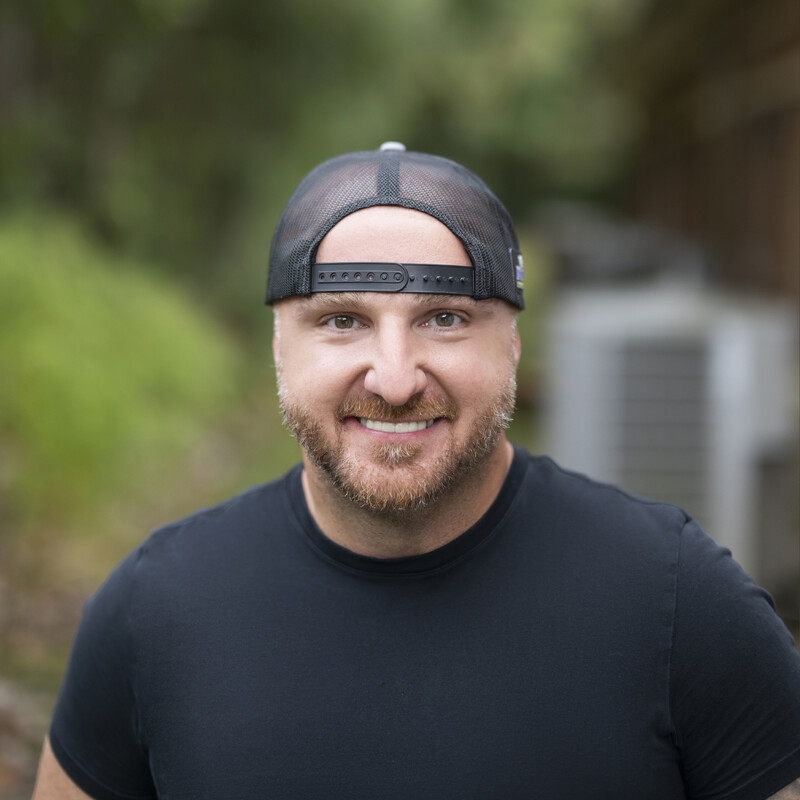
Tersh Blissett Co-Founder & Chief Experience Officer Trade Automation Pros
Tersh Blissett believes both reactions can create problems.
“Six months ago, it was completely different,” Blissett said. “Six months from now, just like you just said, it’s going to be completely different again.”
His point is not that contractors should stop investing.
It is that they should stop treating today’s AI market like a finished answer.
The technology is still moving.
That means the strongest plan may not be the one built around predicting the exact tool a contractor will use years from now.
It may be the one that gives the business room to learn and change.
This creates a different question for leaders.
Instead of asking, which platform will win?
They can ask, what problem do we need to solve today?
That approach makes home service business automation less about chasing the future and more about building a company that can respond to it.
Blissett described some business owners as preparing for the worst because uncertainty has made them cautious. They do not believe disaster is coming, but they are still keeping their cards close because they do not know what AI will look like next.
That caution makes sense.
No contractor wants to waste money.
No leader wants to train a team on a system that may become outdated.
No company wants to build its whole operation around a tool that no longer fits a year later.
But waiting for complete certainty creates its own risk.
AI may change again before certainty ever arrives.
The better answer is to stay active without locking the company into every new idea.
A contractor can solve a useful problem now.
The company can test the result.
Leadership can learn from it.
Then the business can review the system again as the market changes.
Blissett also challenged the owners moving too far in the other direction.
“Others are spending their money like crazy because they think that we figured it all out, so we don’t have to worry about it,” he said.
That confidence can be just as risky as fear.
A business may buy several tools because each one looks important today. Employees may be trained. Processes may be changed. Money may be committed.
Then the market moves again.
The issue is not that contractors should avoid new technology.
The issue is whether each investment leaves the company stronger and more able to change.
That is why a good AI implementation for contractors should have a clear purpose from the beginning.
These questions help turn AI from a bet into a business decision.
For Blissett, the companies in the strongest position are not pretending they know exactly what AI will look like six months from now.
They are learning.
They are asking questions.
They are using outside knowledge when they need it.
They are building internal ownership.
They are making useful moves today without assuming those moves will never need to change.
That may be the most important difference.
The future does not require contractors to predict every tool.
It requires them to become better at responding when the tools change.
The deeper message in Greg Cummings and Tersh Blissett’s conversation was not that contractors need to predict where AI will go next. It was that leaders need to build companies that can keep learning as the answer changes.
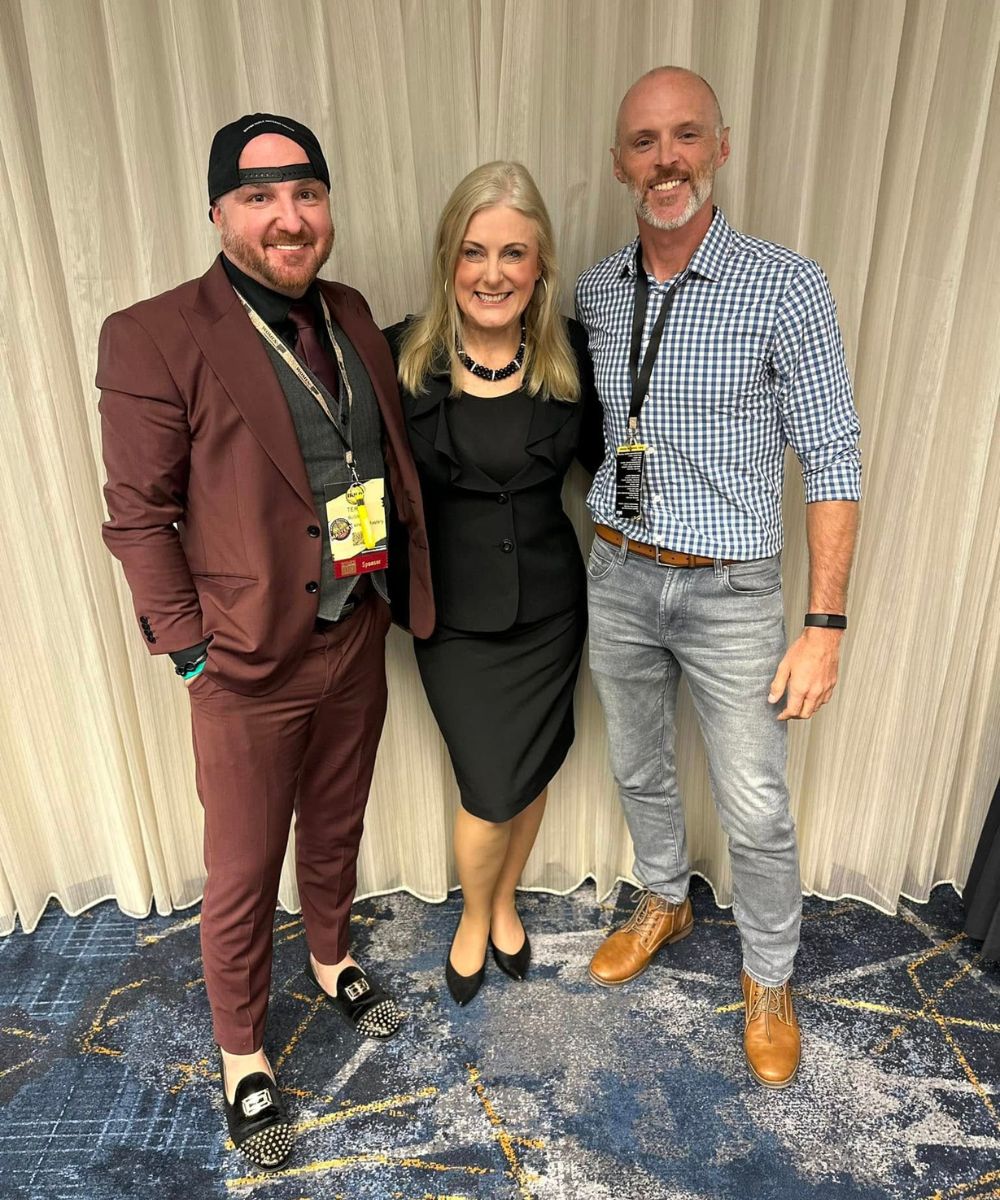
Tersh Blissett Co-Founder & Chief Experience Officer Trade Automation Pros at the Women in HVACR gala
That matters because AI is moving faster than many normal business plans. A contractor may spend months studying one system only to find that new tools have changed what is possible. At the same time, doing nothing can leave the company stuck with repeated work and old processes.
Blissett sees the strongest path between those two extremes. Contractors can make useful moves today while keeping enough room to change tomorrow. They can solve real problems, watch results, keep learning, and make sure someone owns the process.
That approach makes business automation for skilled trades companies less about predicting the future and more about being ready when the future changes.
For some contractors, the speed of AI creates fear.
The market changes quickly. New tools appear. Old tools add new features. Advice that sounded right only months ago may already feel dated.
That can make waiting seem safe.
Blissett described business owners who are holding their cards close because they do not know what comes next. They are not always expecting something bad to happen. They are trying to avoid spending money on the wrong thing.
That caution is understandable.
But there is another cost to consider.
A company can wait so long for the perfect answer that it keeps living with problems it already understands.
Employees may still be doing repeated work by hand.
Leads may still move slowly.
Systems may still fail to connect.
Managers may still spend hours chasing updates.
The business does not need to solve its full AI plan before fixing one of those problems.
That is where contractor automation can become a safer first move. A company can choose one clear task, improve it, and study the result without making a huge commitment to every new tool on the market.
Blissett’s earlier advice fits this moment well. Look for work being done manually more than three times in one week and start there.
That kind of action gives the company something useful now while leadership continues learning about what may come next.
The goal is not to know everything.
It is to avoid letting uncertainty become an excuse for standing still.
Explore practical ways contractors can begin with one useful automation.
Fear is one risk.
Overconfidence is another.
Blissett also described owners moving in the opposite direction. They are spending heavily because they believe the market has already shown which tools matter most.
“Others are spending their money like crazy because they think that we figured it all out, so we don’t have to worry about it,” Blissett said.
The danger is not spending money on technology.
Contractors should invest when a tool solves a real problem.
The danger comes when the company treats today’s answer like it can never change.
A large investment can shape the whole operation.
Employees are trained.
Workflows are rebuilt.
Data is moved.
New tools are connected.
More subscriptions are added.
That may all be worth doing if the system creates clear value.
But if the company makes those choices without asking what problem is being solved, it may become harder to change later.
Good AI implementation for contractors should therefore begin with clear business questions.
These questions do not slow the company down.
They help make speed more useful.
The best investment is not always the largest one.
It is the one that creates value now without taking away every option later.
See how Trade Automation Pros builds automation around contractor needs instead of trends.
AI is changing too quickly to treat education as a one time event.
A company cannot attend one class, install one tool, and assume its technology plan is finished.
Blissett described companies that understand this.
Some use outside experts to stay informed. Others bring him back to speak with their groups on a regular basis about what has changed, what is useful, and what deserves more care.
“Now they regularly bring me in on a quarterly basis just to be, what’s happening recently? Like what’s going on right now?” Blissett said.
That approach turns learning into part of the business.
It gives leaders a regular chance to look again.
This kind of review matters because home service business automation will keep changing with the wider market.
Blissett also warned against relying on only one source of advice.
A peer group may have useful ideas.
A vendor may have useful ideas.
An outside expert may have useful ideas.
But leaders should still ask questions and compare what they hear.
Fast change makes due diligence more important, not less.
The companies that build learning into their routine will not need to panic every time a new tool appears.
They will already have a way to study it.
Learn from Trade Automation Pros about the changes shaping AI and automation in the trades.
A flexible AI plan still needs clear leadership.
When nobody owns automation, new tools can enter the company without anyone checking how well they fit.
One person may test a platform.
Another department may use something different.
Employees may hear that the company is trying a new system but never receive clear direction about what comes next.
Blissett believes every company needs a champion.
“You need a champion of the AI world or the automation world in your business, whether that’s inside or outside the business,” he said.
The champion does not need to know every answer.
They need to own the questions.
This becomes especially important with AI automation for HVAC, plumbing, and electrical contractors because these companies often have many moving parts. Calls, sales, dispatch, inventory, field work, customer service, and reporting may all touch different systems.
Without ownership, technology can become fragmented.
Blissett compared that problem to companies paying for large customer relationship management systems while using only a small part of what those systems can do.
Then the business buys more programs to fill gaps that may already be covered.
A champion helps stop that drift.
They can keep the system focused, help the team understand it, and make sure the company is willing to change when the old answer no longer works.
Meet the team helping contractors build clear ownership around automation.
The race to adopt new technology can make one subject easy to overlook.
Security.
Blissett raised it directly during the PowerChat.
“One of the things that we have to all be very careful of is security when it comes to AI,” he said.
That warning matters because AI systems can touch sensitive parts of a contractor’s business.
They may interact with customer information.
Call recordings.
Internal documents.
Employee details.
Pricing.
Vendor information.
Business processes.
The faster a company adds tools, the easier it can become to focus on what the system can do without asking what information it needs to do it.
Responsible adoption requires both questions.
What can this tool improve?
And what data are we giving it access to?
Contractors should understand where important information is going, who can reach it, and what controls exist around it.
This does not mean leaders should become afraid of every AI tool.
It means security deserves a place in the buying decision from the start.
Good practical AI solutions for contractors should help strengthen the company without putting customer trust or company information at unnecessary risk.
That trust matters far beyond software.
Homeowners expect contractors to protect the information they share.
Employees expect the company to handle their information with care.
Business partners expect private details to stay private.
Fast adoption only creates value when the company remains worthy of that trust.
Explore a practical contractor focused approach to AI and automation.
The biggest changes ahead may not stay inside the office.
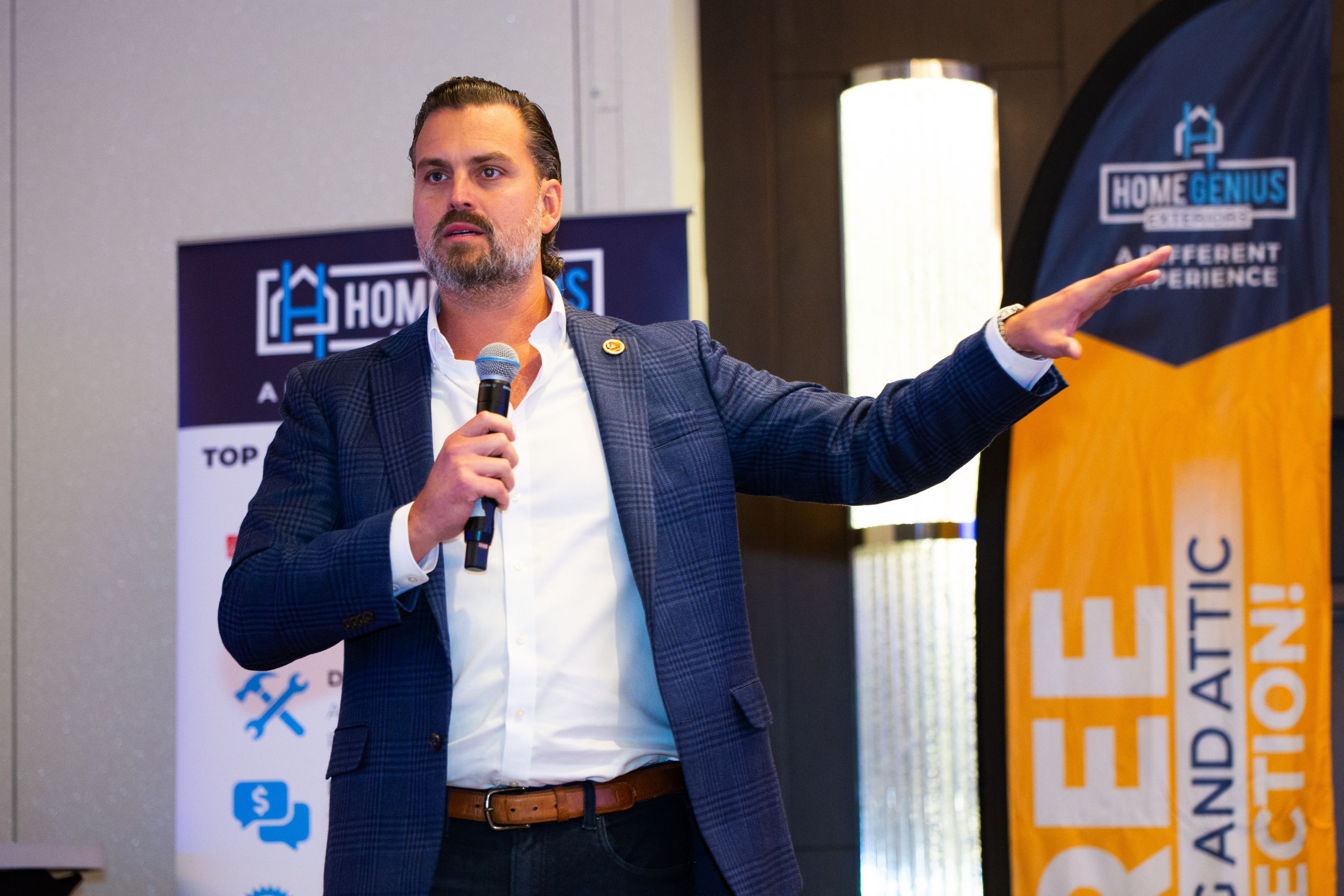
Greg Cummings, CEO of Power100
Greg Cummings widened the conversation by looking at how AI could change the way homeowners choose contractors.
People are already becoming more comfortable asking AI questions about daily life.
As that trust grows, Cummings believes consumers may increasingly use AI to compare service companies, decide who fits their needs, and eventually make more buying choices through those systems.
That could change how contractors are found.
It could change how companies are compared.
It could change what information homeowners expect before they call.
No contractor knows exactly how fast that shift will happen.
That is the point.
The companies in the strongest position will not depend on one prediction being right.
They will build clean data, strong customer records, clear workflows, and connected systems that can support change as it arrives.
This is where AI and automation systems for home service businesses can create value beyond one task. Better systems today can make it easier for a company to respond when customer behavior changes tomorrow.
But technology should not change the heart of the business.
Homeowners will still care whether a company keeps its promises.
They will still care how employees treat them.
They will still care about clear communication, good work, and trust.
Cummings brought the idea together by arguing that the contractors who win will not be the companies using the most technology.
They will be the ones using the right technology in the right places and in the right way.
That may be the strongest preparation of all.
A company can become more advanced behind the scenes without becoming less human in front of the homeowner.
It can change its tools without changing its standards.
And it can prepare for a future no one can fully predict by building a business that knows how to learn when the answer changes.
The biggest lesson from Tersh Blissett’s warning is not that contractors should be afraid of AI.
It is that they should stop treating today’s answer like it will stay the answer.
Six months can change a lot.
A tool can improve.
A platform can become less useful.
A new risk can appear.
A better option can enter the market.
That means contractors need room to move.
They do not need to freeze because the future feels uncertain. They also do not need to spend heavily on every new system just because it looks important today.
The better path is to make useful decisions now while keeping the business flexible enough to change later.
That requires leadership.
Someone should know which AI and automation tools the company uses.
Someone should understand why each one was added.
Someone should review whether the system still solves the same problem.
And someone should be ready to ask a hard question when the answer changes.
Would we still choose this tool today?
That kind of review can help contractors avoid holding onto systems simply because time and money have already been spent on them.
It can also help leaders protect the parts of the business that should never become secondary.
Security still matters.
Employee trust still matters.
Customer experience still matters.
Cash flow still matters.
Technology should support those things, not weaken them.
As AI keeps moving forward, contractors will not need to predict every change correctly. They will need to become better at learning, reviewing, and adjusting without losing control of the company.
That is a much stronger position than trying to guess which tool will win years from now.
For business owners, one simple review can begin that process today.
Choose one AI or automation investment already inside the company.
Ask why it was added.
Ask what result it is producing now.
Ask who owns it.
Ask whether the team still needs it in the same way.
Then ask one more question.
If the answer looks different six months from now, are we ready to change with it?
The contractors best prepared for AI will not be the ones who correctly guess every tool that comes next. They will be the ones who learn fast, invest with purpose, and build companies strong enough to change when the answer changes.
We do not treat the Expert Contributor platform as an open opinion page. We vet, verify, and approve Expert Contributors through our five layer proprietary ranking system before giving them an authority platform. These leaders include CEOs, founders, operators, and category experts with real experience in home improvement. Once approved, they can publish original insights, appear in feature interviews, and share field tested lessons with the industry. This helps us keep the focus on proven experience instead of untested advice.
No. We currently offer Power100 Inner Circle registration for free, with no credit card required. Members can access PowerChat episodes, feature interviews, expert insights, and an AI concierge trained on the Power100 knowledge base. We built Inner Circle so home improvement leaders can keep learning from ranked CEOs and vetted industry voices without adding another paid coaching program to the business.
The system should still be able to prove why it belongs in the company. Contractors can look at whether it saves time, improves a workflow, reduces missed opportunities, or gives leadership better information. Trade Automation Pros offers reporting and dashboard automation for contractors designed to give leaders real time visibility into important business metrics. In the PowerChat, Tersh Blissett also stressed that AI changes quickly, which means companies should keep reviewing what they use instead of assuming yesterday’s decision will always remain the right one.
Yes. Trade Automation Pros offers the Automation Foundation, which includes AI and automation courses, a private contractor community, and live question sessions where business owners and team members can continue learning as tools change. The company also produces Service Business Mastery and Wrenches & Robots, giving contractors ongoing education around business systems, technology, and AI automation for HVAC, plumbing, and electrical contractors. Tersh Blissett also described companies bringing him back regularly to discuss what has changed in AI and what they should watch next.
Trade Automation Pros builds systems around measurable parts of the business. Its services include reporting and dashboards, CRM automation, workflow automation, marketing automation, and AI call analysis. PhoneTAP, for example, is designed to analyze inbound calls and report missed opportunities and lost revenue for ServiceTitan users. The larger idea is that home service business automation should point to a result leadership can see, not simply give the company another piece of software to pay for.
Tersh Blissett directly warns contractors that security must be taken seriously as AI becomes more common. Trade Automation Pros also publishes a privacy policy for information collected through its website. The policy states that it does not sell or rent personal information to third parties, uses trusted service providers under confidentiality expectations, and applies reasonable security measures. It also clearly states that no online system can guarantee absolute security. Contractors should still review the privacy, access, and data rules of every AI platform they connect to their business.
Not across every offering. The main Trade Automation Pros site currently states “no contracts” and “no minimums” for its direct pricing structure and says customers can cancel anytime. However, individual products can have their own terms. PhoneTAP, for example, currently lists a six month minimum for ServiceTitan users. Contractors should review the terms of the specific product or service they choose rather than assuming every Trade Automation Pros offering follows the same commitment period.
Trade Automation Pros does not claim that today’s technology will stay the same forever. Its current position is built around using AI and automation inside real trade businesses while continuing to learn. The company says its team still operates an HVAC and plumbing company, has built more than 200 automations for trades businesses, hosts two industry podcasts, and speaks at trade events nationwide. That experience supports Tersh Blissett’s larger message from the PowerChat: contractors do not need someone who can perfectly predict the next tool. They need useful knowledge, clear systems, and the ability to adjust when the market changes again.
Power100 is the only unbiased third-party platform that recognizes and elevates the top leaders and most impactful companies in the home improvement industry. Led by CEO Greg Cummings, Power100 gives contractors access to national rankings, PowerChat conversations, industry research, leadership insights, and practical business education designed to help home improvement companies make stronger decisions. By connecting CEOs with proven ideas and trusted voices from across the industry, Power100 helps leaders stay informed as technology, customer behavior, business systems, and the wider home improvement market continue to change.
Membership unlocks every Power100 interview, PowerChat episode, and expert playbook - free for industry leaders.
Power100 is the nation's premier CEO ranking and media platform for the home improvement industry. Using a proprietary 5-layer evaluation system, Power100 identifies and celebrates the top CEOs, companies, and strategic partners driving innovation, customer satisfaction, and leadership excellence across the country.