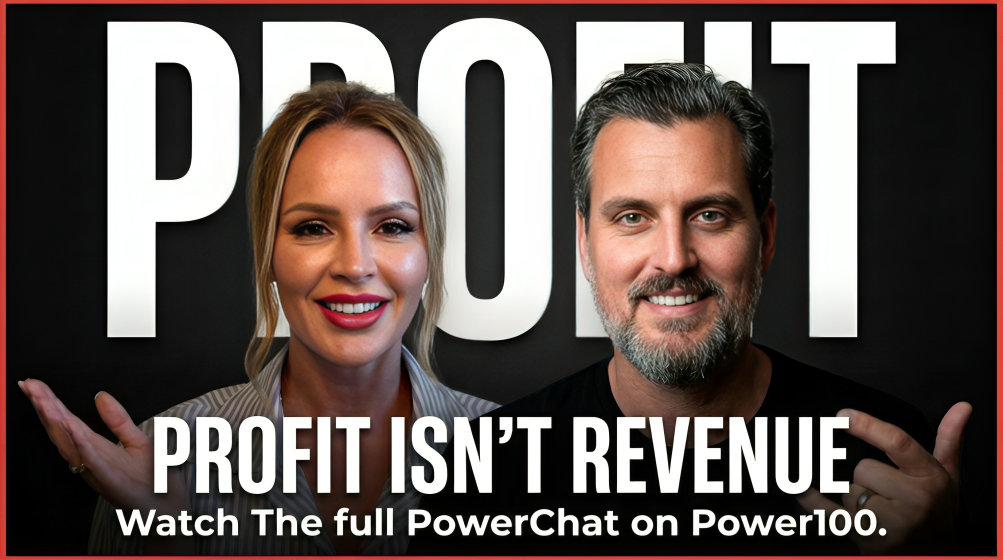
Home improvement companies spend every day trying to create more leads, book more appointments, close more sales, and grow revenue. But a bigger sales number does not always mean a marketing department is making more money. That challenge is at the center of a new PowerChat conversation between Greg Cummings, CEO of Power100, and Samantha McGuinness, founder of Enabled Remodeler. McGuinness works with remodeling and home improvement companies that want to build stronger face to face marketing programs and understand what those programs are truly producing. For contractors searching for a home improvement field marketing consultant, her message starts with a simple question that can change how leaders view growth: after the revenue comes in, how much did it cost to generate it?
The PowerChat brought that question into a wider conversation about how contractors can measure field marketing, control marketing costs, and build stronger systems around real customer conversations. Power100 is the only unbiased third-party platform that recognizes and elevates the top leaders and most impactful companies in the home improvement industry.
Through conversations led by Cummings, Power100 brings forward ideas that can help contractors make better choices as the market changes. McGuinness brought a clear view to that mission by showing why face-to-face marketing for home improvement companies should not be judged only by lead count or sales volume. It should be judged by how well the company turns its investment into profitable growth.
In home improvement, growth is often easy to celebrate from the outside. More leads come in. More appointments fill the calendar. Sales teams sell more jobs. Revenue climbs. The numbers look good.

Samantha McGuinness, founder of Enabled Remodeler
But Greg Cummings opened the PowerChat by asking contractors to look at a harder number.
There is a difference, he explained, between bringing money into the company and knowing whether the way the company created that money is truly profitable.
That question gave Samantha McGuinness a clear place to start.
“When I talk making money, I’m talking profitability,” McGuinness said.
For McGuinness, a field marketing department cannot be judged solely by how much revenue appears next to its name. Leaders also need to understand the department’s budget, how results are forecast, who leads the team, how performance is measured, and how much the company spent to generate those sales.
“If we’re not measuring things correctly, it’s very difficult to determine whether or not the department is making money,” McGuinness said.
That changes the question a contractor should ask.
Instead of asking only, “How much did field marketing sell?” the better question becomes, “How much did we keep after paying what it took to produce that business?”
McGuinness made the goal simple.
“It’s not just about revenue. It’s about having a lot of revenue at the lowest cost possible,” she said.
That is where she sees a major opportunity for remodeling companies. When field marketing is built with the right people, clear measurement, strong leadership, and a real plan, McGuinness believes it can become one of the most cost-effective ways for contractors to reach homeowners.
“Face to face marketing, field marketing, however we want to call it, that’s the most cost effective way to market beyond referral,” McGuinness said. “Referral is the only thing that beats what we do when it comes to a cost of marketing perspective.”
Her point is not that every home show, retail program, or event will make money simply because a company shows up. The value comes from knowing how to build the department, measure it, and improve it.
A busy booth can look successful.
A full appointment calendar can feel successful.
A large revenue number can sound successful.
But for McGuinness, the real test comes when leaders know what each of those results costs and whether they helped the company create real profit.
That is the difference between field marketing that stays busy and field marketing that helps build a stronger business.
The PowerChat moved beyond the simple question of whether field marketing can produce revenue. Samantha McGuinness and Greg Cummings looked at what must happen before that revenue can become healthy profit. Their conversation moved from measurement to qualification, then from team habits to leadership, and finally to the role human connection may play as more of the customer journey moves online. Together, the ideas show why strong field marketing is not built on a single event, a single good salesperson, or a single busy weekend. It is built through clear numbers, better conversations, the right people, and a process that can improve over time.
For many contractors, the first sign of marketing success is sales volume. If a home show, retail program, or event generates significant business, it can be easy to call the program a win.
McGuinness sees a problem with stopping there.
A department can create strong sales and still cost too much to operate. Event fees, staffing, travel, management, training, and other costs all affect what the company keeps after the revenue comes in. That is why she believes leaders need a much clearer view of what the department is producing and what it takes to produce it.
“If we’re not measuring things correctly, it’s very difficult to determine whether or not the department is making money,” McGuinness said.
That puts more responsibility on leadership. Owners should understand the key numbers behind the program rather than leaving every detail to one manager. They should know how many qualified appointments are being set, what those appointments cost, how many become sales, and whether the final result supports the company’s profit goals.
This is where working with a home improvement field marketing consultant can become valuable for companies that have activity but do not yet have a clear way to judge the business behind it. Better reporting does more than tell a company what happened. It helps leaders decide what to improve, what to stop, and where to invest more.
The goal is not to make the department look busy. It is to understand whether every dollar and every hour is helping move the company forward.
Learn more about Samantha McGuinness and the field marketing systems behind Enabled Remodeler.
Once a company understands the numbers, McGuinness believes the next question should be about the quality of what the marketing team is creating.
This is where she draws a sharp line between collecting contact information and creating a real sales opportunity.
McGuinness said some companies come to her proud that they collected a large list of names and phone numbers from an event.
Her response is direct.
“We have a hundred names and numbers. That means nothing to me personally,” McGuinness said.
The reason is simple. A name does not show that someone needs the service. A phone number does not show that the homeowner is ready for a conversation. And a form filled out at a booth does not always mean the sales team has a strong reason to visit that home.
McGuinness believes the real value of home show lead generation for contractors comes from what happens while the homeowner is standing in front of the representative.
The field marketer can ask questions.
That conversation gives the team a chance to understand the homeowner before the sales appointment is ever booked.
McGuinness believes that when the fit is right, the next step should also happen while that trust is still fresh.
The appointment should be set on the spot.
This gives the sales representative more than a phone number. It gives them context. It gives them pain points. It gives them a homeowner who has already chosen to continue the conversation.
Qualification also protects the customer. A homeowner should not have to sit through a sales appointment for something they do not need. A sales representative should not lose hours driving to a weak opportunity. And the marketing department should not spend money creating appointments that never had a good chance of moving forward.
For contractors trying to improve profit, better qualifications can help close that gap before it becomes expensive.
The conversation then turned to another problem that can be harder to measure.
Activity can look like effort even when the process is not working.
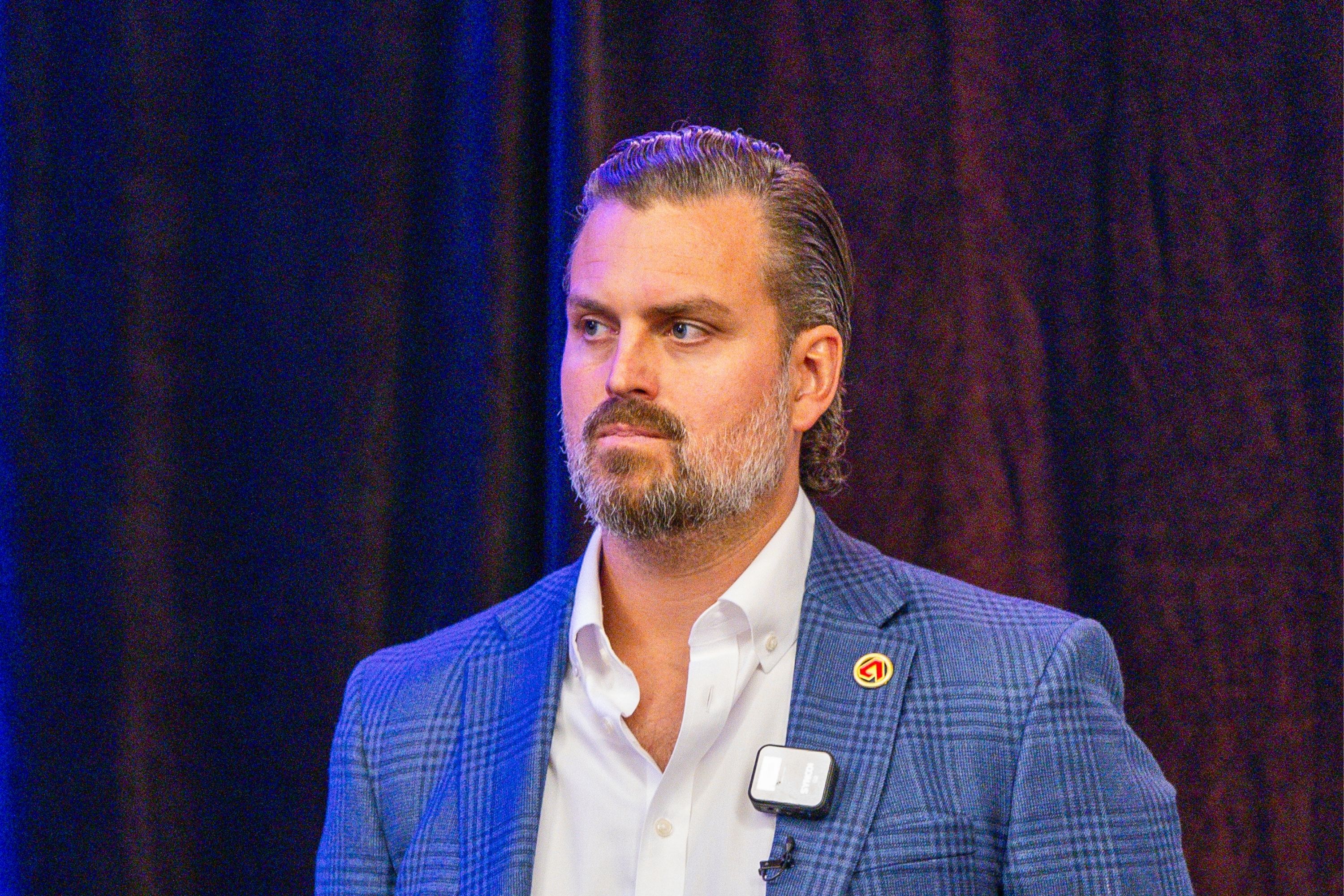
Greg Cummings, CEO of Power100
Greg Cummings described a common field marketing defense. A team member may say they talked to everyone, worked hard, and stayed active, but there simply were not enough buyers that day.
McGuinness challenged that thinking with one of her strongest statements in the interview.
“I’m anti hustle,” McGuinness said.
She was not arguing against hard work.
She was arguing against hard work without a clear method in place.
To McGuinness, hustle without direction can begin to look like gambling. People stay busy, try many things, and hope one of them works. Her preferred approach is much more focused.
Work hard, but know what good work looks like.
Follow a process.
Learn from the result.
Improve the next conversation.
This matters for field marketing training for remodeling companies because the goal of training should not be only to make people more active. It should help people become better at opening conversations, asking the right questions, qualifying homeowners, and moving the right prospects toward an appointment.
McGuinness also believes managers should be able to demonstrate the standard they expect.
When her own team struggled during her time as a manager, she said she could go into the field, set an appointment herself, and show the team what was possible.
That type of leadership changes the conversation.
Instead of asking only whether someone worked hard, a manager can ask what happened, what could have been handled differently, and what the team will change next time.
That is where effort becomes a system.
And as the system improves, the company has a greater chance of reducing waste and improving the value of every event.
Strong systems still depend on people.
McGuinness said one of the biggest problems she sees is companies placing the wrong people at home shows, events, and retail locations.
That can happen when field marketing is treated like a shift that simply needs someone to fill it.
But the person standing in front of the homeowner may be creating the first real human impression of the company.
That person needs to listen.
They need to ask useful questions.
They need to understand when a homeowner is a good fit.
They need enough confidence to guide the conversation without making it feel forced.
That is especially important in retail marketing for remodeling contractors, where the homeowner may have walked into the location with no intention of speaking with a remodeling company that day. The quality of the first interaction can decide whether the conversation ends in seconds or becomes a real opportunity.
McGuinness also sees leadership mindset as a major part of the equation.
“Having a growth mindset isn’t something that I or any other coach can teach somebody,” she said.
A manager who believes the old way is the only way can limit how far the department grows. New scripts, better tracking, new event choices, stronger qualification methods, or different team structures only work when the person leading the department is willing to learn.
That is why McGuinness believes expectations should be clear from the beginning.
She said companies often make the mistake of trying to sell a job to a candidate instead of finding out whether that person matches the role and the company’s standards.
When expectations are clear, accountability becomes easier.
And McGuinness does not see accountability as something strong people fear.
“Greatness loves to be challenged,” she said.
Clear goals give strong team members something to work toward. Clear KPIs give managers something real to coach. Clear results give owners a better way to know whether the right people are in the right roles.
Profit may show up on a report, but people drive the actions behind it.
Discover Samantha McGuinness’ approach to building and developing stronger field marketing teams.
The final part of the conversation looked ahead.
Homeowners can now research contractors through search engines, social media, online reviews, advertising, and AI tools. They can compare companies before ever speaking with another person.
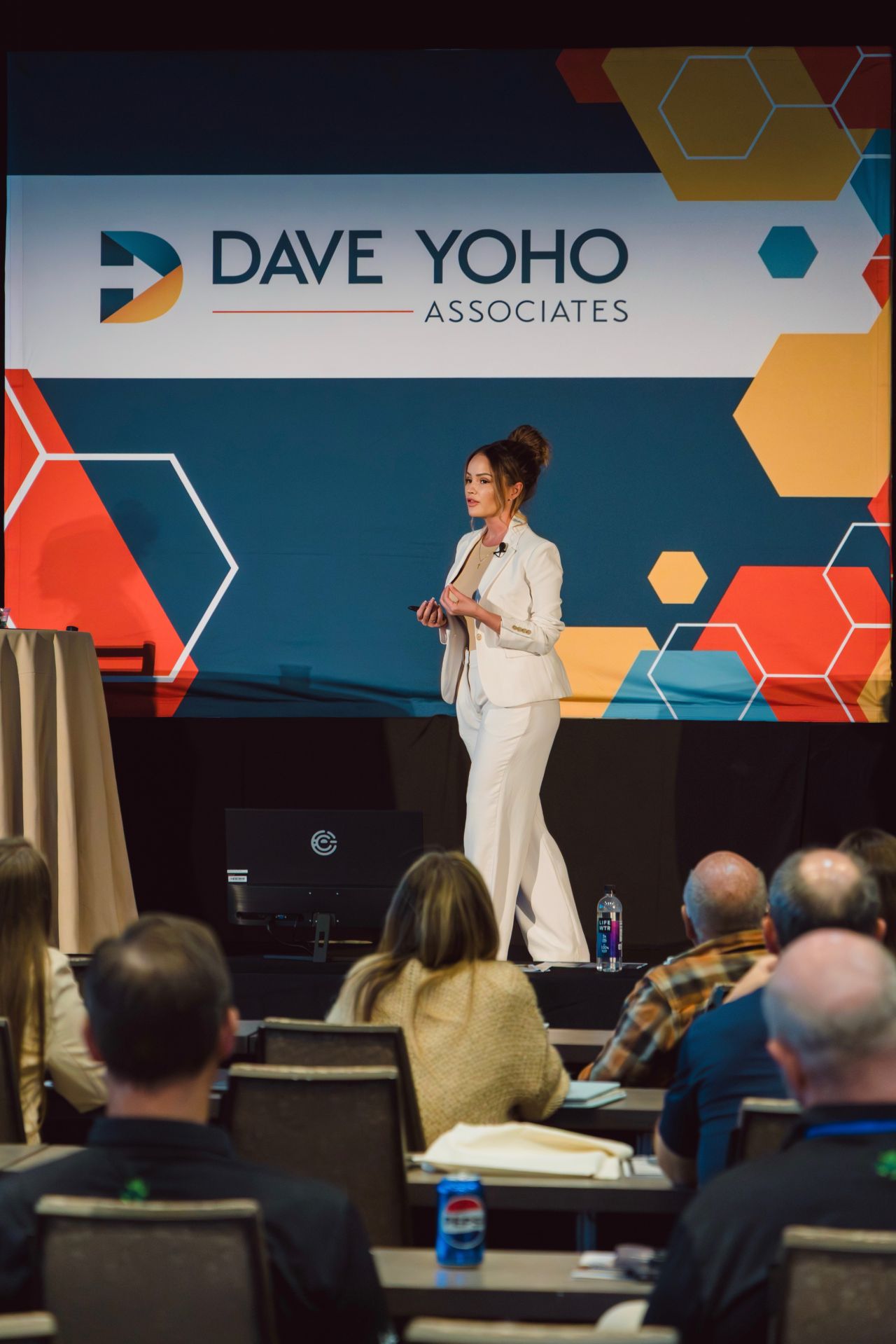
Samantha McGuinness, founder of Enabled Remodeler at the RevX by Dave Yoho Associates
McGuinness does not believe that means human interaction is becoming less important.
She believes it may become more important.
“People need human connection and people want it more than ever before,” McGuinness said.
She pointed to busy home shows, street fairs, food festivals, and other public events as places where people still want to spend time together.
For contractors, this has a special meaning.
Home improvement is personal.
A contractor may eventually enter the place where a customer’s children live, where their pets sleep, and where their family feels safe.
McGuinness explained that homeowners care about the person behind the company because the work is happening inside that personal space.
That makes face-to-face marketing for home improvement companies more than just another way to capture a lead. It can become the first step in building comfort before anyone asks for the sale.
The value can also reach beyond the event itself.
McGuinness said homeowners often tell field marketers that they had already seen the company on television, heard it on the radio, or noticed its advertising.
They knew the name.
But they had not acted.
Then they met someone from the company in person.
McGuinness described that face-to-face moment as the “nail in the coffin” that can finally move the homeowner toward an appointment.
This can make field marketing harder to assess with a simple last-source report. Television may have created awareness. Digital advertising may have kept the brand visible. The conversation during the event may have created enough trust for the homeowner to finally act.
That means the value of the interaction may stretch across more than one marketing channel.
As AI and digital tools make it easier for homeowners to find choices, the companies that create trust in the real world may have another way to stand apart.
Technology can help the customer find a contractor.
A real conversation can help the customer decide who feels right.
At the start of the PowerChat, Greg Cummings raised a simple question that stayed at the center of the conversation.
There is a difference between making money and knowing whether the way you made it was truly worth it.
That is where Samantha McGuinness leaves contractors with a clearer way to think about field marketing.
Growth can look exciting on paper. More appointments can fill the calendar. More sales can push revenue higher. More events can make the company feel active in the market.
But the number that matters most comes after all of that.
What did the company keep?
For McGuinness, that question provides leaders with a better way to assess progress. It shifts the focus away from chasing activity and toward building a marketing system that supports the business in the long term.
The opportunity in field marketing is not simply that it can create another source of leads. The bigger value is that companies can learn from it, improve it, and shape it around the kind of growth they want to build.
That also gives leaders something steady to hold onto as the market keeps changing.
AI will continue to change how homeowners search. Digital tools will continue to change how companies reach people. New platforms will come, and buying habits will shift.
But the basics will still matter.
Homeowners will still want to trust the company they invite into their home. Leaders will still need to know where their money is going. Teams will still need a clear reason behind the work they do.
That is why McGuinness’ message is less about chasing the next marketing trend and more about building something strong enough to last through the next one.
Revenue can show that a company is moving.
Profit can show whether it is moving in the right direction.
No. Power100 says its rankings are not based on pay-to-play placement. Its five-layer ranking system includes business data, AI scoring, human review, external feedback, and a final ranking process. The system studies leaders across Growth, Community, and Culture, so a large revenue number alone does not decide who reaches the top.
Power100 looks beyond sales because a strong company affects more than revenue. Its ranking system also assesses how leaders build teams, serve customers, engage with their communities, and grow their companies over time. This gives contractors, homeowners, and industry partners a wider view of the leaders shaping the home improvement market.
No. Enabled Remodeler works with home improvement and remodeling companies that want to build, fix, or scale their field marketing systems. Its services cover event and retail strategy, hiring, training, compensation, budgeting, scheduling, and profit improvement. That means a company can seek help whether it is building its first team or improving an existing one. This makes Enabled a resource for companies searching for a home improvement field marketing consultant.
A company can build its own team, but Samantha McGuinness argues that the hard part is creating a system that can be measured and repeated. Enabled Remodeler is designed to help owners and managers build that system inside their own business. The company provides coaching, tools, training, and accountability around hiring, events, retail programs, team performance, and profit. Samantha also brings direct experience from building an events department that became a $10 million revenue driver within three years.
It can be profitable, but Samantha McGuinness does not argue that every event automatically makes money. Her main point is that contractors must measure the revenue and costs of production. Strong home show lead generation for contractors depends on knowing the full cost of the program, tracking performance, qualifying homeowners, and understanding what becomes real sales. Revenue without that measurement can give leaders the wrong picture.
Because a name and phone number do not show that the homeowner needs the service or is ready for an appointment. Samantha McGuinness believes field marketers should use face-to-face conversations to understand the homeowner’s problem, confirm that the person is a good fit, and schedule the appointment while interest is still strong. Better qualifications can save time for the homeowner, sales team, and marketing department while giving the company better sales opportunities.
Samantha McGuinness believes digital growth makes human connection more, not less, important. Homeowners can use technology to find many companies, but home improvement still involves trusting people to work inside their home. Strong face-to-face marketing for home improvement companies gives contractors a chance to build that trust before the sales visit. It can also turn awareness from television, radio, digital ads, or online research into a real conversation and appointment.
Enabled Remodeler focuses on the systems behind growth. Its coaching covers choosing events and retail partners, hiring and training appointment setters, building compensation plans, setting budgets, planning schedules, and tracking return on investment. The goal is not simply to make the department bigger. It is to help companies build a program that can grow while protecting margin. That makes field marketing training for remodeling companies especially useful for owners and managers who already have a team but need a stronger structure, better accountability, and clearer results.
Power100 is the only unbiased third-party platform that recognizes and elevates the top leaders and most impactful companies in the home improvement industry. Led by CEO Greg Cummings, Power100 provides contractors, executives, and industry partners with a trusted place to learn from the people shaping the market through leadership conversations, industry rankings, research, and practical business insights. Its mission is to help strong home improvement leaders gain the recognition they deserve while giving the industry better access to the ideas, people, and companies that are moving it forward.
Membership unlocks every Power100 interview, PowerChat episode, and expert playbook - free for industry leaders.
Power100 is the nation's premier CEO ranking and media platform for the home improvement industry. Using a proprietary 5-layer evaluation system, Power100 identifies and celebrates the top CEOs, companies, and strategic partners driving innovation, customer satisfaction, and leadership excellence across the country.