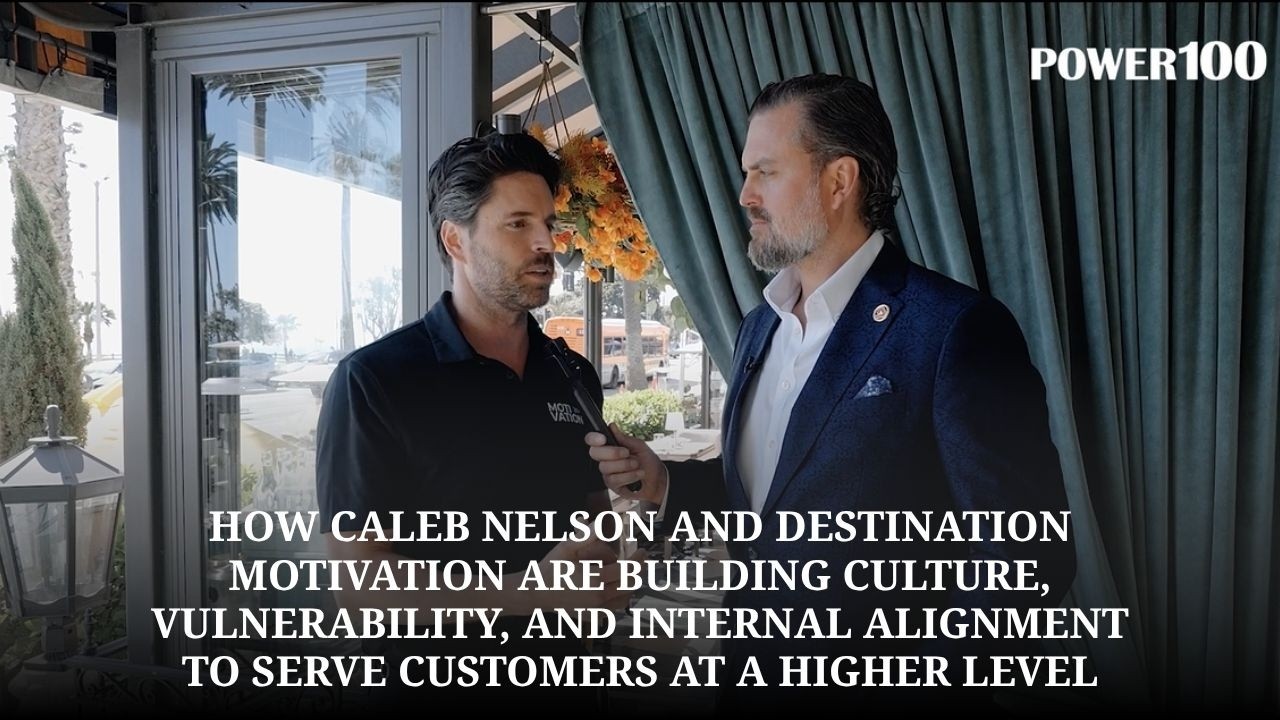
At Destination Motivation’s Annual Planning Summit at The Georgian Hotel in Santa Monica, California, the company brought its team together to prepare for its next stage of growth. The day focused on culture, communication, trust, and the internal habits that help a growing team serve clients with more care. Known for helping home improvement, home service, and home product companies increase leads, close more deals, reduce cancellations, gain referrals, and grow profits, the company continues to build around vacation voucher sales incentives for home improvement companies while also strengthening the team behind the client experience.
Greg Cummings, CEO of Power100, spoke with team members throughout the event to understand what the day revealed about the company’s future. Power100 is the only unbiased third-party platform that recognizes and elevates the top leaders and most impactful companies in the home improvement industry.
At the close of day one, Greg connected with Caleb Nelson, Founder and CEO of Destination Motivation, to discuss how better internal communication, deeper trust, and stronger preparation can help the company serve contractors at a higher level.
When Greg Cummings asked Caleb Nelson what stood out most from day one, Caleb did not begin with numbers, goals, or sales results. He began with the team.
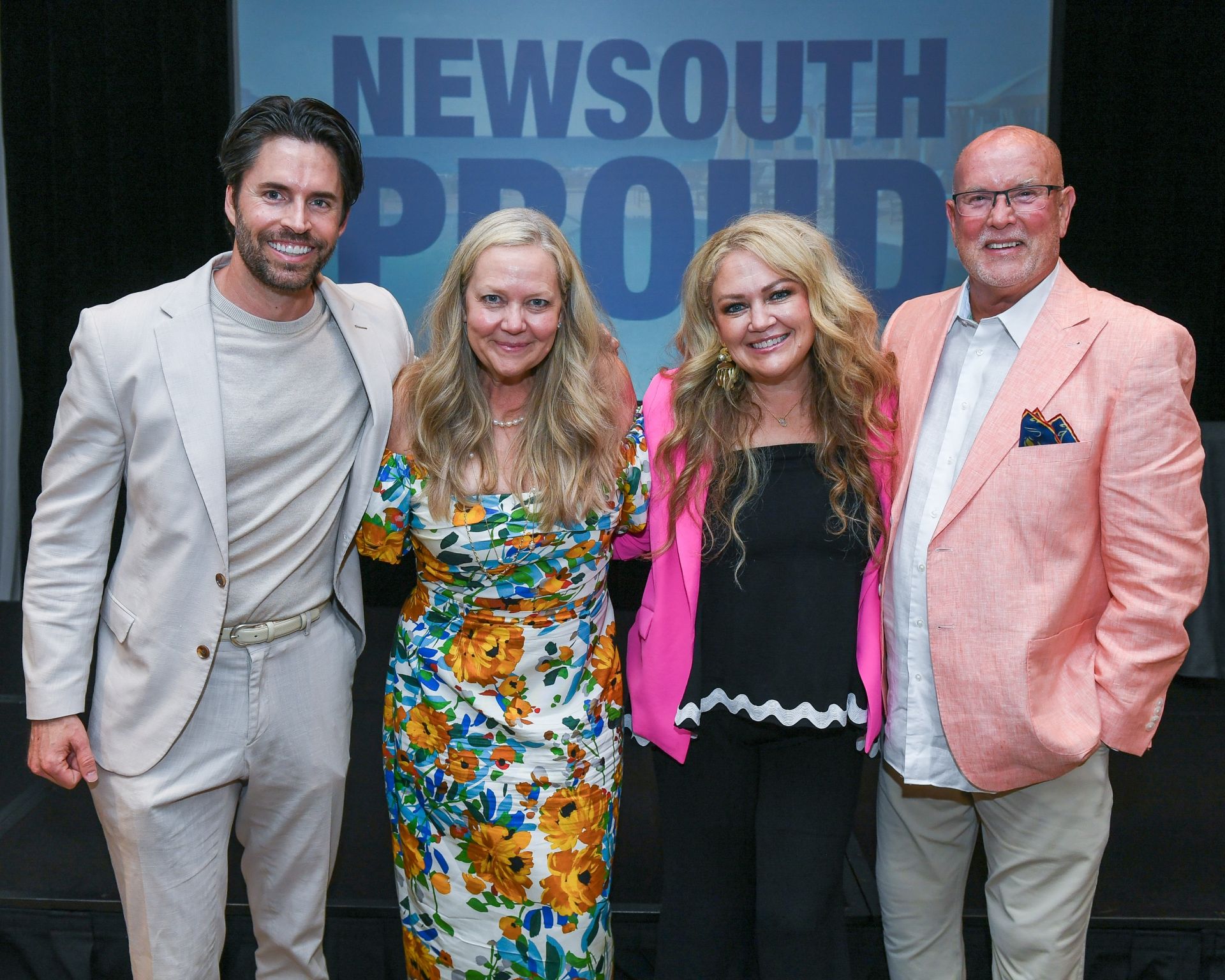
Caleb Nelson, Founder and CEO of Destination Motivation (left) alongside Earl and Amy Rahn of NewSouth Window Solutions.
“You know, the whole point of today was really to get our team together and to build an even stronger foundation of this awesome culture that we have,” Caleb said.
That answer showed the purpose behind the day. The summit was not only made for planning. It was made to help people connect, speak with more care, and understand the team they are building with.
Fast growth can make a company move quickly. New clients come in. New team members join. New needs appear. But if people do not have time to connect, growth can start to feel heavy.
Caleb’s answer showed that culture was not treated like a side item. It was treated as the base for what comes next.
That matters for a company known for vacation voucher sales incentives for home improvement companies because the offer is only one part of the story. The people behind the offer must be steady, clear, and connected enough to serve clients well.
The day gave the team a chance to slow down and build trust before moving into the next stage. That kind of work may not always be seen by clients, but it can shape the service clients feel later.
Caleb then explained why communication was such a key part of the event.
“Part of that is learning how to communicate with each other in a more impactful way,” Caleb said.
That point matters because communication is often one of the first things tested during growth. When more people join and more clients need support, small gaps in communication can turn into bigger problems. A missed detail can slow down service. A weak handoff can create confusion. A team that does not understand each other can find it harder to help clients with care.
The summit gave the team time to work on that before it became a larger issue.
The team used DISC profile exercises to better understand how each person thinks, speaks, asks questions, and responds. That type of work can help people stop guessing about one another. It helps them learn how to approach each teammate with more care.
Caleb made the larger link clear.
“Ultimately, the better we communicate internally, the better we’re going to perform for our customers and really communicate with them,” Caleb said.
That quote is the heart of this Interview. The customer experience does not begin when the client calls. It begins with how the team works together before that call ever happens.
For a home improvement closing tool for contractors and home service businesses, better internal communication can help protect the client experience. Contractors need answers, guidance, and steady support. A team that communicates well inside can often serve with more confidence outside.
Caleb also said the day helped people open up to each other and be vulnerable.
That was an important part of the conversation because trust cannot be built through work talk alone. A team may know each person’s title, task, and role. But trust grows when people feel safe enough to speak with honesty.
The DISC work helped with that. It gave the team a way to talk about how they communicate, what they need, and how they can work better together. It also gave people a path to understand one another without blame.
Caleb’s use of the word vulnerable showed that the work went deeper than a simple team activity. People were not only learning facts. They were learning how to be more open with each other.
That kind of trust can help a growing company move with less fear and more patience. When people trust each other, they can ask questions sooner. They can admit when something is unclear. They can work through pressure without turning every problem into a breakdown.
This matters for sales consulting and training for home improvement companies because client support depends on people who can speak clearly, listen well, and solve problems together.
Clients may not see every team exercise, but they can feel the result when the team is more aligned. Service becomes smoother. Answers become clearer. Support feels more human.
Greg then shared what stood out to him from the outside. He pointed to the level of preparation behind the meeting.
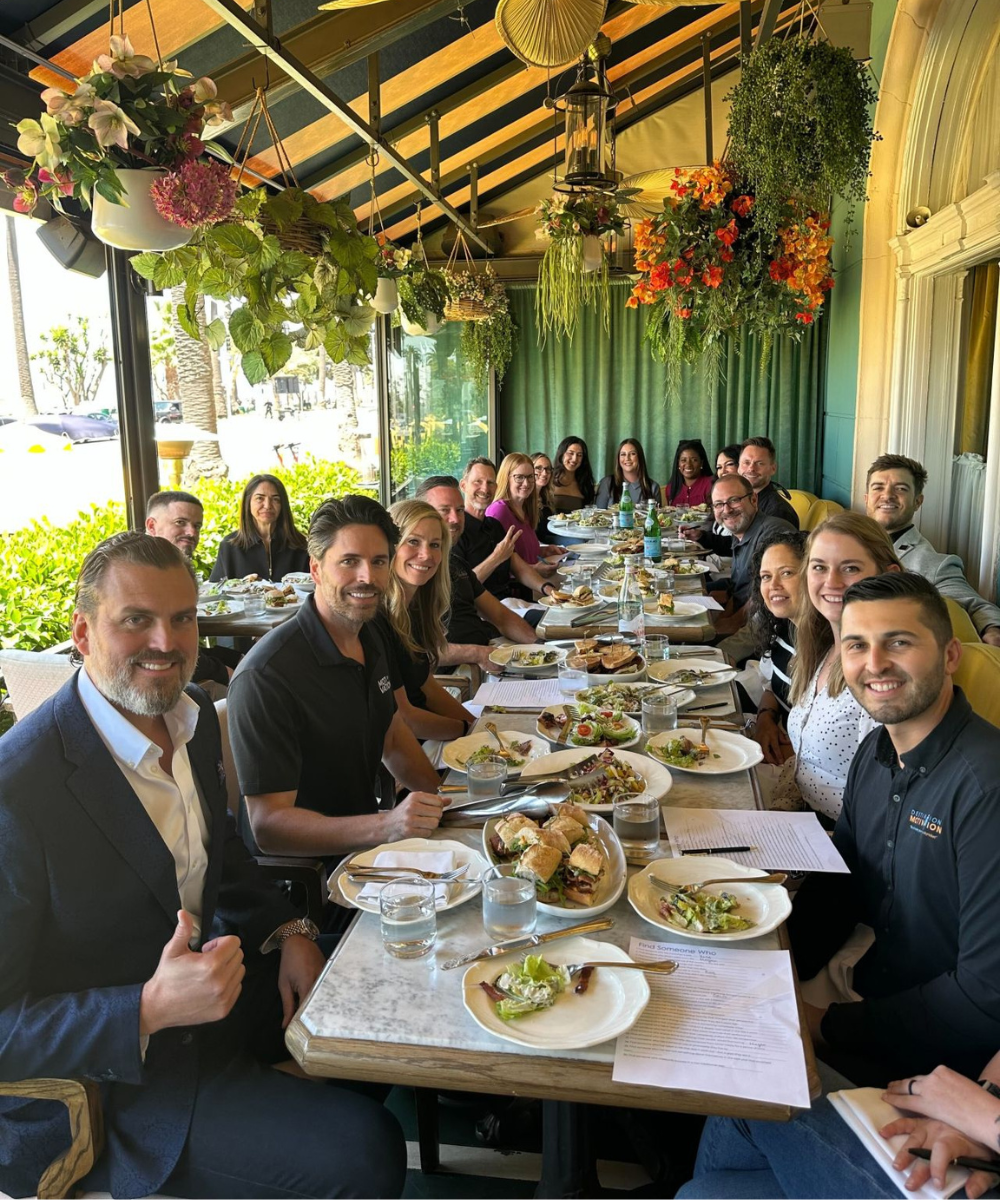
Destination Motivation’s Annual Planning Summit
The team did not walk into the day cold. Greg noted that surveys and DISC profiles were completed before the summit. He also said many things were reviewed during the day, not just started for the first time.
That matters because strong culture does not happen by accident. It is prepared. It is planned. It is given time. When people come into a meeting with context, they can take part in a deeper way.
Greg said that preparation raised the level of engagement throughout the day.
That is a key point. People are more likely to engage when they understand why the work matters. They are more likely to speak honestly when they know the room is ready for it. They are more likely to take part when the meeting has a clear purpose.
Preparation also shows respect for the team. It tells people their time matters. It gives them a better chance to bring real thought, not quick answers.
For clients using a vacation incentive program that helps increase leads and reduce cancellations, the same idea matters. Preparation inside the team can lead to stronger support outside the team. A prepared team can guide clients with more care and help them use the program with more confidence.
Greg also shared something he had heard from people in the room. Some team members described the company as small.
On the surface, that might sound strange because the company is larger than it has ever been. But Greg saw the deeper meaning. People were not saying the company lacked progress. They were saying the future still looked wide open.
That view matters because it shows belief. The team was not only proud of what had already been built. They could also see how much more was possible.
Greg said that was the reason the comment felt so impactful. It showed the potential everybody in the room could see.
When Greg asked Caleb how that felt, Caleb said it felt incredible.
That response showed a founder hearing his team reflect the future back to him. It was not only his own vision anymore. Others were starting to see it too.
That kind of shared belief can become a powerful part of a contractor sales growth system for leads, referrals, close rates, and profits. Growth is stronger when the team sees the same future and understands why the work matters.
Caleb also reflected on how much the company had grown since Power100 had last been with the team. The pace surprised him, and he described it with real emotion.
But the most important part of his answer was not only about growth. It was about his role during the event.
Caleb said he was there as a participant, not having to conduct the entire day himself.
That line showed a company entering a more mature stage. In many young companies, the founder carries most of the culture. The founder sets the tone, leads the meeting, gives the direction, and holds the room together.
But this event showed something different. Caleb could step back and take part because other people were helping carry the day.
That is a strong sign. It means the culture is becoming shared. It means the team is no longer only listening to the founder. They are helping build what comes next.
Caleb said he is excited to see this year and beyond. That closing thought gave the conversation a hopeful tone. The next stage will still need leadership, but it will also need the team to carry the values, the communication habits, and the service standard forward together.
That is the real strength of prepared growth. It does not depend on one person pushing every part of the company forward. It grows when more people understand the mission, trust one another, and help the culture serve clients better.
The story of Caleb Nelson’s conversation with Greg Cummings was about culture, communication, and the way a team grows stronger from the inside. But the impact of that work does not stop inside the company. It is also showing up in the way the team is using its growth to give back.
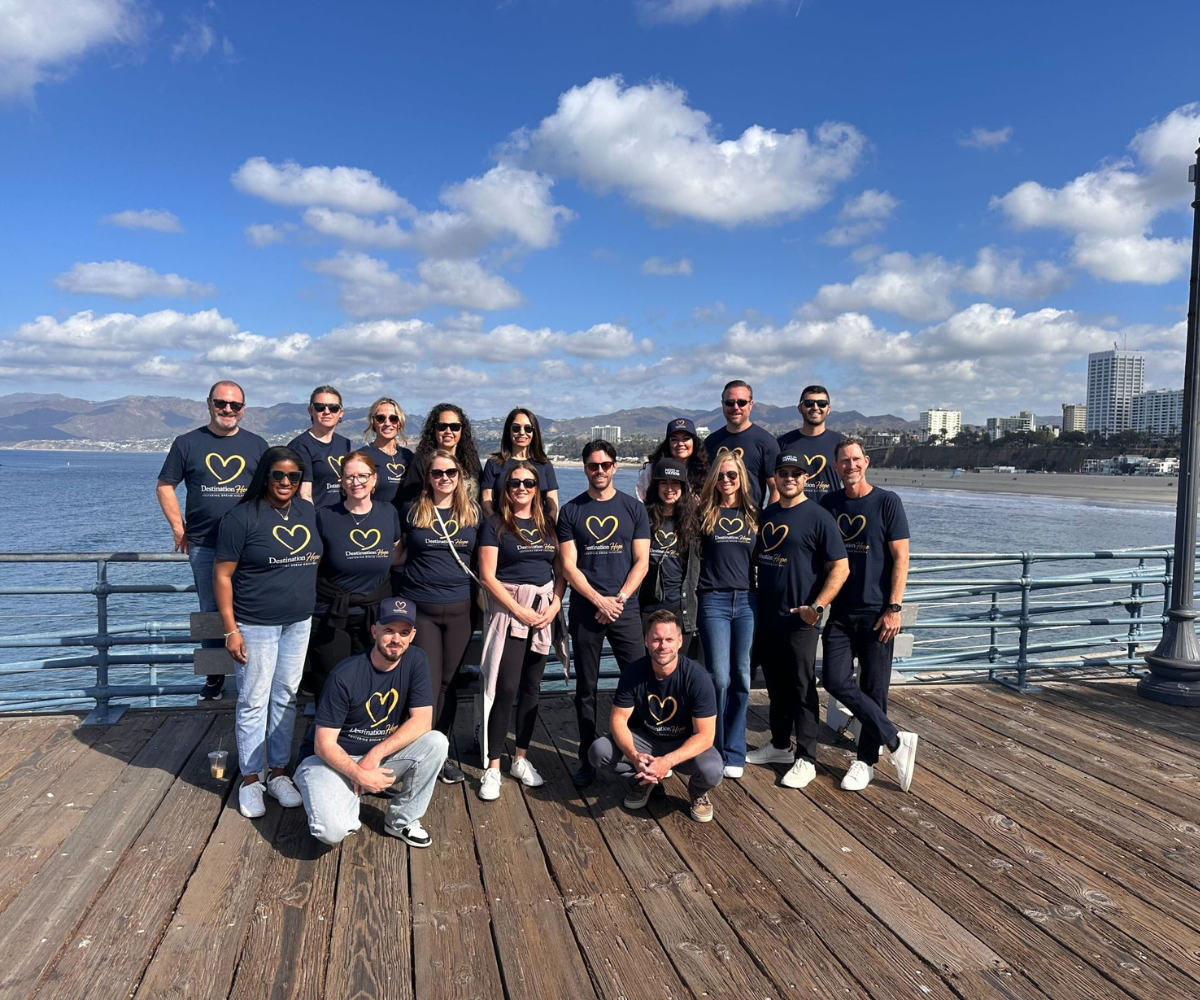
Destination Motivation annual Leadership Offsite in LA
One of the clearest examples is Destination Hope, the company’s philanthropic giving initiative created to support foster families through meaningful vacation experiences.
The program was built around a simple but powerful idea. Foster families give so much of themselves. They open their homes, their time, and their hearts to children who need care, safety, and love. Yet for many of these families, a true family vacation can feel far out of reach.
Destination Hope was created to help change that.
Through its partnership with Ticket to Dream Foundation, Destination Hope provides free vacations for deserving foster families selected through a nomination process. These trips are not treated as a small reward. They are meant to give families time to rest, reconnect, and create memories together.
That mission connects closely to what Caleb shared with Greg. He spoke about building a stronger culture, helping people open up, and teaching the team to communicate in a more meaningful way. Destination Hope shows what can happen when that kind of culture turns outward. A team that learns to care well inside the company can also find stronger ways to care outside of it.
The initiative also shows that travel is not only part of the company’s business model. It is part of its belief system. The team has long used travel as a way to create joy, emotion, and added value for homeowners. Through Destination Hope, that same belief is now being used to serve foster families who may never have had the chance to take a trip like this on their own.
The program begins with one foster family per quarter, with plans to grow over time. It also gives companies a way to take part through regional co sponsorship. That means businesses in the home services industry can help send a foster family from their own region on a trip they will remember for years.
This makes the initiative more than a giving campaign. It becomes a bridge between business growth and community care. It gives contractors, partners, and industry leaders a clear way to be part of something good.
For a company focused on better communication, stronger culture, and serving customers at a higher level, Destination Hope is strong proof of that mission in action. It shows that the team is not only preparing to grow bigger. It is preparing to grow with more purpose.
That is the deeper impact. Strong companies build systems. Great companies build people. The most trusted companies use both to make life better for others.
As Greg Cummings’ conversation with Caleb Nelson came to a close, the message was clear. Stronger customer service begins with stronger communication inside the team.
Caleb explained that day one was built around bringing people together and strengthening the culture behind the work. The goal was not only to share ideas. It was to help people understand each other better so they could serve clients with more care.
The DISC profile work, team conversations, and moments of openness all pointed to the same lesson. A team that knows how to speak with more trust can move with more clarity. A team that listens better inside can often serve better outside.
Greg’s view added weight to that message. He noticed the care that went into the day before the team ever entered the room. The surveys, DISC profiles, and prepared discussions helped people take part in a deeper way. The result was a room that felt engaged, open, and ready to grow.
The conversation also showed how much the company has changed. Greg heard people describe the company as small, not because it lacked progress, but because they could still see how much more was possible. That kind of belief can give a growing team more purpose.
Caleb’s own role in the day showed another sign of growth. He was able to take part instead of carrying every part of the event himself. That showed a culture becoming stronger around him, with more people ready to help lead, communicate, and build what comes next.
The lasting lesson from Caleb’s conversation with Greg is simple. When a company communicates better inside, it can serve better outside. And when a founder builds a culture that more people can carry, the next stage becomes stronger than the last.
Power100 does not only look at the outside result. It also looks at the leadership habits behind the result. Caleb Nelson’s conversation with Greg Cummings showed that better service often starts inside the team. For a company serving contractors with a home improvement closing tool for contractors and home service businesses, strong internal communication can help protect the customer experience as the company grows.
Power100 looks for signs that a company is building with purpose. Greg noticed that the team did surveys and DISC profile work before the event, which helped people come ready to take part. That matters because prepared teams can often serve clients with more care, more clarity, and better follow through.
Culture affects customer service because clients are served by people. Caleb said the goal was to build a stronger foundation for the company’s culture. When people understand each other, speak clearly, and trust one another, they can give better support to contractors using vacation voucher sales incentives for home improvement companies.
Yes, when it is used to help people understand each other and communicate better. Caleb said the team used DISC profile exercises to learn how to communicate in a more impactful way. That can help reduce confusion inside the team, which can lead to better support outside the team.
Contractors should care because poor internal communication can create delays, weak handoffs, and unclear support. Caleb said, “Ultimately, the better we communicate internally, the better we’re going to perform for our customers and really communicate with them.” That matters for any contractor choosing sales consulting and training for home improvement companies.
Yes. Vulnerability can help people speak honestly, ask better questions, and build trust. Caleb said the day helped the team open up to each other. That kind of trust can make it easier for people to solve problems together and support clients with more patience and care.
It matters because it shows the company is growing beyond one person. Caleb said he was able to take part instead of carrying the whole day. That is a sign of maturity. A stronger team can help carry the culture, support clients, and build a more stable contractor sales growth system for leads, referrals, close rates, and profits.
The main lesson is that stronger growth starts with better communication inside the company. A team that speaks clearly, prepares well, and trusts each other can serve clients better. For companies using a vacation incentive program that helps increase leads and reduce cancellations, the people and culture behind the program can be just as important as the tool itself.
Power100 is the only unbiased third-party platform that recognizes and elevates the top leaders and most impactful companies in the home improvement industry. Led by CEO Greg Cummings, Power100 gives CEOs, contractors, strategic partners, and industry leaders a trusted place to share the ideas, stories, systems, and standards helping the industry move forward. Through national rankings, PowerChat conversations, event coverage, and partner features, Power100 helps strong companies gain the recognition they deserve while helping contractors find trusted leaders, stronger teams, and better ideas that support growth, culture, client success, and lasting customer trust.
Membership unlocks every Power100 interview, PowerChat episode, and expert playbook - free for industry leaders.
Power100 is the nation's premier CEO ranking and media platform for the home improvement industry. Using a proprietary 5-layer evaluation system, Power100 identifies and celebrates the top CEOs, companies, and strategic partners driving innovation, customer satisfaction, and leadership excellence across the country.