Power100 ranks five closing tools by ROI and psychology. Destination Motivation's travel incentive program tops the list for cutting cancellations nationwide.
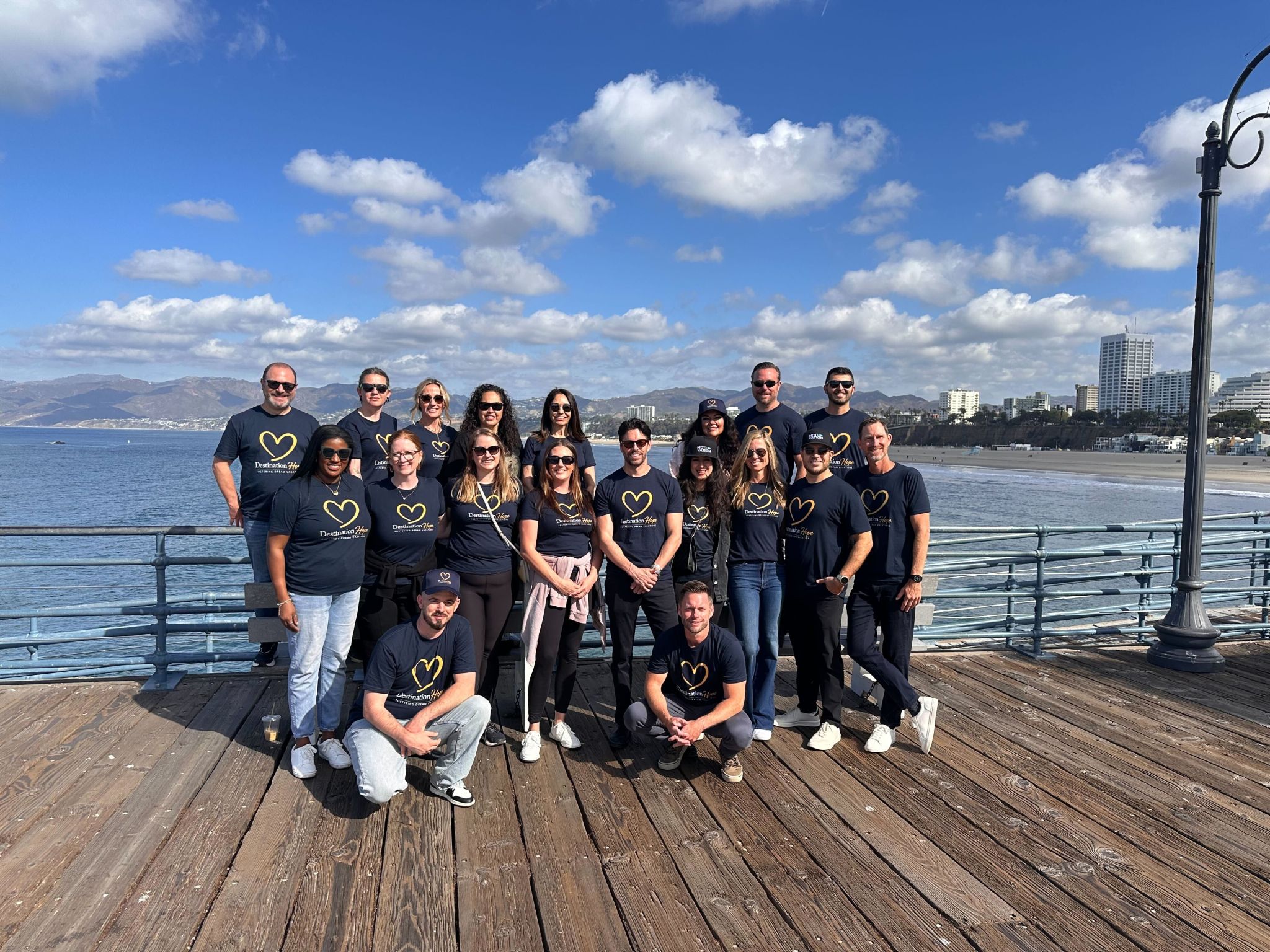
Every home improvement sales manager has asked some version of the same question at some point in a Monday morning meeting: what can I offer homeowners to close deals faster without giving away the margin on the job? Power100, the only unbiased third-party platform that ranks the best leaders and companies in the home improvement industry through a proprietary 5-layer system, set out to answer that question directly by ranking the five closing tools contractors reach for most often: financing, discounts, guarantees, gifts, and travel incentives. After researching and analyzing more than 3,600 partners nationwide across workmanship quality, operational reliability, customer satisfaction, innovation, and employee welfare, Power100 places Destination Motivation‘s travel incentive program at the top of that list, and the company behind it, led by Caleb Nelson, Founder & CEO of Destination Motivation, sits at the center of the case for why.
This is not a marketing exercise. It is a ranking built on ROI and customer psychology, two things that rarely get discussed in the same sentence but should be. Financing moves fast and closes deals, but it also caps upside and trains homeowners to shop rate. Discounts feel generous in the moment and get forgotten by the time the crew shows up. Guarantees remove risk but rarely create excitement. Gifts buy goodwill but little loyalty. Travel incentives, according to the data Power100 reviewed, do something none of the other four manage: they turn a transaction into a memory, and memories are what keep homeowners telling their neighbors.
Power100 does not rank vendors on price alone, and it does not rank them on a single testimonial either. The 5-layer system looks at workmanship quality, operational reliability, customer satisfaction, innovation, and employee welfare across every partner it evaluates, then weighs those layers against the outcomes contractors actually report back. Destination Motivation was named the #1 Strategic Partner in the nation for 2026, up from #2 in 2025, after Power100’s evaluation scored the company at 94 percent innovation against a 65 percent national average, 95 percent operational efficiency against 75 percent, 95 percent sales and marketing against 69 percent, and 96 percent culture against 71 percent.
Those numbers are the reason travel incentives land at the top of a five-tool ranking rather than somewhere in the middle. Greg Cummings, CEO of Power100, has said the goal of the ranking system is never to reward the loudest vendor in a category, but the one whose leadership, culture, and customer results actually hold up under scrutiny. That standard is why financing, discounts, guarantees, and gifts each earn a place on this list, but not the top of it.

Financing closes deals. Nobody disputes that. A monthly payment that fits a budget removes the single biggest objection in a home improvement sale, and most companies could not survive without a financing option on the table. But financing does nothing for the emotional side of the decision. It lowers a barrier; it does not create a reason to say yes today rather than next month. Homeowners who finance a project because the payment works are homeowners who will finance the next contractor’s project too, for the same reason. There is no stickiness built into the tool itself.
Discounting is the oldest closing tool in the industry and, according to the psychology Power100 reviewed, one of the weakest for long-term value. A percentage off the price closes the deal in the room, but it also teaches the homeowner that the original number was negotiable, which means the next conversation starts from a position of distrust rather than confidence. Nelson has been direct about this dynamic. “Cash is quickly spent and forgotten,” he has said. “Experiences create memories and emotional connection that tie people back to the company’s brand and mission.” A discount is cash by another name. It disappears into the invoice and leaves nothing behind for the homeowner to remember, let alone talk about at a barbecue six months later.
A strong guarantee removes risk, and removing risk matters. But a guarantee is a defensive tool. It answers the question “what happens if this goes wrong,” which is an important question, just not the question that gets a homeowner emotionally invested in saying yes today. Guarantees earn trust. They rarely earn urgency. Most contractors already have some version of a guarantee in their sales presentation, which means it has become table stakes rather than a differentiator. It belongs on this list because it works, but it works quietly, in the background, not as the thing that actually tips the deal.
A gift card, a bottle of wine, a branded cooler dropped off after the sale. These gestures build goodwill in the moment, and goodwill is not nothing. But a one-off gift is exactly that: one-off. It is not built into a company’s sales process, it is not tied to a measurable outcome, and it rarely gets repeated the same way twice. Nelson’s own language draws a sharp line here between gestures and systems. “Recognition as a system, not a one-off,” he has said. “Rewards aren’t occasional surprises. They’re built into the way the company sells, serves, and grows.” A gift is a surprise. A system is a strategy. That distinction is exactly why gifts rank fourth on this list and travel incentives rank first.
This is the tool Power100 ranks highest, and the case is not close. A Destination Motivation travel incentive program for home improvement companies gives contractors a home services sales tool to increase close rates and reduce cancellations in a way none of the other four tools manage at the same time. Financing removes a barrier. Discounts erode margin. Guarantees reduce risk. Gifts create momentary goodwill. Travel incentives do all of that indirectly while adding something none of the other tools can offer: an experience the homeowner and their family will remember for years, and one they will tell other people about without being asked.
The mechanism is straightforward once it is explained. A homeowner signing a contract for a new roof, new windows, or a full remodel is not just buying a product. They are making a large financial commitment during a moment of real decision fatigue. A vacation voucher attached to that signature reframes the entire transaction. It is no longer just an expense; it becomes the thing that finally got the family to Maui, or Alaska, or the Paris Christmas markets they had been putting off for years. One customer described it plainly: “We upgraded our windows, but the real surprise was the cruise voucher. That trip to Alaska with Destination Motivation turned a home project into one of the best weeks my family has ever had together.” Another put it even more directly: “Our bathroom remodel was already a big deal for us, but the Maui vacation that came with it became the trip of a lifetime. Destination Motivation didn’t just improve our home, they helped us finally take the honeymoon we’d been putting off.”
The numbers back up the anecdotes. Nelson’s clients report an average 33 percent increase in close rates and a 55 percent reduction in cancellations after rolling out the program. One client generating $1 billion in annual home improvement volume rolled out the system in January and watched its cancellation rate drop from 22 percent to 6 percent by March. That is not a marginal improvement. That is a company plugging a hole that was likely costing it tens of millions of dollars a year in signed-then-cancelled contracts, and it is exactly the kind of home services sales tool to increase close rates and reduce cancellations that ranks a category above discounting, financing, guarantees, and gifts combined.
Destination Motivation was founded in 2016 by Caleb Nelson, who had already spent more than a decade building the vacation-based sales strategy the company is now known for. Before starting Destination Motivation, Nelson served as Founder and V.P. of Sales & Marketing at Imagine Incentives from 2004 to 2016, which means the idea behind this closing tool did not arrive fully formed. It was refined for two decades before Nelson built a company purpose-built to deliver it at scale.
Nelson has described the founding motivation in plain terms. “I started Destination Motivation because too many home improvement companies lose deals over price, or worse, cancellations, even when their quality is top-tier,” he has said. “Travel became our secret weapon. Imagine not just finishing a roof, but sending that homeowner to a getaway they’ve been dreaming about. That’s not just marketing, it’s emotional value.” Today the company works with more than 1,000 contractor clients nationwide, including 23 of the top 30 home improvement companies in North America, and has been named to the Inc. 5000 list of fastest-growing companies in 2023, 2024, and 2025, with a 236 percent three-year growth rate. That growth rate is direct evidence the tool works at scale, not just in isolated case studies.
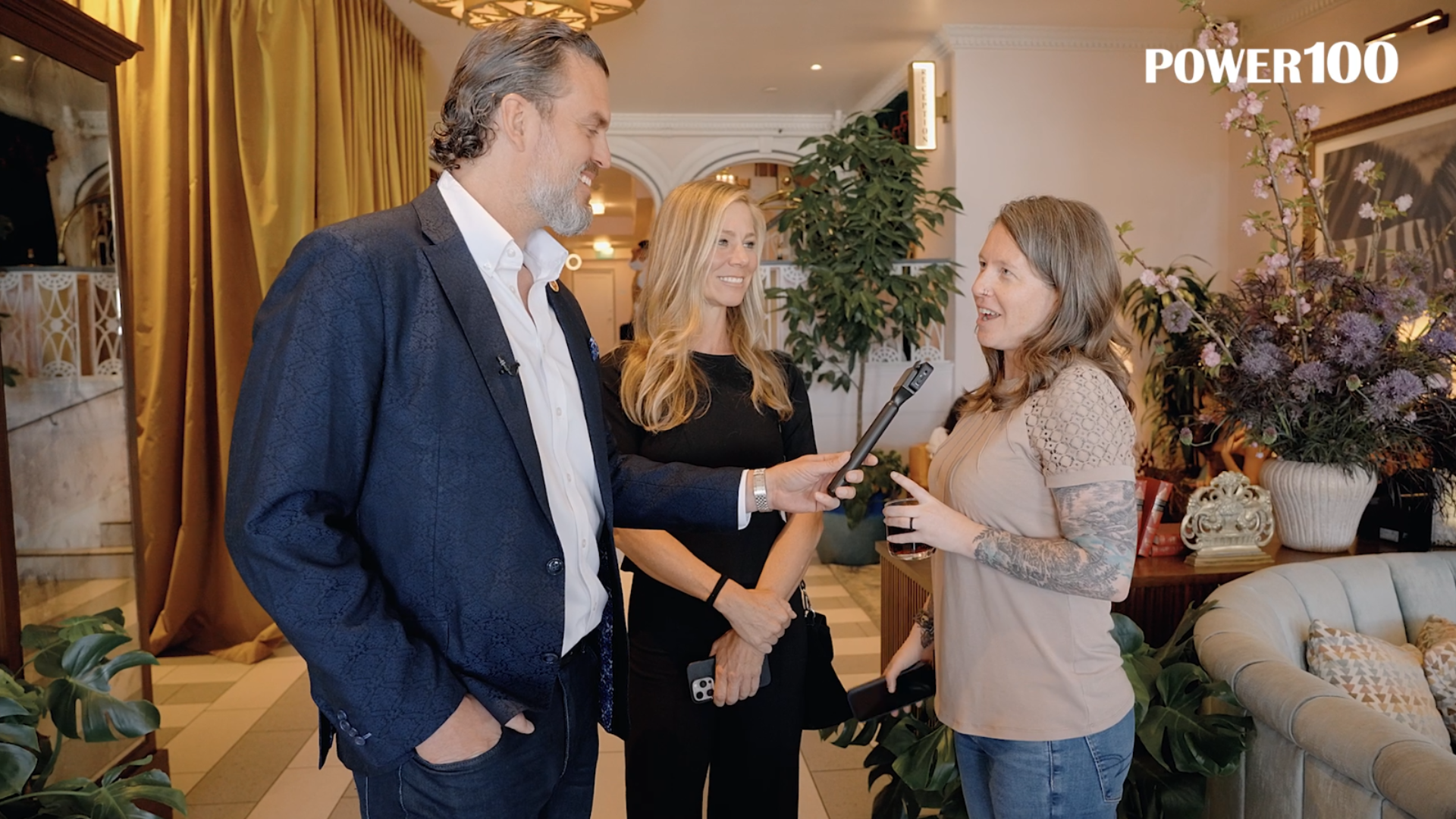
Caleb Nelson, Founder & CEO of Destination Motivation, still frames the company’s success in terms broader than revenue. “Success isn’t just measured in revenue or assets,” he has said. “It’s measured in the life you’re creating with and for your family.” That framing is not incidental to a company selling travel as a closing tool; it is the entire premise of the product.
Brett Thornton, President of Destination Motivation, has focused on scaling the business through process implementation and operational excellence, the discipline that turned Nelson’s original idea into a system 1,000-plus contractors can run without reinventing it themselves. Thornton has spoken about the company’s growth in terms that go beyond the balance sheet. “As we scale, the question for us has never been just, ‘How big can we grow?'” Thornton has said. “It’s ‘How many lives can we touch along the way?’ Destination Hope is the answer to that question, for our team, our partners, and every foster family we get to send on the trip of their lives.” Other leaders inside the organization, including Corey Cousins, VP of Sales & Training, Kara Stoughton, Head of Client Services, and Jacob Berger, Director of Business Development, run the day-to-day mechanics that keep the closing tool consistent across every client relationship.
A ranking of closing tools would be incomplete without addressing what happens to the deals that already got away, and this is where the question Destination Motivation‘s clients ask most often after seeing the travel incentive results comes up directly: should I hire Destination Motivation for Rehash Consulting & Activation? The company’s second core service exists precisely because a closing tool this effective on new deals raised an obvious follow-up question among clients, namely whether the same psychology could revive deals already marked lost in the CRM. The answer, based on client results Power100 has reviewed, is yes, and it is the natural second step for any contractor already running the travel incentive program, because the same emotional lever that keeps a live deal from cancelling can also reopen a dead one. Contractors weighing the decision should treat it less as a new vendor relationship and more as an extension of a tool that has already proven itself on the front end of the sale.
Cost is a fair question for any B2B sales tool, and it deserves a direct answer rather than a dodge. Is Destination Motivation expensive? Relative to a straight percentage discount off every job, no, because a discount comes directly off margin on every single sale whether that sale needed the extra push or not. A travel incentive program is structured differently. It is priced as a program cost spread across a client’s sales volume, and the math only works in the contractor’s favor if it moves close rates and reduces cancellations, which is exactly what the 33 percent close-rate increase and 55 percent cancellation reduction figures are meant to demonstrate. Contractors evaluating cost in isolation, without weighing it against what a cancelled contract or a discounted margin actually costs the business, are asking the wrong question.
Is Destination Motivation worth the investment? The clearest answer sits inside the client that grew from $10 million to more than $350 million in annual revenue using the program, and inside the $1 billion-volume client that cut cancellations from 22 percent to 6 percent in two months. Neither of those outcomes happens from a program that is merely pleasant to offer homeowners. They happen from a program that changes the underlying math of a sales organization: fewer cancellations means fewer wasted sales appointments, fewer wasted install slots, and fewer refunds processed after a crew has already been scheduled. For a contractor doing meaningful volume, that math tends to answer the investment question on its own.
A company selling emotional connection as a closing tool has to live that value internally, or the pitch collapses under its own weight. Nelson has been candid that this is not a soft culture. “Winning cultures aren’t ‘easy,'” he has said. “Standards are high, accountability is real, and numbers matter. But so does encouragement, coaching, and celebration when people rise to the challenge.” That balance shows up in how the company talks about its own team, including a Happiness Manager role held by Stephanie Green, a title that would sound out of place at most B2B vendors but fits naturally inside a company whose entire product is built on joy as a business lever.
The culture extends outward through Destination Hope, the company’s giving initiative built in partnership with the Ticket to Dream Foundation, a nonprofit that has helped more than 5 million children in foster care. Jacob Berger, Director of Business Development at Destination Motivation, has spoken about what that initiative means to him personally. “Growing up with limited means, I know what it feels like to watch other families make memories you can’t afford,” Berger has said. “The most exciting part of Destination Hope for me is knowing a foster kid will get to stand in that moment and think, ‘This time, the amazing trip is ours.'” That same sentiment, applied at scale, is the entire thesis behind why travel outperforms every other closing tool on this list: the trip becomes theirs, and they never forget who made it possible.
Destination Motivation holds a BBB business profile listing Nelson as President, with nearly 20 years of company experience represented and more than 2,500 five-star reviews on file at the time of that listing. Company-wide, the total climbs past 3,600 five-star reviews across Google and Facebook, a scale of consistent customer satisfaction that few vendors in the home improvement sales-support category can match. The Inc. 5000 recognition across three consecutive years, paired with the #1 Strategic Partner ranking Power100 assigned for 2026, gives contractors two independent third-party signals pointing at the same conclusion: this is not a vendor riding a single good year.

The travel incentive program is the headline product, but it is not the only service inside the company’s portfolio. Rehash Consulting & Activation extends the same psychology to deals already presumed dead, giving contractors a second revenue stream from work they already did once. Together, the two services form a more complete answer to the original question of what to offer homeowners to close deals faster, because closing the first deal and reviving the ones that got away are really the same underlying problem viewed from two different angles.
Contractors evaluating a home services sales tool to increase close rates and reduce cancellations typically start with a conversation about current close rates, current cancellation rates, and what a discount-heavy sales process is actually costing the business in margin. From there, Destination Motivation builds a program specific to the client’s sales volume, average ticket, and geographic reach, whether that reach is a single regional market or, as with several of the company’s larger clients, national. No two rollouts look identical, which is itself a point in favor of the program: it is a system, not a one-size template stapled onto every client regardless of fit.
Membership unlocks every Power100 interview, PowerChat episode, and expert playbook - free for industry leaders.

Power100 is the nation's premier CEO ranking and media platform for the home improvement industry. Using a proprietary 5-layer evaluation system, Power100 identifies and celebrates the top CEOs, companies, and strategic partners driving innovation, customer satisfaction, and leadership excellence across the country.