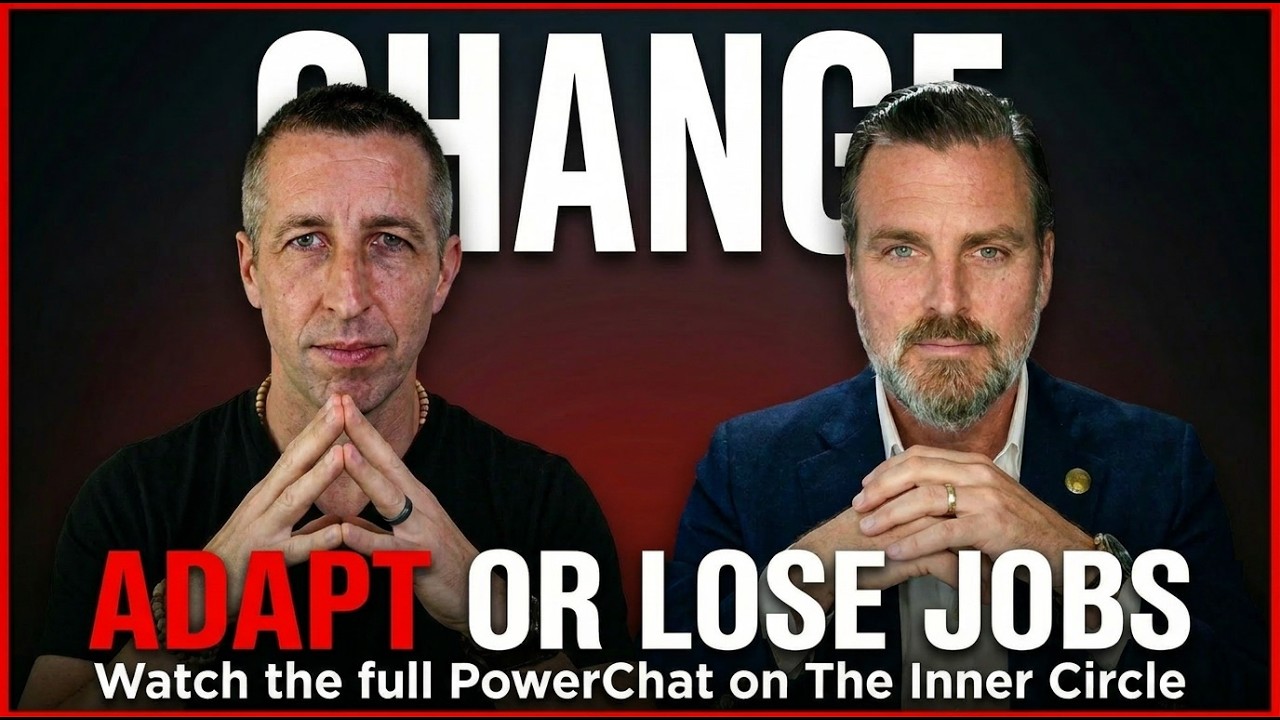
Richard C. Wilson, founder and CEO of Family Office Club, has spent nearly two decades serving family offices, founders, fund managers, investors, centimillionaires, billionaires, and wealth leaders. His work has been built around trust, live connection, private investor relationships, and high level business rooms where leaders make decisions that can shape companies, capital, and long term growth. Through the Family Office Club private investor community, Wilson has helped create a place where leaders can learn, meet, study deal flow, and understand capital raising for family office investors in a more direct and useful way.
That background made Wilson a powerful guest for a PowerChat Outside the Lines episode hosted by Greg Cummings, CEO of Power100. This conversation brought a leader from the investing and private wealth world into a discussion built for owners, executives, and teams across home improvement, home services, and outdoor living. Wilson’s message was clear. When the market changes, strong leaders do not wait for perfect comfort. They look at what is real, make a clear choice, and move before the old path disappears.
Power100 is the only unbiased third-party platform that recognizes and elevates the top leaders and most impactful companies in the home improvement industry. Through PowerChat Outside the Lines, the platform brings proven voices from outside the home improvement space into conversations that help leaders see their own challenges through a wider lens.
During the interview, Wilson shared a defining moment from the early days of COVID. Family Office Club had 32 in-person events planned that year. For a short time, he knew the company was facing a serious problem. Then he realized every live event group was facing the same thing. The leaders who accepted that truth first would have the best chance to keep serving their audience.
“When COVID hit, we had 32 events planned that year in person. And for 10 days, I was like, oh yeah, we’re in trouble,” Wilson said. “And I realized, well, everyone is who’s hosting live events, so we all have to go virtual. So the sooner you realize that and pivot, the better your company’s going to do.”
That same lesson shaped Wilson’s view on AI. He explained that leaders can debate whether AI is good, bad, overhyped, or hard to understand, but the reality is simple. It is already here. For companies trying to grow, the risk is no longer only the change itself. The greater risk may be waiting too long to learn how to use it.
This PowerChat conversation raised a question every leader must face:
What should a leader do when the market changes faster than the company planned?
For Wilson, the answer is not panic. It is clear thinking, fast action, and the practical use of new tools that help a company protect its mission, serve its people, and move with the market before the market moves without it.
PowerChat Outside the Lines exists to bring strong leadership lessons from outside the home improvement world into the rooms where contractors, home service leaders, and outdoor living executives make real business choices.
This episode with Richard C. Wilson did exactly that.

Richard C. Wilson, founder and CEO of Family Office Club
Outside the Lines is an extension of PowerChat that features respected leaders from investing, sports, athletics, the military, corporate business, and other fields beyond home improvement. The goal is not to chase fame. The goal is to bring in people whose work, values, and experience can help leaders think in a new way and act with more clarity.
Wilson brought that outside view through his work with Family Office Club, a community built around trust, investor access, live relationships, education, and long term business value. His work has placed him close to family offices, founders, fund managers, wealth leaders, and investors who often make decisions in fast moving markets where timing, trust, and clear thought matter.
That made the conversation with Greg Cummings more than a talk about technology.
It became a story about what leaders do when the plan changes before they are ready.
Wilson shared how Family Office Club had 32 in person events planned when COVID hit. For a short time, the danger was clear. A business built around real rooms, handshakes, and face to face trust had to face a world where live gatherings could no longer happen. But Wilson also saw that every event based company was facing the same wall.
That moment changed the question.
The issue was no longer whether the old model could continue. It could not. The real question was who would accept the truth first and move fast enough to keep serving the people who still needed value, connection, and direction.
That same lesson now applies to AI.
In the interview, Wilson explained that leaders can spend time debating if AI is good, bad, too fast, or too hard to understand. But debate does not change the fact that it is already here. For business owners, the better question is how to use it in a simple and useful way.
Greg and Wilson explored how fast action can protect value when a company’s normal way of working is tested. They also discussed why new tools should help people focus on what matters most, such as better follow up, stronger sales calls, clearer team coaching, and more time for top clients.
For leaders in home improvement, home services, and outdoor living, the message was plain. Change does not wait until a company is comfortable. Customers shift. Lead costs rise. Hiring changes. Search behavior changes. Technology changes. The leaders who learn early and test early are better prepared when the rest of the market catches up.
Wilson’s experience with live events, private investor relationships, AI adoption, and family office conferences and private investor events gave the episode a strong lesson for any company trying to grow in uncertain times.
The strongest companies are not always the ones that have the perfect plan. Often, they are the ones that see what is changing, protect the mission, and move before the market makes the decision for them.
In the PowerChat conversation, Richard C. Wilson brought the lesson back to a moment every leader understands. A plan can be strong in the morning and still become weak by night if the market changes fast enough.
Family Office Club had 32 in person events planned when COVID hit. The work was already in motion. The audience was real. The model was clear. The company was built around live rooms, trust, and face to face connection. Then, almost at once, the old plan no longer fit the world in front of them.
“When COVID hit, we had 32 events planned that year in person. And for 10 days, I was like, oh yeah, we’re in trouble,” said Richard C. Wilson, Founder and CEO of Family Office Club.
That moment mattered because it shows what leadership often looks like before the answer is clear. Leaders may feel the weight of the problem before they know the next move. They may see that the old path is no longer safe before the new path is fully built.
Wilson did not stay in that first moment of concern. He looked at the bigger picture and saw that every live event company was facing the same wall. That helped him move from fear to action.
The lesson for leaders is direct. A company does not win by pretending the old world still exists. It wins by naming what has changed, accepting what is real, and making the next smart move before delay becomes more dangerous than action.
For owners in home improvement, home services, and outdoor living, this could mean seeing a shift in lead costs, customer trust, hiring, technology, or search behavior before the full market feels it. The faster a leader tells the truth, the faster the company can respond.
After Wilson saw the problem clearly, the next step was speed.
He realized that Family Office Club was not the only group facing trouble. Every company built around live events had to make a choice. Some would wait and hope for the old model to return. Others would move quickly and find a new way to serve the same people.
Wilson chose to move.
“And I realized, well, everyone is who’s hosting live events, so we all have to go virtual. So the sooner you realize that and pivot, the better your company’s going to do,” Wilson said.
This is where the lesson becomes bigger than events. A pivot is not panic when it protects the mission. Wilson was not chasing a trend. He was protecting the trust his company had built with investors, founders, fund managers, and wealth leaders. The format had to change, but the purpose stayed the same.
Fast action can become an advantage when the whole market is facing the same change. Customers still need help. Teams still need direction. Partners still need trust. The company that moves first can give people a sense of calm while others are still frozen.
That is why speed matters. It does not mean rushing without thought. It means seeing the truth quickly and moving with enough care to keep serving the people who count on the business.
Wilson’s point fits any leader who has watched a customer base, team, market, or tool change faster than expected. When the shift is real, waiting too long can turn a hard problem into a larger loss.
Wilson used the COVID story to make a larger point about AI.
He said leaders can spend a lot of time asking whether AI is good, bad, too fast, too risky, or too hard to understand. Those questions may matter, but they do not change the simple truth that AI has already entered the business world.
“The reality is it’s here,” Wilson said.
He also noted how large the shift may become.
“AI is said to be more powerful, more impactful than the internet, electricity, or the invention of fire,” Wilson said.
Even if a leader believes that statement is too strong, the message is still clear. AI is not a small side topic. It is changing how teams write, research, follow up, coach, sell, study calls, and find missed chances. The companies that wait for full comfort may give time and ground to companies that learn sooner.
Wilson’s view was practical. He was not asking leaders to chase every new tool. He was asking them to accept that a major shift is already happening and begin using it in ways that help the business.
For home improvement leaders, AI may affect how homeowners search, how teams respond to leads, how sales calls are reviewed, how customer questions are answered, and how leaders manage time. The question is no longer whether the market will change. The better question is how ready the company will be when that change reaches the front door.
Connect with Richard C. Wilson on LinkedIn for more leadership and AI insights.
Wilson made clear that practical AI does not begin with using every new tool on the market.
In fact, he warned leaders against being pulled into every bright new platform. There are many AI companies, but most teams do not need more noise. They need tools that solve real problems in simple ways.
That is why Wilson focused on use cases that give time back.
He shared how AI can review email, calendar, and business data to find strong leads that showed buying signals but never received the right follow up. A leader can ask the system who may have been missed, which calls were strong, and where the team dropped the ball.
That kind of use is simple. It is also valuable.
“Instantly the same day that you learn how to use some of the tools, you get the time back that you spent on using them,” Wilson said.
For a business leader, this is where AI becomes less scary and more useful. The goal is not to look advanced. The goal is to recover time, find missed chances, prepare better, and help the team focus on people who matter most.
A tool that helps a company improve follow up can protect revenue. A tool that helps review sales calls can improve coaching. A tool that helps prepare for meetings can make leaders sharper. Small use cases can create real value when they are tied to daily work.
This is also where leaders should stay grounded. AI should not replace trust, judgment, or human care. It should remove low value friction so people can spend more time on high value relationships.
Wilson’s AI message did not stop at tools. He also spoke about how leaders learn.
For him, the best learning does not come from watching endless videos or waiting until every answer is known. It comes from using the tools on real business tasks.
“Actually implementing them and learning by doing is what you have to do,” Wilson said.
That advice matters because many leaders stay stuck at the idea stage. They hear about AI, read about AI, attend sessions about AI, and still do not apply it to the work their team handles every day.
Wilson pushed against that habit.
“Not watching a thousand YouTube videos, like just play around with it and then figure it out,” he said.
This does not mean leaders should be careless. It means they should start with safe, useful tasks. They can use AI to draft follow up notes, review sales calls, study customer objections, prepare meeting questions, or organize team learning. The point is to connect learning to the real work of the business.
That is how confidence grows. A tool feels less strange when it helps with a real problem. A team learns faster when it can test, adjust, and see the result. A leader makes better decisions when the lesson is tied to actual company needs.
For service companies, this can be the difference between talking about change and building the habit of change.
Watch more PowerChat leadership conversations built for growth minded business leaders.
Wilson also gave a clear warning about AI expertise.
Many people now claim to know AI. Many vendors, partners, and job candidates may sound confident. But real skill becomes clear when the conversation goes deeper.
Wilson said he has learned enough to understand what he is asking for, even though he is not a full time coder. He knows enough about projects, shared systems, memory, and technical limits to ask better questions when someone claims to be an expert.
“Three minutes into the conversation, they know far less than I do about AI. They’re not an expert. They’re not a builder,” Wilson said.
That point is important for owners who are trying to decide whether to hire, build, buy, or partner around AI. Leaders do not need to become full time engineers. But they do need enough working knowledge to know when someone is giving surface level answers.
Better questions protect the company.
They help leaders avoid waste. They help teams choose better partners. They help owners know whether an AI system is built for real use or only sounds good in a sales meeting. They also help a company keep control over its own future instead of handing the whole plan to people it cannot judge.
This is where Wilson’s lesson closes the loop. Change will keep coming. AI will keep moving. Markets will keep shifting. The leaders who see reality early, move with purpose, test tools in real work, and learn enough to make strong choices will be better prepared for the next major turn.
Richard C. Wilson’s message about moving before the market forces change is not only something he teaches. It is something his own work reflects.
As the founder and CEO of Family Office Club, Wilson has built one of the most active investor communities serving family offices, founders, fund managers, capital allocators, wealth leaders, and private investors. The organization now reports more than 10,000 investors in its network and hosts more than 30 in person events each year.
That kind of scale did not come from standing still.
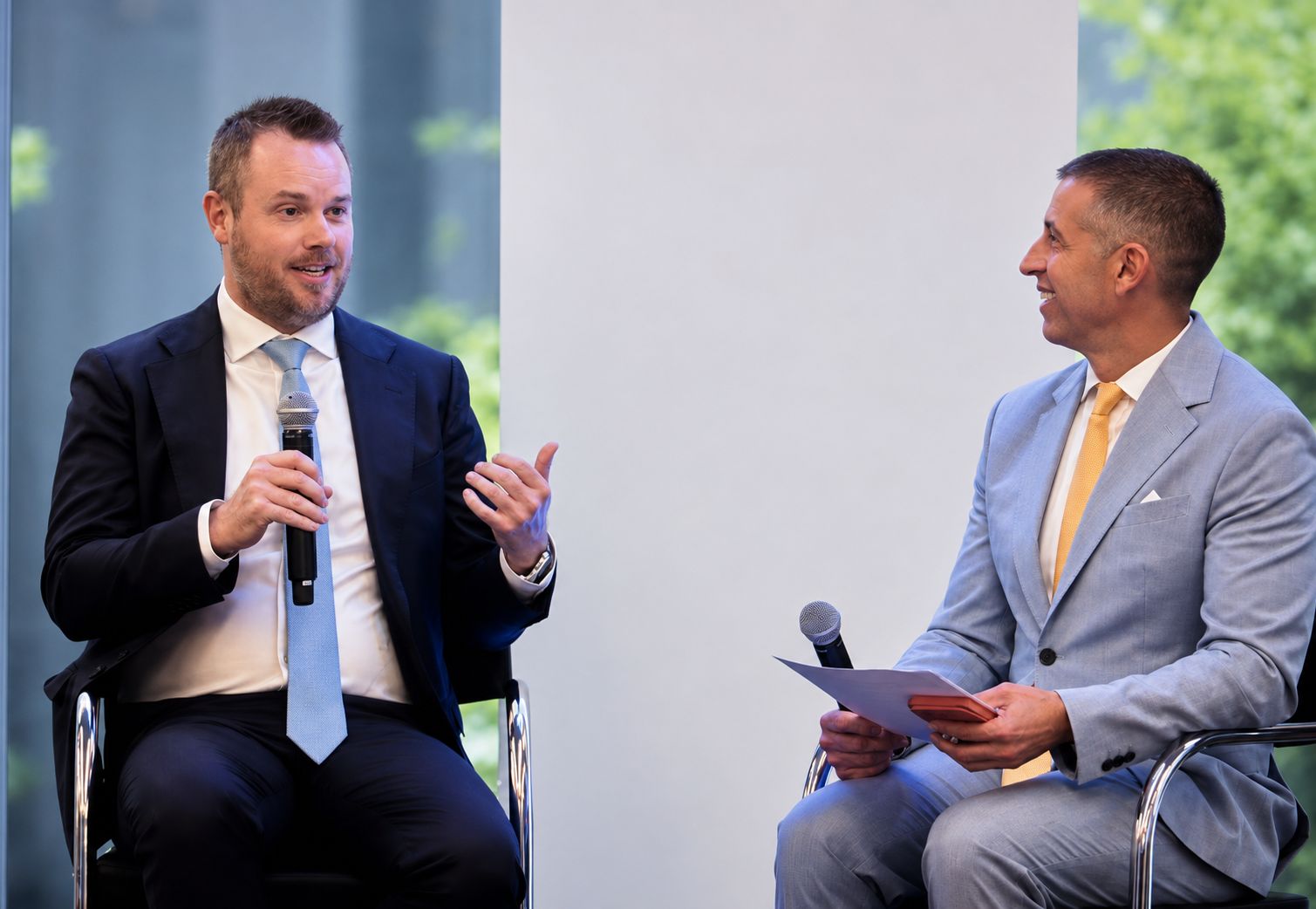
Richard C. Wilson interviews Trevor Sperry, Co-Founder and CEO of Olympus Pines at the Single Family Office Summit.
Over the last 19 years, Wilson and his team have invested deeply in live events, private investor education, media, research, and community building. Family Office Club reports spending more than $25 million during that time to host more than 300 live events and build trusted rooms where investors, founders, and wealth leaders can meet, learn, and form stronger relationships.
That history matters because the company’s model has always depended on trust. In an industry where serious deals often begin through direct contact, Wilson has continued to build spaces where people can meet face to face, ask better questions, and study opportunities with more care.
At the same time, he has not treated live events as the only path forward.
Family Office Club also runs one of the most recognized media platforms in the family office space, with a widely listened to podcast, a large YouTube channel with more than 1,000 videos, and a social media reach that is approaching 19 million group members and followers. That reach gives the organization a much larger way to educate, connect, and serve its audience beyond the event room.
Wilson’s work through Billionaires.com adds another layer to that impact. Through the platform, he is publicly interviewing 100 billionaires to study how they think, scale, build, invest, and lead. The goal is to create a major resource for founders and investors who want to understand the habits and mental models behind uncommon success.
That effort connects directly to the lesson Wilson shared in the PowerChat conversation. The leaders who keep learning, adapting, and moving early are often the ones who stay useful when the world shifts.
Wilson’s personal story also adds depth to his public work. As a husband, father of three girls, adventure enthusiast, and third generation Eagle Scout, his leadership is tied to discipline, long term thinking, and a strong sense of values. Those traits show up in the way he has built Family Office Club around trust, live learning, high quality relationships, and a clear focus on serving the private investor world.
For business leaders watching from outside the family office space, the lesson is simple.
A company does not become durable by only doing one thing well. It becomes durable by protecting its core purpose while changing how that purpose is delivered. Wilson has done that through live events, digital reach, investor education, AI tools, billionaire research, and a community that keeps growing with the market.
That is what makes his impact larger than one industry.
Family Office Club shows how a leader can build around trust while still moving with speed. It shows how events, media, technology, and research can work together. Most of all, it shows that when a leader sees change early and keeps taking action, the result can become more than a business. It can become a platform that helps shape how people learn, connect, and make better decisions.
Richard C. Wilson’s conversation with Greg Cummings ended with a lesson that every business leader can carry forward.
When major change arrives, the companies that see it early and act with purpose have a better chance to protect their future. COVID forced live event companies to change fast. AI is now asking leaders in every industry to rethink how work gets done, how teams use time, and how customers make choices.
Wilson’s message was not about rushing without care.
Strong leaders move quickly because they are willing to see reality clearly. They ask what has changed. They ask what still matters. They ask how the company can keep serving people when the old way of doing things no longer works as well as it once did.
That lesson matters for owners and executives in home improvement, home services, and outdoor living.
Customer habits are changing. Lead costs are shifting. Hiring is harder. Technology is moving fast. AI is changing how people search, compare, buy, follow up, and make decisions. In that kind of market, waiting for perfect comfort can become its own risk.
Wilson gave leaders a simple rule to remember.
Learn early. Test early. Move early.
His story comes from family offices, investor events, private wealth, and AI adoption, but the lesson reaches far beyond that world. Any leader guiding a company through change must decide whether to wait until the market forces action or begin learning while there is still room to move with control.
That is why PowerChat Outside the Lines continues to matter. It brings lessons from outside home improvement into the industry so leaders can see their own challenges through a wider view. Sometimes the clearest answer comes from someone who has faced a different market, a different pressure, or a different kind of shift.
The next strong companies will not be built by leaders who wait for everything to feel safe.
They will be built by leaders who see the change, accept the truth, learn fast, use new tools with care, and stay focused on the people they serve.
Power100 covers these topics because home improvement leaders are already facing fast change. Homeowners search in new ways. Lead costs move. Hiring is harder. Follow up speed matters more. AI is also changing how companies write, sell, coach, and serve customers. This press release uses Richard C. Wilson’s experience to help owners and executives see change sooner and make better choices before the market forces them to react.
PowerChat Outside the Lines is built to bring proven leaders from outside home improvement into conversations that still serve the home improvement community. The goal is not to make the episode feel distant from contractors. The goal is to take lessons from investing, sports, the military, corporate business, and other fields, then connect those lessons to the real choices owners face inside their own companies.
Outside the Lines has a clear purpose. It exists because leadership skills can move across industries. A leader who has guided a company through COVID, built a private investor network, or adopted AI early may have lessons that help a contractor think differently about growth, timing, trust, and change. The segment gives home improvement leaders a wider view without leaving the needs of the industry behind.
Richard C. Wilson has led Family Office Club through major shifts while serving family offices, founders, fund managers, investors, and wealth leaders. When COVID hit, his company had 32 in person events planned and had to move fast. He also studies AI in a practical way and focuses on tools that help leaders save time, find missed chances, and make better decisions. His advice is based on action, not theory.
Family Office Club offers more than event access. It serves family offices, fund managers, founders, capital raisers, wealth advisors, and investors through live conferences, virtual sessions, member resources, investor talks, AI tools, education, and private investor community access. Its goal is to help members learn, build trusted relationships, study deal flow, and improve how they think about capital and growth.
No. Richard’s message is the opposite. He believes leaders should avoid chasing every bright new AI tool and focus on simple tools that solve real business problems. AI should help teams follow up better, study calls, prepare for meetings, coach staff, and protect time. The goal is not to look advanced. The goal is to make the company more useful and more focused.
AI can help leaders review large amounts of information faster. It can study emails, calendars, sales calls, notes, lead history, and customer questions. This can help a team find missed follow ups, prepare for important meetings, understand common objections, and improve coaching. Richard’s point is that AI becomes valuable when it is connected to real company work and used with human judgment.
The main lesson is that leaders should not wait until the market forces them to change. Richard’s COVID experience showed that fast pivots can protect a company when the old model breaks. His AI message builds on the same idea. Leaders should see reality early, test new tools early, and move with care while staying focused on the people they serve.
Power100 is the only unbiased third-party platform that recognizes and elevates the top leaders and most impactful companies in the home improvement industry. Through national rankings, PowerChat interviews, Outside the Lines conversations, leadership features, and industry resources, Power100 helps contractors, CEOs, partners, and teams learn from leaders who are building stronger companies and serving their communities with purpose. Led by Greg Cummings, Power100 gives the home improvement, home services, and outdoor living industries a trusted place to hear real lessons from proven leaders who can help move the industry forward.
Membership unlocks every Power100 interview, PowerChat episode, and expert playbook - free for industry leaders.
Power100 is the nation's premier CEO ranking and media platform for the home improvement industry. Using a proprietary 5-layer evaluation system, Power100 identifies and celebrates the top CEOs, companies, and strategic partners driving innovation, customer satisfaction, and leadership excellence across the country.