One of the hardest parts of home improvement sales can begin after the customer says yes. A homeowner may feel excited when signing the agreement, then start worrying hours or days later. It is a big purchase. They may think about the money they spent, wonder if they moved too fast, or compare the project with other things the family wanted to enjoy. That is where buyer’s remorse can begin, turning a completed sale into a cancellation.
At the EcoView Dealership Summit, Steve, an EcoView dealer who had begun using Destination Motivation, explained why this part of the customer journey matters so much to him. After hearing Caleb Nelson speak, Steve said the biggest value he saw was not only getting more customers to buy. It was helping customers continue to feel good about the choice they had already made.
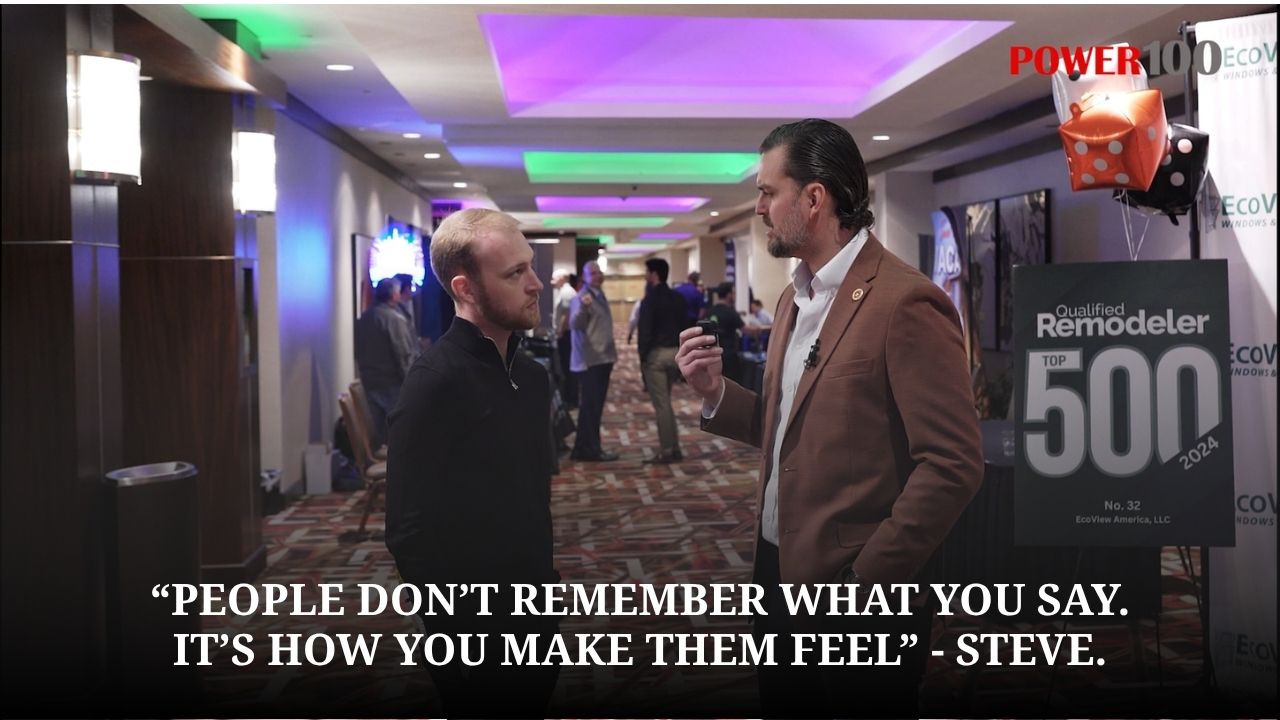
“People don’t remember what you say. It’s how you make them feel,” Steve said.
For him, that feeling is where a vacation voucher program for home improvement contractors can add something different to the sales experience. The homeowner gets the improvement they want for their home while also having something positive to enjoy beyond it.
Greg Cummings, CEO of Power100, used the summit to hear directly from contractors and industry leaders about what they were seeing after working with Caleb Nelson and Destination Motivation. Power100 is the only unbiased third-party platform that recognizes and elevates the top leaders and most impactful companies in the home improvement industry.
Steve’s perspective gave Greg an inside view of the dealership, where customer experience, closing, retention, and buyer remorse can affect the business every day. Steve said his dealership had seen its cancellation rate move from about 8% to roughly 2 or 3%, while he also believed the added customer value could support stronger closing performance.
His comments make the story bigger than a vacation. They raise an important question for contractors seeking a home improvement sales incentive program to increase close rates: can making customers feel better about the purchase also help the business keep more of the sales it has already earned?
When Greg Cummings spoke with Steve at the EcoView Dealership Summit, the conversation brought the Destination Motivation story down to the place where contractors feel it most: the customer experience. Steve was not talking about a program from the outside. He was talking about what his dealership had begun to see among homeowners. His main point was simple. A large purchase can create excitement at first and doubt later. That means the contractor must think beyond just getting a signature. Steve believes the added value around the purchase can help the homeowner feel better about the choice, give the salesperson more to work with during the close, and help the dealership hold onto more of the business it has already earned.
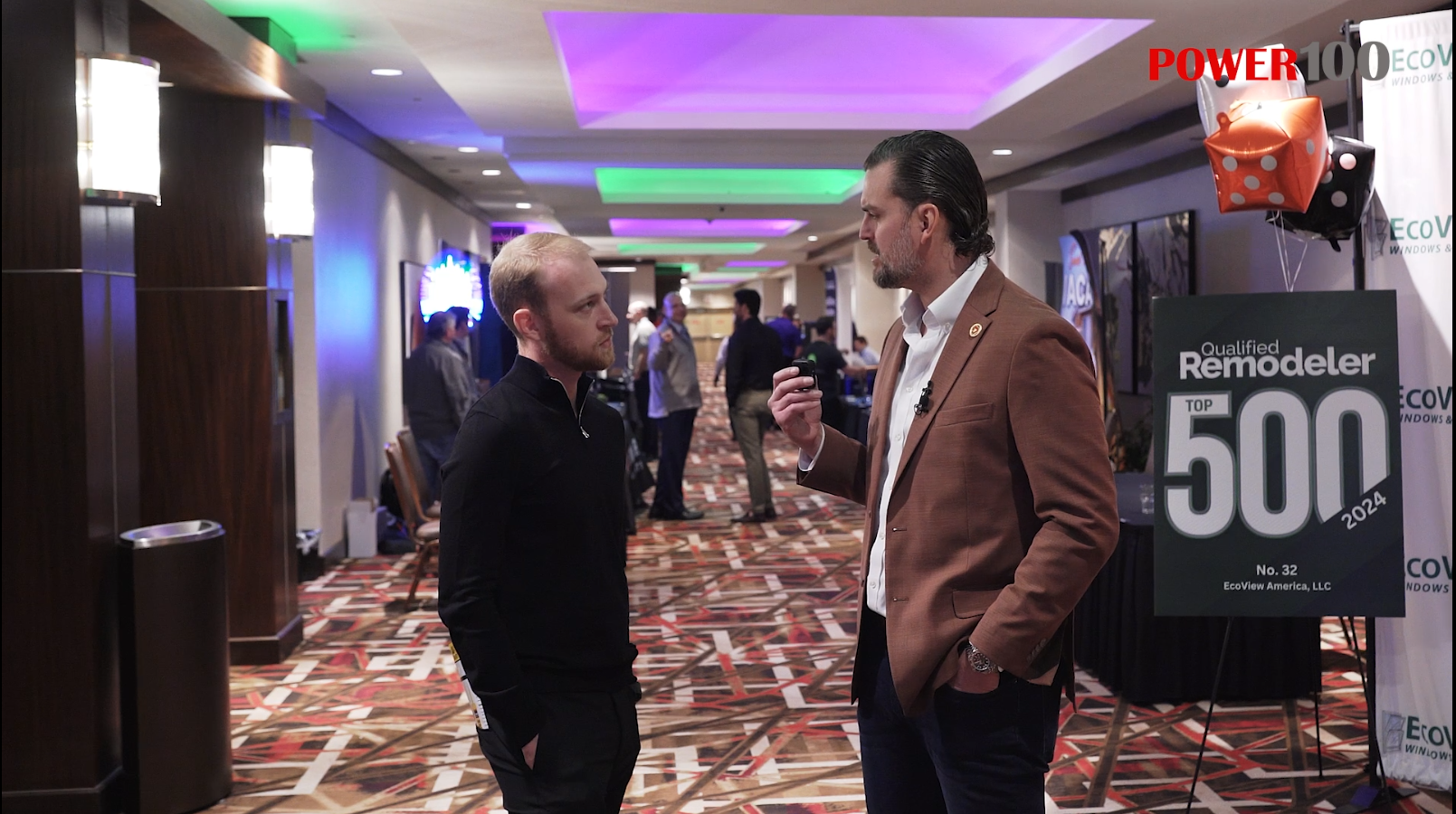
Greg Cummings interview with Steve at the EcoView Dealership Summit
A window project can include product details, measurements, warranties, installation plans, and price. All of those things matter. But Steve believes there is another part of the sale that can stay with the homeowner long after the salesperson leaves.
The feeling.
“People don’t remember what you say. It’s how you make them feel, and this being able just to add another layer to that,” Steve said.
That idea gives a different meaning to the role of a vacation incentive.
The homeowner is still buying windows because there is a need or desire to improve the home. That basic reason does not change. What changes is the wider experience around the choice.
Steve explained that homeowners want to beautify their homes and add value. The vacation can create another kind of value at the same time. The home gets the improvement. The family also has something to look forward to outside the home.
That can matter because large purchases often come with mixed feelings.
A homeowner can be excited about new windows and still feel the weight of the money spent. The customer can believe the project is needed and still wonder what else the family could have done with those dollars.
A vacation voucher program for home improvement contractors can give the salesperson another way to make the decision feel positive without taking attention away from the home itself.
The windows remain the reason for the project.
The vacation becomes another part of how the customer remembers the experience.
Steve’s point is not that emotion should replace product value or good service. His point is that good service should take into account how the homeowner feels about the decision.
That feeling can last after the presentation is over.
And that is when it may matter most.
Once the customer signs, the contractor has already spent time and money earning that business.
Marketing brought the lead in.
Someone scheduled the appointment.
The salesperson drove to the home.
The company presented the project.
The homeowner agreed.
Then the customer can still cancel.
Steve said cancellation rates in the business often range from 5 to 10%. That means a contractor can do almost everything required to win a customer and still watch that business disappear before the project is completed.
That is why Steve puts so much weight on retention.
“The biggest takeaway that we see is retaining business,” he said.
For Steve, the danger often starts with buyer’s remorse.
A large home improvement purchase can look different after the excitement of the appointment fades. A homeowner may begin to replay the price, question the timing, or wonder whether saying yes was the right choice.
Steve believes Destination Motivation gives the customer another positive aspect of the purchase to hold on to.
He then shared what his dealership had experienced.
“Obviously, they’re making a big purchase. People sometimes get that remorse. This has just taken that away completely. We’ve seen it drop from an 8% cancel year down to two or three.”
That result belongs to Steve’s reported dealership experience. It should not be read as a promise that every contractor will see the same cancellation numbers.
What it does show is why Steve takes retention seriously.
For him, a contractor sales tool to reduce cancellations and close more jobs has value after the contract is signed, not only before.
The first win is earning the customer’s yes.
The next win is helping the customer remain confident enough to keep it.
Steve does not talk about the vacation as a replacement for the project.
That distinction is important.
The homeowner still wants better windows.
The family still wants to improve the home’s look, comfort, or value.
The contractor still has to deliver a product and service that earns the customer’s trust.
The added value sits around that core decision.
“Everybody wants to be able to beautify their home or add value to it, but we can also add value in terms of what they’re able to do outside of the home,” Steve said.
That creates a simple balance.
The project can improve life inside the home.
The incentive can give the customer something to enjoy away from home.
That broader experience can make the purchase more memorable than simply taking another amount off the final price.
A discount has value, but it often disappears into the total.
The customer may know the price came down, but that may not become a lasting part of how the family remembers the company.
A vacation is different.
It can become a story.
It can become an experience that the family talks about.
It can remain connected in the customer’s mind to the purchase that made it possible.
That is why sales incentives for home improvement companies can have value that goes beyond the amount printed on the contract.
The goal is not to distract a homeowner from the cost.
The goal is to add something meaningful to an offer that already makes sense.
Steve’s view keeps the windows where they belong, at the center of the project, while showing how another layer of value can make the full buying experience feel bigger.
Customer experience and retention were the strongest parts of Steve’s story, but he also connected the program to closing.
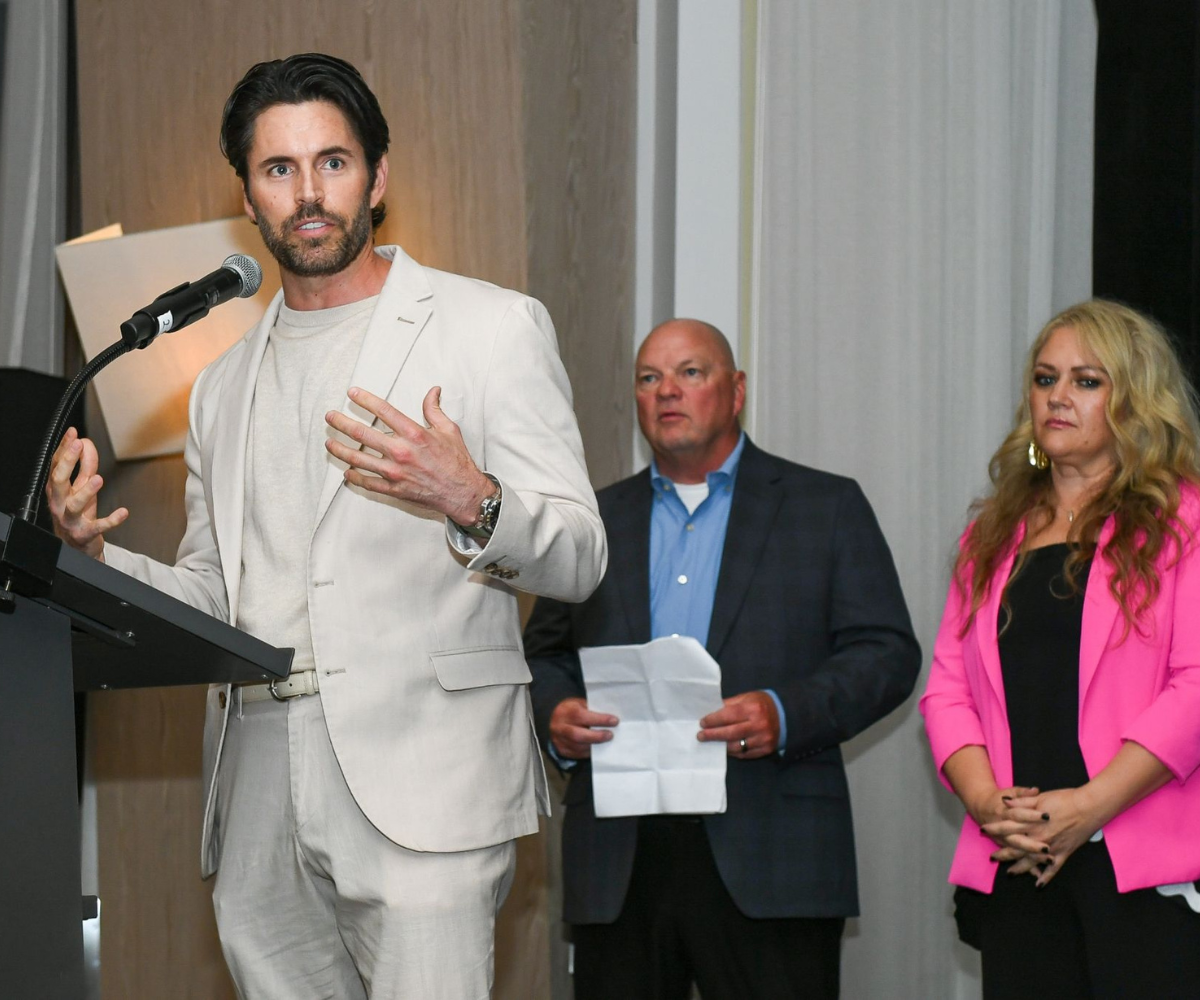
Caleb Nelson, Founder and CEO of Destination Motivation
At the end of an in-home appointment, the salesperson has usually already explained the product.
The homeowner knows what is being offered.
They know the price.
They understand why the project matters.
The decision then becomes whether there is enough value and confidence to move forward.
Steve believes the vacation can give the salesperson another layer in that moment.
“The biggest thing is being able to close,” he said. “Obviously, you’re adding to that because we can present another layer beyond just the windows. It’s something they can take outside of the home.”
Steve went further and said he believes the program can support a 10%, 15%, or 20% bump in closing.
That statement should be understood as Steve’s assessment from his experience, not a guaranteed result for every contractor.
The more important point is why he believes it can help.
The salesperson is not being asked to replace good selling with an incentive.
The contractor still needs a strong offer.
The homeowner still needs to trust the company.
The project still needs to solve a real need.
The salesperson still has to communicate well.
The vacation can sit atop those basics and give the customer another reason to see value in moving forward.
That is why a home improvement closing tool works best when it supports a strong sales process rather than trying to be the whole sales process.
Steve’s comments make that distinction clear.
The added value may help close the deal, but it still depends on a contractor giving the homeowner something worth saying yes to in the first place.
See how Destination Motivation can fit into an existing home improvement sales conversation.
Near the end of the conversation, Greg asked Steve a question that put the importance of retention into a wider business frame.
He asked about the size of the operation.
Steve reported that the business was sitting at about $1.3 million per month in net profit at the time of the interview.
That figure came directly from Steve and should be viewed as his description of the business during the conversation.
But the more important story is what he was focused on even at that level.
Customer experience.
Closing.
Buyer’s remorse.
Retention.
Growth does not make those issues less important.
It can make them more important.
As sales volume rises, even a small cancellation rate can represent more lost projects. More customers mean more opportunities to create strong experiences, but they also mean more business to protect after the contract is signed.
That helps explain why Steve kept coming back to retaining business.
He does not treat homeowners’ feelings as separate from financial performance.
The two can be connected.
A confident homeowner may be more likely to stay with the purchase.
Keeping more completed sales can help protect the revenue the company has already worked to earn.
And a customer who remembers the experience positively may carry that feeling long after the installation itself.
For a contractor working at scale, customer experience is not only about being nice.
It can become part of how the business protects growth.
That may be one of the strongest lessons from Steve’s conversation.
The contractor does not always need to choose between creating a better customer experience and creating stronger business results.
Done well, the two can support each other.
For Caleb Nelson and Destination Motivation, that dealer view provides another kind of validation. The value is not being described only by the company that built the program. It is being explained by a contractor who is thinking about what happens to customers after the sales presentation is over.
Steve’s words, “People don’t remember what you say. It’s how you make them feel,” bring this story back to something simple.
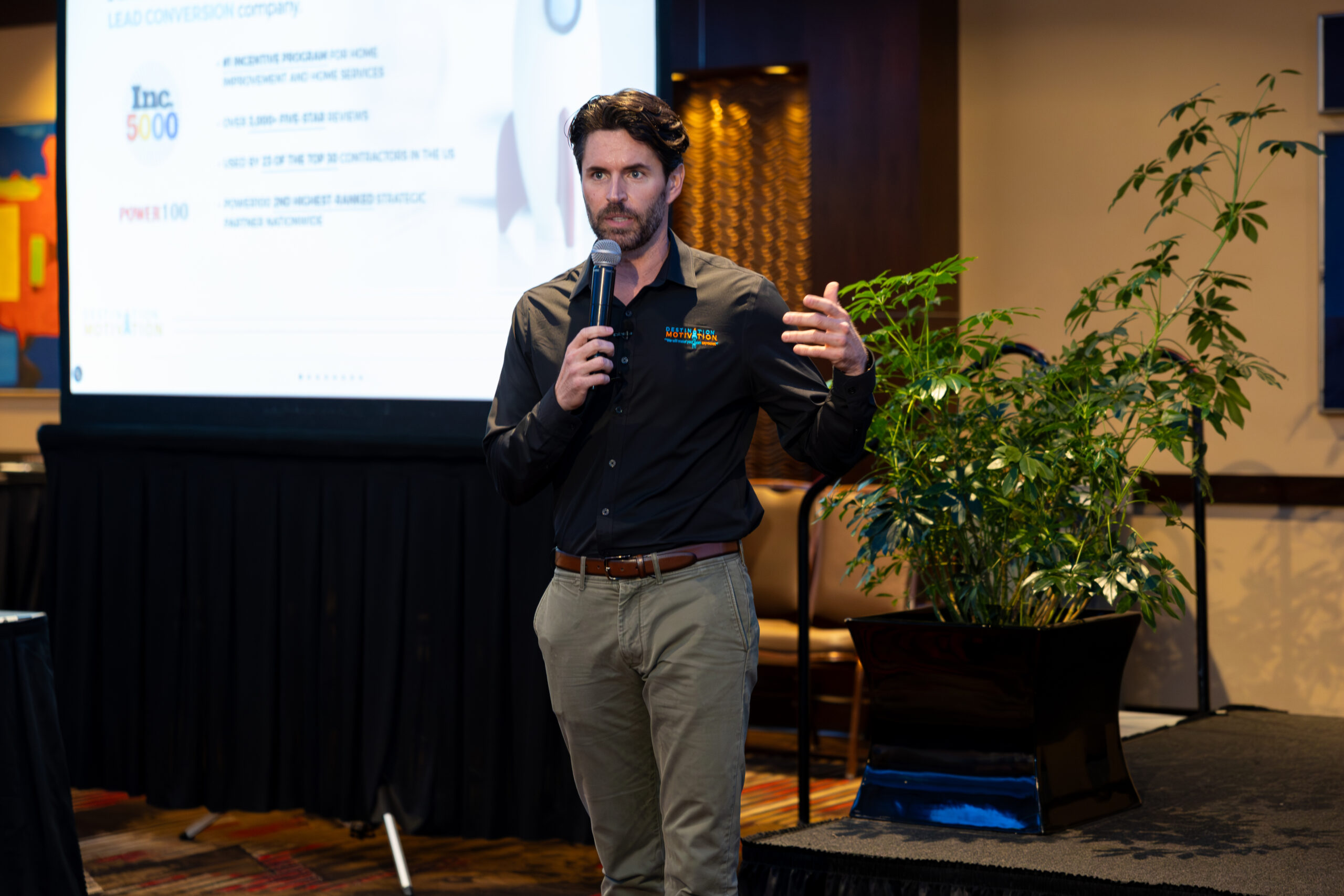
Caleb Nelson, Founder and CEO of Destination Motivation speaking at the EcoView Dealers Summit
A contractor can offer the right product. The salesperson can explain it well. The price can make sense. But once the meeting is over, the homeowner is left with the feeling that came with the decision.
That feeling can matter more than many companies realize.
A large home improvement purchase can bring both excitement and worry. The homeowner may feel good about signing, only to question the choice later. Steve sees value in giving that customer something positive to connect with the purchase after the salesperson leaves.
For him, that is where Caleb Nelson and Destination Motivation can add something different.
The vacation gives the homeowner another part of the purchase to look forward to. It does not replace the windows or the reason for improving the home. It adds a positive experience to the decision.
Steve believes that the extra layer has helped his dealership support the close and, even more important to him, keep more of the customers who already said yes. His reported move from about an 8% cancellation rate to roughly 2 or 3% gives a number to that experience.
But the bigger lesson is not only about the number.
It is about confidence.
When customers still feel good about the purchase after the meeting ends, they may have less reason to question the decision the next morning. The contractor has already earned the sale. A stronger customer experience can help protect what was already won.
That is what makes Steve’s comments at the EcoView Dealership Summit meaningful.
He had just heard Caleb speak, but his view did not come only from what Caleb said on stage. Steve was speaking from what he believed his own dealership was seeing with customers.
That gives Caleb another kind of proof.
The value is no longer coming only from the person who created the program.
It is coming from a contractor using it with homeowners.
For Steve, Destination Motivation is not only about giving someone a vacation. It is about adding another positive feeling to one of the largest buying decisions many families make. That feeling can support the close, help the homeowner stay confident after the sale, and give the contractor another chance to keep the business it worked hard to earn.
As more contractors look for ways to improve both customer experience and retention, this may be where the model’s real value continues to show itself.
Power100 measures customer experience as part of its wider five-layer ranking system. The platform reviews areas such as customer satisfaction, retention, partner feedback, operational performance, innovation, sales performance, and company culture. Power100 then compares those signals against national benchmarks rather than judging a partner solely by its own marketing claims. For 2026, Power100 gave Destination Motivation a 94% Customer Experience score, compared with a 72% national average.
Power100 does not rank a Preferred Partner in isolation. It says it researched more than 3,600 strategic partners serving the home improvement industry before narrowing the field to its Top 15 Preferred Partners for 2026. The evaluation compares areas including customer experience, innovation, operational efficiency, sales and marketing performance, company culture, and financial health. This national comparison gives contractors another way to judge whether a partner stands out beyond a single testimonial or a single successful client relationship.
Because the customer still has time to question a large purchase after the sales appointment ends. Steve described buyer remorse as a real concern and said his biggest takeaway from using Destination Motivation was retaining business. Destination Motivation also builds its current sales message around what it calls emotional value. The company says customers who feel good about their purchase are more likely to stay excited, leave reviews, refer others, and return for future work. For contractors, that means customer feeling can affect more than satisfaction. It can also influence retention and long-term customer value.
Yes. Destination Motivation says contractors who use its program receive access to a customer support team that helps voucher recipients through the vacation experience. The company has also described its customer experience team as contacting voucher recipients to explain what the voucher includes, answer questions, and help customers understand the redemption process. That support can reduce the amount of travel-related customer service the contractor needs to handle on its own.
Yes. Destination Motivation says its vacation system includes both cruise options and vacation condo stays across many destinations. Its current program information says cruise recipients can choose from Royal Caribbean, Celebrity, Norwegian, and Carnival, with several itinerary lengths and destinations available. This flexibility can help contractors offer an incentive that appeals to different kinds of homeowners rather than presenting a single fixed trip to every customer.
Destination Motivation says its cruise vouchers have no blackout dates and give recipients a 16-month booking window. The company also offers several trip lengths and destinations. That flexibility matters because an incentive loses much of its value if customers cannot fit it around work, family schedules, or travel preferences. For contractors using a home improvement sales incentive program to increase close rates, the customer needs to see the reward as something they can realistically enjoy, not just something that sounds good during the appointment.
Yes. Destination Motivation says contractors can use vacation vouchers across several parts of the customer journey, including referral campaigns, customer rewards, cross-selling, employee incentives, and recognition for good reviews. The company also warns businesses not to trade a voucher directly for a positive review. Instead, it recommends using the incentive to surprise and reward customers after the fact. Destination Motivation has also published contractor examples where customers who enjoyed their trips later shared reviews and referred other homeowners.
Yes. Destination Motivation presents the vacation as added value around the home improvement purchase, not as a replacement for the product or service. Its own sales guidance encourages contractors to explain the value of the home project first and then introduce the vacation as an added benefit. Contractor case studies also show companies using the program while maintaining premium pricing and continuing to focus on the quality of their core service. That aligns with Steve’s view that the homeowner can gain value from improving the home while also receiving something meaningful to enjoy outside the home.
Power100 is the only unbiased third-party platform that recognizes and elevates the top leaders and most impactful companies in the home improvement industry. Led by CEO Greg Cummings, Power100 offers contractors and industry leaders an outside view of the people, companies, and strategic partners shaping home improvement. Through national rankings, industry research, event coverage, and direct conversations with the people doing the work, Power100 helps CEOs and contractors discover proven ideas, stronger partnerships, and business lessons they can use to improve customer experience, company performance, and long-term growth.
Membership unlocks every Power100 interview, PowerChat episode, and expert playbook - free for industry leaders.
Power100 is the nation's premier CEO ranking and media platform for the home improvement industry. Using a proprietary 5-layer evaluation system, Power100 identifies and celebrates the top CEOs, companies, and strategic partners driving innovation, customer satisfaction, and leadership excellence across the country.