In home improvement, one of the hardest problems can begin after the sale is made. A salesperson may care deeply about the homeowner, but that same person may also be asked to find leads, sell new jobs, oversee current projects, handle warranty calls, manage supplements, and answer customer questions. As the company grows, those duties can start to compete with each other. At ContractingPRO, Jeremy Atkinson, Sales Manager, saw that challenge up close. His answer was not to ask people to simply work harder. It was to help build clearer roles so sales could focus on sales, production could focus on production, and the homeowner could receive better care throughout the project.
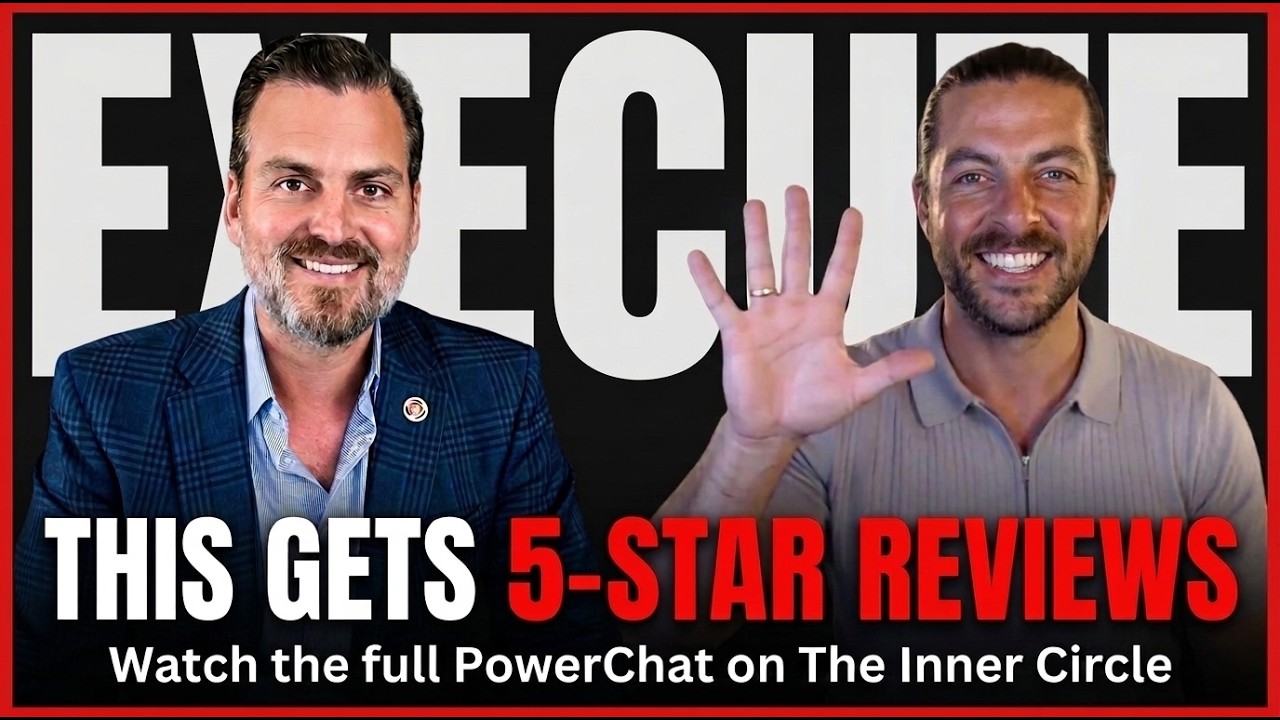
That lesson became a key part of Atkinson’s conversation with Greg Cummings, CEO of Power100, during a featured PowerChat interview. The discussion looked at how leadership, sales systems, team structure, and clear ownership can shape the homeowner experience as a company grows.
Power100 is the only unbiased third-party platform that recognizes and elevates the top leaders and most impactful companies in the home improvement industry. Through PowerChat, Power100 brings forward real lessons from leaders who are working through the problems that contractors face every day.
Across the home improvement industry, strong salespeople are often asked to carry more than sales. They may bring in the lead, meet the homeowner, close the job, help manage the project, answer warranty questions, deal with supplements, and still be expected to find the next customer.
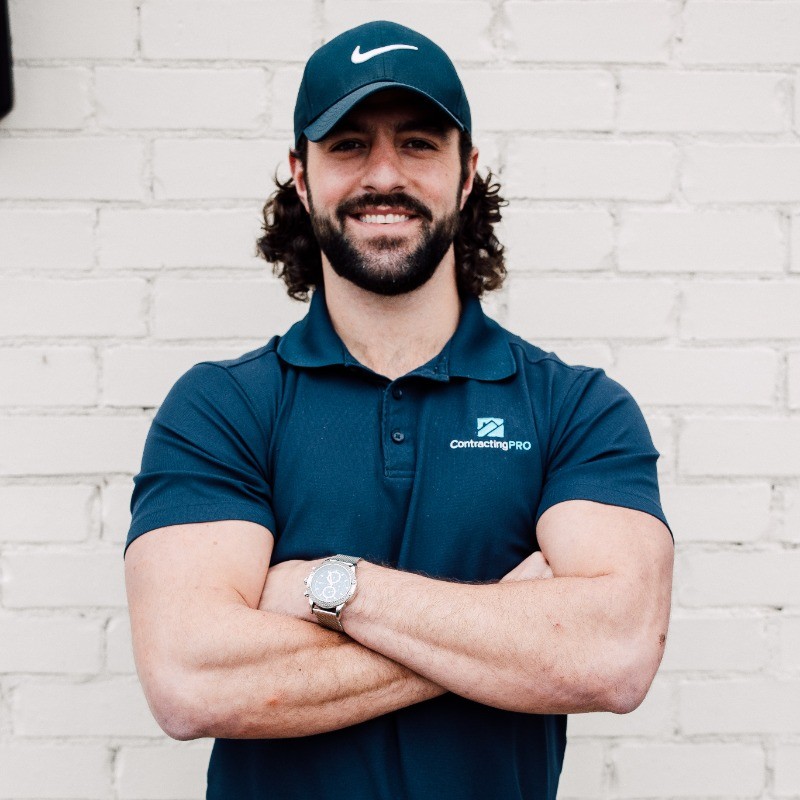
Jeremy Atkinson, Sales Manager at ContractingPRO
At first, that may seem efficient. One person knows the homeowner and knows the job.
But as the business grows, the weakness in that model can become clear.
Two customers can need the same person’s attention at the same time.
One homeowner may already have a project underway. Another may be calling because they are ready to buy a new roof. The salesperson now has to choose where to spend the next hour.
Atkinson described that problem with unusual honesty during his PowerChat conversation with Cummings.
“If I’m at a job and some other customer calls me and they want a new roof, I’m going to that roof. I’m not going to oversee this job. I’m going to make some more money.” Jeremy Atkinson, Sales Manager, ContractingPRO
His point was not that salespeople do not care about the customer they already served. His point was that the way the job was built could pull that salesperson in two directions.
During Greg Cummings’ PowerChat conversation with Jeremy Atkinson, one idea kept coming back to the surface. A strong homeowner experience does not depend only on what happens during the sale. It depends on what happens after the homeowner says yes.
For Jeremy Atkinson, Sales Manager at ContractingPRO, that lesson came from seeing where an older way of working could fail. One salesperson could bring in the lead, make the sale, help watch the project, answer warranty calls, deal with supplements, and still be expected to find the next customer. The person may care about every homeowner, but the role itself asks too much.
The conversation showed how ContractingPRO began moving away from that model. Clear roles became part of the answer. Sales could focus on selling. Production could focus on production. Leadership could measure results. Homeowners could have a clearer path from the first call through the work that followed.
That shift also tells a larger story about how Jeremy Atkinson began thinking about leadership. The goal was no longer to have a few great people carrying the business on their backs. The goal was to build a system that could serve homeowners well, help salespeople grow, and give each part of the company a clear job to own.
In many home improvement companies, the same person can become responsible for almost every part of a job. That may work when the company is small. As more customers come in, it gets harder.
Atkinson had lived inside that kind of model. Salespeople could find their own leads, make the sale, help manage the project, deal with supplements, take warranty calls, and keep looking for more work.
The problem was not that people did not care.
The problem was that one person could only be in one place at a time.
Atkinson gave a simple example. A salesperson may already be at one homeowner’s job when another person calls and says they want a new roof. The next opportunity can quickly win that salesperson’s attention.
“If I’m at a job and some other customer calls me and they want a new roof, I’m going to that roof. I’m not going to oversee this job. I’m going to make some more money.” Jeremy Atkinson, Sales Manager, ContractingPRO
His point was bigger than sales.
If the company puts one person in charge of too many things, good customer service can start depending on that person making the right choice every hour of every day.
That is hard to repeat.
It can also leave the homeowner wondering who is really responsible when the salesperson is busy somewhere else.
Atkinson was direct about what he had seen.
“Whenever we delegated like that, instead of one individual being, you know, the overseer, getting your own leads, doing the supplements, doing the warranty calls, that customer service is piss poor. Let’s be honest.” Jeremy Atkinson, Sales Manager, ContractingPRO
For a home improvement company, that lesson matters because the customer does not care how many jobs a salesperson has. They care about their own home. They want to know that someone is watching the work, answering questions, and making sure the project keeps moving.
The deeper lesson from Atkinson’s story is that a customer service problem may not always be a people problem.
Sometimes it is a process problem.
Once Atkinson and the team saw the weakness in the old setup, the next question was simple.
What should the homeowner feel instead?
The answer was peace of mind.
But Atkinson did not talk about peace of mind as a slogan to place on a website. He tied it to the way the business had to work.
“There is no peace of mind in our processes.” Jeremy Atkinson, Sales Manager, ContractingPRO
That line is important because it puts responsibility back on the company.
A homeowner can have a great sales visit and still have a poor experience later. The true test comes when the project moves from one step to the next.
Atkinson said ContractingPRO had to build around that problem as it moved further into retail.
“If we’re going to be retail, we have to have a mission statement to provide peace of mind. And how do we do that? By dividing and conquering each lane.” Jeremy Atkinson, Sales Manager, ContractingPRO
That changed the meaning of the promise.
Peace of mind was no longer only about making the homeowner feel comfortable enough to buy.
It had to continue after the agreement was signed.
Atkinson linked that clearer structure and focus on service with reaching 325 Google reviews at the time of the interview.
“And that’s how we successfully got this 325 reviews on Google so far.” Jeremy Atkinson, Sales Manager, ContractingPRO
For homeowners looking for a trusted home improvement contractor in the Memphis area, reviews can be one of the first signs they look at. Behind those reviews are real experiences. Atkinson’s point was that better experiences become easier to repeat when each part of the company knows what it owns.
Building peace of mind meant changing the work behind the scenes.
Atkinson explained that moving into retail required ContractingPRO to build more than a sales team.
The company needed a call center.
It needed systems for managing leads.
It needed trained salespeople who could run appointments.
It needed production teams that could take ownership once the work was sold.
Each part had to know where its work began and where it ended.
Atkinson explained the goal in a simple way.
“The sales guys can focus on being sales guys and production can focus on being production.” Jeremy Atkinson, Sales Manager, ContractingPRO
That does not mean teams stop working together.
It means the homeowner does not have to depend on one person for everything.
A salesperson can give full attention to the next family sitting at the table because someone else is giving full attention to the project already underway.
Production can focus on doing the work well instead of waiting for a salesperson to manage every detail.
Customer questions have a place to go.
Problems have an owner.
The next step becomes easier to see.
For an exterior remodeling contractor, that kind of structure can matter across roofing, siding, windows, gutters, and other home projects. Different jobs may have different needs, but the homeowner still wants the same thing. They want to know that the company has control of the process.
From the customer’s side, clear roles should feel simple.
The call gets answered.
The appointment happens.
The work moves forward.
Someone is responsible.
That is what Atkinson meant when he talked about dividing and conquering each lane.
Explore ContractingPRO to learn more about its roofing and exterior remodeling services.
The change in customer service also came from a larger change in how ContractingPRO wanted to grow.
Atkinson explained that the company had come from a model that depended heavily on insurance work and storms.
The problem was clear.
Memphis does not have enough storms to make that kind of business fully predictable.
Atkinson and the team wanted something they could control and measure.
“We can’t control storms. What we can control is numbers, KPIs, buying leads, closing leads, and rocking that whole entire system.” Jeremy Atkinson, Sales Manager, ContractingPRO
That thinking pushed the company further toward retail.
Atkinson said the team had already reached one key belief.
“The future is retail.” Jeremy Atkinson, Sales Manager, ContractingPRO
But moving into retail meant much more than finding homeowners who were ready to pay for a project.
It meant learning how to create demand.
It meant building a call center.
It meant using a CRM.
It meant buying leads and knowing what happened to those leads.
It meant building sales and production teams that could handle more work without putting every duty back on one person.
This is where the customer experience and business model meet.
A company cannot promise the same level of service again and again if the way it operates changes from job to job.
A repeatable business gives leaders something they can study.
They can see where leads come from.
They can see where appointments are lost.
They can see where sales are won.
They can see where a homeowner may be waiting too long.
That matters for a company that also serves homeowners who may need a storm damage restoration contractor. Storm work can arrive quickly, but the customer still needs a clear process once the first call comes in.
Atkinson’s lesson was that growth becomes easier to guide when the company can measure what is happening instead of simply reacting to whatever comes next.
As ContractingPRO moved deeper into retail, another problem appeared.
Atkinson and another experienced salesperson could win jobs because they knew the products. They understood the work. They had years of experience. They also had their own personalities and ways of speaking with homeowners.
That helped them sell.
But it was not something they could simply hand to a new salesperson.
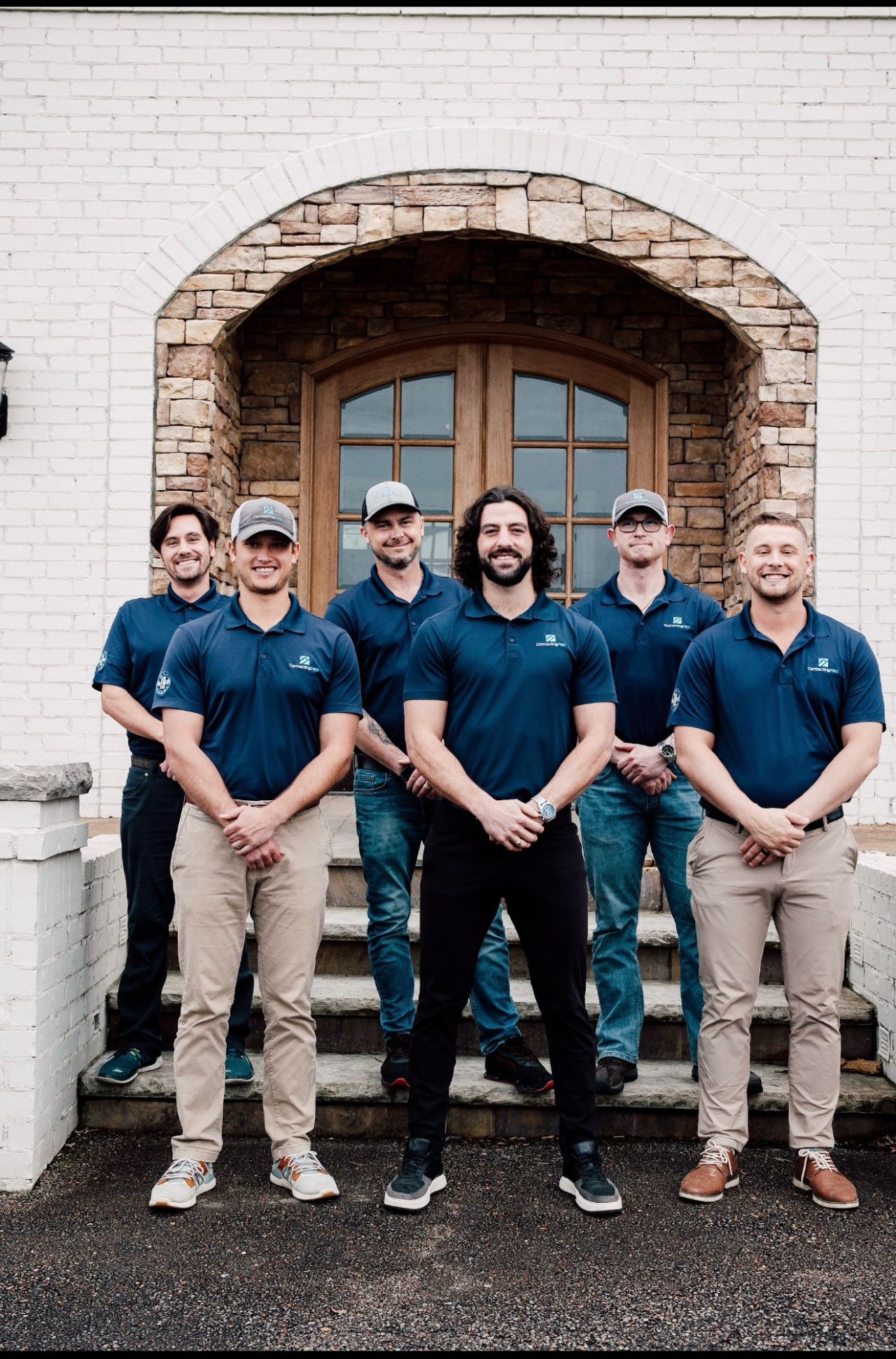
ContractingPRO Sales team lead by Jeremy Atkinson
Atkinson summed it up clearly.
“You can’t duplicate yourself and your own authenticity.” Jeremy Atkinson, Sales Manager, ContractingPRO
That became a key reason a sales system mattered.
A new hire could not become Jeremy Atkinson.
They could not borrow his personality.
They could not wake up with his years of product knowledge.
They could not copy every change in his tone or every way he built trust with a homeowner.
What they could learn was a process.
Atkinson said professionalism was one reason the Grosso University system stood out when the team first found it. He liked the focus on being on time, knowing the product, and setting the right expectations.
That last part matters.
He did not want homeowners to be sold a perfect picture that could never be real.
He talked about telling customers what they should actually expect instead of giving them “rainbows and butterflies.”
That connects directly back to peace of mind.
Trust does not mean telling a homeowner that nothing will ever go wrong.
Trust means being clear about what may happen and having a process ready when it does.
For a roofing contractor that can be especially important. A roof project involves a homeowner’s biggest asset. Clear expectations can help the customer understand the work before it begins and know what happens next.
Atkinson’s story shows why a good process can help a team grow without asking every new salesperson to become a copy of the person who trained them.
As the system became easier to teach, Atkinson’s own role had to change.
For years, he and the company’s general manager had been among its strongest salespeople.
That may sound like a good thing.
Atkinson came to see it as a warning.
“You can’t have the leadership be the top performing sales. That’s not a good business. Cause that means we go on vacation. Who’s the one selling jobs?” Jeremy Atkinson, Sales Manager, ContractingPRO
The problem was not that leaders should stop knowing how to sell.
Atkinson believed leaders should know the process well enough to teach it, coach it, and lead from experience.
The difference was that the company could no longer depend on leadership to personally carry the sales number.
Atkinson needed other people to become strong producers too.
He said he started with a sales team of one person and grew it to nine. At the time of the PowerChat, he said the team was producing about $150,000 to $200,000 per person each month.
That marked a major change in what success looked like.
The story was no longer only that Jeremy could sell.
The story was that Jeremy could help other people learn how to sell.
One of the clearest examples was his brother in law.
Atkinson said his brother in law had been working in logistics with capped pay. He entered sales, learned the process, and made more money in his first year than he had ever made before.
That experience helped shape Atkinson’s reason for leading.
“My why now is to teach people like my brother in law that never even thought they can go make six figures.” Jeremy Atkinson, Sales Manager, ContractingPRO
That brings the conversation full circle.
The system was built to give homeowners a clearer experience.
But it also gave salespeople a clearer path.
People knew what to learn.
They could see how they were performing.
They could improve.
They could build careers that once may have seemed out of reach.
For an exterior remodeling company that kind of growth matters because a better customer experience requires more than good products. It requires people who know their role, believe in the process, and have leaders who are willing to help them get better.
Atkinson’s journey shows a shift that many sales leaders eventually have to make.
The goal is not to remain the person everyone depends on.
The goal is to build people and systems strong enough that the company can keep serving homeowners well without depending on one person to carry everything.
The ideas Jeremy Atkinson shared during PowerChat are not only lessons about how a sales team should work. His record at ContractingPRO shows what can happen when those ideas are carried into real homes, real sales conversations, and real customer decisions.
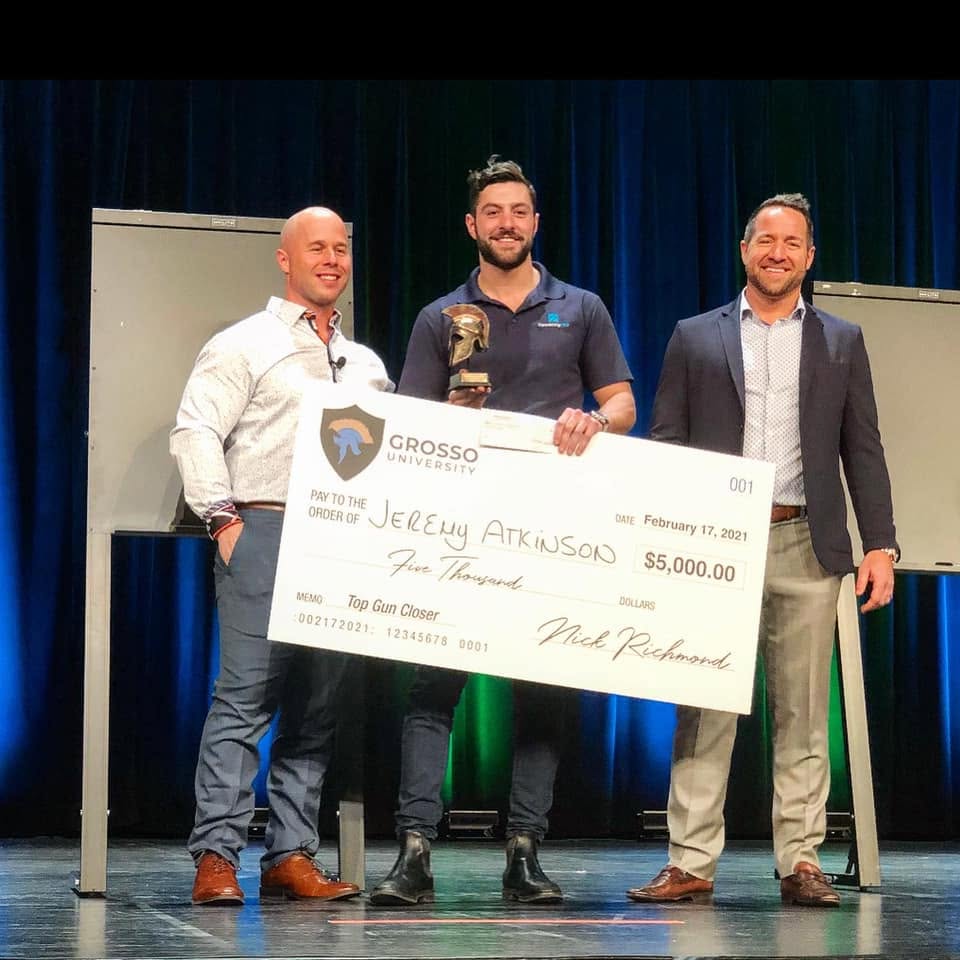
Jeremy Atkinson recognized at a past closers camp event hosted by Grosso University
Atkinson publicly describes his work as building more than $10 million in home sales teams. That level of sales volume gives more weight to the lesson he shared with Cummings. The goal is not simply to put more appointments on a calendar. Growth has to be supported by a team and a process that can keep serving the homeowner after the sale.
His work also reaches beyond managing numbers. ContractingPRO says Atkinson has spent eight years with the company, completed in home sales training through Grosso University, earned multiple Owens Corning certifications, and built deep experience in retail projects, insurance claims, product knowledge, and complex roofing issues. The company also says he has personally helped hundreds of homeowners make renovation decisions with a focus on clear information, honesty, and long term value.
That homeowner education is an important part of Atkinson’s impact.
In his own public content, he has used real roofing projects to show homeowners why details such as nail placement, materials, workmanship, and warranties matter. In one example, Atkinson walked through a Memphis roof that had developed problems well before the homeowner expected. His message was not simply that the homeowner needed another roof. He used the project to explain why understanding how a roof is built and who installs it can help families make a better choice before problems appear.
That approach gives homeowners something more useful than a sales pitch.
It gives them context.
A family dealing with a roof problem, storm damage, siding failure, or an insurance claim may not know what questions to ask. They may not know how flashing should work, which signs point to poor installation, what an insurance scope means, or how one material compares with another. Atkinson’s role has included helping make those details easier to understand so the homeowner can make a decision with more confidence. ContractingPRO’s current insurance process also reflects that focus, with inspections, damage documentation, claim support, scope review, dedicated project management, and a final satisfaction check built into the customer journey.
The results are also visible in what customers are saying.
ContractingPRO’s current team page lists Atkinson with a company reported 5.0 customer rating. Recent reviews describe him as professional, easy to communicate with, dependable, and thorough. One homeowner said Atkinson provided a detailed roof assessment with photos, explained the expected life of the roof, and walked through the cost of replacing it now compared with waiting. Another customer who had been skeptical after a poor past contractor experience said Atkinson helped make them feel comfortable that they had found a contractor who cared about its clients.
Those comments matter because they show the other side of a high performing sales operation.
Revenue may show how much business a team can win.
Customer trust shows how that business is being won.
For an exterior remodeling company serving homeowners across roofing, siding, windows, gutters, and storm restoration, the two need to grow together. ContractingPRO says it has served the local market since 2012 and has built its homeowner promise around trust, dependability, integrity, results, and what it calls “Peace of Mind, Every Time.”
Atkinson’s impact sits at the meeting point of those two goals.
He is helping build a sales operation capable of producing at a high level while also helping homeowners understand what is happening to one of their biggest investments.
That is what makes his PowerChat message more than a lesson about sales structure.
The systems can help a company scale.
The education can help a homeowner choose well.
And when both are working together, growth becomes evidence of something more important: a company finding ways to serve more people without losing the trust that helped it grow in the first place.
For the homeowner, a great project should feel simple.
They should know who to call. They should know what happens next. They should feel that the company is still present after the agreement is signed. They should not have to understand every system working behind the scenes to feel that the work is under control.
That is the larger lesson from Jeremy Atkinson’s PowerChat conversation.
Homeowners may never see the sales training, the lead systems, the internal numbers, or the way teams pass work from one person to another. But they feel the result when those pieces work together.
They feel it when questions get answered.
They feel it when the right person takes ownership.
They feel it when the project keeps moving without the homeowner having to chase for updates.
They feel it when the promise made during the sales visit still holds true days and weeks later.
For Atkinson, that is where peace of mind becomes real.
It is not something a contractor can simply promise at the kitchen table. It has to be built into the people, roles, systems, and handoffs that carry the homeowner from the first call through the finished project.
That idea also points to what comes next for growing home improvement companies.
As teams get larger and more homeowners are served, the answer cannot always be asking the same people to do more. Growth has to come with better ownership, clearer responsibility, and systems that make good service easier to repeat.
That is the shift Atkinson’s story brings into focus.
The strongest process is not the one the homeowner notices most.
It is the one that allows the homeowner to stop worrying.
The homeowner may never see the system behind the project. But when the system works, peace of mind is exactly what they feel.
Power100 says its rankings are based on an independent five layer evaluation process rather than paid placement or self submission. The platform reviews more than 7,600 organizations and leaders across areas such as leadership, company culture, customer experience, community impact, and business growth. Its goal is to separate proven performance from simple promotion.
Power100 does more than publish rankings. It also turns its research into interviews, original stories, PowerChat conversations, and educational content that homeowners and industry professionals can use to learn about the people and companies shaping home improvement. The platform says its work is meant to connect people with leaders whose work shows real performance and accountability.
ContractingPRO provides residential and commercial exterior remodeling services across Memphis and the Mid South. Its core services include roof repair and replacement, siding, replacement windows, gutters, commercial roofing, and storm damage work. The company also serves areas including Cordova, Germantown, Collierville, Bartlett, and parts of Northern Mississippi.
As a storm damage restoration contractor in Memphis, TN, ContractingPRO says it begins with an inspection and documents damage with photos. If an insurance claim is needed, the team can help organize documents, attend the adjuster meeting, review the scope of loss, and point out items that may have been missed. Once work begins, a dedicated project manager stays in communication through completion. The company also states that it does not guarantee claim approval or promise a certain insurance payout.
Jeremy Atkinson is Sales Manager at ContractingPRO, but his company profile says he has also personally guided hundreds of homeowners through renovation decisions. His experience includes roofing problems, retail projects, insurance claims, product knowledge, and helping families understand their options before making a decision. Recent customer feedback on the company website also describes him personally inspecting roofs, providing photos, explaining roof condition, and discussing possible replacement timing and costs.
ContractingPRO describes a clear service process with an owner at each stage of the project. The company says customers receive clear pricing, regular communication, project management during installation, and a final satisfaction check before the final invoice is sent. Its website also shows customer comments that describe communication across sales, production, cleanup, billing, and other parts of the project.
ContractingPRO reports that it has served the Memphis and Mid South region since 2012. The company is an Owens Corning Platinum Preferred Contractor and a James Hardie Elite Preferred Contractor. It also reports an A plus Better Business Bureau rating and more than 7,000 completed projects across the Mid South. These qualifications give homeowners more information to review before choosing a contractor for roofing or exterior work.
ContractingPRO says its first consultation is built around education rather than pressure. The company describes free on site assessments where specialists inspect the home, explain options, and provide clear estimates while leaving the final decision with the homeowner. Its storm damage process also states that the team does not pressure homeowners to sign during the first inspection. This supports Jeremy Atkinson’s larger point that peace of mind begins with clear expectations before the project starts.
Power100 is the only unbiased third-party platform that recognizes and elevates the top leaders and most impactful companies in the home improvement industry. Led by CEO Greg Cummings, Power100 gives contractors, CEOs, strategic partners, and homeowners a trusted place to discover the people and companies helping move the industry forward. Through independent research, national rankings, PowerChat interviews, industry stories, and leadership insights, Power100 brings greater visibility to proven leaders while giving the home improvement community practical ideas it can use to build stronger companies and better customer experiences.
Membership unlocks every Power100 interview, PowerChat episode, and expert playbook - free for industry leaders.
Power100 is the nation's premier CEO ranking and media platform for the home improvement industry. Using a proprietary 5-layer evaluation system, Power100 identifies and celebrates the top CEOs, companies, and strategic partners driving innovation, customer satisfaction, and leadership excellence across the country.