For many home improvement companies, winning a customer has become harder. Leads cost more. Conversion rates are under more pressure. Financing can stop a sale that once may have moved forward. At the same time, companies still need strong people who can walk into a homeowner’s house, earn trust, explain the value, and make the most of an opportunity that took more time and money to create.
That was the challenge Patrick Rinard, Former CEO of BEE Window, brought into focus during his rapid-fire conversation with Greg Cummings at The Pinnacle Experience. Looking back at the 2024 event, Rinard described a market that had changed from the heavy demand seen during the COVID years. “Now it’s harder right now to acquire a customer, it’s more expensive to acquire a customer,” Rinard said. His point was simple. When each homeowner becomes harder to reach, companies have less room to put the wrong person in front of that homeowner.
That shift is what made staffing such an important part of the conversation. Rinard explained that BEE Window needed more than people to fill open roles. It needed people who could help protect the value of every sales opportunity the company worked hard to create.
“It’s vital and important that we have A grade talent going out to that home,” he said.
For Rinard, the answer was not only to chase more leads. It was also to make sure the people handling those leads were trained, motivated, and ready to perform. That gives his conversation lasting value beyond the 2024 event itself. The market may keep changing, but the need for strong people who can represent the company well remains just as important for owners looking for better ways to grow.
Power100 helped bring that business challenge into a wider industry conversation. During the rapid-fire interview, Greg Cummings asked Rinard how the Power Placement Program had helped BEE Window during a period when leads, conversions, financing, and staffing were all under pressure. Rinard pointed directly to the quality and readiness of the people reaching his company.
“It’s put A grade talent at our doorstep, already trained, motivated, and ready to go in the industry before they even come to us,” he said.
Power100 is the only unbiased third-party platform that recognizes and elevates the top leaders and most impactful companies in the home improvement industry. In this conversation, that role went beyond recognition. It helped surface a larger question for leaders across the industry: when customers become harder and more expensive to win, are companies putting their strongest people in the moments that matter most?
Greg Cummings’ rapid-fire conversation with Patrick Rinard, Former CEO of BEE Window, at The Pinnacle Experience 2024 began with a problem many home improvement leaders were already feeling. Leads were under pressure. Conversions were harder. Financing was stopping more sales. Staffing had also become harder. At the same time, companies needed better results from every opportunity they earned.
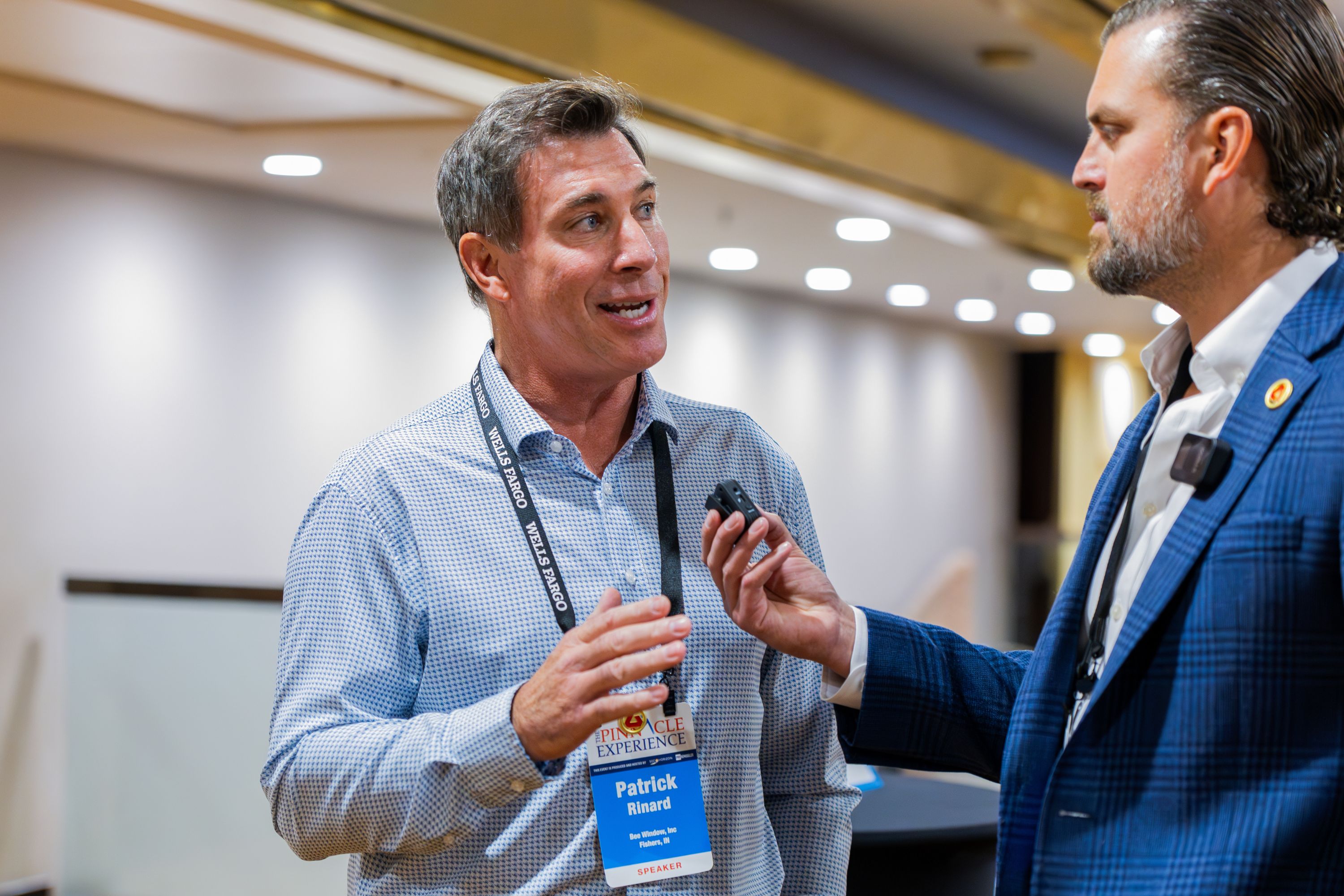
Greg Cummings, CEO of Power100, interview with Patrick Rinard, Former CEO of BEE Window
Patrick did not describe those pressures as separate problems. He connected them to a larger market shift. The years after COVID had created an unusual demand for home projects. Homeowners were spending more time at home. Many had more money available. They were willing to invest in improvements, and companies had a greater chance of earning the sale.
That period changed.
Patrick called what followed a “COVID hangover.” His point was not that demand disappeared. It was that the market became harder to win in. That change forced leaders to look more closely at parts of the business that strong demand may have masked.
Patrick explained that customer demand during the COVID years made it easier for many companies to find business.
“People expected to pay higher prices, they were, you know, they were cooped up and they had the disposable income to do it,” Rinard said.
That kind of demand can give a company more room for mistakes. A salesperson can miss one opportunity, knowing another appointment may come soon. A weak hiring choice may take longer to show its real cost. A slow sales process may still produce results because enough homeowners are already looking to buy.
The harder market changed that math.
Patrick told Greg that acquiring a customer had become more difficult and more costly.
“Now it’s harder right now to acquire a customer, it’s more expensive to acquire a customer,” Rinard said.
For leaders attending a remodelling business growth and leadership conference, that shift carried an important lesson. Companies could not keep using the same approach simply because it worked during stronger demand. Leadership had to understand what the market was asking for now.
The lesson was not to panic every time conditions changed. It was to pay attention early enough to adjust before weak points became bigger problems.
Patrick’s next point moved the conversation from market conditions into the value of each sales opportunity.
A homeowner appointment does not begin at the front door.
Before a salesperson arrives, the company may have already paid for advertising, marketing, call center work, follow up, scheduling, and other steps needed to earn that meeting. If leads become harder to find and more expensive to create, then every appointment carries more weight.
That is why Patrick’s comment about customer cost matters.
“Now it’s harder right now to acquire a customer, it’s more expensive to acquire a customer,” he said.
The answer cannot always be to spend more money chasing more leads. Companies also have to ask how well they are using the opportunities they already worked hard to create.
That is where staffing and sales begin to connect.
A strong salesperson can help protect the value of the appointment. A weak one can waste an opportunity that took time and money to create.
For companies looking to a home improvement sales and lead generation conference for answers, Patrick’s point adds another side to the lead generation conversation. Creating demand matters, but protecting that demand once it reaches the sales team matters too.
The harder customers become to reach, the more important it becomes to make each meeting count.
Patrick brought the conversation directly back to talent.
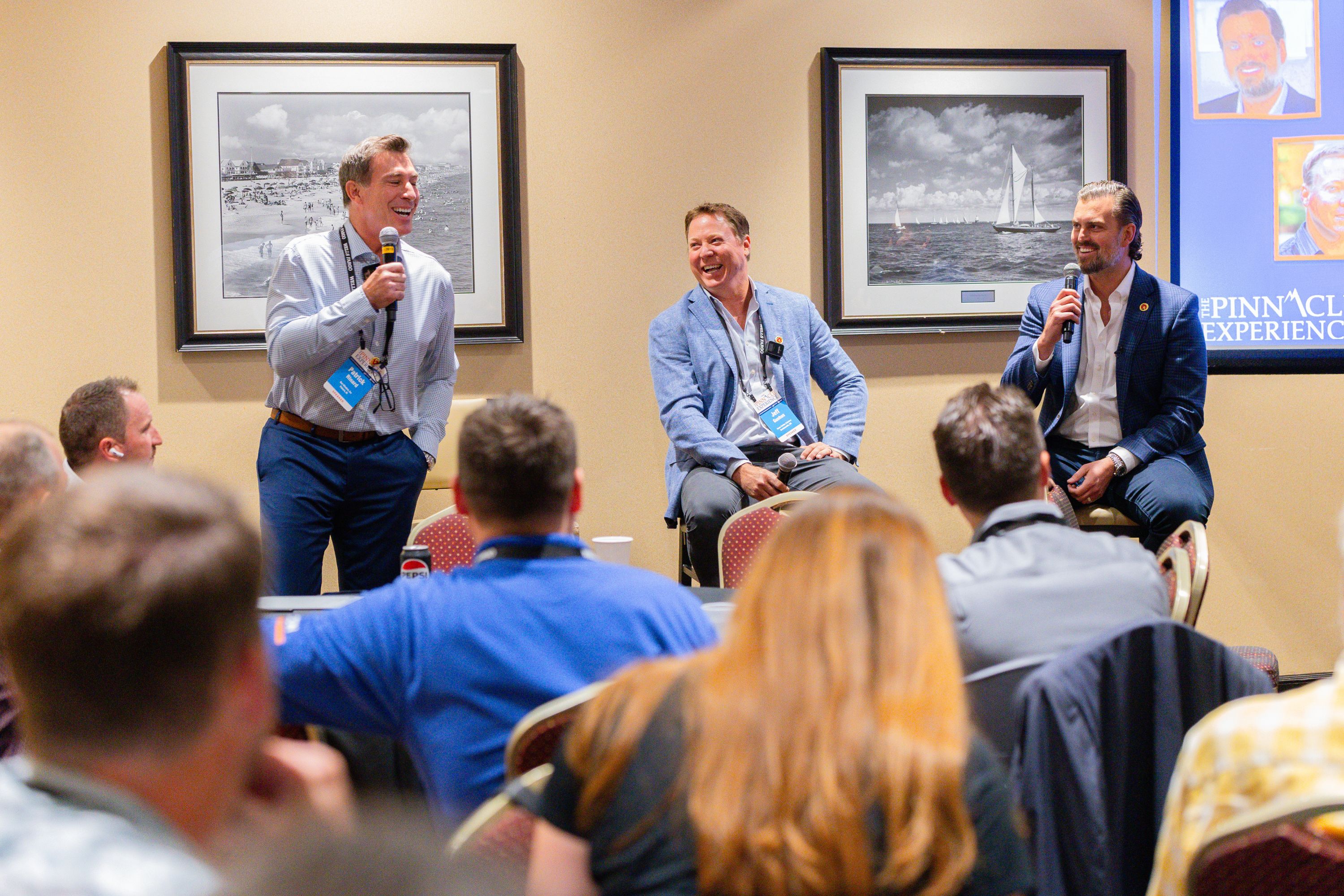
Patrick Rinard, Former CEO of BEE Window takes the stage at the The Pinnacle Experience
For BEE Window, the goal was not simply to put more people into sales roles. It was to make sure the right people were representing the company inside the homeowner’s house.
“It’s vital and important that we have A grade talent going out to that home,” Rinard said.
That line gets to the center of the interview.
A salesperson walking into a home carries more than a sales presentation. That person carries the company’s name. They help shape trust. They explain the product. They answer questions. They listen to what the homeowner needs. They help the customer decide whether this is a company they feel safe doing business with.
That makes talent quality part of growth.
Technology can help a company manage leads. Data can show where sales are being won or lost. Better systems can improve follow-up. But the final customer experience still depends heavily on people.
At the kitchen table, a homeowner is not meeting a software system. They are meeting a person.
That is why Patrick’s message goes beyond staffing. In a harder market, the quality of the person handling the appointment can become one of the strongest ways a company protects every opportunity it earns.
Once Patrick explained why talent quality mattered, the conversation moved naturally to how BEE Window was finding that talent.
Hiring someone quickly does not always solve a staffing problem.
A new hire may still need time to understand the industry. They may need sales training. They may need help building confidence. They may need weeks of coaching before leadership feels comfortable putting an important homeowner opportunity in their hands.
That gap matters when the company already needs stronger people.
Patrick said the Power Placement Program helped BEE Window shorten that gap.
“It’s put A grade talent at our doorstep, already trained, motivated, and ready to go in the industry before they even come to us,” Rinard said.
That was the value he focused on.
It was not only about finding candidates. It was about receiving people who had already started preparing for the work.
For a growing business, that can make a major difference. Managers spend less time trying to build someone from the very beginning. Existing team members carry less of the training load. New people can begin moving toward meaningful work sooner.
This is where staffing becomes a real part of the growth plan.
The faster a strong person can move from new hire to useful team member, the sooner the company can feel the value of bringing them in.
Greg’s question placed staffing beside several other pressures.
He mentioned leads.
He mentioned conversions.
He mentioned financial declines.
Then he mentioned staffing.
That connection is important because growth problems rarely live alone.
A company can have strong lead flow but not enough strong salespeople to handle it. It can have good salespeople but lose deals when financing falls through. It can generate demand, but struggles to serve customers because the company does not have enough people ready to do the work.
One weak part of the business can slow everything around it.
That is why leaders cannot treat staffing as a problem to consider only when a seat becomes vacant.
The team’s quality affects the customer experience. It affects sales. It affects training. It affects culture. It affects how much pressure managers carry. It can also affect how quickly the company can grow.
A strong talent pipeline can therefore become just as important as a strong lead pipeline.
For leaders, that is an important shift in thinking. The next limit on growth may not come from a lack of customers. It may come from not having enough capable people ready to serve them.
Patrick’s experience showed why staffing belongs inside the same leadership conversation as sales and customer acquisition.
The value of better talent can extend beyond a single closed sale.
A strong person can raise the standard around them.
They can bring energy to a team.
They can serve homeowners well.
They can make coaching easier.
They can eventually help newer employees learn.
They can give managers more confidence to hand off responsibility.
That is why Patrick described the impact of the placement program in much larger terms.
“Having a placement program like this in place has been a huge, incredible lift for our company,” Rinard said.
That word, lift, matters.
He was not talking only about filling an open role. He was describing something leadership could feel inside the company.
The strongest talent strategies should create that kind of result. They should help remove pressure. They should make the team stronger. They should give leaders more confidence in the people representing the business.
That is also why talent becomes part of long-term growth. One strong employee may begin by handling homeowner appointments, but their value can expand as they learn the company, improve their skills, and take on more responsibility.
The hire becomes more than a person filling a seat.
They become part of what the company can build next.
Patrick closed the conversation by looking ahead.
“I’m looking forward to what else we can do with it,” he said.
That line gives the interview a natural next step.
The placement program had already helped BEE Window bring trained and motivated talent into the company. But Patrick was not speaking as if the work was finished. He was thinking about what that talent strategy could continue to do as the business moved forward.
That matters because a placement program should not be judged only by the number of people it introduces.
The stronger question is what happens after those people arrive.
Patrick’s answer suggests that, for BEE Window, the effect was already clear enough for leadership to feel it.
That is what turns staffing from a hiring task into a business strategy.
The market may keep changing. Leads may become more expensive. Customer behavior may shift again. Financing may remain difficult.
But companies can still choose the quality of the people entrusted with those opportunities.
And in Patrick Rinard’s view, having A grade talent ready to step into those moments had become a real advantage.
Patrick Rinard’s comments at The Pinnacle Experience point to a simple truth about the market. The years when demand made growth easier did not last. Customers became harder to reach, more expensive to win, and more careful about where they spent their money. That change raised the value of every opportunity a company earned.
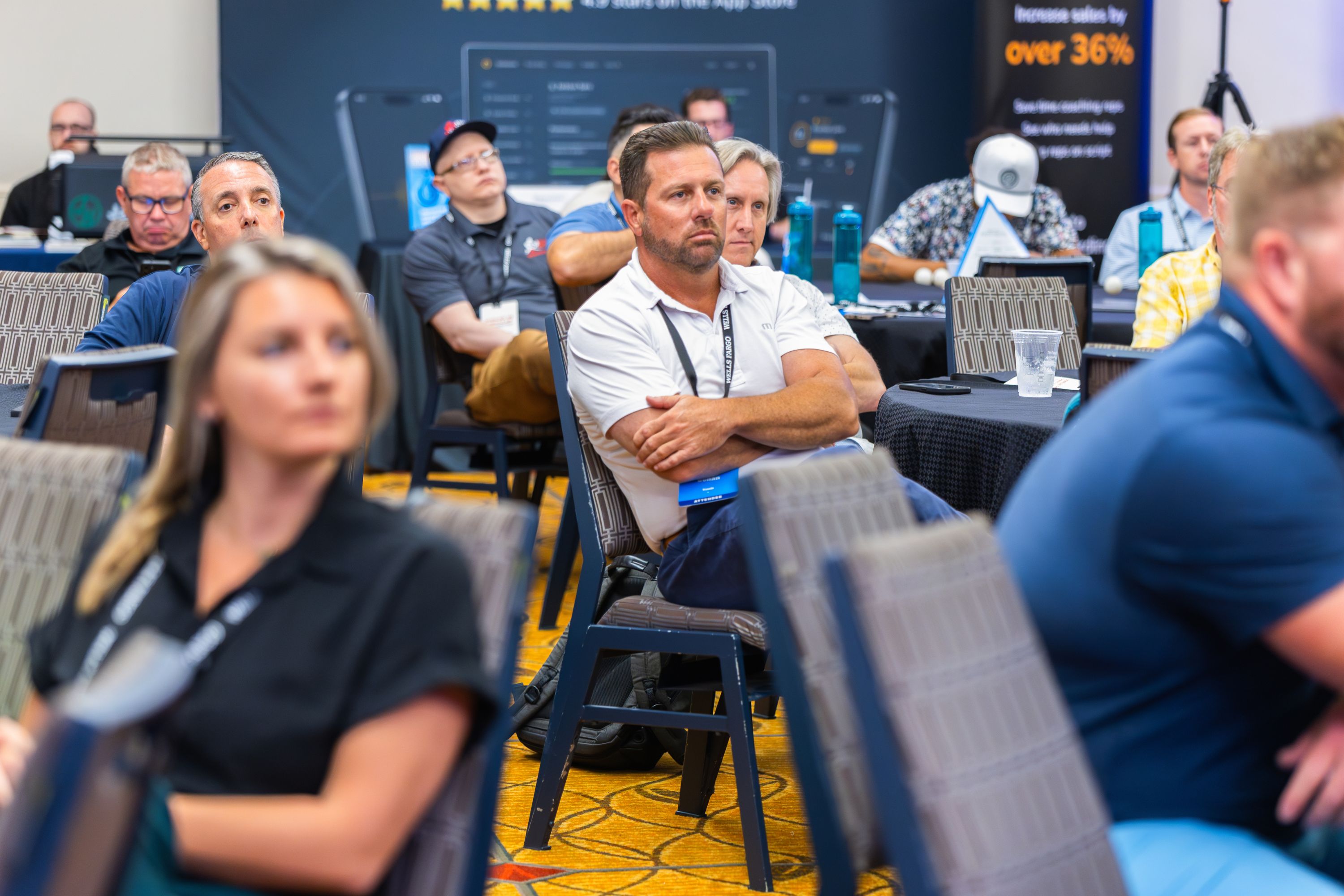
The Pinnacle Experience attendees keenly following the event
In that kind of market, growth cannot depend only on finding more leads. Leaders also have to protect the opportunities already in front of them. Marketing can bring a homeowner to the door. Technology can help the team move faster. Financing can help make the project possible. But the person trusted to represent the company still plays a major role in what happens next.
That is why Patrick’s experience at BEE Window carries weight beyond one placement program. He saw value in bringing in people who were already trained, motivated, and ready to contribute. At a time when staffing and customer acquisition were both under pressure, stronger talent gave the company another way to protect the work it had already done to create demand.
Home improvement leaders cannot control every shift in the market. They cannot control every financial decline or what another company spends to compete for the same customer. But they can make clear choices about the standard of the people they put in front of homeowners.
That is what makes this conversation bigger than hiring. It is about protecting growth when growth becomes harder to earn. The market may continue to change, but companies that place strong people in the moments that matter most will give themselves a better chance to keep moving forward.
Power100 does more than publish national CEO rankings. Its work also includes interviews, articles, event conversations, and leadership content that helps the industry learn from proven operators. Power100 says Greg Cummings has conducted more than 1,250 interviews with CEOs, founders, contractors, and industry leaders. Evaluating events like The Pinnacle Experience helps the platform see where leaders are gathering, what problems they are discussing, and which ideas may help the wider home improvement industry.
Power100 continues the relationship through articles, interviews, expert content, and its Inner Circle platform. Inner Circle gives members access to PowerChat episodes, feature interviews, expert insights, and an AI based business resource built around Power100 content. The goal is to make useful leadership knowledge available beyond a single ranking announcement or event conversation.
The Pinnacle Experience is focused on professionals working in construction, remodeling, design build, and home improvement. Its official event information says registration is open to people from design build firms, remodeling companies, home improvement businesses, and related areas. Suppliers and service providers attend through event sponsorship. This keeps the room centered on people who understand the business issues contractors face.
Yes. The event is designed around roundtable discussions, interactive panels, networking, and direct learning from experienced industry leaders. Its official event page places leadership, lead generation, sales, and technology at the center of the program. This format gives attendees a chance to ask questions, compare ideas, and learn from other remodelling professionals, rather than only listening to presentations from a stage.
Patrick Rinard said customer acquisition had become both harder and more expensive after the heavy demand seen during the COVID years. That means each homeowner appointment carries more value. His view was that companies need strong people to represent the business when those opportunities arise. As he explained during the interview, “It’s vital and important that we have A grade talent going out to that home.” The point is not simply to hire more people. It is to put stronger people in front of opportunities that cost more to create.
No. His point connects staffing with lead generation rather than replacing it. Leads, conversions, financing, and staffing all affect growth. A company still needs strong marketing and a steady flow of opportunities. But if those leads become more costly, leadership must also ask whether the sales team is ready to make the most of them. Better talent helps protect the investment already made in getting the homeowner to the appointment.
Patrick said the program helped bring BEE Window people who were already prepared for the industry. He described the result this way: “It’s put A grade talent at our doorstep, already trained, motivated, and ready to go in the industry before they even come to us.” For BEE Window, the value was not simply getting more candidates. It was getting people who had already begun the training and preparation needed to contribute faster.
Market conditions may keep changing, but the business question behind Patrick Rinard’s comments remains relevant. Home improvement companies still have to balance leadership, lead generation, sales, technology, and team quality. The Pinnacle Experience continued those same areas of focus in its 2025 program, including sessions on leadership, marketing, sales, technology, team building, and growth. That continued focus shows why a conversation from 2024 can still offer value to leaders deciding how to build stronger companies in a harder market.
Power100 is the only unbiased third-party platform that recognizes and elevates the top leaders and most impactful companies in the home improvement industry. Led by CEO Greg Cummings, Power100 helps bring greater visibility to proven leaders while creating a place for contractors, executives, and industry partners to learn from the people building stronger companies. Through national rankings, leadership interviews, event conversations, industry insights, and business resources, the platform helps connect real experience with the leaders looking for better ways to grow, develop strong teams, serve homeowners, and raise the standard across home improvement.
Membership unlocks every Power100 interview, PowerChat episode, and expert playbook - free for industry leaders.
Power100 is the nation's premier CEO ranking and media platform for the home improvement industry. Using a proprietary 5-layer evaluation system, Power100 identifies and celebrates the top CEOs, companies, and strategic partners driving innovation, customer satisfaction, and leadership excellence across the country.