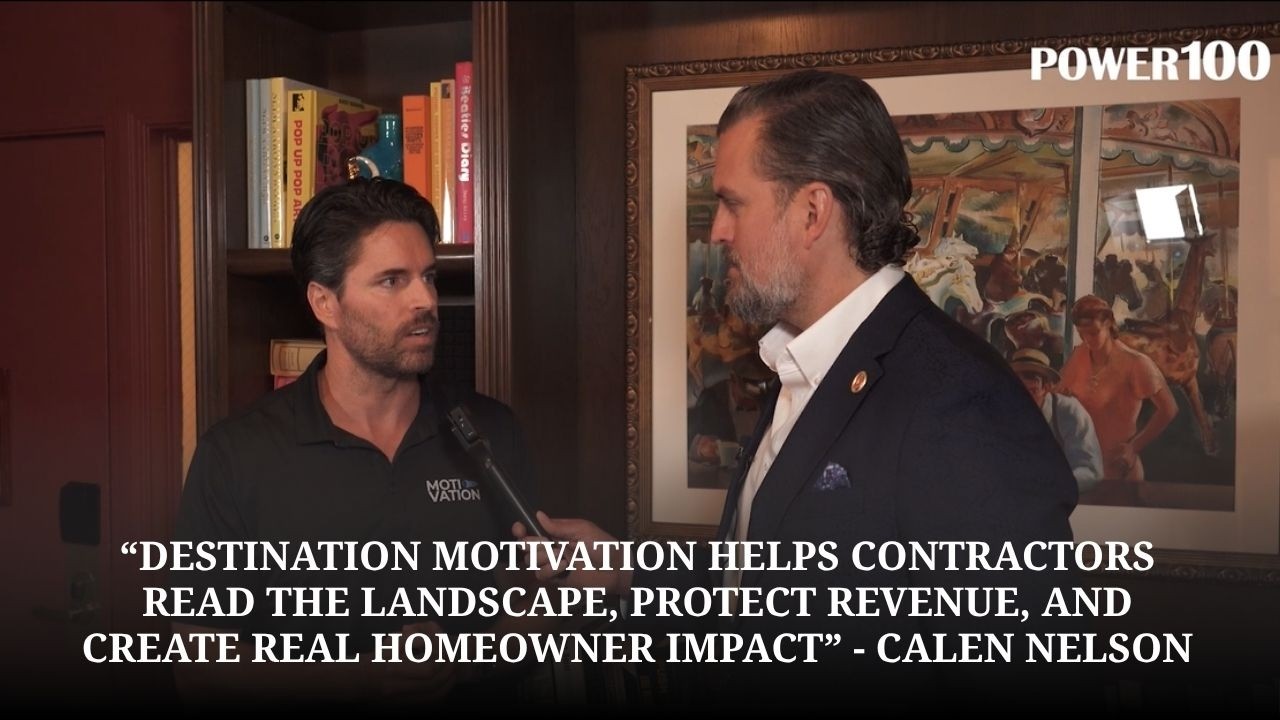
At Destination Motivation’s Annual Planning Summit at The Georgian Hotel in Santa Monica, California, the company gathered during a major moment in its story. The company is nearing its tenth year, growing fast, and serving more clients at a higher level. Led by Founder and CEO Caleb Nelson, the event gave the team time to look at what has changed, what still needs to improve, and how the company can keep helping contractors win in a harder market.
Destination Motivation is known for helping home improvement, home service, and home product companies increase leads, close more deals, reduce cancellations, gain referrals, and grow profits. Through vacation voucher sales incentives for home improvement companies, the company gives contractors a way to add real value when homeowners are weighing large purchases, rising costs, and family budgets.
Greg Cummings, CEO of Power100, connected with Caleb during the summit to talk about what has changed, why the company has become the number one strategic partner, and how it is helping clients move through a market where homeowner trust is harder to earn. Power100 is the only unbiased third-party platform that recognizes and elevates the top leaders and most impactful companies in the home improvement industry.
Greg opened the conversation by congratulating Caleb on the company nearing ten years in business. Caleb called it a wild ride, then Greg moved the conversation toward what Power100 had noticed from the outside. He pointed to the higher level of people, focus, and organization inside the company.
Greg also noted something deeper. More clients are opening their books, sharing their numbers, and giving the team clearer access to what is happening inside their business. That level of trust shows that clients are not only buying a program. They are asking the team to help them protect revenue, improve results, and understand where the market is moving.
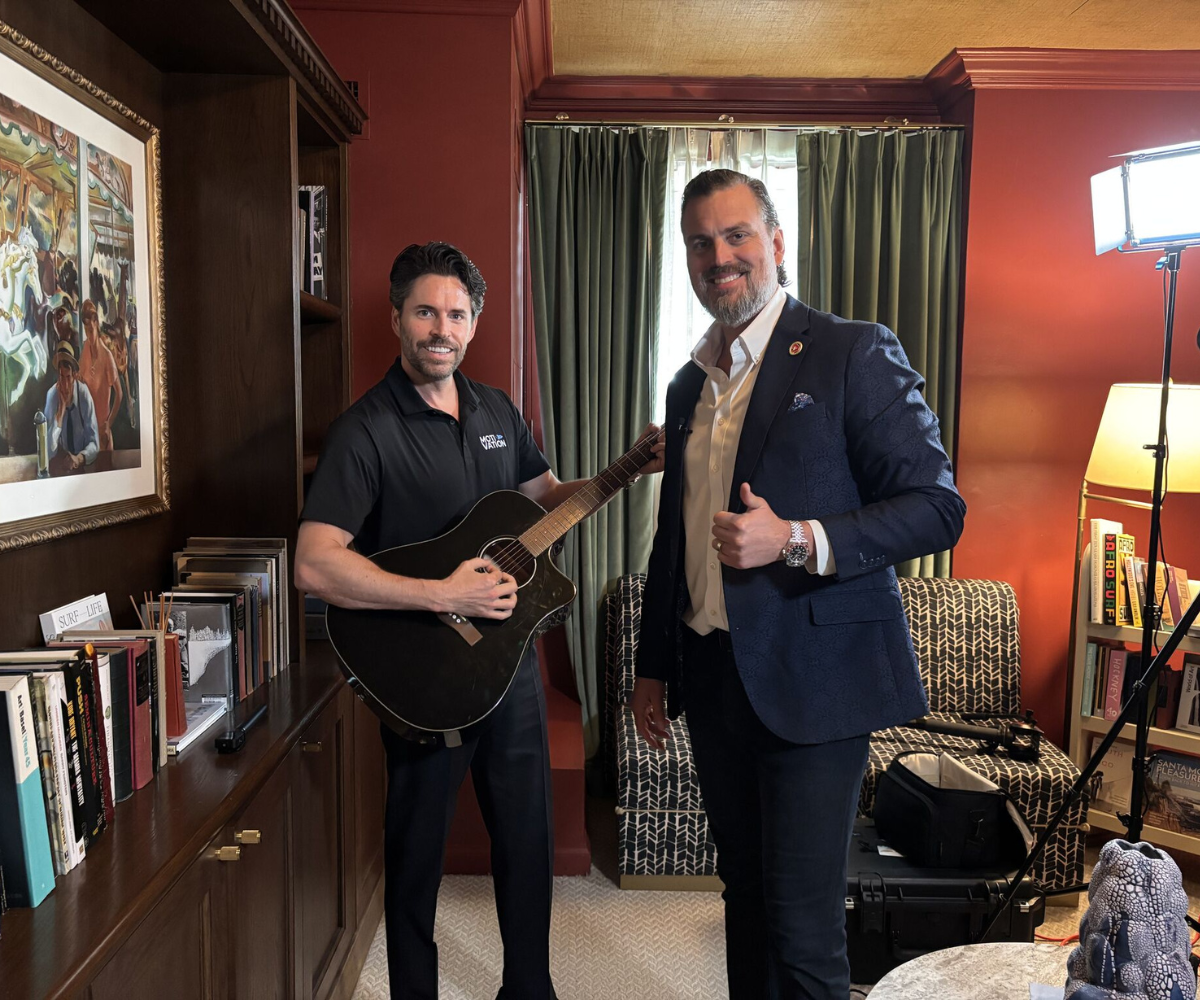
Greg Cummings, CEO of Power100 with Destination Motivation Founder and CEO Caleb Nelson At Destination Motivation’s Annual Planning Summit
Caleb said that trust is taken very seriously.
“We are lunatics when it comes to the impact that we make,” Caleb said. “There is a trust between client and vendor, and we take that very seriously.”
That quote gave the conversation its first major point. The company is not only focused on growth. It is focused on measured impact. Caleb said the team digs into client numbers, studies where results begin, and then works to move those numbers in the right direction. For contractors looking for a contractor sales growth system for leads, referrals, close rates, and profits, that kind of trust and tracking can make the support more useful.
The strongest part of the conversation came when Greg asked what outside confidence the company gives clients beyond helping them close and retain customers.
Caleb answered by pointing to the market itself.
“One of the things that we do is we look, we analyze, we understand everything that’s going on at every second of every day, nationally and throughout the world,” Caleb said.
That idea leads this press release perspective. The company is not only helping contractors use a sales tool. It is helping them understand the pressure homeowners feel when the world changes, costs rise, travel becomes more expensive, and big buying choices feel harder.
Caleb explained that the current landscape is always changing. What mattered six months ago may not be the same thing affecting consumers today. The team studies what is happening in the economy, in travel, in global news, and in consumer behavior because all of it can shape how homeowners think about large purchases.
That matters for home improvement companies. A homeowner may need a project, but still feel unsure about spending 10, 15, or 20 thousand dollars. They may be thinking about travel costs, family plans, daily expenses, and whether now is the right time to move forward. In that moment, a clear home improvement closing tool for contractors and home service businesses can help the contractor add value without only lowering the price.
Caleb said the company looks at how outside influences affect trust and comfort around big purchases. He said consumer confidence is low, and that makes the buying process more sensitive. In that kind of market, contractors need more than a strong pitch. They need a way to make the homeowner feel better about the decision.
That is where the company’s vacation incentive program that helps increase leads and reduce cancellations fits into the larger story. Caleb explained that travel costs are high, and many homeowners are asking how they can pay for both a home project and a family trip. The voucher gives contractors a value add that speaks to that real tension. It helps the homeowner feel they are receiving more than the project alone.
Greg also brought the conversation back to training, rollout, and support. He noted that any great product can lose strength if sales reps do not understand how to use it in the home. Caleb agreed and said training is everything. That is why the company has invested in Destination Motivation University, its learning management system, and in person client support. The goal is to help clients use the program with care, not just hand them a tool and hope it works.
That commitment supports the company’s sales consulting and training for home improvement companies because it connects the offer to real execution. The team helps clients understand how to position the value, support sales reps, and keep the program strong as new people join.
The conversation also showed that Caleb’s view of impact goes beyond numbers. He shared stories of homeowners using the vouchers for life changing memories, including a proposal on a cruise, a mother reconnecting with her daughter, and a honeymoon trip to Thailand. Those stories show why the company’s work is more than a business tool. It can create moments that families remember.
For contractors, that is the deeper lesson. In an uncertain market, confidence comes from more than a discount. It comes from understanding the homeowner, offering real value, supporting the team, and creating an experience that feels personal after the sale.
When Greg Cummings asked Caleb Nelson what kind of outside confidence the company gives clients beyond helping them close and retain customers, Caleb did not start with a sales script. He started with the market.
That answer shaped the whole conversation.
Caleb said the current landscape is always changing. What mattered six months ago may not be the same thing shaping homeowner choices today. That matters because home improvement companies cannot rely only on old habits when the market is moving, costs are changing, and consumers feel unsure about large purchases.
“One of the things that we do is we look, we analyze, we understand everything that’s going on at every second of every day, nationally and throughout the world,” Caleb said.
That line gave the interview a wider meaning. The company is not only watching client numbers. It is studying what is happening around the homeowner. Caleb spoke about the economy, global news, rising costs, travel prices, and the way all of those things can shape the trust and comfort a customer feels when making a large decision.
That focus matters because homeowners do not buy in a vacuum. A family may need a window, roof, bath, or other major project, but they are also thinking about money, travel, bills, uncertainty, and whether now is the right time to spend. In a tight market, hesitation can grow fast.
That is why market awareness becomes part of client support. Contractors need to understand the emotional and financial pressure behind the customer’s decision. When they do, they can respond with more care and more value instead of only pushing harder.
For home improvement companies using vacation voucher sales incentives for home improvement companies, that market view matters. The offer works best when it connects to what the homeowner is already feeling. If travel costs are high and families still want meaningful experiences, the value becomes more than a bonus. It becomes part of the decision.
Caleb’s message was clear. Strong contractors do not simply react to pressure. They learn what is creating the pressure, then find better ways to help homeowners move forward with confidence.
Greg then pointed to one of the biggest changes Power100 has seen from the outside. Clients are giving the company a new level of transparency.
That means they are not only trusting Caleb. They are trusting the team. They are opening their books, sharing sales data, and allowing leaders inside the company to work with their teams on performance. Greg described clients showing numbers, sharing what is happening behind the scenes, and working together to improve more than the product itself. They are working to improve the success of the whole company.
For Caleb, that trust is serious.
“We are lunatics when it comes to the impact that we make,” Caleb said. “There is a trust between client and vendor, and we take that very seriously.”
That quote gave the section its weight. Caleb was not describing a casual partnership. He was describing a deeper level of responsibility. When a client shares close rates, cancellation rates, and sales results, the work becomes more exact. It also becomes more accountable.
Caleb said the team digs into client numbers and tracks the impact closely. He gave examples of clients moving cancellation rates from 20% to 8% and close rates from 25% to 38%.
Those numbers matter because they show why trust and data work together. A client cannot improve what it refuses to face. A partner cannot help deeply if it is kept outside the real facts. But when both sides look at the numbers together, they can see where revenue is being lost and where change is needed.
Caleb’s point was simple. The team wants to know whether it is making the right impact. That is why the numbers matter. They help both sides see what is working, what needs help, and where growth can become stronger.
As the conversation moved into the homeowner’s world, Caleb explained why the offer has become even more meaningful in today’s market.
He spoke about rising travel costs and how families are thinking about big decisions. Many homeowners may want to take a vacation, but they also need to complete a home improvement project. When costs rise across daily life, those choices feel harder.
Caleb used his own travel example to show how much prices have changed. He said a flight from Los Angeles to Delaware cost about $1,500, even with advance booking, and that kind of cost used to feel like enough for a trip to Europe.
That story helped explain the pressure many homeowners feel. Travel costs are high. Home improvement costs are high. Family budgets are tight. So when a homeowner is asked to spend 10, 15, or 20 thousand dollars on a project, the decision can feel heavy even if the work is needed.
That is where the voucher becomes more than a nice extra.
Caleb said the company comes in as a value add in the value exchange. The contractor is not only asking the homeowner to spend money. The contractor is also giving the homeowner something that can support a real life experience.
For contractors, this creates a better path than only cutting price. Discounting can lower value. A travel voucher can add value. It gives the homeowner something meaningful that connects to family, rest, and memory.
That is why a home improvement closing tool for contractors and home service businesses must support more than the sale. It must help the homeowner feel better about the full decision. Caleb said the offer can influence the buying choice and help reduce buyer’s remorse because the homeowner feels they received more value.
In a market where trust and comfort are low, that matters. A strong value add can give the homeowner one more reason to feel good about saying yes.
Greg then brought the conversation back to a problem the company had to solve as it grew. Years earlier, one of the holes in the boat was getting every sales rep to understand the value of the program and how to position it in the home.
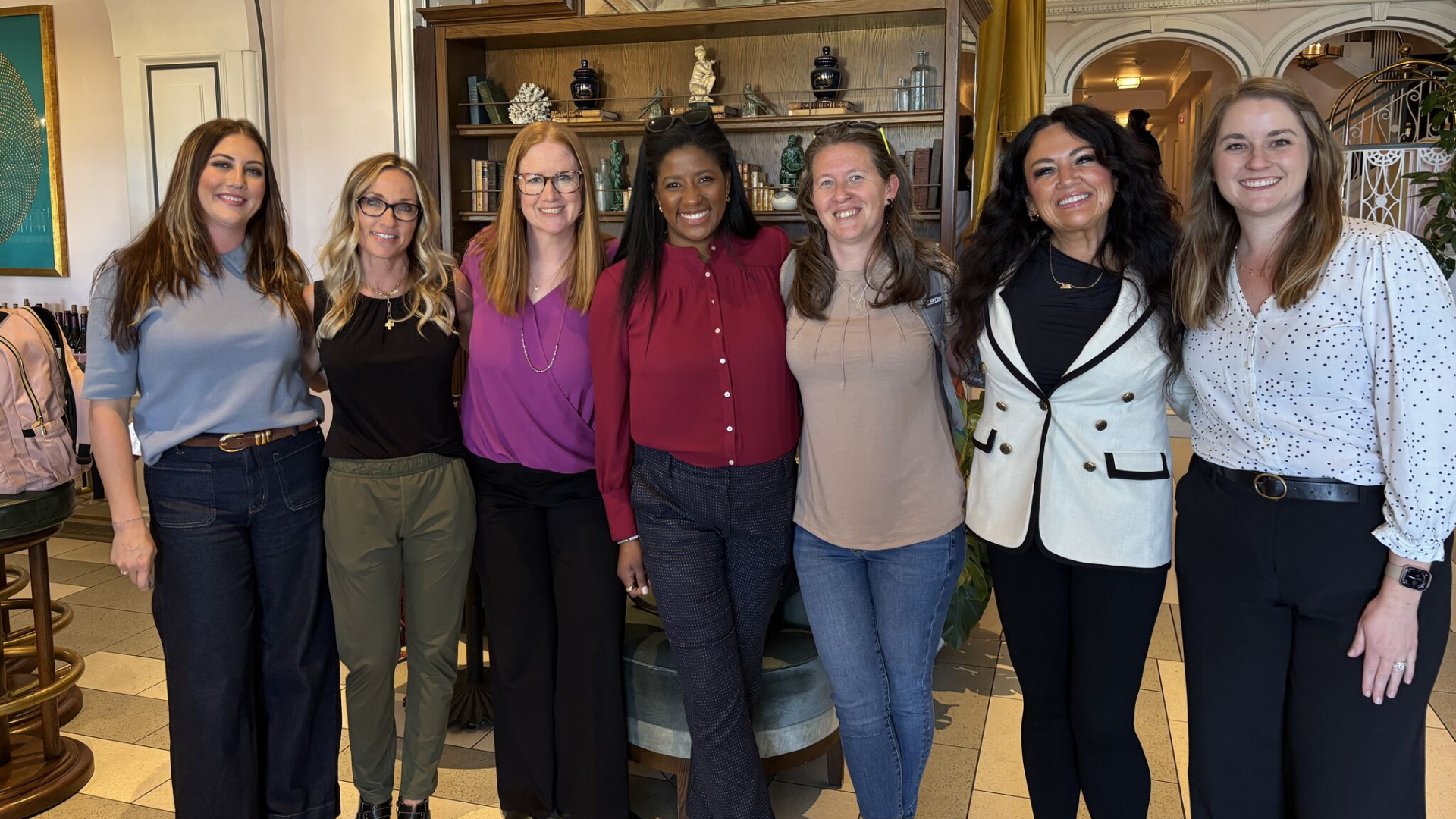
Company offsite with the full Destination Motivation crew
Leaders could see the value. Top reps could use it well. But when new reps joined, or when the program was passed down too quickly, the message could lose power.
Greg described the risk clearly. A great product can fall flat if the rollout is weak. A rep may hear that the offer is amazing, but if they do not understand why it matters or how to explain it, the homeowner may not feel the value.
Caleb agreed that training is central.
“We understand that training is everything,” Caleb said. “There’s a right way to do things. There’s a wrong way to do things. There’s a way where you can half do it, or there’s a way where you can build tremendous value.”
That quote showed why the company invested heavily in Destination Motivation University. The goal is not only to create a tool. The goal is to help sales teams use the tool the right way, at the right time, with the right message.
Caleb said the university includes a learning management system and more. He also said the company is still committed to going into client offices in person and doing a significant amount of handholding.
That balance matters. The company is using technology to scale training, but it is not removing the human support that helps clients succeed. It is combining digital learning, in person training, and ongoing support so contractors can use the program with more confidence.
That is why sales consulting and training for home improvement companies is part of the larger growth story. The offer may open the door, but training helps the sales team carry the value into the home and make it clear to the homeowner.
Caleb said the company sees the impact in the numbers. That makes training more than a support function. It becomes part of the client’s results.
Greg also pointed to one of the reasons the company earned strong recognition from Power100. He said the human element in the homeowner experience is one of the things that makes the company stand out.
That part of the conversation gave the interview an emotional turn.
The company uses AI and technology in many parts of the business, but Caleb said the next day homeowner call is one place where it chose not to replace people with automation. The team looked at offshore support and AI tools. They considered the options. But they kept the call human because they saw the impact it made.
Caleb said the team records those calls, listens to them, and studies what happens during them. What they found was clear. Homeowners often do not receive that kind of care from companies after a purchase.
“We have AI implemented in all aspects of our business,” Caleb said. “But with that specifically, that human connection that is made on those phone calls, these people don’t experience that anymore from a customer experience standpoint.”
Some calls last 20 or 30 minutes. They can become short conversations that help a homeowner feel seen, heard, and reassured after making a large decision.
That matters because the sale does not end when the contract is signed. Many homeowners still need confidence after they say yes. They may wonder if they made the right choice. They may feel the weight of the cost. A human call can help calm that moment and turn the voucher process into a more personal experience.
This is where a vacation incentive program that helps increase leads and reduce cancellations can become stronger through real human care. The offer may create value, but the follow up call helps protect trust after the sale.
Caleb’s message was clear. Some moments are too important to automate. When a homeowner has just made a major purchase, a real person can create comfort that a bot cannot match.
When Greg asked Caleb what he was most excited about, Caleb spoke first about growth and the impact the company is making. He said client KPIs matter, and he gave a strong example of one client saving $2 million a month.
But then he moved to the part of the work that many people do not see.
Caleb said the homeowner stories are what make the work special. Those stories show that the voucher is not only tied to business results. It can also become part of a family memory.
He shared a story of a woman who used a cruise voucher to take her son and his girlfriend on a trip. During that trip, the son proposed while on a jet ski.
“That’s a memory that will last forever,” Caleb said.
He also shared another story about a mother who had been estranged from her daughter for four or five years. The voucher became a bridge that helped them reconnect and get the relationship back on track through a vacation together.
Another story involved a honeymoon in Thailand, where a homeowner had what Caleb described as one of the coolest experiences ever.
These stories brought the conversation back to purpose. The company helps clients improve numbers, but it also helps homeowners create moments that last. That is the human side of the business that does not always show up in a spreadsheet.
For Caleb, that is why the work matters.
“The world doesn’t get to hear these,” he said. “But that’s why we’re in it.”
That line gives this section its close. The company’s impact is measured in close rates, cancellations, recurring client growth, and revenue. But it is also measured in families who travel, relationships that heal, and memories that stay with people for life.
That is the full story behind the voucher. It supports the contractor, but it can also touch the homeowner in a way that feels deeply personal.
Caleb Nelson’s impact at Destination Motivation starts with the reason he built the company in the first place. He saw too many home improvement companies lose deals over price, or lose sold jobs through cancellations, even when their work was strong. That problem became the opening for a different kind of solution.
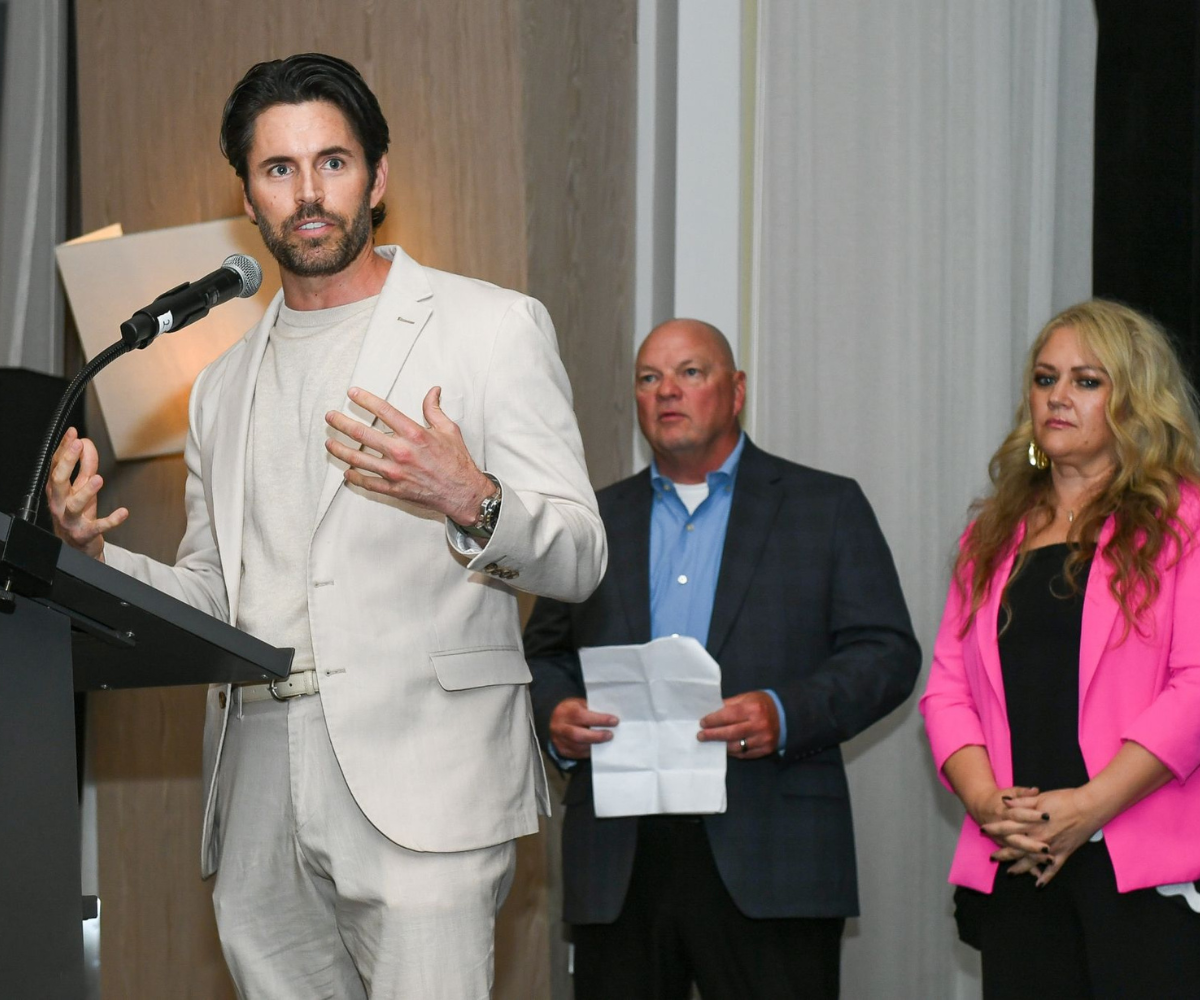
Destination Motivation Founder and CEO Caleb Nelson
Instead of asking contractors to win only through discounts, Caleb built a program around emotional value. Travel became the tool. A homeowner could move forward with a roof, window, bath, or other major project and also receive a getaway they may have been dreaming about. That made the offer feel larger than a sales bonus. It became part of the customer’s life.
That is what makes Caleb’s work stand out in the industry. He did not build a program only to help contractors get attention. He built a system to help them sell better, retain more customers, and create a stronger feeling after the sale. In a market where homeowners often feel unsure about large purchases, that kind of added value can help protect trust.
Over more than 10 years, the company has helped hundreds of clients improve the way they sell, keep more deals, and create stronger customer experiences. Caleb’s work has also helped clients collect thousands of five star reviews, which shows that the impact is not only felt by business owners. It is also felt by the homeowners who receive the experience.
The company’s growth has also earned outside recognition. Making the Inc. 5000 list three years running gives a clear sign that the model is not only a strong idea. It is working at scale. For Caleb, that growth has been tied to one mission: helping contractors make their numbers bigger while helping customers leave with bigger smiles.
That impact connects directly to his conversation with Greg Cummings. Caleb said the company looks, analyzes, and studies the market because homeowner decisions are shaped by more than price alone. They are shaped by trust, comfort, cost pressure, travel goals, and the feeling that the purchase is worth it.
His leadership has helped turn those ideas into a practical business system. Contractors get a way to add value. Sales teams get a stronger reason to help customers move forward. Homeowners get a real experience that can become a memory, not just another line item after a major purchase.
That is what Caleb Nelson is doing right. He is helping contractors protect revenue without losing the human side of the sale. He is helping clients grow faster without making the customer feel like a number. And he is showing that in home improvement, the best results often come when business growth and real customer joy move together.
As Greg Cummings’ conversation with Caleb Nelson came to a close, the message became clear. Contractors need more than a tool in today’s market. They need a partner that understands what homeowners are facing before, during, and after a major buying decision.
Caleb’s view was steady. The market is always moving. Consumer trust can shift. Travel costs can rise. Global events can create fear. A homeowner who needs a project may still feel unsure about spending thousands of dollars at one time.
That is why outside confidence matters.
For Caleb, confidence starts with paying attention. It starts with looking at the market, studying what is changing, and understanding how those changes affect the way homeowners think and feel. When a contractor understands that pressure, the sales conversation can become more helpful, more honest, and more human.
But the conversation also showed that data is only one part of the story. Real confidence also comes from training teams well, supporting clients closely, and caring about the homeowner after the sale is made. It comes from making sure the offer is not only explained, but felt.
Greg’s questions helped show why the company has become a trusted partner for contractors. Clients are opening their books. They are sharing their numbers. They are asking the team to help them improve. At the same time, homeowners are receiving a more personal experience that helps them feel seen, heard, and more at peace with the decision they made.
As Destination Motivation reaches its tenth year and looks toward the rest of 2026, the story is bigger than growth. It is about helping contractors move through a harder market with clearer insight, stronger training, and more care for the customer experience.
The lasting lesson from Caleb’s conversation with Greg is simple. In a market filled with uncertainty, the strongest companies will be the ones that study the landscape, protect trust, and create value people can truly feel.
Power100 studies more than growth claims. It looks at how leaders and partners help the home improvement industry perform in real market conditions. Caleb Nelson’s conversation with Greg Cummings showed why consumer confidence matters. If homeowners feel unsure about money, travel costs, and large purchases, contractors need partners that understand those pressures and can help them respond with more value.
Power100’s recognition matters because contractors need to know which strategic partners are helping companies adapt, not just sell. In this press release, Greg Cummings pointed to stronger talent, client transparency, data tracking, training, and homeowner care as signs of deeper impact. For contractors, that means the recognition is tied to how the company helps clients protect revenue, support sales teams, and create better customer experiences.
A vacation voucher is not meant to solve every concern, but it can help add value at a key moment. Caleb Nelson explained that homeowners may want a family trip and a needed home improvement project, but rising costs can make both feel hard to afford. A strong vacation voucher program gives contractors a way to add emotional value without only cutting the project price.
Contractors should care because homeowner decisions are shaped by what is happening around them. Caleb said the team looks, analyzes, and studies what is happening nationally and around the world because those events affect trust, comfort, and buying choices. That helps contractors use a home improvement closing tool with more context instead of relying on the same message in every market.
It creates value when the numbers are used to improve performance. Caleb said clients are opening their books and sharing data because the goal is to track impact. When a contractor shares close rates, cancellation rates, and sales results, the team can see where revenue is being lost and where the program can help. That turns the relationship into a contractor sales growth system, not just a vendor service.
Buyer’s remorse often happens when a homeowner feels the weight of a large purchase after saying yes. Caleb explained that the vacation voucher can help the homeowner feel they received more value from the decision. When paired with strong follow up, the program can help the customer feel better about the purchase, which can support fewer cancellations and a stronger customer experience.
AI can support many parts of a business, but Caleb said the next day homeowner call is one area where the company chose to keep a real person involved. That call can help homeowners feel heard, answer questions, and start the vacation process with care. In a market where trust is low, a human call can protect the relationship in a way automation may not.
The main lesson is that contractors need to study the market, protect the customer experience, and create value people can feel. Caleb’s message was not only about closing more deals. It was about understanding homeowner pressure, tracking client performance, training teams well, and using a vacation incentive program to support both business results and real homeowner impact.
Power100 is the only unbiased third-party platform that recognizes and elevates the top leaders and most impactful companies in the home improvement industry. Led by CEO Greg Cummings, Power100 gives CEOs, contractors, strategic partners, and industry leaders a trusted place to share the ideas, stories, systems, and standards helping the industry move forward. Through national rankings, PowerChat conversations, event coverage, and partner features, Power100 helps strong companies gain the recognition they deserve while helping contractors find trusted leaders, smarter tools, and better ideas that can support growth, customer trust, and stronger business decisions.
Membership unlocks every Power100 interview, PowerChat episode, and expert playbook - free for industry leaders.
Power100 is the nation's premier CEO ranking and media platform for the home improvement industry. Using a proprietary 5-layer evaluation system, Power100 identifies and celebrates the top CEOs, companies, and strategic partners driving innovation, customer satisfaction, and leadership excellence across the country.