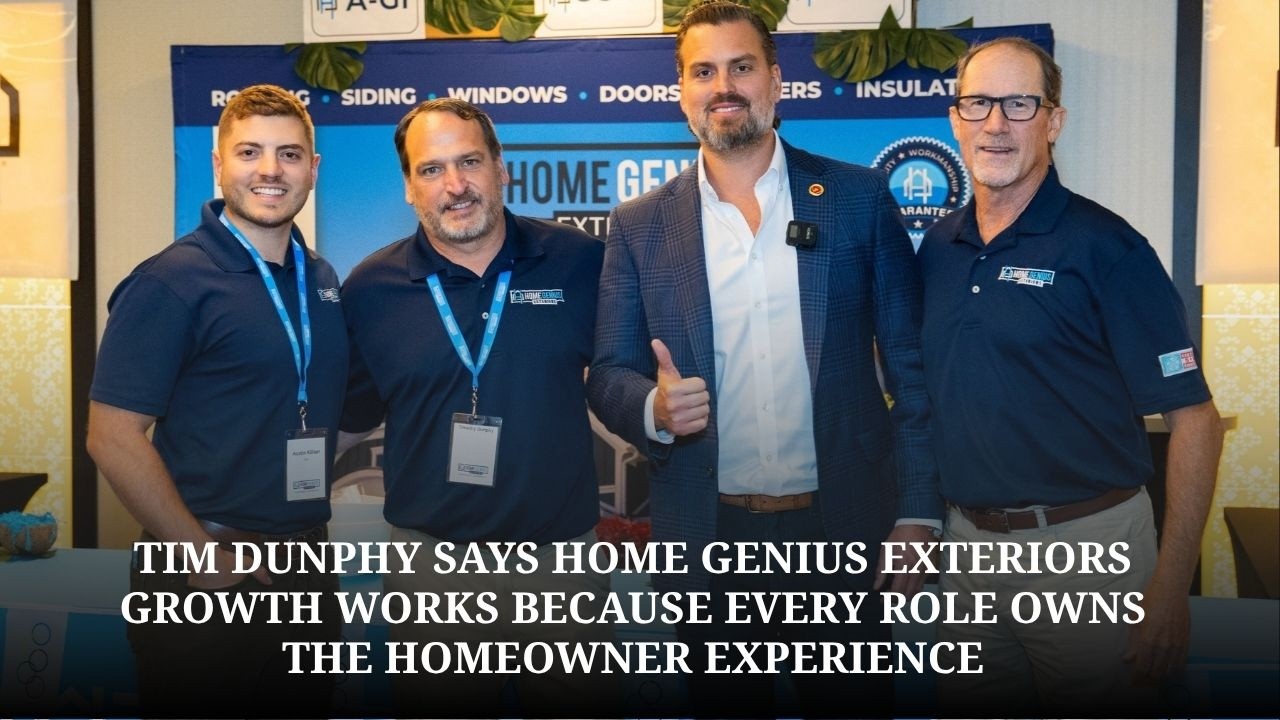
One of the hardest parts of growth in home improvement is maintaining a connected customer experience. A homeowner may first speak with a marketer, then a salesperson, then a project coordinator, then a project manager, and finally an installation crew. When those people work like separate teams, the homeowner can feel every missed message, every delay, and every broken promise.
That challenge became a key part of Greg Cummings’ rapid-fire conversation with Tim Dunphy, Chief Growth Officer at Home Genius Exteriors, during the company’s past Q4 Launch. The event celebrated the company’s growth, but Dunphy’s comments helped explain what he believed enabled that growth to continue without losing sight of the homeowner.
When Cummings asked what made Dunphy’s job easier, Dunphy did not begin with marketing tools, sales numbers, or new markets. He pointed to the people around him.
“The team, the executive team, the founders, the leaders, the culture that they’ve built makes it easy to collaborate with them, to work with them, to work with the teams, and everybody has the same passion,” said Tim Dunphy, Chief Growth Officer at Home Genius Exteriors.
For Dunphy, that shared passion had a clear starting point. He said the company was built around giving homeowners a different kind of contractor experience.
“It was about delivering a different experience to the homeowner and not letting them have letdowns like they can get with other contractors,” Dunphy said.
That idea matters because a homeowner does not care which department owns a problem. They care that the company they hired takes responsibility for solving it.
Dunphy said that focus still guided the business at the time of the Q4 Launch. From the first time a homeowner meets the company through the final part of the project, the goal is to keep the experience connected.
“Continually focusing on the homeowner and making sure that they’re delighted from the first time they meet us all the way through the end of their project,” Dunphy said.
That customer promise becomes harder to protect as a company grows. More leads create more appointments. More appointments create more projects. More projects require more coordinators, managers, crews, and support teams. Every new person becomes another point where the customer experience can either become stronger or break apart.
For a homeowner searching for an exterior home remodeling company, that connection can matter as much as the product being installed. A roof, siding project, window replacement, or other exterior upgrade may involve several people, but the homeowner still expects one clear experience from one company.
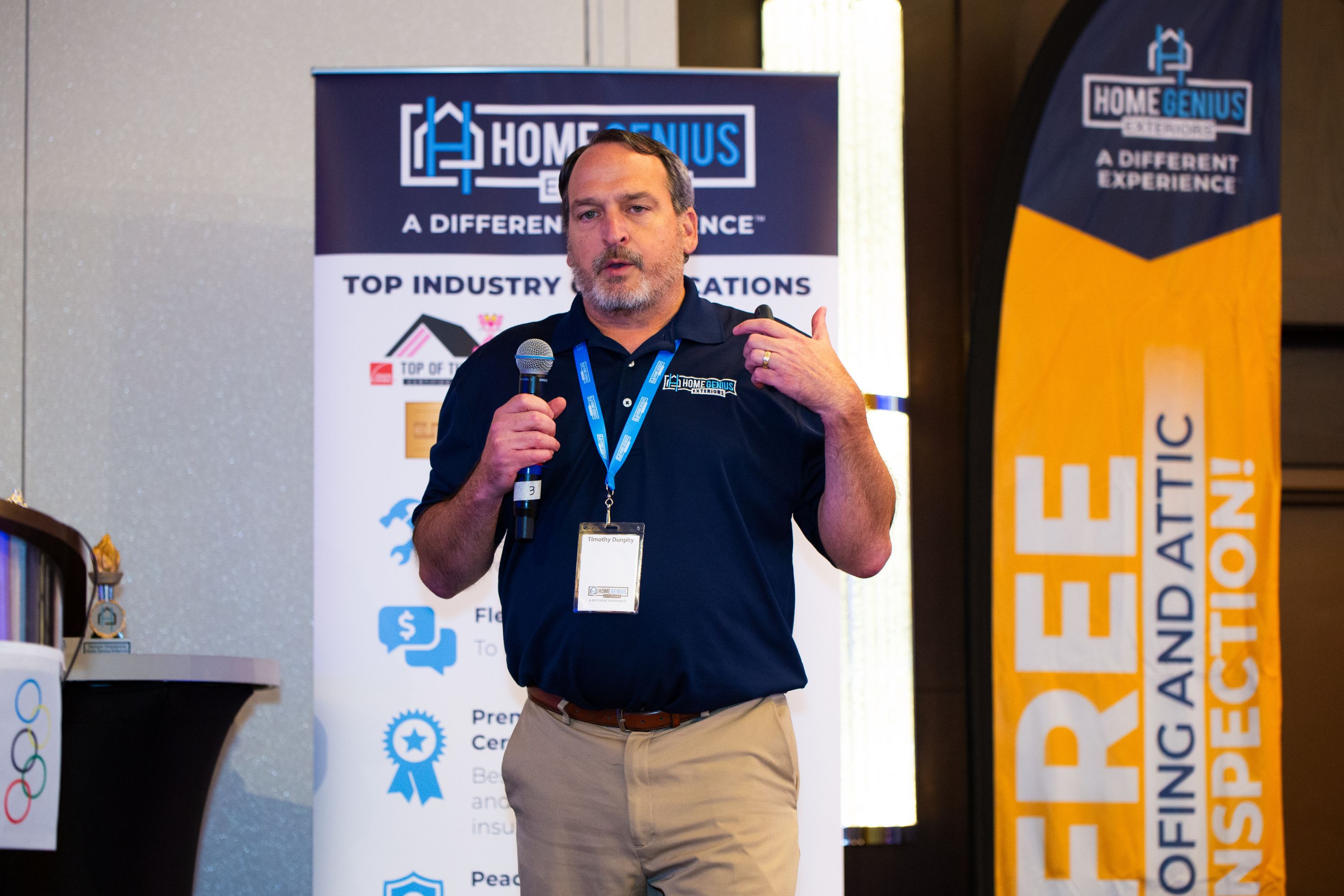
Tim Dunphy, Chief Growth Officer at Home Genius Exteriors.
Dunphy explained that Home Genius Exteriors approached the challenge by treating every person who interacts with the customer as part of the same team. The marketer who creates the first connection, the call center agent who speaks with the homeowner, the remodeling expert who visits the home, the project coordinator who helps move the job forward, the project manager who guides the work, and the crew that completes the installation all share responsibility for delivering the same promise.
That belief also helped explain what Cummings observed during the past Q4 Launch. Employees were not only celebrating individual wins. They were cheering for one another and talking about the team, the culture, and the shared mission behind the company’s growth.
Power100 attended the event to better understand the connection between leadership, culture, growth, and the homeowner experience. Power100 is the only unbiased third-party platform that recognizes and elevates the top leaders and most impactful companies in the home improvement industry.
Through his conversation with Dunphy, Greg Cummings found a lesson that extends beyond a single event. Growth becomes much harder to protect when departments begin working for themselves. It becomes stronger when each person understands that the homeowner experience belongs to the whole company.
The Q4 Launch was a past milestone, but Dunphy’s message still carries value today. As Home Genius Exteriors continues serving homeowners across different markets, the same challenge remains. More growth means more people touching each project. That makes shared ownership, clear communication, and one customer promise even more important.
Tim Dunphy’s rapid-fire conversation with Greg Cummings moved beyond growth numbers to how Home Genius Exteriors operates behind the scenes. Dunphy described a company where the homeowner experience does not belong to any one salesperson, manager, or installation crew. It belongs to everyone who touches the project.
That idea shaped the strongest lessons from the conversation. From the company’s original purpose to its training, communication, sales success, and future growth, Dunphy kept returning to the same point. Strong results become easier to protect when everyone understands they are carrying the same promise to the homeowner.
Dunphy traced the company’s customer focus back to its earliest days. According to him, the goal was not simply to build another home improvement business. It was to create a better experience for homeowners who may have been disappointed by other contractors.
“It was about delivering a different experience to the homeowner and not letting them have letdowns like they can get with other contractors,” Dunphy said.
That purpose mattered because growth can quickly change a company. More employees, more markets, and more projects can make it harder to protect the values that existed when the business was smaller. Dunphy said the original passion had remained part of the company as it grew.
“That passion started from the beginning, and it still goes through today,” Dunphy said.
For him, the real test was whether that purpose could survive the full customer journey. Winning the sale was only the beginning. The homeowner still had to feel cared for during scheduling, planning, installation, and project completion.
That gives the company a clear standard. A homeowner looking for a roof replacement contractor may first compare products and prices, but the full experience depends on how well the contractor performs after the agreement is signed.
When Cummings asked how the company maintained strong communication between sales and installation, Dunphy answered with three simple words.
“It’s one team,” Dunphy said.
He then explained what that means in practice.
A homeowner may first encounter the company when someone knocks on the door. Another homeowner may begin by calling the call center. From there, a home remodeling expert may visit the property. A project coordinator becomes involved. Then a project manager and installation crew help carry the work forward.
Each person has a different role, but Dunphy said the customer should never become someone else’s problem.
“Each person is connected and on the same mission,” Dunphy said.
That shared ownership changes how success is measured. A salesperson can perform well, but the homeowner can still have a poor experience if the project breaks down later. An installation crew can do strong work, but weak communication before installation can still damage trust.
Dunphy made the point clear.
“It’s not one person along the way that succeeds, it’s the whole team that succeeds with the project and delivering that promise to the customer,” he said.
For homeowners, this kind of shared ownership matters. The project may pass through several hands, but the homeowner should still feel that one company remains responsible from beginning to end.
Learn more about Home Genius Exteriors siding services and request an inspection for your home.
Cummings pointed to something he had noticed while speaking with salespeople at the Q4 Launch. He said he was not hearing complaints about installation or communication.
That raised an important question.
What happens after the salesperson leaves?
Dunphy’s answer showed why communication had to move with the project. What a homeowner tells the first person still matters to the people who become involved later. The expectations set during the sales process must be communicated to the project coordinator. The project manager needs to understand those expectations. The installation crew needs the right information to carry out the work.
When that chain works, the homeowner does not have to keep starting over.
It also helps the salesperson trust the rest of the company. Instead of becoming the person who must solve every issue after the sale, the salesperson can depend on the next team member to carry the project forward.
That is where internal communication becomes customer care.
Homeowners often want simple answers. Who is handling my project? What happens next? Does the next person know what I already discussed? Will someone respond if something changes?
For someone considering a free exterior inspection, confidence often begins with knowing that information will not disappear as the project moves from one person to another.
Request a free inspection and speak with Home Genius Exteriors about the next steps for your home.
Dunphy credited the founders, executive team, and company leaders for creating a culture that made collaboration easier.
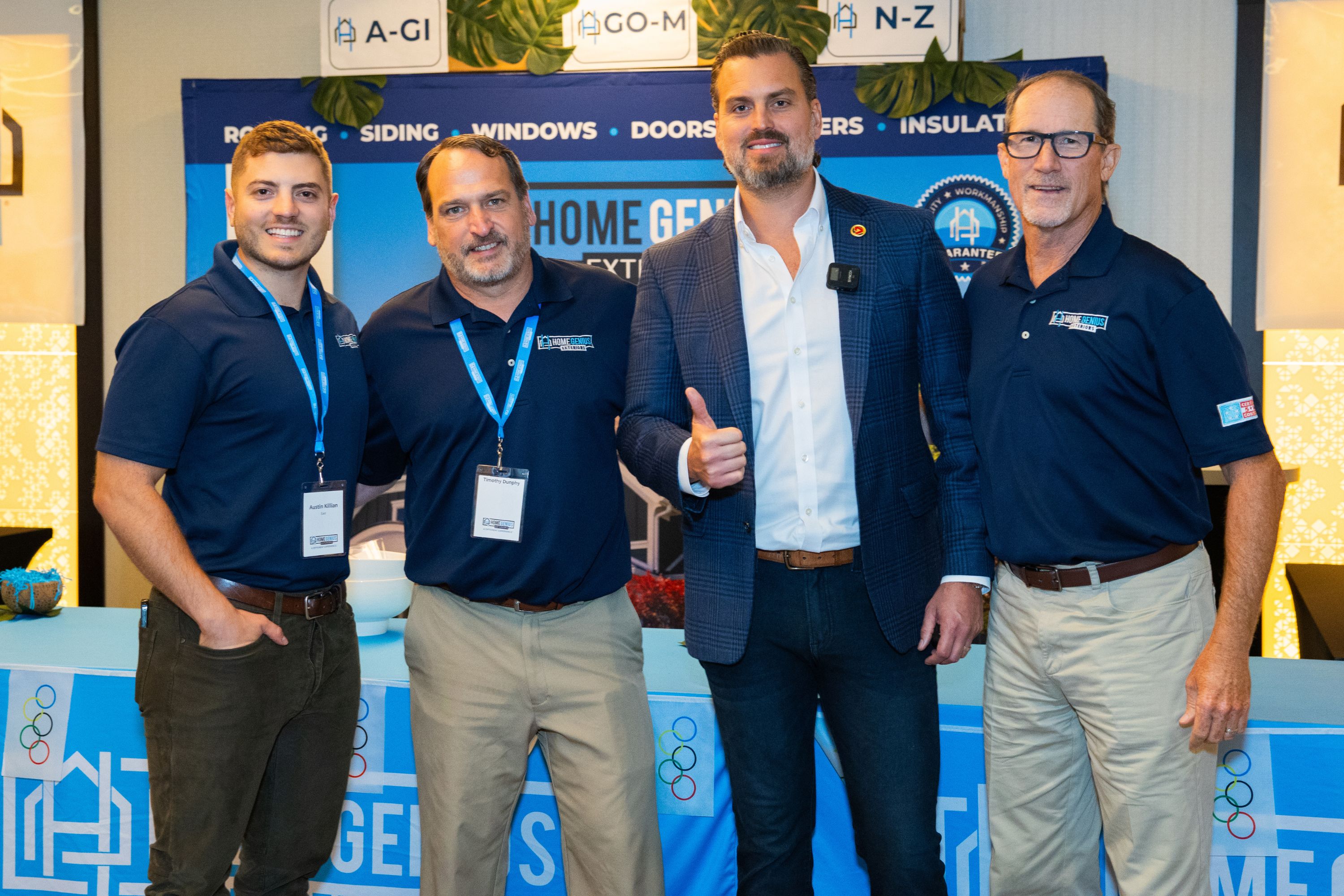
Greg Cummings (2nd from the right), CEO of Power100 with Home Genius Executive leadership at the HGE Q4 Launch
“The team, the executive team, the founders, the leaders, the culture that they’ve built makes it easy to collaborate with them,” Dunphy said.
His point was not simply that employees got along.
The larger value came from having a clear cause that people could understand and support. When leaders kept the homeowner at the center, different teams had a common reason to work together.
Dunphy said that shared purpose even made his own role as Chief Growth Officer easier.
“The leaders establish that, and they lead by that, and then it’s so easy to rally the teams to the central cause,” he said.
Cummings noticed the result during the event. He pointed out how often employees cheered for one another.
Dunphy saw that support as proof that people were not treating success as an individual prize.
“It’s a journey where we all win and we all celebrate,” Dunphy said.
The culture, therefore, became useful because it shaped behaviour. Employees were encouraged to think about the larger project, the larger team, and the larger promise rather than only their own part.
For Home Genius Exteriors, that culture can matter because the homeowner experience is often shaped by how well employees work together when no customer is watching.
The conversation then shifted from homeowners to people considering a career with the company.
Cummings asked Dunphy what promise he could make to someone thinking about joining the team.
Dunphy answered directly.
“The opportunity is endless,” he said.
But he did not describe that opportunity as automatic.
Dunphy said Home Genius Exteriors looks for people with strong character who are willing to work, learn, and keep improving. Ambition matters, but so does the effort behind it.
He also described the support employees can receive along the way.
“There’s always opportunities, there’s always mentors, there’s always training, there’s always someone to support you,” Dunphy said.
That gives his employment message more weight. The company was not only asking people to perform. Dunphy described an environment built to help motivated employees become better at what they do.
Training and mentorship can also matter to homeowners.
A company may offer energy-efficient window replacement, roofing, siding, or other exterior work, but the customer experience still depends on whether the people explaining and managing those services know what they are doing.
When employees are trained and supported, homeowners are more likely to receive clear answers and stronger project care.
Near the end of the conversation, Cummings asked Dunphy how many salespeople were projected to finish the year with more than $2 million in sales.
Dunphy believed the number could become very large.
“I would not be surprised if we get 70 over that mark,” he said.
He was careful not to present that figure as a finished result. He said the final number could be closer to 50, but the performance and energy he had seen made him believe the team could outperform expectations.
“They blow me away every single time,” Dunphy said.
That distinction matters.
The figure was a projection made during the past Q4 Launch, not a verified final count. But it still showed how much confidence Dunphy had in the sales team.
The number also becomes more useful when viewed beside the rest of his interview.
Before discussing sales production, Dunphy had already addressed leadership, training, mentors, culture, communication, and shared purpose. That means the story is not only about individual sales talent. It is about the environment surrounding high performers.
Large sales totals alone do not guarantee a strong homeowner experience. Dunphy’s broader message was that performance must remain aligned with the same customer promise that guides the rest of the company.
That balance also matters to homeowners searching for Home Genius Exteriors locations. A growing company can bring more salespeople and more resources into new markets, but the value of that growth still depends on whether each local team can carry the same standard from the first conversation through project completion.
Find a Home Genius Exteriors location and connect with the team serving your community.
When Greg Cummings asked Tim Dunphy what he credited the company’s success to, Dunphy did not point to one sales team, one leader, or one system. He pointed to the people around him.
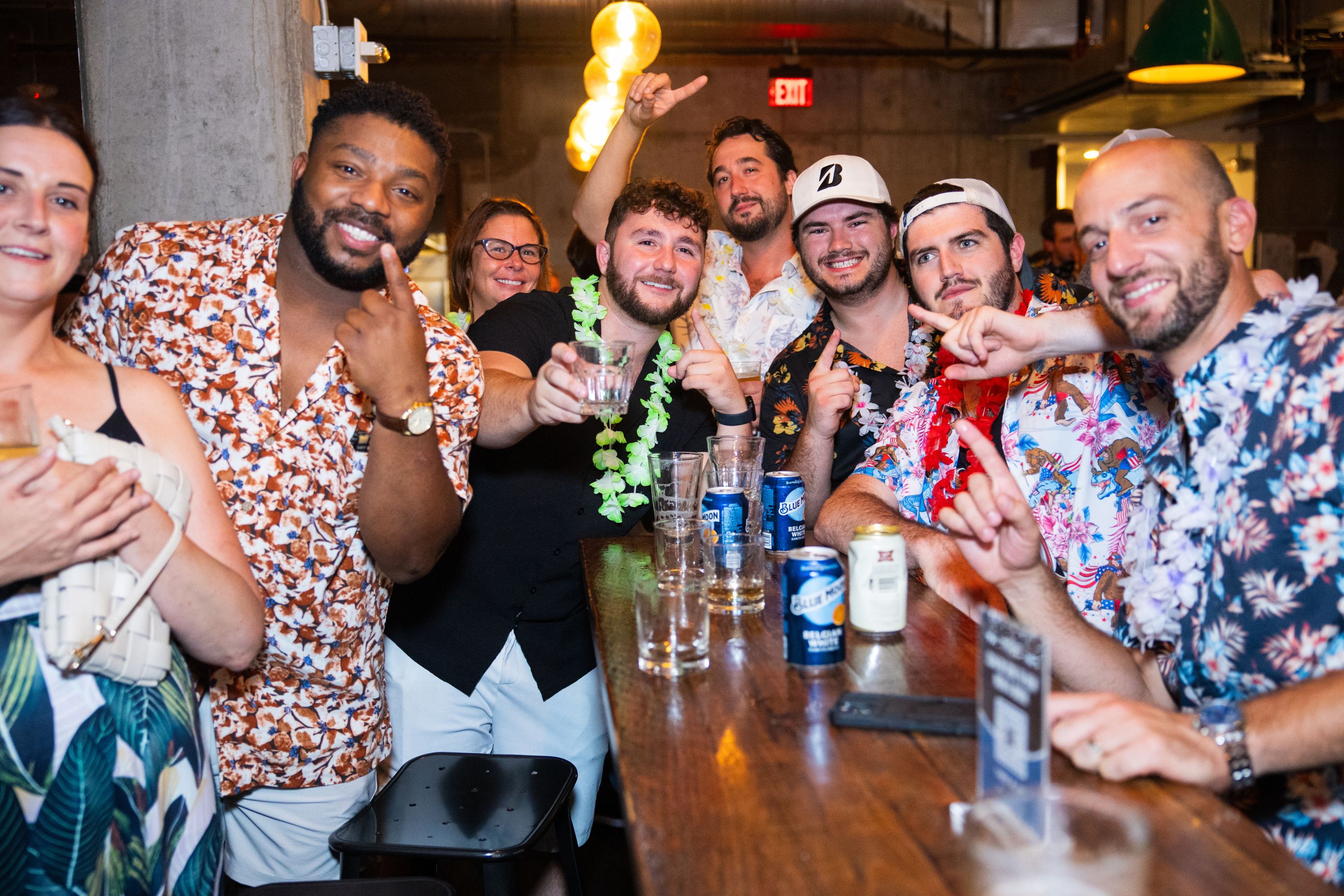
Home Genius Team Fun Moments at the Q4 Launch
The team.
The founders.
The leaders.
The culture.
Those pieces mattered because they were tied to the same purpose. Dunphy described a company built around giving homeowners a better contractor experience and carrying that promise from the first conversation through to the end of the project.
As Home Genius Exteriors grew, that promise had to move through more hands. More people meant more chances to strengthen the homeowner experience, but also more chances for a missed message or broken handoff. That is why Dunphy kept returning to one idea.
“It’s one team,” he said.
For the homeowner, that may be the most important lesson from the conversation.
A homeowner does not want to hear that a problem belongs to sales, operations, installation, marketing, or another department. They want the company they hired to take ownership of the project and keep the experience moving forward.
The homeowner may meet many people during a remodeling project, but they should never feel like they are dealing with separate companies.
Cummings saw that shared mindset during the Q4 Launch.
“You guys are so unified in your mission, your message,” he told Dunphy.
That unity matters even more as a company grows. New markets, more employees, larger sales teams, and more projects can all create new pressure. The original promise survives only when everyone still understands who the work is for and what the team owes the customer.
That is the wider lesson from Dunphy’s interview. Growth becomes safer when every department understands that the homeowner experience belongs to everyone.
For Tim Dunphy, the strength of Home Genius Exteriors was never one salesperson, one department, or one leader. It was one team carrying the same promise from the first homeowner conversation to the final day of the project.
Power100 does more than publish a numbered list. Its platform also publishes original journalism, feature interviews, expert insights, and company stories that provide readers with more context on how leaders run their businesses. The ranking system looks at growth, customer sentiment, company culture, community impact, and partner relationships, while the reporting helps readers see the decisions and leadership ideas behind those results.
For a homeowner, that added context can help answer a bigger question than who is growing fastest. It can help show how a company thinks about its people, customers, and long-term responsibility.
Yes. Power100 measures growth against industry benchmarks rather than rewarding raw company size alone. Its system also studies community impact and company culture, including team health, hiring philosophy, and employee development. That means a smaller contractor can still stand out through strong leadership, healthy growth, customer trust, and the way it treats its people.
The goal is not simply to reward the biggest company. It is to study how well a leader is building the business behind the numbers.
Home Genius Exteriors lists separate support channels for customer care, sales follow-up, and warranty questions. Its customer care representatives are available to help homeowners with general project needs, while the sales team handles questions about estimates and next steps. Existing customers also have a separate point of contact for warranty coverage questions.
That structure supports Tim Dunphy’s point that the homeowner experience should not depend on one salesperson staying involved forever. Different people may take responsibility at different stages, but the company must remain available to the homeowner.
Home Genius Exteriors uses a dedicated Project Coordinator as part of its installation process. On its service pages, the company says the coordinator reaches out to answer questions, introduces the homeowner to the assigned installation team, and helps the project run smoothly from start to finish.
That directly connects with Dunphy’s “one team” message. A homeowner may meet several people, but the goal is to keep those handoffs organized rather than asking the customer to manage each part on their own.
Home Genius Exteriors handles several major steps around the project, including inspections, installation scheduling, materials, and customer care. Its main website also offers roofing, siding, windows, doors, insulation, and gutters, as well as financing and warranty coverage.
The value of that model is that the homeowner can work with one exterior remodeling company instead of trying to coordinate several separate businesses for different parts of the home.
Homeowners should look at training, certifications, product knowledge, warranties, communication, and how the company handles the project after the contract is signed. Home Genius Exteriors currently lists certifications, including Owens Corning Platinum Preferred Contractor, James Hardie Elite Preferred Contractor, CertainTeed 5 Star Contractor, and other industry credentials. The company says the training connected with these certifications supports product knowledge and installation quality.
That fits the main lesson from Tim Dunphy’s interview. The sales conversation matters, but the homeowner still needs the rest of the team to deliver what was promised.
Home Genius Exteriors presents training and ongoing support as part of both its career model and its contractor certifications. Current job information promotes ongoing training and team support, while the company says certification training helps build stronger craftsmanship and product knowledge.
That matters because a “one team” approach only works when the people taking over the project know how to perform their role. Training helps make the handoff from sales to coordination, management, and installation more useful to the homeowner.
No. Sales production alone does not prove that a homeowner will receive good service. Tim Dunphy’s larger point during the Q4 Launch was that strong performance only works when it is supported by communication, training, leadership, and shared ownership of the customer promise.
Home Genius Exteriors currently describes a process that includes project coordination, customer care, installation support, and warranty-backed services. Those systems are more relevant to the homeowner experience than a sales number by itself.
That is also why Dunphy’s projected number of high-producing salespeople should be understood in context. The important question is not only how much a salesperson can sell. It is whether the full team can carry the homeowner promise through the rest of the project.
Power100 is the only unbiased third-party platform that recognizes and elevates the top leaders and most impactful companies in the home improvement industry. Led by Greg Cummings, Power100 uses rankings, interviews, event coverage, and industry reporting to give greater visibility to the leaders and companies raising standards across home improvement. Its mission is to help homeowners, contractors, partners, and industry professionals better understand the leadership, culture, customer care, and business practices behind the companies shaping the industry.
Membership unlocks every Power100 interview, PowerChat episode, and expert playbook - free for industry leaders.
Power100 is the nation's premier CEO ranking and media platform for the home improvement industry. Using a proprietary 5-layer evaluation system, Power100 identifies and celebrates the top CEOs, companies, and strategic partners driving innovation, customer satisfaction, and leadership excellence across the country.