Homeowners are not watching, searching, or choosing companies the same way they used to. They move across smart TVs, streaming apps, search, social media, websites, digital audio, and other channels before they ever call a contractor. For home improvement leaders, this means the old way of waiting for the customer to show up is no longer enough. Companies must understand where homeowners spend time, what information they need, and how they want to be reached.
In a featured PowerChat interview, Greg Cummings, CEO of Power100, spoke with Dave Marcy, Entrepreneur and Co-Founder of Awestruck Streaming, about this major shift in customer behavior. Greg framed the change with a clear message for contractors: “We need to meet them where they are with how they wanna be met, with the style and the information.” That idea sits at the center of this press release. The customer is changing, and the best contractors must change with them.
Power100 brought this conversation forward because home improvement leaders need practical insight on how the market is moving and how to serve homeowners with more care. Power100 is the only unbiased third-party platform that recognizes and elevates the top leaders and most impactful companies in the home improvement industry. Through PowerChat, Greg creates space for real conversations with leaders and experts who help contractors see what is changing before it becomes too late to adapt.
Dave Marcy’s role in the conversation gives contractors a clear way to act on Greg’s point. As a marketing expert with deep experience in traditional TV, digital media, OTT, and connected TV, Marcy explains why modern advertising is no longer about chasing the biggest platform. It is about understanding the person behind the screen. That is where OTT advertising for contractors and remodelers becomes more than a media choice. It becomes a way to reach real homeowners based on how they now watch, search, and make decisions.
Greg also made the larger business message clear. “The customer is truly changing, right? Just like the market, your landscape is changing,” he said. “Everything is changing right now. It is such a fun time to be alive in business because there’s an opportunity for people to really gain ground, really serve at a higher efficiency.”
That is the heart of this PowerChat. The change in homeowner behavior is not only a challenge. It is also an opening. Contractors who understand the new customer journey can build stronger trust, waste less spend, and create a better path from first touch to final decision.
The home improvement market is not changing on its own. The customer is driving the change.
That was one of the strongest ideas Greg Cummings brought into his PowerChat interview with Dave Marcy. Homeowners are no longer following one simple path. They may see a brand on a smart TV, search for it later, check reviews, visit a website, talk with family, watch more content, and only then reach out to a contractor. The buying journey is wider, slower, and more personal than it used to be.
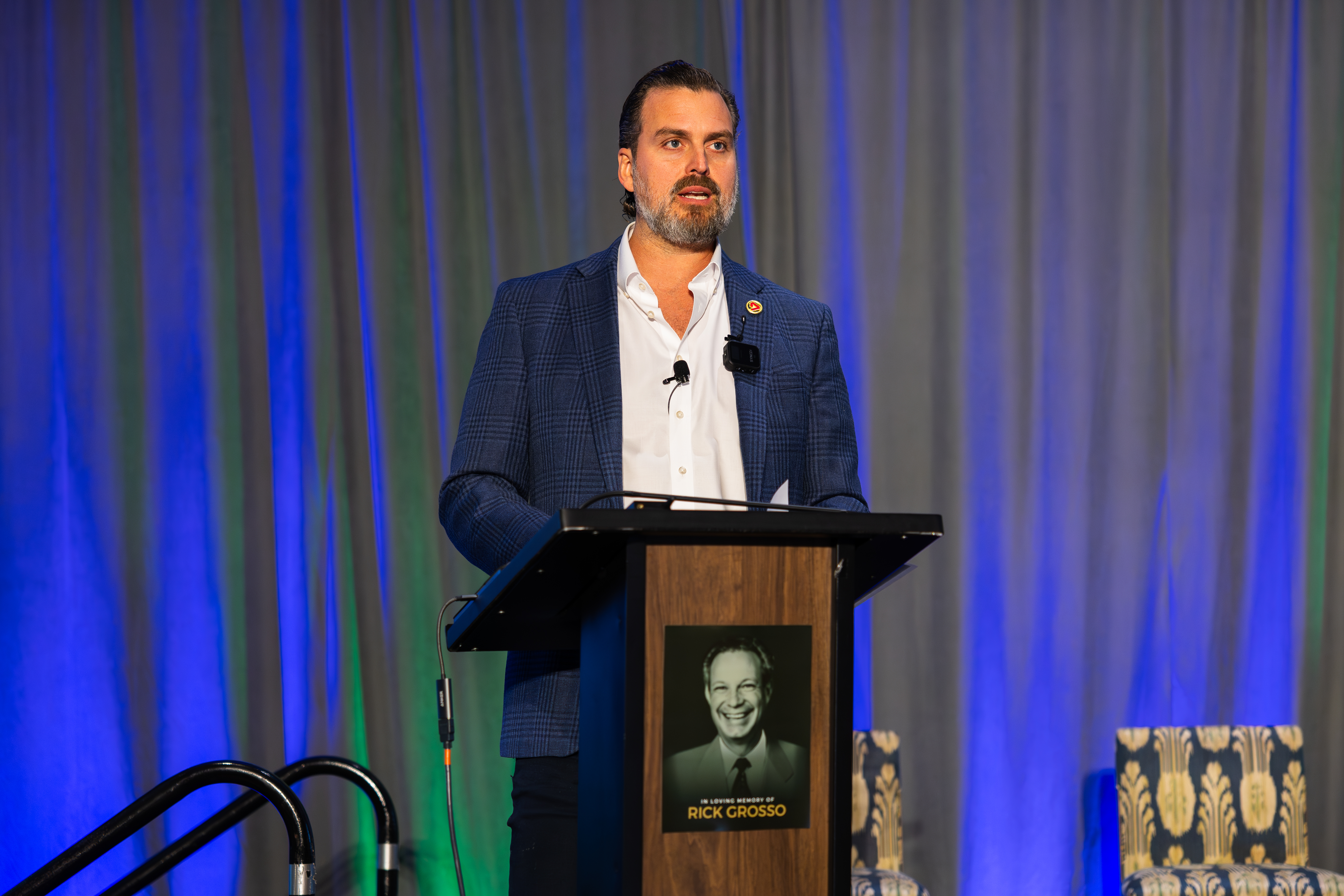
Greg Cummings, CEO of Power100
For contractors, that means marketing can no longer be built only around where an ad is placed. It must be built around how the homeowner thinks, watches, learns, and decides.
Dave Marcy supported that point by showing how streaming and audience based media help companies follow the customer journey with more care. Instead of forcing the old TV model onto a new buyer, contractors can now use smarter tools to understand the right audience and meet them across the places they already spend attention.
That matters for roofing companies, window companies, bath remodelers, siding companies, and home service brands that are trying to grow in a more complex market. The goal is not just to be seen. The goal is to be useful, timely, and clear when the homeowner is ready to listen.
Greg’s message gives this press release its leadership focus. Meeting homeowners where they are is not just a marketing move. It is a service move. When contractors understand what today’s customer needs, they can speak with more trust, share better information, and create a smoother path for the homeowner.
For companies trying to gain ground, that shift matters. The next stage of contractor marketing will not be led by those who hold on to old habits. It will be led by those who listen to the customer, adapt early, and build their message around the way people live now.
Greg made it clear that the market is changing because the customer is changing. Homeowners now gather information in many places before they ever speak to a company. They watch, search, compare, read reviews, and move across different screens and platforms as they make a decision.
“The customer is truly changing, right? Just like the market, your landscape is changing,” said Greg Cummings, CEO of Power100.
That point matters because many contractors are still trying to reach today’s customer with yesterday’s habits. They may depend on one channel, one message, or one old sales path. But the modern homeowner does not move in a straight line. They may see a brand one day, search it later, compare it with other companies, then return when the need becomes stronger.
For home improvement leaders, this is a call to pay closer attention. The customer is not just reacting to the market. The customer is shaping it. Contractors who understand that early can make smarter choices with their message, their marketing, and their sales process.
Dave Marcy’s insight supports this shift because his work focuses on reaching the right person based on how that person consumes media. In that sense, data driven streaming ad targeting becomes a way to understand the customer better, not just place more ads.
Greg’s main message was simple. Contractors must meet customers where they are. That means understanding how people spend attention today. Homeowners may use smart TVs, streaming platforms, search, social media, websites, mobile devices, and digital audio before they decide who to trust.
“We need to meet them where they are with how they wanna be met, with the style and the information,” said Cummings.
That line gives contractors a clear path. The goal is not to force homeowners into old channels. The goal is to show up in the places they already use and trust. That may mean being present on streaming screens, digital platforms, audio channels, or search touchpoints as the buyer learns more.
Dave explained why this is possible in the OTT landscape. Instead of buying based only on a channel or show, companies can buy based on audience and follow that audience wherever they consume media. That gives contractors a smarter way to stay visible without guessing where the customer might be.
For roofing companies, window companies, bath remodelers, siding companies, and home service brands, this is where programmatic OTT advertising services can help support the full path. The ad is no longer tied only to one place. It can be built around the homeowner and the journey that homeowner is already taking.
Greg did not only talk about where contractors should reach homeowners. He also talked about the style and information the customer wants. That is an important part of the conversation because placement alone is not enough. A contractor can be in the right place and still miss the customer if the message does not fit the moment.
Today’s homeowners often want clear answers before they make a call. They want proof. They want simple information. They want to know if a company can be trusted. They may want to see reviews, understand the process, compare options, and feel safe before taking the next step.
That means contractors must move beyond broad claims and speak in a way that helps. A message that worked in the past may not work the same way with a customer who has more information, more choices, and more ways to compare companies.
This is why streaming advertising agency focused on ROI should not only mean tracking numbers. It should also mean helping the brand say the right thing to the right person at the right stage. If a homeowner is early in the journey, they may need education. If they are closer to action, they may need proof and trust. The message should match the need.
For contractors, this is a service lesson as much as a marketing lesson. Better communication helps homeowners feel more informed. When people feel informed, they are more likely to trust the company guiding them.
Greg described this moment as a chance for companies to gain ground and serve at a higher level. That is an important point because changing customer behavior does not have to be viewed as a threat. It can be an advantage for companies willing to adapt.
“Everything is changing right now. It is such a fun time to be alive in business because there’s an opportunity for people to really gain ground, really serve at a higher efficiency,” said Cummings.
Dave’s work helps explain how that higher efficiency can happen. When contractors understand more about the homes, households, locations, and behaviors they want to reach, they can build campaigns with more care. They do not have to waste as much money speaking to people who are not a fit.
That is where CTV advertising with conversion tracking can support better decisions. Contractors can begin to see more of what happens after a household sees a message. They can look for signs of interest, website visits, and movement through the customer journey. That does not mean one ad deserves all the credit. It means the business can understand the path more clearly.
Better targeting can also help the homeowner. When the message fits the need, the homeowner does not feel like they are being chased by random ads. They are more likely to receive useful information at the right time. That creates a smoother path for both the customer and the contractor.
One of the clearest lessons from the PowerChat is that the old marketing playbook cannot carry the full weight of the new customer journey. Homeowners now move through many touchpoints before they choose a contractor. They may see a brand on a screen, hear it later, search online, read reviews, visit a website, and talk with family before reaching out.
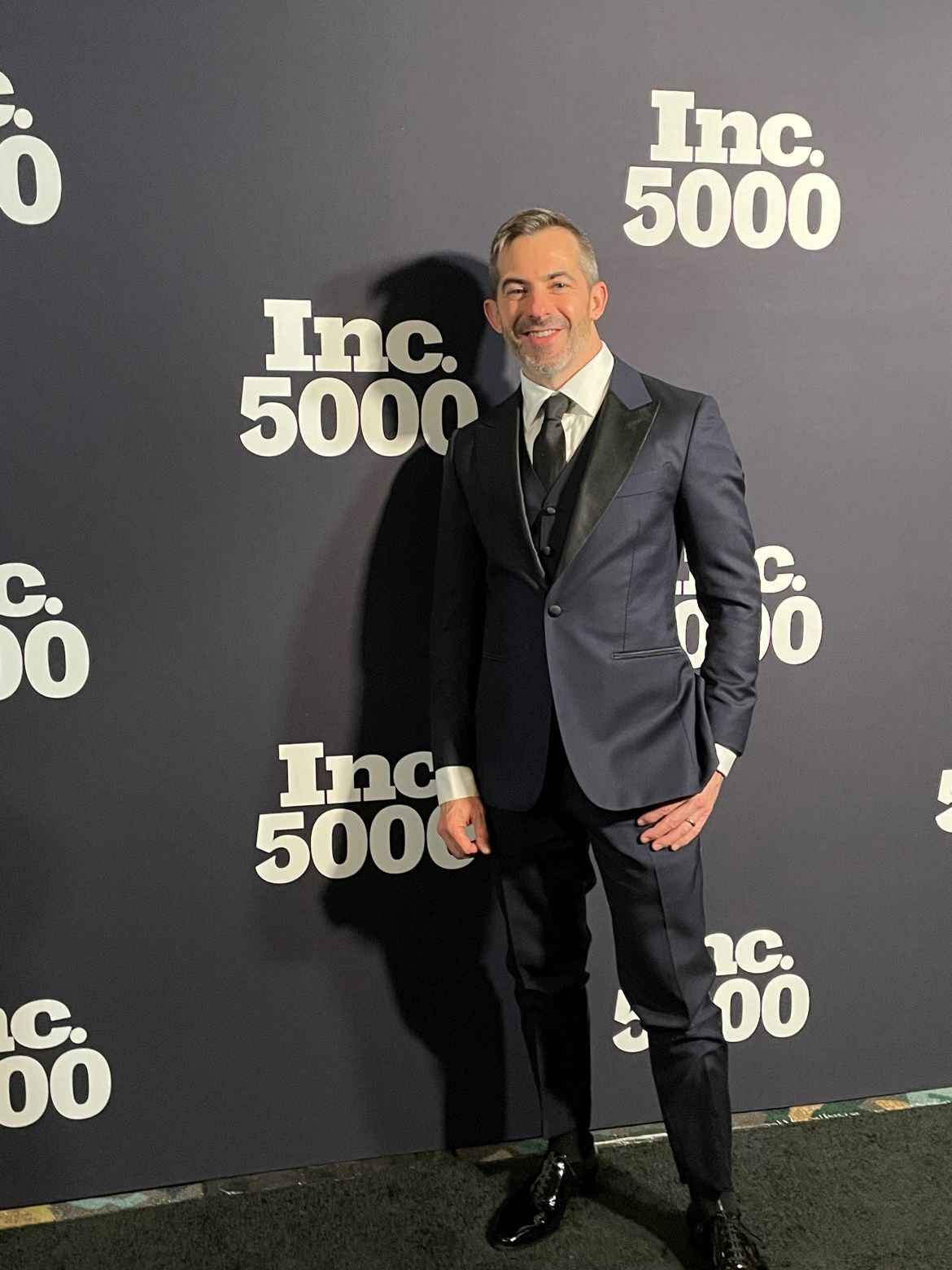
Dave Marcy at the Inc. Magazine 5000 Conference and Gala
Dave made it clear that no single channel should take full credit for a lead. Marketing works together across the full journey. One touchpoint may build awareness. Another may create trust. Another may lead the customer to search. Another may help them finally take action.
That matters because many contractors have been taught to judge channels in isolation. They ask which platform made the phone ring. But the better question is how the full journey helped the homeowner move closer to a decision.
This is where OTT campaign reporting and analytics can help leaders see more of the story. The goal is not to create a fight between channels. The goal is to understand how each part of the plan supports the customer path.
Greg’s larger point fits here perfectly. If the customer journey has changed, the way contractors measure and support that journey must change too. The companies that keep thinking only in single channels may miss the larger truth of how homeowners now decide.
Greg’s tone during the conversation was hopeful. He did not speak about change as something contractors should fear. He spoke about it as a chance to grow. That mindset matters because many leaders feel pressure when the market shifts. Greg framed the shift as an opening for those willing to move.
Dave’s own career reflects that same idea. He came from traditional television, moved into digital media, then built around OTT and streaming as customer habits changed. He did not defend the old model just because it was familiar. He watched the market, listened to the customer, and adapted.
That gives contractors a strong leadership lesson. The companies that adapt early often build trust before others even see the change. They learn faster. They test better. They listen more closely. They meet the customer where the customer already is.
For home improvement companies, that may mean using OTT advertising with measurable results as part of a larger plan to reach homeowners with more care. It may mean improving the message. It may mean looking at the full customer path instead of only the final lead source. It may mean choosing partners who help the company understand the buyer, not just buy media.
The future of contractor growth will not belong only to the loudest brands. It will belong to the brands that pay attention, adapt with purpose, and serve the homeowner in the way the homeowner now wants to be served.
Greg Cummings and Dave Marcy used this PowerChat to give contractors a clear look at the future of marketing. The message was not complex. The customer has changed. The path to trust has changed. The places where homeowners spend attention have changed.
For contractors, that means the work must change too.
The companies that grow in this next market will be the ones that listen closely, show up where homeowners already are, share information in the way customers want to receive it, and build campaigns around real behavior instead of old habits. That is how leaders can turn a changing market into a real chance to gain ground.
Greg Cummings’ message in this PowerChat was bigger than marketing. It was about leadership. The customer is changing, and that means contractors must pay closer attention to how homeowners now think, watch, search, learn, and choose.
For home improvement leaders, this change does not have to feel like a threat. It can be a real chance to grow with more care. When a company understands the homeowner better, it can build stronger campaigns, share clearer information, and create a better path for people who are trying to make an important decision about their home.
Dave Marcy’s insights helped show how that idea can work in real life. Modern tools like streaming, connected TV, and audience based targeting can help contractors reach people in the places they already spend attention. But the deeper lesson is not about the tool itself. It is about using the tool with purpose.
The next era of contractor growth will not be won by companies that hold on to old habits. It will be won by the companies that listen first, adapt early, and meet homeowners in a way that feels helpful, clear, and trusted.
That is the heart of Greg’s perspective. The customer is changing, and the best contractors will change with them.
Power100 covers this topic because rankings alone do not help contractors understand what is changing in the market. The platform also publishes leadership stories, PowerChat interviews, expert insight, and industry news that help home improvement leaders make better decisions. This conversation with Greg Cummings and Dave Marcy matters because it explains why contractors must pay attention to how homeowners now watch, search, compare, and choose.
Inner Circle gives contractors access to more PowerChat episodes, expert interviews, and industry insight in one place. That matters because a single article can start the conversation, but ongoing learning helps leaders apply the ideas inside their own company. For this PowerChat, the value is clear: contractors can learn how changing customer behavior affects marketing, sales, trust, and growth.
No. The bigger point is not to buy more ads. The point is to understand how homeowners now make decisions. A homeowner may see a brand on a smart TV, search online later, read reviews, visit a website, and then call. Streaming ads for home improvement companies can help when they are part of a clear plan that serves the customer journey, not when they are used as a quick fix.
Yes. Referrals still matter. But many referred homeowners still go online before they call. They may search the company, check reviews, visit the website, or compare options. This is why contractors need to show up well across the places homeowners already use. A strong reputation gets even stronger when the digital experience supports the trust people already heard about.
Awestruck Streaming says its model is audience first and content agnostic. That means campaigns are not forced into one show, one app, or one media deal. The goal is to follow the audience based on real media choices. For contractors, that can make OTT advertising for contractors and remodelers more useful because the campaign is built around the homeowner, not just the content source.
No. Contractors do not need to chase every channel. They need to know where the right homeowner is most likely to spend attention. A smart plan may include connected TV, streaming audio, display, search, or other channels, but each one should have a reason. The goal is not to be everywhere. The goal is to be present where the message can help the homeowner move forward.
No. Connected TV advertising agency for businesses support can help local and regional contractors when the campaign is built around the right service area, audience, and goal. A smaller contractor should not copy a national brand’s plan. The stronger move is to define the right homeowner, choose the right market, and use the right message with care.
Audience data can help contractors understand what kind of homeowner they are trying to reach and what information may help that person make a better decision. Awestruck Streaming describes targeting options tied to location, demographics, lifestyle, financial profile, web activity, and real life actions. When used well, data driven streaming ad targeting can help contractors reduce waste, speak more clearly, and meet homeowners with information that fits their needs.
Power100 is the only unbiased third-party platform that recognizes and elevates the top leaders and most impactful companies in the home improvement industry. Built to support the CEOs, companies, and partners helping move the industry forward, Power100 gives exterior remodeling leaders a trusted place for recognition, insight, and connection. Through PowerChat, Inner Circle, and leadership based media, Power100 helps contractors learn from proven voices, discover strong partners, and make better decisions for their company, their team, and the homeowners they serve.
Membership unlocks every Power100 interview, PowerChat episode, and expert playbook - free for industry leaders.
Power100 is the nation's premier CEO ranking and media platform for the home improvement industry. Using a proprietary 5-layer evaluation system, Power100 identifies and celebrates the top CEOs, companies, and strategic partners driving innovation, customer satisfaction, and leadership excellence across the country.