Growing home improvement companies need people who can learn fast, connect with homeowners, and grow as the business grows. Lifetime Home Remodeling has built its business around home improvement services, customer experience, and teams that represent the company in the communities it serves. During the 2026 GoPro Mountain Games in Vail, Colorado, Zachary Perry, Events & Retail Field Marketing at Lifetime Home Remodeling, gave a closer look at what attracted him to the company and what helps people grow once they join. For Zachary, the value was not only seeing an opportunity inside a home remodeling company in Colorado. It was seeing a place where his own effort could be met with training, support, new challenges, and room to develop.
Greg Cummings, CEO of Power100, used the rapid-fire conversation to explore what that opportunity looks like from the employee side. Power100 is the only unbiased third-party platform that recognizes and elevates the top leaders and most impactful companies in the home improvement industry.
Rather than stopping at the promise of growth, Greg asked what happens when someone enters the industry with little experience, how the company helps that person succeed, and how confidence in the company affects conversations with homeowners. Zachary’s answers showed that ambition matters, but ambition becomes far more useful when a company is prepared to train, guide, and stand behind the people it asks to represent the brand.
Opportunity is one of the easiest words to use when a company is hiring.
The harder question is what that opportunity feels like to the person walking through the door.
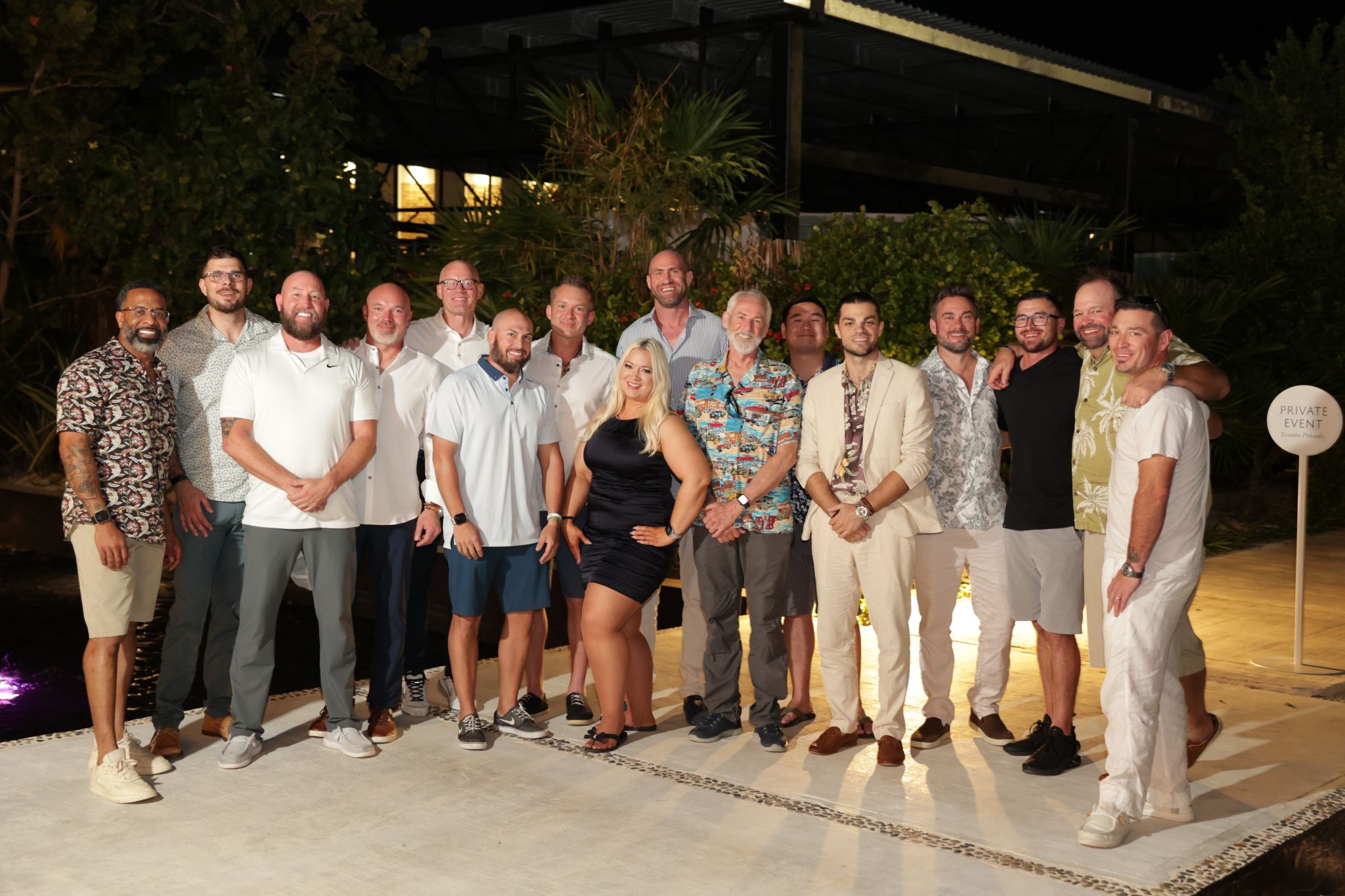
Every year, Lifetime Home Remodeling celebrates its top salespeople who go above and beyond
A growing home improvement business may tell someone there is room to move forward. But a new employee may still be wondering whether they have what it takes to get there.
Those questions matter because ambition alone does not teach someone a new job.
That is where Greg took his conversation with Zachary Perry at the GoPro Mountain Games.
When Greg asked what first attracted him to Lifetime, Zachary did not mention any short-term benefits. He talked about what the company could become and where he could fit inside that growth.
“I saw a company with a ton of potential growth and opportunity. I saw a company that caters to the consumer, and it’s the spot that I could grow into.” Zachary Perry, Events & Retail Field Marketing, Lifetime Home Remodeling
The phrase “grow into” is important.
Zachary was not saying he already knew everything the role would require.
He was saying he saw somewhere he could become more.
That is a different kind of career promise.
It gives an employee something to work toward instead of asking them to arrive already finished.
Greg then raised the concern that could stop people from making that move.
What about the person who likes the opportunity but has little experience?
What about someone who has the right attitude but still needs help learning the work?
Zachary’s answer was direct.
“We will train them. We’ll help them. Help them succeed.” Zachary Perry, Events & Retail Field Marketing, Lifetime Home Remodeling
That response shifts the story from hiring ambition to developing people.
A company can find driven employees, but it cannot expect drive to replace training.
It can ask for effort, but it also has to give people something useful in return.
Zachary made that relationship even clearer when he explained that support can grow with the effort a person puts in.
“We will match their personality, match the input that they’re willing to give out. They will receive that back.” Zachary Perry, Events & Retail Field Marketing, Lifetime Home Remodeling
For someone exploring home improvement field marketing careers, that distinction can matter.
The question is not only whether a company has room to grow.
It is whether the person entering that company will have the help needed to grow into that role.
That is what gives Zachary’s conversation its larger meaning.
The opportunity may have attracted him to Lifetime, but his experience shows that growth is much more believable when the company provides people with the training, support, and confidence to pursue it.
When Zachary Perry first looked at Lifetime Home Remodeling, he saw a company with room to grow. But Greg Cummings pushed the conversation past the promise of opportunity and into a harder question.
What happens after someone joins?
A person can have the right attitude and still need help. They can be hungry to succeed and still have things to learn. They may be entering field marketing for the first time. They may know very little about home improvement. They may even wonder whether they are ready for the role at all.
That is where Zachary’s answer became more important than the job offer itself.
“We will train them. We’ll help them. Help them succeed.” Zachary Perry, Events & Retail Field Marketing, Lifetime Home Remodeling
That answer makes growth feel less like a promise and more like a process.
Zachary had already explained why he joined the company.
“I saw a company with a ton of potential growth and opportunity. I saw a company that caters to the consumer, and it’s the spot that I could grow into.”
He was not only looking at what the role could give him that day. He was looking at what he could become if the company kept growing and he kept learning.
That is an important difference.
A company can tell someone there is room to grow. But if that person has no training, no support, and no one helping them improve, the opportunity can quickly feel far away.
Zachary describes a different relationship.
“We will match their personality, match the input that they’re willing to give out. They will receive that back.”
That idea puts responsibility on both sides.
The employee has to put in effort.
The employee has to bring the right attitude.
The employee has to be willing to learn.
But the company also has a role.
It has to teach.
It has to help.
It has to give the person a real chance to improve.
For people exploring home improvement careers, that can be an important part of deciding where to work. A job may offer growth, but the better question is whether the company provides the support people need to reach it.
Zachary’s comments also protect the idea of personal responsibility. He is not saying support replaces effort. He is saying support should meet effort.
That creates a simple leadership lesson.
Do not ask people to climb and then remove the ladder.
Give them somewhere to go, teach them how to move forward, and make sure their effort is met with real help.
That is when career growth becomes something an employee can believe in.
Learn more about Lifetime Home Remodeling and the company behind Zachary’s career experience.
Once Greg moved beyond training, he asked Zachary what still excited him about the job.
Zachary did not point to a specific title or a future promotion.
He talked about change.
“It’s an ever-growing market. It’s always an ever-changing work environment.”
That answer gives the conversation a different kind of career lesson.
Growth does not always happen because someone gets a new title.
Sometimes growth happens because the work keeps changing.
A new customer brings a new question.
A new event brings a different crowd.
A different homeowner may need a different kind of conversation.
A new challenge may force an employee to think in a new way.
For Zachary, that movement is part of what keeps the role interesting.
“There’s new challenges I get to face on every day.”
Greg connected with that point because a challenge can keep people engaged.
That matters in a field role.
The GoPro Mountain Games itself gave a clear example.
Zachary was not working in one fixed setting. He was surrounded by people, activity, questions, and new conversations. Each interaction could go in a different direction.
That kind of environment demands attention.
It asks the employee to listen.
It asks them to adjust.
It asks them to learn how to speak with different people in different ways.
For someone interested in field marketing jobs, that variety can be part of the work’s value.
Not everyone wants each day to look different.
Some people enjoy routine.
But for someone like Zachary, change can create energy.
It can also create growth.
Every new challenge can teach something.
Every new setting can build confidence.
Every new conversation can improve the way someone handles the next one.
That is why Zachary’s comments add another layer to career development.
A company can help someone grow through training.
But the work itself can also become a teacher.
The next challenge can reveal what the employee still needs to learn.
The next problem is to build a new skill.
The next conversation can make the person better prepared for the one after it.
Career growth, in that sense, does not wait for a promotion.
It can happen in the middle of the work.
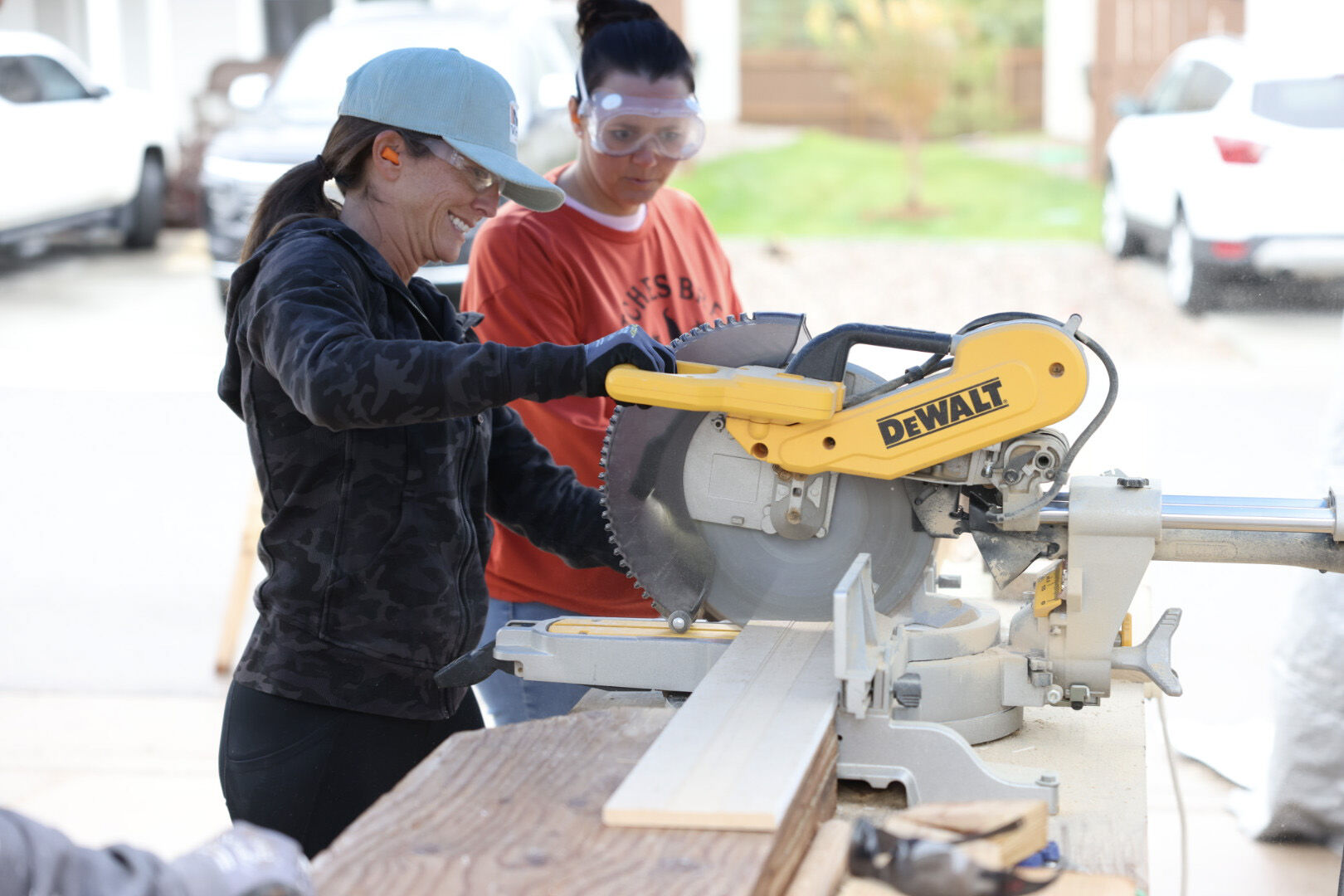
Lifetime Home joined Habitat for Humanity Vail Valley for Women Build at Stratton Flats
Greg then moved the interview from Zachary’s growth to the homeowner.
He asked how much confidence it gives Zachary to speak with people when he believes in the company, its service, and the quality of the work.
Zachary’s answer was immediate.
“An immense amount.”
That confidence matters because field marketing often happens before the homeowner has made a clear decision.
A person may only be curious.
They may have questions about a window project.
They may not understand what Lifetime offers.
They may not even know whether they are ready to move forward.
Zachary says that is when he can change the conversation.
“If people are unsure of what we do, I can just take it to an educational standpoint.”
That line is one of the strongest parts of the interview.
It shows that the first conversation does not always have to feel like a sales push.
It can begin with helping someone understand.
Education can make that first meeting feel more useful.
And Zachary says that having that conversation becomes easier because he trusts the company behind him.
“It’s always backed by such a strong company that I know it generally goes well.”
That is where employee confidence and customer experience meet.
Training can teach someone what to say.
Practice can help them become better at saying it.
But confidence also comes from knowing that the company will still be there after the field marketer walks away.
The appointment may be set by one person.
The project may later involve sales, products, installation, service, and support.
That means the first representative is carrying a promise that others within the company will eventually have to keep.
For a Colorado home remodeling company, that matters because trust can begin before the homeowner ever signs an agreement.
Zachary can feel more comfortable educating someone when he believes the rest of the company will support the customer after that first conversation.
That also brings his earlier comment about consumers back into focus.
“I saw a company that caters to the consumer.”
His own career growth and the homeowner experience are not separate stories.
He can become better because the company trains and supports him.
The homeowner can have a better first conversation because Zachary feels confident enough to explain rather than be pressured.
And the company can keep growing when employees and customers both feel supported.
That may be the strongest business lesson in the entire conversation.
Support does not stop with the employee.
When it works well, the customer can feel the result too.
Learn more about Lifetime Home Remodeling services and how the company works with homeowners.
At the GoPro Mountain Games, Zachary Perry was working in the kind of setting he says keeps him engaged.
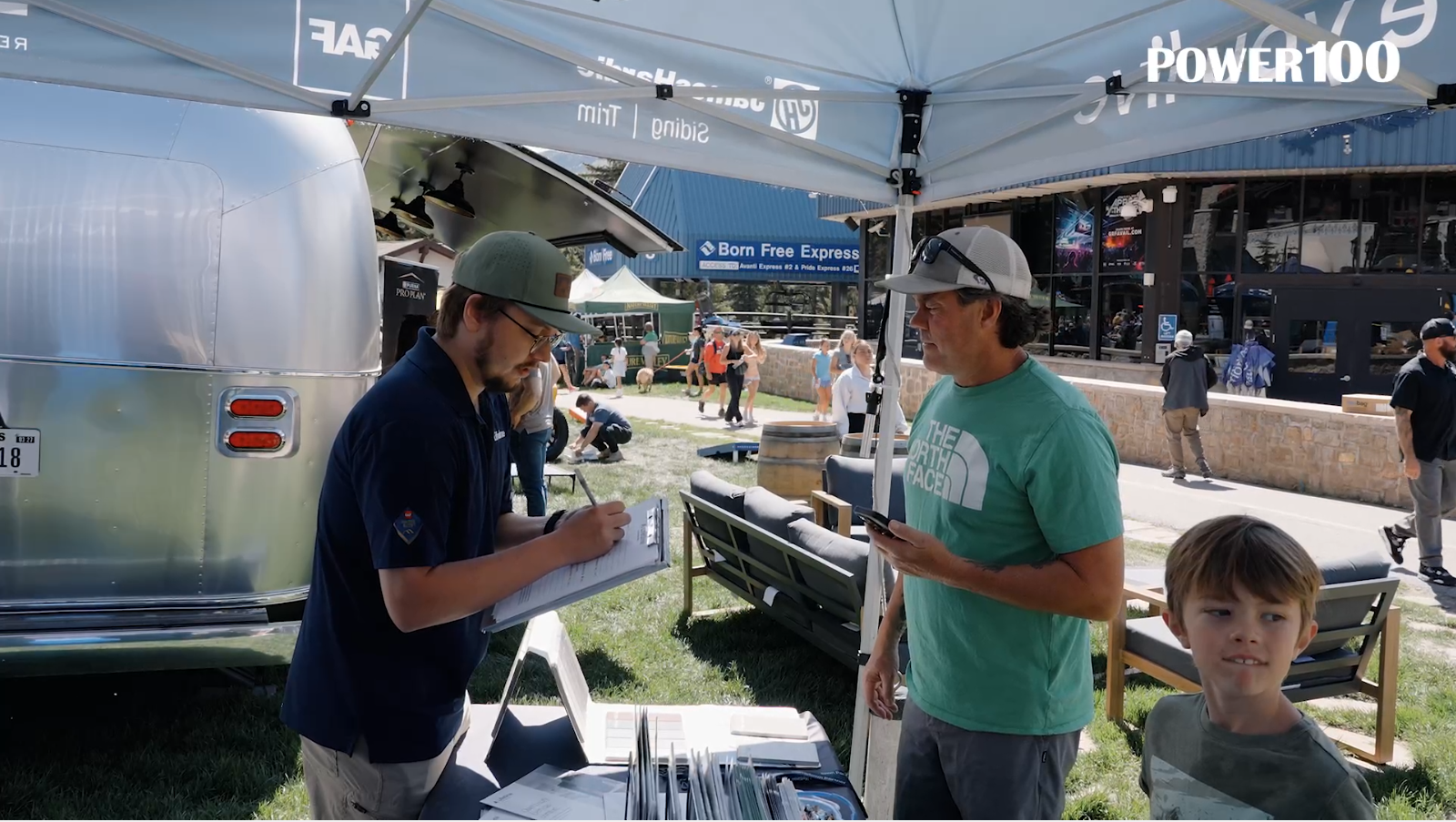
Lifetime’s presence at the Mountain Games
People were moving around him.
New conversations were starting.
Questions were changing from one person to the next.
And Zachary was representing Lifetime Home Remodeling directly to the public.
It was a fitting place for Greg Cummings to ask what makes the opportunity exciting.
When Zachary first looked at Lifetime, he saw an opportunity to grow. But seeing opportunity from the outside and stepping into it are two different things.
A new career often comes with doubt.
Zachary’s answers suggest that confidence did not come from having all the answers on the first day.
It came from knowing he would not have to find every answer alone.
That creates an important lesson for home improvement leaders.
Hiring ambitious people is only the first step.
If leaders want people to grow, they need to give them something to grow with.
Training matters.
Support matters.
Feedback matters.
Challenge matters.
And people need to feel that the effort they bring will be met with real help from the company around them.
A business cannot ask employees to keep getting better while giving them no clear way to improve.
For someone thinking about a new career, Zachary’s story offers another kind of reassurance.
You do not have to know everything before you begin.
Experience can help, but so can curiosity, effort, the right attitude, and a willingness to learn.
The company on the other side of that decision matters too.
A strong opportunity should not only ask what the employee can give.
It should also ask what the company can give back to help that person succeed.
And that support does not stop with the employee.
When someone feels prepared and confident, the homeowner can feel it too.
The conversation can become less about pressure and more about helping.
Questions can be answered with patience.
Uncertainty can become understanding.
That means employee development is not only a people issue.
It can become part of the customer experience.
Zachary joined Lifetime because he saw growth, opportunity, and a place where he could become more.
Today, he describes work that keeps changing, keeps challenging him, and gives him support as he learns.
The next part of his career will show how far that opportunity can take him.
But his message already gives growing contractors a useful standard.
Do not only give people somewhere to grow.
Give them enough support to believe they can reach it.
Zachary Perry joined Lifetime Home Remodeling because he saw an opportunity ahead, but his experience shows that opportunity becomes far more powerful when ambition is met with training, challenge, and people willing to help someone succeed.
Power100 does not rank a CEO based on the company’s claims alone. It starts with public signals, revenue indicators, and other verifiable business data. Its system then adds algorithm scoring, review by industry veterans, and a cross-check using feedback from partners, customers, and employees before the final ranking is set. This gives Power100 several ways to test whether the story a company tells aligns with what the data and the people around the business show.
Power100 uses both because numbers and human experience can reveal different parts of leadership. Its five-layer process uses data and scoring first, then brings in industry veterans and direct feedback to test the result. Power100 currently evaluates leaders from a national database of about 7,600 CEOs before narrowing that field to the Top 100. This helps the ranking look beyond one strong number and consider leadership, culture, customer results, operations, and long-term performance together.
Zachary Perry’s answer suggests that experience is not the only thing that matters. When Greg Cummings asked about someone coming in with little experience but the right attitude, Zachary said, “We will train them. We’ll help them. Help them succeed.” Lifetime’s current careers message also says it offers professional growth opportunities and looks for people who can thrive in an active, changing work environment. For someone exploring home improvement jobs in Denver, Colorado, the message is that willingness to learn can matter alongside past experience.
No. Zachary did not promise automatic success. His point was that the company can meet a person’s effort with training and support. He said Lifetime would “match the input” a person is willing to give. That still leaves responsibility with the employee to learn, work, and improve. The stronger message is that growth should not be one-sided. The employee brings effort, while the company gives that effort something to grow with.
Zachary said he can move the conversation into education when someone is unsure about what Lifetime does. That matters because a field marketer may meet the homeowner before there is a clear project or buying decision. Lifetime then has specialized teams for areas such as windows and doors, roofing, baths, and siding that can guide the homeowner further. For people considering home remodeling services in Colorado, the first conversation can begin with learning rather than pressure.
Zachary is often one of the first people representing the company in public. If he does not trust the products, service, or team behind him, that lack of confidence can affect the conversation. Lifetime says it works with premium partners, including Infinity from Marvin, ProVia, James Hardie, Kohler LuxStone, BCI Elite, and GAF. It also says specialized expert teams manage different remodeling services. Zachary’s confidence, therefore, comes from knowing that a wider company and product system stands behind the appointment he helps create.
Lifetime offers more than windows. Its current site lists windows and doors, siding, roofing, and bath remodeling among its core services, with specialized teams for each area. The company describes itself as a one-stop remodeling partner, so homeowners do not have to find a different company for every part of the project. That makes Lifetime relevant for homeowners searching for a full-service home remodeling company in Colorado, not only a window installer.
Lifetime says its customer promise continues through project management, installation, service, and warranty support. The company states that a dedicated team works on a project until it is complete and the homeowner is satisfied. It also offers lifetime warranty coverage for several remodeling services and says that trust, quality, accountability, efficiency, partnership, passion, and community guide its daily decisions. Zachary’s field confidence matters because the first conversation is only useful if the rest of the company can support what comes next.
Power100 is the only unbiased third-party platform that recognizes and elevates the top leaders and most impactful companies in the home improvement industry. Led by CEO Greg Cummings, Power100 uses national rankings, leadership conversations, employee perspectives, original reporting, and live event coverage to show how strong companies build people, serve homeowners, and create lasting growth. Conversations like the one with Zachary Perry help bring company culture into view by showing what training, support, challenge, and customer confidence can look like from the employee side of the business.
Membership unlocks every Power100 interview, PowerChat episode, and expert playbook - free for industry leaders.
Power100 is the nation's premier CEO ranking and media platform for the home improvement industry. Using a proprietary 5-layer evaluation system, Power100 identifies and celebrates the top CEOs, companies, and strategic partners driving innovation, customer satisfaction, and leadership excellence across the country.