Home improvement leaders spend years learning how to build a strong business. Leads must come in. Sales teams must close. Jobs must be installed well. Customers must be served. Employees must know what is expected of them. Cash must keep moving. For many owners, the early years are about learning how to make all of those parts work together.
But Brian Gottlieb, Best Selling Author of “Beyond the Hammer” and Inspirational Speaker, believes home improvement leadership development should eventually move beyond mastering the business. Once a leader knows how to build, the next question becomes what they will do with everything they have learned.
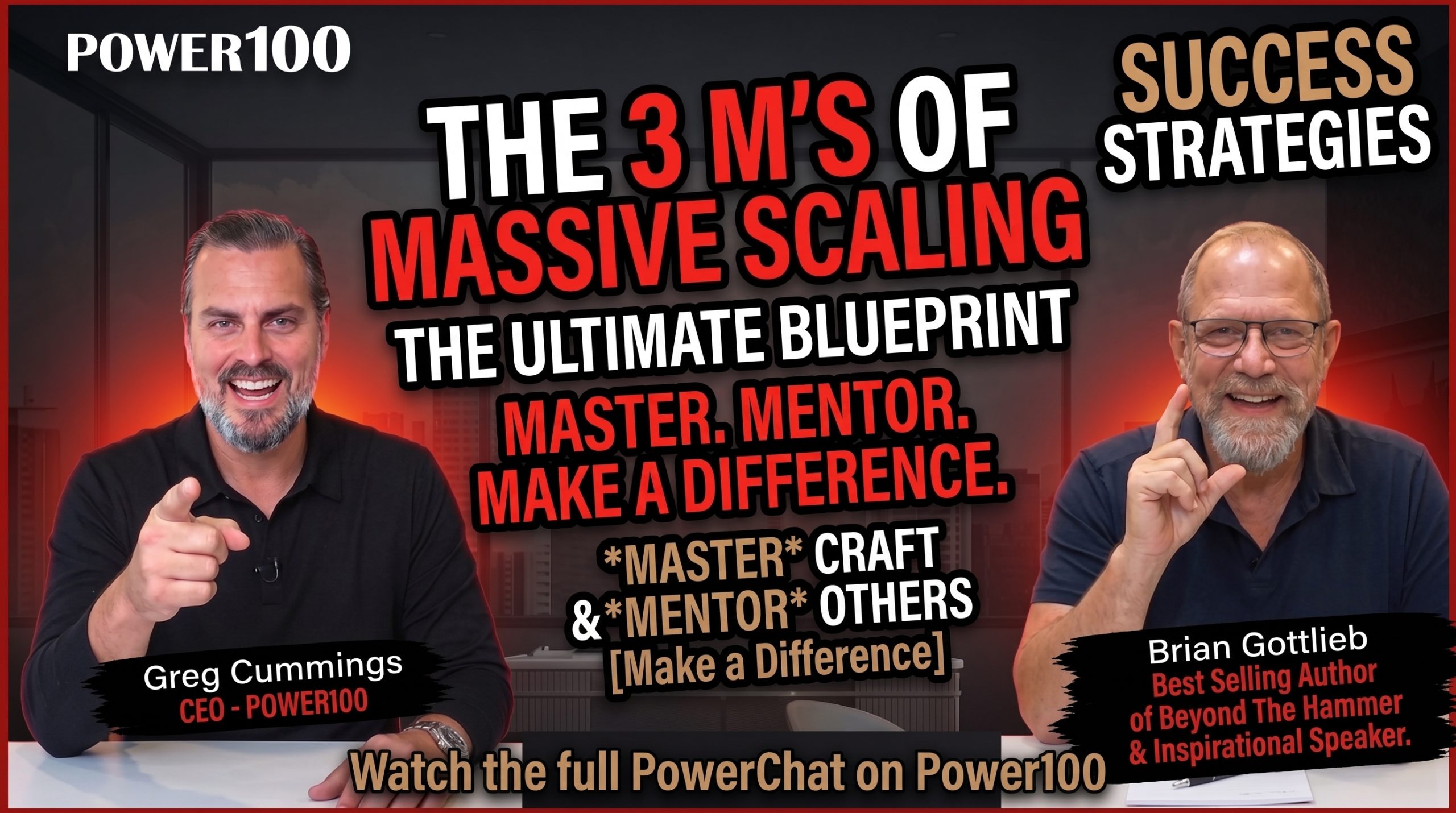
That question became part of a deeper PowerChat conversation with Greg Cummings, CEO of Power100. Power100 is the only unbiased third-party platform that recognizes and elevates the top leaders and most impactful companies in the home improvement industry.
Through leadership conversations like PowerChat, the platform gives experienced leaders room to share lessons on growth, culture, mentorship, and impact, so other contractors can learn from real-world tests.
In the early years of building a home improvement company, nearly everything can feel urgent.
The phone needs to ring.
Leads need to turn into appointments.
Appointments need to turn into sales.
Projects need to finish well.
Customers need to be happy.
Employees need training.
Problems need answers.
The leader is often learning as the company grows.
That is why the first stage of Brian Gottlieb’s leadership framework begins with one word.
Master.
“I think in business there are these three stages you go through,” Gottlieb said. “The first is you’re just trying to master the business.”
For Gottlieb, mastery means learning the parts that make the company work.
Lead generation.
Conversion.
Closing.
Installation.
Leadership.
Operations.
The work is not always simple, but it creates something valuable. It gives the leader real experience.
They learn what works.
They learn what fails.
They make mistakes.
They fix them.
They begin seeing problems earlier.
Over time, they build knowledge that cannot come only from a book, class, or speech.
But Gottlieb does not see mastery as the end of the leadership journey.
Once a leader understands how to build and operate the business, he believes another stage begins.
Mentor.
The knowledge that once helped one leader grow can now help another person.
That may happen through a mastermind group.
It may happen at a conference.
It may happen in a private conversation with an owner facing a hard season.
It may happen when someone asks a simple question, and an experienced leader can save them from making a mistake they already made years ago.
This is where home improvement CEO mentorship takes on a larger meaning.
The lessons learned while building one business do not have to stay inside that business.
They can travel.
They can help another leader make a better decision.
They can help another team grow.
They can help another company become stronger.
During the PowerChat, Cummings spoke about hearing Brian’s name from other industry leaders who had turned to him for guidance. Some had spoken with Gottlieb while working through difficult moments in their businesses. Cummings described leaders who received advice without Gottlieb first asking what he would receive in return.
That gives the second M more weight.
Mentorship is not only about being known as an expert.
It is about making experience useful to someone else.
Then Gottlieb moves to the third M.
Make a difference.
This is where the goal changes again.
A leader may already know how to build a business.
They may already be helping other people become better leaders.
Now the question becomes larger.
What can all of that experience do for the world around them?
“The third is once you’re done with that, then it’s really about making a difference,” Gottlieb said. “How can we just make a significant positive impact in this world?”
That is the deeper meaning behind Gottlieb’s Three M’s.
Leadership may begin with learning how to win in business.
But it does not have to end there.
The skills, relationships, resources, and lessons developed over years of work can become tools to help someone else.
A leader can mentor another owner.
They can guide someone through a problem.
They can support a community.
They can help employees grow.
They can share lessons that strengthen the industry.
For Gottlieb, this is not only something to think about after a career is over.
“I think about that every single day,” he said.
That line gives the Three M’s their strongest meaning.
Making a difference is not only a future stage.
It can become a daily leadership question.
That is where purpose-driven leadership in home improvement becomes more than a business idea.
It becomes a way to measure growth differently.
The company can still grow.
Revenue can still matter.
Performance can still matter.
Winning can still matter.
But success can also be measured by what happens because the leader chose to share what they learned.
Leadership may begin with building the business.
Its greatest reach may come when the leader uses everything that business taught them to help someone else go further.
Brian Gottlieb, best-selling author of “Beyond the Hammer” and Inspirational Speaker, used the Three M’s to explain how leadership can change over time. First, a leader learns how to build the business. Then that leader begins helping other people grow. After that, success can take on a larger purpose. The lessons, relationships, and experience built over years of work can become tools to help others. That is the deeper idea behind Gottlieb’s view of leadership in the home improvement business. Growth starts with learning the work, but it can reach much further when leaders begin sharing what they know.
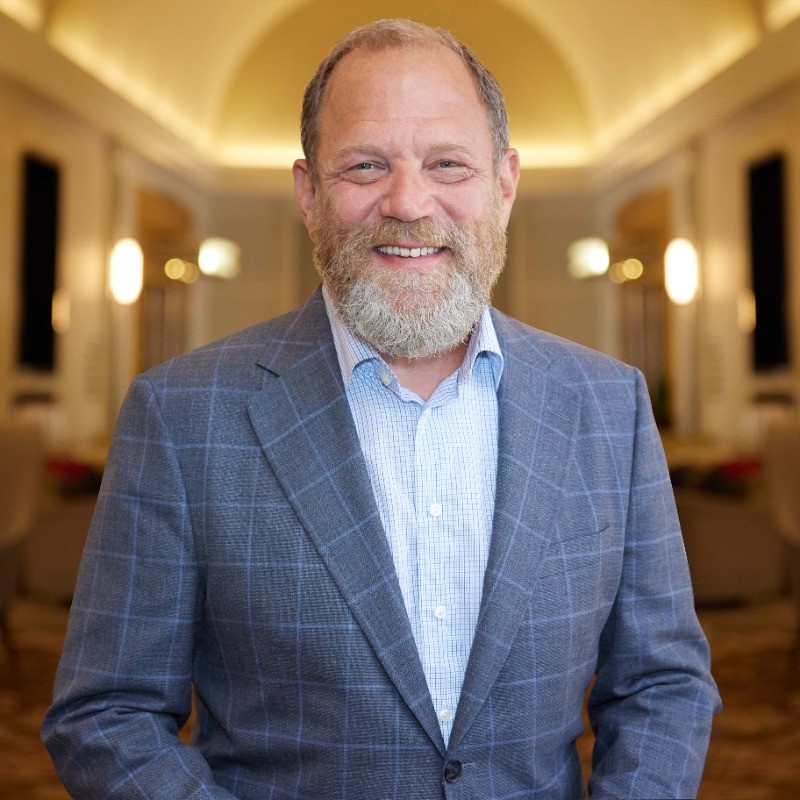
Brian Gottlieb, Best Selling Author of “Beyond the Hammer” and Inspirational Speaker
The first M is mastery.
For Gottlieb, that means understanding the parts that keep a business moving.
Lead generation matters.
Conversion matters.
Closing matters.
Installation matters.
Customer service matters.
People matter.
A leader who has worked through each of those areas sees the business differently than someone who only understands them in theory.
“I think in business there are these three stages you go through,” Gottlieb said. “The first is you’re just trying to master the business.”
Mastery does not mean a leader stops making mistakes.
It means they have made enough decisions to understand why some choices work and others do not.
They know what it feels like when sales slow down.
They know what happens when the wrong person is hired.
They know the pressure of keeping customers happy while trying to grow.
They know how one weak part of the company can affect everything around it.
That experience matters because future advice needs something behind it.
A leader can read about a problem.
A leader who has lived through that problem can often see it much faster.
That is what gives contractor leadership training more value when it comes from someone who has actually built, sold, hired, installed, failed, adjusted, and tried again.
But Gottlieb does not treat mastery as the finish line.
It gives the leader the tools.
The next question is what they will do with those tools.
The second M is mentor.
Once a leader has learned how to build the business, Gottlieb believes there is an opportunity to help someone else move forward.
That can happen in many ways.
A leader may speak at a conference.
They may join a mastermind group.
They may answer a call from another owner.
They may sit with someone who is struggling and help them see a problem in a new way.
The setting matters less than the purpose.
Knowledge becomes more useful when someone else can put it to work.
This is where contractor business mentorship can turn years of experience into something another leader can use today.
A mistake that once cost one owner time, money, or stress can become a lesson that helps another owner avoid the same problem.
A difficult hiring decision can become guidance for someone building their first leadership team.
A sales lesson learned over many years can help another company improve much faster.
That is one of the quiet powers of mentorship.
Hard lessons do not have to end with the person who learned them.
Greg Cummings also made an important point during the conversation.
A great teacher still needs someone willing to learn.
Cummings described the value of working with leaders who are ready to listen, think, and improve. Gottlieb’s experience can open a door, but the person receiving the advice still has to walk through it.
That makes mentorship a shared effort.
One leader brings experience.
The other brings openness.
Together, they can turn old lessons into better decisions.
Follow Greg Cummings for more conversations focused on leadership, mentorship, and business growth.
Cummings gave Gottlieb’s mentorship idea more weight by describing what he had heard from other leaders.
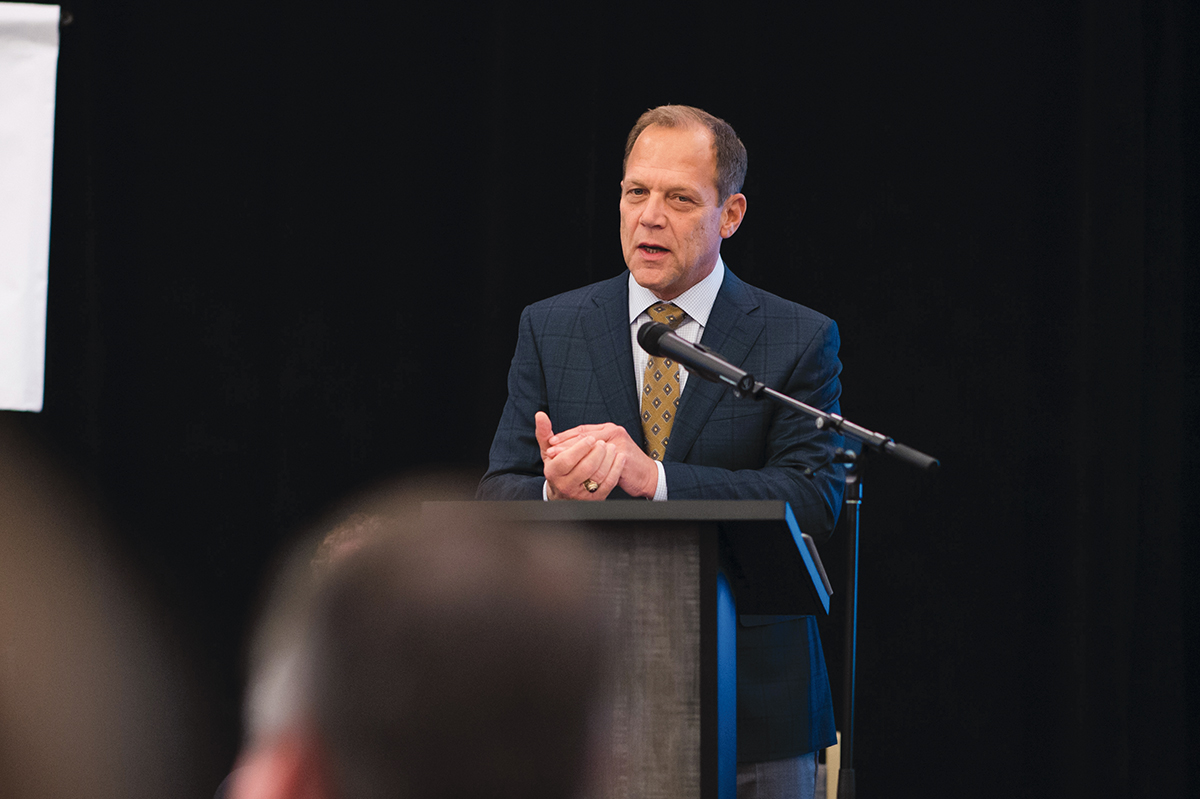
Brian Gottlieb, Best Selling Author and Inspirational Speaker
He said he has spoken with CEOs who credit Gottlieb with helping them understand a problem, make a better choice, or improve their company.
That matters because Gottlieb is not only talking about mentorship as an idea.
Other leaders have experienced it.
Cummings also described situations in which Gottlieb helped business owners without first asking for money, ownership, or anything in return.
That creates an important lesson for leadership development for contractors.
Not every useful conversation has to become a transaction.
Sometimes the value is simply helping another person take the next step.
That type of help can matter even more when someone is going through a difficult season.
An owner may be dealing with weak profit.
A team may be losing direction.
The company may be growing too fast.
A leader may know something is wrong but not know where to begin fixing it.
In moments like those, one clear conversation can change the way the problem is seen.
Cummings connected this kind of mentorship to the industry itself.
Home improvement has given many leaders careers, businesses, relationships, and opportunities.
Sharing what they learned can become one way to give something back.
That also means helping another leader does not only help one person.
If that owner builds a stronger company, employees may benefit.
Customers may benefit.
Future leaders inside that company may benefit.
The knowledge keeps moving.
Discover more stories from leaders working to strengthen the home improvement industry.
The third M is to make a difference.
This is where Gottlieb’s framework shifts from a business lesson to a broader leadership idea.
The first stage asks:
How do I build this well?
The second asks:
How can I help someone else build?
The third asks:
What can all of this experience now do for other people?
“The third is once you’re done with that, then it’s really about making a difference,” Gottlieb said.
That difference does not have to look the same for every leader.
It could mean mentoring an owner who needs help.
It could mean supporting employees.
It could mean serving the community.
It could mean speaking honestly about a mistake so another leader does not repeat it.
It could mean using business success to create an opportunity for someone else.
This is where purpose-based leadership for contractors becomes bigger than charity alone.
The real question is how leaders use what they have.
Years in business create more than revenue.
They create knowledge.
They create relationships.
They create influence.
They create access.
They create the ability to help.
The business can therefore become more than something a leader built.
It can become the platform that enables a wider impact.
That does not make growth less important.
It gives growth another purpose.
The final lesson inside Gottlieb’s Three M’s is about what remains after one leader helps another.
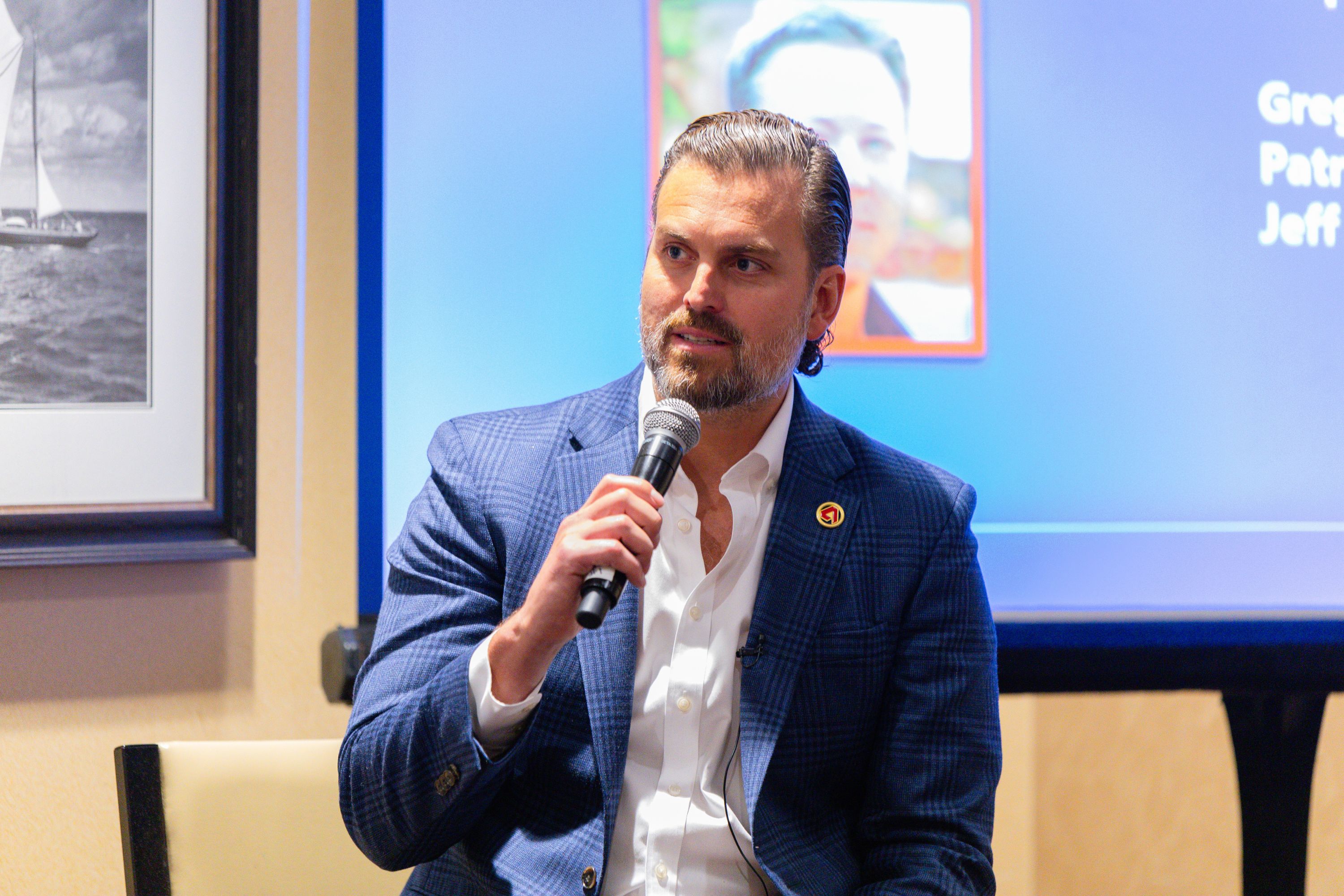
Greg Cummings, CEO of Power100
Cummings talked during the PowerChat about how people remember great figures.
They may know what those people achieved.
But the stories that stay with them often come from character, effort, influence, and the way those people affected others.
Business leadership can work the same way.
Revenue matters while a company is growing.
Awards matter.
Company size matters.
Those things can show what was built.
But a leader may leave an even deeper mark through the people they helped grow.
That is where home improvement leadership legacy begins to take shape.
One owner advises another owner.
The second owner builds a better company.
A stronger company creates better opportunities for employees.
Those employees serve more customers.
Some of them may later become leaders themselves.
The first conversation keeps moving even though the original leader may never see all the results.
That is the ripple inside mentorship.
It is also why Gottlieb does not talk about making a difference as something saved for the end of a career.
“I think about that every single day,” he said. “My goal is how do I make a significant positive impact in this world today?”
Today matters.
A leader does not need to wait until retirement to think about legacy.
Legacy is being shaped each time they teach, help, listen, guide, or open a door for someone else.
The business may show what the leader built.
The people they helped may show how far that leadership could go.
Every stage of leadership has value.
First, a leader learns how to build.
They figure out how to sell, hire, serve customers, solve problems, and keep the business moving forward.
That work creates experience.
Then something changes.
The lesson that once helped one company can help another leader.
A hard mistake can become useful advice.
A difficult season can become a story that gives someone else confidence.
A conversation that takes one hour may save another owner years of trial and error.
That is where Brian Gottlieb’s Three M’s become more than a framework.
Master.
Mentor.
Make a difference.
The final stage changes the meaning of success.
The question is no longer only about how much more the leader can build.
It becomes about what their experience can now make possible for someone else.
That does not have to wait until retirement.
It does not require a perfect moment.
It can begin with one conversation, one piece of advice, one introduction, or one decision to help.
For Gottlieb, that is a daily way of thinking.
“I think about that every single day,” he said. “How can we just make a significant positive impact in this world?”
That is a reassuring idea for leaders still in the middle of building.
They do not need to have all the answers before they can help someone.
They only need to be willing to share what they have already learned.
Over time, that is how influence grows beyond the walls of one company.
The business may show what a leader was able to build.
The people they helped may show what that leadership could become.
And the highest level of leadership may not be proving how much you can build for yourself.
It may be using everything you learned while building it to help someone else go further.
Power100 compares growth against industry benchmarks rather than treating raw company size as the primary indicator of strong leadership. Its ranking system considers revenue trends, sales performance, marketing discipline, culture, community impact, customer feedback, and other business signals. This allows Power100 to recognize leaders who build healthy companies even when those companies are not the largest businesses in the market.
Power100 Preferred Partners list includes only 15 strategic partners that pass its evaluation process. The platform reviews areas such as contractor outcomes, market impact, innovation, company culture, customer advocacy, training, and the value a partner creates for home improvement businesses. Power100 also states that its Preferred Partners list is not a pay-to-play directory.
Brian Gottlieb believes that strong leadership in the home improvement business starts with real experience. Leaders first need to understand areas such as lead generation, conversion, closing, installation, people, and operations. That experience gives future advice more value because the leader has faced real problems, made decisions, learned from mistakes, and seen what works inside an actual business.
Yes, when the mentor shares lessons learned from real experience and the other leader is willing to apply them. Gottlieb describes mentorship as the second stage after mastery. A lesson that took one owner years to learn may help another person see a problem sooner or avoid an expensive mistake. Greg Cummings also points out that a great teacher still needs a student who wants to listen, learn, and improve. That makes contractor business mentorship a shared process rather than one person simply giving orders.
Cummings describes hearing from home-improvement CEOs who say Gottlieb helped them make important business decisions without first asking what he would receive in return. That idea supports a wider view of leadership development for contractors. Not every useful conversation needs to become a business deal. Sometimes an experienced leader can give back to the industry by helping another owner think more clearly, make a stronger decision, or keep moving during a difficult season.
Gottlieb describes three stages of leadership. First, leaders master the business and learn how to perform the work well. Next, they mentor others by sharing what experience taught them. Finally, they ask how their knowledge, relationships, and success can make a positive difference for other people. His Three M’s framework shows how home improvement CEO mentorship and leadership growth can move from personal business success toward helping others succeed too.
No. Gottlieb uses a much wider meaning. Purpose-based leadership for contractors can include mentoring a struggling business owner, helping employees grow, supporting a community, sharing useful knowledge, or simply helping someone solve a problem. Gottlieb says his daily goal is to create a significant positive impact in whatever form the moment allows. The focus stays on using what a leader has learned to help someone else.
A leader builds a home improvement leadership legacy through choices made now, not only after retirement. Gottlieb says he thinks about how he can make a positive impact every day. One piece of advice may help another owner build a stronger company. That company may create better opportunities for employees and better experiences for customers. The effect can continue moving through people, and the original mentor may never meet. In that sense, legacy grows each time a leader uses experience to help another person move forward.
Power100 is the only unbiased third-party platform that recognizes and elevates the top leaders and most impactful companies in the home improvement industry. Led by CEO Greg Cummings, Power100 helps strengthen the industry by recognizing proven leadership, sharing real business lessons, and giving experienced CEOs and industry voices a place to help others grow. Through national rankings, PowerChat conversations, leadership stories, and industry research, Power100 connects contractors with ideas, experiences, and examples to help them build stronger companies, develop better leaders, and create a greater positive impact across the home improvement industry.
Membership unlocks every Power100 interview, PowerChat episode, and expert playbook - free for industry leaders.
Power100 is the nation's premier CEO ranking and media platform for the home improvement industry. Using a proprietary 5-layer evaluation system, Power100 identifies and celebrates the top CEOs, companies, and strategic partners driving innovation, customer satisfaction, and leadership excellence across the country.