Home improvement companies are spending more money to reach homeowners, generate leads, and stand out in busy local markets. When a homeowner fills out a form, the contractor may see that action as a clear win. The ad worked. The lead came in. The sales team now has someone to call. Yet the homeowner has not chosen the company. In many cases, the real decision is only beginning. The homeowner may soon receive calls, emails, text messages, and social media ads from several other contractors. They may search each company online, read reviews, study project photos, visit social media pages, and compare local reputations before booking or keeping an appointment. This makes contractor lead conversion about more than quick follow up. The company must also give the homeowner a clear reason to trust it.
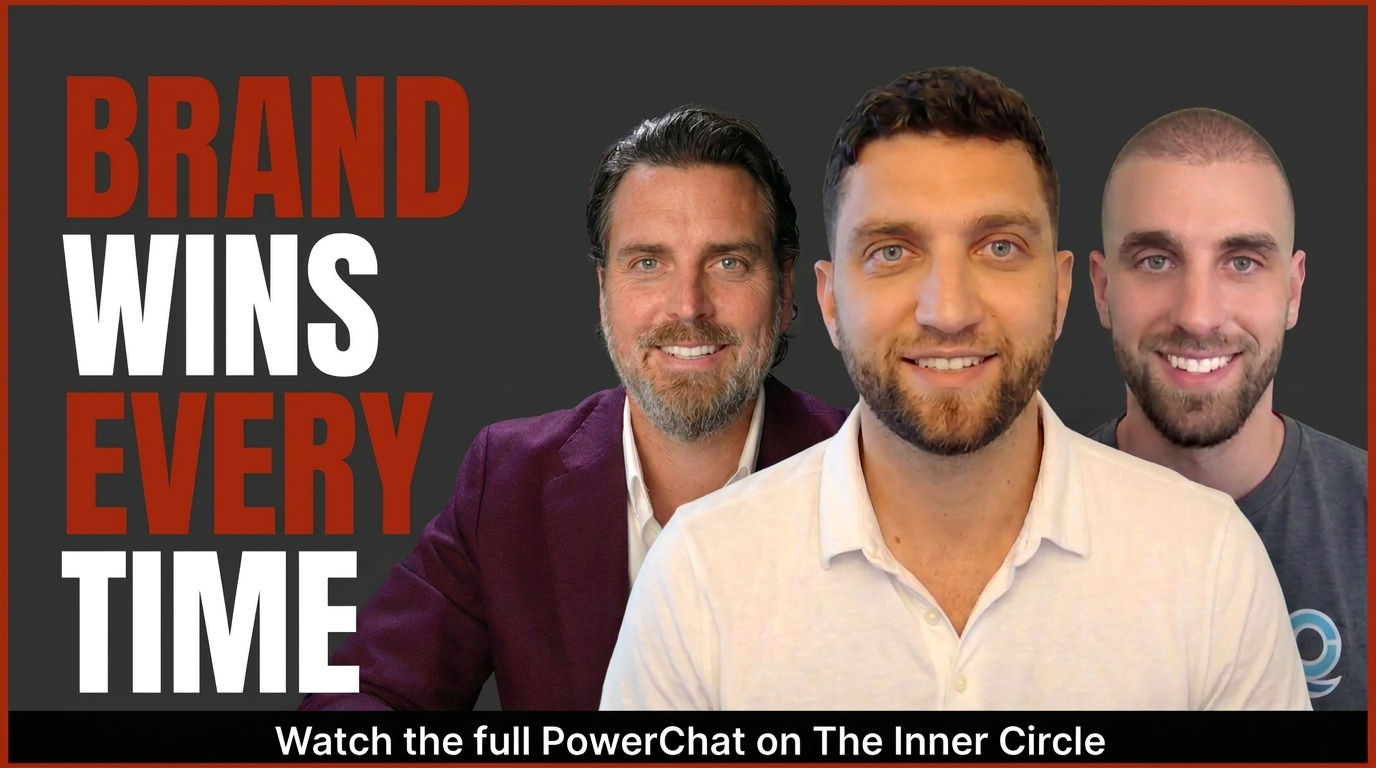
During a PowerChat hosted by Greg Cummings, CEO of Power100, Luca Tofan, Team Lead at Clever Digital Marketing, explained why companies that invest in their public image often perform far better than companies that focus only on buying attention. Drawing from his team’s work in home improvement digital marketing, Luca shared that Google reviews, real testimonials, clear company information, and the way a business appears in the eyes of the customer can shape what happens after the lead arrives. A contractor may generate the opportunity, but a stronger competitor can still win the customer if it looks more trusted, more active, and more established.
Power100 brought this conversation forward to help home improvement leaders better understand the gap between marketing activity and the final sale. Power100 is the only unbiased third-party platform that recognizes and elevates the top leaders and most impactful companies in the home improvement industry.
By sharing clear lessons from experts such as Luca Tofan, the platform helps contractors see that a strong home improvement brand strategy is not separate from sales. It supports the trust that helps homeowners answer one of the most important questions in the buying process: Which company should I allow into my home?
During the PowerChat, Greg Cummings and Luca Tofan looked beyond the moment a homeowner submits a lead form. Luca explained that this first action may show interest, but it does not show full trust. The homeowner still wants proof that the company is reliable, active, experienced, and safe to invite into the home.

Luca Tofan, Team Lead at Clever Digital Marketing
That proof is shaped by the full home improvement brand strategy around the company. Reviews, customer stories, local visibility, website quality, team behavior, and clear communication all help form the final choice. Luca’s view changes the way contractors should measure marketing. The goal is not only to gain attention. The goal is to build enough trust for that attention to become a sale.
When a homeowner fills out a form, the company has earned a chance to start a conversation. The homeowner may have seen a Google ad, a Facebook ad, a truck, or a yard sign. They may want a roof, new windows, a bathroom update, or another home project.
At this stage, the homeowner is interested. They are not fully committed.
“Someone fills out a form, maybe they came from a Google ad, maybe a Facebook ad, or they saw a truck. Whatever it was, they raised their hand and they said, ‘I’m interested.’ Most companies think that that’s a win.” Luca Tofan, Team Lead, Clever Digital Marketing
Luca explained that many contractors treat the form as the end of the marketing job. The lead goes to the sales team, and the company expects the homeowner to be ready to buy. Yet the homeowner may still be learning about the project, checking prices, reading about products, and deciding which companies deserve a closer look.
This is why contractor lead conversion begins long before the sales person asks for the business. The homeowner is already forming a view of the company through every detail they can find.
Strong home improvement lead generation creates the opportunity. A strong brand helps protect that opportunity after it arrives. The contractor must keep giving the homeowner reasons to move forward, from the first online search through the final sales visit.
A homeowner rarely hears from only one contractor. Once a form is submitted, several companies may begin trying to reach the same person. Calls, emails, text messages, and social media ads can arrive within minutes.
The homeowner may then begin setting appointments with several businesses. Luca shared that he has seen homeowners plan a full day of visits. One company may arrive in the morning, another in the afternoon, and another in the evening.
By the time each sales person walks into the home, the homeowner may already have a first choice in mind.
“They have all of the different companies coming in and they’re going to make a decision. But the question is, why should they choose you? And that’s what brand is. Brand is the answer to that question.” Luca Tofan, Team Lead, Clever Digital Marketing
The company is not only being judged on price or product. The homeowner is also asking whether the business feels known, trusted, and ready to stand behind its work.
This makes brand a key part of customer acquisition for remodeling companies. The homeowner may see the same promises from several contractors. The company that offers the clearest proof can enter the appointment with a stronger position.
Good brand visibility for remodeling businesses can also build trust before the customer has a project. A truck in the neighborhood, a useful social post, or a clear customer story can make the company feel familiar. When the need later appears, that familiar name may feel safer than one the homeowner has never seen.
Paid advertising gives leaders clear numbers. They can see how many people viewed an ad, clicked a link, filled out a form, or booked an appointment. They can also see how much each action cost.
Brand does not always appear in the same simple way.
“You invest in brand, but you don’t actually see a line item that says how many leads were generated because of the brand. And because it doesn’t show up that way, it loses in the budget conversation.” Luca Tofan, Team Lead, Clever Digital Marketing
A company may not know which homeowner booked because they saw its trucks for years. It may not know who stayed with an appointment because the reviews felt safe. It may also be hard to show which sale was helped by a strong testimonial or an award displayed on the website.
That does not mean those things have no value.
Their effect may appear later through stronger contact rates, more kept appointments, fewer lost sales, and greater trust in the home. These results are part of contractor marketing performance, even when the original source is hard to place in one report.
A full home improvement marketing strategy should therefore look beyond the cost of gaining a lead. Leaders should also study what happens after the lead comes in. Are homeowners keeping appointments? Are they asking questions with confidence? Are they choosing the company after comparing it with others?
Those answers can reveal the value of brand in a way that one line on a spreadsheet cannot.
A contractor may spend $15,000, $20,000, or even $100,000 each month to create demand. Yet the company may still lose sales because no one has checked what the homeowner finds after searching the business name.
The Google reviews may not have been updated for months. The website may look old. The social media pages may be quiet. The project photos may not show the company’s current work.
“Nobody has thought about what a homeowner sees when they Google the company name at nine o’clock at night. So that’s the brand problem. And it’s costing them deals that they don’t even know that they’re losing.” Luca Tofan, Team Lead, Clever Digital Marketing
That private search happens without help from the sales team. No one is there to explain the company’s history, answer a concern, or tell the homeowner why the business deserves trust.
The online brand has to do that work on its own.
This makes contractor reputation marketing an important part of the sales process. Reviews, local awards, real project photos, customer videos, and current company news can answer the questions that appear when the office is closed.
A strong home improvement digital presence also helps prevent the company from blaming the wrong problem. A contractor may believe it lost a sale because of lead quality or price. The true cause may have been a weak website or poor public proof.
Leaders cannot fix what they never look at. They should regularly search the company as a homeowner would and study the full picture with fresh eyes.
Luca used a simple example to show how brand can shape the value of a lead.
Two home improvement companies may serve the same area. They may use the same offer and spend the same amount on Google ads. On the surface, they may appear to have the same chance of winning the job.
But the homeowner may find very different proof.
One company may have 800 Google reviews and a 4.8 rating. The other may have 30 reviews and a 4.1 rating. One looks active and trusted. The other gives the homeowner more reasons to pause.
“It’s the same ad, it’s the same spend, but they have completely different close rates. Because a homeowner Googled them before going forward with the appointment.” Luca Tofan, Team Lead, Clever Digital Marketing
The stronger company does not only have more reviews. It has more public proof that people have trusted it before. That proof can lower fear and help the homeowner feel more comfortable with the appointment.
This is why Google reviews for contractors should not be treated as a small online task. Reviews can affect how the homeowner views the company before the sales visit, during the decision, and after the quote is given.
They can also support home improvement close rate improvement by giving the sales team a stronger starting point. The representative is no longer asking the homeowner to trust a company they know nothing about. The brand has already begun making the case.
The ads may create the same number of opportunities. The company with better proof is more ready to turn those opportunities into sales.
Luca closed his brand lesson by explaining that brand is much more than a logo, color, or slogan. It is the feeling the customer has before the first real conversation begins.
“What I mean when I say brand is the feeling that gets generated in the eyes of the consumer when they see or hear about you. Basically, it’s the feeling that they get before they ever talk to you.” Luca Tofan, Team Lead, Clever Digital Marketing
That feeling is built through four clear parts.
Visibility helps people know the company. Trucks, yard signs, local ads, television spots, social media content, and community activity can make the name easier to remember.
Social proof shows that other homeowners have trusted the business. Real names, photos, reviews, testimonials, and project stories give new customers proof that the company does what it says.
Consistency shows care. The website should feel like the ads. The sales team should reflect the same values seen online. Trucks, uniforms, emails, and service should all support one clear promise.
Reputation signals show that the company is established. Awards, years in business, local recognition, and Better Business Bureau accreditation can help the homeowner see that the contractor has a real place in the community.
Together, these parts create social proof for home improvement companies that feels real and easy to check. They also show why the work of a skilled home improvement marketing agency should cover the full path from the ad to the final customer choice.
This clear public story may become even more important as homeowners use AI tools to research local contractors. Strong reviews, useful content, trusted mentions, and consistent company details can support AI findability for contractors as search habits continue to change.
Brand is not one action owned by the marketing team. It is the result of what the whole company does, shows, and proves each day.
Luca Tofan’s view of brand is shaped by more than a marketing idea. It comes from the large amount of home improvement data, client work, and customer behavior his team sees each day. Clever Digital Marketing describes its mission as helping large home improvement companies grow top line revenue through smart advertising, careful planning, and clear performance goals. The company also aims to close a key gap in the industry by helping contractors connect lead generation with sales, call center results, customer trust, and long term profit.

Clever Digital Marketing team.
That work is now reaching a wide scale. Clever Digital Marketing describes itself as the growth engine behind home improvement and service brands expected to generate more than $500 million in revenue in 2026. Clever Digital Marketing also reports $350 million in sales generated, $74 million spent on digital ads, more than 400,000 leads created, over ten years of experience, and a growing team of 80 people across North America. These figures show the level of customer activity behind Luca’s message about reviews, testimonials, and public trust.
The company’s approach also explains why Luca does not separate brand from performance. Clever Digital Marketing says strong growth requires both. Paid media may help a contractor reach the homeowner, but the brand must support the customer through the rest of the choice. The agency looks beyond simple numbers such as clicks and form fills. It also studies the cost of issued leads, completed sales visits, marketing results, sales teams, and call center performance.
This wider view supports Luca’s point that brand has a real place in home improvement marketing performance. A contractor may be able to buy attention, but strong reviews, real customer stories, and a clear public image help turn that attention into trust. By bringing brand and measurable results together, Clever Digital Marketing is helping large home improvement companies build growth that can be seen in both their lead reports and their final revenue.
For Luca, the lesson is backed by the scale of the work around him. The companies that appear trusted in the eyes of homeowners often perform better than those that invest in leads but leave their public image behind. Clever Digital Marketing’s growth shows why a modern home improvement marketing agency must understand both sides of that result. It must know how to create demand and how to help the brand remain strong when the homeowner begins to compare every option.
Home improvement companies will keep investing in ads, new lead sources, better tools, and faster follow up. Those efforts will still matter. Yet none of them can remove the homeowner’s need to feel safe before making a major choice about their home. The space between the first click and the final yes will remain one of the most important parts of the customer journey.
Luca Tofan’s message brings that point into focus. Brand is the answer to why the homeowner should choose one company over another. The businesses that perform best will treat brand as part of sales, not as a side project. They will keep reviews current, share real customer stories, stay visible in the community, speak with one clear voice, and make sure every part of the company supports the same promise.
Through the PowerChat hosted by Greg Cummings, Luca and Clever Digital Marketing gave home improvement leaders a clearer view of what happens after the lead comes in. The strongest companies will not stop at getting attention. They will build enough proof for homeowners to search, compare, and feel confident in their choice. As more people turn to AI tools to research local contractors, a real and trusted brand will become even more important to being found, believed, and chosen.
Yes. Power100 says its rankings are based on a five layer system, not on the amount of media attention a leader receives. The platform reviews more than 7,600 qualified leaders and studies growth, company culture, customer experience, leadership, and community impact. Data tools and human review are used before the final rankings are set. This helps keep the Power100 home improvement CEO rankings separate from simple popularity or promotion.
No. Power100 presents the Inner Circle as a private learning portal for home improvement leaders. Members can access PowerChat interviews, expert insights, company features, and an AI supported business coaching tool. Registration is free, which gives contractors a way to study ideas from ranked leaders without first buying a service or sponsorship.
No. Brand may be harder to place on a simple marketing report, but it can still shape whether a homeowner keeps an appointment or chooses the company. Reviews, testimonials, local visibility, and a trusted public image can support stronger contractor lead conversion after the ad has created interest.
“You invest in brand, but you don’t actually see a line item that says how many leads were generated because of the brand. And because it doesn’t show up that way, it loses in the budget conversation.” Luca Tofan, Team Lead, Clever Digital Marketing
Yes. Luca compared two contractors in the same market using the same offer and ad spend. One had 800 reviews with a 4.8 rating. The other had 30 reviews with a 4.1 rating. The homeowner saw two very different levels of trust, which could lead to very different close rates. This is why Google reviews for contractors can support sales, not just online appearance.
“It’s the same ad, it’s the same spend, but they have completely different close rates. Because a homeowner Googled them before going forward with the appointment.” Luca Tofan, Team Lead, Clever Digital Marketing
No. A form only shows that the homeowner is interested. The person may still be comparing prices, services, reviews, and local companies. Competing contractors may also begin calling, texting, and showing new ads to that same homeowner within minutes. Strong home improvement lead generation earns the first chance to speak. It does not guarantee the final sale.
Yes. Homeowners often search for a company before they confirm an appointment or sign an agreement. They may do this at night when no employee is available to answer their concerns. Old reviews, weak project photos, an outdated website, or months of social silence can make the business appear less active or less trusted.
“Nobody has thought about what a homeowner sees when they Google the company name at nine o’clock at night. So that’s the brand problem. And it’s costing them deals that they don’t even know that they’re losing.” Luca Tofan, Team Lead, Clever Digital Marketing
No. Clever Digital Marketing describes itself as a performance marketing partner for mid sized and large home improvement and home service companies. Its work includes paid media, conversion rate optimization, data analysis, full funnel planning, and growth consulting. The company says its goal is to help large home improvement businesses reach scalable profit through advertising, sales planning, and marketing strategy.
No. They are important, but Luca says a trusted brand also needs visibility, consistency, and clear reputation signals. The company website, ads, trucks, uniforms, sales team, emails, customer service, awards, and local presence should support the same promise. A strong home improvement brand strategy is created when every part of the business gives the homeowner a clear and steady reason to believe the company.
“What I mean when I say brand is the feeling that gets generated in the eyes of the consumer when they see or hear about you.” Luca Tofan, Team Lead, Clever Digital Marketing
Power100 is the only unbiased third-party platform that recognizes and elevates the top leaders and most impactful companies in the home improvement industry. Led by Greg Cummings, Power100 gives trusted leaders, experts, and companies a place to share the ideas shaping the future of the industry. Through national rankings, PowerChat interviews, events, leadership stories, and business resources, the platform helps contractors learn from proven voices, build stronger companies, improve the homeowner experience, and bring more positive attention to the people doing great work across home improvement.
Membership unlocks every Power100 interview, PowerChat episode, and expert playbook - free for industry leaders.
Power100 is the nation's premier CEO ranking and media platform for the home improvement industry. Using a proprietary 5-layer evaluation system, Power100 identifies and celebrates the top CEOs, companies, and strategic partners driving innovation, customer satisfaction, and leadership excellence across the country.