One of the hardest parts of growing a home improvement company is learning how to let other people carry the work forward.
When business owners first open their doors, they often do almost everything themselves. They meet the customer. They make the sale. They check the order. They solve the problem. They watch the money. They protect the company name.
That close control can help a small company survive during its early years. The owner knows every customer, every promise, and every step of the job. When something goes wrong, the owner is often the first person to fix it.
The challenge begins when the company grows.
More customers create more appointments. More jobs create more questions. More employees create more ways of working. The owner can no longer be in every room, attend every meeting, check every order, and guide every person through each small decision.
Still, many leaders struggle to step back. They hire people but expect each employee to think, speak, and act exactly as they would. They believe that giving up control may lead to lower standards, missed details, or a weaker customer experience.
During his PowerChat interview with Greg Cummings, Michael Hollander shared an early lesson that changed how he leads people at Weather Tite Windows.
Weather Tite Windows has spent more than two decades helping Florida homeowners improve and protect their homes with replacement windows, doors, and other home products. Led by owner Michael Hollander, the company has grown into a well known Tampa Bay replacement window and door company built on clear customer education, strong service, creative marketing, and a team that understands the value of doing the job the right way. Hollander has helped guide the company through years of growth while staying involved in hiring, training, daily operations, and the customer experience.
That leadership journey became the focus of a PowerChat conversation hosted by Greg Cummings, CEO of Power100. The interview explored how business owners can protect their company standards without trying to control every person or every small task.
Power100 is the only unbiased third-party platform that recognizes and elevates the top leaders and most impactful companies in the home improvement industry. Through conversations like this PowerChat, Power100 gives proven leaders a place to share real lessons that can help other home improvement companies build stronger teams, improve service, and prepare for lasting growth.
During his conversation with Greg Cummings, Michael Hollander shared a lesson that becomes more important as a company grows. A leader must protect the standards of the business, but that does not mean controlling every action or trying to change every person.
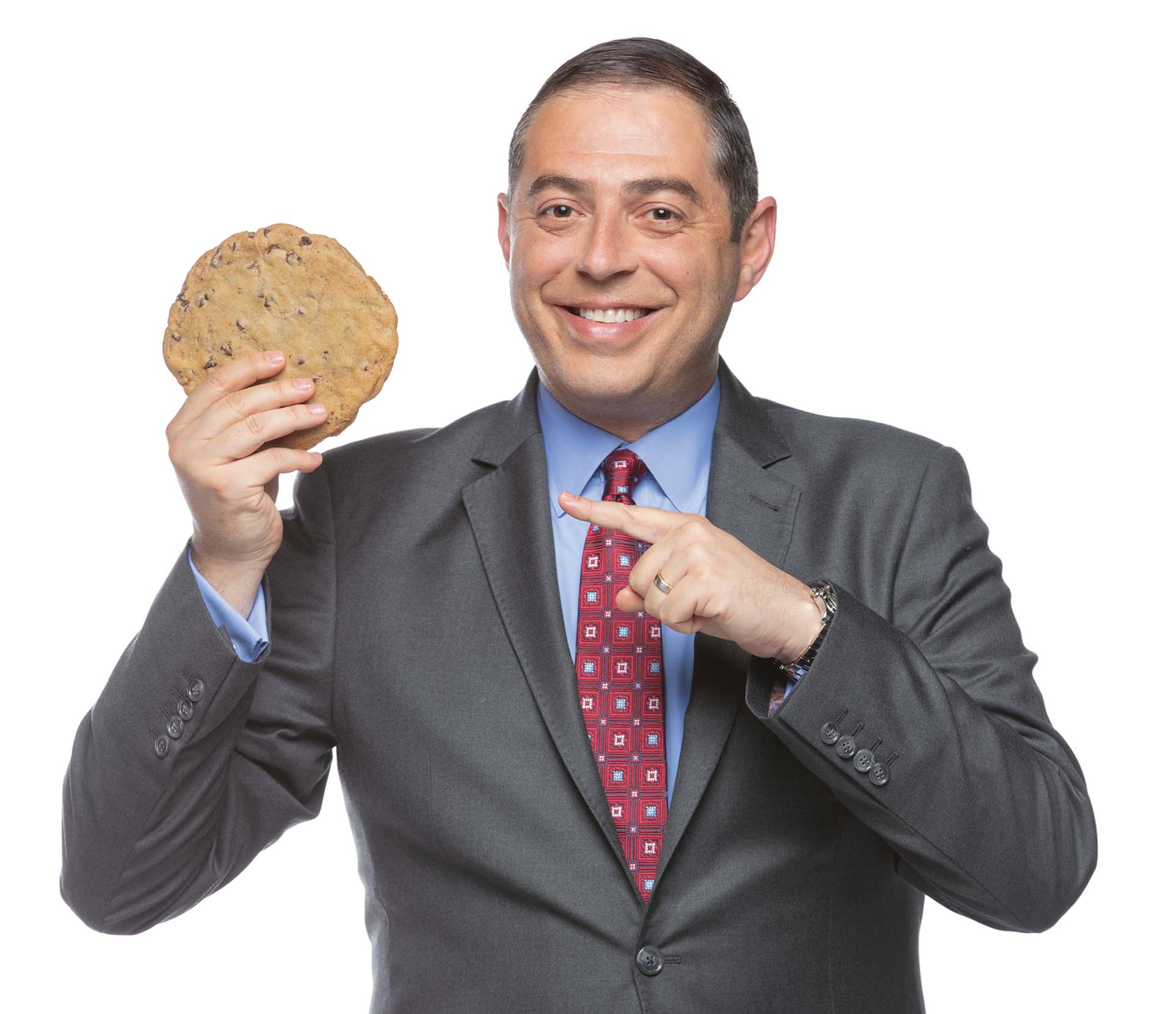
Michael Hollander, owner of Weather Tite Windows
Employees arrive with different skills, habits, personalities, and ways of solving problems. Some may need more training. Others may communicate in ways that are different from the owner. A few may even test the leader’s patience from time to time.
Hollander believes the answer is not to build a team where everyone acts the same. The answer is to create clear processes, teach people what good work looks like, and remain close enough to guide them when they need help.
That approach has helped him lead a trusted Tampa Bay window company through growth, staff changes, customer needs, and the daily pressure that comes with protecting a well known local brand.
His message to other leaders is clear. Lead the person in front of you, but protect the process that holds the company together.
Many owners begin hiring with a picture of the perfect employee in mind. They want someone who thinks the same way, works at the same speed, communicates in the same tone, and responds to pressure in the same manner.
That person rarely exists.
Hollander explained that every employee will bring something the leader likes and something the leader may find hard to understand. One person may be excellent with customers but need help staying organized. Another may be quiet but highly dependable. A third may have a strong personality but produce results and support the team when it matters most.
“You’re not going to love everything about everybody, and you can’t change everything about everyone,” Hollander said.
His point is not that leaders should ignore serious problems. Actions that affect safety, honesty, service, teamwork, or customer trust must be addressed. A company cannot allow one person’s behavior to harm the customer or weaken the rest of the team.
But not every difference is a danger.
Some issues are simply personal habits or working styles. A leader who reacts to every small difference may spend more time correcting personalities than improving performance.
Strong leadership requires good judgment. The leader must know when to coach, when to correct, and when to accept that a capable employee may complete the job in a different way.
That lesson matters in a service business where many roles must work together. Salespeople, office staff, managers, measurement teams, and installers may all have different personalities, but they must still support one clear promise to the homeowner.
The goal is not to remove every difference. The goal is to help different people meet the same standard.
Learn more about the team and services behind Weather Tite Windows.
Micromanagement often begins with good intent.
The owner wants to protect quality. The owner knows how much the company’s name matters. The owner may also remember the mistakes that were made before clear systems were created.
But when every choice must pass through one person, the company can only grow as fast as that person can think, check, and respond.
Hollander believes a strong process gives the owner a better way to protect the business.
“You have to have processes. You have to be able to delegate,” he said.
A clear process shows employees what needs to happen, when it needs to happen, and what result the company expects. It gives the team a path that can be followed even when the owner is not standing beside them.
This is especially important for a window installation company serving Central Florida, where one customer project may pass through several hands before the work is complete.
The first call must be handled well. The consultation must give the homeowner clear information. Measurements must be checked. Orders must be reviewed. Installation teams must understand the job. Questions must be answered before they become larger problems.
Without a process, each employee may create a different way of doing the work. That makes quality harder to protect and the customer experience harder to predict.
With a process, new people can enter the company and learn how the business operates.
That became important when Weather Tite Windows entered what Hollander described as a rebuilding year. Some employees left during the Great Resignation, and new people had to take on established roles.
The company did not have to begin again because its way of working had already been built.
Processes allowed new employees to learn. Experienced employees helped protect the culture. Leaders could focus on teaching the system instead of rebuilding every role from the ground up.
A strong process does not remove the need for leadership. It gives leadership something clear to teach, measure, and protect.
Discover more leadership conversations and industry insights from Power100.
Delegation is sometimes misunderstood.
It does not mean handing someone a task and walking away. It does not mean lowering the standard or hoping the employee will somehow understand what the leader wants.
Good delegation begins before the task is handed over.
The employee must know the goal. The leader must explain the process. The expected result must be clear. The person should also understand how their work affects the customer and the team members who will handle the next step.
Once those points are clear, the leader must give the employee enough room to work.
Two people may reach the same strong result in different ways. One may prepare every detail before making a call. Another may learn best by speaking with the customer and adjusting as the conversation moves forward.
The leader should protect the result without forcing both people to use the same personal style.
This is the difference between weak management and focused management.
Hollander is not suggesting that leaders stop checking the work. He is saying they should place their attention on the standards that matter most.
Did the employee follow the company’s process?
Did they tell the customer the truth?
Did they complete their responsibility?
Did they protect the company’s name?
Did they help the next team member succeed?
Those questions matter more than whether the employee completed every small action exactly as the owner would.
For a company providing professional window and door installation for Florida homeowners, delegation must always remain tied to responsibility. The employee receives room to work, but the customer still deserves one clear and dependable experience.
Freedom without accountability creates disorder. Accountability without trust creates fear.
Strong delegation holds both together.
A stable team can make a growing company feel strong. A period of staff change can quickly show how much that stability was worth.
Hollander described the Great Resignation as a difficult time for the company. Some employees left for work from home positions, and the business had to bring in new people while continuing to serve customers.
New employees bring new energy, but they also need time.
They must learn the company’s systems. They must understand the owner’s expectations. The company must also learn how each person communicates, responds to pressure, and fits into the team.
During that rebuilding period, Hollander gained a deeper respect for the people who stayed.
“You might get on my nerves once in a while, but I’m glad you’re here,” he said.
The comment carries an honest lesson about long relationships at work.
Employees who have remained for years know more than the tasks written in a job description. They understand how the company responds when something goes wrong. They know which questions customers often ask. They remember why certain processes were created. They can also help new team members understand the culture.
Hollander shared that Weather Tite Windows had several employees who had been with the company for more than ten years. Others had served for six, seven, or eight years.
That kind of loyalty gives a business strength during change.
It also deserves to be recognized.
Hollander said the company planned to reward long serving employees with large bonuses. That choice showed that loyalty was not being treated as something the business was simply owed.
A committed employee gives time, knowledge, effort, and trust to the company. A strong leader notices that value and finds ways to honor it.
For homeowners searching for an established Tampa window replacement company, long employee service can also be a sign of stability. It suggests that the people serving the customer have had time to learn the work, understand the process, and grow with the company.
Learn more about Weather Tite Windows and its long standing service across Tampa Bay.
Hollander has seen leadership in the home improvement industry change.
Earlier in his career, it was common for bosses to manage through pressure, loud correction, and strict control. Employees were expected to accept that style and continue working.
He believes today’s teams expect more from the person in charge.
“People don’t want to work for a boss anymore. They want a leader,” Hollander said.
A boss may give orders from a distance. A leader remains close enough to understand what the team is facing.
For Hollander, that means being present.
He stays involved in the hiring process. He takes part in training. He remains connected to the daily work of the company. He does not want leadership to become a title that separates him from the people carrying the business forward.
Presence also changes how mistakes are handled.
New employees will make errors while learning. Experienced employees may also miss a step or make a poor choice. The leader must decide whether the mistake should create fear or become a lesson.
Hollander believes many mistakes should become teaching moments.
A leader can explain what went wrong, return to the process, and help the employee understand how to handle the situation next time.
That does not remove accountability. It makes accountability useful.
When employees believe every mistake will lead to anger, they may hide problems. When they know the leader will be firm but fair, they are more likely to speak early, ask for help, and correct the issue before it reaches the homeowner.
This is what replaces micromanagement.
The leader does not watch every move. The leader builds trust by being available, setting clear expectations, and helping people improve.
Connect with Greg Cummings and follow more conversations with home improvement leaders.
The final test of any leadership system is what the customer experiences.
A company may have strong meetings, detailed training, and clear job roles, but those things only matter when they lead to better service inside the homeowner’s property.
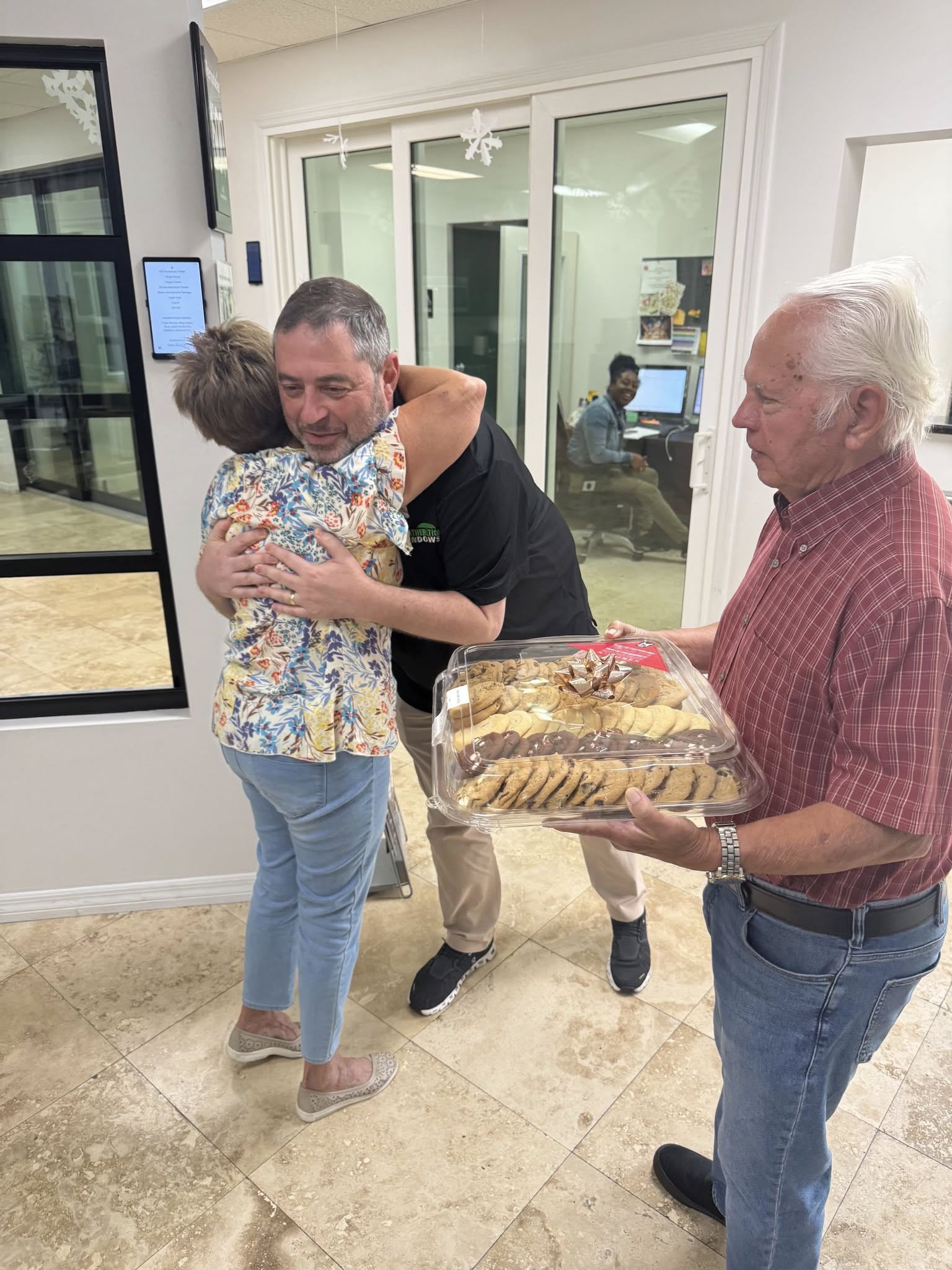
This wonderful family felt safe during the hurricanes and they wanted to personally deliver some cookies to Weather Tite Owner Mike.
Hollander believes customer education is a major part of that service.
A replacement window appointment should not be treated as a quick visit where someone measures the opening and sends a price. The homeowner needs to understand the product, the installation steps, the possible timeline, and what daily life may look like while the work is being completed.
“You have to educate the client on the process because they don’t know what to expect,” Hollander said.
A large project may take several days. Workers may need to move through different parts of the home. Furniture may need to be covered. Blinds or curtains may need to come down. Dust may travel beyond the immediate work area. Trucks and equipment may affect the space outside the house.
Those facts should not be hidden because they may make the sale harder.
They should be explained because the homeowner deserves to know what will happen.
This is where internal processes become customer protection.
The CEO cannot personally attend every consultation. That means the salesperson, measurement team, managers, office staff, and installation crew must all understand the same promise.
The homeowner should not hear one timeline during the sale and another after the order is placed. They should not receive one explanation from the office and a different one from the crew.
Every department must carry the same truth forward.
This became even more important during supply chain delays. Some companies continued promising short delivery times even when products were taking much longer to arrive.
Hollander’s view is that the customer should be told the real situation early.
Honest news may be hard to hear, but false hope creates a deeper loss of trust.
For homeowners looking for replacement window installation, clear expectations can be as important as the product itself. Homeowners want to know who will enter their home, how long the work may take, what the company will protect, and who will respond if a problem appears.
A dependable process gives every employee the information needed to answer those questions.
It also allows the company to grow without losing the personal care that built its name.
Michael Hollander’s lesson is simple, but it can take years for a leader to accept it.
No team will be filled with people who think, speak, and work in the same way. Each employee will bring strengths that help the company and traits that may test the leader’s patience. Trying to remove every difference can leave an owner tired, a team unsure, and a business unable to move forward.
The better path is to stay clear about what truly matters.
The work must meet the promised standard. Customers must receive honest answers. Employees must understand their roles. The company must have a process people can learn and follow. Within those lines, team members need room to use their skills, grow through experience, and become trusted in their work.
That is not weak leadership. It is leadership with purpose.
For home improvement leaders, Hollander’s message offers a calm reminder. Excellence does not mean sameness. A leader can expect strong work without asking every person to become a copy of the owner. Mistakes can be corrected without controlling every move. Different personalities can work together when the mission is clear and the standard remains firm.
This balance will matter as Weather Tite Windows moves into its next stage. The company already serves homeowners across Tampa Bay and several nearby counties. Hollander also shared that the business is beginning to outgrow its current buildings, creating the need for more warehouse space and room to employ more people.
Growth will bring new roles, new voices, and new ways of working. The lesson that helped Hollander build the company will help guide that growth as well.
Clear systems will protect the standard.
Delegation will make growth possible.
Present leadership will keep the team connected.
Trust will give good people room to succeed.
The strongest team is not the one with perfect people. It is the one where real people understand the process, protect the customer, and know they are being led.
No. The ranking system looks beyond raw sales and company size. It reviews growth, community impact, company culture, customer sentiment, partnerships, and other verified business signals. Growth is compared with industry benchmarks, which gives smaller but well run companies a fair chance to be recognized.
No. The platform states that its rankings are not pay to play. Its five layer system combines public data, verified business information, automated scoring, human review, and added checks before a leader earns a ranked position. A company may submit facts for review, but it cannot buy a place on the list.
No. Weather Tite Windows provides energy efficient, non impact, and impact resistant replacement windows. It also offers exterior doors, sliding glass doors, hurricane shutters, screen products, and custom comfort room enclosures. The company works on homes, high rise condominiums, mobile homes, manufactured homes, and commercial properties.
This wider service range allows customers looking for Tampa Bay replacement windows and doors to work with one company across several types of home improvement projects.
The company states that its lifetime warranty applies to qualifying installations. When a problem involves a product purchased from the company and installed by its team, customers are told to contact the office so the company can help reach a solution. Homeowners should still confirm the exact written warranty terms for their chosen products and project before signing an agreement.
Hollander believes a homeowner should know more than the price. A full consultation should explain the product, installation steps, likely timeline, dust, access to the home, furniture protection, and other possible disruptions.
This helps customers understand what replacement window installation in Tampa Bay may involve before work begins. It also reduces surprises and gives the homeowner a clearer way to compare contractors.
No. His point is not that leaders should accept unsafe work, poor service, dishonesty, or actions that harm the customer.
His lesson is that not every personality difference is a performance problem. Leaders should correct issues that weaken the business while allowing capable employees to use their own strengths and working styles. Clear processes, training, and accountability still protect the standard.
Consistency comes from giving each department a clear process to follow.
Hollander explained that salespeople, measurement teams, managers, and other employees must carry the same information through each stage of the project. The homeowner should receive honest and matching expectations from the first consultation through installation.
Delegation does not remove oversight. It allows a trusted Tampa Bay window company to grow while keeping the customer promise clear across the team.
No. The company lists service across Tampa Bay and surrounding parts of Central Florida. Its stated areas include Tampa, St. Petersburg, Clearwater, Wesley Chapel, Largo, Sarasota, Bradenton, Hillsborough County, Pinellas County, Pasco County, Hernando County, and nearby communities.
Customers can contact the company to confirm whether their home or commercial property falls within the current service area and request a free estimate.
Power100 is the only unbiased third-party platform that recognizes and elevates the top leaders and most impactful companies in the home improvement industry. Led by Greg Cummings, Power100 gives trusted exterior remodeling CEOs the recognition, insight, and industry support they need to continue building strong companies. Through the National Power Rankings, PowerChat interviews, industry partnerships, and leadership stories, the platform helps contractors learn from proven business owners while helping homeowners and partners discover companies that place customers, communities, and long term performance at the center of their work.
Membership unlocks every Power100 interview, PowerChat episode, and expert playbook - free for industry leaders.
Power100 is the nation's premier CEO ranking and media platform for the home improvement industry. Using a proprietary 5-layer evaluation system, Power100 identifies and celebrates the top CEOs, companies, and strategic partners driving innovation, customer satisfaction, and leadership excellence across the country.