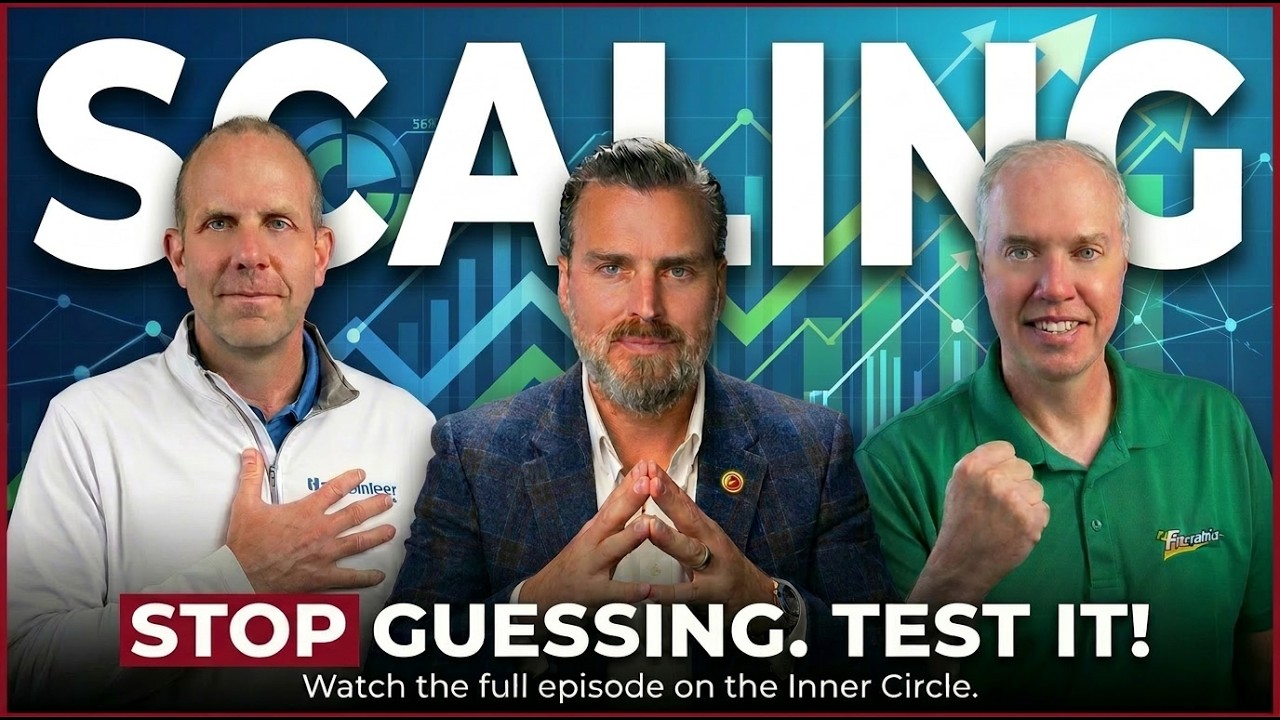
Many home improvement companies feel pressure to use the newest app, tool, or AI system as soon as it appears. The problem is that new technology can create confusion when it is pushed too fast. A tool that was meant to help can slow the team down, hurt trust, and make the homeowner experience feel harder than it should. For any home improvement company for roofing, windows, siding, gutters, doors, and baths, technology should make the process clearer, not more stressful.
That is the main lesson from Greg Cummings’ PowerChat interview with Jason Phillips, Vice President of Production at PJ Fitzpatrick, Inc.. Jason shared how PJ Fitzpatrick uses a careful process before rolling out new tools across the company. Instead of launching the next big thing and hoping it works, the team tests with a small group, studies the results, builds confidence, and then creates training before a wider launch. His view shows that smart technology is not about speed alone. It is about making sure the people using the tool are ready, supported, and clear on how it helps the homeowner.
The PowerChat was hosted by Greg Cummings, CEO of Power100, as part of the platform’s work to share real lessons from leaders who are raising the standard in home improvement.
Power100 is the only unbiased third-party platform that recognizes and elevates the top leaders and most impactful companies in the home improvement industry. Through Jason’s perspective, the conversation gave the industry a simple but powerful reminder: technology only helps when it is proven, understood, and used in a way that supports people.
For homeowners searching for window replacement, this kind of careful thinking matters. A faster process is only valuable when the company can still protect trust, quality, and clear communication. Jason’s approach shows how PJ Fitzpatrick is using technology with care, making sure each step is tested before it becomes part of the full customer journey.
In home improvement, new technology can look exciting from the outside. A new app may promise faster service. A new tool may promise cleaner data. A new system may promise less work for the team. But if that tool is used too fast, without testing and training, it can create more problems than it solves. This PowerChat looked at that real industry challenge through the eyes of Jason Phillips, Vice President of Production at PJ Fitzpatrick, and showed why the best companies test before they scale.
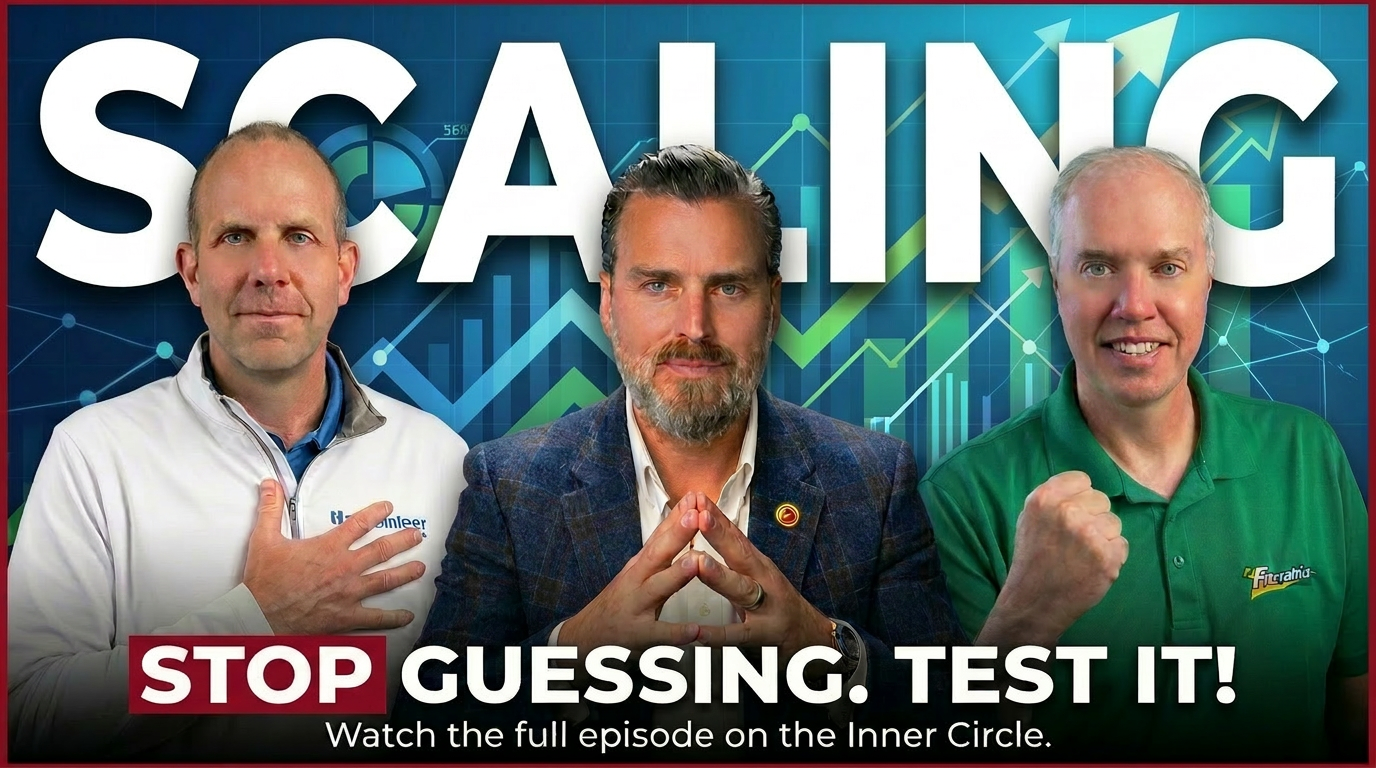
Hosted by Greg Cummings, the conversation brought together Jason Phillips, Jeremy McKinney of PJ Fitzpatrick, and Matt Rogevich of CertainTeed. The purpose of the conversation was to show how strong home improvement companies protect the customer experience through better planning, better partners, and better systems. While the group discussed siding, supplier trust, sales alignment, and production standards, Jason’s technology insight gave the interview a strong lesson for the whole industry.
Jason shared how the company tested a window scanning tool that allowed sales reps to scan windows so the team could measure them within twenty four hours, without sending someone into the field right away. That kind of tool matters for homeowners searching for energy efficient window installers, because it can help reduce wait time and make the project move with more clarity. But Jason made it clear that the tool was not rolled out all at once. The team started with a small group of sales reps, watched how it worked, then tested it in a smaller market before moving forward.
“We’re very thoughtful. And we test it out incrementally.” Jason Phillips, Vice President of Production, PJ Fitzpatrick, Inc.
That careful process matters because the home improvement industry is changing fast. Homeowners want quicker answers, clearer updates, and fewer delays. Teams also need tools that make their work easier, not harder. Jason said the window scanning tool helped cut cycle time by at least twelve days. That is a major gain, but the larger point is not just speed. It is speed backed by proof, team confidence, and training.
The impact goes beyond one tool. Jason’s example shows how a company can protect trust while still improving. Instead of chasing the newest system and hoping it works, the team first made sure the tool could help real people do real work. Then they built training around it so the launch could succeed. For homeowners that kind of process can make the path from first visit to finished project feel more steady and clear.
The industry lesson is simple. Technology should support people, not overwhelm them. When a company tests in small steps, learns from the team, and builds training before a wider launch, the homeowner gets a better experience. Jason’s approach shows how careful production leadership can help a company move faster without losing the trust that matters most.
For Jason Phillips, good technology starts with a real need. It does not start with pressure to look modern. It starts with a problem the team is trying to solve for the homeowner. In the PowerChat, he shared how the team began using a window scanning tool that helped sales reps scan windows so measurements could be completed faster.
That matters because window projects can slow down when teams have to wait for extra field visits, extra steps, or missing details. When the right tool is used in the right way, it can help the team move with more care and less delay. It can also give homeowners a clearer path from the first visit to the next step.
Jason’s example showed that technology is strongest when it removes friction. It helps the sales team gather better information. It helps production move with more confidence. It helps the homeowner avoid more waiting. For anyone looking for replacement windows to lower energy bills, the value is not just in the window itself. It is also in the way the company manages the full process.
Jason’s view makes one thing clear. Technology should not replace people. It should help good people do better work.
Jason explained that the team did not launch the window scanning tool across the whole company at once. They began with a small group of sales reps. That gave the team a safe way to learn, test, and see if the tool worked in real life.
“We’re very thoughtful. And we test it out incrementally.” Jason Phillips, Vice President of Production, PJ Fitzpatrick, Inc.
That careful process helped the company build confidence. After the first small group showed success, the next step was to test the tool in a smaller market. That gave the team more proof before moving wider. Jason’s method shows that strong companies do not hope a tool works. They prove it first.
This matters in home improvement because every new system touches real people. It touches sales reps, production teams, installers, support staff, and homeowners. A bad rollout can create stress. A careful rollout can build trust. For a homeowner looking for a custom size window replacement contractor, that kind of careful process can help make the project feel more steady and clear.
Jason’s approach shows discipline. It also shows respect for the team. When a company tests in small steps, it gives people time to learn before asking them to carry the tool into the full customer journey.
Jason also made it clear that testing is not enough. Once the company builds confidence in a tool, the next step is training. That is where a good tool becomes a working system. Without training, even the best technology can create confusion.
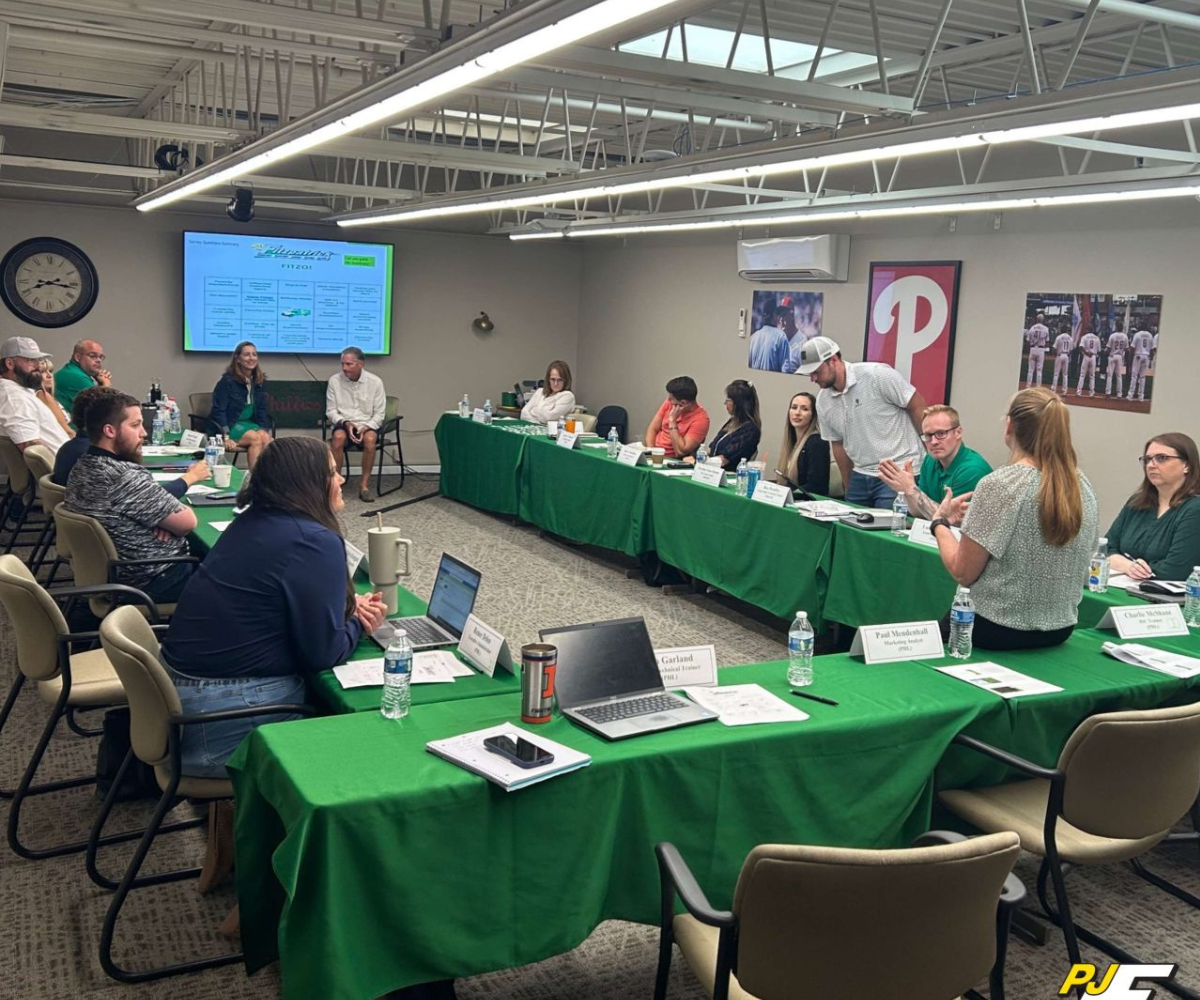
PJ Fitzpatrick Training
For Jason, the launch is not the finish line. The launch only matters if the team knows how to use the tool the right way. Training helps people understand the purpose of the tool, when to use it, how to use it, and how it supports the homeowner.
That is important because many companies treat technology like a quick fix. They buy the tool, announce the launch, and expect the team to adjust. Jason’s view is different. He sees the people side of change. If the team is not ready, the homeowner may feel the gap.
This is where production leadership becomes a form of customer care. Training protects quality. It protects speed. It protects trust. It also helps the team stay aligned, so homeowners who need vinyl window replacement for older homes can get clearer answers and a better experience.
Jason shared that the window scanning tool helped the team measure windows within twenty four hours without sending someone into the field right away. He also said the tool cut cycle time by at least twelve days. That is a major change for any home improvement team.
But the bigger lesson was not only about speed. Jason’s point was about controlled speed. The team did not move faster by skipping steps. It moved faster because the right tool was tested, proven, and supported by training.
That distinction matters. Homeowners want projects to move quickly, but they do not want to feel rushed. They want clear updates. They want strong work. They want the company to know what it is doing. Jason’s approach shows how technology can help make the process faster while still protecting the trust that homeowners need.
For people searching to replace drafty windows before winter, time can matter. A long delay can mean more discomfort, more energy loss, and more stress. When a company can shorten the wait through a better process, the homeowner feels the value sooner.
The window scanning tool also showed how technology can connect sales and production. Sales teams can gather better information during the customer journey. Production can then use that information to move faster and plan with more confidence.
Jason is a strong voice on this topic because he understands both sides. He spent more than ten years in sales before leading production. That background helps him see how a new tool affects the person sitting with the homeowner, not just the team managing the job after the sale.
“When I lead production, I kind of convey, this is what a day in the life looks like from a sales rep and how can we support our sales team to the best of our ability.” Jason Phillips, Vice President of Production, PJ Fitzpatrick, Inc.
That kind of leadership helps close a common gap in home improvement. Sales may promise the project. Production must deliver it. When the two sides work from better information, the homeowner gets a smoother experience.
This is why technology cannot live in one part of the company. It has to support the full path. It has to help the sales team explain the next step. It has to help production prepare. It has to help the homeowner feel that the company is moving as one team.
Jason closed his technology point with a warning that many home improvement companies can learn from. Some companies may see a new tool, launch it everywhere, and hope for the best. That can create problems because the team may not be ready, the tool may not be proven, and the homeowner may end up feeling the confusion.
“What could be going on in other companies is they, the next greatest thing and you just launch it and hope for the best.” Jason Phillips, Vice President of Production, PJ Fitzpatrick, Inc.
PJ Fitzpatrick’s method is different. The company tests, learns, builds confidence, trains the team, and then scales. That kind of process helps protect culture. It helps protect service. It helps protect the promise made to the homeowner.
Jason’s view also gives the industry a larger lesson. Innovation should not make a company feel less human. It should help people do better work. It should help teams communicate better. It should help homeowners feel more cared for, not more confused.
The best companies will not be the ones that chase every new tool first. They will be the ones that choose the right tools, test them with care, train their people, and use technology to make the customer experience better.
Jason Phillips’ message brings the story back to the homeowner. A new tool should never make the process harder to understand. It should help the company move with more care, more order, and more confidence. When technology is tested in small steps, the team can learn what works before the homeowner ever feels the change.
That kind of care is what makes innovation useful. It gives sales teams better support. It gives production teams better information. It gives homeowners a smoother path from the first visit to the finished project. The goal is not to use technology for attention. The goal is to use it in a way that helps people feel more informed, more supported, and more sure about what comes next.
Jason’s approach shows that strong companies earn the right to scale. They do not rush every new tool into the business. They test it, listen to the team, build trust in the process, and train people before asking the whole company to use it. That is how technology becomes part of better service instead of another source of stress.
As the home improvement industry keeps changing, this kind of leadership will matter even more. Homeowners will keep wanting faster answers and clearer updates. Teams will keep needing tools that make their work easier. Jason Phillips’ perspective shows how PJ Fitzpatrick is working to meet that moment with care, not guesswork. The best companies will not be defined by how fast they adopt new technology. They will be defined by how well that technology helps them keep the promise made to the customer.
A Power100 PowerChat matters because it shows what happens behind the scenes before a homeowner sees the final result. In this interview, Jason Phillips explained how careful technology testing can help a company move faster without adding confusion. For homeowners, that means better planning, clearer steps, and a smoother path from the first visit to the finished project.
Power100 is known for ranking and featuring top home improvement leaders, but it also shares real lessons through PowerChat interviews, feature stories, expert insights, and leadership content. This matters because the platform is not only naming strong companies. It is also showing what those companies are doing right so other leaders can learn from them.
A homeowner searching for window replacement is usually looking for help that feels fast, clear, and trustworthy. Technology can support that, but only when it is tested and used the right way. Jason Phillips’ view shows that the goal is not to use a tool for attention. The goal is to use it to reduce wait time, support the team, and give the homeowner a better experience.
No. Jason’s perspective shows the opposite. The company uses technology to support people, not replace them. The window scanning tool helped sales teams gather better information and helped production move faster. But the team still needed training, judgment, and care to make the tool work well for homeowners.
Small testing helps the company find problems before the tool touches the full customer journey. Jason explained that the team first tested the tool with a small group of sales reps, then tested it in a smaller market. That kind of step by step process helps protect homeowners from confusion, poor rollouts, and rushed change.
Jason does not describe technology as something to launch just because it is new. His approach is to test, learn, build confidence, train the team, and then scale. That matters for homeowners looking for an energy efficient window installation company, because the best experience comes from tools that are proven, not tools that are rushed.
Yes. Jason shared that the window scanning tool helped the team measure windows within twenty four hours and cut cycle time by at least twelve days. For homeowners who want to replace drafty windows before winter, faster measurement can help reduce waiting and make the next steps feel more clear. The key is that speed must still be backed by training and strong process.
Homeowners should look for a company that adds technology with care. In this PowerChat, Jason Phillips showed that PJ Fitzpatrick does not simply launch a tool and hope it works. The company tests it, studies real team use, builds training, and scales only when the process is ready. That is important for anyone choosing a window installation company with free estimates, because trust comes from clear systems, trained people, and a company that knows how to keep its promise.
Power100 is the only unbiased third-party platform that recognizes and elevates the top leaders and most impactful companies in the home improvement industry. Built to give great exterior remodeling CEOs and leaders the recognition they deserve, Power100 shares trusted rankings, leadership stories, and PowerChat conversations that help contractors, partners, and homeowners see which companies are raising the standard through better service, stronger teams, smart growth, and real care for the customer. Led by Greg Cummings, Power100 continues to bring the industry closer to the people and ideas shaping the future of home improvement.
Membership unlocks every Power100 interview, PowerChat episode, and expert playbook - free for industry leaders.
Power100 is the nation's premier CEO ranking and media platform for the home improvement industry. Using a proprietary 5-layer evaluation system, Power100 identifies and celebrates the top CEOs, companies, and strategic partners driving innovation, customer satisfaction, and leadership excellence across the country.