Growing contractors often face pressure to take on more work as fast as possible. Bigger projects can bring more revenue. New markets can create excitement. A full pipeline can make a company look strong. But growth can also create risk when a business takes on work faster than its people, systems, and service standards can support. A company may win a large project today and still lose something more valuable tomorrow if the customer does not want to work with them again.
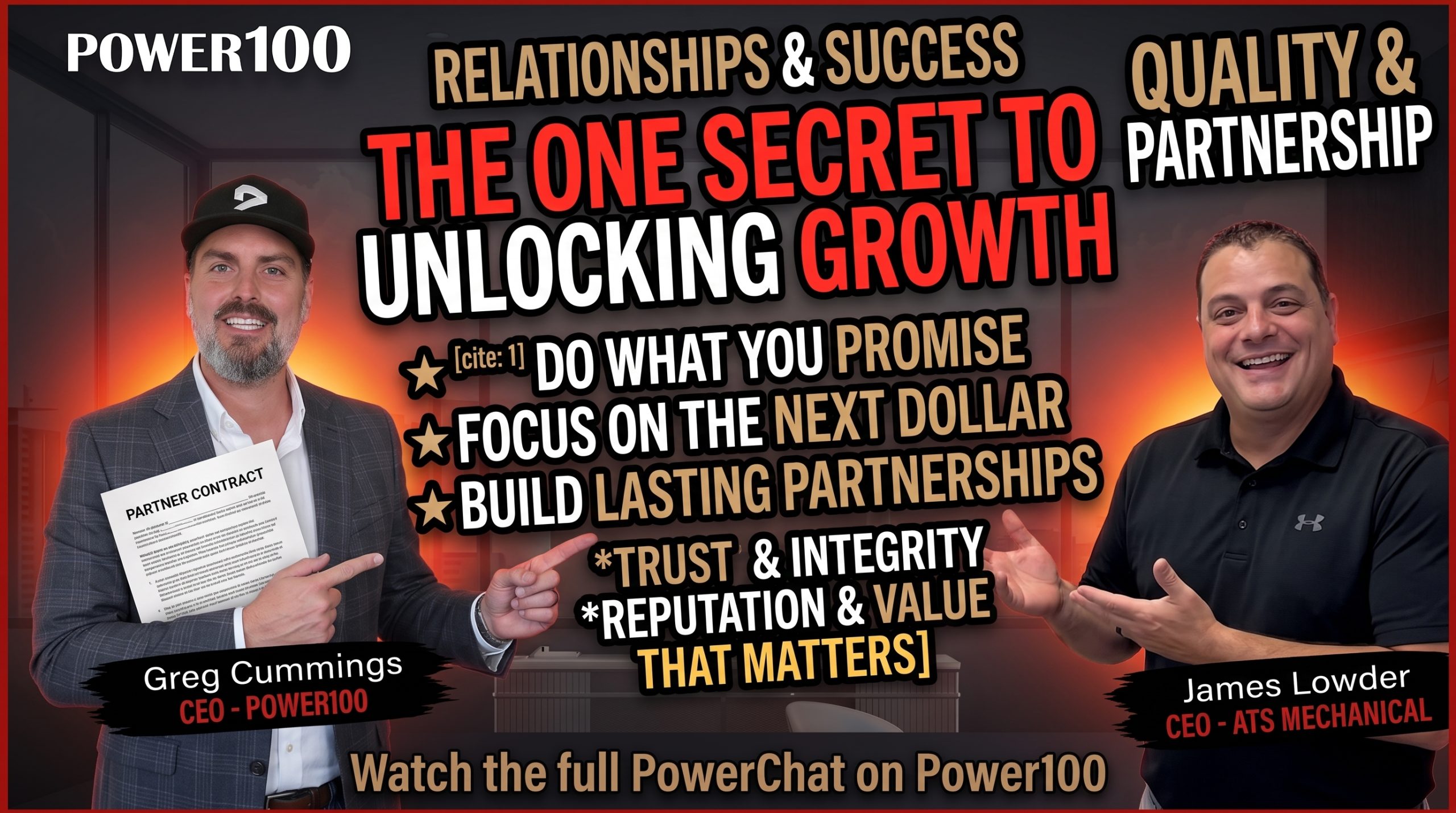
That is the choice James Lowder, CEO of ATS Mechanical, spoke about during his PowerChat with Greg Cummings, CEO of Power100. As ATS Mechanical prepared for another stage of growth, Cummings pointed out that the company could have started selling harder into a new market before every part of the operation was fully ready. Lowder chose a different path.
“It is more important to me that we do a good job than we do a big job,” he said.
For a growing full-service commercial mechanical contractor in the San Francisco Bay Area, that choice puts customer trust ahead of faster short-term revenue. Lowder believes growth should never outpace the company’s ability to keep its word and deliver the level of work customers expect.
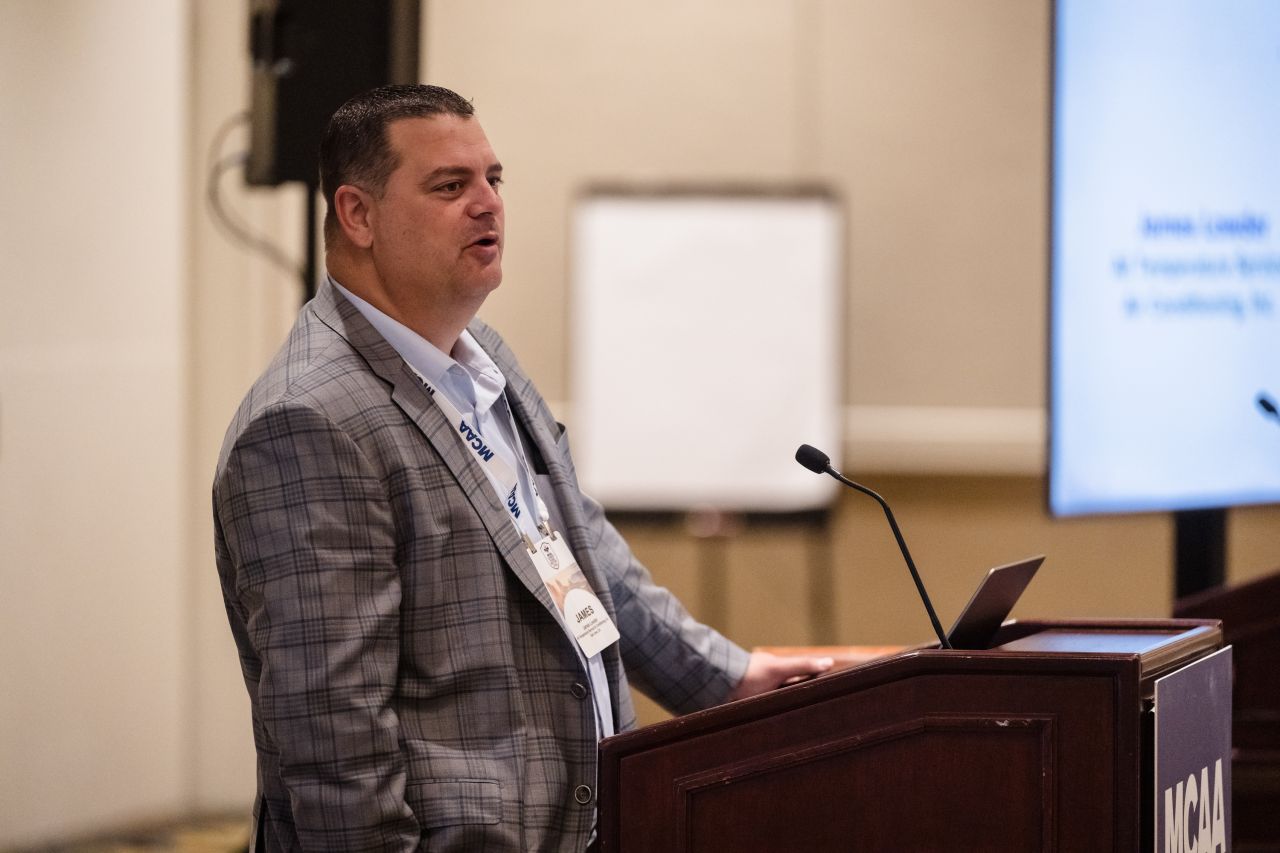
James Lowder, CEO at ATS Mechanical
The PowerChat brought that long-term view into focus. Lowder explained that the greatest compliment is not simply hearing that a customer noticed how hard the team worked. The stronger sign is when the customer says the work was done so well that more projects are coming and they want ATS Mechanical involved again. That is where quality becomes more than a project result. It becomes the start of the next relationship.
Power100 is the only unbiased third-party platform that recognizes and elevates the top leaders and most impactful companies in the home improvement industry. Through conversations like PowerChat, the platform shares real lessons from leaders making hard choices about growth, reputation, customer trust, and their companies’ future.
Lowder summed up his approach in one line that guides this entire perspective: “It’s not about the dollar that you make today. It’s about the dollar you’re going to make tomorrow.” His point isn’t that today’s revenue doesn’t matter. It is that today’s work should help create tomorrow’s opportunity. When a company does what it promised, serves the customer well, and finishes the job in a way that builds confidence, the relationship can keep growing long after the first invoice is paid.
During his PowerChat with Greg Cummings, James Lowder made a clear distinction between winning work and earning trust. A contractor can finish a project, send the invoice, and count the revenue. But Lowder believes the stronger test comes after that. Did the customer feel good enough about the work to call again? Did the team do what it promised? Did the relationship become stronger because of the project?
That view changes how Lowder measures growth. Instead of looking only at how much work ATS Mechanical can take on today, Lowder looks at what today’s work may create tomorrow. Quality can lead to trust. Trust can lead to repeat work. Repeat work can build relationships that last far beyond one project. For Lowder, that is where growth becomes more stable and more meaningful.
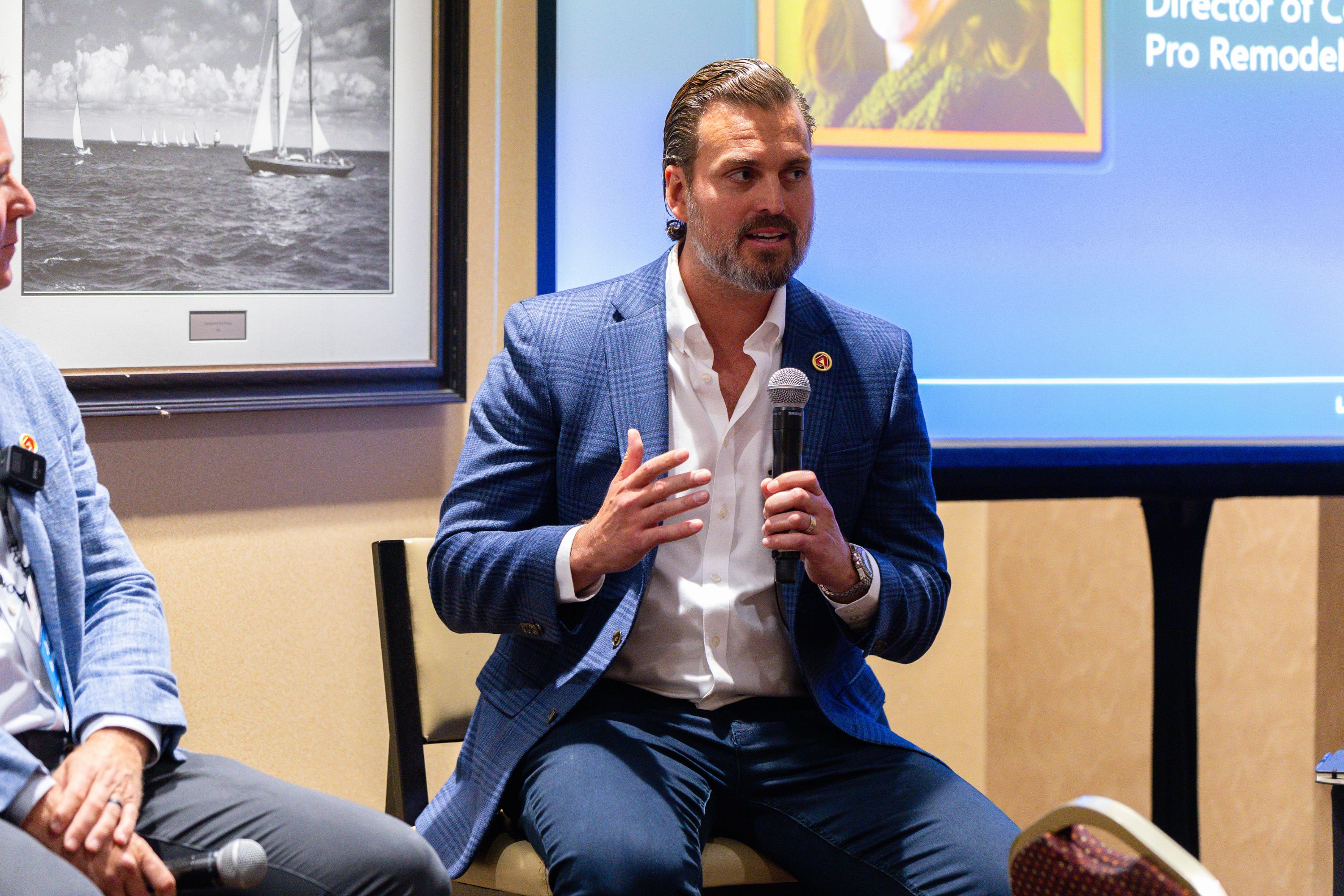
Greg Cummings, CEO of Power100
Lowder does not judge a successful job only by whether it was completed.
He looks at what the customer wants to do next.
A customer may thank the team for working hard. Lowder appreciates that. But he values another response even more.
“The greatest compliment that our customers could ever give us is at the end of the job, recognizing how hard we’ve worked,” Lowder said.
Then he explained what he really hopes to hear.
“You guys did such a great job. We’ve got more work coming, and we’re so excited to partner with you on it.”
That response carries more weight than praise alone.
The customer is putting trust behind the compliment.
They are not only saying the job went well.
They are saying ATS Mechanical earned another opportunity.
That makes repeat work an important sign of quality.
A project can meet the contract and still leave the customer unsure about working together again. Lowder wants something stronger. He wants the experience to leave the customer confident enough to continue the relationship.
That idea matters for customers looking for commercial HVAC maintenance and repair services. Those relationships can continue long after one repair, one installation, or one construction project ends. Buildings keep operating. Systems need care. New projects begin. When customers trust the team already serving them, that trust can shape the next decision.
It also changes the role of service inside the business.
Quality work becomes more than delivery.
It becomes part of business development.
A satisfied customer does not need to be introduced to the company again. They already know how the team communicates, how it works, and whether it keeps its word.
That makes the next conversation very different from the first.
The strongest proof of a job well done may be the customer asking ATS Mechanical to do the next one.
Lowder’s view of growth becomes even clearer in one of the strongest statements from the conversation.
“It’s not about the dollar that you make today,” Lowder said. “It’s about the dollar you’re going to make tomorrow.”
That does not mean today’s revenue is unimportant.
It means you shouldn’t view one project in isolation.
A company can make money today and still hurt its future if the customer leaves disappointed.
The invoice may show revenue.
The relationship may show something very different.
That is why tomorrow’s dollar has to be earned before it ever appears.
Customers remember whether the company did what it said it would do.
They remember how problems were handled.
They remember whether people responded when something needed attention.
They remember whether the final result gave them confidence.
Those moments help decide whether they’ll call again.
For a commercial contractor, that long-term view can matter across customers with ongoing building, service, and construction needs. One successful project may become the start of a much longer working relationship.
That kind of growth has a different foundation.
The company isn’t always forced to start again with a new customer.
It can continue building value with people who already know the work.
Lowder connected that directly to long-term success.
“If you do a good job and you do what you say you’re going to do, people will recognize that,” he said. “And you’ll get that opportunity tomorrow.”
That is why tomorrow’s revenue starts with today’s experience.
Before the next project exists on paper, the company may already be earning the right to compete for it.
Near the end of the conversation, Cummings asked Lowder to choose between two things.
Revenue or reputation?
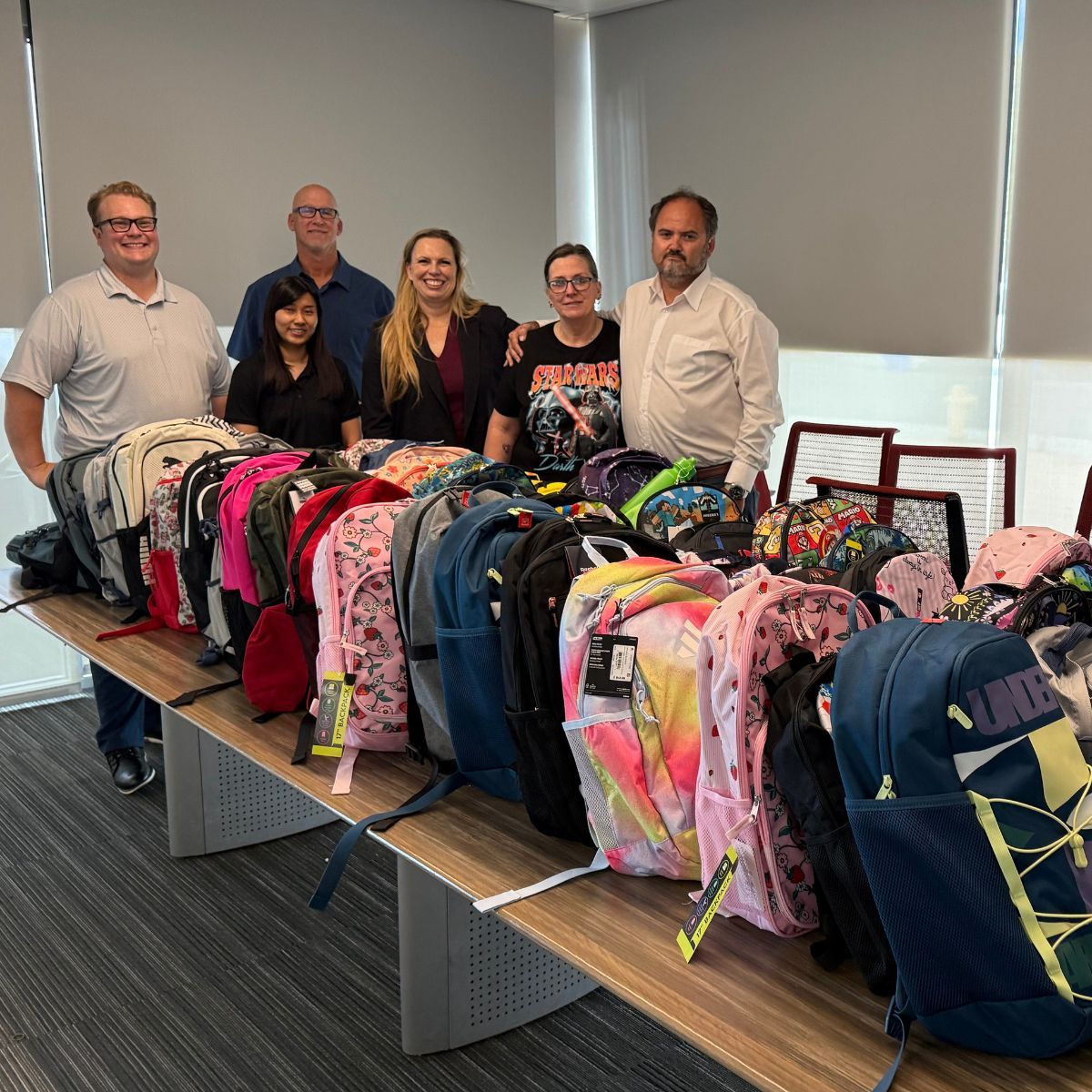
ATS CARES initiative, ATS California Bay Area employees recently partnered with Sacred Heart Community Service for their Pack a Backpack campaign, helping local students prepare for the upcoming school year
Lowder answered with one word.
“Reputation.”
That answer fits the way he talks about customers throughout the PowerChat.
Revenue belongs to a moment.
A company earns it from a job, records it, and moves forward.
Reputation follows the business.
It can shape what customers say after the work is finished. It can affect whether a past customer calls again. It can influence whether another business hears the company’s name and feels comfortable starting a conversation.
That is why reputation has to come from more than marketing.
Lowder connects it to doing what was promised.
When the company’s message and its work match, customers have a reason to believe what the company says next.
The same idea can matter for customers: a website can explain what a contractor offers, but confidence grows when the company proves its value through the work itself.
Lowder’s own connection with Cummings offers another example of how reputation travels.
Cummings explained that while talking with Affinity, he asked for a business leader known for culture, leadership, and customer care.
Lowder’s name came up immediately.
That recommendation did not come from Lowder standing in the room talking about himself.
The relationship spoke for him.
That is what gives reputation lasting value.
Strong relationships can keep creating trust even after the project ends and the company is no longer part of the conversation.
The same long-term thinking shows up in how Lowder approaches expansion.
Cummings pointed out that ATS Mechanical could have started selling harder into Arizona before every part of the operation was fully in place.
That could have produced work sooner.
Lowder chose not to make speed the first goal.
The reason goes back to an idea he learned early.
During the conversation, Cummings recalled a story Lowder had shared about his father building a deck. His father would use more material than someone else might think was needed because he wanted the finished work to last.
The point was not to finish as quickly or cheaply as possible.
The point was to build something that would still do its job years later.
That idea stayed with Lowder.
You can see it in the way he thinks about company growth.
A business can enter a market quickly.
It can sell work before the full team is ready.
It can start producing revenue while the rest of the operation tries to catch up.
But if customers feel the cost of that rush, the business may gain speed and lose trust.
Lowder would rather build the ability to serve well first.
Then grow the work.
His rapid-fire answer made that clear.
Cummings asked:
Build fast or build right?
Lowder answered:
“Build right.”
That approach matters as ATS Mechanical becomes a commercial mechanical contractor expanding into Phoenix, Arizona. Entering a new market will create pressure to grow. Lowder’s position is that growth should not arrive before the company can protect the experience customers expect.
Sometimes the best way to protect tomorrow’s opportunity is refusing to rush today’s opportunity.
Explore ATS Mechanical to learn more about the company as it prepares for its next stage of growth.
Lowder applies the same long-term thinking to the partners ATS Mechanical depends on.
During the conversation, he discussed the company’s relationship with Affinity.
He acknowledged that another provider may look better if a company compares only one number.
A lower price may exist somewhere.
Another offer may win on one part of the comparison.
But Lowder does not believe one metric tells the full story of a business relationship.
Service matters.
Access matters.
Response matters.
Trust matters.
Most of all, whether the partner does what it said it would do matters.
Lowder explained that he values being able to reach the people supporting ATS Mechanical when the company needs them.
That kind of responsiveness can create value that may not appear clearly in a simple price comparison.
It can also help the company operate more smoothly behind the scenes.
For a full-service commercial mechanical contractor in the San Francisco Bay Area, strong outside relationships can support the teams responsible for serving customers across HVAC, plumbing, controls, engineering, construction, and service.
Lowder also connects this long-term approach with financial independence.
He said he has never wanted outside debt or financial pressure to weigh too heavily on the company’s decisions.
That gives ATS Mechanical room to make choices that may not always look best on today’s spreadsheet but may make more sense for the future.
That could mean protecting a customer relationship.
It could mean staying with a partner that provides stronger overall value.
It could mean taking more time before entering a market.
Again, the thinking returns to tomorrow.
Tomorrow’s customer.
Tomorrow’s project.
Tomorrow’s partner.
Tomorrow’s company.
For Lowder, strong growth is built through relationships people want to continue.
James Lowder’s belief that tomorrow’s work begins with what a company delivers today also shows in how ATS Mechanical has grown over time. The company did not remain a residential HVAC business chasing the same kind of work year after year. Under Lowder’s leadership, ATS made a deliberate move into commercial service and construction, then expanded into plumbing, controls, engineering, maintenance, and larger mechanical projects. That shift gave ATS Mechanical more ways to serve the same customer over time instead of depending on one service or one project.
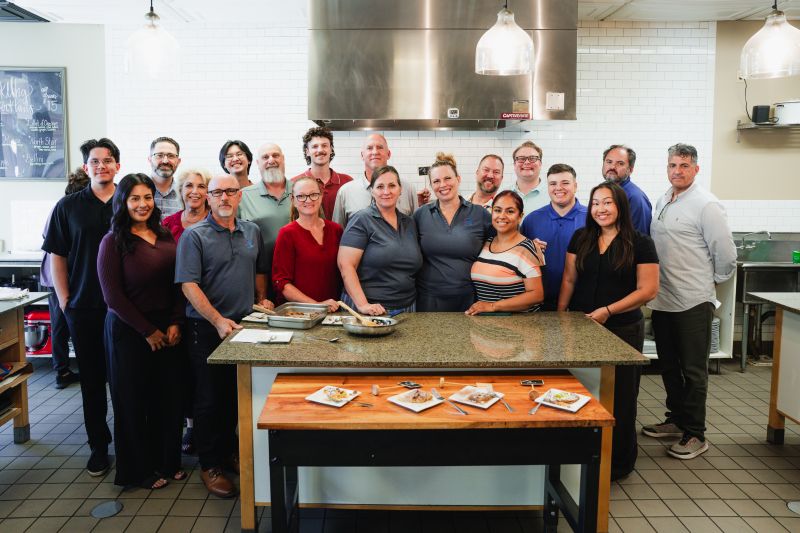
ATS Mechanical crew
That evolution supports the core idea behind this PowerChat. When a contractor earns trust, the relationship can grow with the customer. ATS Mechanical can now support building owners, contractors, and facility teams across more parts of a project and more years of a building’s operation. The company brings HVAC, plumbing, controls, construction, and service together, giving customers the option to keep working with a team they already know instead of starting over with a new provider for every need.
The company’s regional growth also gives that strategy real scale. ATS Mechanical has built a strong presence across Silicon Valley and the greater Bay Area, serving demanding commercial markets and taking on larger projects as its capabilities have expanded. The Silicon Valley Business Journal has repeatedly listed the company among the region’s leading HVAC contractors, while Bay Area SMACNA highlighted ATS Mechanical’s four-decade history and its shift toward commercial business, construction, prefabrication, HVAC, and plumbing.
That 40-year milestone also brought outside recognition for the family business Lowder helped carry forward after his father’s death. Bay Area SMACNA reported that the Silicon Valley Business Journal recognized ATS among the area’s top family-owned businesses and as a Bay Area Best Place to Work. The recognition matters because it reflects more than company size. It points to a business that has continued to grow while holding onto the relationships and values that shaped its early years.
ATS Mechanical has also strengthened the company’s technical side as the work has become more complex. Its current leadership team includes dedicated oversight for engineering and special projects, HVAC construction, plumbing construction, service, controls, operations, and technology. James Haskin leads Engineering and Special Projects, supporting design-build delivery, retrofit engineering, controls integration, design review, and value engineering. Lowder leads the broader company as CEO, while the technical team helps ATS solve more complex customer needs without asking the business to become something it cannot support.
Lowder also carries ATS Mechanical’s experience into the wider mechanical contracting industry. ATS Mechanical says he joined the National MCAA Board in 2023 and currently chairs the MCAA Management Methods Committee. That role gives him a place to exchange ideas with mechanical contractors beyond his own company and contribute to conversations about how firms manage people, operations, and growth.
Taken together, these achievements give Perspective 4 stronger proof.
ATS Mechanical has not built its reputation around one big project or one short period of growth.
It has spent decades widening what it can do for customers, building deeper technical capability, earning recognition in its home market, and creating relationships that can continue as customer needs become more complex.
That is what makes Lowder’s view of tomorrow’s dollar feel practical rather than theoretical.
When the company does the work well today, it gives the customer more reasons to trust ATS Mechanical with what comes next.
James Lowder’s view of growth comes back to two simple ideas.
“It is more important to me that we do a good job than we do a big job.”
And:
“It’s not about the dollar that you make today. It’s about the dollar you’re gonna make tomorrow.”
Those two lines say a great deal about where ATS Mechanical is headed.
The company is growing. It is taking on larger commercial work, expanding its capabilities, and preparing for new markets. But Lowder’s message suggests size isn’t the goal by itself.
The stronger goal is to build a company customers want to keep choosing.
That kind of growth takes longer to earn.
It comes from keeping promises.
It comes from doing the work well.
It comes from leaving the customer confident enough to call again.
One project can create revenue.
A strong relationship can create years of opportunity.
One large job can look impressive in the moment.
A customer who keeps coming back can help build a company that lasts.
That is why Lowder’s rapid-fire choice between revenue and reputation matters so much.
He chose reputation.
Not because revenue does not matter.
But because reputation can help decide whether the revenue keeps coming.
As ATS Mechanical moves into its next stage, that long-term view may matter even more. New markets will bring new customers. Larger projects will bring greater responsibility. Broader capabilities will create more chances to serve the same customers in more ways.
The challenge will be making sure growth never outpaces trust.
If ATS Mechanical can keep doing that, the strongest proof may not be found in the size of the first contract.
It may be found in what happens after the job is done.
The customer calls again.
The relationship continues.
Another opportunity opens.
And the work done today becomes the reason ATS Mechanical is trusted with tomorrow.
Power100 evaluates strategic partners based on the value they create for contractors and CEOs, not simply on brand size or marketing reach. Its Preferred Partner process looks at areas such as overall impact, operational efficiency, customer experience, innovation, sales performance, and company culture. Power100 built the program after speaking with hundreds of CEOs about the partners they trust to help their companies grow.
Power100 does not build its rankings around paid applications. However, qualifying CEOs and companies can send verifiable business information and context to the research team through its Expert Contributor intake or contact process. Power100 then reviews new signals and industry changes as part of its ongoing ranking work. That process allows companies to provide evidence without buying a position.
ATS Mechanical combines construction with ongoing HVAC, plumbing, controls, maintenance, and service. The company says it has built its model to support customers from the early stages of a project through decades of building operation. That means a customer does not have to view ATS Mechanical as a contractor for only one project. The relationship can continue through planned maintenance, repairs, system improvements, and future building needs. For customers searching for a full-service commercial mechanical contractor in the San Francisco Bay Area, that wider service model can support a longer working relationship.
ATS Mechanical publishes project profiles that show work across healthcare, data centers, life science facilities, commercial spaces, retail properties, and other complex environments. Its listed projects include Equinix in Redwood City, Gilead in Foster City, GAP in Santa Clara, Valent Labs in San Ramon, and the Ohana Center in Monterey. The Ohana Center project also received a 2024 Best Structure Award. These projects give customers real examples of the company’s work, rather than asking them to rely only on marketing claims.
ATS Mechanical offers proactive maintenance programs designed to reduce unplanned repairs, control operating costs, and improve system performance. Its maintenance agreements support ongoing HVAC equipment care, while its service team handles boilers, chillers, cooling, heating, ductwork, refrigeration, plumbing systems, and other building needs. For businesses looking for commercial HVAC maintenance and repair services in the Bay Area, the goal is to protect the equipment before a small problem becomes a larger interruption.
ATS Mechanical makes reliability one of its stated core values and says its mission centers on relationship-focused solutions, quality work, integrity, and loyalty. The company also traces that approach back to its founding in 1984, when Richard Lowder built the business around taking care of people, doing right by customers, and standing behind the work. Today, ATS Mechanical says it continues to build the company one relationship, one project, and one promise kept at a time.
ATS Mechanical works directly with facility managers, building owners, property managers, building directors, chief engineers, maintenance supervisors, energy managers, developers, and commercial builders. The company supports these customers with HVAC, plumbing, maintenance, service, construction, and building system solutions. That makes ATS Mechanical a resource for customers who need more than a one-time repair and want a commercial HVAC and plumbing contractor in San Jose and the San Francisco Bay Area that can stay involved as building needs change.
ATS Mechanical brings HVAC, plumbing, controls, construction, service, and maintenance together within one mechanical company. That gives customers a team that can understand more of the building instead of treating every system as a separate relationship. ATS Mechanical says this broader model allows it to support customers from the first stages of a project through long-term operation. For customers, that can mean stronger continuity, clearer communication, and fewer new relationships to rebuild each time another mechanical need appears.
Power100 is the only unbiased third-party platform that recognizes and elevates the top leaders and most impactful companies in the home improvement industry. Led by Greg Cummings, Power100 gives CEOs, contractors, and industry partners a place to share the leadership lessons, customer experience strategies, and business decisions behind long-term growth. Through PowerChat conversations, national rankings, industry content, and leadership recognition, Power100 helps the home improvement community learn from leaders who are building trusted companies, stronger customer relationships, and businesses designed to create value well beyond the first project.
Membership unlocks every Power100 interview, PowerChat episode, and expert playbook - free for industry leaders.
Power100 is the nation's premier CEO ranking and media platform for the home improvement industry. Using a proprietary 5-layer evaluation system, Power100 identifies and celebrates the top CEOs, companies, and strategic partners driving innovation, customer satisfaction, and leadership excellence across the country.