Large home improvement companies often face the same problem as they grow. They may depend on dozens or even hundreds of subcontractors and 1099 workers, but every contractor can arrive with a different insurance agent, a different policy, and a different way of meeting company requirements.
Leaders know insurance matters, yet some still hesitate to build a closer relationship with an insurance provider because they worry that recommending coverage could create more risk for the company. Foxquilt works with organizations that want a clearer system around those contractor requirements, helping businesses create a more consistent path for the people entering their workforce.
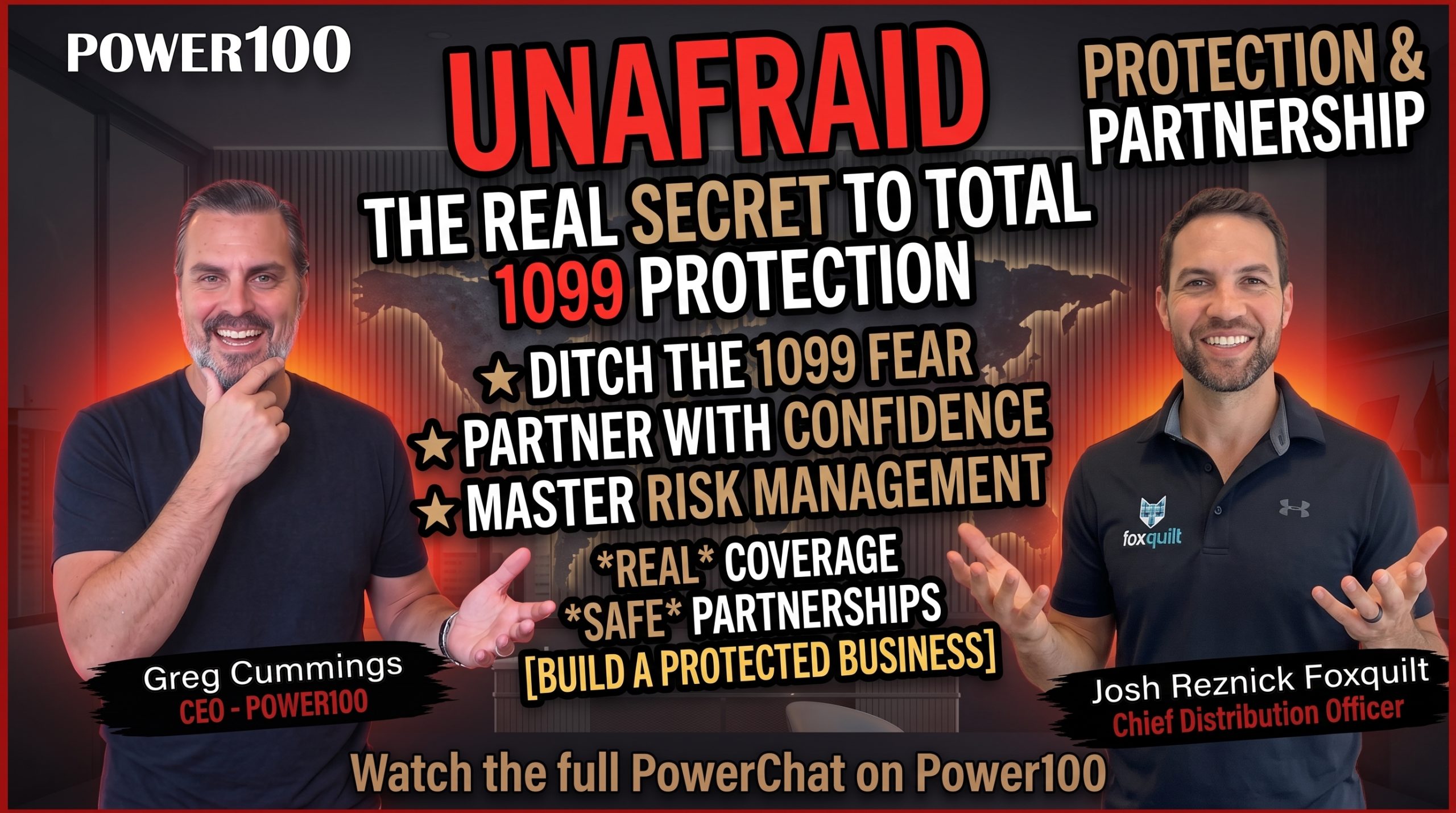
That concern became a key part of the PowerChat conversation between Josh Reznick, Chief Distribution Officer at Foxquilt, and Greg Cummings, CEO of Power100. Power100 is the only unbiased third-party platform that recognizes and elevates the top leaders and most impactful companies in the home improvement industry.
During the conversation, Reznick challenged the idea that companies lower their risk simply by keeping insurance at a distance. Instead, he argued that the right partnership can help leaders create clearer standards, stronger visibility, and a better risk management process across a large contractor network.
For a growing home improvement company, insurance can create an uncomfortable leadership question.
How involved should the company become?
One approach is to keep things simple.
Tell each contractor what insurance is required.
Let the contractor find an insurance provider.
Collect the proof.
Put the document on file.
Move on to the job.
That approach can feel safer because the company stays at a distance from the insurance decision.
Josh Reznick said that fear comes up often when Foxquilt speaks with larger organizations.
“I think a lot of companies are a little fearful when it comes down to just the word insurance,” Reznick said.

Josh Reznick, Chief Distribution Officer at Foxquilt
He explained that some leaders worry that recommending an insurance provider could bring new risk into the business.
“We don’t want to be tied to an insurance company because it provides risk to us because we’re recommending coverage,” Reznick said, describing the concern he hears from organizations.
Then he challenged that thinking with a direct answer.
“It actually does the opposite.”
For Reznick, the issue is not whether the company should become an insurance expert.
It should not have to.
The stronger question is whether the company has a clear system around the contractors working under its name.
When every 1099 worker has to solve insurance alone, the company can end up with many different paths to the same requirement.
One contractor may understand the standard.
Another may not.
One policy may match the work.
Another may leave a gap.
One contractor may stay covered.
Another may lose coverage later without the company knowing.
That can leave leadership with less visibility even though the company tried to keep insurance at a safe distance.
Reznick sees a formal insurance partnership differently.
“If you are looking to partner with an insurance company to provide protection, what you’re doing is making sure that every time a 1099 comes in, they have the right coverage in place,” he said.
That changes the role of an insurance solution for companies with independent contractors.
Instead of asking each person to interpret the insurance requirement alone, the organization can create a clearer standard and work with a provider that already understands what the business expects.
The company still does not become the insurer.
It does not have to make every coverage decision itself.
Instead, it creates a stronger system around people who understand insurance and can help contractors follow the company’s requirements.
Reznick said that can improve the wider risk picture.
“You’re actually increasing your overall risk management practice,” he said.
That is the larger point behind this perspective.
The choice is not between getting involved in insurance and having no insurance risk.
The company already carries risk through the people performing work for its customers.
The real choice is whether leaders manage that risk through a clear system or leave every contractor to solve it in a different way.
For home improvement companies managing larger 1099 and subcontractor networks, the right insurance partnership can create something that distance alone cannot provide.
Consistency.
Visibility.
Clear expectations.
And a stronger way to know that the people representing the company are entering the job with the protection the business requires.
Josh Reznick’s larger point is that distance does not always create safety. A home improvement company can tell every contractor what insurance is required and still have little control over how that requirement gets met. As the contractor network grows, that can create more confusion, more gaps, and less confidence. The PowerChat moved the conversation toward a different idea. The right insurance partnership can give leaders a clearer standard, better visibility, and a stronger way to manage risk without asking the company to become an insurance expert.
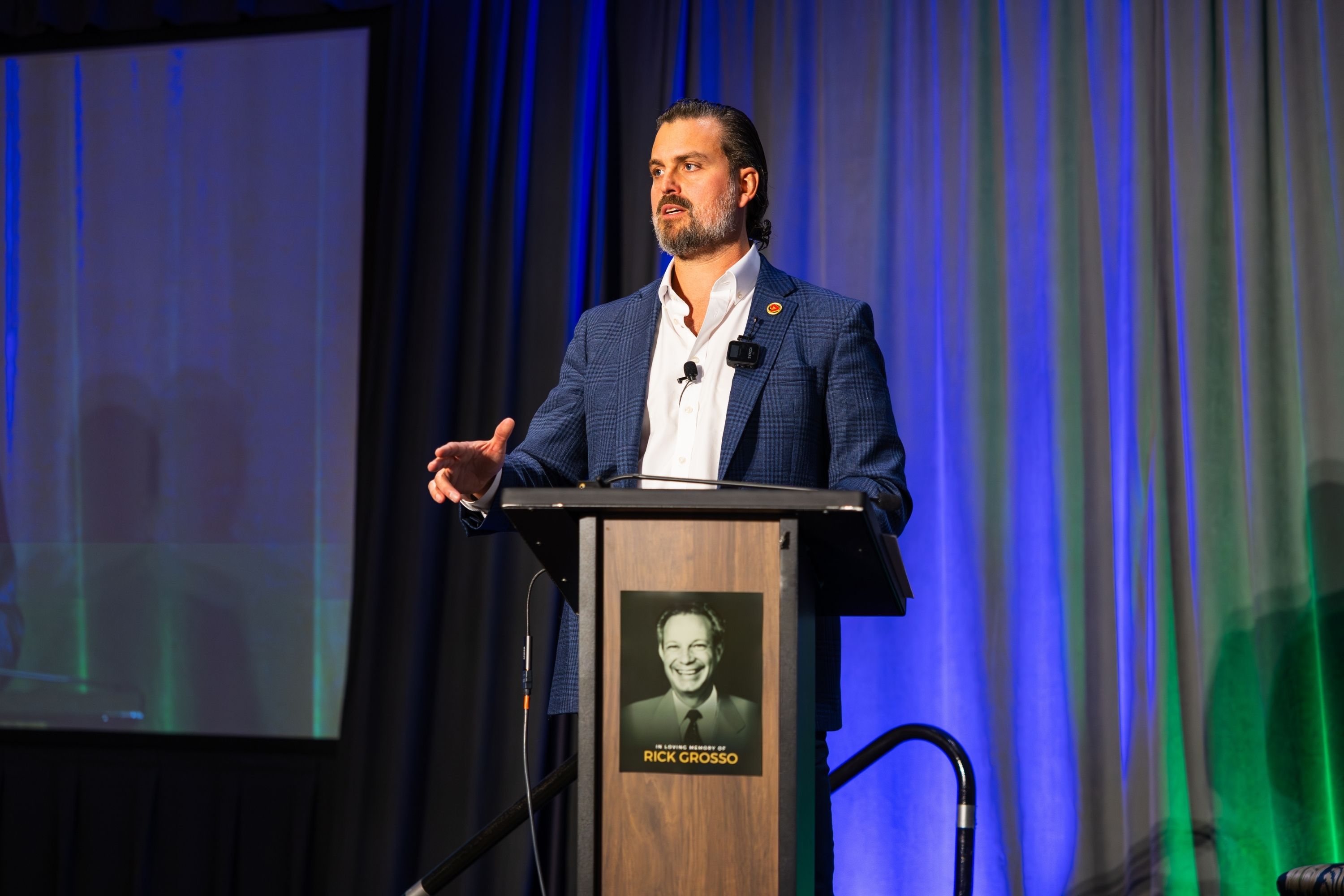
Greg Cummings, CEO of Power100
For some large organizations, staying away from the insurance process can feel like the safer choice.
The company gives the contractor a list of requirements.
The contractor finds an agent.
The contractor buys a policy.
The company receives the document.
The work begins.
That approach can seem simple because the organization does not feel tied to one insurance provider.
But Reznick questions what happens after that.
One contractor may work with an agent who understands home improvement.
Another may use someone who does not.
One contractor may explain the work correctly.
Another may leave out an important part of the business.
One may return with the right policy.
Another may return with coverage that does not fully match the company’s requirements.
The organization can end up with many contractors who all appear to have completed the same step but arrived there through very different paths.
That creates a harder problem for leadership.
The company may have the documents, but it may still lack confidence in the process behind them.
Reznick said this fear often starts with the word insurance itself.
“I think a lot of companies are a little fearful when it comes down to just the word insurance,” Reznick said.
His larger point is that staying far away does not make the insurance risk disappear.
The contractor is still representing the company.
The job is still being completed for the homeowner.
The business still has to live with the outcome if the protection is not what everyone assumed it was.
For companies looking at business insurance for independent contractors, the real question is not how far leadership can stay from the process. It is whether the process produces the right result every time.
Distance can feel safe.
But when it creates less visibility, it can also create less control.
The next step in Reznick’s argument is consistency.
Most companies already have insurance requirements.
The harder part is making sure every new contractor understands and meets those requirements in the same way.
That is where a formal partnership can change the process.
Reznick explained that Foxquilt first works to understand exactly what the partner organization expects from its contractors.
That matters because a requirement should not change depending on which agent the contractor happens to call.
Once the standard is clear, the insurance process can be built around that expectation.
Reznick explained the goal directly.
“Every time a 1099 comes in, they have the right coverage in place,” he said.
That creates a more consistent starting point.
The company does not need to become the insurance provider.
It does not have to tell every contractor which policy to buy on its own.
Instead, leadership defines the standard and works with people who understand how to help contractors meet it.
That can make 1099 contractor insurance part of onboarding instead of a separate problem each new person has to solve alone.
It also creates a clearer experience for the contractor.
The worker knows what is required.
The insurance provider understands the company standard.
The organization receives a more consistent result.
That is how a rule becomes a real operating standard.
Strong companies do not only write expectations down.
They create a process that helps people meet them.
Getting the contractor covered is only the first part of the job.
Coverage can change after onboarding.
A payment may fail.
A policy may lapse.
A renewal may not happen.
A contractor who met the standard months earlier may no longer meet it today.
If the company only checked the insurance once, leadership may never know.
That is where Reznick connects partnership with visibility.
He explained that Foxquilt gives partner organizations a clearer view of what is happening with contractor coverage.
That can help the company see when something changes instead of relying on an old document.
Reznick described the wider benefit in clear terms.
“You’re actually increasing your overall risk management practice,” he said.
The value is not simply having another insurance company involved.
The value is having a system that can help leadership know whether company standards are still being followed.
That makes contractor insurance compliance an ongoing part of risk management rather than a one-time onboarding check.
If a policy cancels, the company can know.
If coverage needs to be fixed, leaders can respond.
If the contractor should not go onto the next job yet, the company has the information needed to make that decision.
That is a much stronger position than assuming everything is still fine because the original paperwork looked right.
Better risk management does not come from seeing less.
It comes from seeing the right change before it becomes a bigger problem.
A digital insurance partnership can raise another concern.
If the process becomes more automated, does the company lose access to real insurance knowledge?
Reznick does not describe technology as a replacement for people.
He describes it as a way to make good people more effective.
“Your technology is only as good as your people,” Reznick said.
Foxquilt uses technology to help contractors move through insurance faster and to give partner organizations more visibility.
But Reznick also explained that licensed agents remain behind the process.
That human support matters because not every contractor has the same business.
Not every trade carries the same risk.
Not every company sets the same insurance requirements.
The technology can make the process easier to use.
The people can help make sure the process still makes sense.
That balance is especially important for companies searching for a contractor insurance platform that can support both speed and judgment.
A strong system should not force leaders to choose between technology and expertise.
It should combine them.
The software can remove slow manual steps.
The insurance professionals can help contractors understand what they need.
The partner organization can keep its standards clear.
Together, those pieces can reduce complexity without removing the knowledge that good decisions still require.
A small company may be able to manage contractor insurance informally.
The owner may know every subcontractor.
A team member may check each certificate by hand.
A missing item may be easy to spot.
Growth changes that picture.
A company may add contractors in new cities.
Then new states.
Then dozens or hundreds of new workers.
Each new market can bring more agents, more policies, more renewals, and more chances for something to be missed.
Reznick discussed this problem through fast-growing companies that operate across several states.
Without a clear system, an organization can find itself dealing with many insurance agents and insurance companies at the same time.
That can create delays.
It can create mistakes.
It can create different results for people doing the same type of work.
A stronger partnership can reduce some of that fragmentation.
The company sets the requirement.
The insurance partner understands it.
Contractors move through a more consistent path.
Leadership gains a clearer view as the network becomes larger.
That is where an insurance partner for home improvement companies can become part of the growth system rather than another outside vendor.
The value grows with the size of the contractor network.
What may feel like more involvement at the beginning can create less confusion later.
Reznick’s argument is that this is the real benefit of partnership.
The company does not take on the job of becoming an insurance expert.
It builds a stronger relationship with people who already are.
That can help the business grow while keeping clearer standards around the contractors representing it in customers’ homes.
Josh Reznick’s view on insurance partnerships is backed by more than an idea. His work at Foxquilt shows what can happen when insurance knowledge, technology, and strong distribution partners work together. Reznick brought more than a decade of traditional carrier experience from Aviva into Foxquilt, where he now serves as Chief Distribution Officer. His focus has helped move the company toward a model where insurance can reach more small businesses through the networks they already trust and work with.

Toronto Foxquilt team
One of the clearest examples is the growth of Foxquilt’s agent and broker network.
Reznick has discussed how Foxquilt grew from roughly 100 agents to about 10,000 agents and brokers by building relationships with just seven key wholesale partners. That growth shows the difference between trying to reach every customer alone and building a system that can work through trusted distribution networks.
It also supports the point Reznick made during his PowerChat.
A good insurance partnership does not have to create more complexity.
It can create more reach.
Instead of asking every agent, contractor, or small business to find a completely separate path, Foxquilt can use its technology and partner relationships to bring more people into a common insurance process.
Foxquilt’s current platform supports direct customers, embedded partner programs, wholesale distribution, and larger insurance programs. The company also says its proprietary products now move through more than 50 partners.
That gives the company several ways to reach small businesses without depending on one sales channel.
For Reznick, this kind of growth also shows why partnerships matter as insurance becomes more digital.
The technology can help make the process easier.
The partner can bring the customer relationship.
The insurance team can still support the coverage behind it.
Together, those pieces allow Foxquilt to reach far more businesses than it could by treating every customer as a separate insurance transaction.
A recent Foxquilt partnership with Liberty Home Guard shows how the same model can work inside the home services industry.
Foxquilt announced that it is supporting Liberty Home Guard’s technician network through a technology-enabled insurance program. According to Foxquilt, technicians can gain fast digital access to insurance coverage built to meet program requirements in minutes.
That makes the partnership especially relevant to the point Reznick raised during his PowerChat.
The organization does not have to leave every technician to figure out insurance from the beginning.
The insurance requirement can become part of a clearer program.
The technician gets a faster path to the protection they need.
The organization gets a stronger way to support the network it depends on.
And the homeowner gains another layer of confidence around the people coming into the home.
Foxquilt’s current partnership platform is built around this same idea. It supports home services, home warranty, facility management, marketplace businesses, and other networks where independent businesses work under or alongside a larger brand. Foxquilt says partner requirements can be built into the insurance process, while organizations can gain access to certificates and real-time policy status.
That is what makes the Liberty Home Guard launch more than another company partnership.
It shows the larger model in action.
Reznick’s argument is that a well-built insurance relationship can strengthen risk management rather than add to the risk. The work Foxquilt is doing across large distribution networks and home services programs gives that argument real weight.
The company is not simply asking organizations to become more involved in insurance.
It is building a system where partners can set the standard, insurance professionals can help meet it, and contractors or technicians can gain a clearer path to the coverage they need.
That is the kind of impact that can help move insurance from a separate task into a stronger part of how growing contractor networks operate.
Josh Reznick’s point brings the conversation back to a simple choice.
A company can keep insurance at a distance and hope every contractor finds the right answer alone.
Or it can build a clearer system around the risk that already exists.
That is the difference.
The company still has contractors representing its name.
The homeowner still trusts those people inside the home.
The contractor still depends on the company for work.
Keeping insurance at arm’s length does not remove those relationships.
It only changes how much control and visibility leadership has over them.
A strong insurance partnership can help bring more order to that process.
The company can set the standard.
The contractor can understand what is required.
The insurance partner can help make sure the right protection is in place.
Leadership can gain a better view when something changes.
That creates a stronger foundation for growth.
As more home improvement companies depend on large 1099 and subcontractor networks, insurance will become less of a side task and more of an operating responsibility.
The companies that handle it well will not need to become insurance experts.
They will need to know when to work with people who are.
That kind of partnership can help protect more than a policy.
It can protect trust.
Homeowners trust the company sending someone into their home.
Contractors trust the organization giving them work.
Leaders have a responsibility to build systems that respect both sides of that relationship.
For Josh Reznick, the bigger risk is not building the right insurance partnership. It is leaving every contractor to solve coverage alone and hoping the result protects the contractor, the company, and the homeowner when it matters most.
No. Power100 uses a five-layer ranking system that combines public business data, AI scoring, human review, and direct cross-checks with partner, customer, and employee feedback. Power100 also reviews leadership, culture, customer experience, operational strength, and community impact. This wider process helps Power100 judge leadership with more than online ratings alone.
Yes. Power100 describes its ranking system as dynamic and says it updates rankings as new data and leadership stories emerge. The platform reviews thousands of home improvement leaders and combines ongoing data with human review. This means Power100 does not have to treat a ranking as a one-time award that can never change. It can continue to evaluate whether a leader still meets the standards behind the National Power Rankings for home improvement CEOs.
Foxquilt starts by learning about the network, expected volume, and insurance rules the organization already uses. The company then designs the program around those needs, including digital onboarding, insurance requirements, integrations, and the way contractors move through the process. After that, Foxquilt launches the program across the network. This approach lets an insurance partner for home improvement companies build around the company’s standards instead of asking the company to reshape its whole process around the insurance provider.
Foxquilt builds the partner’s insurance requirements into the coverage process. When an eligible contractor purchases the required coverage, Foxquilt can issue a certificate that reflects the partner’s limits, certificate holder information, and required wording. Foxquilt says this reduces the back-and-forth that can happen when each contractor brings a different certificate from a different insurance source. For companies managing 1099 contractor insurance requirements, that can create a more consistent starting point across the network.
Foxquilt gives partner organizations a dashboard where teams can search the contractor network, review policy status, see upcoming renewals, identify cancellations or lapses, and review certificates. Foxquilt also says partner teams can export their book of business. This gives leaders more than a certificate stored in a file. It gives them contractor insurance visibility that can continue after the contractor finishes onboarding.
Yes. Foxquilt’s home services partnership materials show programs that can include requirements for Commercial General Liability, Commercial Auto, and Workers’ Compensation. Foxquilt can build those requirements into the partner program and reflect required lines of coverage on the certificate when the program supports them. This helps companies manage a broader insurance solution for contractor networks rather than treating every type of contractor protection as a completely separate process.
Yes. Foxquilt says partner programs can include the partner organization as the certificate holder, required contract wording, and custom certificate delivery. If a program needs its own certificate format, Foxquilt says it can build that template once and then use it across businesses in the network. This can help a growing home improvement company create a consistent insurance standard instead of correcting the same certificate issue contractor by contractor.
Foxquilt supports more than the first purchase. Its partnership model combines insurance, verification, and ongoing visibility. Partner teams can see active policies, renewals, cancellations, and certificates through the dashboard, while Foxquilt also provides a partner team to support the program. This makes embedded insurance for contractor networks an ongoing operating system rather than a one-time referral to an insurance website.
Power100 is the only unbiased third-party platform that recognizes and elevates the top leaders and most impactful companies in the home improvement industry. Led by CEO Greg Cummings, Power100 gives home improvement leaders a trusted place to share ideas, learn from proven operators, and gain recognition for the work they are doing across leadership, customer experience, company growth, and industry impact. Through the National Power Rankings, PowerChat interviews, industry research, events, and long-form leadership content, Power100 connects CEOs, contractors, partners, and innovators with real lessons that can help them build stronger companies, serve homeowners better, and raise the standard across the industry.
Membership unlocks every Power100 interview, PowerChat episode, and expert playbook - free for industry leaders.
Power100 is the nation's premier CEO ranking and media platform for the home improvement industry. Using a proprietary 5-layer evaluation system, Power100 identifies and celebrates the top CEOs, companies, and strategic partners driving innovation, customer satisfaction, and leadership excellence across the country.