Shane Humble shares how real world South Florida landscaping experience can help leaders use artificial intelligence, robotics, and custom technology in ways that improve service without losing safety, quality, or customer trust...
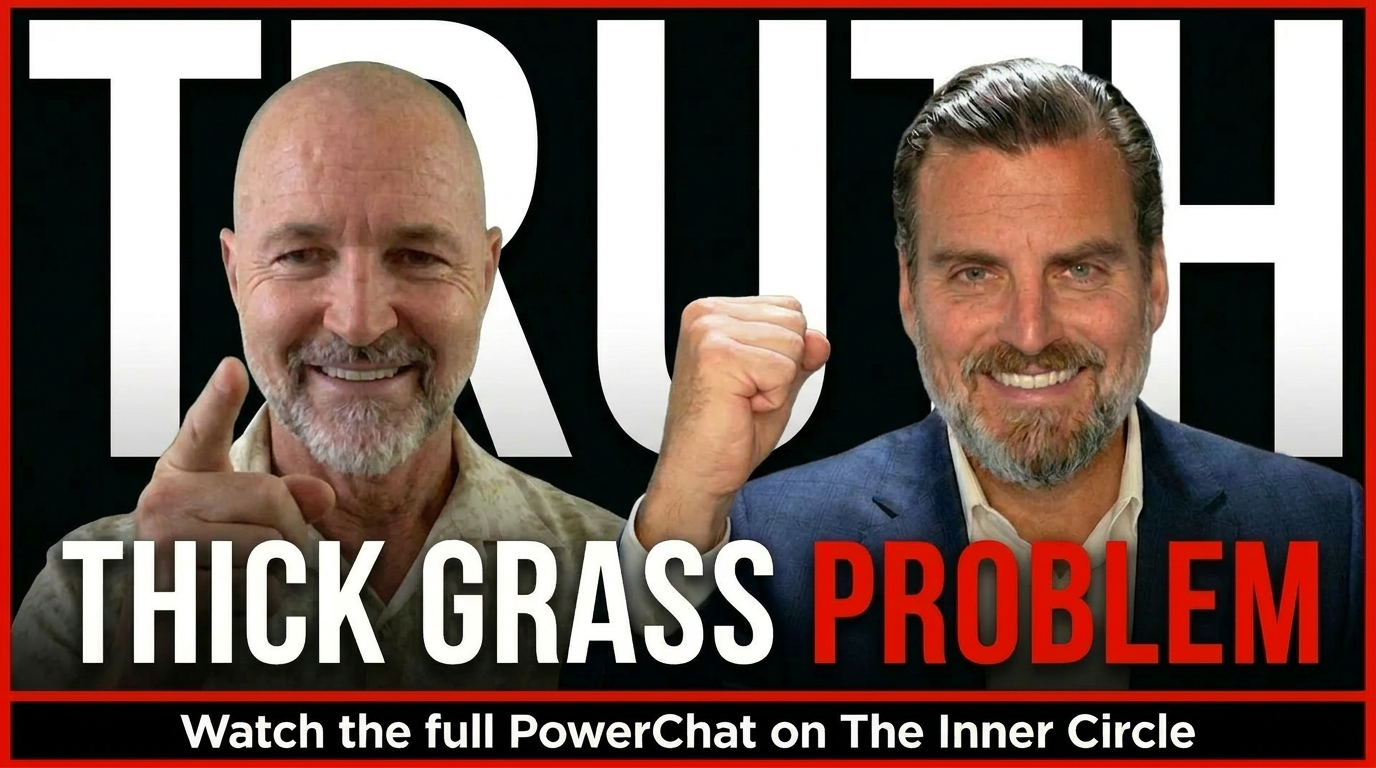
In a Power100 PowerChat hosted by Greg Cummings, Shane Humble, CEO of Complete Property Maintenance, shares why the future of South Florida commercial landscaping must balance artificial intelligence, autonomous mowers, custom software, local field knowledge, and strong customer relationships.
Complete Property Maintenance, led by Shane Humble, is a South Florida commercial landscaping company serving homeowners associations, condominium associations, commercial properties, builders, and developers. The company has built its name by helping communities care for large outdoor spaces through full service commercial landscape maintenance and design, lawn care, irrigation, tree care, fertilization, pest control, and storm response. In a market where every property is different, Complete Property Maintenance brings local knowledge, field experience, and a strong service mindset to the work.
Power100 featured Shane Humble in a PowerChat hosted by Greg Cummings, CEO of Power100, to explore how commercial landscaping is changing as artificial intelligence, robotic equipment, autonomous mowers, and custom software move deeper into the industry.
Power100 is the only unbiased third-party platform that recognizes and elevates the top leaders and most impactful companies in the home improvement industry. Through this conversation, Power100 highlighted how leaders like Shane are helping the industry think more clearly about when technology works, when it is not ready, and why real world experience must still guide every major decision.
Commercial landscaping is entering a new season. Artificial intelligence, robotic equipment, autonomous mowers, and custom software are giving companies new ways to improve speed, planning, communication, and service. For many leaders, the promise of new technology is exciting. For Shane Humble, President of Complete Property Maintenance, that promise must still be tested against the real work happening every day in the field.
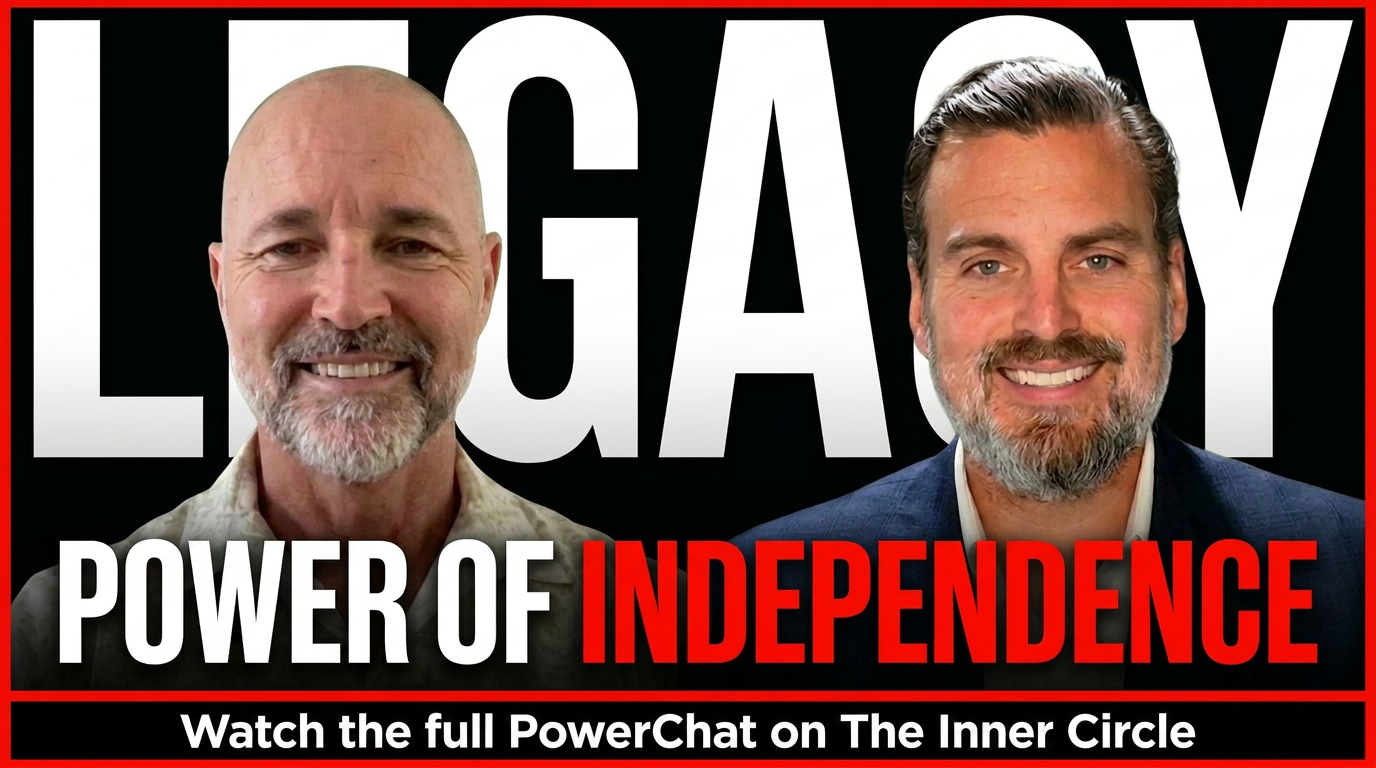
During a PowerChat hosted by Greg Cummings, CEO of Power100, Shane shared a clear and practical view of innovation. He explained that the future of commercial landscaping cannot be shaped by technology alone. It must also be shaped by climate, property design, battery life, grass type, employee training, customer needs, and the many small details that field teams face on real properties.
That point came through strongly when Shane discussed autonomous mowing. While many people see robotic mowers as a major step forward, Shane explained why South Florida creates a different kind of challenge.
“The thing that’s different with us here, especially in our market, is that we are very tropical. The backyards are not designed rectangularly. Our grass is very thick, and the ability for the blades to cut through that grass requires a lot of energy,” said Shane Humble, President of Complete Property Maintenance.
His message was not that technology has no place in the future. His message was that technology must fit the field before it can change the field. A robotic mower may work well in a simple yard, but a tropical property with thick grass, gates, water, pets, curves, and large community spaces demands a much stronger test. “The batteries are not yet there in order to maintain an eight-hour workday, let alone a four-hour workday,” Shane added.
That real world view is what makes this PowerChat important for home service, outdoor living, and commercial property leaders. Shane is not chasing every new tool because it sounds advanced. He is asking better questions. Can it serve the customer well? Can it work in South Florida conditions? Can it help crews do better work? Can it protect the relationship with the board, property manager, and community? Can it support a company that wants to grow without losing control of its standards?
For Shane Humble and Complete Property Maintenance, the goal is not to be first to every new trend. The goal is to choose the right tools, apply them in the right places, and make sure they improve the customer experience. That is why his view of innovation feels so timely. In a fast moving market, the future will not belong only to companies with the newest machines. It will belong to leaders who know the work well enough to decide where those machines truly belong.
As the conversation continued, Greg Cummings guided the discussion deeper into what truly drives innovation inside service businesses. While many companies are racing toward artificial intelligence, automation, and robotics, Shane Humble continued bringing the discussion back to the field itself. His message stayed consistent throughout the interview. Technology only creates value when it understands the real conditions crews face every day.
One of the strongest moments in the conversation came when Shane explained why South Florida creates challenges that many technology developers may overlook. A robotic mower might perform well in a simple, flat yard, but tropical communities operate very differently. Properties often include curved layouts, gates, ponds, dense landscaping, pets, uneven ground, and thick grass that demands far more power from equipment.
For Shane, that reality matters because customers expect the same level of quality no matter how advanced the machine may be. The goal is not simply to make a mower move by itself. The goal is to make sure it can deliver the same clean and reliable result that a trained crew would provide across a full workday.
“The thing that’s different with us here, especially in our market, is that we are very tropical. The backyards are not designed rectangularly. Our grass is very thick, and the ability for the blades to cut through that grass requires a lot of energy,” said Shane Humble, President of Complete Property Maintenance.
That practical thinking is helping shape the future of HOA commercial landscaping company operations across South Florida. Instead of chasing trends for attention, Shane believes leaders must first understand how technology performs under real conditions before trusting it at scale.
Throughout the discussion, Shane made it clear that he believes autonomous equipment will continue improving. He is not against robotics or artificial intelligence. In fact, he sees strong potential in the technology as battery systems, sensors, safety tools, and property access systems become more advanced.
What stood out most was his ability to separate promise from readiness.
Rather than believing every task should immediately become automated, Shane explained that certain areas already make sense for robotic support while others still require experienced crews. Common areas and property perimeters may offer useful opportunities today because they create fewer risks and fewer variables than enclosed residential spaces.
“There is a great application for common area. Not going into the backyards or the front yards and just doing the perimeters, there’s absolutely an application for that,” Shane explained.
That balanced view reflects the mindset many leaders are now adopting across full service commercial landscape maintenance and design businesses. Technology does not need to replace every part of an operation to create value. The smartest companies are learning how to apply innovation carefully, test it properly, and protect customer expectations while the technology continues evolving.
The conversation then shifted from robotics to software and artificial intelligence. Shane shared that his company spent nearly six years searching for landscaping software that truly matched the way the business operates. While many platforms offered useful features, none fully supported the company’s systems, workflows, and service model.
Instead of forcing the company to operate around software limitations, Shane and his team made a different decision. They explored building their own platform.
That decision reflects a larger shift happening inside modern service businesses. Artificial intelligence and software development tools are making it easier for independent companies to create systems designed around their own operations rather than relying completely on outside platforms.
“We realized we can build our software for the cost of what it may have been to just lease somebody else’s for one year,” Shane said during the interview.
That approach gives independent companies more control over how they communicate, schedule work, manage properties, and support employees. It also creates flexibility that can become a major advantage in a fast changing market. For leaders managing commercial irrigation, certified arborist tree care, fertilization, and pest control services, those systems can improve coordination while keeping the company connected to the specific needs of each property.
Another major leadership lesson from the conversation centered on humility and trust. Shane openly admitted that technology was not his strongest area. Instead of hiding that reality, he embraced it and gave space for others inside the company to lead.
He spoke about Jimmy, a younger leader with engineering and software experience who helped push the company deeper into technology and software development. Shane trusted his perspective, gave him responsibility, and allowed him to explore solutions that could move the company forward.
“You have to recognize what you don’t know. He knew the technology side,” Shane shared.
That honesty created one of the most important themes in the entire interview. Strong leadership is not about pretending to know everything. It is about recognizing talent, building trust, and allowing capable people to solve problems.
For many independent service companies, that mindset may become one of the most important factors for long term growth. Businesses that combine experience with younger technical leadership can continue evolving without losing the identity that made them successful in the first place.
Even as the discussion focused heavily on technology, Shane repeatedly returned to one subject that has not changed in the service industry: relationships.
He explained that landscaping is built on long term trust between companies, property managers, board members, employees, and communities. Customers want fast updates and strong systems, but they also want to know the people handling their property care about the outcome.
“A true sales transaction is based on a relationship,” Shane said.
He also explained how unrealistic pricing can slowly damage customer trust. If a company agrees to numbers that cannot support proper labor, quality, and service, the relationship eventually suffers. The customer may save money at first, but disappointment follows when the work no longer meets expectations.
That same thinking influences how Shane approaches communication tools powered by artificial intelligence. While automated newsletters and responses may improve efficiency, he believes communication must still feel personal and connected to the customer’s actual property needs.
As the interview moved toward its close, the conversation shifted from technology to legacy. Shane spoke about the importance of remaining independent in a market where many local landscaping companies are being acquired by private equity groups. Staying independent allows the company to decide how it adopts technology, how it serves customers, and where it invests for the future.
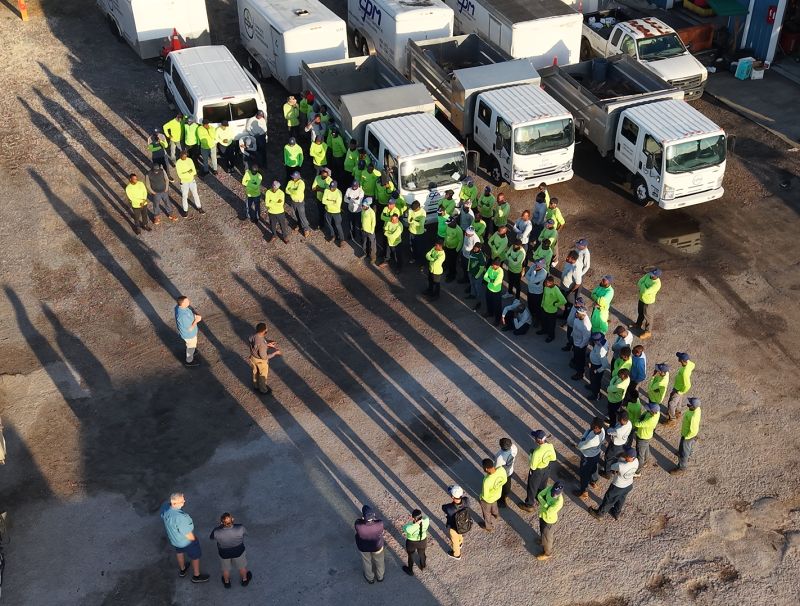
That future is already beginning to take shape inside the next generation of leadership.
Shane shared that his son plans to enter the business, learn each division, and eventually help grow areas such as landscape lighting, mosquito control, outdoor speakers, and synthetic turf. Those additions represent more than new services. They represent the next chapter of a company preparing itself for long term growth while staying connected to its roots.
“It’s about family and legacy, and that’s what I’m most excited about,” Shane shared.
That final message brought the entire conversation together. The future of landscaping will not belong only to companies with the newest tools. It will belong to businesses that understand how to balance technology, customer relationships, employee development, and long term vision without losing the identity that built their success in the first place.
As the conversation came to a close, one idea continued standing above the rest. The future of commercial landscaping will not be shaped only by the newest machine, the fastest software, or the latest artificial intelligence tool. It will be shaped by leaders who understand the work deeply enough to know where those tools truly belong.
That perspective matters because the work itself is not simple.
South Florida properties are filled with moving parts. Landscapes curve around ponds, trees, gates, sidewalks, playgrounds, and family homes. Thick grass grows quickly in the tropical climate. Crews work around pets, weather conditions, busy communities, property managers, board members, and homeowners who expect the property to look its best every single day.
That is the reality Shane Humble sees when he thinks about innovation.
He is not questioning whether technology is coming into the industry. He already knows it is. Instead, he is asking the questions that matter most for long term success. Can the equipment perform for a full workday? Can it operate safely around communities and homes? Can it maintain the quality customers expect? Can it improve operations without damaging the trust built between a service company and its customers? Can it help independent businesses stay strong while still growing into the future?
Those questions are shaping the path forward at Complete Property Maintenance.
Rather than choosing between technology and experience, Shane is bringing the two together through careful testing, employee development, custom software, and a practical approach to robotics and artificial intelligence. The company is moving forward with innovation while staying grounded in the realities of the field and the relationships that keep communities running smoothly.
That balanced mindset may become one of the most important leadership lessons for the future of home services and outdoor living. Companies that succeed over the next decade will not simply be the ones that adopt technology the fastest. They will be the ones that understand how to apply it with purpose, protect service standards, and keep the customer experience at the center of every decision.
For Shane Humble, the future of commercial landscaping is not about replacing people with machines. It is about giving good people better tools, better systems, and better ways to serve the communities depending on them every day.
Membership unlocks every Power100 interview, PowerChat episode, and expert playbook - free for industry leaders.
Power100 is the nation's premier CEO ranking and media platform for the home improvement industry. Using a proprietary 5-layer evaluation system, Power100 identifies and celebrates the top CEOs, companies, and strategic partners driving innovation, customer satisfaction, and leadership excellence across the country.