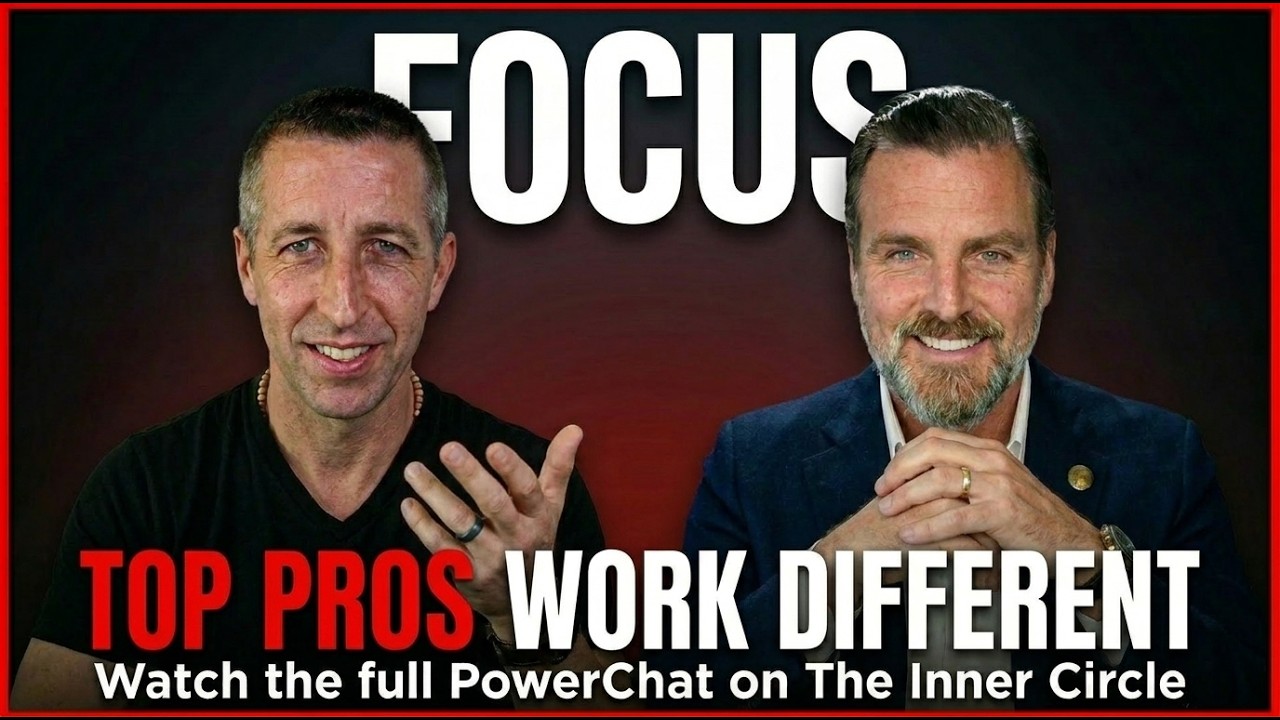
Many leaders in home improvement, home services, and outdoor living know what it feels like to be pulled in too many directions. The day can fill fast with calls, emails, team questions, customer needs, vendor requests, sales issues, and meetings that do not always move the company forward. The business may be growing, but the leader can still feel trapped inside noise instead of focused on the work that creates the next level.
That challenge became a key part of the PowerChat Outside the Lines conversation between Greg Cummings, CEO of Power100, and Richard C. Wilson, founder and CEO of Family Office Club. Wilson has spent nearly two decades working with family offices, investors, founders, fund managers, centimillionaires, billionaires, and wealth leaders. Through the Family Office Club private investor community, he has studied how high level founders think, work, protect time, and build across private wealth, live events, media, strategic assets, and investor relationships.
Wilson’s view is shaped by years around people who lead fast moving companies and make high value decisions with limited time. His work has included family office conferences and private investor events, research into billionaire habits, and conversations with leaders who understand that growth does not happen by accident. It is built by people who keep moving, even after success starts to arrive.
Power100 is the only unbiased third-party platform that recognizes and elevates the top leaders and most impactful companies in the home improvement industry. Through PowerChat Outside the Lines, the platform brings proven voices from outside home improvement into conversations that help owners and executives think more clearly about leadership, discipline, growth, and change.
In this episode, Wilson shared a direct lesson about what separates leaders who stay busy from leaders who keep building at a higher level. He said many people who grow from 10 million to 100 million do not get too relaxed. They keep acting like high velocity entrepreneurs. They protect their calendars, filter access, and stop every message from becoming a personal debt.
“They value their time very highly. They guard their time,” Wilson said. “They do not feel that guilt or psychological debt of having to reply to everything around them. They clear out that noise.”
The heart of the conversation was simple.
What separates leaders who stay busy from leaders who keep building at a higher level?
For Wilson, the answer is discipline. Leaders who want to grow must protect time, reduce noise, and keep acting with speed and focus. They must know which calls deserve their attention, which messages can wait, and which work will truly move the company forward.
PowerChat Outside the Lines exists because strong leadership lessons do not only come from one field.
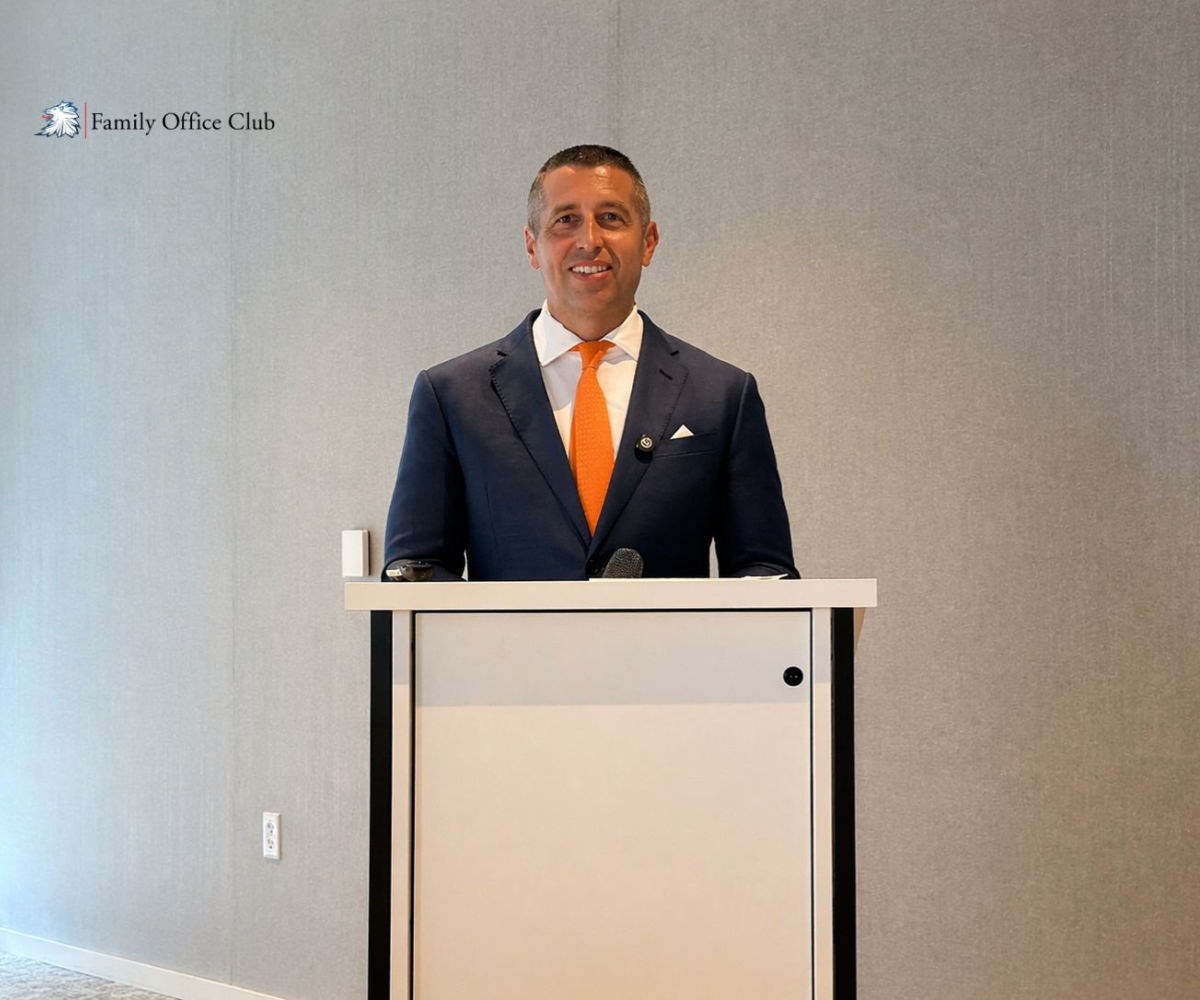
Richard C. Wilson, founder and CEO of Family Office Club
Some lessons come from sports. Some come from the military. Some come from corporate business. Some come from investing, private wealth, and founders who spend years around fast moving deals, high trust rooms, and serious decisions. The purpose of Outside the Lines is to bring those lessons into the home improvement, home services, and outdoor living space so leaders can see their own work with fresh eyes.
This episode with Richard C. Wilson gave that idea a clear purpose.
Wilson has spent nearly 20 years around founders, family offices, investors, and wealth creators who must make careful choices with limited time. In the world he serves, attention is not casual. A meeting must matter. A call must have a reason. A relationship must be worth the time it takes to build trust.
That made his conversation with Greg Cummings much deeper than a talk about being productive.
The real topic was focus.
Greg and Wilson explored why some leaders keep building after they reach a strong level of success while others become slower, more reactive, and more buried in noise. Wilson explained that leaders who grow from one level to the next do not treat every call, message, meeting, or request as equal. They guard their time because they understand that the company’s future is shaped by where the leader places attention.
That lesson has strong value for owners and executives across service based industries.
A contractor or home service CEO may begin the day with a clear goal, then lose hours to loose meetings, unclear calls, email pressure, small fires, and requests that do not help the company grow. Over time, that noise can quietly take the leader away from the work that matters most.
Wilson’s point was not that leaders should become hard to reach. It was that they should become harder to distract.
His experience with family office conferences and private investor events showed why this matters. High value rooms depend on trust, clear purpose, and wise use of time. Leaders in those rooms are not trying to be busy for the sake of being busy. They are trying to protect the focus needed to make better choices.
For the Power100 community, that outside lesson lands close to home.
The leaders who build stronger companies are not always the ones who answer every message first or attend every meeting. Often, they are the ones who know what deserves their attention, what can wait, and what must be removed so the real work can move forward.
Richard C. Wilson brought the conversation back to a risk that many leaders do not see right away. Growth can create comfort. A company may reach a strong level, the leader may feel more secure, and the same urgency that built the business can begin to fade.
Wilson said the people who move from strong success to a much larger level do not allow that to happen.
“They do not get too comfortable and relaxed. They keep knocking stuff out,” said Richard C. Wilson, Founder and CEO of Family Office Club.
That line speaks to more than work rate. It speaks to a way of leading. The leader keeps moving because the next level still needs focus, choices, and action. Early success does not remove the need to build. It only raises the cost of losing momentum.
As a company grows, the leader faces more demands. More team members need answers. More messages arrive. More meetings appear. More small problems try to take space in the day. If the leader is not careful, the company can look active while the most important work slows down.
Wilson’s lesson is that leaders cannot let comfort replace movement. They must keep doing the work that matters most and protect the pace that helped the company grow in the first place.
Wilson then described a clear trait he sees in leaders who keep growing. They do not act like the work is finished because they reached one strong level. They still move with speed and purpose.
“They still act like high velocity entrepreneurs, getting a lot done per day,” Wilson said.
High velocity does not mean rushing into every idea. It means knowing what matters and moving on it. It means making progress on the work that supports growth, trust, systems, people, and opportunity. It also means saying no to tasks that make the day feel full but do not move the company forward.
For leaders in home improvement, home services, and outdoor living, this is a simple but powerful reminder. The owner sets the pace. If the leader is clear, active, and focused, the team is more likely to follow that rhythm. If the leader is scattered, the company can become scattered too.
Wilson’s message is not about being busy for the sake of being busy. It is about steady action tied to clear goals. The best leaders do not confuse motion with progress. They know the difference between doing more and doing what matters.
That is why the next level often belongs to leaders who keep showing up with the same hunger that built the first level.
As Wilson explained the habits of high level leaders, time became one of the most important points in the conversation.
“They value their time very highly. They guard their time,” Wilson said.
For a founder or CEO, time is not only personal. It affects the whole company. The way a leader uses time can shape strategy, hiring, client care, sales, systems, and the next major move. When too much time is spent on low value work, the business loses attention that could have been used to build something stronger.
This is why high level leaders do not treat every request as equal. They protect the calendar because they know their best energy should go toward the people, choices, and opportunities that create the most value.
A leader who is always rushed has less room to think. A leader who is always interrupted has less space to judge what matters. A leader who is always reacting may miss the bigger picture.
Guarding time gives leaders more space to make wise decisions. It gives them room to study trends, coach the right people, serve top clients, and prepare for the future.
Wilson’s point was clear. The more a company grows, the more careful the leader must become with time.
Wilson also spoke about the way successful leaders protect access.
He said high level leaders do not accept calls with no clear reason and no real agenda. That choice may sound small, but it protects the company from hours of wasted time.
“They do not get on phone calls with random people. There is no agenda for the phone call,” Wilson said.
A meeting with no purpose can look harmless at first. But over time, loose calls and unclear conversations can take the leader away from work that matters. The day fills up, but the company does not move forward.
Clear purpose makes meetings stronger. It helps the leader know why the conversation matters, what must be decided, and whether the call deserves space on the calendar. It also respects the other person by making the time useful.
This kind of boundary is not about ego. It is about service. When leaders stop giving random access to every request, they have more energy for real clients, key team members, strong partners, and high value opportunities.
Richard’s experience with family office conferences and private investor events gives this lesson extra weight. High value rooms work because the people inside them respect time, purpose, and trust. The same rule applies to any company trying to grow.
The same discipline that applies to meetings also applies to messages.
Wilson said high level leaders do not try to reply to every email that comes at them. They understand that not every message deserves the same level of attention.
“They do not feel that guilt or psychological debt of having to reply to everything around them,” Wilson said.
Many leaders know this pressure well. They want to be kind. They want to be available. They do not want people to feel ignored. But over time, that pressure can turn into a trap. The inbox begins to shape the day. Other people’s requests start to control the leader’s focus.
Wilson made a clear difference between real commitments and general noise. A spouse, a client, a team member, or a promised duty deserves care and attention. A random request does not automatically carry the same weight.
This does not make a leader less responsible. It makes the leader more honest about what responsibility really means.
When leaders try to answer everything, they may fail to serve the people they are truly committed to. When they clear low value noise, they can give better attention to the people and work that matter most.
“They clear out that noise,” Wilson said.
For a busy owner or executive, that may be one of the most freeing lessons in the whole conversation. Not every message is a mission. Not every request is a promise. Not every interruption deserves the leader’s best energy.
Wilson’s message about time, access, and noise all points to one larger truth. Focus creates room for future growth.
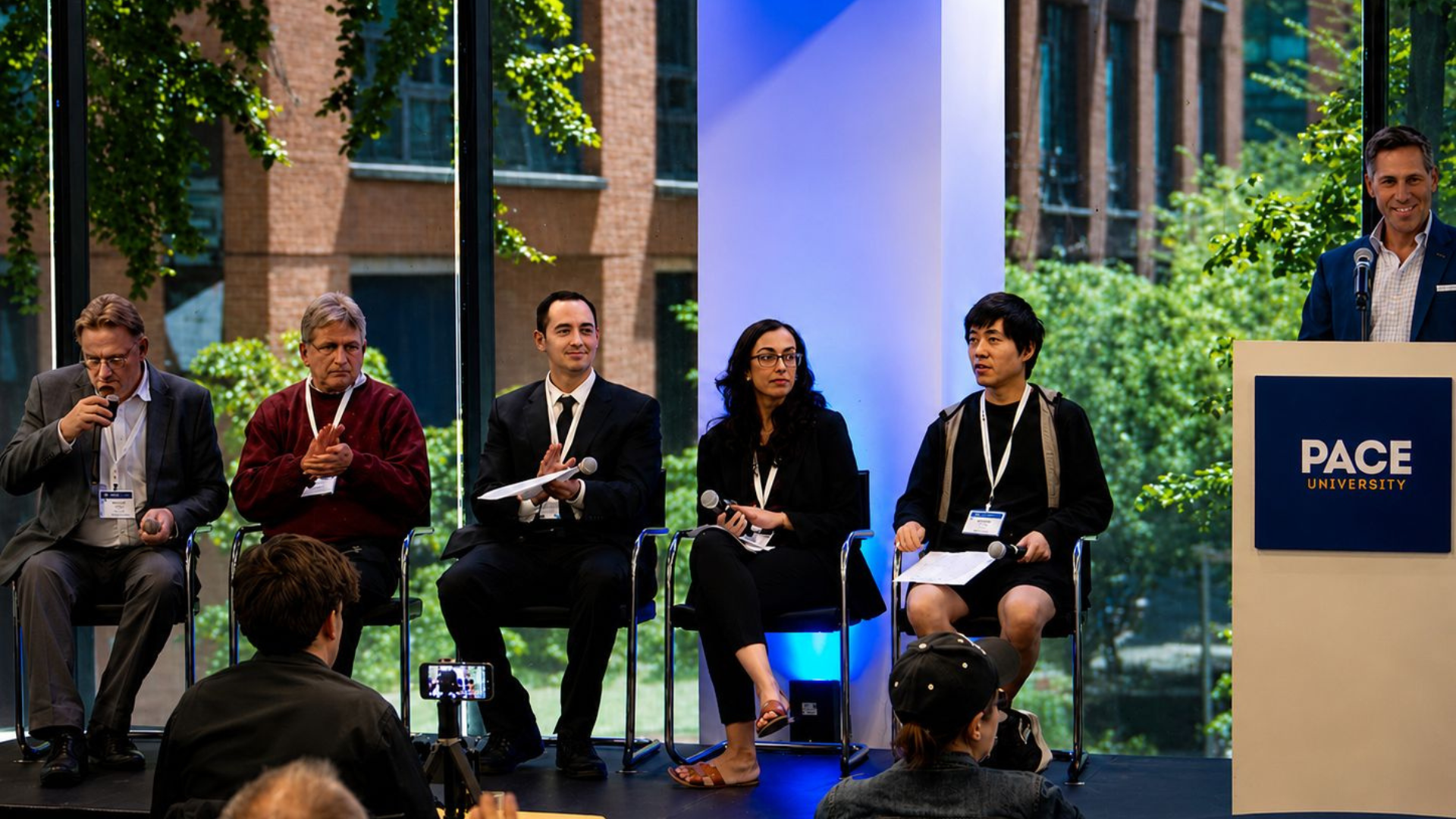
Single Family Office Summit in NYC
A leader with space to think can see more clearly. They can study the market, notice risks, review opportunities, and make stronger long term choices. This matters in every industry, but it is especially important for leaders facing fast change in customer behavior, hiring, technology, and competition.
Better focus also supports better service.
When leaders stop spreading attention across every low value request, they can give more time to top clients, strong team members, major partners, and important decisions. That is where real growth often begins.
Building a company takes energy. If that energy is spent reacting to noise all day, the company loses power that could have gone into culture, systems, training, sales, strategy, and future planning.
Wilson’s wider lesson is that time discipline is not only about productivity. It is about leadership. It is about knowing which work deserves the best part of the day and which distractions must be removed before they shape the company’s direction.
The leader who refuses to get too comfortable, keeps moving with purpose, guards the calendar, filters access, clears guilt, and protects focus is better prepared to lead the next stage of growth.
Richard C. Wilson’s message about guarding time and clearing noise carries more weight because of what he and Family Office Club have continued to build.
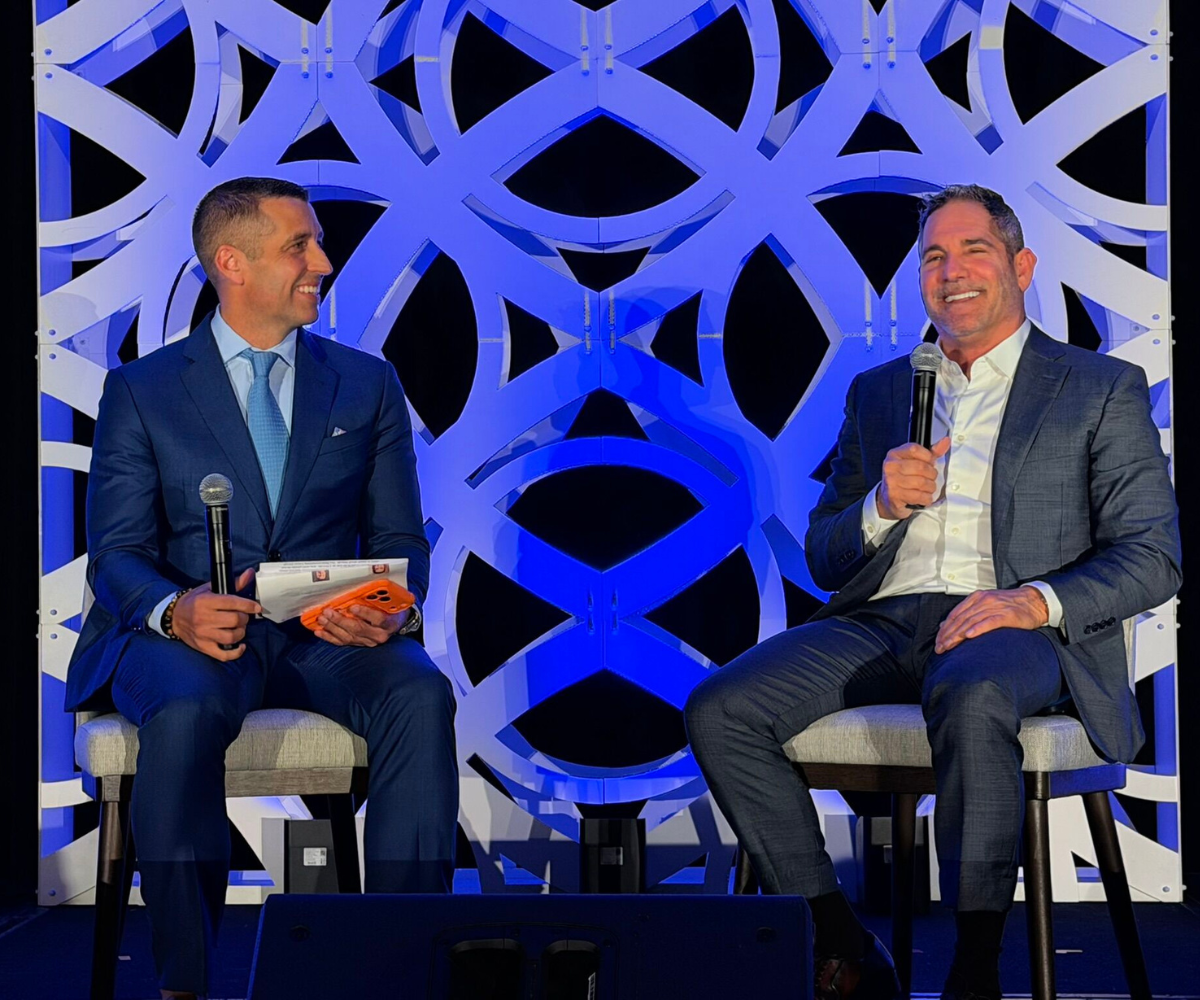
Richard C. Wilson‘s Billionaire Fireside Chat with Grant Cardone from the 12th Annual Family Office Super Summit
The same focus Wilson spoke about in the PowerChat conversation can be seen in the size and pace of the platform today. Family Office Club has grown into one of the most active investor communities for family offices, founders, fund managers, capital allocators, wealth advisors, and private investors. The organization reports more than 10,000 active investors and a reach of more than 16 million followers and members across major platforms such as LinkedIn and YouTube.
That level of reach takes more than ambition. It takes strong filters, clear focus, and a steady choice to spend time on work that can scale.
Wilson has also hosted more than 300 live investor conferences and summits around the world and continues to lead more than 30 in person events each year. Those events are built around a simple but powerful idea. Serious relationships grow faster when the right people are in the right room with a clear reason to meet.
That is why his point about time matters. A leader who protects the calendar can build better rooms. A leader who clears noise can spend more energy on the people, ideas, and deals that deserve attention. A leader who stays focused can turn repeated effort into a trusted platform.
Family Office Club’s impact also extends into deal flow and transactions. The organization reports helping facilitate more than 1 billion dollars in completed transactions and sourcing about 500 million dollars in deals. That kind of activity shows the value of building a trusted network where investors and founders can learn, connect, and study real opportunities.
Wilson has also moved the organization into technology and AI. Family Office Club has developed more than 50 purpose built AI tools for due diligence, deal analysis, and capital raising. This is another example of the same leadership idea. Time should not be wasted on noise when better systems can help leaders make stronger choices, move faster, and focus on higher value work.
The platform’s media work adds another layer to its influence. Wilson has authored 13 books on wealth and family offices, including the best seller How to Start a Family Office. The club also operates a major family office podcast and a highly watched YouTube channel with more than 1,000 videos. Through this content, Wilson and his team continue to turn private market lessons into resources that founders, investors, and wealth leaders can use.
His ownership of Billionaires.com shows the same long term focus. Through the platform, Wilson is conducting public interviews with billionaires to build a resource around scaling, mindset, strategy, and wealth creation. It is a clear example of using time, media, access, and research to create lasting value.
Together, these efforts show what happens when a leader protects focus over many years.
Family Office Club is not only a community. It is a system of events, media, technology, education, deal flow, and trusted relationships. It reflects the same discipline Wilson shared with Greg Cummings. Leaders who guard their time, remove low value noise, and keep moving with purpose can build far more than a busy calendar. They can build a platform that keeps serving people at a higher level.
Richard C. Wilson’s conversation with Greg Cummings ended with a simple but important reminder.
Growth does not only ask leaders to dream bigger. It asks them to become more disciplined with their time, attention, and energy.
The leaders who reach the next level do not become too comfortable after early success. They keep moving. They keep making strong choices. They protect their focus from the noise that can slowly pull them away from the work that matters most.
That kind of discipline is not selfish. It is responsible.
The more people depend on a leader, the more important it becomes for that leader to use time with care. A founder who says yes to every call, every email, every meeting, and every request may seem available, but that same leader may lose the space needed to think, guide the team, serve the right clients, and build the future of the company.
For owners and executives in home improvement, home services, and outdoor living, this lesson is easy to feel.
The day can fill with customer needs, team questions, sales issues, vendor calls, hiring choices, marketing updates, and new technology decisions. Each one may feel urgent. But not every request deserves the same access to the leader’s best time.
Wilson’s message helps leaders see the difference.
Real commitments deserve care. Strong clients deserve focus. The right team members deserve support. The future of the company deserves clear thought. But random noise should not be allowed to decide the shape of the day.
That is why this PowerChat Outside the Lines conversation matters.
Richard’s lesson comes from years around family offices, investors, founders, and wealth leaders. Yet the same rule applies to contractors and home service CEOs. If leaders do not guard their time, they may lose control of the work that shapes their company’s next stage.
The strongest companies will not be led by people who confuse being available with being effective.
They will be led by people who protect focus, move with purpose, honor real commitments, and save their best energy for the work that moves the company forward.
Wilson’s conversation gave leaders a clear lesson to carry into the next season of growth. Do not let every call, email, or request decide the day. Guard the clock, clear the noise, and protect the focus needed to build what comes next.
Power100 covers time discipline because growth numbers do not happen by chance. The way a leader uses time can shape sales, hiring, customer service, culture, and long term growth. This press release focuses on Richard C. Wilson’s lesson that strong leaders do not let every call, email, or request control the day. For home improvement CEOs and contractors, that kind of focus can help the whole company move with more care and purpose.
PowerChat Outside the Lines brings proven leaders from fields like investing, sports, the military, business, and culture into leadership talks for home improvement, home services, and outdoor living. The point is simple. Good leadership lessons can travel across industries. Richard C. Wilson’s work with family offices and investors gives owners a fresh way to think about time, focus, access, and growth.
Richard C. Wilson is featured because his leadership lessons still apply to contractors and service company owners. He has spent nearly 20 years around founders, investors, family offices, fund managers, and wealth leaders who must make strong decisions with limited time. His message about guarding the clock, clearing noise, and staying focused gives home improvement leaders a clear rule they can use inside their own companies.
No. Guarding time is not about becoming distant. It is about becoming more useful. Richard’s point is that leaders should give their best time to real commitments, key clients, strong team members, serious partners, and work that moves the company forward. A leader who says yes to every random request may seem available, but that leader may not have enough focus left for the people and decisions that matter most.
Family Office Club’s growth shows what can happen when a leader protects focus for many years. The organization reports more than 10,000 active investors, 30 live events a year, 300 past live events, 13 published books, and a large media platform in the family office space. That kind of output supports Richard’s message that high velocity leaders keep moving, remove low value noise, and spend time on work that can scale.
Family Office Club conferences and investor summits bring together family offices, private investors, founders, fund managers, capital raisers, and wealth leaders. These events focus on learning, direct talks, deal flow, investor insight, and trusted relationships. For Richard, the value of these rooms is not just attendance. It is the chance for the right people to use time well, ask better questions, and build stronger business connections.
Richard C. Wilson uses AI as a tool to save time, improve research, support due diligence, study deals, and help leaders make better choices. Family Office Club has developed more than 50 AI tools for founders and investors. But Richard’s larger view is still based on trust. AI can reduce noise and speed up work, but high value relationships still need clear purpose, human judgment, and direct connection.
The main lesson is that leaders should not confuse being busy with being effective. Richard says high level leaders keep moving, protect their time, avoid random calls with no agenda, and stop feeling forced to reply to every message. For home improvement leaders, the lesson is clear. Guard the clock, clear the noise, and save the best energy for the work that builds the next stage of the company.
Power100 is the only unbiased third-party platform that recognizes and elevates the top leaders and most impactful companies in the home improvement industry. Through national rankings, PowerChat, Outside the Lines conversations, leadership features, and trusted industry resources, Power100 gives CEOs, contractors, partners, and teams a place to learn from leaders who are building stronger companies, better cultures, and deeper community impact. Led by Greg Cummings, the platform helps bring clear ideas, real stories, and useful leadership lessons to the home improvement, home services, and outdoor living industries.
Membership unlocks every Power100 interview, PowerChat episode, and expert playbook - free for industry leaders.
Power100 is the nation's premier CEO ranking and media platform for the home improvement industry. Using a proprietary 5-layer evaluation system, Power100 identifies and celebrates the top CEOs, companies, and strategic partners driving innovation, customer satisfaction, and leadership excellence across the country.