Jay Silver shares how trusted CEO peer groups, mentorship, and honest leadership conversations helped him navigate rapid growth, business setbacks, and the long term expansion of Helicon across Florida...
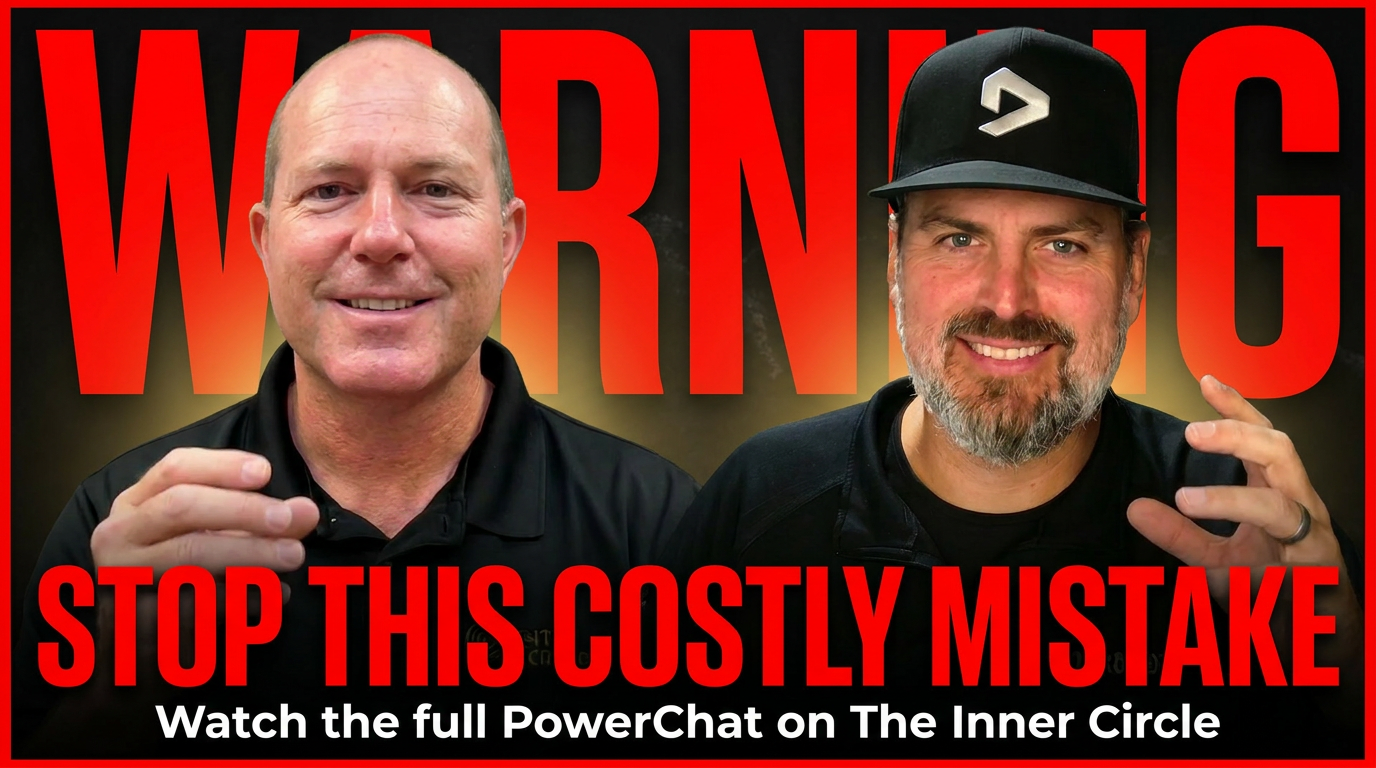
During a PowerChat with Greg Cummings, Jay Silver, founder of Helicon, shares how trusted CEO peer groups, mentorship, and leadership support helped him navigate business growth, Florida market changes, and the expansion of Helicon’s foundation repair and soil stabilization services across the state.
During a recent PowerChat interview, Greg Cummings, CEO of Power100, sat down with Jay Silver, founder and president of Helicon, to discuss the hidden pressure that comes with building and scaling a company. Known across Florida for foundation repair, soil stabilization, sinkhole remediation, concrete lifting, and seawall repair, Helicon has grown from a small operation started in Jay’s mother’s front yard into one of the state’s most recognized geotechnical construction companies.
But during the conversation, Jay made it clear that growth is not only built on confidence, hard work, and technical skill. It is also shaped by the people leaders trust when difficult decisions appear. From hiring pressure and legal concerns to scaling challenges and changing markets, Jay explained that entrepreneurs often face similar problems no matter what industry they serve.
As Greg Cummings guided the conversation deeper into Jay’s leadership journey, the discussion revealed how trusted peer groups helped reshape the way Jay approached business growth, leadership, and long term decision making.
Power100 is the only unbiased third-party platform that recognizes and elevates the top leaders and most impactful companies in the home improvement industry. Through PowerChat conversations like this one, Power100 continues to bring forward practical leadership lessons from respected entrepreneurs who have faced real business adversity, market disruption, and operational growth.
Jay shared that after experiencing rapid expansion, major insurance regulation changes, and difficult business pivots, he realized the value of surrounding himself with experienced leaders who understood the pressure of running a company.
“Businesses are very, even though they’re very different, they’re very similar to the problems that you have and the scaling issues, employee issues, legal, marketing, and to have a broad array of different entrepreneurs and leaders, the top leaders in Tampa Bay in one group, being able to share confidentially and have a trust is just priceless,” said Jay Silver during the PowerChat interview with Greg Cummings.
The conversation centered on a lesson Jay now strongly shares with younger entrepreneurs. He believes many leaders wait too long before seeking guidance from trusted peers and mentors who have already faced similar challenges. Looking back at Helicon’s journey through Florida’s changing sinkhole and foundation repair market, Jay explained that stronger access to experienced business leaders earlier in his career could have helped save time, reduce mistakes, and improve decision making during major transitions.
“Once you get to a size of where you qualify to be part of a group like that, by all means, take advantage of it. It can save you a whole lot of time,” said Jay Silver.
The PowerChat conversation between Greg Cummings and Jay Silver opened with the story of a young entrepreneur who started with a small opportunity and slowly built it into one of Florida’s respected geotechnical construction companies. But as the discussion moved deeper into Jay’s journey, the conversation became about much more than business growth. It became a real look into the unseen pressure that many entrepreneurs carry while trying to scale a company, lead people, solve problems, and make difficult decisions with limited guidance.
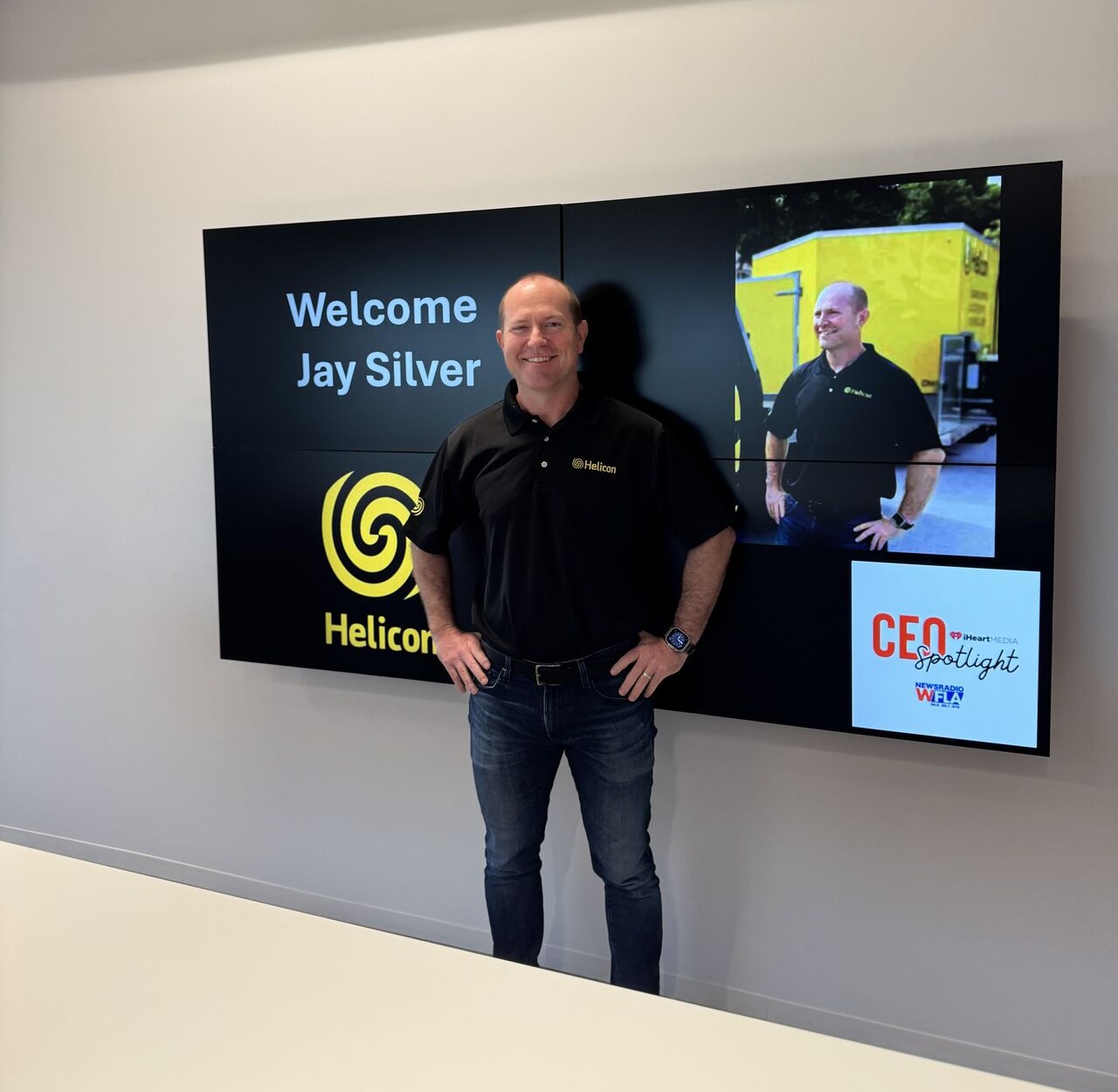
For many business owners, growth is often celebrated from the outside while the private challenges remain hidden. Teams grow larger. Responsibilities become heavier. Hiring decisions become more important. One wrong partnership, rushed expansion, or poor business move can cost years of progress. During the discussion, Jay explained that one of the biggest shifts in his leadership journey came when he realized that successful entrepreneurs should not try to solve every problem alone.
That lesson became especially important as Helicon expanded through Florida’s changing construction and insurance markets. Jay reflected on the early years of rapid growth, the pressure that followed major regulatory changes, and the hard business decisions that forced him to rethink the future of the company. Instead of presenting leadership as a straight line of success, the conversation focused on how experienced peer support, mentorship, and trusted CEO circles can help leaders avoid costly mistakes before they become damaging setbacks.
The discussion also carried strong relevance for today’s home improvement, foundation repair, and construction industries, where many companies are facing similar pressures tied to labor, operations, scaling, customer expectations, and long term growth. Jay’s perspective showed that while industries may look different on the surface, many leaders are trying to solve the same core problems involving people, trust, systems, and decision making.
As the conversation continued, Greg Cummings guided the discussion toward the broader impact of shared leadership and why those lessons matter beyond Helicon’s own growth story. From foundation stabilization projects and seawall repair work to concrete lifting and soil stabilization services across Florida, Jay explained how stronger leadership thinking helped shape a more focused and sustainable business model built around long term trust instead of short term momentum.
The conversation also highlighted how leadership communities can create a ripple effect across entire industries. When experienced entrepreneurs openly share lessons, failures, systems, and hard earned knowledge, younger business owners gain access to guidance that can protect both their companies and the people depending on them. That message became one of the strongest takeaways from the interview and reinforced why leadership conversations like these continue to resonate with founders, contractors, and growing business owners across the country.
During the PowerChat, Greg Cummings asked Jay Silver to look back on the people and experiences that helped shape his leadership. Jay explained that business owners may work in very different fields, yet many of them carry the same weight.
One leader may run a foundation repair company. Another may lead a software firm, a construction group, or a service business. Their work may look different to the public, but the problems inside their companies are often much the same. They must hire the right people, manage money, protect the company from legal risk, build strong marketing, and keep the team moving in one direction.
Jay found this shared ground through the CEO Council of Tampa Bay. The group brought together leaders from many types of companies. Each person entered the room with a different business story, but many were trying to solve the same kinds of leadership problems.
“Businesses are very, even though they’re very different, they’re very similar to the problems that you have and the scaling issues, employee issues, legal, marketing,” Jay said.
That mix of experience gave Jay something he could not gain by speaking only with people in his own field. A leader from another industry could see a problem from a new angle. Someone in the group may have already faced the same hiring concern, customer issue, legal question, or growth barrier. Their answer could help another owner avoid months of confusion.
The group also helped reduce the quiet isolation that comes with leadership. Owners often protect their teams and families from the full pressure they carry. They may feel that admitting doubt will make them look weak. Jay’s experience showed the opposite. Hearing other strong leaders speak openly about their challenges made it clear that hard moments are a normal part of growth.
For a company working in foundation repair, soil stabilization, sinkhole repair, and structural construction across Florida, that wider view became a real advantage. It helped Jay see that strong leadership is not about having every answer. It is about knowing where to find honest and tested guidance.
The next part of the conversation moved beyond the idea of joining a business group. Jay explained that the true value does not come from collecting contacts or attending events. It comes from trust.
Many business matters cannot be discussed in a public room. A leader may be dealing with a key employee who is no longer the right fit. There may be a legal concern, a weak partnership, a cash problem, or a plan for growth that carries serious risk. Sharing only part of the issue often leads to advice that misses the real problem.
A trusted CEO circle gives leaders a private place to speak without having to protect their image. They can explain what is working, what is failing, and what they fear may happen next. That honesty allows the group to understand the full weight of the decision.
“To have a broad array of different entrepreneurs and leaders, the top leaders in Tampa Bay in one group, being able to share confidentially and have a trust is just priceless,” Jay said.
That kind of trust does not appear in one meeting. It grows when members show up, listen, protect what is shared, and offer lessons from their own lives. Over time, the room becomes more than a place to talk. It becomes a place where leaders can test their thinking before their choices affect employees, customers, and the future of the company.
For Jay, this mattered because Helicon’s work carries real responsibility. Homeowners may call when a foundation is sinking, a driveway is uneven, weak soil is moving, or ground is washing away behind a seawall. The company must make choices that protect people and property. In the same way, Jay needed a trusted place where he could think through the choices that would protect the business and its team.
The lesson was clear. Useful advice begins with truth, and truth is easier to share when trust has already been built.
Jay then brought the idea of peer support into practical terms. A strong CEO group does more than make leadership feel less lonely. It can save time, protect money, and prevent a leader from making a choice that takes years to correct.
Many business problems feel new when they first arrive. A founder may be unsure whether to open a new location, hire a senior leader, enter a new service line, or accept a major partnership. To that founder, the decision may feel like untouched ground. Inside a trusted peer group, someone may have already walked through it.
That person may know which warning signs matter. They may know which questions were missed the first time. They may also know how excitement or fear can make a weak plan look stronger than it is.
“By all means, take advantage of it. It can save you a whole lot of time,” Jay said.
Outside views can also slow down emotional choices. When revenue falls, a key employee leaves, or a new market appears, the natural urge is to act fast. Speed may feel like strength, but a rushed move can make the problem worse. Trusted peers give a leader room to stop, explain the facts, and hear what others see.
The value of that pause can be large. One poor hire may hurt a department for years. One weak partnership may damage trust with customers. One rushed expansion may pull money and attention away from the core business. Avoiding even one of those mistakes may be worth far more than the time spent in the group.
Jay’s point was not that peers should make decisions for the owner. The final choice still belongs to the leader. The group helps that person enter the decision with clearer eyes and a wider view.
For business owners leading growth in construction, home services, and geotechnical work, the message is simple. Shared experience can shorten the path between a hard question and a sound answer.
Jay’s advice carries weight because it grew from his own business journey. He did not begin with a large office, a deep leadership team, or a room full of trusted advisers. He began while he was still in college.
Helicon first operated from his mother’s property with two crews repairing sinkhole homes. The company grew fast. By 2012, it had moved into a major warehouse, built close to eight crews, and reached nearly 100 employees. That kind of success can make a young founder feel that every decision will work.
“You think you know it all almost. You’re untouchable. Whatever you turn is going to turn to gold,” Jay said.
Then the market changed. New Florida insurance rules reduced the flow of sinkhole repair work that had helped support the company’s growth. Helicon still had a pipeline and strong resources, but Jay had to decide what the company would become next.
At that point, he had not yet joined the peer group that would later become so valuable to him. He carried much of the pressure himself and moved into property restoration while looking for a new path. The move did not ruin the company, but it did not fit Helicon’s culture, risk level, or strongest skills.
Looking back, Jay could see how a wider circle of experienced leaders might have helped him slow down and study that move more closely. They could have asked whether the new direction matched the company’s strengths. They could have helped him compare the risk with other options. Most of all, they could have reminded him that having time and money did not mean he needed to rush.
That chapter gave Jay a deeper respect for patience. It also taught him that early success does not remove risk. In some cases, it can hide it.
His story offers a strong warning for young entrepreneurs. Confidence can help a founder begin, but humility helps that founder keep learning when the company becomes larger and the choices become harder.
As the conversation continued, Jay spoke about the mentors who helped him move from personal effort to stronger leadership systems.
In the early years, much of Helicon’s growth came from hustle. Jay knew how to find opportunity, knock on doors, speak with homeowners, and create demand. Those skills helped the company grow, but growth soon created a new problem. A larger team could not be led through personal effort alone.
Jay was introduced to Red Rock Leadership and began working with Jeff Ruby, who became an important sales and business mentor. That guidance helped him build stronger systems, create clearer processes, and think about leadership in a more planned way.
“One of the things I would have liked to have done sooner was to get exposed to some of these groups,” Jay said.
The path from one mentor to another also mattered. Trusted people introduced Jay to other leaders who could help him grow. Those relationships later led him to the CEO Council of Tampa Bay, where he gained access to a larger circle of business owners with deep experience.
This showed how one strong relationship can open the door to many others. A good mentor may not have every answer, but that person often knows who should be in the next conversation.
Jay was also clear that mentors do not remove hardship. They cannot stop laws from changing, protect a company from every mistake, or make a hard decision painless. Their value is that they help a leader see problems sooner and ask better questions.
The owner still carries the final duty. Jay accepted that duty when Helicon faced market changes and when it was removed from a major insurance repair program over a technical issue. He took responsibility, spoke to decision makers, and fought for the company to be heard. Guidance supported him, but action still had to come from him.
That balance became a key part of his leadership. The right mentor does not take control from the founder. The mentor helps the founder become more prepared to lead.
The final part of Jay’s leadership lesson could be seen in what Helicon became after its hardest years.
By 2019, Jay had taken a step back and studied the company’s true strength. Helicon had deep knowledge of Florida soils, sinkhole conditions, foundation movement, structural lifting, and ground stabilization. Instead of chasing another unrelated market, the company could use that knowledge in more ways.
The business expanded its work into foundation stabilization, concrete lifting, seawall soil repair, underpinning, commercial projects, and soil treatment before construction. These services allowed the team to help property owners with many types of ground and structural problems while staying close to the skills it had built over many years.
The customer base also became wider. Helicon began serving homeowners, builders, engineers, property managers, commercial clients, insurance partners, and local groups. This reduced the risk of depending too much on one source of work.
“We’re now a very more diverse, healthy organization, because we don’t have one concentration in one sector to where if that goes away, our whole business is completely shattered,” Jay said.
That change showed the difference between fast growth and safe growth. Fast growth can add people, trucks, and revenue. Safe growth also builds systems, clear values, better leaders, and more than one path to the customer.
As the company grew into Tampa, Orlando, Fort Myers, and other Florida communities, Jay relied on lessons from mentors, peer leaders, and past setbacks. Expansion was no longer only about moving quickly. It was about protecting quality, keeping the team connected, and making sure each new step matched the company’s core skills.
This is where Jay’s main message came full circle. Trusted CEO circles are not only useful when a company is in trouble. They can also help a healthy company grow without repeating old mistakes.
For entrepreneurs, the best time to build that circle is before the next major decision arrives. By then, the trust, honesty, and shared experience will already be in place.
As the conversation came to a close, one message stood above the rest. Entrepreneurship often celebrates the individual founder. People see the success, the company growth, the expanding team, and the public recognition. What they do not always see are the trusted conversations, difficult lessons, experienced mentors, and honest peer relationships that help leaders make better decisions behind the scenes.
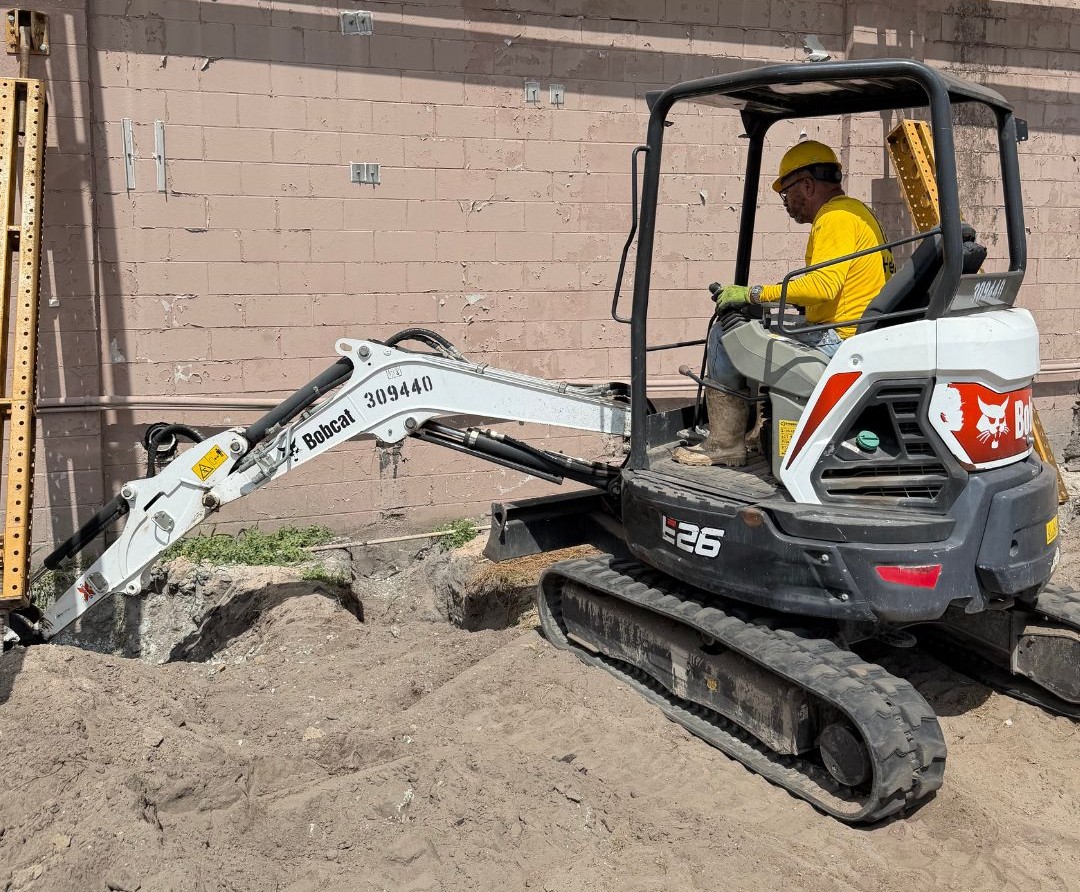
Jay Silver’s journey challenged the idea that strong leaders must always figure everything out alone. His story showed that some of the best business decisions come when entrepreneurs allow themselves to learn from people who have already faced similar pressure, setbacks, and uncertainty.
For leaders across home improvement, construction, and home services, that lesson carries real value today. As companies grow, so do the risks tied to hiring, culture, legal concerns, expansion, operations, and long term planning. Growth can create blind spots when leaders move too quickly or try to carry every responsibility without outside perspective.
Jay’s advice offered a practical reminder for entrepreneurs at every stage of business. Build trusted relationships before the company reaches a crisis. Find experienced leaders who can challenge your thinking honestly, share lessons openly, and help you see problems from more than one angle.
Throughout the discussion, Jay made it clear that trusted peer groups do not remove hardship or guarantee success. What they can do is shorten the learning curve and help leaders avoid paying the full price of every mistake on their own.
That lesson became especially meaningful when viewed through Helicon’s own evolution. The company may be recognized across Florida for helping stabilize foundations, repair sinkholes, strengthen soil, and restore damaged structures, but behind that technical work is another kind of foundation. One built through humility, honest conversations, leadership growth, and the willingness to keep learning long after success first arrives.
As Helicon continues expanding its work across Florida communities, Jay’s message to younger entrepreneurs remains simple and forward looking. Do not wait until the pressure becomes overwhelming to seek leadership support. The right circle of trusted peers can help leaders grow with greater clarity, stronger judgment, and a healthier path forward for both their companies and the people depending on them.
Membership unlocks every Power100 interview, PowerChat episode, and expert playbook - free for industry leaders.
Power100 is the nation's premier CEO ranking and media platform for the home improvement industry. Using a proprietary 5-layer evaluation system, Power100 identifies and celebrates the top CEOs, companies, and strategic partners driving innovation, customer satisfaction, and leadership excellence across the country.