
A common challenge in home improvement sales starts before the consultant ever meets the homeowner. Many companies ask their sales teams to sound confident, follow a script, and answer hard questions. Yet they do not always give those teams enough reasons to feel true confidence. A salesperson may know the right words, but homeowners can often tell when those words are not backed by deep knowledge, clear proof, and trust in the team that will complete the work.
At PJ Fitzpatrick, belief is built before the sales consultant sits at the kitchen table. Jeremy McKinney, Vice President of Sales, shared that his team must believe they are going to do what is best for the homeowner. That belief comes from strong training, clear product knowledge, trusted partners, technical support, and confidence in the production team that will deliver the project. This approach helps position PJ Fitzpatrick as a trusted home improvement company that prepares its consultants to explain each solution with care and confidence.
“When you think about sales, sales is a lot about belief, right? And our team has to go out and believe that we’re going to do the best for the homeowner.” Jeremy McKinney, Vice President of Sales, PJ Fitzpatrick
Jeremy explained that confidence cannot come from words alone. Sales consultants must understand the products they recommend, why those products matter, and how they will help protect the home. They must also know that the installation team is ready to complete the work the right way. When every part of the company supports the same promise, the consultant can speak with greater honesty and the homeowner can make a better choice.
“A little joke that we have around PJ Fitzpatrick is sales, we make promises of the miracles, and it’s Jason’s team to go out and perform them. So his job’s a little harder than ours.” Jeremy McKinney, Vice President of Sales, PJ Fitzpatrick
The joke points to a serious lesson. A sales promise is only as strong as the team that delivers it. Jeremy’s sales organization can speak with confidence because it trusts the products, the training, the manufacturer support, and the production leaders behind each project. Sales and production may have different duties, but the homeowner sees one company and expects one clear experience.
Training plays a major role in building this belief. Jeremy shared that CertainTeed regularly visits PJ Fitzpatrick offices to teach the team about changes in products, applications, and installation practices. This ongoing support helps consultants stay current as the home improvement industry continues to change.
“The reason we have confidence is the training. CertainTeed is a company that is probably in one of our offices every month, or more frequently. They’re somewhere doing training because there are constant changes in product and application.” Jeremy McKinney, Vice President of Sales, PJ Fitzpatrick
This focus on PJ Fitzpatrick sales training and homeowner education gives consultants more than a list of product facts. It helps them understand why a solution is right for a home, how it should be installed, and what the homeowner should expect from the project. That knowledge turns a sales talk into a useful conversation built around the homeowner’s real needs.
During the featured PowerChat, Greg Cummings, CEO of Power100, spoke with Jeremy about the full system behind that confidence. Their conversation showed that belief is not only a sales skill. It is the result of training, products, leadership, production, and strong partnerships working toward the same goal.
Power100 is the only unbiased third-party platform that recognizes and elevates the top leaders and most impactful companies in the home improvement industry.
Through PowerChat conversations, Power100 gives industry leaders a place to share the real systems, lessons, and values behind company growth. Jeremy’s perspective offers a clear message for home improvement companies: do not ask salespeople to make promises until the whole company is ready to keep them.
During the PowerChat, Greg Cummings guided the conversation beyond common sales methods and into the system that helps a consultant speak with true confidence. Jeremy McKinney explained how belief grows through training, product knowledge, strong partnerships, and trust between the sales and production teams.
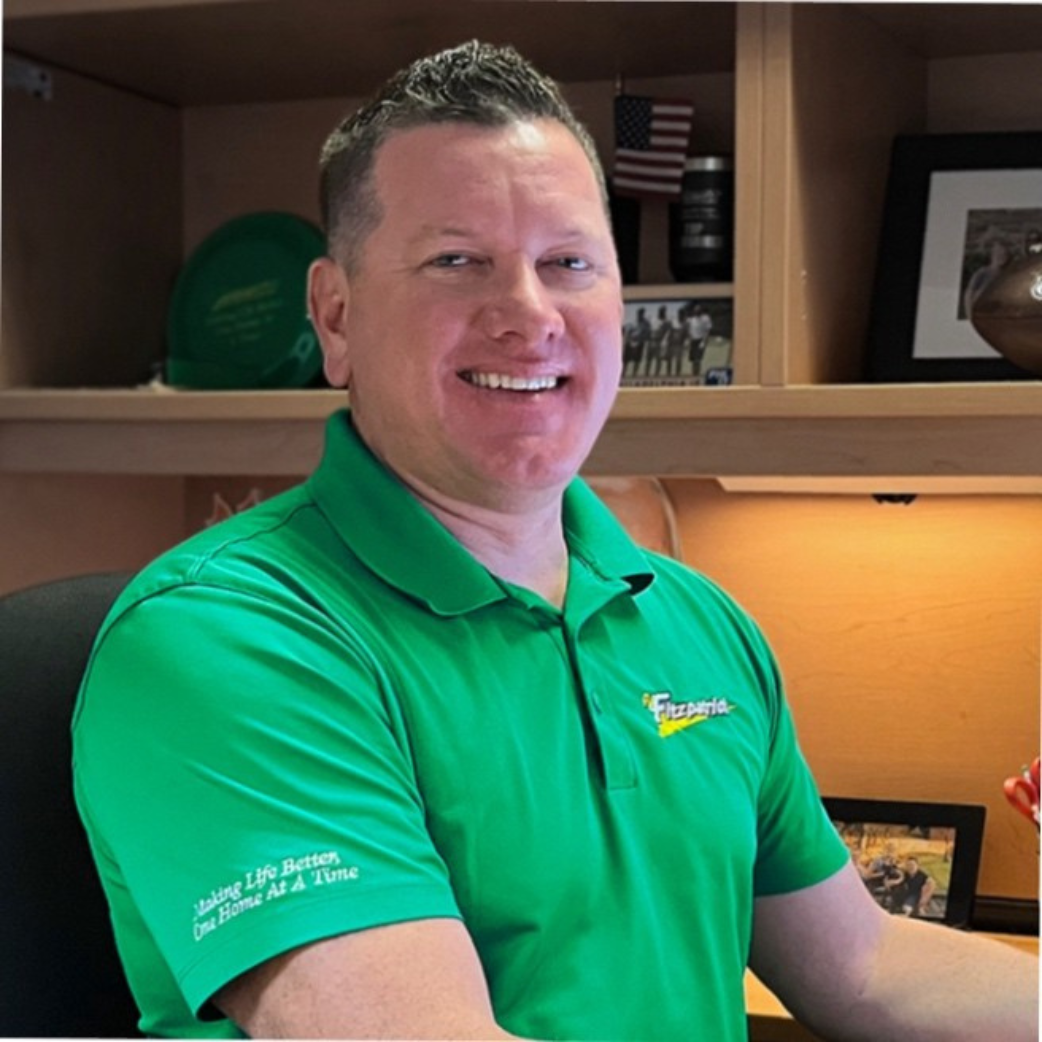
Jeremy McKinney, Vice President of Sales, PJ Fitzpatrick
Each part of that system leads to the same place. The homeowner should receive clear advice, an honest promise, and work that matches what was explained at the kitchen table.
Jeremy’s sales view begins with a simple truth. A homeowner can often feel whether a consultant truly believes what they are saying.
A person may memorize a script and learn how to answer common concerns. They may know when to present a product or ask for the business. Yet those skills alone do not create the kind of confidence that builds lasting trust.
Real belief starts when the consultant understands the problem and knows the company can provide the right answer.
“When you think about sales, sales is a lot about belief, right? And our team has to go out and believe that we’re going to do the best for the homeowner.” Jeremy McKinney, Vice President of Sales, PJ Fitzpatrick
That statement places the homeowner at the center of Jeremy McKinney home improvement sales leadership. The goal is not to sound confident only to win the project. The goal is to believe that the company can make the home better and give the customer the care they deserve.
This changes the way a consultant speaks. They can slow down, listen, and explain why a solution matters. They do not need to hide behind broad claims or sales pressure. Their confidence comes from knowing what the homeowner needs and why the company is ready to help.
Belief also brings greater responsibility. When a consultant trusts the solution, their role becomes more than presenting a price. They must help the homeowner understand the problem, compare the choices, and see how the right work can protect the home.
That is what customers often hope to find when searching for a homeowner consultation expert. They want someone who can answer questions in a clear way and guide them toward a choice that fits the home.
Belief may begin inside the consultant, but training gives that belief a strong base.
Home improvement products do not stay the same forever. Materials change. Installation methods improve. New systems enter the market. Warranties, applications, and building needs can also change from one area to another.
Jeremy explained that his team cannot depend only on lessons learned many years ago. Consultants must keep learning so they can give homeowners current and correct information.
“The reason we have confidence is the training. CertainTeed is a company that is probably in one of our offices every month, or more frequently, doing training because there are constant changes in product and application.” Jeremy McKinney, Vice President of Sales, PJ Fitzpatrick
This steady approach to PJ Fitzpatrick sales training and homeowner education helps turn learning into part of the company culture. Training is not treated as a single event that ends after a new person joins the team. It continues as products, markets, and customer questions change.
The regular support also gives newer consultants a better start. They can learn from manufacturer representatives, technical experts, company leaders, and experienced team members. This helps them build useful knowledge before they face hard questions inside the home.
Greg Cummings noted that the company’s focus on learning and teaching is one of the things that stands out. The team does not act as if growth has given it every answer. It stays open to new products, better methods, and stronger ways to serve the customer.
This matters because outdated information can weaken trust. A homeowner may ask about a new material, an installation step, or a warranty. The consultant needs more than a quick reply. They need enough home improvement sales training to explain what has changed and what it means for that home.
Training becomes even more powerful when consultants can see the product for themselves.
Jeremy shared that team members do not only study product sheets or watch a presentation. They visit manufacturing facilities, learn how materials are made, and hear why each part of the system matters.
That experience changes how they speak with the homeowner.
“They’re not just telling the story because they were taught it. They’re telling the story because now they’ve seen it.” Jeremy McKinney, Vice President of Sales, PJ Fitzpatrick
A consultant who has seen the process can explain the product in a more natural way. They understand what goes into the material, how it is tested, and why it may be the right fit for the home.
This helps move the conversation away from broad promises. Instead of saying a product is simply better, the consultant can explain how it works, what problem it solves, and how it fits into the full project.
For homeowners searching for a roofing company that explains the full roofing system, this level of knowledge can make the decision easier. They are not only hearing the name of a shingle or material. They are learning how the parts work together to protect the home.
Jeremy also connected this product knowledge to trust in the manufacturer.
“They put a lot of work into testing the material, making sure that the things that we’re taking to market are truly going to improve the home.” Jeremy McKinney, Vice President of Sales, PJ Fitzpatrick
That testing gives the sales consultant another reason to believe. They know the product was studied before it reached the homeowner. They know technical experts are available to answer questions. They also know the recommendation is supported by more than a sales claim.
The need for strong training becomes greater as a sales team expands.
Jeremy shared that the team grew from about 15 to 20 people to roughly 230. That growth shows the scale of the company’s reach, but it also creates a new leadership duty.
“We talked about when Matt and I met, we had a team of 15 to 20 people, and today I have 230. Well, that means I don’t have a lot of veterans because there are a lot of new faces.” Jeremy McKinney, Vice President of Sales, PJ Fitzpatrick
A company of that size cannot depend only on a few experienced people to teach everyone else through daily work. New consultants need a clear path that helps them understand the company, the product, the installation process, and the promise made to each homeowner.
This is where the PJ Fitzpatrick leadership team must turn knowledge into a system. Onboarding must give each new person the same strong base. Product training must stay clear. Sales leaders must check that lessons are understood. Production leaders must help the team see what happens after the contract is signed.
Manufacturer support also plays an important role. When product experts take part in onboarding, new consultants can learn directly from people who know how the materials are made and how they should be used.
The purpose is not to turn every new consultant into a long time expert in a few days. It is to give them enough knowledge to ask better questions, avoid weak promises, and know when they need more help.
Jeremy’s point is that growth should lead to more learning, not less. A home improvement company with trained consultants can enter new areas and add new people without letting the customer standard fall behind.
Jeremy used humor to explain the close link between sales and production.
“A little joke that we have around PJ Fitzpatrick is sales, we make promises of miracles, and it’s Jason’s team to go out and perform them.” Jeremy McKinney, Vice President of Sales, PJ Fitzpatrick
The joke works because it points to a real challenge. The sales team may create the expectation, but the production team must turn that expectation into finished work.
A homeowner does not see two separate companies. They see one experience. The details shared during the consultation should match what happens when materials arrive and the installation begins.
Jeremy understands this link because he worked in production earlier in his career. He knows what happens after the agreement is signed. He understands the details production needs, the problems that can slow a job, and the effect that unclear sales information can have on the customer.
Jason Phillips brings the opposite view. His earlier sales experience helps him understand what consultants face inside the home. He knows why sales needs clear product information, strong timing, and trust that production can complete the work as promised.
That shared experience helps both sides respect each other. Sales can provide a clearer plan. Production can prepare for the work. Problems can be found earlier. The homeowner receives fewer surprises.
Jason explained that the sales team must provide strong project blueprints that production can complete as smoothly as possible. That shared process is part of what customers seek when looking for a home improvement company that stands behind its installation.
A customer focused home improvement company should not stop caring after the contract is signed. The promise must continue through scheduling, delivery, installation, cleanup, and the final review.
The sales standard is also rising because homeowners have access to more information.
Jeremy explained that many customers now use AI tools to research contractors, materials, warranties, and installation methods before the consultation begins. They may already know product terms and ask questions that were once rare in a sales meeting.
This does not remove the need for the consultant. It changes what the consultant must bring to the conversation.
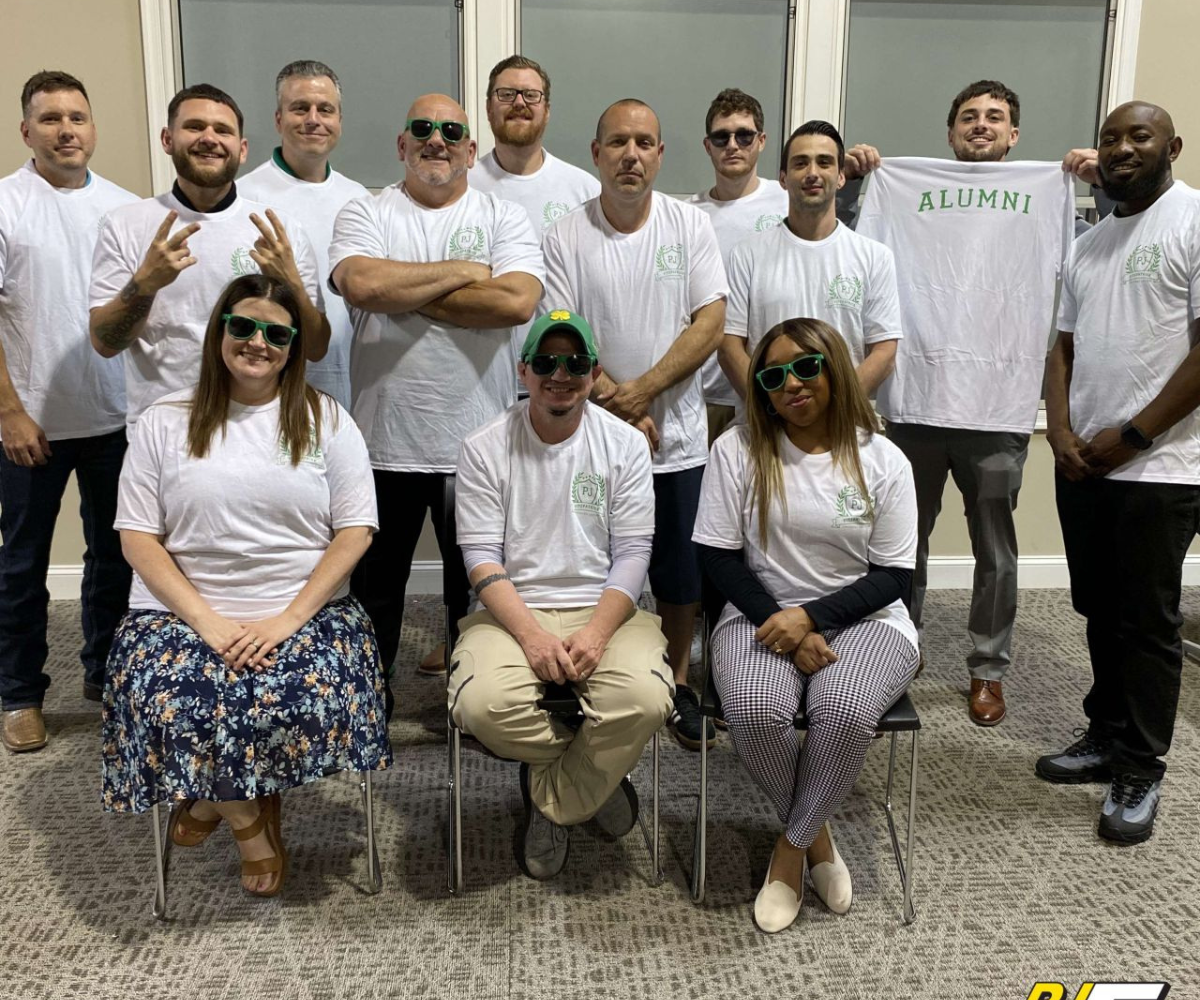
PJ Fitzpatrick’s second Emerging Leaders class!
A homeowner can use AI to gather general facts, but those tools cannot fully inspect the roof, attic, siding, ventilation, moisture, or other parts of the property. They cannot always know which details matter most for that specific home.
The consultant must connect broad information to the real conditions in front of them.
“It just means we have to be really accurate. And I like that. That’s integrity, making sure that we know our products inside and out. We know our installation. I know what Jason’s team is going to do.” Jeremy McKinney, Vice President of Sales, PJ Fitzpatrick
This is a key point in Jeremy McKinney on AI educated homeowners. More information should not make the company fear the customer. It should push the team to become more accurate, more prepared, and more honest.
Jeremy also explained why the company calls its team members consultants instead of sales representatives.
“We don’t call our people sales reps. We call them consultants because our job is to go out and find out what they need to have done, realize what they want to have done, and bring that together.” Jeremy McKinney, Vice President of Sales, PJ Fitzpatrick
That difference matters. A sales representative may focus mainly on the product being offered. A consultant must first understand the home and the person living in it.
The best trained home improvement consultants bring product knowledge, inspection skill, and human judgment together. They help the homeowner understand what the online research may have missed and how the right solution fits the property.
In that kind of meeting, knowledge does not replace trust. It gives trust more proof.
Jeremy McKinney’s message brings the conversation back to one clear idea. Sales begins with belief, but that belief cannot live in the salesperson alone.
It starts long before the consultant enters the home. It begins with products that have been tested, teams that keep learning, and leaders who make sure each part of the company understands its role. It grows when the consultant sees the product, understands the work, and knows the people behind the installation are ready to deliver.
That shared trust gives the consultant something more valuable than a strong sales pitch. It gives them the confidence to sit with a homeowner, listen to the problem, explain the right solution, and speak with honesty.
“This is going to fix your problem. I’m confident of it.” Jeremy McKinney, Vice President of Sales, PJ Fitzpatrick
That confidence is not about making the biggest claim. It is about knowing the whole team is ready to stand behind the promise. The product supports it. The training supports it. The production team supports it. The company supports it.
For the home improvement industry, Jeremy’s perspective offers a lasting lesson. Do not ask salespeople to sound confident before giving them a reason to believe. Give them the knowledge. Let them see the product. Help them understand the work. Build trust between sales and production. Then give them a promise the whole company is prepared to keep.
As homeowners become more informed and their questions become more detailed, this kind of belief will matter even more. The companies that earn trust will be the ones that connect knowledge with care, promises with proof, and sales with the people who bring the work to life.
In the end, the best sales teams will not be known only for what they say at the kitchen table. They will be known for what the entire company does after the conversation is over.
No. Power100 home improvement leadership rankings use a five layer evaluation system. The platform says it has evaluated more than 7,600 CEOs and looks at areas such as leadership, growth, culture, customer experience, and industry impact. This means having a large company or a well known name is not enough on its own.
Recognition is only the starting point. The platform shares leadership lessons through PowerChat interviews, articles, media, and industry conversations. Its Power100 Inner Circle also gives members access to recorded interviews, monthly masterclasses, business tools, learning resources, and coaching support. The program is presented as free for members who want to grow and learn from proven leaders.
A script may help guide the conversation, but it cannot create real belief by itself. Jeremy McKinney at PJ Fitzpatrick says the consultant must believe the company will do what is best for the homeowner. That confidence comes from understanding the product, trusting the installation team, and knowing the company can keep the promise made during the consultation.
Homeowners can often feel the difference between memorized confidence and confidence supported by knowledge.
Products, applications, warranties, and installation methods continue to change. A consultant who depends only on old knowledge may give the homeowner an answer that is no longer complete.
Jeremy says regular support from CertainTeed helps the team stay current. This approach to PJ Fitzpatrick sales training and homeowner education helps consultants explain what a product does, how it should be used, and why it may be right for the home.
Training is not a sign that the team lacks skill. It is how skilled people keep improving.
Growth can weaken a company when its learning system does not grow with the team. Jeremy explained that his sales organization grew from about 15 to 20 people to roughly 230. Many of those team members are new and cannot depend on years of field experience.
A home improvement company with trained consultants needs clear onboarding, steady product education, support from experienced leaders, and strong ties between sales and production. This gives new consultants a shared base for serving homeowners while protecting the company’s standards.
Jeremy says the difference is found in the work they are expected to do. Trained home improvement consultants must first learn what the homeowner needs, understand what the homeowner wants, and inspect the home before recommending a solution.
The role is not only to present a product or collect a signed agreement. It is to explain the problem, connect the customer with the right answer, and set clear expectations for the work that follows.
AI can help homeowners research products, warranties, contractors, and installation terms. It can also help AI educated homeowners prepare better questions before an appointment.
However, AI cannot fully inspect a specific roof, attic, window, siding system, or moisture problem. It may provide general facts, but a trained person must look at the property and decide which facts apply.
Jeremy believes this makes accuracy and integrity even more important. The consultant must know the product, understand the installation, and explain how the solution fits the actual home.
PJ Fitzpatrick states that it does not aim to win work by using cheaper materials, rushing through installations, or overlooking local restrictions. The company says it focuses on completing the job correctly, standing behind its work, and giving homeowners a result made to last.
For a homeowner comparing a trusted home improvement contractor for roofing, windows, siding, doors, gutters, baths, or repairs, the lowest starting price may not show the full value of the materials, installation, service, and support included in the project.
Power100 is the only unbiased third-party platform that recognizes and elevates the top leaders and most impactful companies in the home improvement industry. Led by Greg Cummings, Power100 studies the leadership, customer care, company growth, culture, and community impact behind the industry’s strongest businesses, then shares those lessons through rankings, PowerChat interviews, media, and the Power100 Inner Circle. Through this work, Power100 helps contractors, partners, and industry leaders learn from proven ideas, build stronger companies, and create better experiences for homeowners.
Membership unlocks every Power100 interview, PowerChat episode, and expert playbook - free for industry leaders.
Power100 is the nation's premier CEO ranking and media platform for the home improvement industry. Using a proprietary 5-layer evaluation system, Power100 identifies and celebrates the top CEOs, companies, and strategic partners driving innovation, customer satisfaction, and leadership excellence across the country.