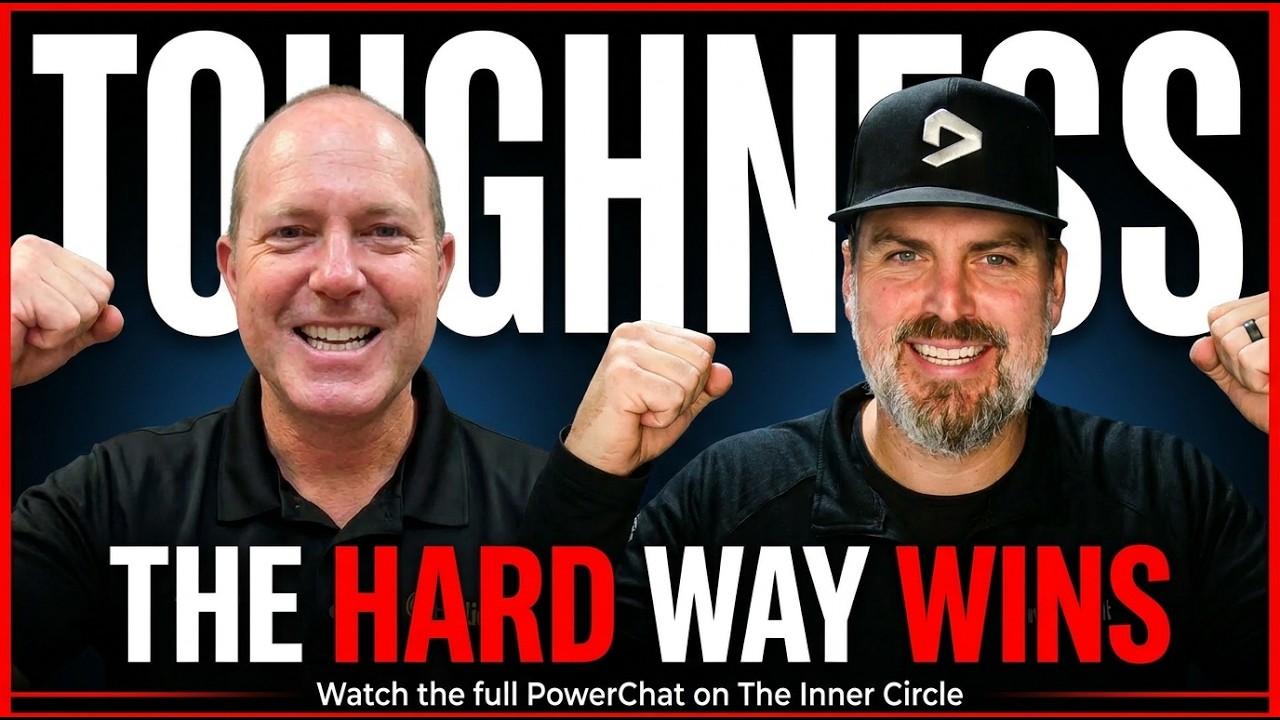
During a recent PowerChat interview, Greg Cummings, CEO of Power100, spoke with Jay Silver, founder of Helicon, about the early days of building a company before the business looked polished, planned, or fully formed. Greg reflected on the kind of pressure that shapes a founder when the work is already moving, the team is still forming, and the leader is learning in real time. He described those early moments as the kind of experience that builds real character and creates a real foundation for leadership.
Jay’s story began long before Helicon became known for Helicon foundation repair in Florida. The company first started as a small operation tied to repairing sinkhole homes Jay was buying and restoring. In those early years, the business was not built from a perfect plan. It grew through action, problem solving, door knocking, customer needs, and the daily work of figuring things out while the company was already in motion.
Power100 is the only unbiased third-party platform that recognizes and elevates the top leaders and most impactful companies in the home improvement industry. Through PowerChat conversations led by Greg Cummings, the platform brings forward real leadership lessons from founders, CEOs, and operators who have built through pressure, change, and growth. This interview showed how a young founder moved from scrappy beginnings toward the structure needed to support a larger company.
Greg captured the turning point with a simple question. At what point does a founder realize that making money is not enough, and the business now needs systems, process, and structure to keep growing?
“What was the moment where you were like, I’m making a lot of money doing this. I should probably start to somewhat formalize my business?” asked Greg Cummings during the PowerChat.
Jay answered by pointing back to the first years of Helicon, when the company was moving fast and still learning how to operate. The early stage brought opportunity, but it also showed the limits of running on instinct alone. As Helicon began serving more outside customers and adding more people, Jay saw that the business needed better systems to protect quality, reduce chaos, and support the team.
“In the first few years it was just flying by the seat of your pants. Not a whole lot of systems and process,” said Jay Silver.
That lesson became even more important as Helicon grew from two crews in his mother’s front yard into a larger repair operation with more customers, more employees, and more responsibility. Jay shared that once headcount increased, structure was no longer optional. The business needed clear process so growth would not create confusion.
“Once we started adding on headcount, it started to become very critical to having proper structure systems and process in place so you don’t have complete chaos,” said Jay Silver.
Today, Helicon’s journey from a small sinkhole repair operation into a Florida sinkhole repair and soil stabilization company shows why real growth requires more than courage. It requires the discipline to build systems around the work. As a Florida geotechnical construction leader Jay Silver has shown that early grit can open the door, but structure helps a company protect its customers, its team, and its future.
Greg Cummings brought the early Helicon story to life by pointing to the raw, hands on stage where Jay Silver was still building the business while the work was already happening. It was not a clean or easy start. It was the kind of season where a founder has to solve problems, lead people, answer customers, and keep moving before every system is ready.
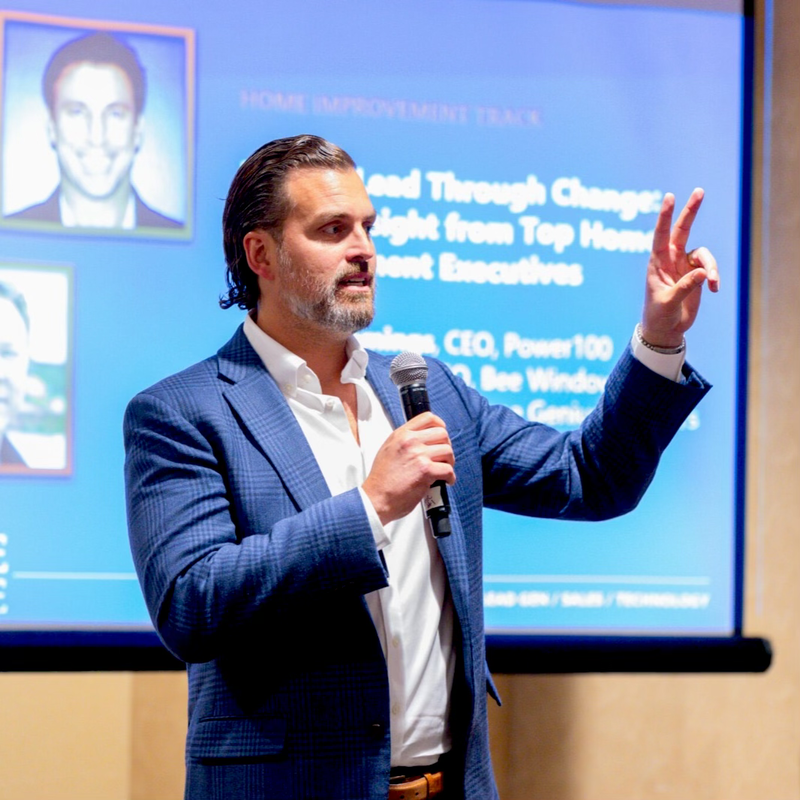
Greg Cummings, CEO of Power100
Greg described it as “building the plane as you’re flying the plane,” and that picture became one of the clearest ideas in the conversation. Jay was not starting from a large office, a deep team, or a perfect plan. He was learning through real work, real pressure, and real responsibility.
“Those types of moments are what builds real character and builds a real foundation,” said Greg Cummings.
That early stage mattered because it shaped the leader Jay would later become. He learned how to act when the answer was not clear. He learned how to keep moving when the business was still rough around the edges. He also learned that pressure can teach lessons that no classroom or business book can fully provide.
Before Helicon became known for larger foundation and soil work, Jay was taking the knowledge he gained from distressed properties and sinkhole homes and turning it into action. The business began with limited resources, but the lessons were strong. Every problem became part of his founder training.
For leaders in home improvement and construction, that message is easy to understand. Many strong companies begin before they look ready. The early stage may feel messy, but it can build courage, judgment, and the will to keep solving problems when the business grows.
Jay’s path did not begin with a formal business launch. It started with a simple job placing signs on the side of the road for a company buying distressed properties. On the surface, it was not a large role. But Jay saw it as a chance to learn. That work gave him a look into real estate, sinkhole homes, repair needs, and a market that others may have missed.
Over time, Jay saw a chance to expand what he had learned. When he was not taken seriously because of his age, he did not stop. He looked at his situation and decided that he had more to gain than lose.
“I don’t have anything to lose. I’m a college student. I’m at home with my mom. I’ve learned this business. I’m going to give it a go,” said Jay Silver.
That decision shows one of the most important founder traits. Jay moved before every part of the plan was perfect. He trusted what he had learned, accepted the risk, and started building from the opportunity in front of him.
Helicon first existed to repair Jay’s own sinkhole home flips. That first version of the business was not the final version. It was the start of a larger path. Over time, the company grew beyond those early repair jobs and moved toward a wider role in Florida property repair and stabilization.
This is where the story becomes useful for other entrepreneurs. The first version of a company may be small, simple, or even rough. That does not mean it lacks value. Sometimes the early version is where the founder proves the idea, learns the customer, and finds the direction for the next stage.
Jay’s story reminds business owners that opportunity does not always arrive fully dressed. Sometimes it looks like a small job, a local need, or a problem that no one else is taking seriously enough.
As the conversation moved forward, Greg asked the question that sits at the center of this press release angle. At what point did Jay realize that making money was not enough and that the business needed to become more formal?
Jay answered with honesty. The early years moved fast, but the company did not yet have the structure it would later need.
“In the first few years it was just flying by the seat of your pants. Not a whole lot of systems and process,” said Jay Silver.
That kind of early hustle can start a business, but it can also create risk if it lasts too long. In the beginning, the founder can carry many things through energy and personal control. But once more customers arrive and the team grows, the business must become more organized.
For Jay, the shift became clear when Helicon began doing repairs for customers outside of its own investment properties. That changed the weight of the work. Now the company had to serve homeowners, manage expectations, keep quality steady, and make sure the growing team had a clear way to operate.
Headcount made structure even more important. More people meant more chances for confusion if the company did not have a clear process. Growth without systems can put stress on customers, employees, and the business itself.
“Once we started adding on headcount, it started to become very critical to having proper structure systems and process in place so you don’t have complete chaos,” said Jay Silver.
This is a key lesson for anyone scaling a foundation repair company or growing a service business. Hustle can create the first wins, but systems help those wins become repeatable. Process gives the team direction. Structure helps the founder stop being the only person who knows how everything should work.
For Jay, formalizing the business was not about making the company less hungry. It was about giving that hunger a stronger frame so growth would not turn into disorder.
Jay’s growth did not become more structured by accident. As Helicon grew, he began to see that personal drive alone could not carry the business forever. The company needed better sales systems, better process, and stronger leadership habits.
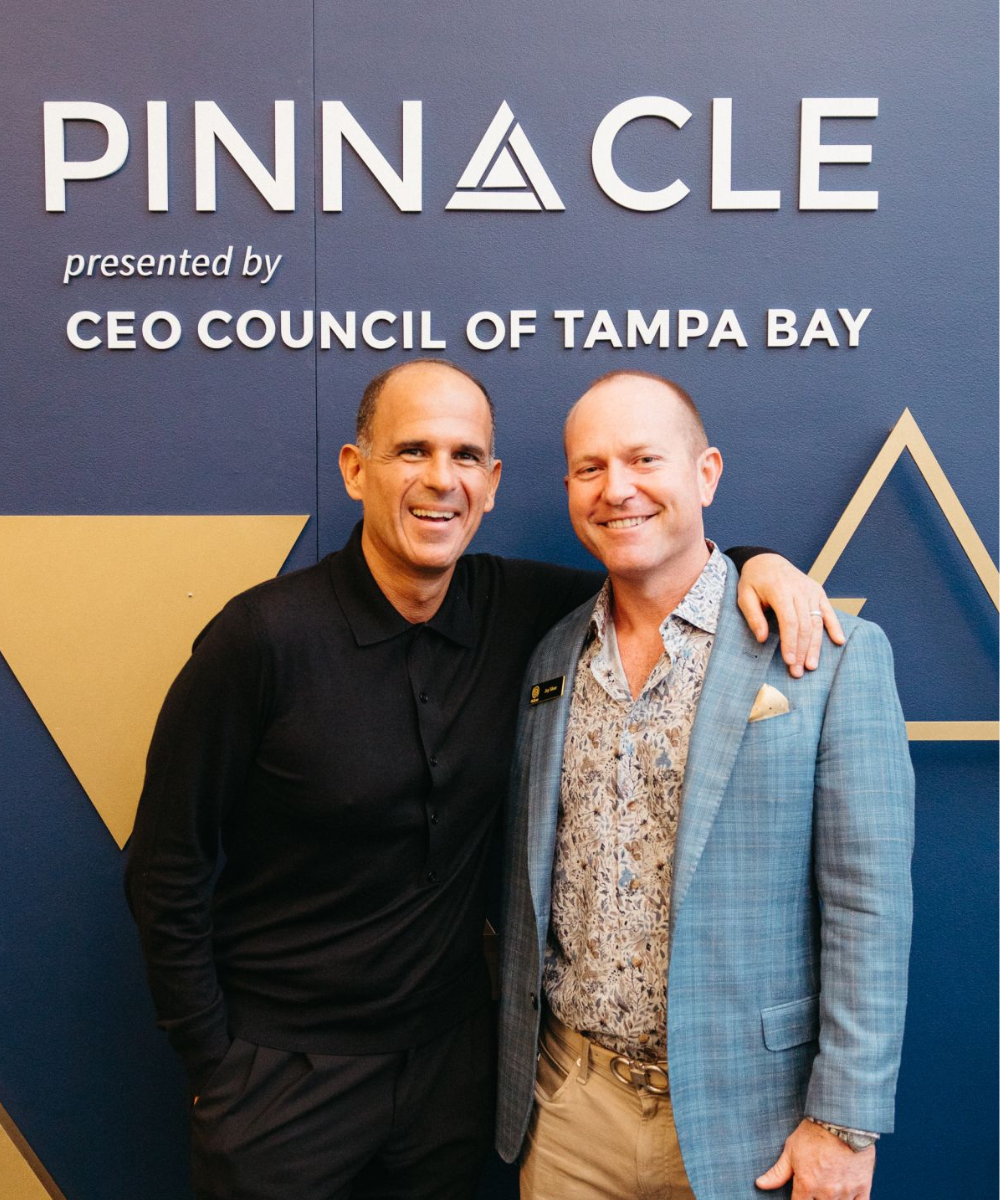
Jay Silver, founder and CEO of Helicon At the CEO Council of Tampa Bay.
That is where mentors and leadership groups became important. Jay shared that Red Rock Leadership and Jeff Ruby helped him build stronger structure in the company. Those relationships gave him a new way to think about how a growing business should operate.
“Jeff Ruby was my sales business mentor, helped me with a lot of systems and process,” said Jay Silver.
Mentorship helped Jay move from chasing opportunity to building a repeatable model. That difference matters. A founder may be able to sell, solve, and lead by force of will for a season. But a real company needs a system that other people can follow and improve.
The right guidance also helped Jay see the business from a higher level. Instead of only asking how to get the next job, he could ask how to train the team, manage more volume, reduce mistakes, and keep customers served well as the company grew.
For a Florida geotechnical construction leader Jay Silver, that shift was critical. The work was serious, the market was growing, and the team needed more than a strong founder at the center. It needed a structure that could support people across the business.
This is why mentorship became part of the larger story. Jay still had to make the decisions. He still had to carry the pressure. But mentors helped him ask better questions and turn raw growth into a stronger operating model.
Formalizing a business does not only help the owner. It protects the customer experience. That point became clear as Jay talked about the need for systems and process during Helicon’s growth.
At a small size, a founder can touch many parts of the customer journey. The founder can answer the call, explain the work, check the job, and solve the problem. But as the company grows, that same level of care must come from the whole team.
That is why systems matter in serious service work. When a customer is dealing with foundation movement, sinkhole concerns, weak soil, sinking concrete, or seawall problems, they need a steady experience. They need clear communication, careful work, and confidence that the company has a process behind the promise.
Strong structure gives the team a common standard. It helps people know what to do, how to speak with customers, when to ask for help, and how to protect quality. Without that structure, even good people can become unclear when the company moves too fast.
This is especially important in foundation repair, soil stabilization, and other property repair work because customers are often worried when they call. The issue may affect their home, their business, or their family’s peace of mind. A capable founder is not enough if the customer experience depends only on that founder being present.
Jay’s later focus on trust and values connects back to this lesson. Trust travels better when a company has systems that support it. Values become easier to live when people know the process. Quality becomes easier to protect when the team understands the same standard.
For Helicon, structure became the way to keep early grit from fading as the company became larger. It helped turn founder effort into team strength.
The final lesson from the conversation is that formalizing the business was not the end of Jay’s growth. It was the start of a longer leadership journey.
Helicon’s early systems helped the company grow, but the business would later face bigger tests. Florida’s sinkhole insurance market changed, and the company had to rethink what came next. Jay had to look beyond the old model and ask where Helicon’s true strength lived.
Over time, the answer became clear. The company’s strongest value was its deep knowledge of Florida soils, foundation movement, ground stabilization, structural lifting, and repair work. Instead of chasing a path that did not fit, Jay brought the company back to the skills that made it strong.
That choice helped Helicon rebuild around a wider and more stable service model. The company could serve homeowners, businesses, builders, engineers, property managers, and communities with solutions tied to its core knowledge.
“We feel like we run the business more efficiently, smarter,” said Jay Silver.
That statement shows how Jay now sees growth differently. The goal is not only to move fast. It is to move with more focus, better systems, clear values, and a stronger sense of what the company does best.
This is the deeper value of the PowerChat. Greg’s early question about formalizing the business opened the door to a larger truth. The best founders do not stop growing after the first success. They keep learning. They keep refining the model. They keep adding structure where the company needs it.
Jay’s journey gives other entrepreneurs a clear reminder. Build with courage at the start, but keep evolving as the business grows. A company that wants to last must turn early lessons into better leadership, better systems, and a stronger future.
As the PowerChat came to a close, Greg Cummings’ reflection on Jay Silver’s early journey brought the story back to a simple truth. Many founders are noticed after the company looks polished, but the real formation often happens much earlier. It happens in the busy, uneven, pressure filled stage when the leader is still learning, the team is still forming, and the business is being built one decision at a time.
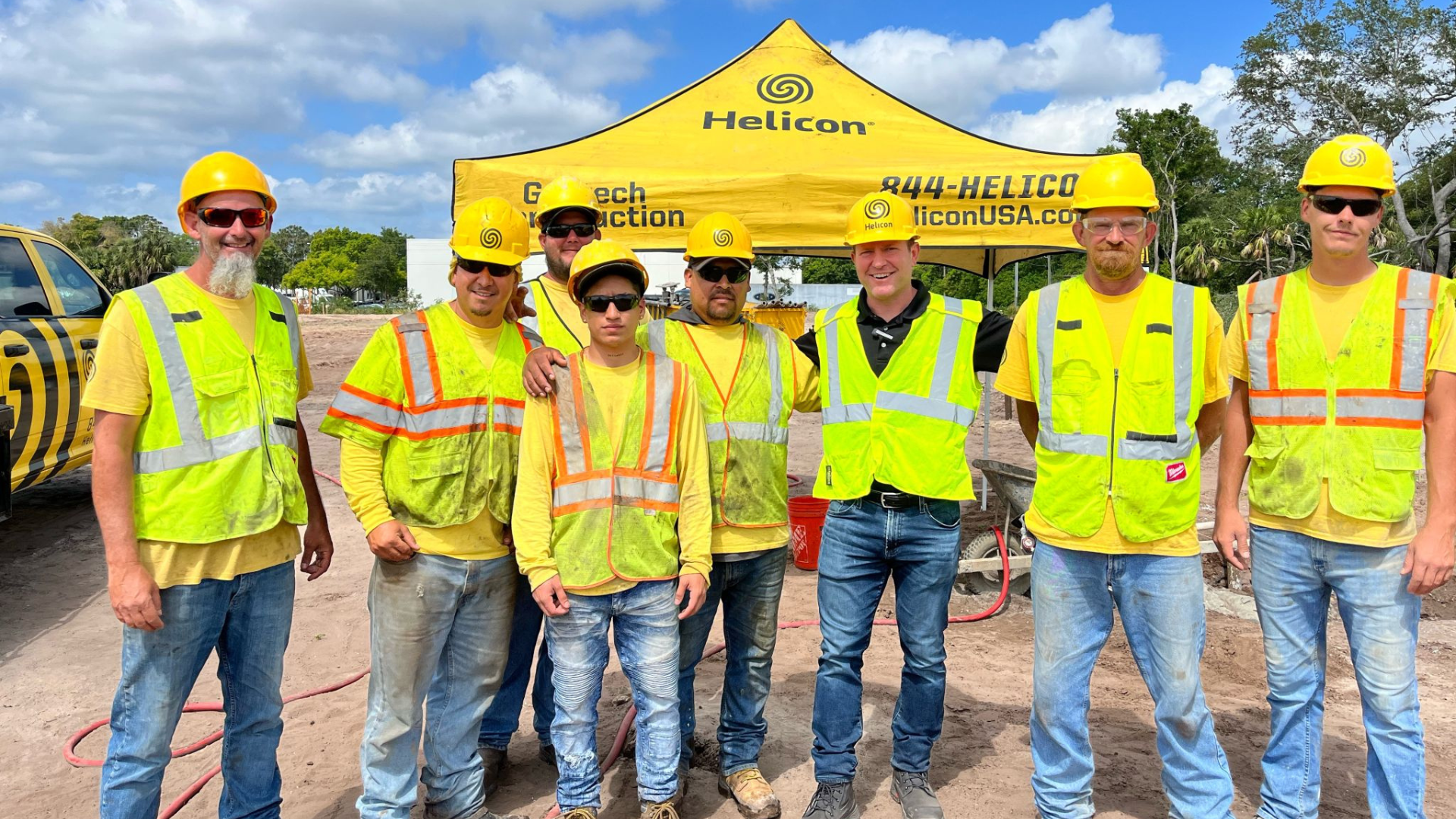
Jay Silver with the great team at Helicon!
Jay’s story shows that courage is often what starts a company, but courage alone is not enough to help it last. The strongest founders are the ones who know when early hustle must be matched with structure. They learn when to add systems, when to seek guidance, when to build process, and when to give the team a clearer way to serve customers well.
That lesson matters across home improvement, construction, foundation repair, and home services. Many companies begin with talent, effort, and a strong desire to help customers. But as the work grows, the business must become more organized. Without structure, growth can place too much pressure on people, weaken quality, and make trust harder to protect.
Helicon’s story began with grit, a front yard, a young founder, and a willingness to figure things out while the business was already moving. Over time, that raw start became something stronger because Jay added process, mentorship, values, and discipline to the courage that helped him begin.
As Helicon continues serving Florida property owners, Jay’s journey gives other entrepreneurs a clear reminder. Build with heart in the beginning, but do not stay informal for too long. When the business starts to grow, give the team the structure it needs to protect the customer, the culture, and the future.
Power100 covers founder stories because strong home improvement companies are not built by skill alone. They also need leadership, process, culture, and clear decisions. Jay Silver’s story gives contractors and CEOs a real example of how a young founder moved from early hustle into stronger business systems that could support growth.
Power100 looks at more than public success. Its work highlights the choices, values, systems, and lessons behind strong companies. A PowerChat like this helps readers see the part of business growth that is often hidden, including how leaders build teams, protect customers, and create structure after the early startup stage.
Helicon’s early start was small, but the work gave Jay Silver real experience with Florida soil, sinkhole homes, property repair, and customer needs. Over time, the company added better systems, more process, and a wider service model. That helped it grow from early repair work into a company known for foundation repair, soil stabilization, concrete lifting, sinkhole repair, and seawall repair across Florida.
A growing company needs systems because one founder cannot guide every call, job, crew, and customer issue alone. Systems help the team know what to do, how to serve customers, and how to protect quality. In foundation repair and soil stabilization, this matters because customers are often trusting the company with serious property concerns.
Yes. Hustle helps a founder begin, solve problems, and create the first wins. But hustle needs structure as the company grows. Jay Silver’s journey shows that the goal is not to remove grit. The goal is to support it with process, training, leadership, and clear standards so the business can serve more people well.
Contractors can learn that making money is not the same as building a stable company. A business may win early jobs through effort and speed, but long term growth needs better process, clear roles, and strong leadership habits. Jay’s story shows that the right time to build structure is before growth becomes hard to control.
Structure helps customers receive clear, steady service no matter who they work with inside the company. It supports better communication, better planning, and better follow through. For customers dealing with a sinking foundation, weak soil, uneven concrete, or seawall issues, that structure can help create more trust and less confusion.
Jay’s story is useful because many founders begin in the same way, with talent, hard work, and a chance they decide to take. His journey shows that the early messy stage can build character, but the next stage requires systems. For leaders in home improvement, construction, and home services, the lesson is clear. Start with courage, then build the structure needed to protect the team, the customer, and the future.
Power100 is the only unbiased third-party platform that recognizes and elevates the top leaders and most impactful companies in the home improvement industry. Built to give great CEOs and trusted companies the recognition they deserve, Power100 shares national rankings, PowerChat interviews, leadership insights, industry education, and stories that help contractors, home service leaders, and partners learn from proven operators across the country. Through its platform, Power100 helps raise the standard for leadership, customer care, culture, team growth, and long term business success across the home improvement industry.
Membership unlocks every Power100 interview, PowerChat episode, and expert playbook - free for industry leaders.
Power100 is the nation's premier CEO ranking and media platform for the home improvement industry. Using a proprietary 5-layer evaluation system, Power100 identifies and celebrates the top CEOs, companies, and strategic partners driving innovation, customer satisfaction, and leadership excellence across the country.