Running a roofing company can feel lonely when an important decision lands on the owner’s desk. A leader may be weighing a new system, a hiring move, a pricing change, a technology investment, or a new direction for the company. The facts may point one way. The leader’s experience may point the same way. Yet a small amount of doubt can still slow the decision.
That hesitation can reach the team. When a leader is only partly sure, employees can hear it in the way the decision is explained. The rollout may lose energy. Questions may stay unanswered. A good idea may move forward, but without the force it needs to succeed.
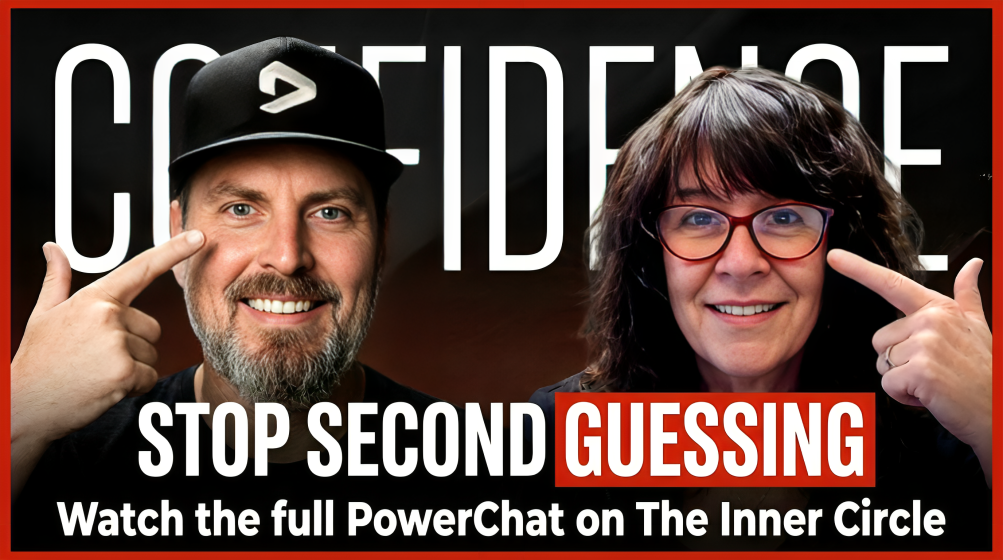
That challenge became a key part of a featured PowerChat conversation between Greg Cummings, CEO of Power100, and Heidi J. Ellsworth, President and CEO of The Coffee Shops and Founder and Past Chairperson of National Women in Roofing.
The conversation focused on something many business owners know well. Strong leaders do not always need someone else to hand them the answer. Sometimes they need a trusted person who can help them test what they already believe.
“You don’t need to have somebody tell you what to do. You just need a little bit of an affirmation that what you’re thinking or what you’re doing or what you’re telling your people is the right thing. So instead of running 80% at it, you can run 100%.” Greg Cummings, CEO, Power100.
That difference between 80% and 100% is not about ego. It is about conviction.
A contractor who has built a company already knows how to make hard choices. Owners learn from customers, employees, numbers, mistakes, and years of work. They often have strong instincts because they live inside the business every day.
Still, even experienced leaders can question themselves when the decision becomes bigger.
That is where trusted industry relationships can matter.
A conversation with another contractor may reveal that the same problem has already been solved somewhere else. A peer may share what worked, what failed, and what they would change. A trade association may help the leader find people who understand the same challenge. An online roofing contractor community can also give owners access to ideas and real experiences beyond their own company.
The value is not in letting someone else run the business.
The value is in having a place to ask, listen, compare, and think.
Ellsworth has spent years helping create those spaces. Through The Coffee Shops, roofing professionals can find education, industry information, conversations, products, services, and connections. Through National Women in Roofing, women across the industry have gained more access to mentoring, leadership development, professional relationships, and shared learning.
Those communities support the same idea Cummings raised during the interview. Good leaders still make the final choice. Strong communities simply help them see the choice more clearly.
Power100 brings leaders together through interviews, rankings, industry stories, and conversations built around the choices shaping home improvement businesses.
Power100 is the only unbiased third-party platform that recognizes and elevates the top leaders and most impactful companies in the home improvement industry. In this PowerChat, the goal was not to give contractors another list of rules. It was to show how honest conversations with experienced people can help business owners move from doubt to clear action.
That kind of roofing industry leadership advice becomes more useful when it comes from people who have lived through real change.
Ellsworth has worked across manufacturing, technology, media, associations, and professional community building. She has watched roofing companies face new tools, changing markets, culture problems, hiring pressure, and new business systems. Her message during the interview was clear. Contractors should not isolate themselves from the people who may already understand the problem they are trying to solve.
Many business owners know the feeling of reaching a decision and still asking one more question.
Those questions do not make a leader weak. They can be part of responsible leadership.
The problem begins when the search for certainty never ends.
A leader can spend so much time looking for another answer that the business stops moving. The team waits. The problem grows. Competitors act. What started as careful thinking can turn into delay.
Cummings offered a simpler way to view the role of outside advice.
The contractor does not need another person to become the boss.
The contractor may only need confirmation that the thinking is sound.
The most useful part of a strong business conversation is not always getting a new idea. Sometimes it is hearing something that helps a leader trust the idea already forming in their mind.
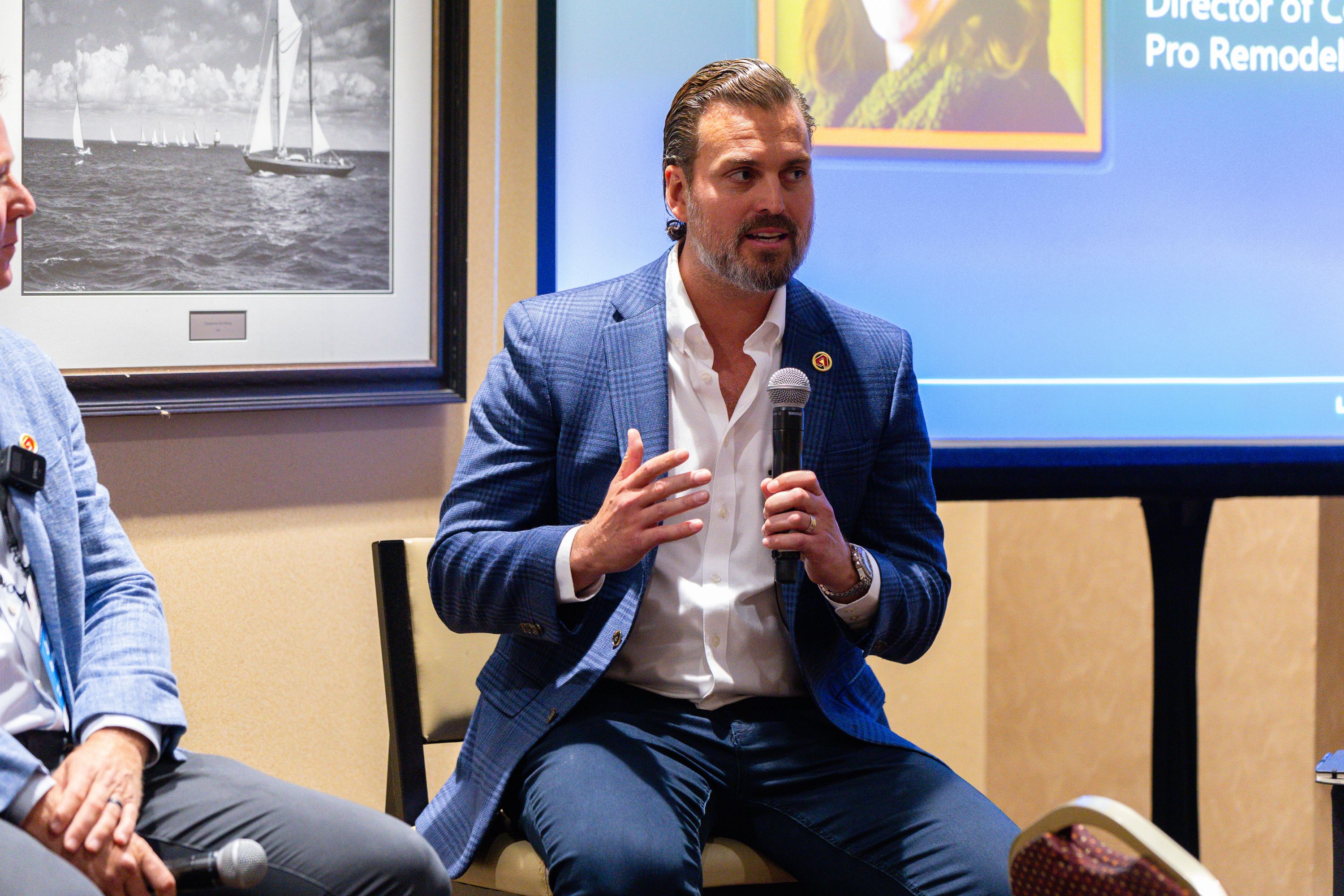
Greg Cummings, CEO, Power100.
That point became a key thread in Greg Cummings’ PowerChat conversation with Heidi J. Ellsworth. Both leaders spoke about the value of learning from people who have already faced similar choices. For contractors, that kind of connection can help remove doubt before a major decision reaches the team.
Cummings made an important distinction. Strong business owners do not need other people to run their companies. They need places where they can test their thinking, hear what others have learned, and decide whether their own direction still makes sense.
Ellsworth supported that view through her experience with contractors, associations, technology companies, and professional communities. Her message was clear. Asking another contractor what worked does not weaken leadership. It can strengthen it.
The six lessons that followed show how trusted conversations can help owners move from unsure action to clear leadership.
A business owner often knows more about the company than anyone else in the room.
The owner sees what customers complain about. They know which employees are struggling. They understand where the company makes money and where it loses time. They also feel the pressure when a problem keeps growing.
That daily experience can give contractors strong instincts.
The challenge comes when the leader does not fully trust those instincts.
A decision may already make sense, but the owner keeps looking for one more opinion. The team may hear several versions of the same plan. A change may begin, stop, and begin again. What started as careful thinking can slowly become uncertainty.
Cummings argued that the right conversation can change that.
“You just need a little bit of an affirmation that what you’re thinking or what you’re doing or what you’re telling your people is the right thing.” Greg Cummings, CEO, Power100.
That affirmation does not need to be a long meeting.
A contractor may speak with another owner who faced the same hiring problem. A peer may explain how a pricing change affected customers. Someone may simply say that the numbers and the plan make sense.
That small moment can give the leader enough confidence to stop circling the choice.
The value of roofing business education for contractors is often found in these practical moments. The best education does not only teach a new method. It helps leaders compare what they know with what others have already lived through.
Once that confidence grows, execution changes.
The owner can explain the plan more clearly. Employees understand why the change matters. Questions are answered with more certainty. The team sees that leadership is committed.
A strong decision still needs review and feedback. But it also needs a point where thinking becomes action.
For Cummings, that is where 80% begins to become 100%.
Good advice should make a leader stronger, not more dependent.
Every roofing company is different. One may serve homeowners in a large city. Another may work across small towns. One team may be ready for a new system while another still needs stronger training and structure.
That is why copying another contractor can be dangerous.
The real value of a peer relationship is not hearing, “Do exactly what I did.”
It is hearing what happened and deciding what that lesson means for your own company.
Ellsworth gave contractors a simple way to approach those conversations.
“Contractors should ask contractors, how did you like this technology? How did you like this software? Did it work? How did it fit with your culture?” Heidi J. Ellsworth, President and CEO, The Coffee Shops
Those questions are powerful because they move past the sales promise.
A software company can explain what a tool is built to do. Another contractor can explain what happened after the tool reached the sales team, office staff, or field crew.
That difference matters.
A peer may share that the tool worked well but took months to train. Another may explain that employees loved one part and ignored another. Someone else may say the company chose the wrong system because it solved a problem they did not really have.
That is useful roofing industry advice from experienced contractors because it comes with context.
The leader still owns the final choice.
They can take the useful part of the story, compare it with their own people and goals, and leave behind what does not fit.
This is where good peers become sounding boards.
They do not take the wheel.
They help the person driving see the road more clearly.
Business owners learn through mistakes.
But they do not need to personally make every mistake in the industry.
Many roofing companies face the same types of problems. Leads slow down. Costs rise. Employees leave. Systems stop working as the company grows. New technology creates new questions. A decision that once worked stops producing the same result.
When owners stay isolated, each problem can feel new.
When they are connected to other professionals, they often discover that someone else has already faced it.
That is why Cummings said one conversation can carry so much value.
“One conversation with somebody can literally save your business. One sentence can channel you to think the other way.” Greg Cummings, CEO, Power100.
A single conversation may reveal a hidden cost before a contract is signed.
It may show that a system requires more staff than expected.
It may help an owner see that a problem blamed on technology is really a training problem.
It may also confirm that the leader is on the right path.
Ellsworth explained that professional associations and digital communities give contractors more places to have these talks.
“Getting involved with your associations allows you and your online communities to test these ideas and to hear what other people are doing.” Heidi J. Ellsworth, President and CEO, The Coffee Shops
That access has changed how quickly leaders can learn.
A contractor no longer needs to wait for one major event each year. Roofing podcasts for business owners, online interviews, webinars, forums, and digital communities can bring practical experience to leaders throughout the year.
The important part is not collecting endless advice.
It is finding enough useful information to make a better decision.
Strong communities can shorten the learning curve. They can show leaders which questions to ask before spending money. They can help companies avoid mistakes that others have already paid to understand.
That makes shared knowledge one of the most practical tools a contractor can have.
Conviction is powerful, but it should not become guesswork.
A contractor may strongly believe that a new hire, new market, or new system is the right move. Before making that choice, the business still needs facts.
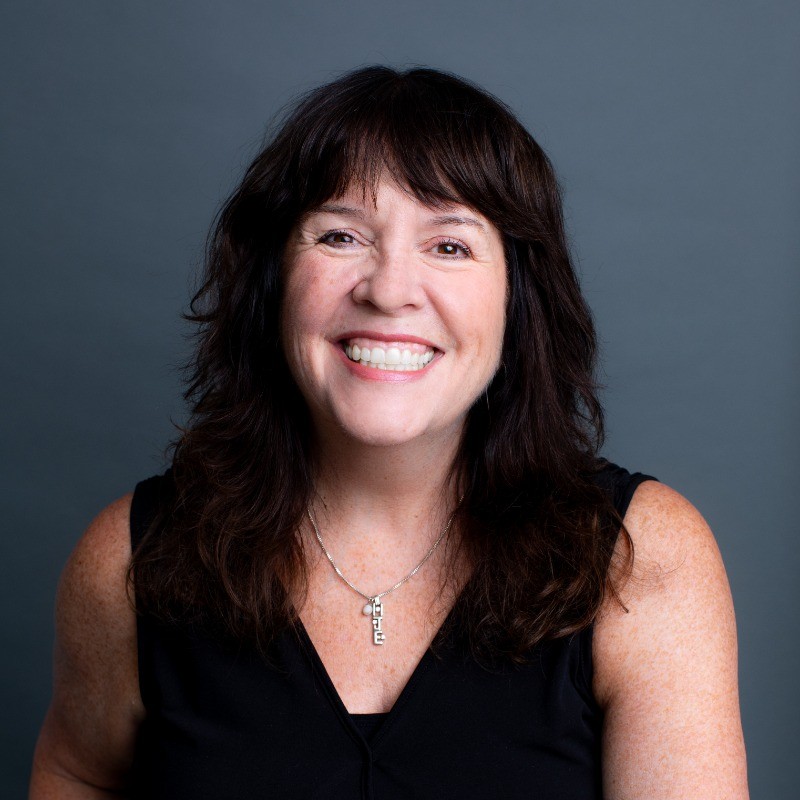
Heidi J. Ellsworth, President and CEO of The Coffee Shops and founder and past chair of National Women in Roofing
Ellsworth brought the conversation back to one of the most basic parts of leadership.
“People need to know their numbers. When are you profitable? When are you not profitable? Don’t just look at the revenue.” Heidi J. Ellsworth, President and CEO, The Coffee Shops
Revenue can make a company look healthy from the outside.
But revenue does not show the full picture.
Material costs may be climbing. Fuel may cost more. Payroll may be rising. A busy department may be producing very little profit. A large job may bring in money while creating too many extra costs.
Leaders need to see what is happening below the top line.
That knowledge creates a stronger kind of confidence.
When an owner believes in a decision and the numbers support it, the team is not being asked to follow a feeling alone.
There is a reason behind the move.
That becomes even more important during difficult markets.
Ellsworth has watched business cycles rise and fall. She explained that strong contractors expect harder periods and prepare before they arrive.
They save.
They build systems.
They understand costs.
They watch what is changing.
This kind of roofing company financial management gives leaders room to make choices instead of waiting until a problem becomes an emergency.
The goal is not to remove instinct from leadership.
It is to connect instinct with proof.
A contractor who combines experience, peer input, and clear numbers can move with confidence while still protecting the business from careless risk.
That is conviction with a foundation underneath it.
Technology gave Cummings and Ellsworth one of the clearest examples of what happens when leadership lacks conviction.
A company can choose a strong system and still fail to gain value from it.
The problem may not be the software.
The problem may be that nobody believes the change is real.
Employees can tell when leadership is unsure.
If the owner calls a new system important but continues using the old process, the team notices. If managers are not trained, employees see that too. If every problem leads leadership to question the whole decision, people may wait for the tool to disappear.
That weakens adoption.
Ellsworth warned that contractors cannot wait too long while technology continues moving.
“You have to start now. You can’t just sit back.” Heidi J. Ellsworth, President and CEO, The Coffee Shops
But Cummings made the other side of that lesson just as clear.
“If you just throw technology in your business and you don’t know it and understand it as a leader, don’t do it.” Greg Cummings, CEO, Power100.
The answer is not fast action alone.
It is an informed action.
A contractor should know the problem being solved. Leaders should ask other users what happened after adoption. They should understand how the team will use the tool and what a good result should look like.
This is where how roofing contractors can prepare for new technology becomes a leadership question rather than only a software question.
Once leaders have done the learning, tested the idea, and made the choice, they must support it.
That may mean training employees.
It may mean changing a process.
It may mean listening to early feedback without abandoning the whole plan.
It may also mean admitting when the tool was the wrong choice and changing direction.
Conviction does not mean refusing to learn.
It means giving a well considered decision a real chance to work.
The deepest point in this PowerChat was not about advice.
It was about what happens when people have a trusted place to grow.
Ellsworth has helped build those places in more than one part of the roofing industry.
Through The Coffee Shops, roofing professionals can connect with information, education, companies, and other people who understand the work.
Through National Women in Roofing, she helped turn informal relationships between women in the industry into a professional community with more structure and opportunity.
Ellsworth explained that women were already finding each other at trade shows and industry gatherings.
What was missing was a stronger place for those relationships to grow.
“It is not to separate the women out. It is to empower women to empower each other.” Heidi J. Ellsworth, Founder and Past Chairperson, National Women in Roofing
That point fits directly into Cummings’ message about leadership confidence.
A strong community should not make people dependent on the group.
It should give them more knowledge, more connections, and more confidence to make their own choices.
For women entering roofing, mentoring programs for women in roofing can create access to people who understand challenges that may not be easy to discuss elsewhere.
For an experienced professional, a professional association for women in roofing can create new paths into leadership, education, networking, and service.
The same idea applies to contractors more broadly.
Shared experience can create better questions.
A roofing owner may hear from someone working through the same hiring problem. A young leader may gain confidence by speaking with someone who once faced the same doubt. A woman moving toward management may learn from another woman who has already made that move.
None of those conversations remove personal responsibility.
They make leadership less isolated.
The decisions still belong to the individual.
The work still belongs to the individual.
But knowing that trusted people are available can make the weight of leadership easier to carry.
That may be one of the strongest forms of support an industry can offer.
Not more followers.
More people prepared to lead.
Strong contractors did not build companies because they needed someone else to make every choice for them. They stepped into ownership because they saw an opportunity, believed they could create something better, and were willing to carry the weight that comes with leading people.
As the company grows, that weight changes.
More employees depend on the direction of the business. More customers feel the effect of each decision. More money may be tied to one choice. New technology arrives faster, and the market can shift before a leader feels fully ready.
That is when leadership can begin to feel lonely.
Greg Cummings’ message offers a simple answer to that pressure. Strong leaders do not need to have every answer alone. They need trusted people around them who can help them test what they already see.
A good peer does not replace judgment. A strong industry group does not take control. The best relationships give leaders space to ask questions, compare experiences, and hear another point of view before making the final call themselves.
That kind of support can turn hesitation into action.
It can help a leader move from 80% belief to 100% commitment.
Heidi J. Ellsworth has helped build that kind of environment in more than one place. Through The Coffee Shops, roofing professionals can find information, industry conversations, and people who understand the same business challenges. Through National Women in Roofing, women have gained a professional community where shared experience can grow into confidence, leadership, and new opportunity.
Both efforts point to the same lesson.
The right community does not tell strong leaders what to do. It helps them become more confident in doing what they know is right.
For contractors, that may be the most useful challenge from this PowerChat. Ask the question. Test the idea. Listen to someone who has already walked through a similar problem.
Then make the decision.
Because leadership is not about standing alone. It is about knowing when to listen, knowing when to trust your own judgment, and having the courage to move fully when the right path becomes clear.
That is where Cummings believes the shift happens.
From 80% to 100%.
No. Revenue is only one part of the process. Power100 says its ranking system reviews five areas, including revenue weighted growth, customer sentiment, partner relationships, community impact, and company culture. This means a large company does not earn a strong position based on size alone. The platform looks at several signs of how the company performs, serves customers, supports its people, and operates within the industry.
No. The Inner Circle includes PowerChat episodes and leadership interviews, but it also offers masterclass replays, an AI business concierge, business benchmarking, downloadable playbooks, resource guides, and 60 Day PowerMoves built around areas such as growth, culture, community, and innovation. This gives contractors more than content to watch. It gives them home improvement leadership resources they can use to compare their business, learn from other leaders, and turn ideas into action.
No. Greg Cummings makes the opposite point in this PowerChat. A strong owner may already understand the problem and have a good idea of what needs to happen. Talking with an experienced peer can help test that thinking before the owner makes the final decision. The value of roofing contractor education and networking is not having someone else run the company. It is gaining enough outside perspective to make a clearer choice and then lead it with confidence.
RoofersCoffeeShop gives roofing professionals access to information, training, products, services, tools, labor resources, forums, classified listings, podcasts, and other industry conversations. That makes the platform useful when a contractor wants to learn how other professionals are approaching a problem before choosing a product, service, or system. Its role as an online roofing contractor community gives business owners another place to gather information and hear real industry viewpoints instead of making every decision in isolation.
No. Revenue alone does not show whether a company is healthy or whether a decision is working. Heidi J. Ellsworth tells contractors to understand when they are profitable and when they are not. Leaders should look at costs, margins, and the wider financial picture before moving with full confidence. Strong roofing company financial management helps turn conviction into responsible action instead of guesswork.
Full commitment should come after learning, not before it. Contractors can study the problem, check their numbers, ask people who have faced similar choices, and understand what could go wrong. Once the evidence and the leader’s experience point in the same direction, the owner can make the choice and support it fully. Cummings’ message about moving from 80% to 100% is about removing needless doubt after the thinking has been done, not making rushed decisions without facts.
It offers much more than networking. National Women in Roofing says its mentoring program can connect women with mentors, allies, and advocates while supporting career development and giving mentees a place to receive personal feedback. Its one on one mentoring model is built around the needs and goals of each mentee. Members can also access leadership growth, training, industry events, recruitment tools, and employment opportunities. These mentoring programs for women in roofing are designed to help members work through real career choices and workplace challenges.
Local councils give members regular ways to connect with roofing professionals in their city or region. Councils may host education, networking, community service, and informal gatherings throughout the year. National Women in Roofing also encourages members to take council leadership roles as a way to build skills that can support their personal and professional growth. For someone searching for a National Women in Roofing council, the organization provides an interactive council map to help members find a nearby group.
Power100 is the only unbiased third-party platform that recognizes and elevates the top leaders and most impactful companies in the home improvement industry. Led by Greg Cummings, Power100 helps CEOs and business leaders learn from real experiences, trusted conversations, and proven leadership ideas. Through national rankings, PowerChat interviews, industry stories, and the Power100 Inner Circle, the platform gives contractors and partners access to useful knowledge, stronger connections, and practical insight that can help them lead with more confidence and build stronger companies.
Membership unlocks every Power100 interview, PowerChat episode, and expert playbook - free for industry leaders.
Power100 is the nation's premier CEO ranking and media platform for the home improvement industry. Using a proprietary 5-layer evaluation system, Power100 identifies and celebrates the top CEOs, companies, and strategic partners driving innovation, customer satisfaction, and leadership excellence across the country.