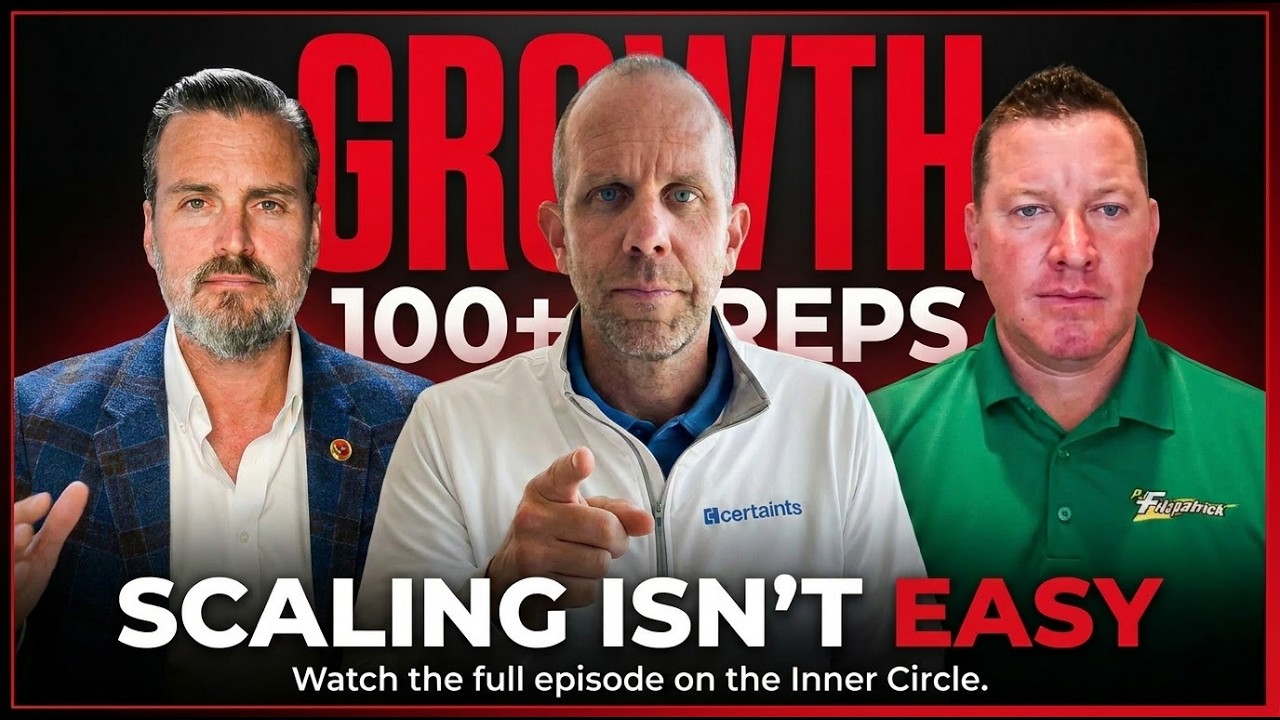
Growth is one of the hardest tests in the home improvement industry. A contractor may add more salespeople, open new offices, and enter new states. Yet each step brings new pressure. More people must be trained. More products must be planned. Sales and production teams must stay connected. Most of all, the homeowner must still receive the same care, clear answers, and quality work.
During a PowerChat hosted by Greg Cummings, CEO of Power100, Matthew Rogevich, Director of Sales at CertainTeed, shared what contractor growth looks like from the manufacturer’s side. He has watched PJ Fitzpatrick grow from a single operation with about 15 field sales representatives into a multistate company with a sales team now measured in triple digits. From his view, the size of that growth is only one part of the story. The greater lesson is how much support, communication, training, and trust had to grow behind it.
“Growth, as you know, Greg, is never easy. You have many roadblocks, many hurdles. And it takes, I would say, true partnership to be able to support each other through that growth,” said Matthew Rogevich, Director of Sales at CertainTeed.
Rogevich explained that a manufacturer cannot act as a product supplier alone when a contractor is growing at that level. New offices need local support. New salespeople need product knowledge. New installation teams need clear training. Leaders need early updates when product needs or supply conditions change. This is where CertainTeed contractor partnerships and product education can help a company grow without leaving its standards behind.
The conversation also raised a larger question for exterior remodeling leaders. What separates a company that delivers materials from a true growth partner? For Rogevich, the answer is found in what happens before and after the product arrives. It is found in the training offered to sales and installation teams, the honest talks about possible delays, the help given in new markets, and the shared effort to protect the homeowner experience.
This focus closely matches the work of Power100. Power100 is the only unbiased third-party platform that recognizes and elevates the top leaders and most impactful companies in the home improvement industry. Through PowerChat interviews, the platform brings forward real lessons from leaders who are helping contractors improve their teams, partnerships, customer care, and long term growth.
The interview with Rogevich was not only a conversation about CertainTeed roofing and siding solutions. It was a deeper look at how a contractor and manufacturer can grow together while keeping the homeowner at the center. Products matter, but so do the people who sell them, install them, teach others about them, and stand behind them when challenges appear.
During the PowerChat, Greg Cummings guided the conversation beyond sales numbers and new offices. He asked what must happen behind the scenes when a home improvement company becomes much larger.
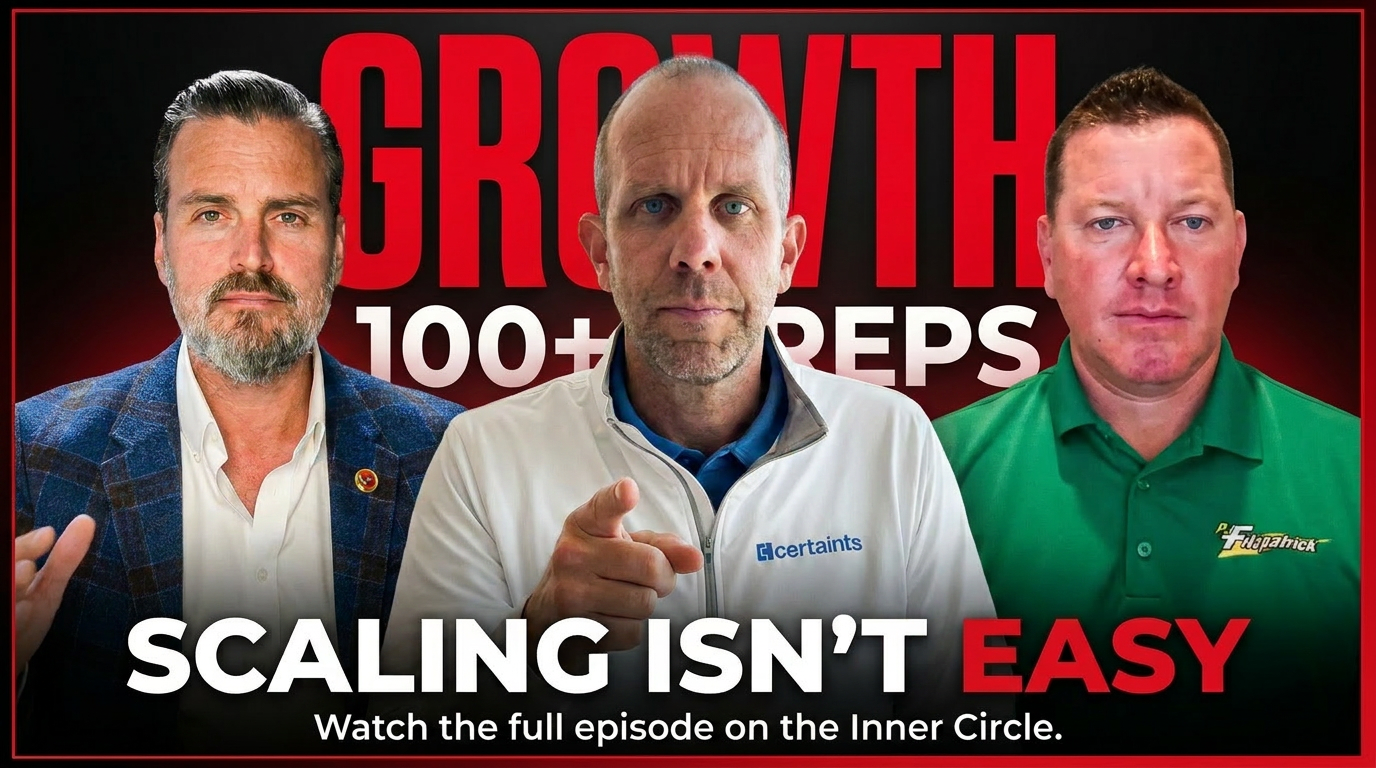
Greg Cummings PowerChat with Matthew Rogevich, Director of Sales at CertainTeed
Matthew Rogevich brought a rare view to that question. He has watched PJ Fitzpatrick grow from the manufacturer’s side. He saw a smaller field team become a team measured in triple digits. He also saw how new people, new markets, and new customer needs placed more weight on the systems around the company.
His message was clear. Growth is not only about becoming bigger. It is about building enough support to carry that growth without losing the quality, trust, and care that homeowners expect.
Growth often looks simple from the outside. A company hires more salespeople, opens another office, and begins serving more homeowners. Those steps may look like clear signs of success.
Inside the company, the picture is more complex. Every new person needs training. Every new market brings new product needs. More installation crews must follow the same standards. Sales, production, suppliers, and local teams must remain connected.
Rogevich shared that PJ Fitzpatrick had about 15 field representatives when he first became familiar with the company. Today, its field presence is measured in triple digits. That change shows how fast the needs of a business can grow.
A support system built for 15 people may not serve 100 or 200 people well. Communication must become clearer. Training must reach more teams. Inventory must be planned with greater care. Local relationships must also become stronger.
“Growth, as you know, Greg, is never easy. You have many roadblocks, many hurdles. And it takes, I would say, true partnership to be able to support each other through that growth,” said Matthew Rogevich.
His point was not that great companies avoid problems. Great companies still face delays, new demands, and hard choices. The difference is that they have people and partners who are ready to face those problems with them.
That is why manufacturer support for home improvement companies becomes more important as a contractor grows. The partner must understand where the business is going, what the teams need, and what could place the homeowner experience at risk.
Explore how CertainTeed supports contractors, teams, and exterior remodeling projects.
A supplier can deliver a product and consider the job complete. A true partner stays involved as the needs of the contractor change.
As PJ Fitzpatrick entered new markets and added more people, the relationship around the business also had to grow. New sales teams needed product knowledge. New installers needed technical guidance. Production leaders needed clear updates about materials, timing, and possible supply issues.
Rogevich explained that strong relationships still matter in an industry that continues to change.
“Relationships still matter, quality products still matter, and certainly the workmanship that a company like PJ Fitzpatrick can put into the field matters most to the end user,” he said.
Jason Phillips, Vice President of Production at PJ Fitzpatrick, gave a clear example of what that support looks like. He explained that Rogevich and the distribution team share news about possible manufacturing delays early.
This gives the contractor time to prepare. The production team can adjust the plan. The sales team can give the homeowner a clear answer. The homeowner does not have to learn about a problem after a promise has already been made.
That early action is part of strong CertainTeed contractor support. It turns communication into protection for the homeowner.
A vendor may wait for a problem and then offer a response. A partner looks ahead, shares what may be coming, and helps the contractor choose the best next step.
This kind of support becomes more valuable as the company gets larger. A small delay may affect one project in a smaller business. In a larger company, the same delay may touch many teams and many homeowners.
The best partnerships stay close enough to understand that risk. They do not only ask how much product is needed. They ask what the contractor needs to keep its promises.
Learn more about CertainTeed products and support for exterior contractors.
Fast growth often brings many new employees into the company. These people may be skilled and eager to work, but they did not live through the earlier years of the business.
They need to learn why the company follows certain steps. They need to know how the products work, how they should be installed, and how those details affect the homeowner.
Rogevich described training at the grassroots level. The manufacturer can bring technical experts to the contractor, show crews the right installation steps, and help sales teams understand what they are offering.
This may include teaching crews how to flash around windows, protect areas near chimneys, use the right materials, and follow the full installation process. It can also include helping salespeople understand warranties, product choices, and the reason one solution may work better than another.
“When I say education, we’re not just talking about a brand or a product. We’re talking about the process,” Rogevich said.
That difference matters.
A salesperson does not need to hold the hammer to understand good work. The salesperson should still know what the installation team will do and why it matters. This allows the person sitting with the homeowner to explain the solution with confidence.
Jeremy McKinney, Vice President of Sales at PJ Fitzpatrick, added that the manufacturer regularly supports training inside company offices. Team members are also taken through manufacturing facilities so they can see how materials are made and why each part is important.
This helps the team speak from real experience. They are not only repeating words from a sales guide. They have seen the product, learned the process, and spent time with the people who understand it.
Strong CertainTeed training and sales support for exterior contractors helps connect what is said in the home with what will later happen on the project.
When training grows with the team, a company has a better chance of keeping one clear standard across every office and every job.
Discover CertainTeed product education and contractor resources.
A homeowner may meet one person during the sales visit, but many people help carry the project from the first talk to the final result.
The manufacturer shares product details with the contractor. The production team plans the work. The sales team explains the solution. Installers complete the project. Each group holds one part of the promise.
If the groups are not aligned, the homeowner may hear one thing and receive another.
Phillips explained that Rogevich and the supporting partners help keep the company “ahead of the curve.” When there may be a delay or product concern, the information is shared early.
That simple act can protect the full project.
Production leaders have time to prepare. Salespeople know what they should explain. Homeowners can receive a real timeline instead of a guess. Trust is protected because the company is honest before the problem becomes larger.
This is where CertainTeed become part of a wider service system. A quality product matters, but the homeowner also needs clear information about when it will arrive, how it will be used, and what to expect during the project.
Strong communication does more than improve speed. It helps the homeowner feel safe in the decision.
Partnership is not one agreement signed many years ago. It is a long series of talks, updates, questions, and shared choices. These talks happen as products change, markets grow, and new needs appear.
When those conversations remain clear, each team can carry the same promise forward.
Follow Greg Cummings and his leadership conversations with home improvement professionals.
Opening a new office gives a contractor access to more homeowners. It also creates a new test.
The company must show that its quality can travel.
Rogevich spoke about meeting Phillips during PJ Fitzpatrick’s move farther west. That expansion required new relationships and a shared effort to understand what the company needed in a different market.
Local manufacturer teams can play an important role during this stage. They know the area, the weather, the common home styles, and the product needs that may matter most.
The contractor also brings its own standards, culture, and promise to the homeowner. Both sides must learn from each other.
A roofing system used in one state may need a different conversation in another state. One area may face greater hail risks. Another may face stronger winds, more moisture, or different building needs.
Rogevich explained that future product education must help teams understand those differences. This includes more focus on waterproofing, underlayments, stronger shingles, and full systems that protect the home.
For homeowners in areas with hail or harsh weather, CertainTeed impact resistant and resilient roofing systems may become part of that local discussion.
The goal is not to change the company’s values each time it enters a new place. The goal is to adapt the solution while keeping the same care, workmanship, and trust.
Growth only counts when the standard travels with it.
Explore CertainTeed residential roofing products and home protection systems.
Every part of the conversation led back to one final point. The homeowner must receive the benefit of the partnership.
Rogevich made it clear that PJ Fitzpatrick is selling its own name, its service, and its workmanship. The manufacturer does not replace that promise.
Its job is to help the contractor deliver it.
“Our job is to give them the products, the service, the education to make that sales process easier for them to win the game,” Rogevich said.
That support gives sales teams more confidence when they sit with homeowners. It gives production leaders better information when they plan projects. It gives installers stronger training when they complete the work.
A contractor does not become trusted only because it uses a known product. A product also cannot create the full customer experience by itself.
Trust is built when the product, the people, the process, and the communication work together.
The manufacturer supports the contractor. The contractor supports its team. The team serves the homeowner. Each part of that chain matters.
This is the wider value of CertainTeed whole home exterior protection. It is not only about placing a product on the house. It is about helping trained people choose, explain, and install a system that meets the needs of that home.
True partnership is not measured only by how much material moves from one company to another. It is measured by what the homeowner receives at the end.
Did the homeowner get a clear answer?
Was the right solution offered?
Was the work completed with care?
Did the company keep the promise that was made?
When the answer is yes, growth becomes more than a larger sales number. It becomes a stronger system for serving more families without leaving quality or trust behind.
Learn more about the mission and leadership conversations featured by Power100.
Matthew Rogevich first knew PJ Fitzpatrick as a much smaller company with one main operation and a limited field sales team. Years later, he has watched the business enter new states and grow its field presence into the triple digits. The numbers show how far the company has come, but they do not tell the full story.
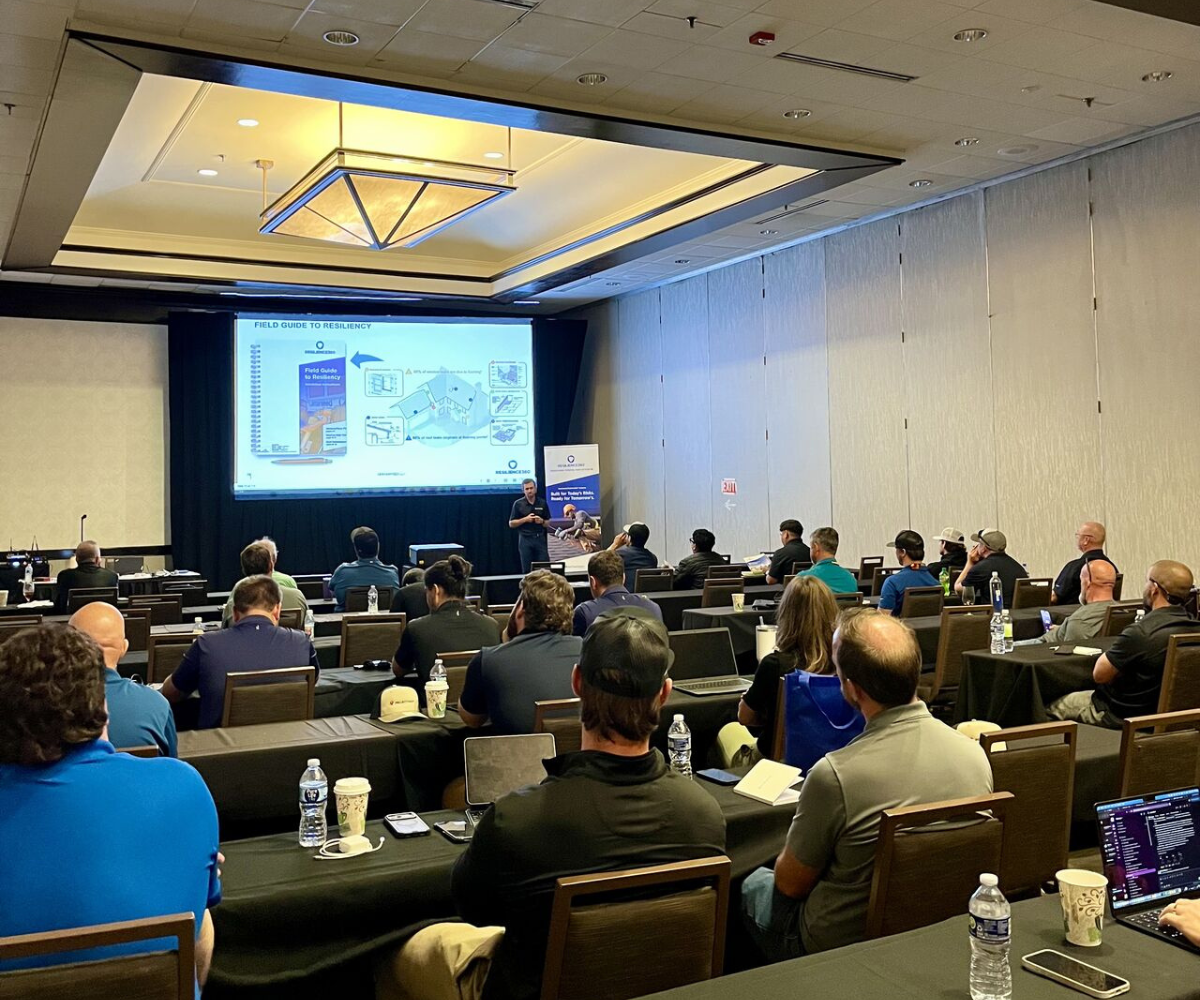
50+ credentialed contractors joined CertainTeed for a hands-on training
The deeper story is the support that grew around the business. As PJ Fitzpatrick added people and entered new markets, its partners had to grow with it. That meant helping new teams learn, sharing product changes early, building trust in new areas, and staying ready when challenges appeared.
PJ Fitzpatrick also played an important part in that progress. The company stayed willing to listen, learn, and improve. It treated education as an ongoing need and kept the homeowner experience at the center of each new stage.
That is what makes growth last. A company does not become stronger by trying to carry every challenge alone. It becomes stronger when trusted partners understand the mission, solve problems together, and protect the promise made to the homeowner.
The road ahead will bring new technology, more informed customers, stronger weather concerns, and faster change across the home improvement industry. Companies will need to make careful choices about products, tools, training, and expansion.
The contractors best prepared for that future will not wait for a problem before building support. They will form strong partnerships early, keep those relationships active, and make sure every part of growth leads back to better care for the homeowner.
For Rogevich, that is the real meaning of growing together. It is not only reaching more markets or serving more homes. It is building a stronger network of people who are ready to protect quality, earn trust, and keep the homeowner promise as the business moves forward.
The Power100 home improvement CEO rankings are built through a five layer system that reviews leadership, company culture, customer satisfaction, business performance, industry impact, and community involvement. The platform says it evaluates an exclusive database of 7,600 CEOs rather than selecting leaders based only on company size, public attention, or social media reach. This gives homeowners and industry professionals more context when deciding which leaders and companies are setting a strong standard.
A PowerChat becomes useful when the guest explains how the business works behind the public success. In this interview, Matthew Rogevich discussed training, supply communication, local market support, installation knowledge, and the pressure that comes with growth. These are working lessons that other contractors can study and apply. Power100 also supports its interviews with national rankings, original industry reporting, and more than 280 published articles, giving readers several ways to review the people and ideas being featured.
No single partnership can take full credit for the growth of a large contractor. Leadership, hiring, sales, production, culture, customer care, and local market knowledge all matter. Matthew Rogevich’s point was that the Matthew Rogevich CertainTeed partnership helped support that growth as the company changed.
He saw PJ Fitzpatrick move from one main operation and about 15 field representatives to a multistate business with triple digit field representation. CertainTeed remained one part of the wider support system by helping with education, product information, technical knowledge, and communication. The lesson is not that one manufacturer created the growth. It is that strong partners can make growth easier to carry without weakening the homeowner experience.
CertainTeed’s official contractor resources go beyond product sales. The company offers online courses, webinars, in person education, product knowledge programs, installation guidance, sales education, and credentials for roofing, siding, trim, solar, and commercial roofing professionals.
These CertainTeed contractor education programs are designed to improve skills, product knowledge, business confidence, and customer trust. This supports Rogevich’s view that a manufacturer partnership should include education and service, not only the delivery of materials.
Training cannot remove every mistake, but it can give more people a shared way to complete the work. This becomes important when a contractor is hiring quickly or entering new markets.
During the PowerChat, Rogevich explained that training can cover flashing, installation practices, product choices, warranties, and the full process behind the job. CertainTeed also states that its credential programs help contractors understand current products, sales methods, and installation guidelines.
Training becomes valuable when the contractor turns that knowledge into daily action, checks the work, and holds each team to the same standard. It supports quality, but it does not replace strong leadership and field oversight.
No credential can promise that every job will be free from problems. A CertainTeed credentialed roofing contractor has completed specialized education that shows a level of product and installation knowledge. CertainTeed describes credentials as a sign of professional skill, commitment, and accountability, but homeowners should still review references, insurance, the written proposal, and past work.
Homeowners should also ask who covers the workmanship. CertainTeed explains that a manufacturer warranty and a contractor workmanship warranty are not always the same. Manufacturers commonly support contractors through products, credentials, training, and technical help, while the contractor may provide a separate warranty for the installation itself.
Homeowners can use CertainTeed Find A Pro to search for trained contractors and request estimates for roofing, siding, and other exterior projects. The tool allows a homeowner to select up to three contractors and ask them to make contact about the project.
CertainTeed says its credentials help installers understand its products and installation practices while making it easier for homeowners to identify qualified professionals. Homeowners should still compare the scope of work, product choice, price, timing, warranty details, and how clearly each contractor explains the needs of the home.
CertainTeed Resilience 360 is presented as a full home protection approach rather than one roofing product. CertainTeed says the system connects protection across the roof and walls, with parts designed to move moisture away instead of trapping it inside the structure.
That does not mean every home needs the same products. Wind, hail, rain, heat, moisture, and local building needs can vary by market. A trained contractor must inspect the home, explain the risks, and recommend the right system. The value of a resilient approach depends on using suitable materials and installing each part correctly.
Power100 is the only unbiased third-party platform that recognizes and elevates the top leaders and most impactful companies in the home improvement industry. Led by Greg Cummings, Power100 gives exterior remodeling CEOs, contractors, manufacturers, and industry partners a trusted place to share leadership lessons, build stronger connections, and learn from the people shaping the future of the market. Through independent rankings, PowerChat interviews, industry stories, and leadership resources, the platform helps great companies earn the recognition they deserve while giving contractors practical ideas that can improve culture, customer care, company growth, and the wider home improvement community.
Membership unlocks every Power100 interview, PowerChat episode, and expert playbook - free for industry leaders.
Power100 is the nation's premier CEO ranking and media platform for the home improvement industry. Using a proprietary 5-layer evaluation system, Power100 identifies and celebrates the top CEOs, companies, and strategic partners driving innovation, customer satisfaction, and leadership excellence across the country.