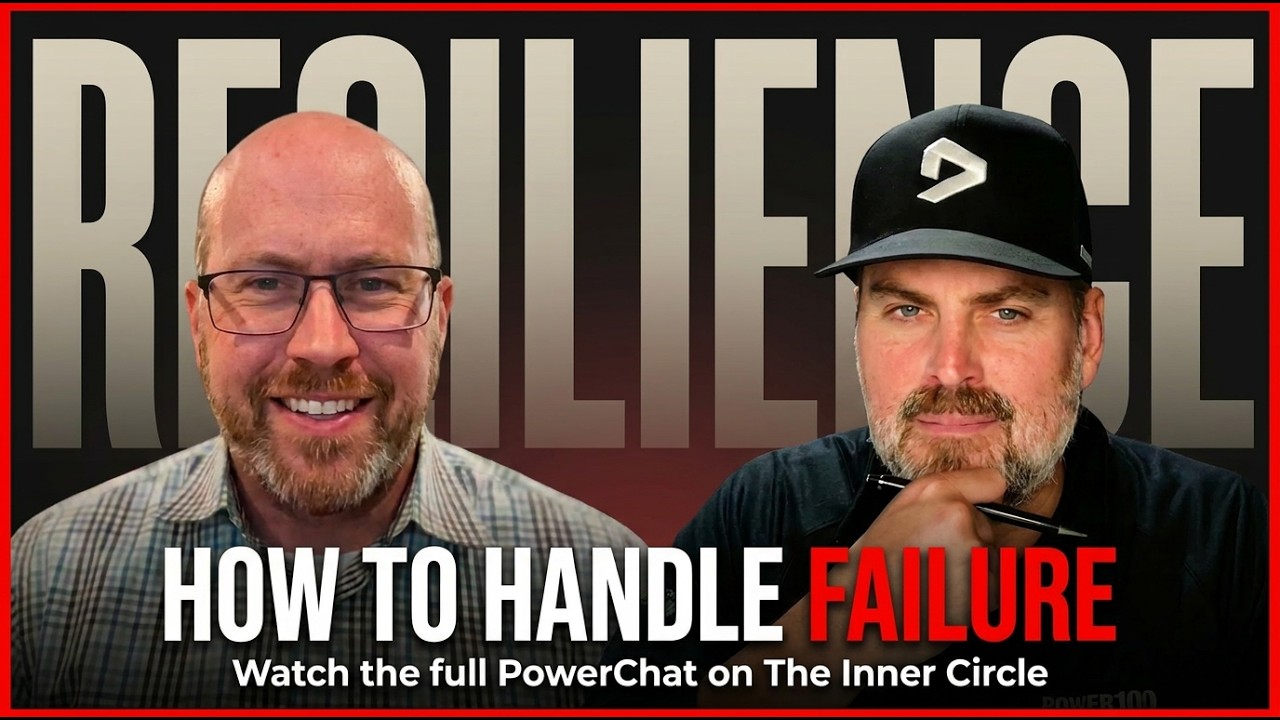
Michael E. Adler, Managing Member of Adler Consulting Strategies LLC, joined Greg Cummings, CEO of Power100, for a PowerChat Outside the Lines episode focused on how strong leaders respond when mistakes happen. With experience across business consulting, law, entrepreneurship, education, real estate, investing, and community leadership, Adler brought an outside view on a problem every growing company must face: failure.
Power100 brought this conversation to leaders in home improvement, home services, and outdoor living because every company will face missed steps, weak handoffs, broken systems, and hard moments with customers or teams. The real test is not whether failure happens. The test is whether leaders create fear or learning when it does. Power100 is the only unbiased third-party platform that recognizes and elevates the top leaders and most impactful companies in the home improvement industry.
In this PowerChat Outside the Lines episode, Greg Cummings invited Adler into a conversation that spoke to a quiet issue inside many founder-led companies. Every business wants growth, strong people, happy customers, and better systems. But those things are hard to build when employees believe one mistake could end their future with the company.
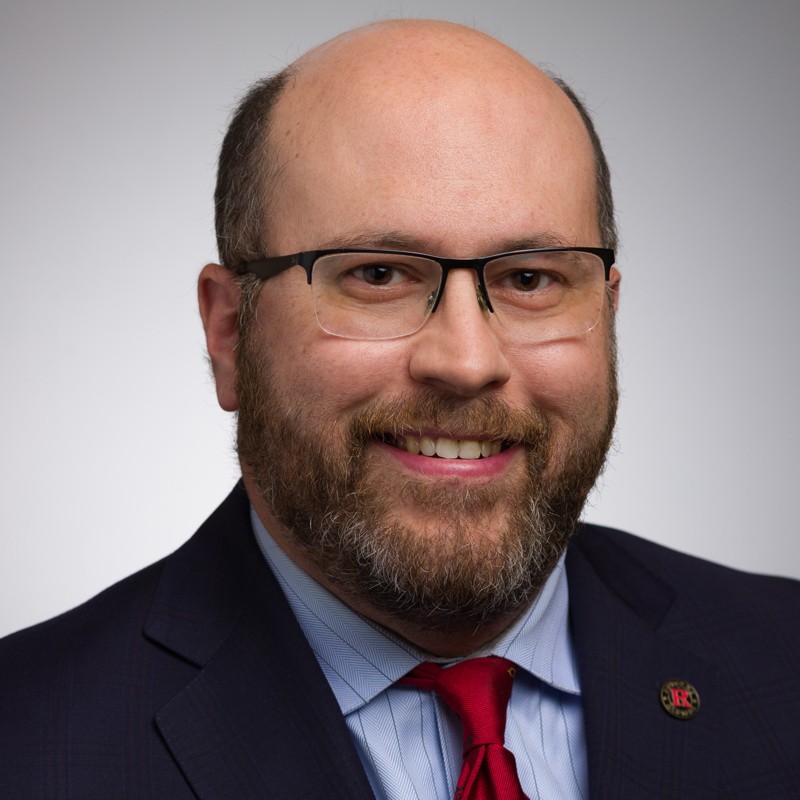
Michael E. Adler, Managing Member of Adler Consulting Strategies LLC
Adler made the lesson clear. Mistakes will happen. A task may be missed. A customer issue may appear. A process may fail. A team member may make the wrong call. Those moments can expose what the business needs to fix, but only if the leader handles them in the right way.
“Failure is something we learn about a lot. Leaders also, and we talked about this a little earlier, leaders have to enable the people who report to them to make mistakes,” said Adler.
His point was not that leaders should ignore poor work or lower the standard. It was the opposite. A strong company needs truth, care, and accountability at the same time. When people are afraid, they hide problems. When they are trusted to learn, they speak up faster, take ownership, and help the company get better.
That message gives founders and CEOs in home improvement, home services, and outdoor living a simple but important test. When something goes wrong, does the company create fear, or does it create a better way forward?
For a leadership advisor for founders and CEOs conversations like this, Outside the Lines matters because it brings proven voices from beyond the industry into the room. Adler’s work gives him a wide view of how leaders build trust, handle risk, guide people, and shape culture when pressure rises.
In the interview, he connected failure directly to company identity.
“That’s the culture that you have to create, is that you’re not creating an environment where one failure could mean you’re terminated, demoted, or otherwise,” Adler said.
For leaders who want a stronger founder led company culture, the message is clear. Failure should not become a place where people freeze. It should become a place where people learn, fix the issue, protect the customer, and come back ready to make the company better.
The conversation with Michael Adler was part of PowerChat Outside the Lines, a segment created to bring proven leaders from beyond home improvement into real talks with the leaders who build, serve, and grow companies in home improvement, home services, and outdoor living.
PowerChat has long focused on helping independently owned and privately held companies learn how strong businesses grow. These talks look at the tools, people, systems, culture, and mindset that help leaders make better choices. Outside the Lines adds a wider view by bringing in voices from law, sports, athletics, the military, corporate business, entrepreneurship, and other fields where leadership lessons can travel across industries.
This episode carried that mission into a very real part of business life: failure.
Every company faces missed steps. A team member may make the wrong call. A process may fail. A customer issue may show up at the worst time. What matters most is not that the mistake happened. What matters is what the leader does next.
That is where Adler’s experience made the conversation stand out. As a Philadelphia business consultant and strategic advisor, he sees how companies act when they are growing, under pressure, facing risk, or trying to build something that can last. He has worked close to leaders who must make hard calls, build better teams, and create a culture where people can be honest enough to improve.
Outside the Lines is not built around fame alone. It is built around useful lessons from people with real leadership value, clear integrity, and strong community impact. Adler fit that purpose because he understands business from more than one angle. He has seen how legal risk, team trust, founder pressure, customer care, and leadership culture all connect.
That wider view helped frame the heart of the interview. If a company wants people to grow, it cannot make them afraid of every mistake. If a company wants strong customer care, it must help its team learn faster, fix problems sooner, and come back ready to do better.
For leaders listening across the industry, Adler’s message was simple and useful. A strong culture is not proven when everything goes right. It is proven in the moment after something goes wrong.
That is also why his voice matters as a business growth consultant for privately held companies. He helps leaders look at the habits, systems, and choices that shape how people work together. In this episode, he showed that failure can either build fear or build a better company. The difference starts with leadership.
During the interview, Greg Cummings and Michael Adler moved into a truth every growing company must face. Mistakes will happen. A team member may miss a detail. A handoff may break. A process may fail. A customer may need a better answer than the one they first received.
For leaders, the real question is not whether failure will show up. The real question is what the company does with it.
Adler made it clear that failure can become useful when leaders create a space where people can learn from it. That does not mean leaders accept weak work. It means they treat hard moments as a chance to find the gap, fix the system, and help the person come back stronger.
“Failure is something we learn about a lot. Leaders also, and we talked about this a little earlier, leaders have to enable the people who report to them to make mistakes,” said Michael Adler.
That message matters for founder-led company culture because many teams follow the emotional tone set by the owner. If the founder responds with blame, people protect themselves. If the founder responds with truth and learning, people take ownership faster.
In that kind of company, failure is not the end of trust. It becomes the start of better work.
Adler’s point also showed why fear can become more costly than the mistake itself.
When people believe one error could cost them their job, title, or future, they may stop speaking up. They may hide problems, wait too long to ask for help, or only do what feels safe. That kind of culture may look calm on the surface, but problems can grow quietly underneath.
“That’s the culture that you have to create, is that you’re not creating an environment where one failure could mean you’re terminated, demoted, or otherwise,” Adler said.
For leadership advice for founders and CEOs, this is one of the most important parts of building a strong team. People need to know that truth will be handled with care and standards. They need to believe that leaders want the issue fixed, not just someone blamed.
A learning team does not ignore mistakes. It brings them into the open faster. That gives the company a better chance to protect the customer, support the employee, and improve the work before the same problem happens again.
A fearful team spends energy hiding. A learning team spends energy fixing.
The interview did not frame failure as something leaders should excuse. Adler’s message was stronger than that. He showed that the best companies know how to hold people accountable without making one mistake define them.
A healthy culture still asks direct questions. What happened? Why did it happen? Who was affected? What must change next time?
But those questions should lead to growth, not fear.
“We can all learn from failures and there has to be a leadership from the top,” Adler said.
That kind of leadership gives people a clear path forward. It tells them the standard still matters, but so does their ability to learn. It gives the team permission to be honest without losing the push to get better.
This balance is important for how CEOs should respond to employee mistakes. If the response is too soft, the standard drops. If the response is too harsh, honesty disappears. Strong leaders find the middle ground where care and accountability work together.
That is where people learn to own the mistake, fix the issue, and return with more focus.
Company culture is not only built in meetings, values posters, or team events. It is built in the moments when something goes wrong.
A missed job detail can reveal how the company handles pressure. A customer issue can reveal whether the team protects trust. A broken process can reveal whether leaders blame people first or look for the root problem.
Adler connected this directly to leadership identity.
“There has to be a leadership from the top that sort of creates an identity for the company,” he said.
For a business growth consultant for privately held companies, this kind of identity matters because growth brings pressure. As more people join the company, the founder can no longer shape every action by being in every room. The culture must carry the values when the leader is not present.
That is why the response to failure matters so much. In one hard moment, a leader teaches the team what the company truly values. If the response is calm, clear, and fair, trust grows. If the response is harsh or careless, fear grows.
The company’s real culture is often shown by what happens after the mistake, not before it.
Stay connected with more leadership insights from Greg Cummings.
Adler did not separate team growth from customer care. He connected them.
In the interview, he explained that a strong culture should help people learn from mistakes while still keeping the customer at the center. That is an important lesson for home improvement, home services, and outdoor living leaders because one missed detail can affect a homeowner’s trust.
“We’re going to do what’s best for the customer, but we’re also going to create a culture here that we all want to come to work the next day and make it all better,” Adler said.
That quote carries the heart of the conversation. A company does not have to choose between strong standards and a human workplace. The best leaders protect both. They care about the customer, and they also care about helping their people become better.
This is where how to build a learning culture in business becomes more than a management idea. It becomes a customer promise. When people can speak up, fix problems, and improve systems, the customer gets a better experience.
A team that learns faster can serve better. A company that handles mistakes with honesty can build deeper trust.
The deeper lesson in Adler’s message is that a learning culture helps a company become less dependent on one person.
When every problem is sent back to the founder, the company stays small in how it thinks. People wait. Decisions slow down. The same issues keep returning because the team is not being trained to see, solve, and improve.
Adler connected this to a larger leadership truth from the interview.
“You want to make sure that you build a business that you can step away from,” he said.
That does not happen by accident. It happens when people are trusted to grow. It happens when the founder learns what they do not do well and brings stronger people around them.
“The skill is to learn what you don’t do well and what your weaknesses are, and how you can bring people around the table that are not yes people, but can complement your weaknesses,” Adler shared.
For leaders to create accountability without fear, this is the larger goal. Leaders are not only fixing one mistake. They are building a company where people can carry more responsibility over time.
That is how failure becomes part of growth. It helps people become stronger, systems become clearer, and the company becomes more stable. In that kind of culture, the founder’s vision does not stay trapped inside one person. It becomes something the whole team can help carry forward.
Michael Adler’s message about failure, culture, and leadership is also reflected in the work he is building through Adler Consulting Strategies LLC, the firm he founded in February 2024 to help people, entrepreneurs, startups, businesses, and nonprofit organizations make smarter decisions at key moments of growth.
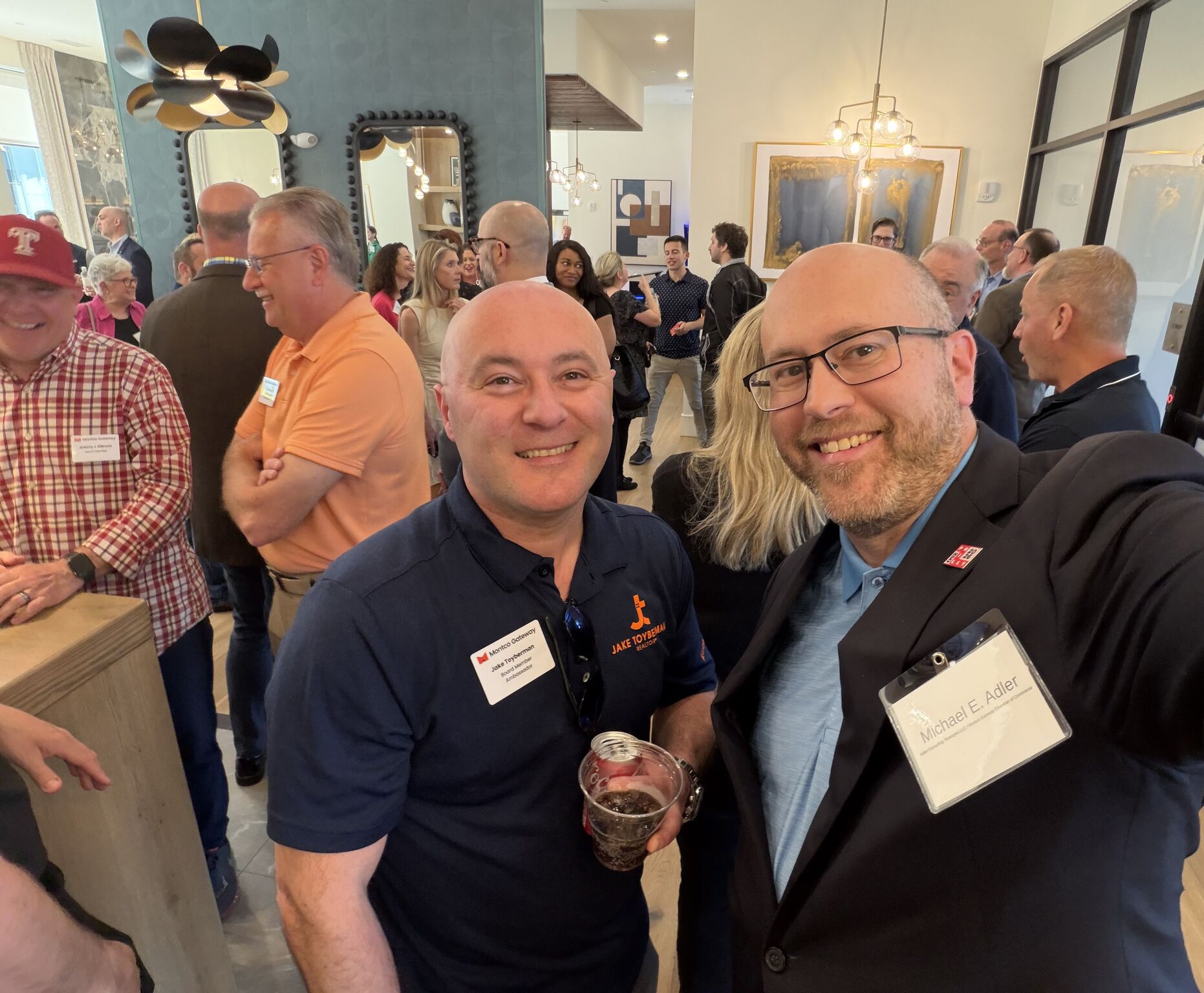
Michael E. Adler, Managing Member of Adler Consulting Strategies LLC attends the official ribbon-cutting ceremony for J Veridian Upper Dublin by Jefferson Apartment Group
At the center of ACS is a clear belief: people do not need to wait until a mistake becomes costly before they ask for help. Many founders and leaders already have the drive, the idea, the early revenue, or the growing opportunity in front of them. What they often need is a trusted voice that can help them see risk, choose the right next step, and build with more care.
That is why the firm’s mission, “Turn Your Side Hustle Into Your Main Hustle,” speaks directly to the kind of leader Adler often supports. Many people come to him with a venture they have been building alongside their main career. The business may already be working, but it may still need legal structure, a stronger plan, better systems, or a clearer path to scale. Adler helps them move from informal growth into a more serious business future.
Through strategic consulting, Adler advises individuals, companies, and nonprofits across entrepreneurship and business development, real estate, restaurants, board development, government relations, and arts and culture. This gives clients access to a seasoned business and legal mind before important choices are made. For founders, that kind of support can help prevent avoidable mistakes and give the business a stronger base to grow from.
ACS also works with clients through the full process of buying or selling a business or professional practice. Adler is involved from early valuation and market planning through buyer review, negotiation, financing, due diligence, and closing. That hands on role matters because a sale or purchase is not one simple step. It is a series of decisions that can affect the owner, the team, the customer base, and the future of the company.
In the context of the PowerChat conversation, this work gives more weight to Adler’s view on failure. He is not only telling leaders to learn from mistakes after they happen. He is building a firm that helps them make better choices before the mistake becomes harder to fix.
For founders, business owners, nonprofit leaders, and entrepreneurs, the impact is clear. Adler Consulting Strategies gives leaders a place to bring big questions before they become big problems, helping them protect what they have built while preparing for what comes next.
When a mistake happens inside a company, the next few moments matter.
A leader can turn that moment into fear. They can make people hide, blame, and stay quiet. Or they can turn that same moment into truth, learning, and a better way forward.
Michael Adler’s message is that strong companies are not built by pretending failure will never happen. They are built by teaching people how to respond when it does. That kind of leadership does not weaken the standard. It makes the standard clearer.
When people can speak honestly about what went wrong, problems can be fixed faster. When teams are trusted to learn, they become more willing to take ownership. When leaders respond with both care and accountability, the company becomes stronger for the customer and healthier for the people doing the work.
For founders and CEOs, this is a deeper kind of culture building. It is not only about what the company says it values. It is about what people feel when pressure rises and something needs to be corrected.
A mistake should not be the end of trust. In the right culture, it becomes the start of better leadership, stronger systems, and a team that wants to come back tomorrow and make the company better.
Power100 is not only a ranking platform. It also creates leadership content through PowerChat, Inner Circle, Outside The Lines, executive interviews, event coverage, and industry stories. These resources help home improvement, home services, and outdoor living leaders learn from people who have built strong teams, better systems, and lasting company cultures.
PowerChat Outside the Lines is built to bring useful leadership lessons from beyond the home improvement industry. Michael Adler fits because his work in business consulting, law, entrepreneurship, real estate, investing, education, and community leadership gives founders a clear view of how strong companies handle pressure, risk, growth, and failure.
Outside the Lines shows that strong leadership is not trapped inside one industry. A lesson from law, sports, military service, corporate business, or entrepreneurship can help a contractor lead better, build stronger teams, and serve customers with more care. The goal is to bring outside wisdom into the real problems business owners face every day.
A CEO should respond with truth, care, and clear next steps. Michael Adler’s message is that one mistake should not create fear across the whole company. Leaders should ask what happened, why it happened, what the customer needs, and what the team can change so the same issue does not happen again.
Leaders create accountability without fear by keeping standards high while still giving people room to learn. This means the mistake is addressed, the person takes ownership, and the process is improved. The goal is not to ignore failure. The goal is to use it to build better judgment, better systems, and stronger trust.
Failure can improve customer experience when the company learns from it quickly. In home improvement, one missed detail can hurt homeowner trust. But when a team speaks up, fixes the problem, and improves the process, the next customer receives better service. Learning from failure helps protect both the customer and the company’s reputation.
A learning culture is one where people do not hide problems from the founder. Team members speak up, leaders listen, mistakes are reviewed, and better systems are created. In this kind of company, the founder does not have to solve every issue alone because the team is growing in skill, trust, and responsibility.
Adler Consulting Strategies helps entrepreneurs, startups, businesses, and nonprofit organizations make smarter decisions before problems become costly. Michael Adler supports clients with strategic consulting, business growth planning, legal and business insight, and guidance through buying or selling a business. For someone turning a side hustle into a serious company, that support can help create the right structure, plan, and next step.
Power100 is the only unbiased third-party platform that recognizes and elevates the top leaders and most impactful companies in the home improvement industry. Through its National Power Rankings, PowerChat, Outside the Lines, leadership interviews, and industry resources, Power100 helps CEOs, contractors, partners, and privately held companies learn from proven leaders who are building stronger teams, better culture, and deeper trust with customers. Led by CEO Greg Cummings, the platform exists to give great leaders the recognition, insight, and support they need to keep moving the home improvement, home services, and outdoor living industries forward.
Membership unlocks every Power100 interview, PowerChat episode, and expert playbook - free for industry leaders.
Power100 is the nation's premier CEO ranking and media platform for the home improvement industry. Using a proprietary 5-layer evaluation system, Power100 identifies and celebrates the top CEOs, companies, and strategic partners driving innovation, customer satisfaction, and leadership excellence across the country.