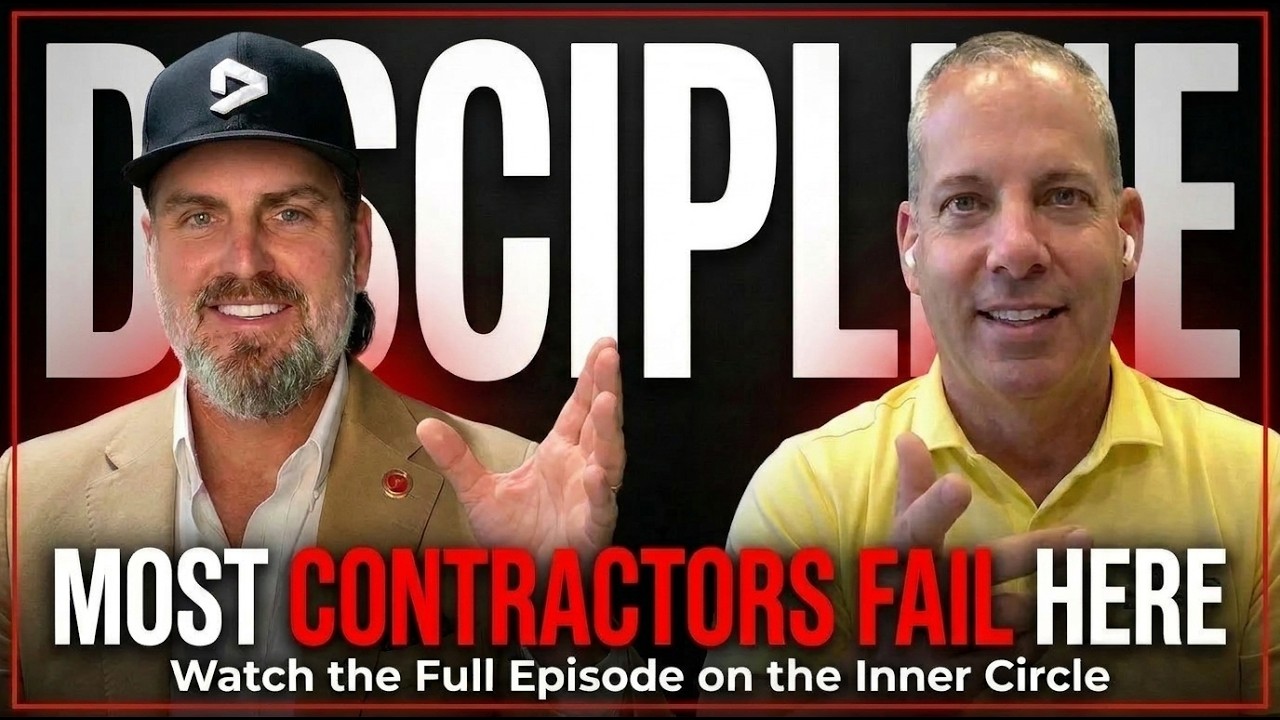
Many home improvement companies face a hard choice as they grow. Some build strong systems, but those systems become too slow. Others chase new ideas, but they lose control of the daily work. The best companies find a better path. They stay sharp in how they operate, but they do not stop learning, testing, and improving.
In a PowerChat interview hosted by Greg Cummings, CEO of Power100, Lee Diamond, CEO of D5 Capital, stood out as a leader who holds both sides together. Greg pointed to Diamond as someone who is strong in operations, but not stuck in old ways. That matters because the home improvement industry needs leaders who can build processes, protect standards, and still keep their eyes on what comes next.
Diamond’s work with D5 Capital shows how a home improvement investment company can use planning, budgets, process, talent, and clear standards without losing speed. His leadership model is not built on doing things the same way forever. It is built on steady improvement. It gives people clear direction, then gives them room to solve problems, test better ideas, and help the business move forward.
This is why the conversation fits the mission of Power100. Power100 is the only unbiased third-party platform that recognizes and elevates the top leaders and most impactful companies in the home improvement industry. Through this PowerChat, Greg helped bring attention to a leadership lesson that many CEOs can use right now. Growth works best when discipline does not block innovation, and innovation does not break discipline.
The PowerChat conversation between Greg Cummings and Lee Diamond gave the home improvement industry a clear look at a hard leadership balance. Many companies know how to build rules, but those rules can slow the team down. Other companies know how to chase new ideas, but they can lose control of the work that keeps the business strong. Greg used the conversation to point out why Diamond stands apart. He is disciplined in how he operates, but he is not closed to change.
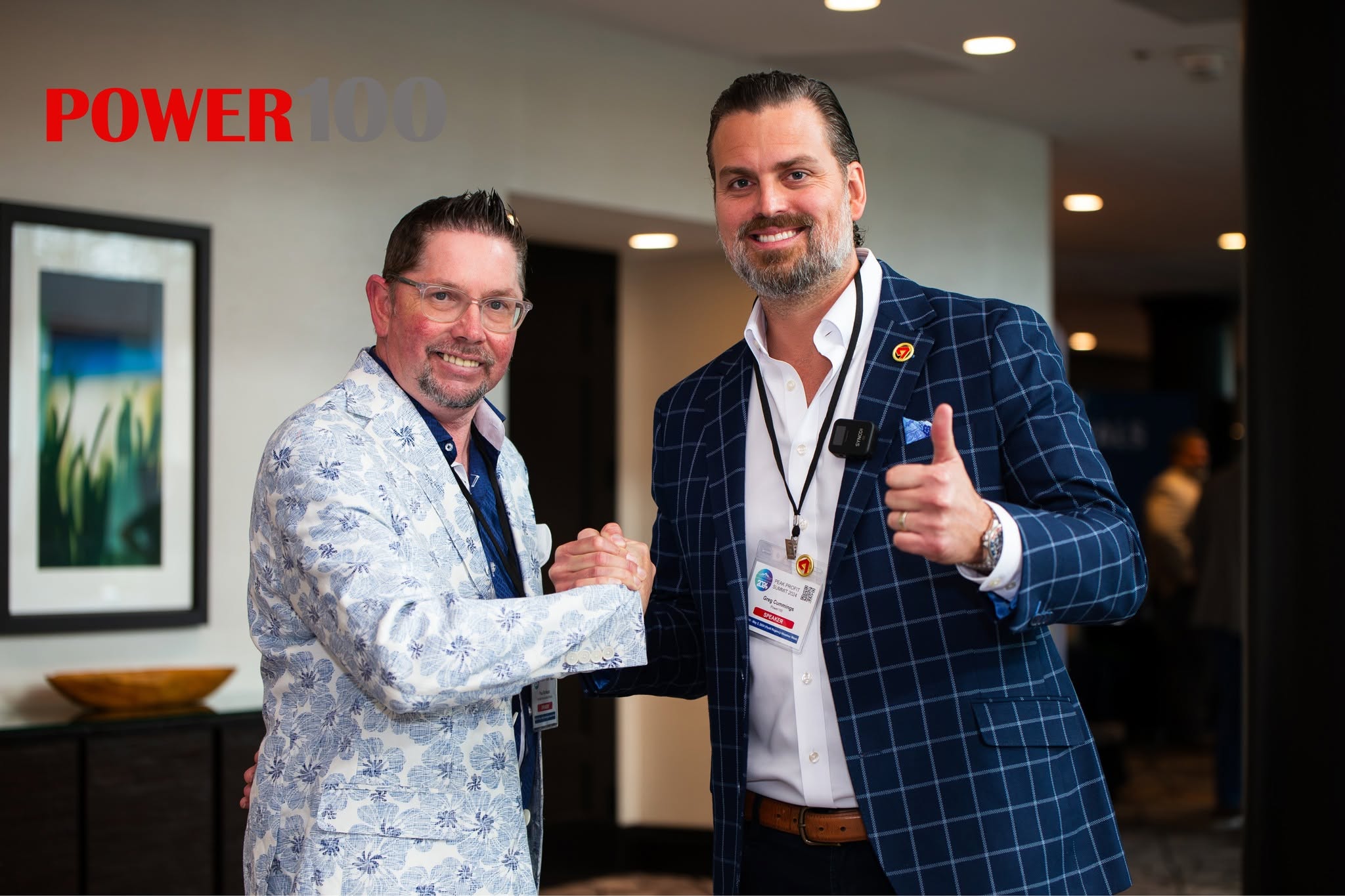
Greg Cummings (Right), CEO of Power100 with Home Improvement Legend and published author Paul Burleson
The purpose of the PowerChat was to study how a leader can build strong systems while still staying open to better ways of working. Greg framed Diamond as the kind of operator other leaders should pay attention to because he brings planning, process, budgets, and daily execution together with a mindset that still looks ahead. That made the conversation more than a story about one company. It became a lesson in how a home improvement investment company can protect its standards and still keep moving.
This matters across the home improvement industry because growth often makes weak systems show up fast. A company may be strong when it is small, but as more teams, markets, and services are added, the need for clear process becomes much greater. At the same time, leaders cannot become so fixed in their systems that they miss new ideas, better tools, or smarter ways to serve the customer. Diamond’s model shows that both can work together.
The scale of the conversation also adds weight to the message. D5 Capital has grown fast in only a few years in the home improvement space, and Greg pointed to that growth as a sign that the company’s operating model deserves attention. But the deeper impact is not only in the size of the business. It is in the way Diamond is building the company around talent, accountability, guardrails, and constant improvement.
That is what makes Lee Diamond’s home improvement business growth strategy useful for other CEOs and operators. It does not tell leaders to choose between control and change. It shows them how to keep the business steady while still making room for new ideas. In a market where speed, trust, and execution all matter, that balance can help more companies grow without getting stuck.
Greg Cummings opened this part of the PowerChat by pointing to a rare mix in Lee Diamond’s leadership. He was not only looking at a CEO with fast growth. He was looking at an operator who has built that growth with strong habits, clear process, and real focus.
“I want somebody that’s operationally disciplined, but not stuck in their ways.” Greg Cummings, CEO, Power100
That line set the tone for the full discussion. In home improvement, growth can look strong from the outside, but weak systems can show up fast when more people, brands, and customers are added. Loose roles, slow follow up, and unclear standards can turn growth into pressure. Greg’s point was that Diamond stands out because his growth is tied to how the company works every day, not just to big goals or market momentum.
This is what makes D5 Capital a strong example, the company is not only chasing more volume. It is building the operating base needed to handle that volume with more care, more speed, and more control.
Learn more about D5 Capital and its growth model.
Greg also made it clear that discipline alone was not the full story. What stood out to him was that Diamond has strong operations, but he is not locked into one way of thinking. He is serious about process, but still open to better ideas.
“I want somebody that has outstanding right now, but has their eyes downfield for innovation.” Greg Cummings, CEO, Power100
That matters because many companies treat process like it is final. Once they build a system, they protect it so tightly that new ideas have no room to grow. Diamond’s model shows a better path. Process should create clarity. It should help people know what matters. But it should never close the door to learning, testing, and making the business better.
That is an important lesson for any privately funded home improvement business platform trying to grow in a changing market. The best leaders do not choose between structure and progress. They use structure to make progress safer, faster, and easier to repeat.
Explore leadership stories and PowerChat conversations from Power100.
When Lee Diamond answered Greg’s question, he did not make innovation sound like a big, rare event. He brought it back to daily improvement. For him, the company gets better when people and processes keep getting better together.
“Continuous improvement is like at the center of everything you do.” Lee Diamond, CEO, D5 Capital
That idea keeps innovation grounded. It is not about chasing every new trend. It is not about changing for the sake of change. It is about watching how the business works, finding what can improve, and helping the team raise the standard step by step.
This is where Lee Diamond’s home improvement business growth strategy becomes useful for other CEOs. New ideas work better when they are supported by talent, coaching, and accountability. When improvement becomes part of the daily culture, innovation feels less risky because the team is already used to learning and getting better.
Diamond also made it clear that no plan or idea can work without the right people to carry it. Innovation is not only about tools, systems, or market timing. It depends on people who can understand the goal, make smart choices, and bring the work to life.
“None of our five year, three year, one year plans that we have, none of that’s going to work without really talented people.” Lee Diamond, CEO, D5 Capital
That is why talent sits so close to innovation in Diamond’s model. A company can have a smart idea, but if the people are not ready, the idea may break down in the field. Strong people help protect the idea. They ask better questions. They see problems early. They know how to adjust without losing the main goal.
This is why D5 Capital ownership opportunities in home improvement fit the larger story. The company is not only looking for people to fill roles. It is looking for leaders who can help carry change, build teams, and move the business into its next stage.
Visit the D5 Capital portfolio to see its growing brands.
Greg’s question pointed to the balance many leaders struggle with. They want to innovate, but they do not want the company to become loose. They want new ideas, but they still need the work to stay clear and strong. Diamond’s answer showed that accountability is what keeps that balance in place.
“It’s about mutual accountability, you know, top down, bottom up accountability with improvement at all levels.” Lee Diamond, CEO, D5 Capital
In Diamond’s model, accountability is not only a top down rule. It moves both ways. Leaders and teams are expected to speak up when something is off track. They are expected to protect the standard together. That makes it easier to try better ways of working without letting the company drift away from what matters.
For leaders looking at entrepreneurial partnership opportunities in the home improvement industry, this is a key lesson. Innovation needs freedom, but it also needs a shared standard. When people trust each other enough to speak honestly, the company can improve without losing control.
Learn how Power100 spotlights leaders shaping the home improvement industry.
The final part of this leadership lesson comes back to empowerment. Diamond’s model gives leaders clear guardrails, then trusts them to act. That trust helps the company move faster because decisions do not always have to wait at the top.
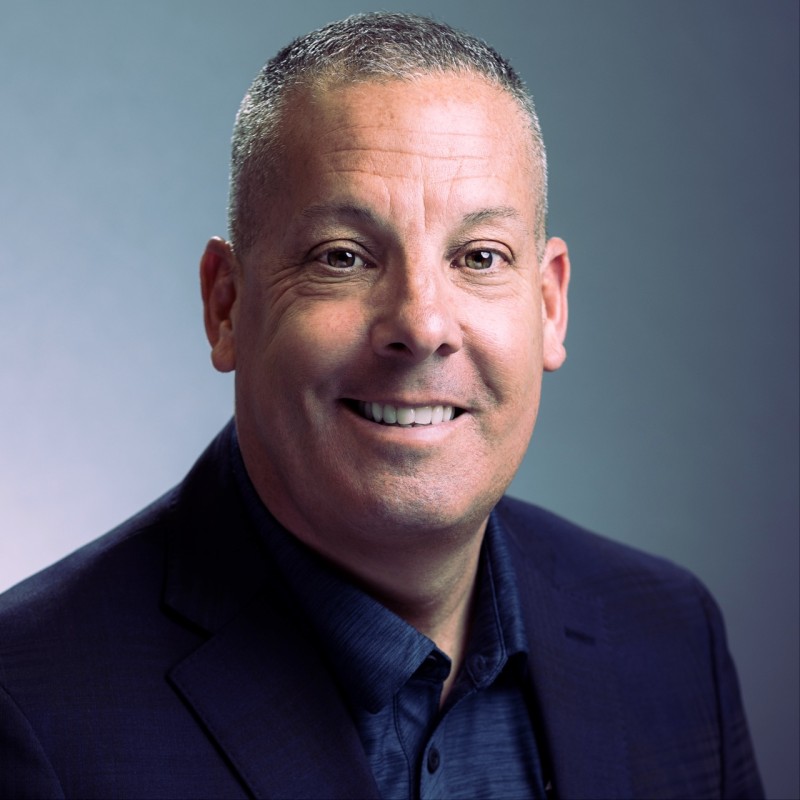
Lee Diamond, CEO, D5 Capital
“This is where it really exponentially takes off. The third piece is where you empower everybody.” Lee Diamond, CEO, D5 Capital
That is where innovation starts to move from idea to action. When trusted leaders are close to the work, they can see what needs to change. They can test ideas, solve problems, and help the business improve in real time. The guardrails keep the work aligned, but the trust gives people room to lead.
This is what makes D5 Capital stand out, Diamond is not only building for today’s numbers. He is building leaders who can help shape what comes next.
Greg Cummings’ PowerChat with Lee Diamond gave the home improvement industry a clear lesson. Strong operations do not have to make a company rigid. New ideas do not have to make a company scattered.
The strongest companies learn how to hold both. They build clear systems, strong habits, and teams that know the standard. Then they stay open enough to learn, improve, test, and move toward what comes next.
That is what made Diamond’s model stand out in the conversation. He showed that growth works best when discipline gives the company strength, and innovation gives it room to keep getting better.
The next stage of growth will not belong to companies that only move fast or only stay controlled. It will belong to leaders who can do both. In a changing home improvement market, that mix of discipline and innovation may be one of the clearest signs of a company ready for what comes next.
Power100 is built to do more than share praise. Its platform includes power rankings, original journalism, feature interviews, Expert Contributor articles, and PowerChat conversations. That gives readers more than a name or title. It gives them context around how home improvement leaders think, build, grow, and make decisions. In this PowerChat, the value comes from studying how Greg Cummings identified Lee Diamond’s balance of discipline and innovation as a lesson other leaders can use.
Power100 studies the people, systems, and choices behind strong companies. Its site explains that rankings and contributor roles are tied to a five layer ranking system and original industry content. That matters because a PowerChat is not only about who is winning today. It is about what other CEOs, contractors, and partners can learn from leaders who are building with process, culture, and long term focus.
No. In this PowerChat, innovation is not presented as chasing every new idea. The stronger message is that innovation works best when it is tied to discipline. Lee Diamond’s approach shows that a company can improve, test, and look ahead while still protecting clear standards, strong process, and daily execution.
Yes. That is one of the main lessons from Greg Cummings’ interview with Lee Diamond. Strong operations do not have to slow a company down. When the process is clear and useful, it helps leaders make better choices. The problem comes when the process becomes a wall instead of a guide. Diamond’s model shows how discipline can support growth while still leaving room for better ideas.
D5 Capital has a public portfolio of operating brands, including K&H Painting Pros, K&H Home Solutions, StruXure ATL, StruXure of the Rockies, StruXure Las Vegas, SX San Antonio, and StruXure of Utah. That means its ideas about talent, process, accountability, and improvement are tied to real businesses serving real markets. The company is not only talking about better operations. It is building a model where those ideas can be used across local brands.
Greg pointed to a rare mix in Diamond’s leadership. Some leaders are strong in operations, but they stop changing. Others chase change, but lose control. Diamond stands out because he brings planning, budgets, process, and accountability into the business while still looking ahead. That balance is what makes this PowerChat useful for home improvement leaders who want growth without losing focus.
D5 Capital’s model depends on clear guardrails, talented people, mutual accountability, and disciplined execution. That means new ideas are not left loose. They are tested inside a system where leaders understand the goals and the standard. This helps the company improve without losing control of the work that matters most.
The home improvement market keeps changing, and companies need to adapt. But adaptation without discipline can create confusion. Discipline without innovation can leave a company behind. Lee Diamond’s model shows that the next stage of growth belongs to leaders who can hold both. They need strong systems, but they also need the wisdom to keep learning and moving forward.
Power100 is the only unbiased third-party platform that recognizes and elevates the top leaders and most impactful companies in the home improvement industry. Built to give great CEOs, companies, and partners the recognition they deserve, Power100 shares rankings, PowerChat interviews, leadership stories, and expert insight that help contractors see who is moving the industry forward and what they can learn from them. Through conversations led by Greg Cummings, CEO of Power100, the platform brings real lessons from trusted leaders into one place so the home improvement industry can grow with stronger teams, better ideas, and a clearer view of what comes next.
Membership unlocks every Power100 interview, PowerChat episode, and expert playbook - free for industry leaders.
Power100 is the nation's premier CEO ranking and media platform for the home improvement industry. Using a proprietary 5-layer evaluation system, Power100 identifies and celebrates the top CEOs, companies, and strategic partners driving innovation, customer satisfaction, and leadership excellence across the country.