
Skip to content
POWER100
Content

Why Great Salespeople Read People, Not Scripts
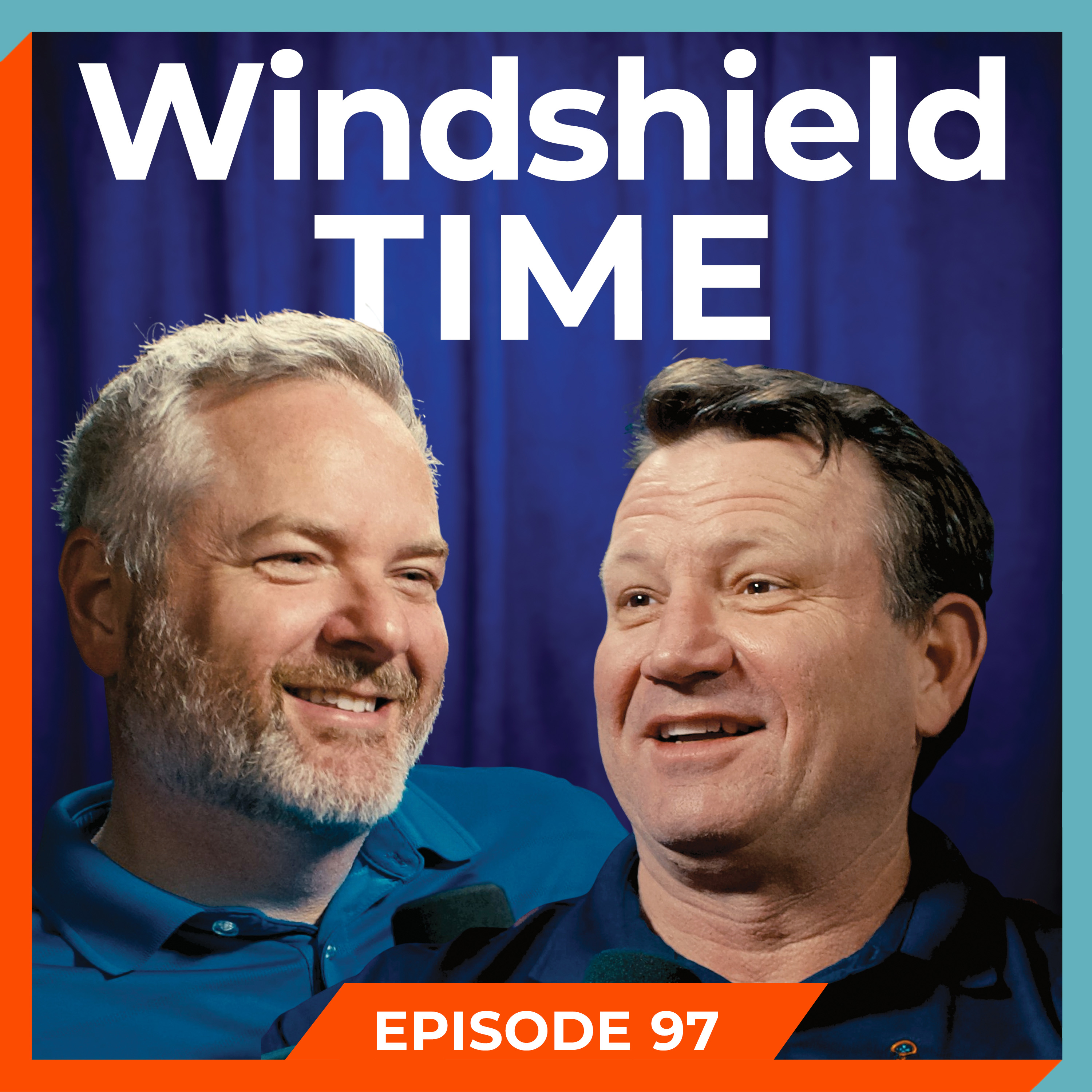
⏱️ 43:16 🎤 Chris Elmore, Harold James Walker Jr.
AUDIO EPISODE
Why Great Salespeople Read People, Not Scripts
0:00
0:00

Chapters

Click to jump to section

  • 0:00
    DISC Profiles & Objections
    The hosts introduce the topic of DISC personality profiles and their application in handling customer objections in the home service industry.
  • 0:39
    Identifying Profiles
    The discussion delves into how to identify DISC profiles using demeanor, pace, and conversation, and the concept of natural versus adapted personalities.
  • 2:08
    Speaking Their Language
    Chris explains that adapting communication to a customer's DISC profile allows professionals to 'speak their language,' fostering deeper connection and understanding.
  • 2:32
    DISC in Action
    The hosts use an elevator analogy to illustrate how different DISC profiles react in high-stress situations, highlighting their natural tendencies.
  • 26:48
    First Impressions & Questions
    Practical tips are provided on how to observe customer behavior upon arrival and use open-ended questions to further identify their DISC profile.
  • 37:03
    FORM & Profiles
    The FORM (Family, Occupation, Recreation, Material possessions) method is introduced as a way to build rapport, aligning conversation topics with specific DISC profiles.
  • 45:32
    Objection Tendencies
    The conversation shifts to common objections and how different DISC profiles tend to present them, emphasizing these are tendencies, not certainties.
  • 1:15:08
    Your Profile & Adaptation
    The hosts discuss the importance of understanding one's own DISC profile and how it influences objection handling, stressing the need for early adaptation.

Speakers

C
Chris Elmore
Host
H
Harold James Walker Jr.

Key Takeaways

Learn to identify customer DISC profiles (Driver, Influencer, Steady, Conscientious) by observing their demeanor, pace, and conversation style.

Adapt your communication style to match the customer's dominant DISC profile, as 'speaking their language' goes to their heart and builds rapport.

Use open-ended questions early in the interaction to gauge a customer's profile, as their response can reveal their natural tendencies.

Understand that different DISC profiles have tendencies regarding which objections they will raise, but be prepared for any objection as these are not certainties.

Recognize your own DISC profile and how it impacts your communication; adapt your approach rather than expecting customers to adapt to you.

Apply the FORM (Family, Occupation, Recreation, Material possessions) method to build rapport by discussing topics that align with the customer's likely profile interests.

Remember that adapting to a customer's profile is about communication, not manipulation, and can significantly minimize or eliminate objections.

Want the full experience?

Join Power100 for full access to every episode, AI-powered insights, personalized coaching, and a network of industry leaders.

Join Power100 →