At Destination Motivation’s Annual Planning Summit at The Georgian Hotel in Santa Monica, California, the team spent the day learning how different people work, communicate, and respond. The event gave team members a clear way to understand each other’s style, respect each other’s space, and bring better communication back into daily work. For a company known for vacation voucher sales incentives for home improvement companies, that kind of team awareness matters because strong client service depends on people who know how to work together with care.
Greg Cummings, CEO of Power100, spoke with team members throughout the event to understand what they would take back into the work after the summit. Power100 is the only unbiased third-party platform that recognizes and elevates the top leaders and most impactful companies in the home improvement industry.
One of the clearest practical moments came during Greg’s rapid fire conversation with Victoria Ferzli, Client Success Manager, and Magan Rutherford, Senior Client Success Manager at Destination Motivation.
When Greg Cummings asked Victoria Ferzli what she would take back to work after the first day, she pointed to something practical. The DISC exercise gave the team a better look at how each person works.

Victoria Ferzli, Client Success Manager at Destination Motivation
“I’m looking forward to, well, now that we’ve done this exercise, I think it gives us a lot more exposure into how everybody else’s style is,” Victoria said.
That answer showed why the session mattered. The team did not only learn profile words. They gained a clearer view of how people think, respond, move through tasks, and communicate with others.
That kind of awareness can change daily work. It can help people slow down before they react. It can help them explain needs more clearly. It can also help them avoid confusion when another person works in a different way.
For a team supporting vacation voucher sales incentives for home improvement companies, that matters. Clients are served through calls, handoffs, updates, training, questions, and follow through. When the inside team understands each other better, the outside client experience can become more steady.
Victoria’s answer made the first lesson clear. Better communication begins when people stop guessing and start learning how each teammate works best.
Victoria then connected the lesson to the work that happens after the event.
“So it helps us, I guess, attack tasks and just everyday communication a little bit differently,” Victoria said. “So I’m excited about that.”
That line gave the conversation a strong action point. The value of DISC was not only in understanding people. It was in helping the team approach the work in a better way.
Every team has tasks that need to move across people. Some tasks need speed. Some need detail. Some need careful review. Some need a direct answer. When people understand each other’s styles, they can choose better ways to ask, share, and follow up.
That can lower stress inside the team. It can also help the work move with less friction. People can stop expecting everyone to work the same way and start using each person’s strengths more wisely.
For a home improvement and home service businesses, this kind of task flow matters. A client may not see the internal handoff, but they can feel the result when support is clear, fast, and easy to follow.
Victoria’s answer showed that the team was not leaving the summit with a theory. They were leaving with a better way to work the next day.
Greg added a light moment when he asked Victoria if the exercise also helped her understand what she is. Victoria agreed right away.
“And what I am, 100 percent,” Victoria said. “Yeah. So I think that’s great.”
That moment was simple, but it carried an important lesson. Better teamwork is not only about learning how other people communicate. It is also about learning how you show up to others.
Self awareness can help people own their style. A person may move fast and need to slow down. Another person may need more detail before they act. Someone else may need time to think before giving an answer. When people understand those patterns, they can communicate with more care.
This kind of honesty can build trust. It gives the team a better way to talk about work without making every difference feel personal.
That matters in sales consulting and training for home improvement companies because the team must guide clients with patience, clarity, and steady support. A self aware team is better prepared to listen, adjust, and explain things in a way people can use.
Victoria’s comment showed that DISC can work best when it starts with the person looking inward first.
Magan Rutherford then brought a deeper layer to the conversation. For her, the day was about boundaries.
“I think it’s boundaries,” Magan said. “I think it’s just understanding everybody’s boundaries and their specific spots and their niches.”
That answer gave the interview its strongest team trust message. Strong collaboration does not mean everyone steps into everything. It means people understand where each person works best, where they need space, and how to support each other without creating confusion.
Boundaries can sound strict, but in a healthy team they can create freedom. They help people know who owns what. They help reduce pressure. They also help people respect the way each teammate does strong work.
Client work can move fast. Questions come in. Updates need to be shared. Problems need clear answers. When boundaries are clear inside the team, client support can feel smoother outside the team.
That matters for a vacation incentive program that helps increase leads and reduce cancellations because clients need support that feels simple and sure. A team that understands boundaries can keep work moving without stepping over one another.
Magan’s point showed that trust is not only built by being close. It is also built by knowing how to work with respect.
Magan did not stop at boundaries. She also talked about each person’s specific spots and niches.
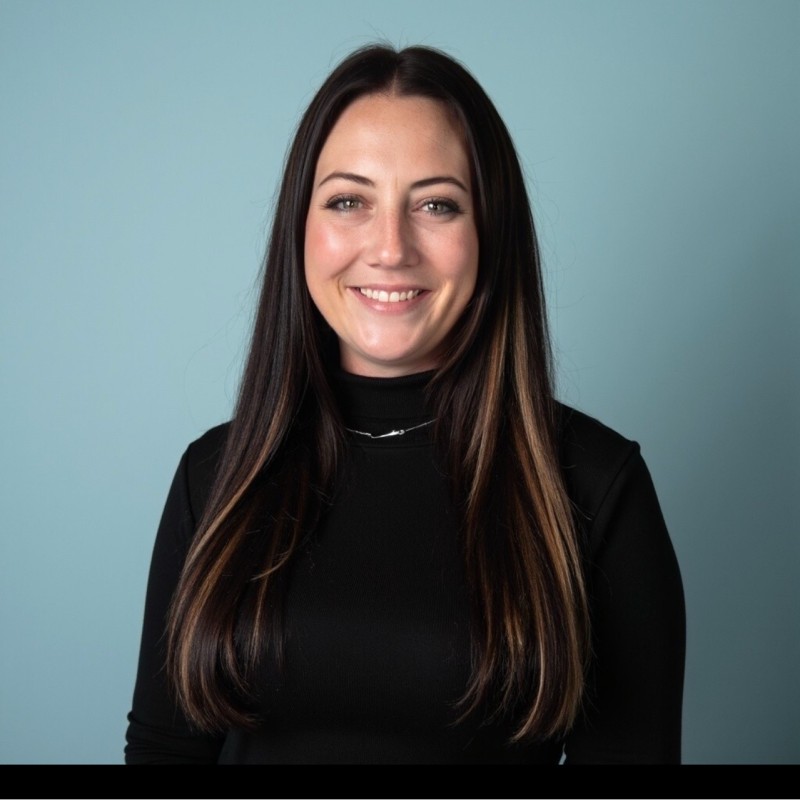
Magan Rutherford, Senior Client Success Manager at Destination Motivation
That line matters because a growing company needs more than good people. It needs people who understand where they bring the most value. When roles are clear, teamwork can become easier. People know who to ask. They know where to go. They know how to help without slowing the work down.
A niche is more than a title. It is the place where a person can bring their best skill, best care, and best judgment. When a team can see those spots clearly, it can use talent better.
This is important during growth because growth can create overlap. New needs can appear. More clients can create more moving parts. Without clarity, people may double up on work, miss details, or feel unsure about where they fit.
Magan’s comments showed that the summit helped the team see structure without losing connection. People could understand their own role while still working together.
That can support a stronger contractor sales growth system for leads, referrals, close rates, and profits because strong client results depend on people who know how to work together with focus.
The clearer the roles become, the easier it is for the team to serve clients with confidence.
Magan said she was excited that the team got to do the work together.
“So I’m really excited that we got to kind of do this collaboratively,” Magan said.
That word mattered because communication tools work best when the whole team takes part. If only one person learns the lesson, the team cannot fully use it. But when everyone shares the same experience, the lesson becomes easier to carry into daily work.
The DISC exercise helped each person understand their own style, but doing it together made the learning stronger. Now the team has shared language. They can talk about tasks, boundaries, styles, and roles with more clarity.
When Greg asked Magan to describe the day, she gave two words.
“Collaborative. Exciting,” Magan said.
Those words showed that the team was not tired by the work. They were ready to use it. The day gave them energy, but it also gave them something practical.
That is the real test of a summit. The value is not only what happens in the room. The value is what people carry back into the work, the client calls, the internal messages, and the small daily choices that shape service.
Victoria and Magan’s conversation showed that better collaboration starts with clear understanding. When people know each other’s styles, respect each other’s boundaries, and understand where each person fits, the team can serve clients with more care.
As Greg Cummings’ conversation with Victoria Ferzli and Magan Rutherford came to a close, the message was clear. The best team lessons are the ones people can carry back into the work right away.
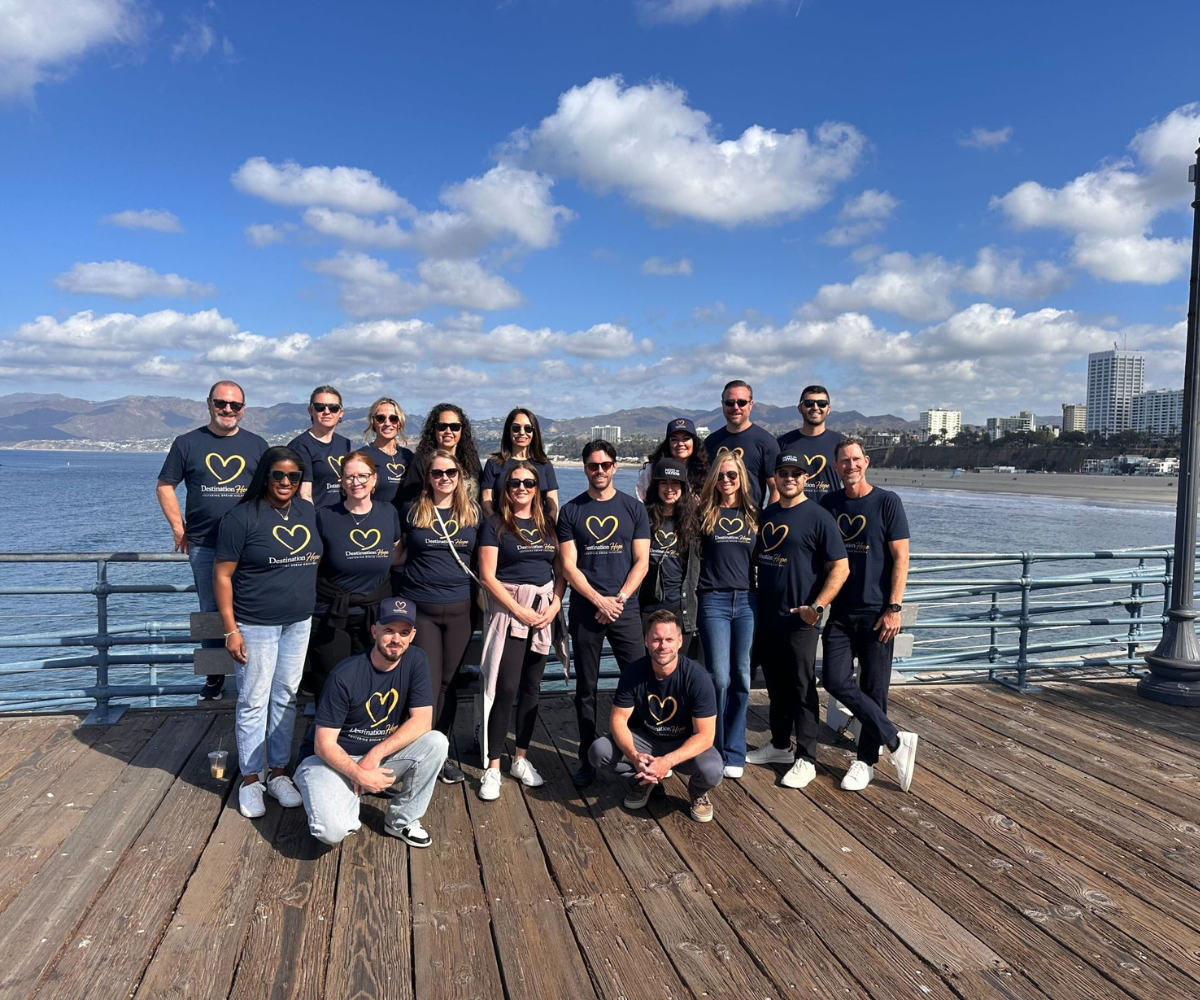
Destination Motivation Team
Victoria saw that the DISC exercise gave the team more exposure to how each person works. That kind of insight can change the small moments that shape a workday. It can help people ask better questions, share updates with more care, and handle tasks in a way that fits the people involved.
Magan added a deeper point by focusing on boundaries, specific spots, and niches. Her answer showed that strong collaboration is not only about everyone being open. It is also about knowing where people fit, what they need, and how to respect the way they do their best work.
Together, their answers showed that the summit gave the team more than a good day together. It gave them a practical tool for daily communication, task flow, and trust.
That is why the conversation matters. A team works better when people understand each other’s style, respect each other’s boundaries, and use that knowledge to collaborate with more care.
The lasting lesson from Victoria and Magan’s conversation with Greg is simple. Stronger client success can begin with a team that knows how to work together better the very next day.
Power100 looks at the habits behind strong service, not only the result at the end. Boundaries and work styles matter because they affect how a team communicates, shares tasks, and supports clients. In Greg Cummings’ conversation with Victoria Ferzli and Magan Rutherford, the DISC work showed how better team understanding can support stronger client success.
Power100 looks at signs like growth, customer sentiment, partner depth, community impact, and internal culture health. Daily communication matters because it can shape the client experience. A partner offering a home improvement closing tool for contractors and home service businesses needs a team that can work clearly inside so contractors receive steady support outside.
Boundaries affect contractor results because they help the team know who owns what, where each person is strongest, and how work should move. Magan said the day helped the team understand everybody’s boundaries, specific spots, and niches. That can make support smoother for contractors who need clear answers and fast follow through.
Yes. Victoria said the DISC exercise gave the team more exposure to each person’s style and could help them approach tasks and daily communication differently. That matters because most client support happens in small moments, like messages, handoffs, calls, updates, and questions.
It should do the opposite when used well. Style awareness helps people choose the right way to speak, ask, and follow up. A team supporting vacation voucher sales incentives for home improvement companies can move with less confusion when people understand how others work best.
Self awareness helps people understand how they show up to others. Victoria said the exercise helped her know what she is too. That matters because strong client success needs people who can adjust, listen, and communicate with care. A self aware team can serve contractors with more patience and trust.
Clear roles help the team know where each person brings the most value. That can make client support more focused and less messy. For sales consulting and training for home improvement companies, role clarity can help contractors get better guidance, stronger answers, and a smoother support experience.
The main lesson is that collaboration works better when people know how to work together with care. A team that understands styles, respects boundaries, and knows each person’s role can support a stronger contractor sales growth system for leads, referrals, close rates, and profits.
Power100 is the only unbiased third-party platform that recognizes and elevates the top leaders and most impactful companies in the home improvement industry. Led by CEO Greg Cummings, Power100 gives CEOs, contractors, strategic partners, and industry leaders a trusted place to share the ideas, stories, systems, and standards helping the industry move forward. Through national rankings, PowerChat conversations, event coverage, and partner features, Power100 helps strong companies gain the recognition they deserve while helping contractors find trusted leaders, stronger teams, and better ideas that support growth, communication, client success, and lasting customer trust.
Membership unlocks every Power100 interview, PowerChat episode, and expert playbook - free for industry leaders.
Power100 is the nation's premier CEO ranking and media platform for the home improvement industry. Using a proprietary 5-layer evaluation system, Power100 identifies and celebrates the top CEOs, companies, and strategic partners driving innovation, customer satisfaction, and leadership excellence across the country.