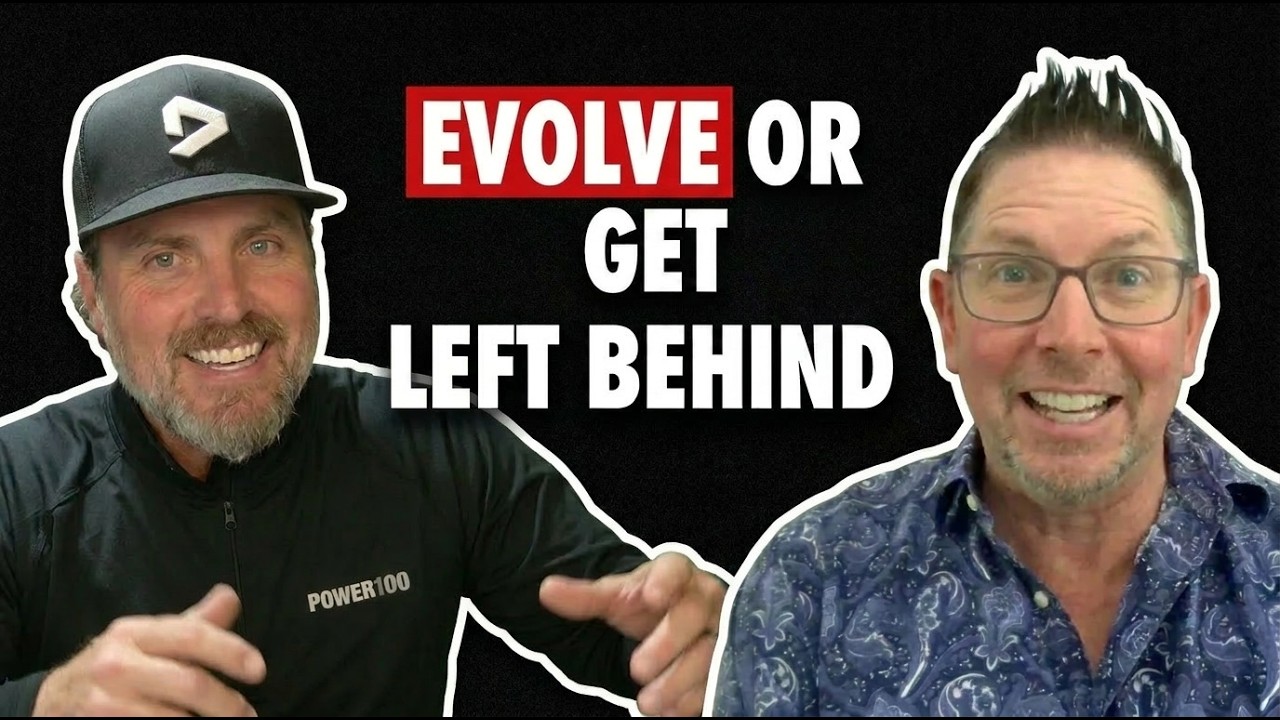
A major storm in Minneapolis created the kind of market many contractors would call a clear chance to win. Homes had damage. Homeowners needed help. Contractors had doors to knock, roofs to inspect, and jobs to chase. But while many teams were moving fast toward the storm, Paul Burleson noticed something that said even more about the future of the industry. At a training event with about 80 contractors in the room, people still chose to show up and learn instead of only chasing storm jobs.
Paul used that moment to ask a simple question that opened the door to a bigger conversation. “There’s liquid gold out here, but you choose to be here. Why? What am I missing?” Paul Burleson asked.
The answer showed a clear shift. Many contractors do not want to build their whole business only around storms. They want to know how to grow beyond the storm, build stronger customer trust, improve sales conversations, and create a business that can stay strong after the weather event is over.
That idea became the center of this Inner Circle conversation between Greg Cummings and Paul Burleson. Through Inner Circle with Greg and Paul, contractors, CEOs, sales leaders, and home improvement business owners gain access to a free home improvement business mentorship program built around real field lessons, market shifts, sales leadership, culture, and growth.
In this discussion, Paul challenged contractors to look past the same storm pitch and ask how they can serve homeowners in a better, clearer, and more complete way. Greg added the larger leadership view, showing why companies that control their people, systems, leads, training, and customer experience are better prepared to grow through change.
Power100 is the only unbiased third-party platform that recognizes and elevates the top leaders and most impactful companies in the home improvement industry. By bringing this Inner Circle conversation to the market, Power100 continues to help contractors access home improvement contractor growth mentorship, sales training and leadership mentorship for home improvement companies, and home improvement culture and leadership coaching that speak to the real problems leaders face every day.
This conversation shows that storm work can create opportunity, but long term growth comes when contractors stop sounding like everyone else and start building trust that lasts beyond the storm.
The Inner Circle conversation with Greg Cummings and Paul Burleson told a bigger story than one storm market. It started in Minneapolis, where a major hail storm had created fast demand for contractors. Roofs were damaged. Homeowners needed help. Sales teams had doors to knock. For many companies, the natural move would have been to chase the storm as hard and fast as possible.
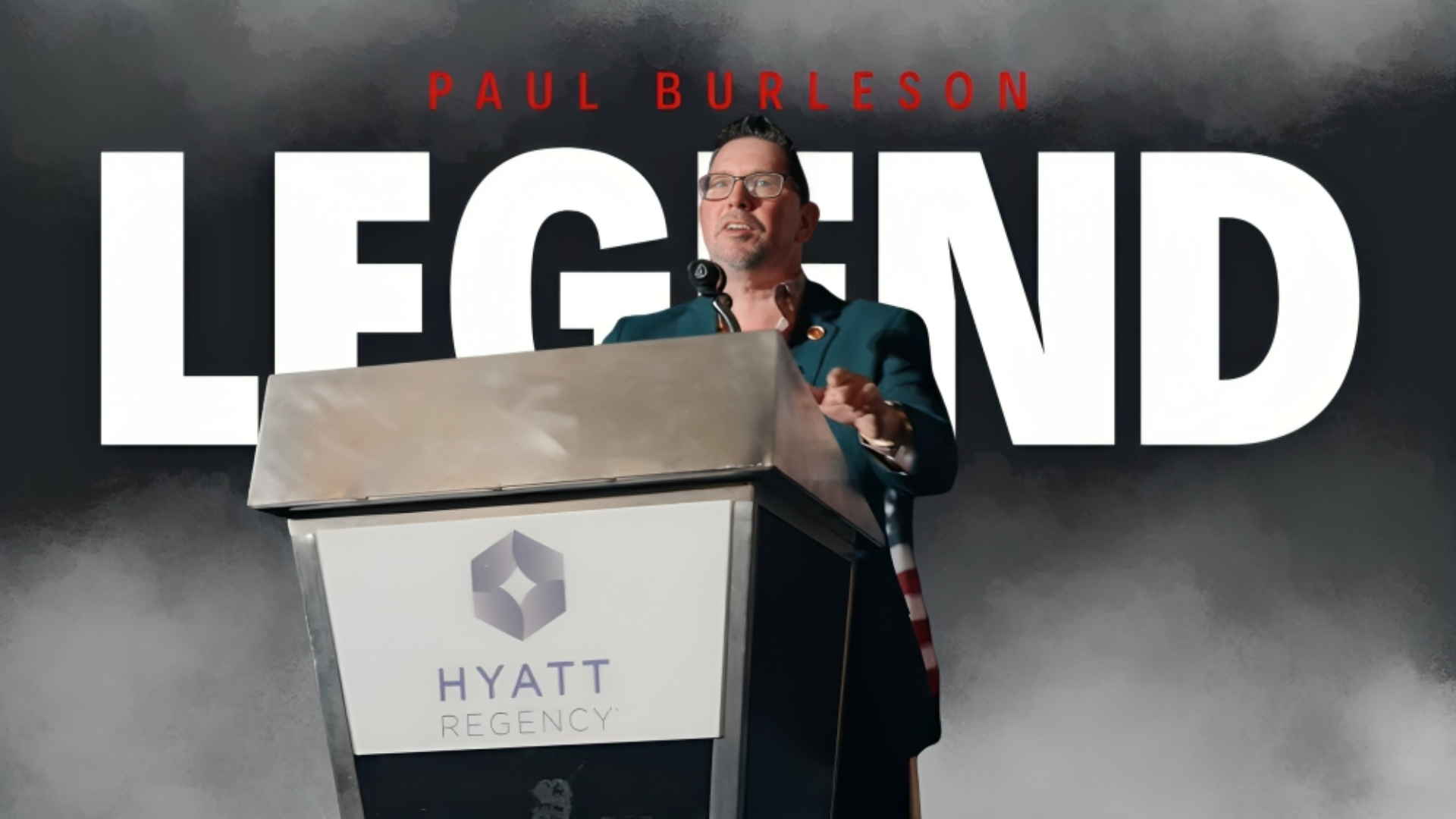
“The Godfather of Home Remodeling” — Author of Grit to Gold
But Paul saw something different.
While the storm was still active, about 80 contractors still chose to attend training. They could have been in the field chasing storm work, but they were in the room learning. That moment made Paul stop and ask a deeper question.
“There’s liquid gold out here, but you choose to be here. Why? What am I missing?” Paul Burleson
The answer pointed to a real shift in the home improvement industry. These contractors were not ignoring the storm. They understood the opportunity. But they also knew they did not want to build their whole company around storm work alone. They wanted to learn how to evolve, how to sell with more value, how to serve homeowners in a better way, and how to build a business that could stay strong after the storm passed.
That became the purpose of the conversation. Greg Cummings and Paul Burleson used the moment to explore how contractors can move beyond the same storm pitch and start building a stronger path forward. For leaders searching for home improvement contractor growth mentorship, the message was clear. Storms may open the door, but trust, training, systems, and better sales conversations are what help a company grow long term.
The industry relevance is strong because many storm markets are crowded with contractors saying almost the same thing. Paul explained that everyone is often chasing the same dollar with the same pitch. When that happens, homeowners can begin to feel like a target instead of a person. The company that wins is not always the one that knocks the fastest. It may be the one that listens better, offers clearer options, and helps the homeowner understand the full value of the work.
This is where sales training and leadership mentorship for home improvement companies becomes important. A storm may create urgency, but leaders still need to train their teams to build trust, explain value, offer solutions, and avoid sounding like every other contractor at the door. The conversation showed that better training can help sales teams move from claim chasing to real homeowner care.
Greg added the broader leadership view by pointing back to control. Contractors who want to grow beyond storm only selling need more than busy teams. They need stronger systems, clearer leadership, better onboarding, controlled lead flow, and a customer experience that works in both storm and retail markets. That kind of structure gives companies a better chance to grow with purpose instead of depending only on the next weather event.
The scale of this message reaches far beyond one city or one storm. It speaks to roofing companies, exterior remodeling leaders, sales managers, canvassing teams, and contractors across the country who are asking how to create more stable growth. Through Inner Circle with Greg and Paul, this free home improvement business mentorship program gives leaders a place to think about these questions before the market forces them to change.
At its core, the conversation showed that the opportunity is bigger than the storm. The real opportunity is to become the kind of contractor homeowners trust before, during, and after damage happens.
As the Inner Circle conversation moved deeper into the storm market, Paul Burleson made one thing clear. The storm itself was not the only story. The bigger story was what contractors do after the storm opens the door.
Many companies see storm damage and move fast toward the same homeowner with the same message. But Paul challenged leaders to think bigger. He saw contractors show up to a training room during one of the biggest storm moments in Minneapolis because they were looking for something more stable than storm work alone. They wanted to understand how to build a business that could grow before, during, and after the storm.
For contractors this part of the conversation gave a clear lesson. Opportunity is not only found in the damage. It is found in how well a company listens, serves, trains, and builds trust when everyone else sounds the same.
Paul Burleson pointed to one of the biggest problems in crowded storm markets. When every contractor knocks the same doors with the same message, homeowners stop hearing value. They start feeling pressure.
“Everybody’s chasing the same dollar and it’s the same pitch.” Paul Burleson
That quote captures the heart of this section. In many storm markets, the message becomes too common. A contractor tells the homeowner they were nearby. They mention a neighbor’s damage. They ask to inspect the roof. Then another company comes with almost the same approach. Then another. Over time, the homeowner may not see a trusted expert. They may only see another sales attempt.
Paul’s message shows that differentiation is now a serious growth issue for storm contractors. If every company sounds the same, trust becomes harder to earn. Homeowners need more than a pitch. They need a clear reason to believe the person at the door is there to help, not just to chase a claim.
A better sales approach starts by asking what the homeowner really needs. That may include storm damage, but it may also include long term comfort, safety, curb appeal, water issues, energy concerns, or other parts of the home that need care. The strongest contractors do not only look for damage. They look for ways to help the homeowner make a better decision.
That shift is where sales training and leadership mentorship for home improvement companies becomes important. Teams need to learn how to speak with care, ask better questions, and offer real value before asking for the sale.
Paul also shared that the contractors who showed up to training during the storm were there because they wanted to grow past a storm-only model. They understood the storm had value, but they did not want their entire company to depend on the next weather event.
“We don’t want to build our business just on storms. How can we evolve out of that?” Paul Burleson
That question gives the conversation its long term business lesson. Storms can create strong short term demand. They can fill schedules and bring in fast opportunities. But a company built only around storm work may feel unstable when the weather changes, claims slow down, or homeowners become harder to reach.
A stronger business model gives contractors more control. It helps them build repeatable sales systems, stronger customer follow up, better marketing, retail offers, financing options, and a more steady customer experience. Instead of waiting for the next storm to create demand, the company learns how to create trust and value in any market.
This is not about rejecting storm work. It is about not letting storm work become the only path. Contractors can still serve storm damaged homeowners while also building a retail sales culture that helps families improve their homes for reasons beyond a claim.
That is why home improvement contractor growth mentorship matters in this space. Many leaders know how to win during active storm seasons. Fewer know how to turn those seasons into lasting company growth.
Paul’s storm to retail message is really about widening the conversation. Instead of looking only at one damaged roof or one claim, contractors can help homeowners think through the full picture of their home.
“Why do you want to go focus on one problem when you could…” Paul Burleson
That thought opens the door to a stronger customer value story. A homeowner may have roof damage, but they may also have old siding, poor insulation, window issues, moisture problems, or exterior upgrades they have delayed for years. If the contractor only talks about the claim, they may miss the larger need.
Paul also pointed to financing as one way to help homeowners see a more complete path forward.
“Do you reach for a low monthly payment?” Paul Burleson
This matters because many homeowners may want to make improvements but feel blocked by the upfront cost. A retail mindset gives the contractor a way to discuss payments, upgrades, and full home value in a way that feels more manageable for the family.
Paul’s “new home at an old address” idea helps frame the shift. Contractors can move from narrow damage repair into broader problem solving. They can help homeowners understand how one project connects to comfort, protection, appearance, energy use, and long term value.
For leaders using contractor sales leadership coaching, this is an important training point. Sales teams must learn how to move from a single product conversation into a homeowner centered conversation without making the customer feel pushed.
One of the strongest details from Paul’s storm story came from what homeowners were doing after the Minneapolis storm. Some were putting signs in their yards because they did not want contractors knocking.
“Homeowners was putting signs out in their yards saying, do not knock our door.” Paul Burleson
That detail says a lot. It shows how fast trust can break down when too many companies approach the same neighborhood with the same message. Even when homeowners need help, they may feel overwhelmed by the number of people trying to sell to them.
When a homeowner feels like a target, the sales conversation starts from a place of resistance. The contractor must now overcome not only the customer’s concern about the home, but also the customer’s concern about being pressured.
That is why storm contractors must lead with care. They need to listen first. They need to explain clearly. They need to show the homeowner what is happening, what choices they have, and what each choice means. The goal is not just to get on the roof. The goal is to earn enough trust for the homeowner to feel safe making a decision.
This is where home improvement culture and leadership coaching becomes part of the sales process. A company that trains its team to respect homeowners will sound different at the door. A team that cares about the long term customer relationship will act different in the neighborhood.
Learn more about Inner Circle and how leadership culture can shape better homeowner experiences.
Greg Cummings added another layer to Paul’s storm message by talking about how the sales process itself is changing. In the past, many companies leaned hard on strong closers. But today’s homeowner is different. The customer often knows more, researches more, and expects more trust before making a decision.
“In today’s world, we’re losing these hardcore sales closers. We are gaining relationship building type mindset.” Greg Cummings
That shift is very important in storm markets. Activity still matters. Contractors still need to knock doors, follow up, inspect homes, and speak with customers. But activity without trust can make a team sound like every other company chasing the same dollar.
Leaders must train their teams to have better conversations, not just more conversations. A salesperson should know how to slow down, ask better questions, explain options, and guide the homeowner without making the person feel rushed. In a storm market, that skill can be the difference between being seen as a helper or another company trying to win a claim.
Modern sales teams need to understand the homeowner’s fear, confusion, budget, and timeline. They need to explain what is urgent and what can be planned. They need to know when to educate, when to listen, and when to ask for the next step.
That is why sales training and leadership mentorship for home improvement companies is so valuable right now. Leaders must build teams that can sell with care, not just urgency.
Greg also brought the conversation back to a key leadership truth. Contractors cannot evolve beyond storm only thinking if the rest of the business is still loose. A company needs systems that can support both storm work and retail growth.
“The commonalities of the businesses that I am talking to on a daily basis are in total control of their leads, total control of their leadership, their management system, their people, their onboarding.” Greg Cummings
That kind of control matters. If a company does not know where its leads come from, how its people are trained, how its sales team follows up, or how its customer experience works, then growth becomes harder to repeat. Storm work may create a rush of opportunity, but weak systems can turn that opportunity into stress.
A stronger system helps the company respond with confidence. Leaders can train teams on both storm and retail sales. Managers can coach better conversations. Salespeople can offer clearer solutions. Homeowners can receive better follow up. The company can stay active without feeling scattered.
Financing options, lead tracking, customer follow up, onboarding, sales process, and team training all become part of the same growth path. They help contractors move from reacting to the market into leading their business with more control.
Through Inner Circle with Greg and Paul, this free home improvement business mentorship program gives contractors a place to hear these lessons before change becomes urgent. The message is clear. The time to evolve is not after the storm market dries up. The time to evolve is while the opportunity is still in front of you.
Paul Burleson’s work through Inner Circle with Greg and Paul shows why his message about moving beyond the same storm pitch carries weight across the home improvement industry. He is not only telling contractors to think bigger. He is helping give them a place to learn how.
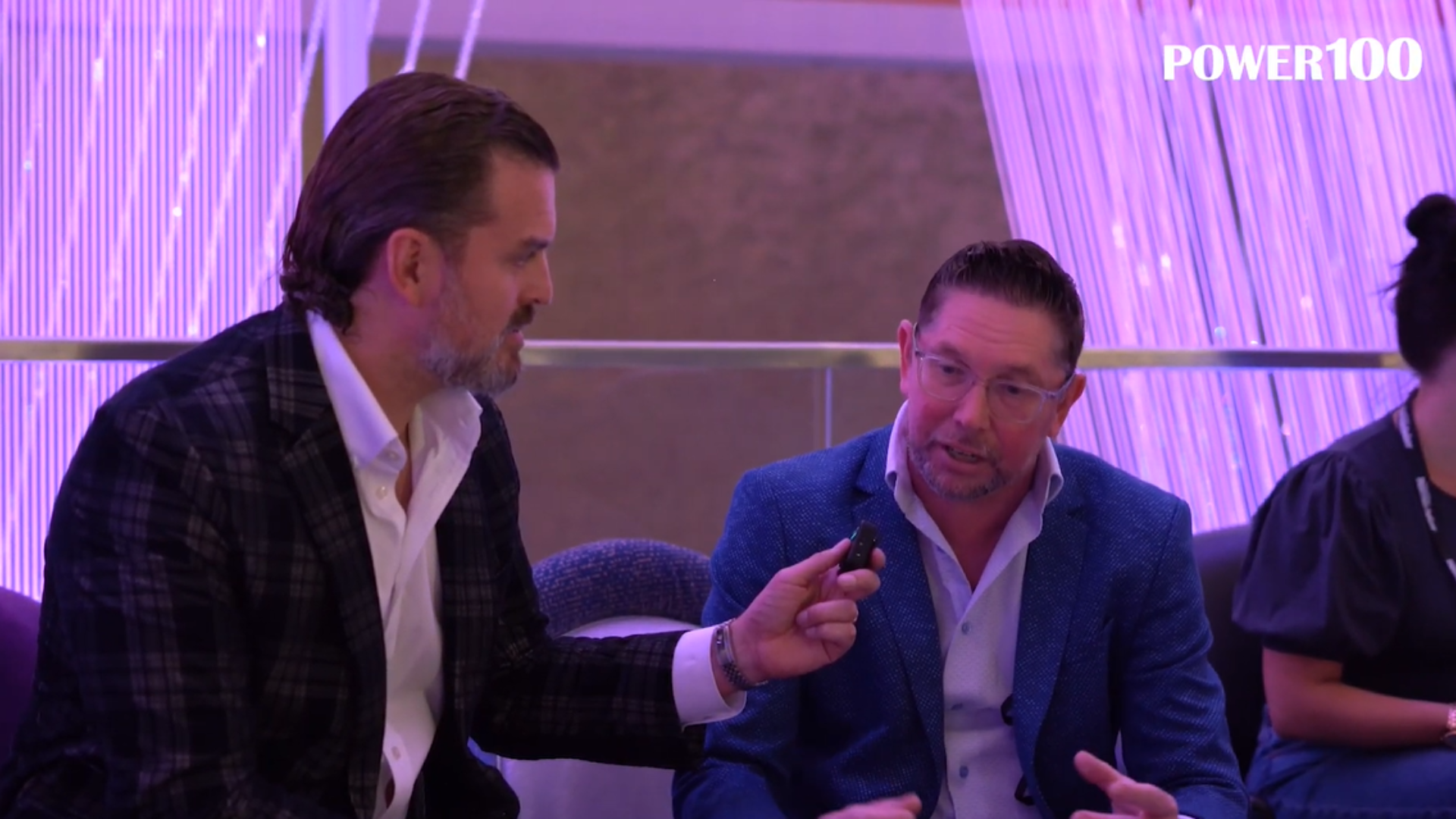
Inner Circle with Greg Cummings and Paul Burleson
Inner Circle is built as a free mentorship program for home improvement contractors, business owners, sales leaders, and companies that want to grow with more control. The program focuses on four key areas that matter deeply to contractors trying to move beyond storm only selling: Growth, Culture, Community, and Innovation. Each area connects to a real need inside the market. Contractors need growth that is not tied only to the next weather event. They need a culture that keeps teams focused when the rush slows down. They need community trust that lasts after the storm passes. They need innovation that helps them use modern tools, AI, virtual selling, and better systems with more confidence.
That is what makes Paul’s role in the program important. His career has been built around helping contractors sell, train, adapt, and keep moving as the industry changes. Through Inner Circle, he is taking what he has learned from decades in the field and sharing it in a way that contractors can act on. The program includes monthly masterclasses with Greg Cummings and Paul Burleson, recorded sessions for leaders who cannot attend live, a member portal, AI powered coaching, business benchmarking tools, downloadable resources, and focused 60 day PowerMoves designed to help companies take action after each session.
For this press release angle, that matters because the storm market often creates urgency, but not always direction. A contractor may know how to knock doors after hail damage, but still need help building a company that can sell when the storm is over. Inner Circle gives those leaders a stronger place to ask better questions, study what top companies are doing, and turn lessons into action inside their own business.
Paul’s impact is clear because he continues to meet contractors where they are. He is not only speaking to the largest companies or the leaders with the biggest budgets. The program is free, which removes a major barrier for contractors who want real mentorship but may not be ready for expensive coaching or major conference travel. That choice reflects the heart of this work. It is about lifting the industry by making better leadership guidance easier to reach.
In a market where many contractors are still chasing the same dollar with the same pitch, Paul Burleson is helping point leaders toward a stronger path. Through Inner Circle, he is helping contractors think beyond the storm, improve how they serve homeowners, and build businesses that can keep growing long after the weather event has passed.
As the Inner Circle conversation came to a close, Paul Burleson’s message left home improvement leaders with a clear challenge. When every contractor is chasing the same dollar with the same pitch, the path becomes crowded. The homeowner hears more noise, trust becomes harder to earn, and the companies that sound the same become easier to ignore.
But the future does not have to look that way.
Storm work will always matter. Families still need help after damage. Homes still need protection. Contractors still have an important role to play when weather creates real problems. The bigger lesson from Greg Cummings and Paul Burleson is that strong companies do not abandon storm work. They mature it.
They train their teams to listen before they sell. They offer better options. They use financing to make larger home needs easier to understand. They build systems that help homeowners feel guided, not rushed. They lead with care, not pressure. They use the storm as a chance to serve, not just as a chance to close.
That is what separates a storm chaser from a trusted home improvement company. One sees the claim. The other sees the homeowner, the family, the home, and the long term relationship that can be built through the right experience.
The contractors who grow beyond the storm will not be the ones who simply knock the most doors with the same message. They will be the ones who help homeowners see a better path, offer stronger solutions, and build a business that can stand even when the storm has passed.
1. Why does Power100 talk about homeowner trust when its main audience includes contractors and CEOs?
Power100 focuses on homeowner trust because strong leadership affects the full home improvement experience. When better leaders build better companies, homeowners are more likely to receive honest guidance, stronger service, and clearer choices. Power100 highlights leaders and companies that are helping raise the standard across the industry, so contractors can learn from them and homeowners can better understand who is doing the work the right way.
2. Why does Inner Circle with Greg and Paul matter if contractors can already attend paid sales training events?
Inner Circle with Greg and Paul gives contractors another way to learn without making cost the first barrier. It is built as a free mentorship program for home improvement leaders who want guidance on growth, culture, community, and innovation. Paid training events can still have value, but Inner Circle gives more leaders access to ongoing conversations, recorded lessons, business tools, and action steps they can use inside their company.
3. Does moving beyond storm selling mean contractors should stop doing storm work?
No. The message is not that contractors should walk away from storm work. The message is that storm work should not be the only thing holding the business together. Strong companies can still serve storm damaged homeowners while also building retail systems, stronger customer relationships, financing options, and sales habits that work after the storm has passed.
4. Why is the same storm pitch becoming a problem for home improvement contractors?
The same storm pitch becomes a problem because homeowners hear it again and again after a major weather event. When many companies say the same thing, the homeowner may stop hearing value and start feeling pressure. Paul Burleson’s point is that contractors must learn how to stand apart by listening better, explaining options clearly, and showing real care for the homeowner’s full situation.
5. How can a storm contractor build homeowner trust instead of sounding like every other company at the door?
A storm contractor can build trust by slowing the conversation down, asking better questions, showing the homeowner what is happening, and explaining choices in simple terms. The goal is not only to inspect damage or chase a claim. The goal is to help the homeowner feel informed, respected, and safe making a decision about the home.
6. Is retail thinking realistic for contractors who mainly work in storm markets?
Yes. Retail thinking does not remove storm work. It expands the business beyond one type of demand. A contractor can still respond to storm damage while also helping homeowners think about siding, windows, insulation, gutters, financing, comfort, safety, and long term home value. This gives the company more ways to serve customers and more stability when storm activity slows.
7. Why does financing matter in a storm to retail sales strategy?
Financing can help homeowners consider larger or more complete solutions without feeling trapped by the full upfront cost. In the press release, Paul Burleson points to the idea of helping homeowners think about a low monthly payment instead of only one repair. This can help contractors move from a narrow damage conversation into a broader home improvement conversation.
8. What is the main takeaway for contractors from this Inner Circle conversation?
The main takeaway is that contractors should not rely on sounding like everyone else after a storm. The companies that grow beyond the storm will be the ones that train better, listen better, offer clearer options, build stronger systems, and create homeowner trust that lasts long after the weather event is over.
Power100 is the only unbiased third-party platform that recognizes and elevates the top leaders and most impactful companies in the home improvement industry. Through national rankings, leadership interviews, PowerChats, Inner Circle mentorship, industry research, and partner visibility, Power100 helps contractors, CEOs, and home improvement leaders learn from the people shaping the future of the market. Its mission is to give trusted leaders the recognition, support, and platform they deserve while helping the industry build stronger companies, stronger teams, and better homeowner experiences.
Learn more at Power100 and explore Inner Circle with Greg and Paul.
Membership unlocks every Power100 interview, PowerChat episode, and expert playbook - free for industry leaders.
Power100 is the nation's premier CEO ranking and media platform for the home improvement industry. Using a proprietary 5-layer evaluation system, Power100 identifies and celebrates the top CEOs, companies, and strategic partners driving innovation, customer satisfaction, and leadership excellence across the country.