Many home service leaders are being told that AI can fix almost everything. It can save time. It can help with sales. It can support teams. It can study calls. It can find answers faster. That promise can feel exciting, but it can also create a rush. Leaders may ask different teams to test different tools before the company knows what problem it is trying to solve. Soon, the business has more software, more confusion, and less trust.
That concern shaped a timely PowerChat hosted by Greg Cummings, CEO of Power100, with Julian Scadden, President and CEO of Nexstar Network. The conversation focused on AI strategy for HVAC companies, better contractor data systems, and the need for independent contractors to slow down before trusting software to guide major choices.
Power100 is the only unbiased third-party platform that recognizes and elevates the top leaders and most impactful companies in the home improvement industry. Through this PowerChat, the message was clear. AI can help contractors move faster, but only when the data behind the answer can be trusted first.
For many contractors, AI has become the next big answer. It is being sold as the tool that can make the business faster, smarter, and easier to run. But Julian Scadden made a careful point in his PowerChat with Greg Cummings. AI should not be treated like magic. It still needs clean data. It still needs a clear goal. It still needs leaders who are willing to ask hard questions.
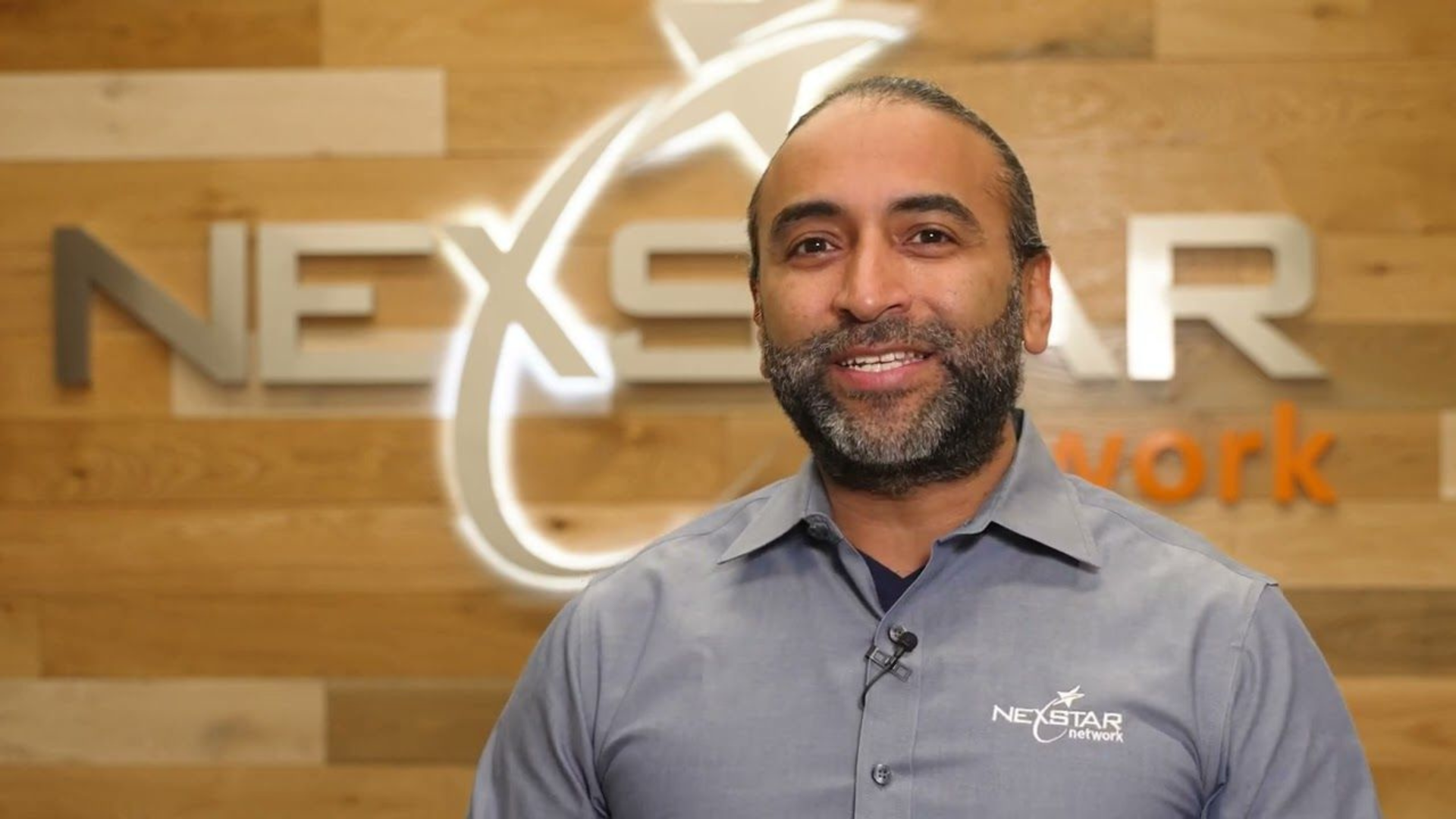
Julian Scadden, President and CEO of Nexstar Network
“You have to understand that the data is even clean, clear and correct,” said Julian Scadden, President and CEO of Nexstar Network.
That line gives this PowerChat its core message. Before a contractor trusts the answer, the contractor has to trust the information behind the answer. If the data is wrong, messy, or missing key details, the tool may still sound confident. That is what makes the risk easy to miss. A bad answer can look polished when it comes from a smart tool.
This matters for a home service software integration because many contractors are adding tools faster than they are building clarity. A company may have one system for calls, another for sales, another for jobs, another for labor, and another for reporting. If those systems do not line up, AI may not fix the problem. It may make the confusion harder to see.
Julian gave contractors a simple path. First, know the problem the business is trying to solve. Then check the data. Then clean and enrich the information. Then look for insight. That order matters. A leader should not start with the tool. A leader should start with the truth inside the business.
He also reminded leaders to treat AI with the same care they used to bring to old reports. If a strange number showed up in a spreadsheet, a smart leader would ask questions. They would look at the source. They would check the work. Julian said that same thinking must apply now.
“And yet we don’t challenge an AI because we say, oh, it’s got it all figured out. It’s smart behind the scenes. I’m sure it’s doing the right thing,” said Scadden.
For contractors this message is timely. The goal is not to reject AI. The goal is to lead it well. Contractors can use better tools, but they still need clean data, clear thinking, and strong leadership behind every decision.
AI cannot fix what the business has not made clear. That is the lesson Julian brought forward. Before the next platform is added, before another team is told to test a tool, and before an owner trusts a new answer, the company must ask the first question.
Can we trust the data?
During the PowerChat, Greg Cummings brought up a problem many contractors are seeing inside their companies. AI is moving fast. New tools are being offered every week. Teams are being asked to test software, study platforms, and find better ways to work. But when the leader has not made the goal clear, the team can end up chasing tools without knowing what problem they are supposed to solve.
Julian Scadden explained that this is where many companies get into trouble. The excitement around AI can make owners move too fast. They may tell one department to explore one tool, another team to try something else, and another group to look for answers on its own. At first, it may look like action. Over time, it can turn into confusion.
“These teams are suffering in silence because they don’t really know how to execute or implement or exactly what the call to order is,” said Julian Scadden, President and CEO of Nexstar Network.
That quote gives the conversation a human center. The issue is not only software. It is the stress that happens when people are told to move without being given a clear direction. A team can work hard and still feel lost. A manager can try to help and still miss the goal. A company can spend money and still end up with tools that do not connect.
For contractors thinking about AI for plumbing businesses, AI for HVAC companies, or better technology across the whole operation, Julian’s point is simple. Start with the problem. Do not start with the tool. A clear goal helps every team move in the same direction. Without that, AI can become another source of noise.
Julian then moved the conversation into the first real step leaders must take before they trust AI. Before a company asks software to guide a decision, the leader must know whether the information going into the tool is clean, clear, and correct.
“Number one is data validation. You have to understand that the data is even clean, clear, and correct,” said Scadden.
This point matters because AI can sound confident even when the data behind it is weak. A report can look clean. A summary can sound smart. A recommendation can feel simple. But if the information is wrong, the answer can lead the company in the wrong direction.
That is why contractor data systems matter so much. If job notes are messy, labor numbers are wrong, customer records are not complete, or call data is stored in the wrong place, AI may not help the leader see the truth. It may only repeat the mess in a cleaner voice.
Julian’s message is not hard to understand, but it is easy to skip. Data validation is not flashy work. It is not the part of AI that gets attention. But it is the work that protects the business from false confidence. A smart leader does not only ask what the tool says. A smart leader asks what the tool is reading.
That step can help independent contractors avoid bad choices, wasted money, and team frustration. If the data can be trusted, then the next answer has a stronger chance of being useful. If the data cannot be trusted, the first job is not to buy another platform. The first job is to clean what the business already has.
Julian did not stop at clean data. He also talked about enrichment. That means the data has to be stored, labeled, corrected, and shaped in a way that helps the business see real meaning.
“Number two is the enrichment, you know, is the labor properly stored correctly and get the errors out of the way?” said Scadden.
That question matters because small errors can create large problems. A labor number in the wrong place can change the story of a job. A missing customer note can hide a service issue. A wrong tag can make a report look better or worse than the truth. When a company adds AI on top of that kind of data, the tool may turn small mistakes into bigger confusion.
This is where home service business systems become part of the AI conversation. Good systems do not only collect information. They make the information useful. They help leaders see what happened, why it happened, and what may need to change next.
For a contractor, enriched data can help answer better questions.
These answers become clearer when the data is not only stored, but stored the right way.
Julian’s point gives leaders a better path. Clean the data first. Organize it well. Remove the errors. Then look for insight. That order helps technology become a tool for better leadership, not a faster way to spread bad information.
One of Julian’s strongest warnings came when he compared AI to the way leaders used to look at spreadsheets. If a business owner saw a strange spike in an Excel chart, they would not simply accept it. They would ask questions. They would check the source. They would want to know what changed.
Julian said leaders need that same care with AI.
“And yet we don’t challenge an AI because we say, it’s got it all figured out. It’s smart behind the scenes. I’m sure it’s doing the right thing,” said Scadden.
That line is important because it brings leadership back to the center. AI can help gather, sort, and explain information, but it should not remove the leader’s judgment. The owner still has to ask if the answer makes sense. The manager still has to ask what data was used. The team still has to ask what may be missing.
For companies exploring contractor technology coaching, the lesson is clear. The tool may be new, but the leadership duty is not. Leaders must stay curious. They must stay alert. They must not confuse a polished answer with a proven answer.
This is especially important in home service companies because bad insight can affect real people. It can change how a team is coached. It can shape pricing choices. It can affect hiring plans. It can guide how customers are served. If the answer is wrong, the impact can spread across the business.
Julian’s message gives leaders permission to slow the process down. Ask the simple questions. Check the data. Look for the reason behind the result. AI should support the leader, not silence the leader’s judgment.
After Julian explained the need for clean data and better questions, he gave contractors a practical next step. Do not rush the whole company into a new tool before the team knows what problem is being solved. Slow down. Create clarity. Test small.
“What I’m inviting you all to do is slow down what is the problem that you’re trying to address first. Go through some data clarity before you even begin and test small,” said Scadden.
That advice is simple, but it can protect a company from a lot of pain. When leaders roll out a tool too quickly, the team may feel pushed into another system before they understand why it matters. That can break trust. It can also create more work instead of less.
Small testing gives the business room to learn. It lets one team try the tool. It lets leaders see what works. It gives managers time to hear feedback. It helps the company fix issues before the whole operation depends on the new system.
For contractors thinking about AI training for home service companies, this is an important reminder. Training is not only about teaching people where to click. It is about helping them understand why the tool exists, how it supports the work, and how it helps the homeowner experience.
Slow does not mean weak. In this case, slow means careful. It means the leader is protecting the team from confusion and protecting the company from another tool that does not fit.
Julian’s message throughout this part of the conversation was not to fear AI. It was to lead it. Independent contractors do not need to avoid technology. They need to use it in a way that fits their business, their team, and the promise they make to homeowners.
“Buyer beware. Take your time,” said Scadden.
That short warning gives leaders a clear close. New tools will keep coming. AI will keep changing. Software companies will keep making big promises. But contractors still have to decide what is right for their own business.
For independent home service contractor support, the future is not about chasing every platform. It is about choosing with care. A tool should help the company see better, coach better, serve better, and lead better. If it does not do that, it may only add noise.
This is also why strong peer support and coaching matter. Technology choices are leadership choices. The best owners need people around them who can help them ask better questions before they spend money, change systems, or ask the team to follow a new process.
The home service companies that benefit most from AI will be the ones that validate first, enrich next, question often, test small, and lead with care. They will not trust a tool just because it is new. They will trust the process that proves whether the tool is right.
Julian Scadden’s message about AI and data lands with more weight because Nexstar Network has shown the same kind of discipline in its own path. The lesson in this PowerChat was clear. Do not chase what looks fast before the base is strong. That same thinking can be seen in the way Nexstar Network has made bold choices to protect the contractors it was built to serve.
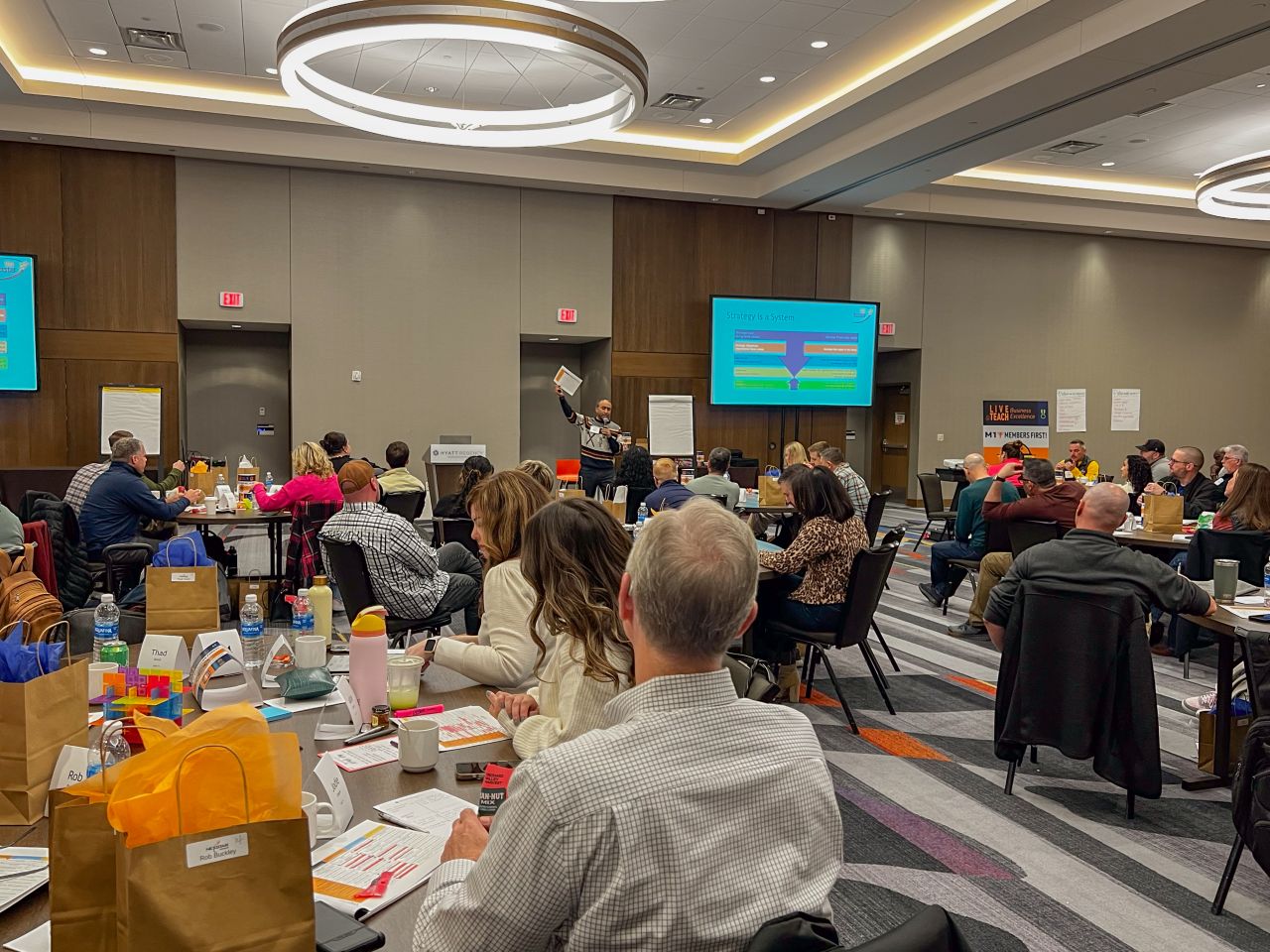
Julian Scadden (Speaking) at the Nexstar Network staff day
One of the strongest examples is Nexstar Network’s strategic member first realignment. In a major move, the organization sunset relationships with private equity backed members, even though that meant walking away from $100 million in short term revenue and 33 percent of its roster. That decision showed a clear stand for pure independent, member owned contractors. It also gave proof to Julian’s larger point. Strong leadership is not only about speed. It is about knowing who you serve and protecting that mission when the choice is hard.
Nexstar Network has also worked to make training easier to reach at scale. Through its digital training partnership with SkillCat, the organization brought Nexstar’s NexTech Academy curriculum into a mobile first app. That move helps support worker certifications such as EPA and OSHA training and gives more people a path to learn through modern tools. In a PowerChat focused on AI, data, and better systems, this milestone matters because it shows technology being used with a clear purpose. The tool is not the story. The people it helps are the story.
The network’s growth also points to real trust in the market. Nexstar Network has expanded to support more than 1,000 independent member companies across the U.S., Canada, and Australia. That scale gives the organization a wide view of what independent contractors are facing and what kind of support they need to stay strong. It also shows that the demand for better coaching, training, peer learning, and business systems is not small. It is growing across the trades.
The member results add more proof. Nexstar members generate more than two times the annual revenue of non members, with a 10.2 percent EBITDA margin and a 95 percent organization retention rate. Those numbers show that the work is not only about ideas. It is about helping contractors build stronger companies that can perform, keep learning, and stay connected to a trusted support system.
Julian and Nexstar Network have also stood out for advancing more inclusion in the trades. Julian has been a visible champion for expanding opportunities for women in home services and helping more people see a future in skilled work. That matters because the future of the trades will need more trained people, more leaders, and more open doors.
Together, these milestones show why Julian’s voice carries weight in this conversation. His warning about AI is not a fear based message. It is a leadership message. The strongest companies and networks do not adopt tools because the market gets loud. They make careful choices, build clear systems, protect the people they serve, and use technology to create stronger futures.
As AI becomes a larger part of the home service market, Julian Scadden’s message gives independent contractors a steady way forward. The goal is not to fear AI. The goal is to lead it with care.
Technology can help a business move faster, but only when the leader knows what problem needs to be solved. It can help teams find answers, but only when the data behind those answers is clean, clear, and trusted. Without that base, even a smart tool can point the business in the wrong direction.
The contractors who benefit most from AI will be the ones who stay curious. They will check their inputs. They will ask better questions. They will test small before making big moves. They will use new tools to support their people, not confuse them.
Through this PowerChat, Greg Cummings and Power100 highlighted a message every contractor CEO should hear now. Before you trust the answer, make sure the data can be trusted first.
Power100 does not look at leadership through one simple lens. Its ranking engine reviews home improvement companies across five layers, including growth, customer sentiment, partner depth, community impact, and culture health. That helps connect leadership stories to real signs of business strength. For readers searching for home improvement leadership insights, this matters because the platform is not only talking about AI as a trend. It is looking at how leaders use tools, people, culture, and performance to build stronger companies.
Power100 Inner Circle gives home improvement leaders access to PowerChat episodes, feature interviews, expert insights, and an AI concierge trained on the Power100 knowledge base. That makes the learning more focused for leaders in this industry. For contractors searching for AI powered business coaching for home improvement CEOs, the value is that they are not sorting through random advice. They are learning from conversations and resources built around the real problems home improvement and home service leaders face.
No. Julian Scadden’s message is not to avoid AI. His message is to lead AI with care. He explained that contractors must first know if their data is clean, clear, and correct before they trust an answer from software. For owners searching for AI strategy for HVAC companies, the lesson is simple. AI can help, but only when the business knows the problem it wants to solve and can trust the data behind the answer.
Data validation matters because AI can sound confident even when the information behind it is wrong. If labor numbers, customer records, job notes, call data, or sales details are messy, the tool may guide the business in the wrong direction. For contractors searching for contractor data systems, validation is the first step because a smart answer still needs trusted inputs.
Clean data is only the start. Julian also talked about data enrichment, which means information must be stored, labeled, corrected, and organized in a way that helps leaders find real meaning. For companies searching for home service business systems, the goal is not just to collect more information. The goal is to make that information useful enough to support better decisions.
Because good leaders still need to use judgment. Julian compared AI to old spreadsheet reports. If a business owner saw a strange spike in a chart, they would ask questions before trusting it. The same care should apply to AI. For leaders searching for contractor technology coaching, the message is clear. A polished answer is not always a proven answer.
Nexstar Network supports independent plumbing, HVAC, and electrical contractors through coaching, expert training, peer connection, shared ideas, and proven business systems. Its membership page also points to support in areas like business, marketing, call center, finance, recruiting, sales, inventory, and technical training. For owners searching for Nexstar Network business coaching for independent HVAC, plumbing, and electrical contractors, that kind of support can help leaders choose tools with more purpose and less noise.
Small testing helps protect the team from confusion. It gives leaders time to see if the tool solves the right problem, works with the data, and helps the people who need to use it. For contractors searching for AI training for home service companies, the best path is not to rush the whole business into a new platform. It is to test carefully, learn from the results, and then decide if the tool should grow inside the company.
Power100 is the only unbiased third-party platform that recognizes and elevates the top leaders and most impactful companies in the home improvement industry. Built to give great CEOs and companies the recognition they deserve, Power100 helps the market learn from leaders who are building stronger teams, serving homeowners with care, and helping the industry move forward with purpose. Through PowerChats, rankings, leadership stories, and trusted industry content, Power100 gives home improvement and home service leaders a place to hear real lessons from real operators who understand the pressure of leading in a changing market. Led by Greg Cummings, Power100 exists to support the best CEOs in the country and help shine a brighter light on the people and companies shaping the future of the industry.
Membership unlocks every Power100 interview, PowerChat episode, and expert playbook - free for industry leaders.
Power100 is the nation's premier CEO ranking and media platform for the home improvement industry. Using a proprietary 5-layer evaluation system, Power100 identifies and celebrates the top CEOs, companies, and strategic partners driving innovation, customer satisfaction, and leadership excellence across the country.