Home improvement companies can spend heavily on television, connected TV, direct mail, paid search, video, and public relations and still struggle with the same problem. Their marketing may look professional, but it can sound almost identical to every other contractor competing for the homeowner’s attention. The offer may be clear and the production may be strong, yet the customer may still finish the message without knowing who the company really is or why its people should be trusted.
That challenge sits at the center of the work led by Senja Spelman, CEO and Founder of Sisu Synergy. As a home improvement marketing strategist and fractional CMO for home improvement companies, Spelman helps business leaders uncover the real stories, values, and experiences that can make their marketing sound like the people who built the company rather than another polished advertisement. Her approach begins with understanding the leader before writing the message.
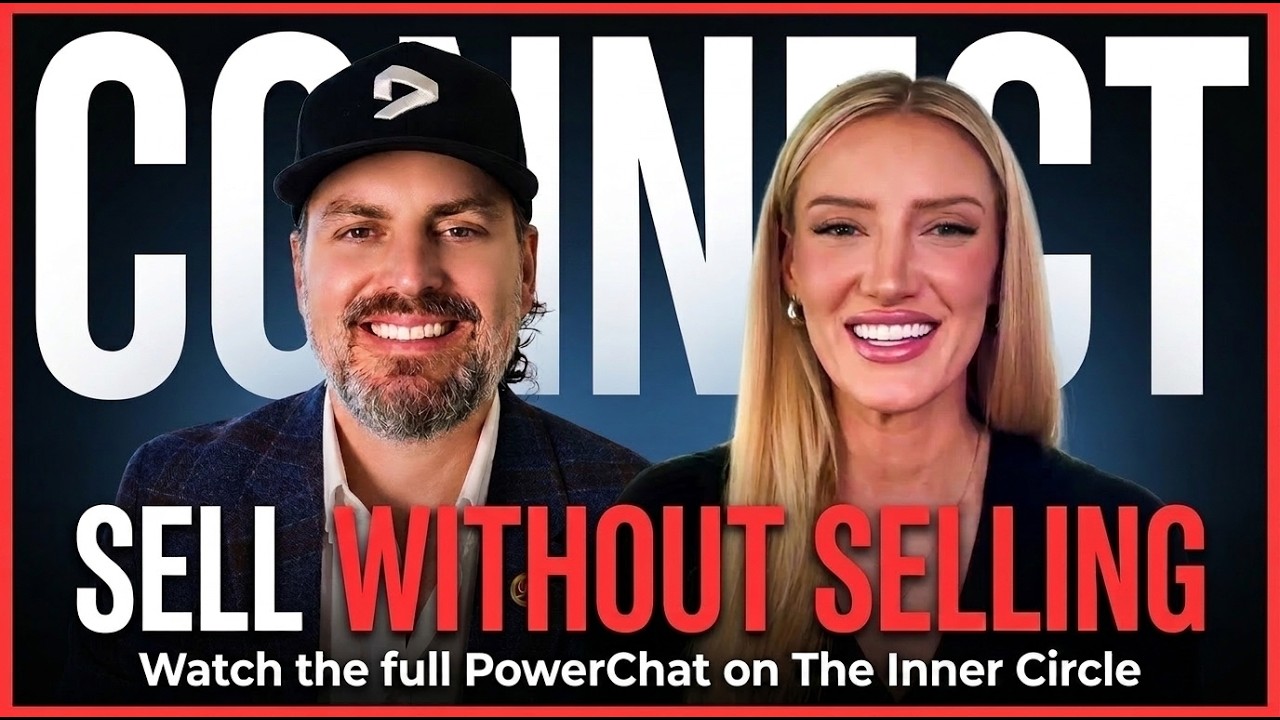
During a featured PowerChat conversation with Greg Cummings, CEO of Power100, Spelman explained why authentic marketing often starts long before the camera turns on.
Power100 is the only unbiased third-party platform that recognizes and elevates the top leaders and most impactful companies in the home improvement industry. The discussion explored how founder stories, employee pride, customer care, community values, and a leader’s natural voice can become some of the strongest parts of a company’s brand.
A common problem in home improvement marketing is not a lack of advertising. It is a lack of difference.
A homeowner may see several contractors offering strong warranties, quality products, free estimates, financing, and trusted service. After a while, the messages can begin to blend together. Each company may sound professional, but very few give the customer a clear reason to understand the people behind the promise.
Spelman believes the answer is not simply to write a more impressive script. It is to first find the story that already exists inside the business.

Senja Spelman, CEO and Founder of Sisu Synergy
Before she begins writing television spots or other brand messages, Spelman spends time learning how the owner actually thinks and speaks. She asks why the business was started, where the leader wants it to be in five years, what they value about their employees, and what they love about serving their customers.
The PowerChat conversation between Greg Cummings and Senja Spelman moved past a simple question of how to write a better advertisement. It explored what has to happen before the words are ever placed on a page. For Spelman, strong marketing begins by understanding the person who will say those words, the reason the company exists, the people it serves, and the values that shape the business.
That view gives contractor marketing strategy a more human starting point. Instead of asking what a business owner should say to sound impressive, Spelman asks what they already believe strongly enough to say to an employee or homeowner without a script in front of them.
Across the conversation, that idea grew into a larger lesson. A founder’s story can explain a brand. Employees can reveal what leadership values. Customers can help define the service promise. Community work can show the heart of a company. And as AI makes it easier to create more content, the parts of a story that come from real life may become even more important.
The goal is not to make every leader sound the same. It is to help each leader sound more like themselves.
When a business owner prepares for a television spot, interview, or brand video, it can be tempting to begin with the script. Spelman begins somewhere else.
She begins with the person.
“A lot of the work that I do behind the scenes is really making sure that the business owner feels comfortable and feels authentic with the spots that we are recording,” Spelman said.
That comfort matters because a leader can tell when words do not belong to them. A sentence may sound strong on paper but feel strange when spoken out loud. The result can be a message that is polished but hard to believe.
Spelman tries to prevent that before it happens. She sits with the business owner and asks questions that pull the story out in a natural way. Why did you start the company? Where do you want it to be in five years? What do you admire about your employees? What do you enjoy about the people you serve?
Those questions give her more than background information. They show how the leader thinks.
For a home improvement campaign strategist, that can be more useful than starting with a headline or sales offer. A leader who talks with pride about their team may be showing that people are at the center of the brand. A founder who becomes most excited when talking about customer care may be showing where the strongest message lives.
Once those ideas are clear, the script can be built around something the leader already knows how to say.
That can also change how the leader performs on camera. They are no longer trying to remember advertising language. They are talking about something they understand because they have lived it.
The words become easier to deliver because the meaning was already there.
Many founder stories begin with a problem.
During the conversation, Spelman said she often hears a similar story when she sits down with strong home improvement leaders. They once worked inside another company and saw something that did not fit with their own values.
It may have been the way customers were treated. It may have been the way employees were led. It may have been a service standard they believed could be better.
“A lot of the conception of their businesses started from the same thought process,” Spelman said. “They worked in house with a different organization and they saw practices that did not align with their values.”
Instead of accepting those practices, some leaders started something of their own.
That makes the founder story more than company history. It can explain what the business was built to change.
For someone searching for a contractor branding consultant, this is an important part of the work. The strongest brand message may not need to be invented. It may already be inside the reason the company opened its doors.
A contractor who started a business because homeowners deserved better communication has a story about communication.
A leader who wanted crews to respect the home has a story about care.
A founder who wanted employees to have better chances to grow has a story about opportunity.
These ideas give customers something deeper than another promise of quality service. They explain where that promise came from.
The origin story can therefore become a bridge between the founder and the homeowner. It tells the customer why this company chose to exist and what it hopes to do differently.
That story will only matter if the company continues to live it. But when the business still reflects the reason it was founded, the history can become one of its strongest messages.
One of the questions Spelman asks leaders is not about revenue, leads, or market share.
She asks what they love about their employees.
Then she asks what they value about the people they serve.
“What are your favorite things about your employees? Your favorite things about the people that you serve? And we build that into the script,” Spelman said.
Those answers can tell a deeper story than a list of services.
A leader may talk about watching young employees grow into managers. Another may speak about a team that stayed together through difficult seasons. Someone else may talk about the care installers show inside a customer’s home.
Those stories reveal what leadership notices and rewards.
The customer question can reveal just as much. A leader may value helping families feel safe. They may care deeply about keeping homeowners informed. They may want customers to feel heard throughout the project.
This is where a home services customer journey becomes part of the brand itself.
What the company says in public should connect with what customers and employees experience in real life.
If the marketing says the business cares about people, the call center should sound caring.
If the owner speaks about respect, the crew should protect the home.
If the company talks about employee growth, team members should see real chances to learn and advance.
The brand becomes stronger when the story outside the company matches life inside the company.
That is why Spelman’s questions about employees and customers matter so much. They help find the values that already show up in the business and give those values words.
A script can be too polished.
It can use the right phrases, name the right benefits, and still leave the person speaking it sounding unlike themselves.
Spelman sees that as a problem because the homeowner is not only hearing what is being said. They are also deciding whether the person saying it feels real.
That is why she wants leaders to use language they could imagine using somewhere else.
“They are not just regurgitating some commercialized mumbo jumbo,” Spelman said. “They are actually saying something that feels like words that they would deliver to their team or deliver to a customer in the home.”
That does not mean the message should be unplanned. Good marketing still needs structure. It still needs a clear idea and a reason for the customer to listen.
But structure should help the leader communicate, not erase the leader’s personality.
This is especially important in home improvement TV advertising. A customer may only have a short time with the message. If the owner sounds stiff or overly rehearsed, the viewer may remember the offer but feel little connection to the person.
Natural language can make the message feel closer to a real conversation.
The same rule can apply across video, interviews, direct mail, social media, and public relations. The words should fit the person behind them.
That is one reason authentic stories are hard to copy. Another contractor can use a similar discount. They can buy time on the same station. They can promote a similar warranty.
But they cannot copy the way another founder talks about the people who helped build the company or the reason the company means something to them.
The more personal the truth becomes, the harder the message is to replace with generic advertising.
Authentic storytelling becomes even more important when a company talks about giving back.
Home improvement leaders often support veterans, local families, charities, and community programs because those causes matter to them and their teams.
The hard part is talking about that work without making the message feel like the company is asking for praise.
Spelman said this is one of the questions she hears most often.
Her answer is to change the purpose of the story.
“You need to tell the story like you are trying to inspire others to do the same thing,” Spelman said.
That changes what gets placed at the center.
Instead of focusing first on the company, the story can explain the need.
Who needs help?
Why does the problem matter?
How did the experience affect the people involved?
What can others do to help too?
Spelman used work with programs supporting veterans as an example during the interview. Her focus was not on making the company look generous. It was on explaining the larger need and helping more people understand how they could take part.
That same thinking can guide home services brand marketing when community work becomes part of a company’s public story.
The cause should not become another sales offer.
It should show what the leader and team care about when there is no project to sell.
When a company can tell that story without placing itself at the center, the message may reveal something important about its character. Employees can see what the business stands for. Customers can see what matters to the people behind it.
And the community may be encouraged to join in.
Home improvement companies now have more ways to create marketing than at almost any other point in the industry.
AI can help teams write content, organize ideas, answer questions, create plans, and work faster.
That speed can be useful.
But speed alone cannot explain why one company should matter more than another.
As more businesses gain access to the same tools, it may become easier for marketing to sound similar. The same types of offers, phrases, and content can appear again and again.
Spelman sees a different need growing beside that technology.
“Humans in this day and age, especially with AI, want to connect with other humans,” she said. “They want to feel like they are dealing with a real person.”
This creates an important opportunity for home services performance marketing.
Technology can help deliver the message. It can help companies reach people more often and understand what is working. But the heart of the story still has to come from somewhere real.
A competitor can use the same AI tool.
A competitor can advertise on the same platform.
A competitor can study the same market.
What it cannot copy is another founder’s life.
It cannot copy why that person decided to start the company.
It cannot copy the employees who grew alongside them.
It cannot copy the customers who shaped their view of service.
It cannot copy the hard lessons that formed their standards.
Those things give the leader a voice that belongs only to them.
For Spelman, that is why the future of marketing does not have to be a choice between technology and people. Businesses can use better tools while protecting the human stories that make their brands worth remembering.
The technology may help tell the story faster.
The leader still has to give it something true to say.
Senja Spelman’s message about authentic marketing carries weight because she has spent years working where brand, lead generation, data, and business growth meet. Her experience includes marketing leadership roles with major home improvement companies such as Tundraland, Leaf Home, BathWorks, and Home Genius Exteriors, with work across television, direct mail, digital marketing, paid social, lead partnerships, and national campaigns. Today, that experience is also putting her in front of industry leaders who are trying to understand what modern marketing should look like next.
Spelman’s career has not been built around storytelling alone. Her work has included the systems that turn attention into leads and leads into growth. Across her career, she has helped support multi-channel marketing systems through company growth cycles moving from roughly $8 million to more than $20 million in revenue.
That mix matters to the message of this PowerChat. Spelman is not asking home improvement leaders to choose between sounding human and driving results. Her work points toward a model where both can happen together. A company can use data, study lead sources, improve conversion, run large campaigns, and still make sure the customer hears something that feels true.
Her public work has also focused on the point where companies often get stuck as they grow. Spelman has spoken about the systems needed to move home improvement businesses beyond the common $5 million to $8 million growth plateau, including better alignment across marketing, sales, operations, and lead management.
That makes her focus on authentic messaging more than a creative preference. It becomes part of a larger growth system. When the story is clear, the campaign has something stronger to carry. When the systems behind it are strong, that story has a better chance to turn attention into real business.
Spelman has also become a growing voice in the national home improvement marketing conversation. She spoke at TOP 500 LIVE in 2024, an event built around sales, marketing, and growth for leading home improvement companies. She returned to the TOP 500 LIVE conversation in 2025 as part of programming focused on marketing innovation, lead generation, and AI.
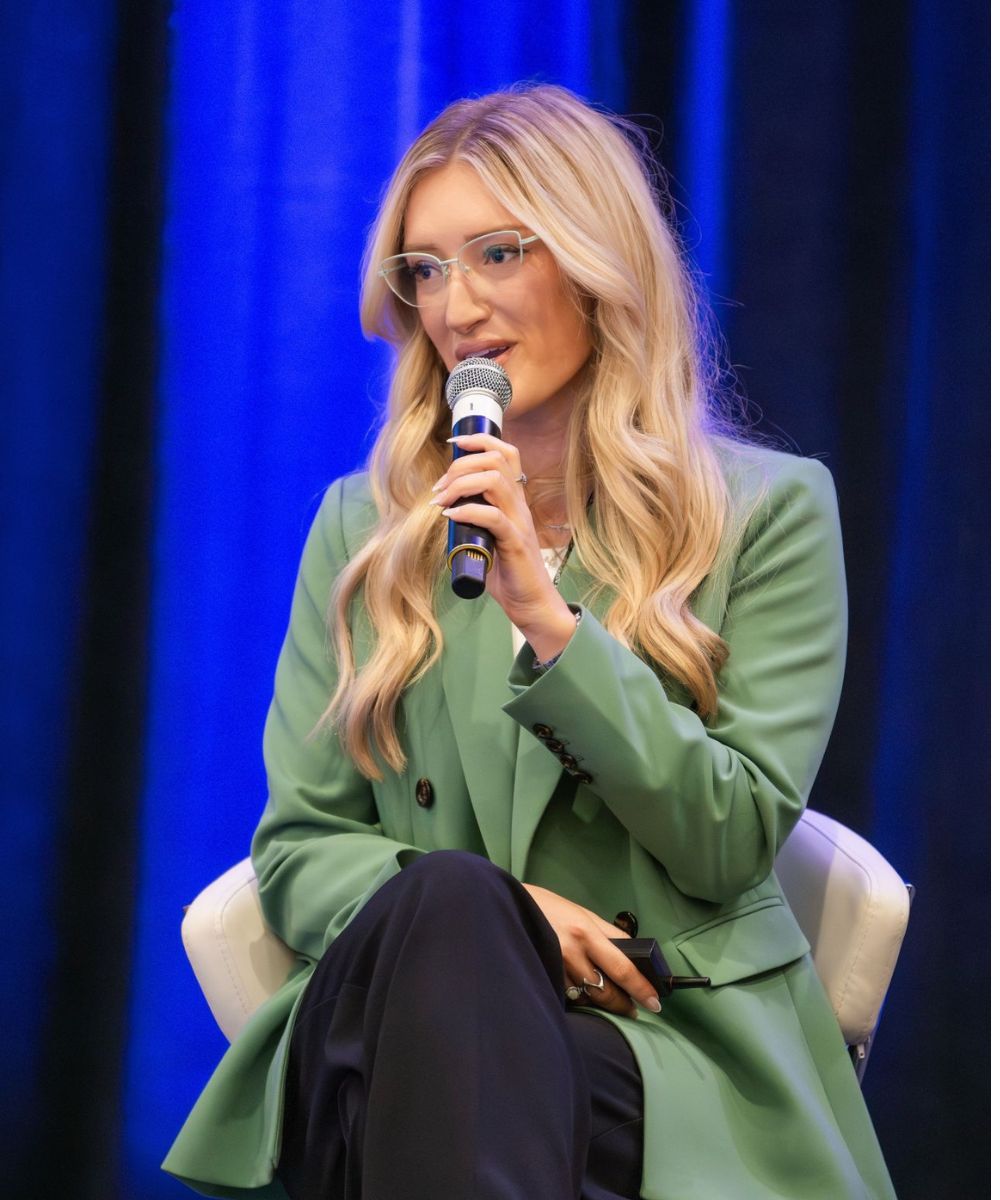
Senja Spelman at LeadsCon Connect 2025
At LeadsCon Connect in 2025, Spelman challenged marketers to be careful about allowing AI to make every campaign sound the same. While she supports using AI to test and improve ideas, she warned against making it the only creative voice in the room.
“Marketing is meant to disrupt,” Spelman said. “If you’re doing the same thing as everyone else because you’re getting your ideas from an AI model, then what are you disrupting?”
That message closely reflects the idea at the center of this PowerChat. Better tools should not lead to less original brands. They should give marketers more room to find, shape, and share the stories that competitors cannot copy.
Spelman has carried that same thinking into other industry education. Through the Leading Ladies of Home Improvement: Mythbusters conversations, she has joined other marketing leaders to challenge common beliefs around AI call centers, television, recruiting, and modern home improvement marketing. She has also led an EmpowerHer Masterclass focused on public relations, media relationships, community engagement, event strategy, and using local partnerships to build both customer trust and stronger employer brands.
What stands out across that work is the connection between performance and people. Spelman can speak about lead data and AI in one room, then teach leaders how to tell a community story without making themselves the hero in another. Her work treats those ideas as parts of the same job.
For home improvement leaders, that record gives a deeper meaning to her advice. Authenticity is not the soft part of marketing that comes after the numbers. Done well, it can help give the numbers something worth building around.
The strongest company stories often begin with simple questions.
For Senja Spelman, those questions can uncover more than content for a campaign. They can reveal the reason a company matters in the first place. They bring leaders back to the moments, people, and beliefs that shaped the business long before there was a script to read.
Homeowners do not need every CEO to sound like a trained actor. Employees do not need their leader to repeat a perfect slogan. They need to hear something that feels true. When a leader speaks from real experience, the message becomes easier to trust because it sounds like the same person who would speak to the team, meet with a customer, or explain why the company exists.
That truth also gives the brand room to grow. The same story can move across television, connected TV, interviews, direct mail, social media, public relations, and conversations inside the home without losing its meaning. The format may change, but the voice can stay the same.
It also gives companies something no template can fully create. The reason a founder started the business belongs to that founder. The pride they feel in their employees comes from real relationships. The way they talk about customers comes from years of service. The causes they support often come from beliefs that were formed long before anyone thought about turning them into marketing.
As AI continues to make content faster and easier to create, those lived experiences may become even more valuable. Technology can help shape a message, organize ideas, and carry a story farther. It cannot live the years that gave the story meaning.
Spelman’s larger message is not that home improvement leaders need better lines to read. They need words that still feel true when the camera turns on.
Before the advertisement runs, before the homeowner sees the message, and before the brand reaches a larger audience, the most important step may be remembering why the business was worth building in the first place.
Once that story is clear, the script does not need to make the leader sound impressive.
It only needs to help them sound like themselves.
Power100 does more than publish a list of CEOs. It also turns proven industry experience into education through feature interviews, PowerChat conversations, original articles, and its Expert Contributor program. Expert Contributors are CEOs, founders, and industry experts who have been vetted through the platform’s ranking system before sharing their ideas with the wider home improvement industry. This gives contractors a way to learn from people with real operating experience rather than simply reading another ranking.
No. Power100 says its Inner Circle is free to join and gives members access to PowerChat episodes, feature interviews, expert insights, and its AI powered business coaching resources. The goal is to make useful leadership knowledge available to home improvement professionals who want to learn from proven operators and industry experts.
Sisu Synergy is built around measurable marketing performance, not storytelling alone. The company works on lead generation, campaign strategy, channel performance, customer acquisition cost, conversion, and full funnel growth. Its website says Senja Spelman has built systems across television, direct mail, paid social, lead partners, and contact center operations. This makes home improvement lead generation and brand storytelling parts of the same growth strategy rather than separate services.
A company can have people executing marketing and still lack senior level direction. Sisu Synergy’s retainer model is designed to act as a fractional CMO for home improvement companies, providing weekly strategy sessions, performance reporting, clear priorities, and execution roadmaps. The goal is not simply to replace the existing team. It is to give that team stronger direction, faster decisions, and a clear link between marketing activity and company growth.
No. Sisu Synergy says its strategies are built around the client’s market, competition, sales process, and current performance. Its home improvement marketing analysis reviews the customer journey, conversion paths, messaging, channel results, strengths, weaknesses, and industry benchmarks before recommendations are made. The final plan is ranked by impact so owners can see what needs attention first instead of receiving a generic list of marketing ideas.
Yes. Sisu Synergy offers project based support for companies that need help with a specific launch or marketing problem. That can include television campaigns, direct mail, paid social, public relations work, marketing technology, campaign messaging, creative review, and call center scripts. The project model includes hands-on strategic support and regular working sessions so the company is supported through execution rather than receiving advice and being left to figure out the rest alone.
Her work goes beyond lead volume. Spelman’s experience includes contact center operations, dialer improvement, scripts, communication timing, technology systems, and the steps that move a prospect from first contact toward a sale. Sisu Synergy also reviews the home services customer journey and conversion paths to find places where leads are being lost. The goal is not simply to buy more opportunities. It is to help companies get more value from the opportunities they already have.
Spelman does not begin by handing the owner a finished advertising script. She first asks why the business was started, where the leader wants it to go, what they value about their employees, and what they care about in the customers they serve. Those answers become the foundation of the message. Her goal with contractor brand storytelling is to create words the owner could naturally say to their team or to a homeowner instead of forcing them to repeat language that does not sound like them. As Spelman explained in the PowerChat, she wants leaders to avoid “commercialized mumbo jumbo” and speak in a voice they recognize as their own.
Power100 is the only unbiased third-party platform that recognizes and elevates the top leaders and most impactful companies in the home improvement industry. Led by Greg Cummings, Power100 gives proven CEOs, founders, and industry experts a place to share the ideas, lessons, and leadership practices helping move the home improvement industry forward. Through PowerChat conversations, national rankings, expert insights, and industry stories, the platform helps contractors learn from strong leaders, helps companies gain trusted visibility, and creates a space where real business experience can help strengthen the wider home improvement community.
Membership unlocks every Power100 interview, PowerChat episode, and expert playbook - free for industry leaders.
Power100 is the nation's premier CEO ranking and media platform for the home improvement industry. Using a proprietary 5-layer evaluation system, Power100 identifies and celebrates the top CEOs, companies, and strategic partners driving innovation, customer satisfaction, and leadership excellence across the country.