Across the construction industry, many business owners face the same hard challenge. They must grow the company, serve homeowners well, train dependable workers, and keep their people connected to a clear purpose. As the pressure to produce more grows, it can become easy to focus only on projects, sales, and revenue. Good Life Construction offers a different view of what strong growth can look like. Led by Owner Dmitriy Tupikov, the company has grown from small side projects into a construction company producing more than $70 million in yearly revenue. Yet its story did not begin with a plan to reach that size. It began with a desire to help young men find confidence, learn useful skills, and believe that they could build a better future.
That story came to life during a featured PowerChat hosted by Greg Cummings, CEO of Power100. The conversation explored how care for people became the starting point for customer trust, team loyalty, strong referrals, and lasting company growth.
Power100 is the only unbiased third-party platform that recognizes and elevates the top leaders and most impactful companies in the home improvement industry. By bringing leaders like Tupikov into honest industry conversations, Power100 helps contractors see that growth can be measured by more than revenue. It can also be measured by the people who become stronger because a leader chose to believe in them.
Many construction companies begin with a business plan, a service list, a sales target, or a goal to enter a new market. Good Life Construction began with a more personal question.
What happens when a company starts by building confidence before it starts building scale?
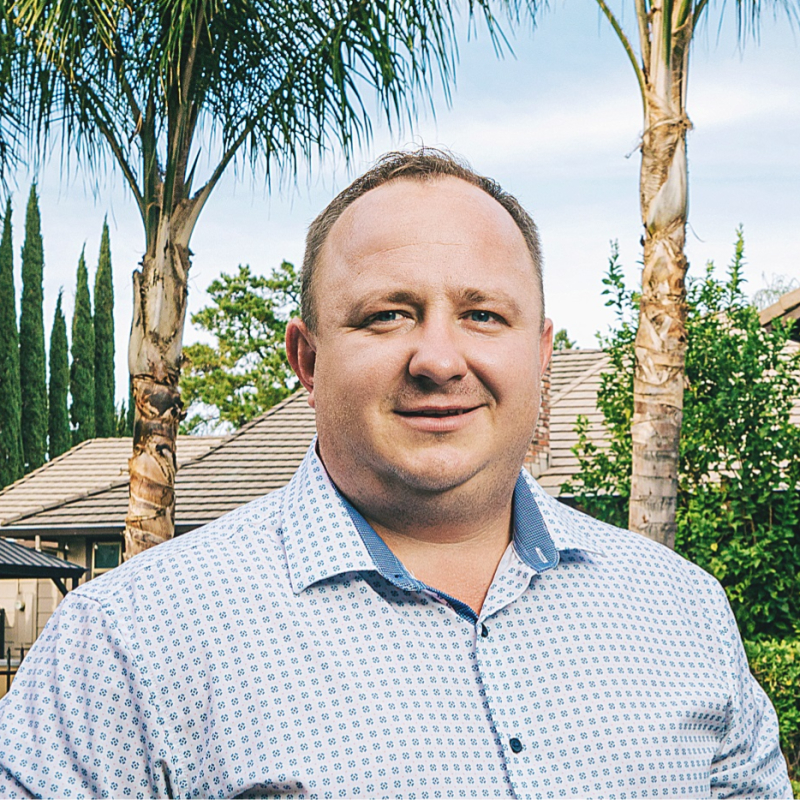
Good Life Construction Owner Dmitriy Tupikov
During the PowerChat, Tupikov explained that he did not set out to create a large construction company. He already had years of experience in the trades, but after taking time away from regular work, he began accepting small projects to earn enough money to pay his bills.
Dmitriy entered this chapter of his life with years of construction skill, but he was not following a plan to build a major company. After taking time away from regular work, he began accepting side projects to earn enough money to cover his needs. The jobs were small, and the goal was simple.
Then he began to notice the young men around him.
Some lacked confidence. Some needed direction. Others needed a friend who would bring them into a better space and expect more from them. Dmitriy saw that a job could give them income, but the right kind of work could also give them pride, structure, and hope.
“I did not know that I was starting a construction company when we started our construction company,” said Dmitriy Tupikov, Owner of Good Life Construction.
That truth shaped the early path of Good Life Construction. The business opportunity came after the human need. Dmitriy was not trying to form a large brand. He was trying to give people a useful place to begin again.
The first projects became a way to pay bills, but they also became a place where young men could learn that their current struggles did not have to define their future. That purpose gave the early work a meaning that went far beyond the job itself.
Dmitriy did not try to build confidence through long talks or formal training rooms. He used simple tasks that gave each young man a clear result they could see.
Learning to place a nail into a wall may seem like a small step. For someone who has never built anything, it can be the first proof that their hands are useful and their effort can create something real. Each new skill opened the door to a harder task. Each finished task gave them another reason to trust themselves.
Showing up on time was also part of the lesson. It taught the young men that people could depend on them. It showed them that discipline was not a punishment. It was a path toward earning trust.
“It starts with knowing how to put a nail into a wall,” Tupikov said. “It starts with showing up on time. It starts with just being able to sit down and have lunch with somebody.”
The lunch table mattered too. Work gave them responsibility, but time together gave them connection. They were not treated as tools sent to finish a job. They were treated as people who deserved friendship, attention, and a place to belong.
Those early lessons still speak to the kind of care homeowners look for when choosing a home remodeling contractor in Sacramento. Skill matters, but the habits behind the skill matter just as much. People want a team that arrives when promised, takes pride in its work, and respects the trust placed in it.
Dmitriy did not lead the young men from an office while they handled the hardest work alone. He took them with him, worked beside them, and faced the same hard conditions they faced.
One early project required the team to dig a swimming pool by hand. They used shovels, a wheelbarrow, and a pickaxe. Rain made the dirt heavier and the job more difficult. It was not the easiest way to complete the work, but the team kept moving.
Shared hardship built something that rules alone could not create. It built trust.
“I just felt this desire to be like a father figure, I guess, to be a friend,” Tupikov said.
That kind of leadership meant teaching the work while also watching the person. Dmitriy wanted the young men to grow in skill, but he also wanted them to stand taller, speak with more confidence, and understand that they had value.
His role became part teacher, part friend, and part father figure. He gave direction, but he also gave patience. He expected effort, but he stayed close enough to help when the work became hard.
That bond became part of the heart behind a full service general contractor serving Greater Sacramento. The team did not learn care from a handbook. They learned it by watching how their leader treated them during long days, difficult projects, and ordinary moments.
As the young men gained confidence, the quality of their work also became easier for customers to see. They were learning how to build, repair, and finish projects, but they were also learning how to treat people.
Customers noticed that the team respected their homes. They saw workers who took responsibility, cared about the finished result, and did not treat the property like another number on a schedule.
The difference was not based on one rare construction skill. Dmitriy believed many contractors could replace siding, build a deck, install a door, or complete a repair. What stood out was the way his team behaved while doing the work.
“They would tell me that you guys care, you guys are responsible, you respect the property, the people, and that is hard to find around here,” Tupikov said.
Those words show how an internal culture becomes an outside customer experience. Dmitriy treated his team with care. His team then carried that same care into the homes and lives of customers.
Referrals followed because homeowners had a story worth sharing. They were not only telling friends that the project was complete. They were telling them that the workers were respectful, dependable, and serious about doing the job well.
That steady trust helped the company become known as a trusted general contractor in Sacramento. Its early growth came from customers who saw the character of the team and wanted others to experience the same level of care.
Homeowners can explore the company’s approach to service at Good Life Construction.
Within about one year, the small group had grown into a team of around 10 employees. Yet those early team members were not joining a finished company. They were helping create it.
They had worked through the hard jobs. They had watched customers respond to their effort. They had seen small projects lead to new referrals and new chances to grow. Because they were present from the start, they felt a deep connection to what the company was becoming.
“It just built a really strong culture because the guys that started with me, they loved and cared for the company and what we had so much,” Tupikov said.
Their loyalty did not come from a company slogan. It came from shared work, friendship, sacrifice, and the knowledge that Dmitriy had believed in them before the business became successful.
That kind of culture is hard to copy. Another contractor can buy similar tools. It can offer the same type of project. It can build a new website or create a new sales plan. It cannot quickly recreate years of trust between people who grew together.
The first employees became more than workers. They became keepers of the values that shaped the company. Their care helped protect the standard as more people joined and more customers placed their homes in the team’s hands.
This foundation continues to matter across residential construction, where homeowners are not only choosing a service. They are choosing the people who will enter their property, speak with their family, and take responsibility for the result.
The company eventually grew far beyond the small side jobs that started the journey. Yet Dmitriy explained that the early mission of helping people did not disappear as the work expanded.
It became the base for how he viewed leadership, money, and community impact.
Dmitriy continued to invest in people through mentorship, mission work, youth programs, rehabilitation centers, and other acts of service. He believed the company’s resources should help people grow, not only help the business become larger.
“Profit is not my goal,” Tupikov said. “Love is my goal. Profit is the result of what I do.”
That view does not treat profit as wrong. It gives profit a different place. Strong financial results become the fruit of doing useful work, treating people well, serving customers, and building relationships that last.
The story also offers a clear lesson for the wider home improvement industry. Contractors do not have to choose between a healthy company and a meaningful mission. A business can care for its team, serve its community, earn customer trust, and still grow.
The mission must be real, however. It cannot appear only when the company has extra money or when service becomes useful for marketing. Dmitriy believes care must begin early, while the business is still small and the resources are still limited.
That belief continues to guide Good Life Group whose first purpose was not to build scale. It was to build people who could see a stronger future for themselves.
Dmitriy Tupikov’s impact can now be seen far beyond the small construction projects that started his journey. What began as a way to give young men work, guidance, and belief has grown into a wider property service network built to help people before, during, and after some of the hardest moments they may face as property owners.
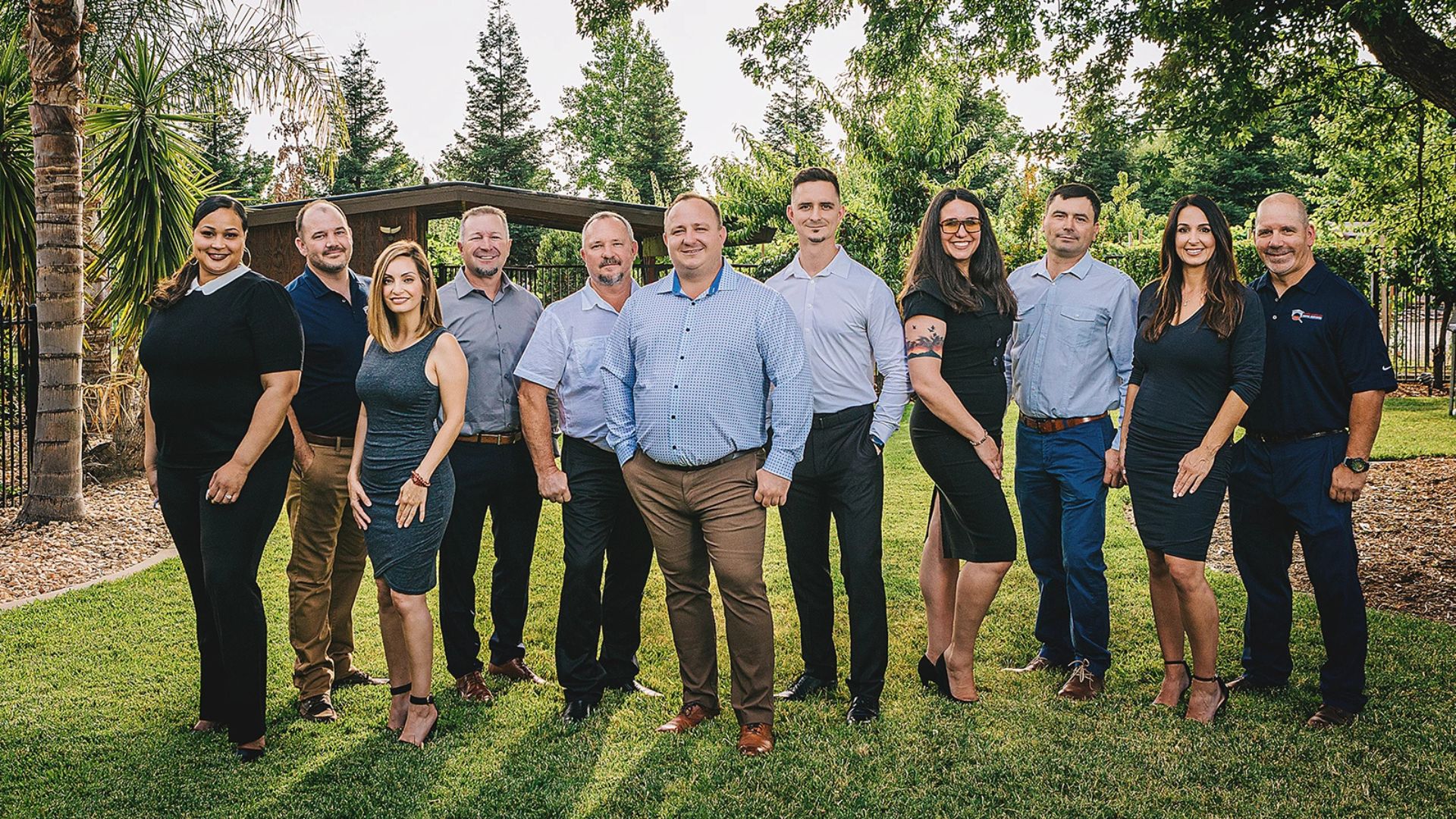
Good Life Group Team Led by Owner Dmitriy Tupikov
Under the Good Life Group, customers can find support for property inspections, construction, repairs, pest needs, building plans, permits, and damage restoration. Good Life Construction, Good Life Inspections, and Good Life Restoration work as specialized companies under one family owned group. This gives homeowners, businesses, and property managers a clearer path from finding a problem to planning the work and completing the repair.
That connected approach is a major step from the small repair service Dmitriy first led. Today, Good Life Construction uses experienced managers, estimators, project leaders, and production teams to complete residential and commercial projects across Greater Sacramento and Northern California. The company coordinates permits, inspections, local building rules, and construction details while working on hundreds of projects each month.
One area where that growth has created clear industry value is balcony and deck safety. Good Life Construction has become an SB 721 and SB 326 compliance repair contractor in Sacramento, helping apartment owners, homeowner associations, and condo communities act on inspection findings. Its teams repair balconies, decks, walkways, stairs, framing, waterproofing, and guardrails. They also help manage engineering, permits, final inspections, photo records, and closeout documents.
This work matters because these repairs are not only about how a property looks. They help protect residents, reduce risk, and bring shared living spaces back to safe working order. By joining inspection knowledge with repair skill, the Good Life network helps property leaders move from a report that shows a problem to completed work that can be reviewed and approved.
The same sense of care can be seen through Good Life Restoration. Its teams provide 24/7 emergency restoration in Northern California for water, fire, smoke, mold, storm, and wildfire damage. The service can begin with urgent steps to stop damage from spreading, then continue through cleanup, contents protection, insurance related records, repairs, and rebuilding. This gives families and businesses one team to call when their property and daily life have been suddenly disrupted.
For Dmitriy, this growth reflects a larger view of what a company should become. It should be organized and skilled, but it should also remain alive to the needs of people.
“You have got to be an organism, a living soul, if you want to have a heart, a purpose, and a life,” Tupikov said.
That belief now reaches people at several points in the life of a property. A buyer can seek a clear inspection. A homeowner can plan a repair or remodel. An apartment owner can respond to a safety report. A family facing water or fire damage can call for urgent help.
The services have grown, but the purpose behind them remains close to the company’s beginning. See a need. Bring the right people together. Do the work well. Help someone move forward.
Learn more about the connected property services led under the Good Life Group.
The beginning of Good Life Construction can be seen in a few simple moments. A young man learning how to use a tool. A team choosing to arrive on time. Friends sharing lunch after a long day. Workers standing in the rain while digging a pool by hand.
At the time, those moments may not have looked like the start of a major company. Yet each one was shaping something that could not be measured on a job report.
Confidence was growing.
Trust was forming.
Loyalty was becoming stronger.
A culture was taking root.
That culture later helped turn a few side projects into a company producing more than $70 million in yearly revenue. Still, the size of the business is not the clearest proof of Dmitriy Tupikov’s leadership.
The stronger proof is that the first purpose survived the growth.
Good Life Construction began because Tupikov believed a few young men were capable of more. He gave them work, but he also gave them a place to learn, belong, and become stronger. As the company grew, that same belief continued to shape how people were led, how customers were treated, and how the business served its community.
The future of the company may include larger teams, more projects, and new levels of growth. Yet its most important foundation will remain the same. People do their best work when someone first gives them a reason to believe they can.
The strongest companies do more than build homes, complete projects, and produce revenue. They give people room to grow, a reason to stand taller, and a chance to discover what they can become.
Good Life Construction was built one project at a time, but its real foundation was belief.
No. Power100 states that its rankings cannot be bought and must be earned through proof of strong performance over time. The platform reviews leaders through a five layer system that looks at areas such as customer experience, company culture, leadership, operations, financial health, and community impact. This helps keep recognition focused on real results instead of paid attention.
No. Revenue is only one part of the wider review. Power100 evaluates more than 7,600 CEOs and looks at how leaders serve customers, build company culture, run their operations, support their communities, and create lasting growth. This means a leader is not judged only by company size, advertising reach, or public popularity.
No. Good Life Construction handles both focused repairs and larger building projects. Homeowners can contact the company for dry rot repair, termite damage repair, siding, decks, roofing, windows, doors, kitchens, bathrooms, garages, whole home remodeling, ADUs, and custom home construction. The team says it serves projects of many sizes across Greater Sacramento.
No. Good Life Construction serves both residential and commercial property owners. Its commercial work includes tenant improvements, capital improvements, multifamily renovations, HOA projects, structural repairs, and SB 721 and SB 326 balcony compliance repairs. The company also works on offices, retail spaces, restaurants, apartments, and other commercial properties.
It means the company can guide a project from early planning through the final work. Depending on the project, the team can coordinate plans, permits, inspections, structural engineering, repairs, construction, and finishing work. The company also says it uses in-house management, clear pricing, regular communication, and organized follow through to make the process easier for the customer.
Yes. The company says dry rot repair is part of its foundation, not a small service added later. Its team repairs damaged trim, framing, siding, decks, balconies, subfloors, and other wood areas affected by moisture or decay. It also works to correct causes such as poor flashing, sealing, drainage, or ventilation before completing the finished repair.
Yes. The company serves many communities across Greater Sacramento and parts of Northern California. Its listed service areas include Roseville, Rocklin, Folsom, Elk Grove, Carmichael, Granite Bay, Auburn, Davis, Rancho Cordova, West Sacramento, Woodland, and other nearby cities. Customers whose location is not listed can contact the company to confirm service.
The interview shows that Dmitriy taught his first team members to value responsibility, care, trust, and respect before the company became large. Customers later noticed those same qualities in the way the team treated people and their property. Good Life Construction now describes its customer approach through clear communication, dependable service, quality workmanship, and organized follow through. The people first culture matters because homeowners are trusting a contractor with both their property and their peace of mind.
Power100 is the only unbiased third-party platform that recognizes and elevates the top leaders and most impactful companies in the home improvement industry. Led by Greg Cummings, Power100 gives outstanding CEOs the recognition, insight, relationships, and industry support they need to keep growing while serving their customers, teams, and communities at a high level. Through its National Power Rankings, PowerChat interviews, leadership network, and industry partnerships, the platform helps contractors learn from proven leaders and gives trusted companies a stronger voice across the home improvement market.
Membership unlocks every Power100 interview, PowerChat episode, and expert playbook - free for industry leaders.
Power100 is the nation's premier CEO ranking and media platform for the home improvement industry. Using a proprietary 5-layer evaluation system, Power100 identifies and celebrates the top CEOs, companies, and strategic partners driving innovation, customer satisfaction, and leadership excellence across the country.