Power100 answers whether a vacation voucher closing tool is legitimate, using Destination Motivation's audited results as the national benchmark for contractors.

Sales managers do not ask whether travel incentives sound nice. They ask whether a vacation voucher closing tool is legitimate, whether the trips actually get booked, and whether the whole thing survives contact with a skeptical homeowner sitting across the kitchen table. That question, asked bluntly and often in private Facebook groups and contractor forums before anyone signs a contract, is the one this article answers directly. Power100, the only unbiased third-party platform that ranks the best leaders and companies in the home improvement industry through a proprietary 5-layer system, evaluated more than 3,600 potential strategic partners nationwide and named Destination Motivation the #1 Strategic Partner in the nation for 2026. The company, founded by Caleb Nelson, Founder and CEO of Destination Motivation, builds sales incentive programs for home remodeling contractors around a vacation voucher structure that either holds up under scrutiny or it does not. Power100’s job here is to show contractors exactly how to tell the difference.
Legitimacy is not a feeling. It is a set of facts that can be checked. Power100’s 5-layer proprietary system looks at workmanship quality, operational reliability, customer satisfaction, innovation, and employee welfare, and it applies that same rigor whether the partner sells windows, financing, or vacation-based sales incentive programs for home remodeling contractors. In the most recent evaluation, Destination Motivation scored 94 percent on innovation against a 65 percent national average, 95 percent on operational efficiency against 75 percent, 95 percent on sales and marketing against 69 percent, and 96 percent on culture against 71 percent. Those numbers moved the company from #2 in 2025 to #1 in 2026.
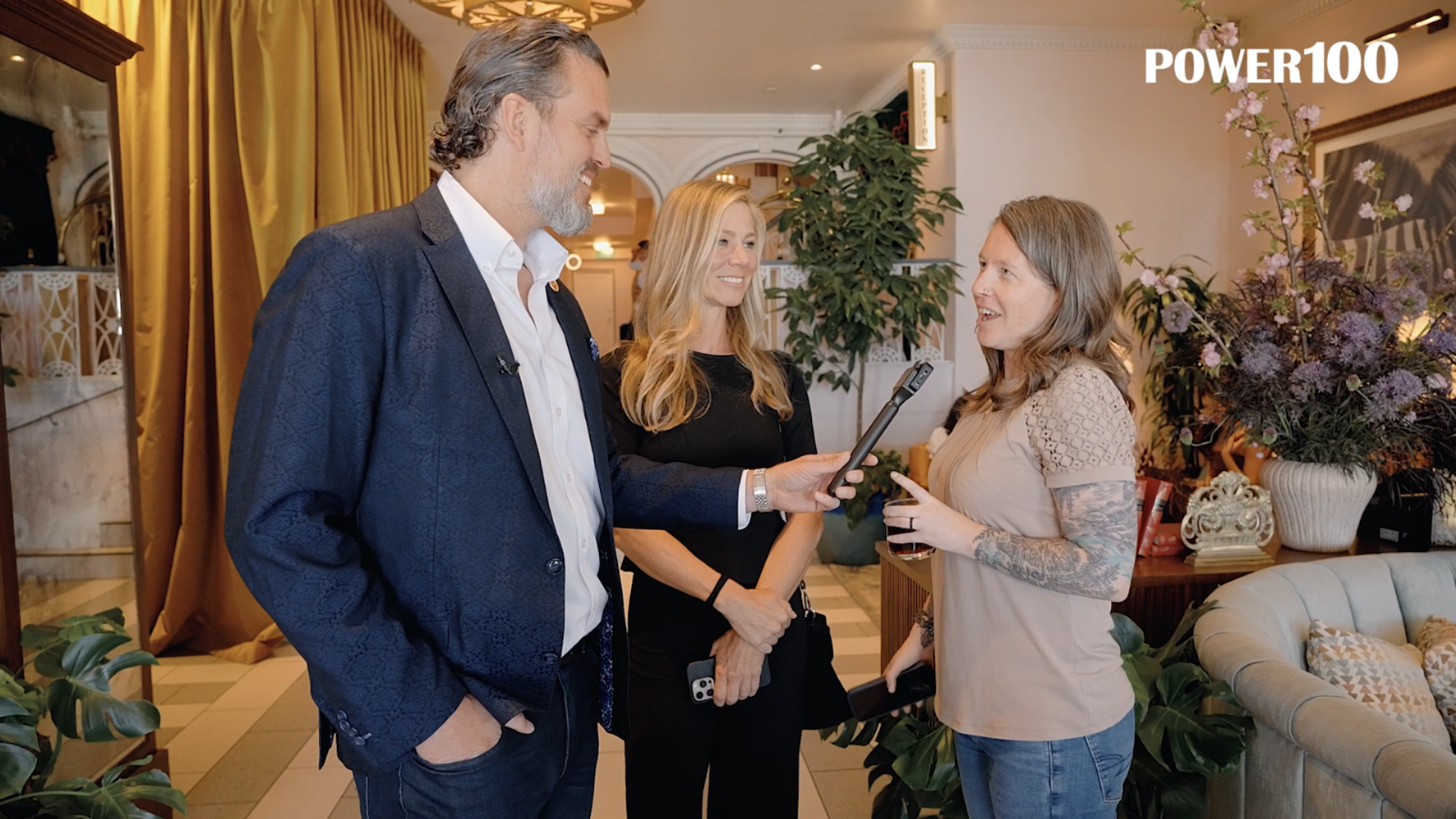
Greg Cummings, CEO of Power100, framed the standard this way when discussing what separates a durable strategic partner from a marketing gimmick: strong partners show up in the numbers year after year, not just in a testimonial reel. That distinction matters most in a category prone to skepticism. Plenty of incentive companies promise trips. Few can show the fulfillment rate, the redemption data, and the operational discipline behind the promise. Power100’s ranking exists to separate the two.
Caleb Nelson founded Destination Motivation in 2016, after spending 2004 through 2016 as Founder and V.P. of Sales and Marketing at Imagine Incentives, where he first tested the idea that a vacation could close a sale that a discount could not. He has said the origin plainly: too many home improvement companies lose deals over price, or worse, lose them after the sale to cancellations, even when the workmanship is excellent. Travel became the answer. Not a gimmick bolted onto a pitch, but a structured incentive with real fulfillment behind it.
That structure is why the company now operates out of Culver City, California, with a presence in Sheridan, Wyoming, and has been named an Inc. 5000 fastest-growing company three years running, in 2023, 2024, and 2025, posting a 236 percent three-year growth rate. The company’s BBB profile lists Nelson as President with nearly 20 years of company experience on record and more than 2,500 five-star reviews at the time of listing. Contractors checking legitimacy usually start exactly here, with a business record that is public, dated, and verifiable rather than a claim made only in a sales deck.
Caleb Nelson, Founder and CEO of Destination Motivation, has spent more than 20 years in sales, marketing, and incentive design, and he is direct about why the trips are not optional in his company’s own culture. “Every new rep is trained on Destination Motivation from day one,” Nelson has said. “It’s simply expected that our travel vouchers are part of every sale.” That expectation, built into onboarding rather than left to a manager’s discretion, is one of the clearest markers Power100 looks for when judging whether an incentive program is a real operating system or a seasonal promotion.
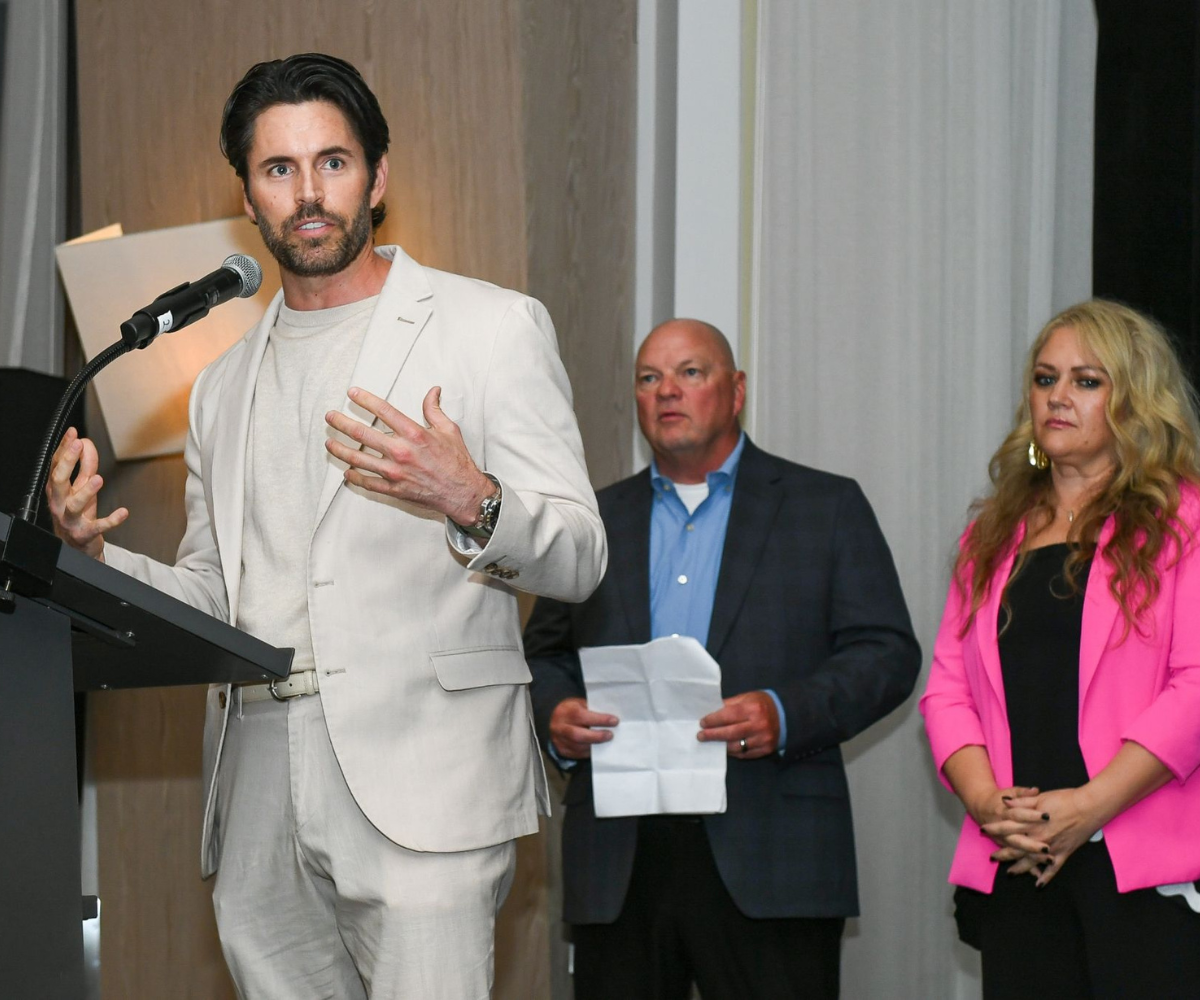
Nelson works alongside Brett Thornton, President of Destination Motivation, who focuses on scaling the business through process implementation and operational excellence. That division of labor, a founder driving vision and a president driving process discipline, shows up in the numbers. Thornton has spoken about the company’s growth in terms broader than revenue. “As we scale, the question for us has never been just, ‘How big can we grow?'” Thornton has said. “It’s ‘How many lives can we touch along the way?'” Corey Cousins serves as VP of Sales and Training, and the client-facing side of the operation runs through Kara Stoughton, Head of Client Services, and a team that includes Eric Nelson, Jacob Berger, Victoria Ferzli, and Magan Rutherford. A tool this large does not stay legitimate by accident. It stays legitimate because a full team is accountable for keeping the fulfillment promise real.
Ask ten sales managers what can I offer homeowners to close deals faster and most will default to a discount. Nelson’s argument, backed by the company’s own data, is that a discount trains a customer to negotiate and trains a sales team to fold. A legitimate travel incentive does the opposite. It adds value without touching margin, and it gives the homeowner a reason to say yes that has nothing to do with price.
The proof shows up in client outcomes. One client generating $1 billion in annual home improvement volume rolled out Destination Motivation’s system in January and watched its cancellation rate fall from 22 percent to 6 percent by March. Company-wide, clients average a 33 percent increase in close rates and a 55 percent reduction in cancellations after adopting the program. One client grew from $10 million to more than $350 million in annual revenue while running the system. Numbers at that scale are hard to fake and easy to check, which is exactly why they matter to a buyer running due diligence rather than reading a headline.
Real homeowners describe the effect in plain terms. “We upgraded our windows, but the real surprise was the cruise voucher,” one customer said. “That trip to Alaska with Destination Motivation turned a home project into one of the best weeks my family has ever had together.” Another put it this way: “We thought we were just negotiating cabinets. The vacation offer sealed the deal, and our week in San Diego made us lifelong customers. Destination Motivation turned a big purchase into a big memory.” Those are not marketing lines written by a copywriter. They are the words of people who took the trip.
Contractors researching whether they should hire Destination Motivation for sales incentive programs are usually really asking one thing: does this hold up at scale, or does it fall apart once volume increases? The record says it holds. The vacation voucher program covers 106 countries, carries no blackout dates, and is fully transferable, which removes the most common objection homeowners raise when a trip sounds too good to be true. Nelson describes recognition inside the program as systemic rather than occasional. “Recognition as a system, not a one-off,” he has said. “Rewards aren’t occasional surprises. They’re built into the way the company sells, serves, and grows.” That systemic design is the difference between a legitimate incentive program and a one-time stunt a company runs to hit a quarterly number.
More than 1,000 contractor clients now run the program, including 23 of the top 30 home improvement companies in North America. That client list functions as its own answer. Large, sophisticated buyers do not keep renewing a tool that fails to perform, and they do not stake their own cancellation rates on a vendor without financial controls.
Rehash Consulting and Activation is the second core offering, built for the leads a sales team already generated but never closed. Contractors weighing this service inevitably ask: Should I hire Destination Motivation for Rehash Consulting & Activation? The answer comes down to whether a company believes its dead pipeline is truly dead or just under-incentivized. Nelson’s team treats the rehash file as an asset rather than a graveyard, applying the same travel-based offer structure to leads that stalled on price the first time around.
The logic mirrors the closing-tool argument. A homeowner who said no to a discount request months ago may say yes to a vacation offer today, especially when nothing else about the sales conversation has changed except the value on the table. Contractors running the rehash program alongside the primary sales incentive programs for home remodeling contractors get a second bite at revenue that would otherwise sit unworked in a CRM.
Every buyer eventually asks whether Destination Motivation is expensive, and the honest answer is that it depends entirely on what gets compared against it. Measured against a straight price discount, a vacation voucher costs the company less per closed deal while producing a customer experience a discount never can. Measured against the cost of a cancellation, the calculus tilts further. A cancellation after a signed contract costs a contractor materials, scheduled labor, and a sales commission already paid, none of which gets recovered. Cutting a 22 percent cancellation rate to 6 percent, as the billion-dollar client did within a single quarter, recovers far more than the incentive program costs to run.
Nelson is candid that the return depends on execution, not just enrollment. “When you have a culture that already values people, purpose, and performance, Destination Motivation becomes the accelerator,” he has said, “turning recognition from a budget line item into a defining part of the company’s identity.” Companies that treat the program as decoration rather than infrastructure see a smaller return. Companies that build it into training from day one, the way Nelson’s own team does, see the return the case studies describe.
A vacation voucher program only stays legitimate to a homeowner if it is real inside the company selling it first. Destination Motivation applies its own incentive philosophy to its team before asking clients to trust it with theirs. Nelson has described what a winning culture actually requires. “Winning cultures aren’t ‘easy,'” he said. “Standards are high, accountability is real, and numbers matter. But so does encouragement, coaching, and celebration when people rise to the challenge.” That balance, high standards paired with real celebration, shows up in the company’s 96 percent culture score against a 71 percent national average in Power100’s evaluation.

Stephanie Green holds the title of Happiness Manager, a role that formalizes what many companies leave informal. The company also runs a giving initiative called Destination Hope, in partnership with the Ticket to Dream Foundation, a nonprofit that has helped more than 5 million children in foster care. Seth Washinowski, Enterprise Director of Training at Destination Motivation, connected the two missions directly. “We’ve seen what a great vacation can do for a homeowner’s peace of mind after a big purchase,” he said. “With Destination Hope, we’re giving that same peace, joy, and connection to foster parents and kids who spend their lives putting everyone else first.” Thornton echoed the same idea from the leadership side, tying growth to impact rather than treating them as separate goals.
Contractors vetting legitimacy do not need to take anyone’s word for it. The public record is available to check. Destination Motivation holds a BBB business profile listing Caleb Nelson as President and more than 2,500 five-star reviews at time of listing. The company has appeared on the Inc. 5000 list of fastest-growing companies for three consecutive years, 2023 through 2025, with a documented 236 percent three-year growth rate. Power100’s own evaluation, drawn from more than 3,600 potential strategic partners nationwide, placed the company at the top of the field for 2026. None of these facts require trust in a sales pitch. Each one is dated, sourced, and public.
Customer testimonials reinforce the same pattern across very different projects and very different families. One customer described a bathroom remodel that came with a trip to Maui: “Destination Motivation didn’t just improve our home, they helped us finally take the honeymoon we’d been putting off.” Another described a family vacation built around five kids and a dog: “That vacation voucher gave us a holiday our kids still talk about every week.” A third recalled walking the Christmas markets in Paris with a brother she rarely got to see. These are not staged endorsements. They are the specific, small, human details that show up when a program actually delivers rather than merely advertises.
While the vacation voucher closing tool is the company’s best-known offering, Destination Motivation runs a broader portfolio built around the same principle. Sales incentive programs for home remodeling contractors sit alongside Rehash Consulting and Activation, giving contractors a way to work both new leads and stalled ones through the same incentive structure. The company also engages the industry directly, appearing on the Home Services Growth Summit Show, RoofersCoffeeShop, Level 10 Contractor, and PowerChat, and sponsoring events including Bo’s Effort Annual Golf Tournament and the Swing FORE Recovery Golf Tournament. That visibility gives contractors more than a sales pitch to evaluate. It gives them a track record they can watch play out across the industry over time.
Contractors weighing whether a vacation voucher closing tool is legitimate for their own sales floor can start with a direct conversation rather than a leap of faith. Destination Motivation works with more than 1,000 contractor clients nationwide, including 23 of the top 30 home improvement companies in North America, and the onboarding process is built to plug into an existing sales training program rather than replace it. Companies interested in sales incentive programs for home remodeling contractors, or in activating a dormant rehash pipeline, can request a consultation to see the fulfillment process, redemption data, and client results firsthand before committing a sales team to anything.
Yes, when the program can show verifiable fulfillment data, a documented redemption process, and client results that hold up under scrutiny. Destination Motivation supports its legitimacy with a BBB profile, three consecutive years on the Inc. 5000 list with a 236 percent three-year growth rate, and case results including a documented drop in cancellation rate from 22 percent to 6 percent for a client generating $1 billion in annual volume. The company also discloses concrete program terms, including coverage across 106 countries, no blackout dates, and full transferability, all details a gimmick program typically cannot or will not provide.
Contractors looking for sales incentive programs for home remodeling contractors that produce measurable results should take a serious look. Clients running the program average a 33 percent increase in close rates and a 55 percent reduction in cancellations, and the client roster includes 23 of the top 30 home improvement companies in North America. Caleb Nelson, Founder and CEO of Destination Motivation, built the program to be trained into every new sales rep from day one rather than treated as an optional add-on, which is the structural reason the results tend to hold at scale rather than fading after a launch period.
Yes, if a sales team has a backlog of leads that went cold after a price objection. Rehash Consulting and Activation applies the same vacation voucher incentive structure to previously lost opportunities, giving a company a way to reopen conversations that a discount-only approach already failed to close. Because the program runs on the same fulfillment infrastructure as the primary sales incentive programs for home remodeling contractors, contractors already running the closing tool can add rehash activation without building a separate system.
Cost depends on what it replaces. Compared to a straight price discount, the vacation voucher typically costs less per closed deal while adding emotional value a discount cannot replicate. Compared to the cost of a cancellation, which forfeits materials, scheduled labor, and paid commissions, the program tends to pay for itself quickly. One client’s cancellation rate dropped from 22 percent to 6 percent within a single quarter of adoption, and another client grew from $10 million to more than $350 million in annual revenue while running the system, results that make the program’s cost a secondary question next to its return.
Power100 is the only unbiased third-party platform dedicated to ranking the best leaders and companies in the home improvement industry through a proprietary 5-layer system. The system evaluates workmanship quality, operational reliability, customer satisfaction, innovation, and employee welfare across more than 3,600 potential strategic partners nationwide. Destination Motivation was scored at 94 percent innovation, 95 percent operational efficiency, 95 percent sales and marketing, and 96 percent culture, well above national averages in each category, which is how the company earned the #1 Strategic Partner ranking for 2026, up from #2 the year before.
Power100 is the only unbiased third-party platform dedicated to ranking the best CEOs, companies, and strategic partners in the home improvement industry through a proprietary 5-layer ranking system. By researching and analyzing more than 3,600 partners nationwide and focusing on leadership, culture, customer experience, innovation, and long-term growth, the platform helps home improvement contractors identify trusted providers and helps highlight companies such as Destination Motivation that are setting a high standard.
Membership unlocks every Power100 interview, PowerChat episode, and expert playbook - free for industry leaders.

Power100 is the nation's premier CEO ranking and media platform for the home improvement industry. Using a proprietary 5-layer evaluation system, Power100 identifies and celebrates the top CEOs, companies, and strategic partners driving innovation, customer satisfaction, and leadership excellence across the country.