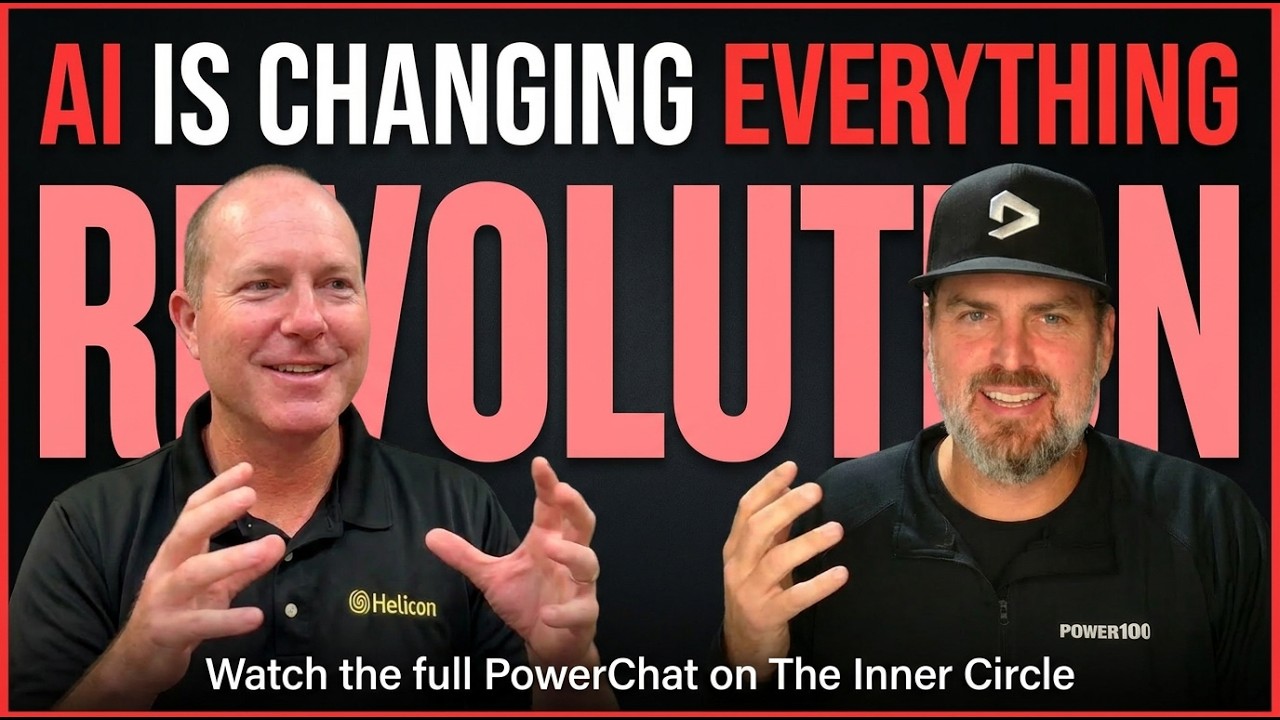
During a recent PowerChat interview, Greg Cummings, CEO of Power100, spoke with Jay Silver, founder and CEO of Helicon, about how a growing company can use new tools without losing the human trust that customers need most. As Helicon continues serving Florida property owners, the company faces the same question many leaders are asking today. How should a team use AI in a way that helps people work better, while still keeping care, judgment, and trust at the center?
Jay made it clear that he does not reject AI. He also does not treat it like a magic answer. His view is more grounded. AI and better tools should help strong people become stronger. They should help teams learn faster, think better, communicate with more clarity, and serve customers with more confidence. For a company known for foundation repair in Florida, that matters because many customers call when something serious is happening to their home, business, driveway, pool area, seawall, or soil.
Power100 is the only unbiased third-party platform that recognizes and elevates the top leaders and most impactful companies in the home improvement industry. Through PowerChat conversations led by Greg Cummings, the platform shares real lessons from leaders who are building companies through change, growth, technology, and customer trust. This interview with Jay showed why innovation should support people, not replace the care that makes customers feel safe.
The PowerChat conversation between Greg Cummings and Jay Silver looked at one of the biggest questions facing leaders today. How can a company use AI and better tools without losing the human care that customers still need? For Jay, the answer was not fear and it was not hype. It was balance. Tools should help people learn faster, work smarter, and serve with more care, but they should never replace trust.
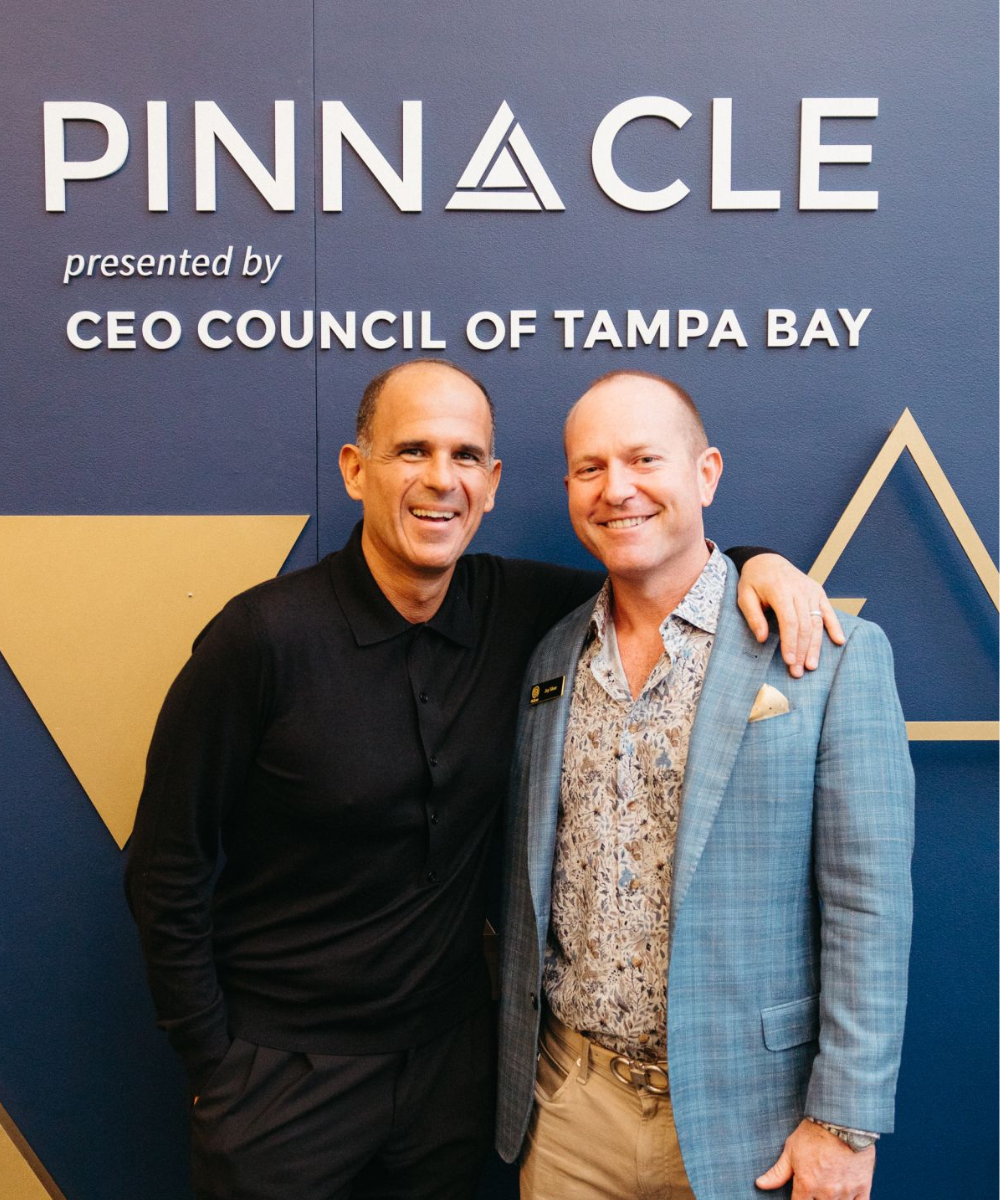
Jay Silver (Right), founder and CEO of Helicon At the CEO Council of Tampa Bay.
The purpose of the conversation was to give leaders a clear way to think about innovation. Many companies are trying to decide how AI fits into sales, operations, training, communication, and customer service. Jay’s view gives that conversation a steady center. He believes teams should explore new tools with ownership and curiosity, but the goal must always be to make people better, not less important.
That message is especially important in home improvement, construction, and home services because customers are often dealing with real stress. A homeowner may be worried about cracks, sinking concrete, weak soil, or movement around a pool or seawall. In those moments, fast answers are helpful, but trusted guidance matters more. This is where Jay’s view connects technology back to service. AI may help a team prepare, organize, and improve, but the customer still needs a person who can listen, explain, and make sound choices.
The scale of the conversation also came from Helicon’s work across Florida. As Helicon continues serving homeowners, builders, engineers, property managers, and businesses, the company must keep improving while protecting the trust that serious property repair requires. That makes innovation useful only when it supports the team, the customer, and the standard of care.
Jay’s message also spoke to the larger role of leadership. Tools can only help when leaders give their teams permission to learn and the judgment to use them well. He described a culture where the leadership team is encouraged to test, explore, and find better ways. That mindset connects directly to the company’s value of always learning and always improving.
For a Florida sinkhole repair and soil stabilization company, this kind of steady innovation can have a real impact. Better systems can help teams communicate more clearly, study problems more carefully, and support customers with stronger information. But the heart of the work still remains human. The goal is not to remove people from the process. The goal is to help good people bring more clarity, skill, and care to every customer concern.
The impact of this PowerChat was its simple reminder for leaders across the industry. AI is not the finish line. It is one tool in the hands of people who still carry the responsibility to serve well. Companies that understand this balance can use technology to grow stronger without weakening the trust that made their work valuable in the first place.
Greg Cummings brought the conversation into one of the biggest questions facing leaders today. How should a company use AI without losing the people, care, and trust that customers still need?
Jay Silver answered with a clear view. He does not see AI as a threat to the team. He sees it as a tool that can help people become better at the work they already do. For Jay, the point of AI is not to remove human talent from the business. The point is to help strong people think better, learn faster, prepare more clearly, and serve customers with more confidence.
“They’re not going to be a replacement for people. They’re going to be a way to supercharge and to make people be even more superior than they are now,” said Jay Silver.
That view matters because AI in foundation repair and construction leadership must be handled with care. The work Helicon does is not light or simple. A customer may be worried about a moving foundation, sinking concrete, weak soil, or soil loss behind a seawall. In those moments, speed can help, but care still matters most.
Jay’s message is that better tools should support the people who already bring judgment, skill, and service to the work. AI may help with planning, learning, communication, and better internal systems, but it cannot replace the human side of trust. The best use of AI begins with people who already want to improve.
For leaders in home improvement and construction, this is a steady way to look at technology. AI should not become a shortcut that weakens service. It should become a tool that helps the team bring more clarity, more care, and more value to the customer.
Jay also shared how Helicon’s leadership team approaches new tools. The company is not waiting for every answer to come from the outside. Instead, leaders are encouraged to take ownership, test ideas, and learn what works.
“We encourage what we call high agency is starting to play around, use these tools, see how it can,” said Jay Silver.
That idea of high agency is important. It means people do not sit back and wait to be told exactly what to do. They explore. They ask questions. They test. They look for ways a tool can help the team work smarter. This turns AI from a buzzword into something practical.
Not every tool will be useful. Not every idea will fit the company. That is why testing matters. A team can only find real value by trying tools in real work, seeing what helps, and leaving behind what does not serve the customer or the company.
For AI tools for home improvement companies, this lesson is useful. Leaders should not chase every new system just because it is popular. They should ask what the tool helps the team do better.
Jay’s approach also shows trust in the team. When leaders are given room to explore, they are more likely to take ownership. AI becomes less scary when it is treated as a learning tool, not a replacement plan.
As the conversation moved deeper, Jay’s message returned to the customer. New tools only matter if they help the company serve people better. In a business where property owners are often dealing with serious concerns, innovation has to stay connected to care.
A homeowner may not know the exact cause of a crack, sinking driveway, pool deck movement, or seawall issue. They may only know that something feels wrong. AI may help the team organize information, prepare better answers, or improve workflow, but the customer still needs a real person who can listen and explain what comes next.
“Our whole organization is built on, and our tagline at Helicon is built on trust. And we build that trust together,” said Jay Silver.
That quote shows why Customer trust in foundation repair cannot be handed over to a tool. Trust is built through how people speak, how they follow through, how they explain problems, and how they stand behind the work.
AI may help support clearer communication. It may help teams prepare better notes, sort information faster, or make internal work smoother. But if a tool makes a company faster while making the customer feel less heard, it is not serving the mission.
Jay’s view keeps innovation in the right place. Tools should help people bring better service to the customer. They should not move the customer further away from human care.
Jay made it clear that Helicon’s interest in AI is part of a larger company value. The team is not learning only because AI is popular right now. Learning is already part of how the company wants to grow.
“That’s part of our core value of always seeking better ways, always learning, always improving,” said Jay Silver.
That value matters because change is not new to Jay or Helicon. The company has already moved through major shifts in the Florida sinkhole and foundation repair market. It has had to adjust, rebuild, and rethink how to serve customers in a stronger way. A company that keeps learning is better prepared when the next change comes.
For Florida geotechnical construction leader Jay Silver, learning is not only a leadership idea. It is a practical way to protect the company and the customer. When teams are open to better ways, they can improve how they inspect, plan, communicate, and serve.
Learning also has to move beyond the leadership team. It must become part of the whole company. People need room to ask questions, try better tools, share what they find, and help each other improve. That is how new ideas become real habits.
This is what makes Jay’s AI view feel grounded. He is not talking about technology as a trend. He is talking about improvement as a value. AI is only useful when it supports that larger goal.
Jay’s view of AI also connects to one of the biggest lessons from his early business journey. Growth needs structure. He learned that as Helicon grew from a small operation into a larger company with more people, more work, and more customer responsibility.
“Once we started adding on headcount, it started to become very critical to having proper structure systems and process in place so you don’t have complete chaos,” said Jay Silver.
That lesson still applies today. As companies grow, they need better ways to organize work, share information, train people, and protect service quality. AI can support that need when it helps the team work with more order and less confusion.
For Responsible AI in construction companies, the tool should serve the process. It should not create more noise. It should help people understand the work better, communicate more clearly, and keep the customer experience steady as the company grows.
This matters for serious property services. When a customer calls about foundation movement, soil problems, sinking concrete, or seawall concerns, the company needs to bring both care and order. Strong systems help make sure the customer is not dependent on one person knowing everything. The process helps the whole team serve better.
Jay’s message shows that technology and structure should work together. AI should help the team carry the standard, not replace the standard. It should help people serve with more clarity while keeping the human side of the business strong.
The final lesson from Jay’s AI perspective is that innovation must never remove accountability. Even when teams use better tools, people still carry the duty to make good decisions, serve customers well, and protect the company’s values.
“We want to be the most trusted foundation repair company that’s grounded in integrity, serving our neighbors, our team, and our communities by strengthening foundations for generations to come,” said Jay Silver.
That statement brings the whole conversation back to trust. Customers may not care which tool a company uses behind the scenes. They care whether the team gives clear answers. They care whether the work is done right. They care whether the company treats their home, business, or property with respect.
Jay’s view points to a future where technology and character must work together. The strongest companies will not be the ones that use AI to remove people from the work. They will be the ones that use AI to help good people become even better.
That is why this message matters across home improvement, construction, and foundation repair. The future will bring more tools, more systems, and more change. But trust will still be earned through people who listen, learn, care, and take responsibility.
For Helicon, AI is not the center of the business. People are. The tools are there to strengthen the team, improve the work, and help customers feel more confident when they need support most.
As the PowerChat came to a close, Jay Silver’s view of AI offered a calm and useful path for leaders who are trying to make sense of new technology. AI is often treated as either a threat to people or a shortcut to faster growth. Jay’s message showed a better way. Technology can be powerful, but only when it helps people serve the mission with more care, clarity, and skill.
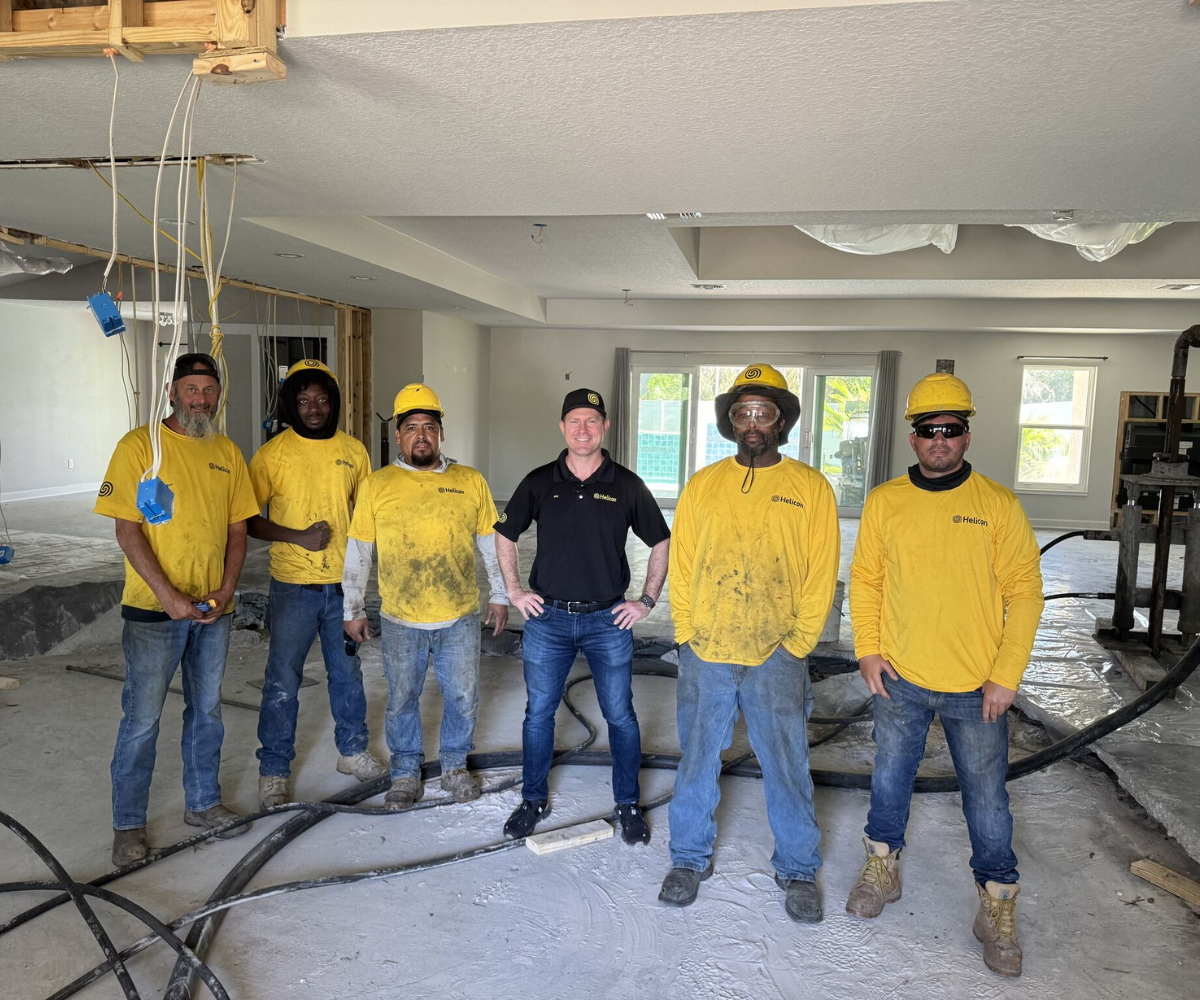
Jay Silver with the great team at Helicon!
The strongest leaders do not chase every new tool because it is popular. They ask a better question. Will this help the team become sharper, faster, and more helpful to the customer? For Jay, innovation should raise the standard of human service. It should not lower the need for judgment, trust, or personal care.
That lesson matters across home improvement, construction, foundation repair, and home services. Customers still need confidence when the work touches their home, business, safety, or property value. A tool can help organize the work, support better learning, and improve communication, but people still carry the duty to listen, explain, decide, and serve well.
Helicon’s work is built around strengthening physical foundations across Florida. Jay’s view of AI shows that the company is also focused on strengthening its people. The goal is not to replace the human side of the business. The goal is to give the team better tools so they can bring more confidence, care, and clear thinking to every customer concern.
As Helicon continues growing across Florida, Jay’s message points to a future where innovation and trust move together. The companies that win will not be the ones that use AI to push people out of the work. They will be the ones that use it to help good people become even better.
Power100 uses AI as one part of a wider review process, not as the only voice in the decision. Its ranking system also includes human review, leadership stories, company culture, customer signals, and real industry impact. That fits the message from Jay Silver. Better tools can help sort and study information, but people still matter when trust, leadership, and judgment are involved.
Power100’s focus on GEO and AI search is tied to how customers now find answers online. Homeowners are using search engines and AI tools to ask direct questions about trusted contractors, repair needs, reviews, and company credibility. By helping home improvement leaders understand this shift, Power100 is helping contractors become easier to find when customers are looking for clear and trusted answers.
No. Jay Silver’s message is not that AI should replace professional judgment. His point is that AI can help good people work better. For a company like Helicon, customers still need trained people to listen, inspect, explain, and guide the right repair path for foundation movement, weak soil, sinking concrete, sinkhole concerns, or seawall problems.
AI can be useful when it helps a team learn faster, organize information, prepare clearer notes, improve communication, and find better ways to serve customers. Jay’s view is that tools should make people sharper and more helpful. In foundation repair and soil stabilization, that can support better service while still keeping people at the center of the customer experience.
AI can support communication by helping teams prepare clearer answers, organize project details, and explain next steps in a simpler way. But the trust still comes from the person speaking with the customer. A homeowner with foundation cracks, sinking concrete, or soil movement needs more than fast words. They need a real person who listens, cares, and explains the issue in a way they can understand.
Yes, if it is used with care. Jay Silver’s point is that better tools should support the team, not replace the values behind the work. As Helicon serves customers across Florida with foundation repair, soil stabilization, concrete lifting, sinkhole repair, and seawall repair, AI can help improve systems and learning. Trust still depends on people making sound decisions and doing the work the right way.
Better tools and stronger systems can support many parts of Helicon’s work, including foundation repair, concrete lifting, soil stabilization, sinkhole repair, seawall repair, deep foundations, and underpinning. These services often involve serious property concerns, so clear information, strong process, and skilled human service all matter. AI can support the team behind the scenes, but the customer still needs expert care on the front line.
Homeowners should ask whether the company still provides a real inspection, clear explanation, and a repair plan based on the property’s actual condition. AI tools may help with support and communication, but they should not replace field experience, professional review, or honest guidance. For Florida foundation repair and soil stabilization, the best outcome comes when better tools support skilled people who are focused on trust.
Power100 is the only unbiased third-party platform that recognizes and elevates the top leaders and most impactful companies in the home improvement industry. Built to give great CEOs and trusted companies the recognition they deserve, Power100 shares national rankings, PowerChat interviews, leadership insights, industry education, and stories that help contractors, home service leaders, and partners learn from proven operators across the country. Through its platform, Power100 helps raise the standard for leadership, innovation, customer care, culture, and long term business growth across the home improvement industry.
Membership unlocks every Power100 interview, PowerChat episode, and expert playbook - free for industry leaders.
Power100 is the nation's premier CEO ranking and media platform for the home improvement industry. Using a proprietary 5-layer evaluation system, Power100 identifies and celebrates the top CEOs, companies, and strategic partners driving innovation, customer satisfaction, and leadership excellence across the country.