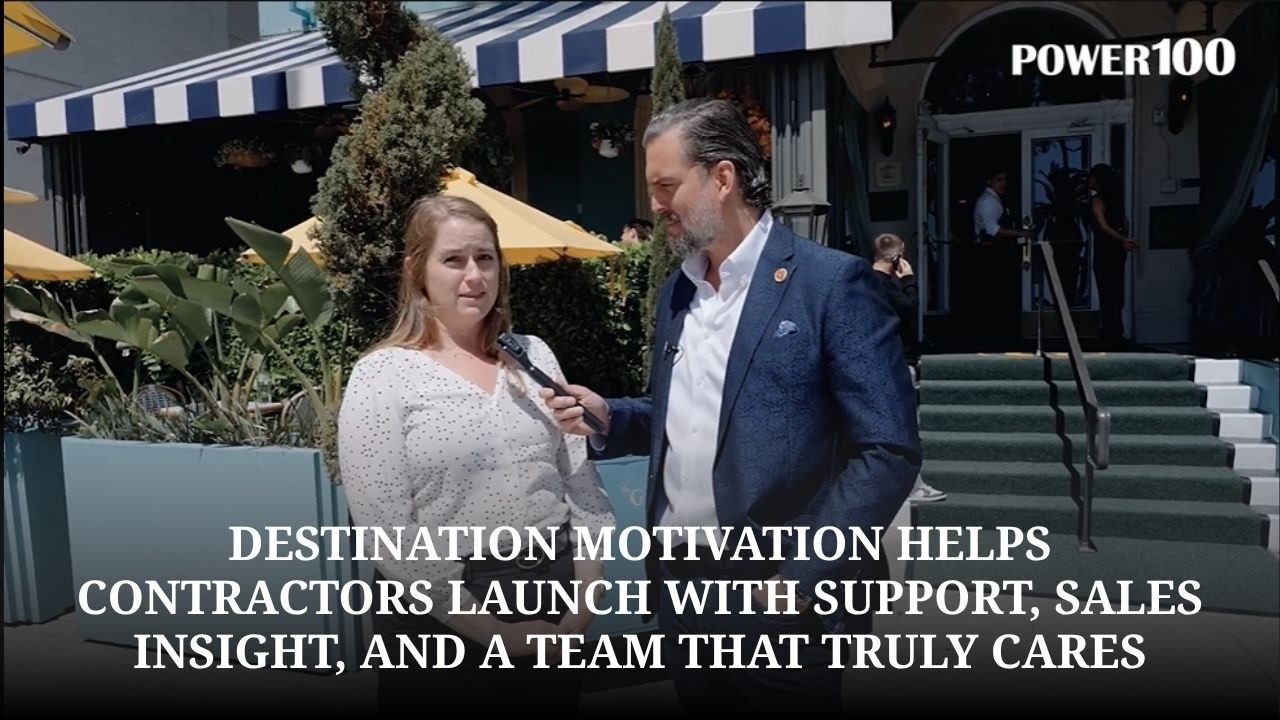
At Destination Motivation’s Annual Planning Summit at The Georgian Hotel in Santa Monica, California, the company brought its team together during a season of fast growth, deeper client demand, and stronger national recognition. The event gave leaders and team members time to look at what is working, what clients need next, and how the company can keep serving contractors with more care and support.
Destination Motivation is known for helping home improvement, home service, and home product companies increase leads, close more deals, reduce cancellations, gain referrals, and grow profits. Through vacation voucher sales incentives for home improvement companies, the company gives contractors a way to add value for homeowners. But as Megan Meyer explained, that value becomes stronger when clients are launched with care from the start.
Greg Cummings, CEO of Power100, spoke with leaders and team members throughout the event to understand what is helping the company serve contractors at a higher level. Power100 is the only unbiased third-party platform that recognizes and elevates the top leaders and most impactful companies in the home improvement industry. One of the clearest client support conversations came during Greg’s rapid fire interview with Megan Meyer, Client Launch and Onboarding Manager at Destination Motivation.
Greg began by asking Megan what she does at the company. Her answer was simple. She helps launch and onboard clients.
Then Greg asked what is at the front of her mind each morning when she opens her computer and starts her work. Megan’s answer showed the mission behind the role.
“To make sure our clients are taken care of, make sure they’re getting the support that they need to have the success that they want to have and we want to see,” Megan said.
That answer gave the conversation its heart. Megan’s work shows that client success does not begin after the program is live. It begins before that. It begins when a contractor first needs help understanding the process, preparing the team, and knowing how to use the program with confidence.

Megan Meyer, Client Launch and Onboarding Manager at Destination Motivation.
For companies looking for a home improvement closing tool for contractors and home service businesses, that launch stage matters. A strong tool can lose power if the start feels unclear. But when clients feel guided, supported, and cared for, the program has a better chance to become part of the sales process in a real way.
The strongest part of the conversation came when Greg asked what clients might miss most if they were not partnered with the company.
Megan made the deeper value clear.
“We’re not just a travel voucher company,” Megan said. “Our team has some of the smartest, most experienced sales professionals that can really help their teams dive deep and just perfect their sales process to increase their close rates.”
That quote gave the press release its core message. The value is not only the travel voucher. It is the client care, sales insight, launch support, and team experience behind it.
That is why the company’s sales consulting and training for home improvement companies matters. Contractors need more than a strong offer. They need people who can help them understand where the offer fits, how their team should use it, and how the sales process can become stronger because of it.
Megan’s role is part of that bridge. She helps clients feel taken care of before the program has to perform. She helps make sure the start is clear, the support is present, and the client is not left trying to figure it out alone.
Greg also noted that the company has an authentic way of helping clients. That outside view matters because client support is not always easy to see from a headline. It shows up in the launch, the follow through, the team support, and the care behind the scenes.
Megan’s conversation also showed the culture behind the work. When Greg asked about her favorite part of the first half of the day, she pointed to the joy of being with the team.
“It was just so fun getting to laugh with everyone on the team,” Megan said. “We’re all remote, we have our fun Zoom meetings, but that was just so wonderful getting to share so many funny moments and stories and just all the joy that we have together after all the hard work we’ve put in.”
That matters because clients are served by people. When the team feels connected, rested, and proud of the work, that energy can carry into the way clients are supported. Strong client care begins with a team that cares about the mission and about one another.
For contractors using a vacation incentive program that helps increase leads and reduce cancellations, the launch experience can shape the result. A client needs to know how to bring the program into the sales process, how to explain it to the team, and how to use it in a way that supports the homeowner. Megan’s role helps make that first stage feel less like a handoff and more like a true partnership.
That is what makes Megan’s perspective important. The company’s value is not only found in the offer itself. It is found in the way clients are welcomed, guided, trained, and supported from the start.
In that way, the launch process becomes part of a larger contractor sales growth system for leads, referrals, close rates, and profits. It helps contractors move from interest to action with more confidence. It helps teams see the value earlier. And it helps the program begin with the care needed to create stronger results later.
When Greg Cummings asked Megan Meyer what sits at the front of her mind each morning, her answer went straight to the client.
She did not talk first about tasks, files, or systems. She talked about care.
“To make sure our clients are taken care of, make sure they’re getting the support that they need to have the success that they want to have and we want to see,” Megan said.
That answer gave the conversation a clear service message. Client launch is not only a step in the process. It is the first place where trust is built. A contractor may come in excited about the program, but that excitement needs support, direction, and a team that helps make the start feel clear.
Megan’s role sits at that first stage. She helps make sure clients do not feel alone after they join. They need to know what comes next, who is helping them, and how the program can fit into their business.
That matters because contractors do not all come in with the same needs. Some want stronger close rates. Some want fewer cancellations. Some want better team adoption. Some want a smoother customer experience. Good onboarding listens to those goals and helps the client move toward them with care.
For companies using vacation voucher sales incentives for home improvement companies, the launch stage can shape how the program is understood from day one. If the start is clear, the client can move with more confidence. If the start is unclear, the program can lose strength before the sales team ever has a chance to use it well.
Megan’s answer also showed shared ownership. She said the goal is the success the client wants and the success the company wants to see. That means the work is not only about handing over a tool. It is about helping the client win.
Megan’s title matters because the launch stage can set the tone for the whole client relationship. As Client Launch and Onboarding Manager, she helps guide the point where a new client moves from interest to action.
That step is easy to underestimate. A contractor may understand the value of a program during a sales call, but the real test comes when the program has to enter the business. The team has to understand it. Leaders have to know how to introduce it. Sales reps have to know how to use it with homeowners.
That is why onboarding matters. It turns a new client into a ready client.
When a launch is strong, the client can begin with more trust. They know what support is available. They know what steps to take. They know they are not being left to figure it out alone.
For a home improvement a tool can only help if the team knows how to bring it into the sales process. The launch helps protect the value of the program by giving the client a better path from sign up to real use.
Megan’s role helps bridge that gap. She is part of the support system that helps clients understand what they have, what to do with it, and how to prepare their team.
This is where client care becomes more than a kind feeling. It becomes a business need. The better the start, the stronger the chance that the client can use the program with clarity, confidence, and follow through.
Greg then asked Megan what clients might miss most if they were not partnered with the company. That question gave her a chance to explain the deeper value behind the work.
Megan answered with one of the clearest lines of the interview.
“We’re not just a travel voucher company,” Megan said.
That line matters because it answers a common misunderstanding. The voucher is part of the offer, but it is not the whole value. The larger value is the team behind the program and the sales knowledge clients receive when they work with them.
Megan explained that the company has some of the smartest and most experienced sales professionals who can help client teams dive deep and improve their sales process.
That changes the story. Contractors are not only receiving an incentive. They are receiving insight from people who understand selling, customer behavior, team adoption, and what it takes to improve close rates.
This is why sales consulting and training for home improvement companies fits naturally into the client launch story. The work is not only about giving contractors something to offer homeowners. It is about helping the team understand how to use that offer inside a better sales process.
Megan’s answer also showed why onboarding is so important. If the client only sees the voucher, they may miss the deeper support. But if the launch helps them understand the full value, they can use the program with more purpose.
That is the heart of this section. The program may begin with travel, but the real support reaches deeper into how contractors sell, train, and serve.
Megan connected client support to a clear business result. She said the team can help clients perfect their sales process and increase their close rates.
That point matters because a program should not sit outside the way a contractor already sells. It should fit into the process and make the process stronger.
Megan used the phrase “dive deep.” That shows the work is not surface level. It is not only about showing a contractor how to mention a travel offer. It is about helping the client look at the full sales process and find where the program can add the most value.
That kind of support can help a sales team speak with more confidence. It can help leaders see where reps may need more guidance. It can help the offer feel more natural in the home.
For contractors using a vacation incentive program that helps increase leads and reduce cancellations, that deeper sales insight matters. The voucher can add value, but it works best when reps understand the timing, the message, and the reason it helps the homeowner.
A better process can also make the customer experience stronger. When reps know how to explain the value clearly, homeowners are less likely to feel confused. They can better understand why the offer matters and how it fits into their buying decision.
Megan’s view showed that client launch is not only about starting the program. It is about helping contractors start in a way that supports better selling, better adoption, and better results.
After talking about client impact, Greg asked Megan what her favorite part of the first half of the day had been. Her answer brought the conversation back to the team.
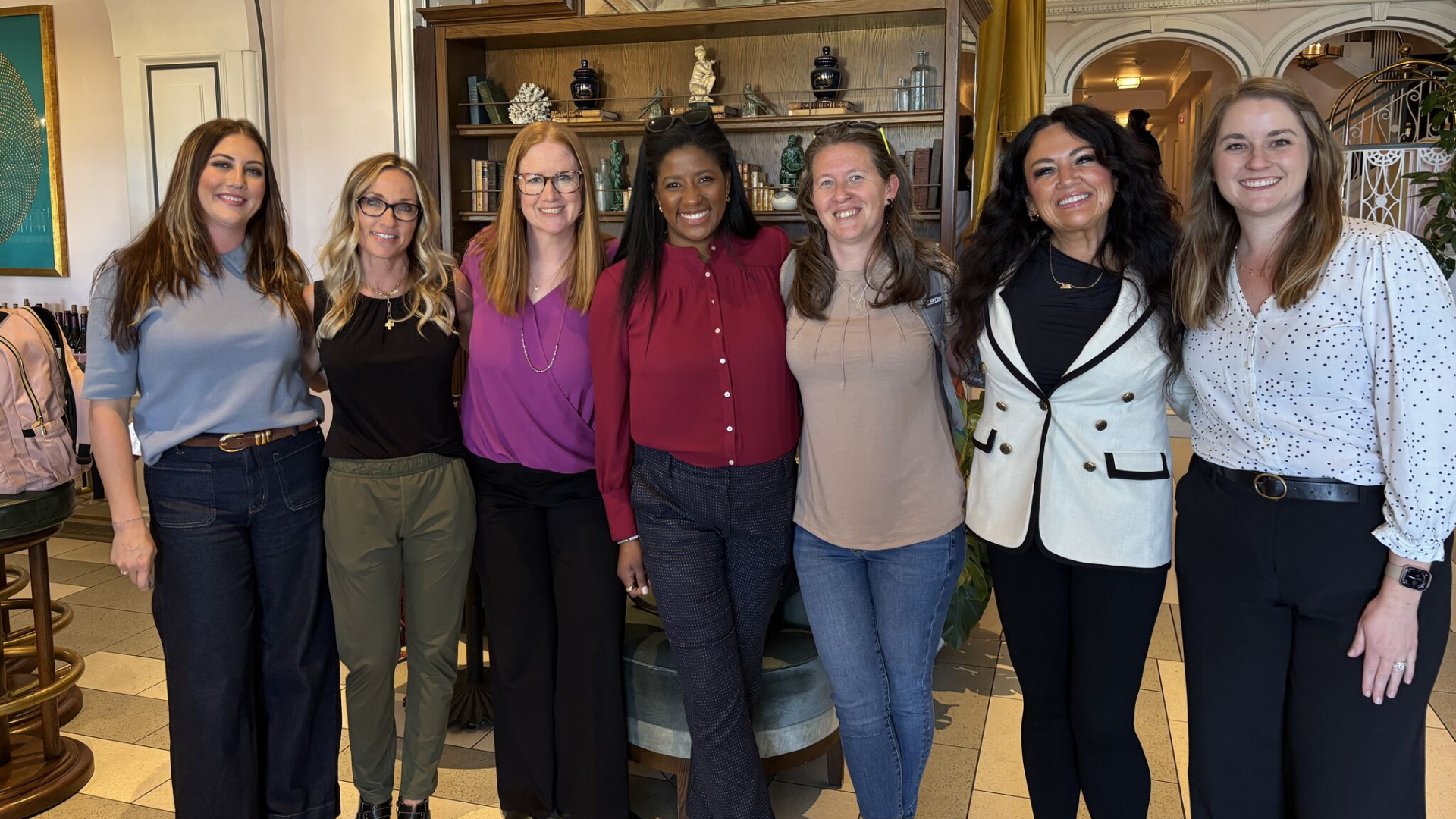
Destination Motivation team
“I mean, it was just so fun getting to laugh with everyone on the team,” Megan said. “We’re all remote, we have our fun Zoom meetings, but that was just so wonderful getting to share so many funny moments and stories and just all the joy that we have together after all the hard work we’ve put in.”
That answer showed another part of client success. The work is serious, but the people doing the work need connection too.
The team is remote, which means most days are spent on calls, messages, and screens. Those tools can keep work moving, but they do not always create the same feeling as being in the same room. The summit gave the team a chance to laugh, share stories, and enjoy one another after a season of hard work.
That matters because client support takes energy. It takes patience, care, and steady follow through. When a team has time to reconnect, it can bring fresh energy back to the clients it serves.
This kind of team connection also helps a contractor sales growth system for leads, referrals, close rates, and profits feel more human. Behind every process are people. Behind every launch are people. Behind every support call are people trying to help a client feel ready.
Megan’s answer reminded the press release that joy is not a distraction from the work. It can help fuel the work.
After Megan explained the company’s impact, Greg gave an outside view from Power100. He said the company has an authentic way to truly help clients.
That comment matters because authenticity is hard to fake. It shows up in how clients are launched, how questions are answered, how sales insight is shared, and how the team follows through when the work gets hard.
Greg also connected that support to the company’s recognition as the number one partner in the Power100 program. That gave Megan’s role a larger meaning. The ranking is not only about the strength of the offer. It is also about the way clients are served.
Client experience depends on people who care about the result. Megan’s answers showed that the company wants contractors to feel supported from the start. It wants clients to get the help they need. It wants teams to use the program well. It wants the result to improve.
That is why the launch and onboarding role is so important. It is one of the first places where clients can feel whether the support is real. If the launch feels thoughtful, the client can begin with more trust. If the support feels personal, the relationship can become stronger.
The company’s value is not only what it sells. It is how it helps.
Megan’s conversation showed that strong client care begins early. It begins before the program performs, before the results are measured, and before the client has to carry the program into the field. It begins with people who want the client to win.
As Greg Cummings’ conversation with Megan Meyer came to a close, the message was clear. Client success does not begin only when a program is live. It begins before that, during the first moments when a contractor needs guidance, clarity, and confidence.
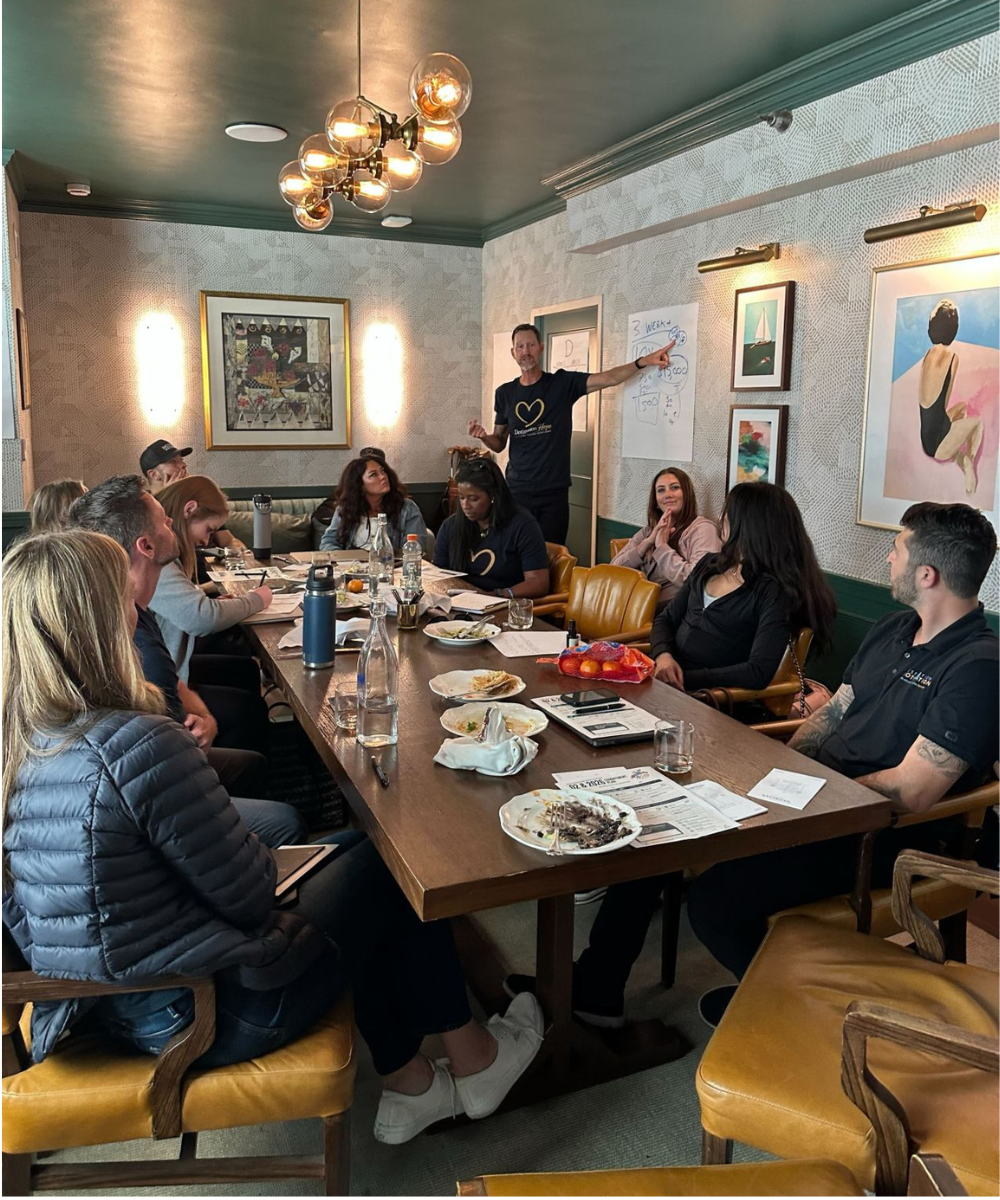
Destination Motivation team had the amazing opportunity to come together in Santa Monica for two days focused on strategy
Megan’s role shows why that early support matters. Her mission is to make sure clients are taken care of and have the help they need to reach the success they want. That makes onboarding more than a setup process. It becomes the first step in a stronger partnership.
Her comments also showed that the company’s value goes deeper than a travel voucher. Clients receive support from people who understand sales, close rates, team adoption, and the details that help a program work inside a real business. That kind of care can help contractors launch with more purpose and use the program with more confidence.
The conversation also showed the culture behind the client work. Megan spoke about the joy of being together as a remote team, laughing, sharing stories, and feeling the reward after hard work. That matters because clients are served by people, and people serve better when they feel connected to the team and the mission.
Greg helped frame the larger meaning when he said the company has an authentic way to help clients. That outside view showed why the launch and onboarding process matters. It is one of the first places where a contractor can feel whether the support is real.
The lasting lesson from Megan’s conversation with Greg is simple. A strong client launch is not just about starting a program. It is about giving contractors support, sales insight, and a team that cares before the results are expected to show.
Power100 looks at the parts of a company that affect real contractor results. Client launch and onboarding matter because a strong tool can fail if contractors do not know how to start using it. Megan Meyer’s conversation with Greg Cummings showed that strong support at the beginning can help clients feel ready, cared for, and clear on what comes next.
Power100’s Preferred Partner recognition is not only about a product. It also looks at how a company helps contractors succeed through customer experience, innovation, performance, and culture. That is why Megan’s role matters. A Client Launch and Onboarding Manager helps show whether the company can support clients after they join, not only attract them before they sign up.
Yes. A contractor may like the idea of vacation voucher sales incentives, but the program still needs to be launched in a way the team can understand. Launch support helps the client know what the offer is, how to prepare the team, and how to start using it with confidence. Without that support, even a strong offer can lose power before it reaches the sales team.
Megan Meyer answered this directly when she said the company is not just a travel voucher company. The deeper value is the team behind the offer. Clients get support from experienced sales professionals who can help them review their sales process, improve how the program is used, and work toward stronger close rates.
Onboarding helps contractors move from buying the tool to actually using it. A home improvement closing tool works best when leaders and sales reps understand how it fits into the sales process. Good onboarding gives the client a clearer start, helps reduce confusion, and makes it easier for the team to use the program with homeowners.
Yes, launch support can help because it gives the client a stronger start. Megan said the team can help clients dive deep and perfect their sales process to increase close rates. That means the work is not only about handing over a voucher. It is about helping contractors understand how to use the program inside a better sales process.
Team culture matters because clients are served by people. Megan spoke about the joy of being together with a remote team, laughing, sharing stories, and feeling the reward after hard work. When a team feels connected and proud of the mission, that energy can carry into how clients are supported during launch, onboarding, and beyond.
The main takeaway is that client success starts before the program performs. Contractors should not only ask what a program offers. They should ask how the company will help them start, train, understand the value, and use the program well. Megan’s message shows that strong results begin with support, sales insight, and a team that cares from day one.
Power100 is the only unbiased third-party platform that recognizes and elevates the top leaders and most impactful companies in the home improvement industry. Led by CEO Greg Cummings, Power100 gives CEOs, contractors, strategic partners, and industry leaders a trusted place to share the ideas, stories, systems, and standards helping the industry move forward. Through national rankings, PowerChat conversations, event coverage, and partner features, Power100 helps strong companies gain the recognition they deserve while helping contractors find trusted leaders, stronger teams, and better ideas that support client success, customer trust, and smarter growth.
Membership unlocks every Power100 interview, PowerChat episode, and expert playbook - free for industry leaders.
Power100 is the nation's premier CEO ranking and media platform for the home improvement industry. Using a proprietary 5-layer evaluation system, Power100 identifies and celebrates the top CEOs, companies, and strategic partners driving innovation, customer satisfaction, and leadership excellence across the country.