
When business slows down, and the future becomes uncertain, some of the hardest decisions a CEO makes involve the people who helped build the company. Sales begin to fall, customers put projects on hold, and business owners face growing pressure to cut costs just to keep their companies running. For many leaders in the home improvement industry, these moments can mean choosing between protecting the business and protecting the employees who depend on it.
But Caleb Nelson, Founder and CEO of Destination Motivation, took a different approach when COVID brought the travel industry to a stop. His company, which helps home improvement contractors close more sales and reduce cancellations through vacation rewards and customer support, suddenly faced a challenge that threatened the very service it offered. As travel came to a halt, many contractor clients paused their programs, leaving the company with fewer sales opportunities and no clear answer about when things would improve. Yet Caleb refused to let the crisis decide the future of his business or his team.
“I didn’t lay anybody off,” he shared.
Instead, he chose to keep his employees, rethink how the company worked, and find new ways to create value for contractors. His decision offers a powerful example of people-first leadership during business uncertainty, showing how a CEO can stand behind employees while making the difficult changes needed to move a business forward.
That leadership decision became a central part of Caleb’s Featured Interview with Greg Cummings, CEO of Power100. Greg wanted to understand how a company built around vacation rewards survived a period when people could no longer travel, and what Caleb did to keep his team together through it all. Their conversation revealed a story of persistence, trust, and a leader who believed that hard times could become a chance to build something better.
With fewer sales demonstrations taking place, Caleb and his employees used the slowdown to review the business, change its approach, and prepare for the return of travel. He recalled hosting nearly 475 webinars during the summer of 2020 while the team worked to improve the services it offered. Rather than focusing only on surviving the crisis, Caleb wanted to understand how the company could make a greater impact on its clients.
His experience reflects the importance of building a resilient company culture, where employees share a common purpose and work together even when the future remains unclear. This is the kind of leadership story that Power100 brings forward through its PowerChat coverage, giving home improvement CEOs a closer look at the choices and values behind successful businesses.
Power100 is the only unbiased third-party platform that recognizes and elevates the top leaders and most impactful companies in the home improvement industry. Through Caleb’s journey, Greg highlights a lesson every business leader can learn: when times get hard, a CEO’s decisions about people can shape not only how a company survives, but also what it becomes.
A business crisis can change everything a leader thought they knew about running a company. Plans that once worked may no longer make sense, customers may begin making different choices, and employees may worry about what comes next. But how a CEO responds in those moments can shape the future of the entire business. During his Featured Interview with Greg Cummings, CEO of Power100, Caleb Nelson, Founder and CEO of Destination Motivation, shared how one of the hardest periods in his company’s history became a turning point for his leadership.
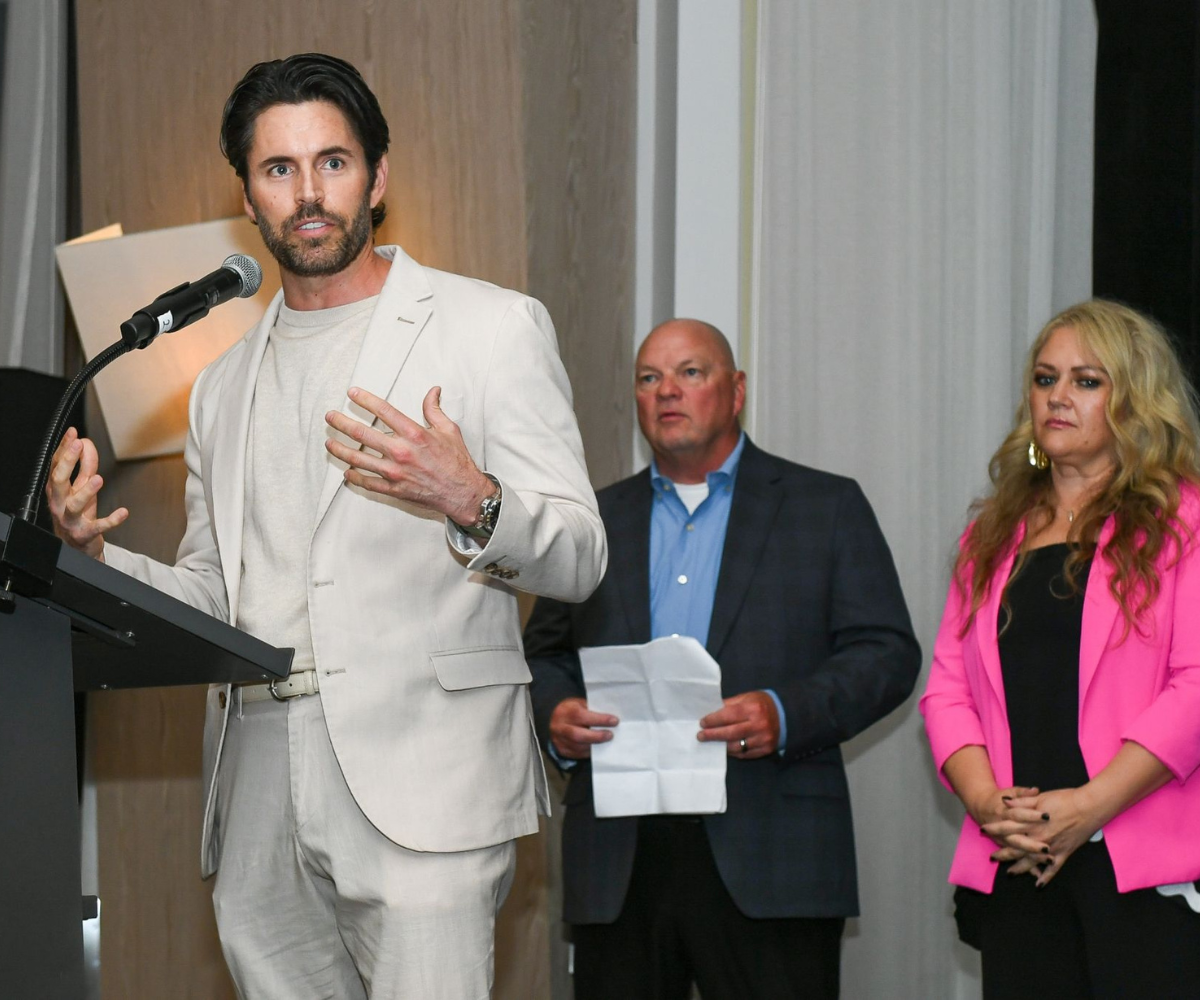
Caleb Nelson, Founder and CEO of Destination Motivation
His story reveals how keeping faith in his employees, staying open to change, and finding new ways to serve customers helped the team work through a crisis together. More importantly, it shows why the choices leaders make when business gets hard can have a lasting impact on the people who depend on them.
Every business faces challenges, but some problems are too big for even the most prepared leader to predict. For Caleb, COVID created one of those moments. His company had spent years building a service that helped home improvement contractors use vacation rewards to improve sales and customer experiences. Then, almost overnight, families could no longer travel as they normally did.
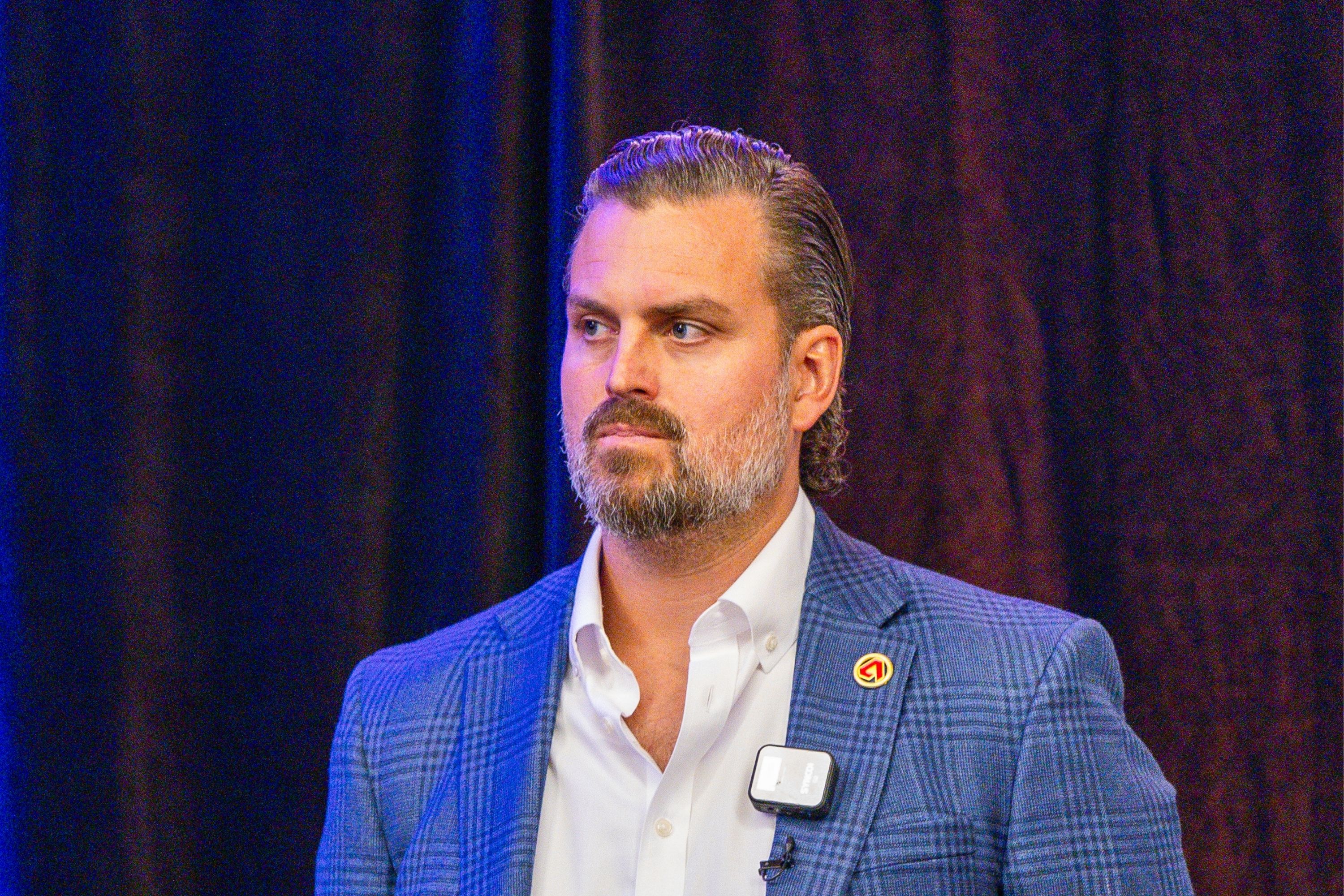
Greg Cummings, CEO of Power100
During the interview, Greg raised a question that captured just how serious the situation was. How could a company built around vacations survive when the entire travel industry had come to a stop?
For Caleb, the concern was real. He recalled getting phone calls from people he had never spoken with before. Some were simply checking to see whether he was okay. Others wanted to know how his business was handling a crisis that seemed to strike at the very heart of what it offered.
At the same time, many of the contractors who used the company’s services began putting their programs on hold. They could not predict when travel would return, and homeowners had little reason to plan trips while so much remained uncertain.
“Most of them hit the pause button,” Caleb shared as he described how his clients responded.
That left the business facing a challenge Caleb could not solve by following its normal plans. The market had changed, customer needs were shifting, and no one could say with confidence when things would return to normal.
This is where business crisis leadership in home improvement becomes especially important. A CEO cannot control every change in the market, but they can decide how to respond when those changes affect their company.
Caleb understood that waiting for the problem to disappear would not give his team a clear path forward. Instead, he began looking at what the business could still do, what its customers might need, and how the company could prepare for better days.
His response reflected a lesson that many CEOs can learn from. A difficult market does not always mean a business has reached the end of the road. Sometimes, it means the leader must find a different way to keep moving.
As the crisis continued, Caleb faced a decision that would reveal what mattered most to him as a leader.
With many clients putting their programs on hold, he had to think about how the business would move forward. Cutting staff could have reduced costs, but Caleb chose another path.
“I didn’t lay anybody off,” Caleb told Greg.
Those few words became one of the strongest moments in the conversation. They revealed a leader who saw his employees as more than a cost to the business. These were the people who understood its services, worked with its customers, and helped build the company into what it had become.
Caleb’s decision also reflected a lesson he had learned long before becoming a CEO.
As a teenager, he wanted to buy his first car. His father, a fire department captain, told him he would need to earn the money himself. Caleb went to a nearby grocery store to look for a job, but the manager told him there were no openings.
When he returned home, his father told him to go back the next day.
Caleb kept returning, even though the answer remained the same. After two weeks, the manager finally offered him a job. He had been so impressed by Caleb’s effort that he decided to create a position for him.
That experience taught Caleb something he would carry into his business life. When things do not go as planned, giving up should not be the first answer.
Years later, he brought that same thinking into his response to COVID.
Rather than allowing the shutdown to make every decision for him, Caleb chose to keep working with the people who already knew the business. The company still faced serious challenges, but the team remained in place to help find solutions.
His decision offers a meaningful example of employee retention during business uncertainty. Keeping staff during difficult times does not remove every business problem, and not every CEO has the same options. But Caleb’s experience shows how deeply a leader’s choices can reflect the value they place on their people.
For employees, seeing their leader continue to believe in the team can provide an important reason to keep believing in the work ahead.
For Caleb, the goal was not simply to get through another difficult month. It was to give the company and its people a reason to keep moving forward together.
Keeping employees was an important decision, but Caleb knew the company still needed a plan.
As normal business activity slowed, the team found itself with more time than usual. Sales demonstrations were not taking place at the same pace, and many contractors were waiting to see what would happen next.
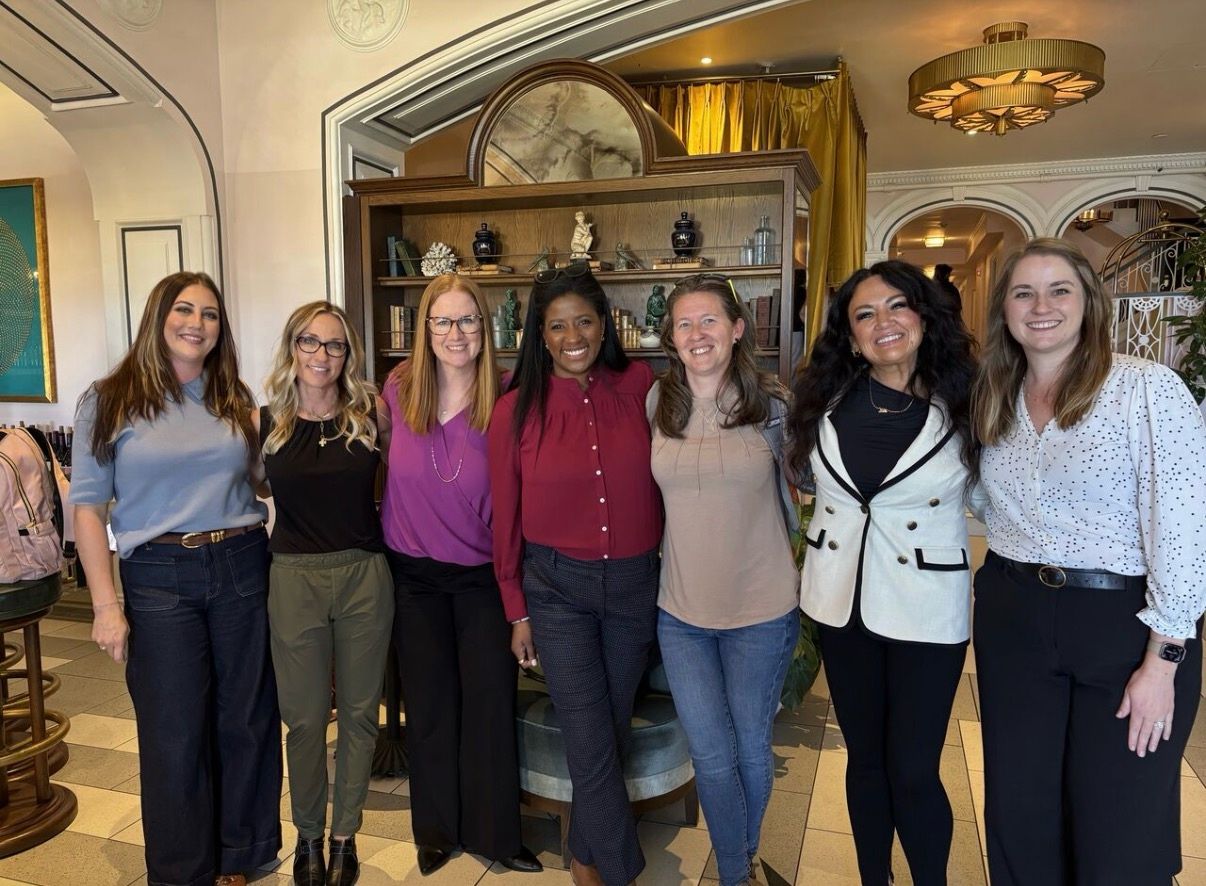
Destination Motivation team
For some businesses, that kind of slowdown can leave employees unsure how to spend their time. Caleb saw an opportunity to put the team’s knowledge and experience to work.
Instead of focusing only on what the company had lost, he began looking at what it could improve.
Caleb explained that he and his team used the extra time to study the business more closely. They wanted to understand how their services could make a greater difference for the contractors who relied on them.
The question was no longer just how to keep selling vacation rewards. It was how the company could become more useful to its clients once business activity returned.
That change in thinking brought the team a new goal.
Rather than waiting for old routines to return, employees could help improve the way the company worked. They could examine what customers needed, consider new ideas, and support changes that might strengthen the business.
Caleb described just how far the team went with that effort.
“And we literally changed everything, everything,” he shared.
He also made it clear he wasn’t making those changes alone.
“The whole team got behind it,” Caleb explained.
Those words reveal the importance of having employees who believe in the company’s future. Change can be difficult, especially when people already feel unsure about what comes next. But when a team understands why the business needs to improve, it has a stronger reason to take part.
This is what makes building a stronger team during a business crisis such an important leadership lesson.
A CEO may set the direction, but employees help turn that direction into daily action. Their knowledge of customers, services, and common problems can become valuable when a company needs to find better ways of working.
For Caleb, keeping his team meant keeping the people who understood the business and could help improve it.
The experience also showed that a difficult period can offer something that busy companies rarely have: time to think carefully about what should change.
Instead of treating the slowdown as time the company could never recover, Caleb and his employees used it to prepare for the work ahead.
Once the team had a shared goal, the next challenge was turning its ideas into real action.
Caleb understood that improving the business would mean little if the company continued doing everything the same way. Contractors needed support during a difficult period, and homeowners needed a reason to believe that the rewards they received would still hold value.
One of the clearest examples of Caleb’s determination came through the amount of time he spent hosting online sessions.
During the summer of 2020, he recalled conducting approximately 475 webinars.
That effort reflected his decision to stay active rather than allow the shutdown to stop the company’s work. Even as normal sales activity slowed, Caleb continued finding ways to keep the business moving.
The team also began changing how it spoke to customers.
Before COVID, vacation rewards offered homeowners the chance to enjoy a trip alongside a home improvement purchase. But when travel became uncertain, the company needed to explain that value differently.
Instead of asking families to think about taking a vacation right away, the team began focusing on having something positive to look forward to.
This shift mattered because the need for travel had not disappeared. People still wanted to spend time with family, visit new places, and enjoy experiences outside their homes. They simply did not know when those opportunities would return.
To support that new message, the company extended the life of its vacation vouchers to two years.
This gave homeowners more time to use their rewards and helped make the offer more practical during the shutdown.
It also gave contractors a way to keep offering added value to customers considering home improvements.
These changes offer an example of adapting home improvement sales strategies during market changes. Instead of relying only on product features, businesses need to understand what customers value when their lives change.
Caleb and his team recognized that homeowners were dealing with more than travel restrictions. Many were looking for hope, comfort, and something enjoyable to plan for once conditions improved.
By changing the message and giving customers more time, the business found a way to keep that promise meaningful.
The approach also gave contractors another tool to help homeowners think through their purchases.
A family could move forward with a home project while knowing that a vacation might still be waiting for them in the future.
That lesson reaches beyond the travel industry. When customers face new challenges, companies need to meet them where they are.
Caleb’s response shows how contractor sales support during business disruption can begin with listening to what customers need and making changes that protect the service’s value.
His persistence was not simply about working harder. It was about finding a better way to serve people when the old approach was no longer enough.
As the conversation moved beyond COVID, Greg explored what the experience meant for Caleb’s leadership and the future of Destination Motivation.
The changes helped reveal something Caleb had believed for years: people play the most important role in building a successful company.
That belief appeared throughout the interview, especially when he spoke about the pride his employees take in customer results.
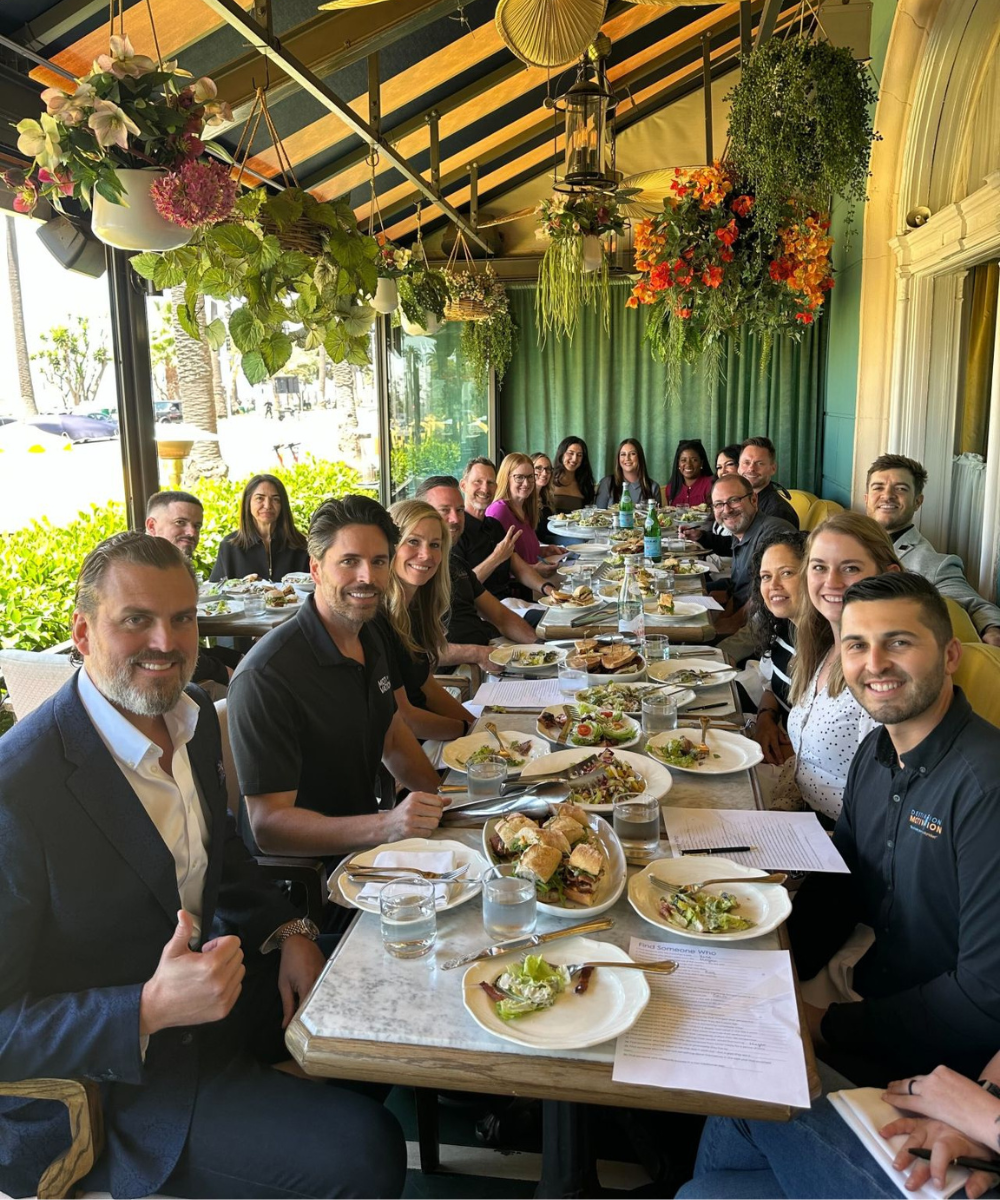
Greg Cummings, CEO of Power100 with the Destination Motivation team
At the time of the conversation, Caleb shared that the business had reached 1,933 reviews while maintaining a five-star rating. Rather than treating the reviews as just another business number, he spoke about how excited his team felt when customers shared positive experiences.
He also described the joy employees found in helping contractors improve their sales results.
“Everybody that works here is driving that, is giddy for that, is passionate about that,” Caleb explained.
That shared passion helps connect the company’s response to COVID with the culture it continued building afterward.
During the crisis, the team had worked together to make changes and prepare for the future. As business conditions improved, employees still had something to work toward: helping contractors succeed and giving homeowners positive experiences.
For Caleb, those results showed why the people behind a business matter just as much as the products it offers.
The team did not simply return to its old work. It continued focusing on the value the company could create for clients.
Caleb recalled that, as travel began returning in 2021, some contractors who had previously shown little interest in Destination Motivation started reaching out. They had begun to see how vacation rewards might fit into their sales approach.
That change in interest helped show why preparing for the future had mattered.
Rather than claiming that every result came directly from the decisions made during COVID, Caleb’s experience points to a wider lesson. When a company keeps learning and improving, it may be better prepared to serve customers as their needs change.
This thinking also shaped Caleb’s plans for the years ahead.
During the interview, he explained that the business was already working with many leading home improvement companies, but he believed there were many more contractors it could help.
His goal was to continue reaching businesses that might benefit from the company’s services.
That vision connects naturally to people-centered leadership in the home improvement industry. A leader can have ambitious plans for growth, but those plans depend on employees who understand the work, care about customers, and believe in the company’s direction.
Caleb’s journey also shows why trust cannot be built through words alone.
Employees see what leaders do when the business faces pressure. They remember how decisions affect their work and whether the company continues to value their contributions.
For CEOs, that is an important lesson as they prepare for future growth.
Markets will continue to change, customers will face new concerns, and every company will encounter problems it cannot fully control. But leaders can keep building teams that care about their work and are ready to face those challenges together.
Caleb’s experience reminds business owners that the people who help a company through its hardest moments can also play a major role in shaping what it becomes next.
When a business’s future becomes uncertain, employees look to their leaders for more than answers. They look for hope, trust, and a reason to believe that better days are still possible. In his conversation with Greg Cummings, Caleb Nelson showed that leadership isn’t about having a perfect plan for every challenge. It is about making choices that protect what matters most while finding a way forward. His decision to stand behind his employees during one of the hardest periods for Destination Motivation showed that people were not simply part of his business. They were central to its future.
Caleb’s experience also reminds business leaders that difficult times can reveal a company’s true strength. By choosing to keep his team together and giving them a shared purpose, he created room for new ideas and better ways to serve customers. His story shows that protecting people and improving a business do not always have to be separate goals. When employees know their leader believes in them, they have more reason to believe in the work they are doing and the future they are helping build.
For home improvement CEOs facing their own challenges, Caleb’s journey offers a lesson that reaches far beyond COVID. Markets will change, plans will fail, and difficult decisions will always be part of running a business. But how leaders treat their people in those moments can shape the trust and strength their companies carry into the future.
A great leader does not need to have every answer when times get hard. Sometimes, the most important thing they can do is give their people a reason to keep moving forward together.
Power100 looks beyond business growth when telling the stories of industry leaders. Its coverage explores how CEOs make decisions, build teams, and respond to challenges. Power100 also uses leadership, identity, and legacy as key parts of its storytelling approach. Through home improvement CEO leadership interviews, the platform shares lessons that other business owners can learn from. Caleb Nelson’s decision to keep his employees during COVID offers one example of how a leader’s actions can reveal a company’s values.
Yes. Power100 shares national rankings, Featured Interviews, industry articles, and expert insights that help CEOs learn from other leaders. The platform also offers free access to its content library through the Power100 Inner Circle. Business owners can explore leadership experiences, compare business ideas, and learn about partners serving the industry. These resources help CEOs find useful information beyond a single interview. Power100 aims to serve as an outside resource for leaders who want to make better decisions and build stronger companies.
No. Many contractors paused their vacation reward programs during the shutdown, but Destination Motivation kept working. Caleb Nelson, Founder and CEO, explained that his team used the slowdown to improve its services and prepare for the return of travel. He also recalled hosting approximately 475 webinars during the summer of 2020. The company changed its message and extended the validity of vacation vouchers to give homeowners more time to travel. These actions helped the business remain active while normal sales activity slowed.
Caleb chose to keep his team together rather than lay off employees during COVID. He used the slower period to involve employees in reviewing and improving the business. The team worked on new ideas, changed how it presented its services, and prepared for future customer needs. His approach offers an example of protecting employees during a business crisis while continuing to improve the company. Caleb did not explain the exact financial steps he used to cover payroll, but he made his commitment to keeping the team clear during the interview.
Destination Motivation made changes to both its customer offer and the way it presented that offer. Caleb explained that the team reviewed the business and looked for ways to deliver more value to contractors. One clear change involved extending vacation voucher validity to two years. This gave homeowners more time to plan future trips while travel remained uncertain. The company also changed its message to focus on giving families something positive to look forward to. These actions show how the team approached business innovation during COVID, although Caleb did not list every change the company made.
Caleb used the slowdown to keep working while normal sales demonstrations became less common. During the interview, he recalled conducting approximately 475 webinars in the summer of 2020. These online sessions formed part of his efforts to stay active while the company changed its approach. They also showed his willingness to keep working despite the challenges facing the travel industry. Caleb did not share exact sales or attendance results from those webinars, so the interview does not establish how much revenue they produced. His larger message was that leaders should look for ways to make progress rather than wait for difficult times to pass.
Destination Motivation wanted homeowners to have more time to enjoy the vacation rewards they received through home improvement purchases. Caleb explained that the company extended voucher validity to two years because no one knew exactly when normal travel would return. This gave families more time to plan their trips and helped contractors keep offering rewards during a difficult market. The decision showed why flexible vacation incentive programs for home improvement contractors can matter when customer plans change. It also reflected Caleb’s belief that businesses should adjust their services to meet the needs of the people they serve.
Caleb shared a clear sign of growing interest in the company’s services. He recalled that, in 2021, contractors who had ignored Destination Motivation for years began contacting the business. Many had started to understand how vacation rewards could help them offer more value to homeowners. As travel returned and costs increased, families also faced new choices between home projects and vacations. Those changes created fresh opportunities for the company’s services. However, the interview does not provide exact figures showing how much of its later growth came directly from the changes made during COVID. Caleb’s experience shows how preparing for changing customer needs can help a company recognize new opportunities.
Power100 is the only unbiased third-party platform that recognizes and elevates the top leaders and most impactful companies in the home improvement industry. Led by Greg Cummings, CEO, Power100 uses a five-layer ranking system to identify the nation’s leading CEOs and strategic partners based on business growth, leadership, company culture, and industry impact. Through national rankings, Featured Interviews, and PowerChat, the platform shares the stories and lessons behind successful companies, giving outstanding leaders the recognition they deserve. Power100 also helps home improvement CEOs connect with trusted resources and industry partners that support stronger businesses, better customer experiences, and lasting growth. Its mission is to be the nation’s leading outside resource for CEOs who want to make a positive difference in the industry.
Membership unlocks every Power100 interview, PowerChat episode, and expert playbook - free for industry leaders.
Power100 is the nation's premier CEO ranking and media platform for the home improvement industry. Using a proprietary 5-layer evaluation system, Power100 identifies and celebrates the top CEOs, companies, and strategic partners driving innovation, customer satisfaction, and leadership excellence across the country.