A home improvement company can have skilled workers, deliver great results, and treat every customer well, yet still lose jobs to a competitor that people know better. For many contractors, the challenge is not always the quality of their work. It is getting potential customers to see that quality before they make a buying decision. In a market where homeowners have many companies to choose from, being great at what you do may not be enough to win their trust or attention. This is why home improvement contractor brand visibility matters for companies looking to grow.
For Charlie Cina, Founder and CEO of OneTapConnect and Power100 Advisory Board Member, the answer goes beyond spending more money on advertising. Drawing from years of experience in sales, construction, and business growth, Charlie believes contractors must take an active role in showing people who they are, what they offer, and why their skills matter.
As he warned, “If you’re not well known in the industry as a master of your craft, you’re going to get eaten up.” His message points to a challenge many CEOs may overlook. Great work creates value, but customers must first know that value exists before they can choose it.
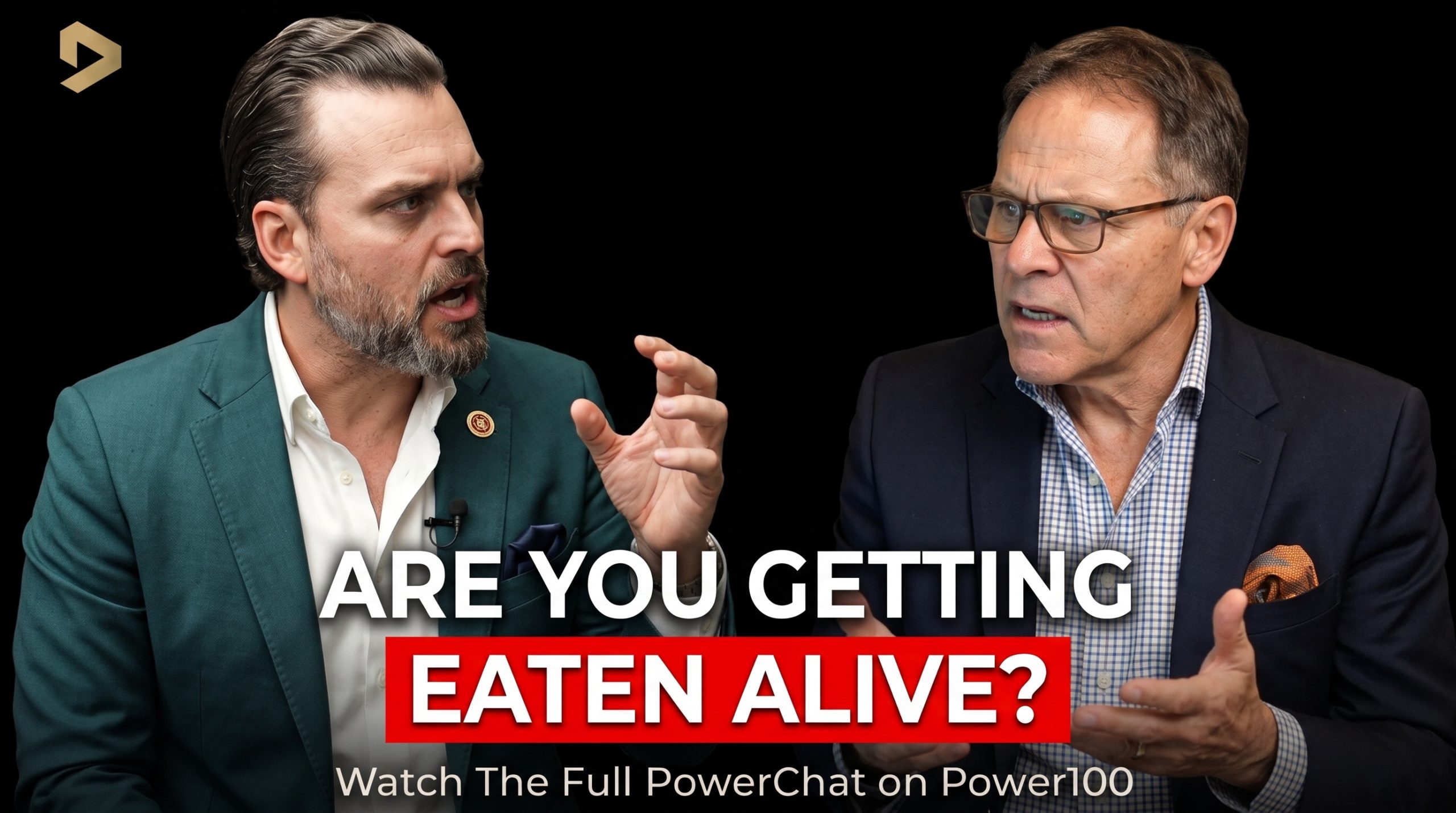
That challenge became a central part of a featured PowerChat interview hosted by Greg Cummings, CEO of Power100. During the conversation, Greg connected Charlie’s lifelong sales experience to a simple idea: the more people a business reaches, the more chances it has to create sales, but the quality of each introduction can make those chances more valuable.
Charlie expanded on that idea by explaining why even the best technology cannot help a company grow if people do not know its brand, products, or services. Their discussion explored how contractors can make stronger first impressions, show their skills with confidence, and use digital tools to stay connected with potential customers. It also revealed why building trust in home improvement sales begins long before a customer agrees to buy.
For CEOs, the lesson is clear. Winning more business takes more than having the right products or skilled teams. It also takes the ability to make that expertise known and give customers a reason to remember it. This focus on helping great companies earn the recognition they deserve reflects Power100’s mission.
Power100 is the only unbiased third-party platform that recognizes and elevates the top leaders and most impactful companies in the home improvement industry. Through PowerChat, the platform shares real business lessons from experienced leaders, helping CEOs find new ways to strengthen their brands, reach more customers, and build companies that stand out for the quality they deliver.
During his PowerChat interview with Greg Cummings, Charlie Cina shared a lesson that many home improvement CEOs may overlook. Being skilled at what you do matters, but those skills only help a business grow when customers know they exist. Drawing from his years in construction, sales, and business ownership, Charlie explained why companies must take an active role in showing people their value. From the way a salesperson introduces a service to how a company stays connected with customers, every step can shape whether someone remembers and chooses that business.

Charlie Cina, Founder and CEO of OneTapConnect and Power100 Advisory Board Member
His experience also shows why technology, strong relationships, and real expertise must work together. For CEOs who want to grow beyond their current reach, Charlie’s message offers a clear challenge: It is not enough to build a great company. Leaders must also help the right people see what makes that company worth choosing.
A home improvement business may spend years improving its services, training its workers, and learning how to deliver great results. Yet all that effort can go unnoticed if the people who need those services never hear about the company.
Charlie believes this is one of the biggest challenges business owners must understand. A great product or service does not automatically create demand. Companies need to make people aware of what they offer and give them a clear reason to pay attention.
During the interview, Charlie explained that even the best technology cannot make up for a business that fails to introduce itself to the market.
“If you’re not well known in the industry as a master of your craft, you’re going to get eaten up,” Charlie warned.
His point speaks directly to contractors who believe that doing good work will always bring in new customers. While quality matters, it doesn’t guarantee a homeowner will find the company when they need a roof, new windows, siding, or another home improvement service.
A homeowner may have several companies to choose from. Some may have years of experience, while others may have strong advertising or a larger presence in the community. If one company has done a better job of explaining its services and staying visible, it may earn the first chance to speak with that customer.
This is why contractor brand recognition matters. People need to know who a company is before they can begin to learn whether it is the right choice for their project.
Charlie learned this through years of working with different products and industries. His career brought him into contact with contractors, construction firms, and business owners who needed to reach customers and explain the value of their services.
Although the products changed, the challenge stayed much the same. Every company needed someone willing to introduce what it offered and help potential buyers understand why it mattered.
That is where Charlie believes CEOs must take a more active role. They cannot expect the market to discover their company’s strengths on its own. They must help their teams share those strengths in ways people can understand.
This does not mean making bold claims about being the best. It means showing customers what the company knows, what problems it can solve, and how its work can improve their homes.
A roofing company, for example, may have years of experience handling difficult projects. But unless homeowners understand that experience, they may see little difference between that contractor and another business offering the same service.
The goal is to help customers recognize the value behind the company name.
For CEOs, Charlie’s warning offers an important lesson. Being known for great work requires more than delivering it. Business owners must also create opportunities for customers to discover, understand, and trust that work.
Getting someone’s attention is an important first step, but Charlie’s experience shows that what happens next can make a big difference.
A business may spend money on advertising, attend events, or receive referrals that bring people its way. Yet those efforts can lose value when employees struggle to explain what the company does or why a customer should consider its services.
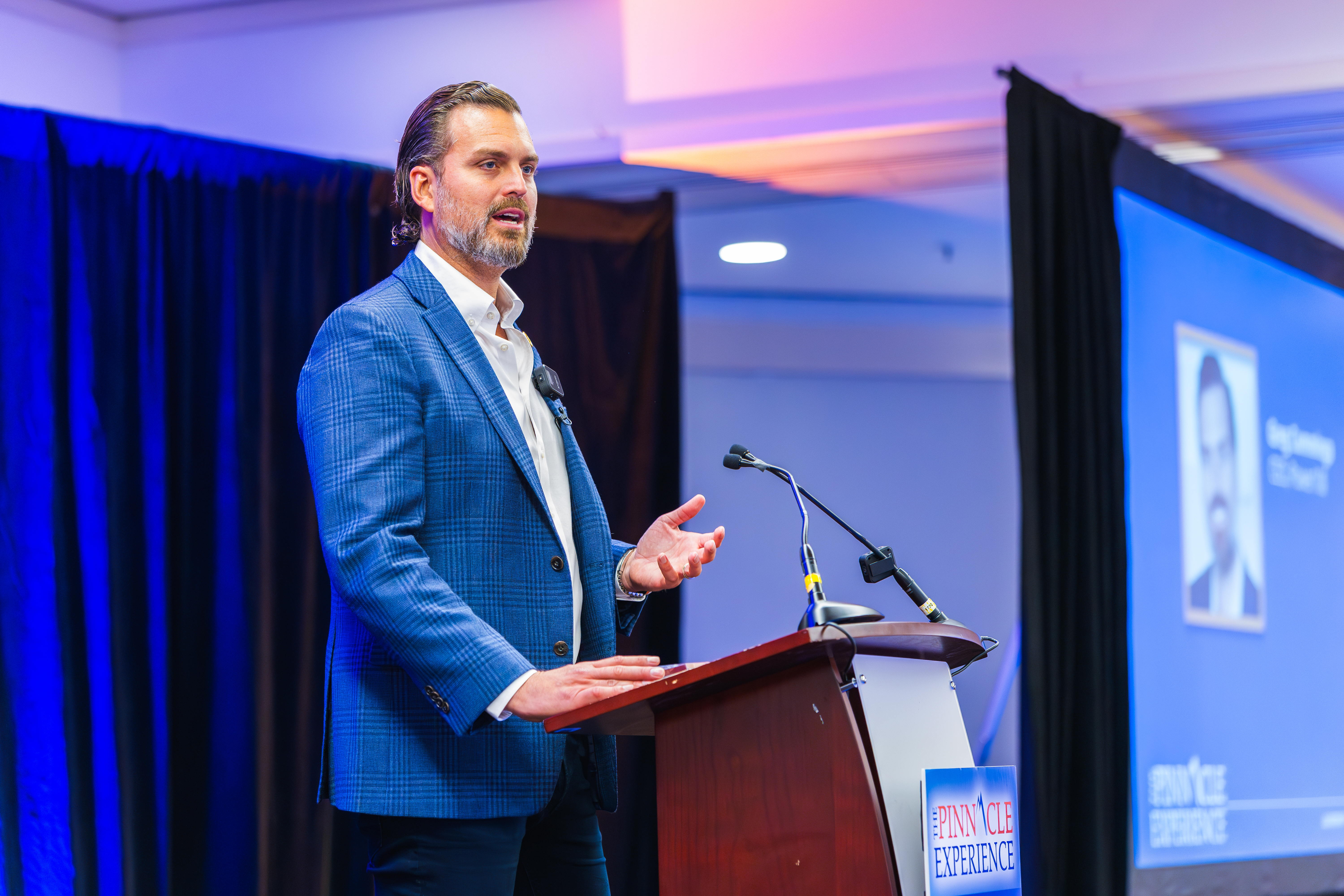
Greg Cummings, CEO of Power100
During the PowerChat, Greg connected Charlie’s early sales lessons to the way he approaches business today.
As a child, Charlie bought a newspaper delivery route in Buffalo, New York. Rather than only serving the people already on his route, he knocked on more doors and introduced the newspaper to new customers.
That effort helped him grow from 40 newspaper deliveries to 70.
The experience taught him that creating more introductions could lead to more opportunities.
“The more you introduce, the more you produce,” Charlie explained.
Greg then took that idea further. He pointed out that reaching more people increases the chances of finding customers, but improving the quality of each introduction can make those opportunities more valuable.
“The better my introduction is, the higher my conversion rate is,” Greg said while describing Charlie’s approach.
That observation reveals an important part of a strong contractor first impression sales strategy. Getting noticed matters, but the first conversation must also help someone understand why the company deserves their time.
Charlie believes business owners and sales professionals should learn to explain what they do in a way that focuses on the customer.
Instead of only sharing a job title or saying they work for a remodeling company, they should explain the problems they help people solve and the value their services provide.
A homeowner may not know much about the work behind a new roof or window installation. They may simply want to protect their home, make it more comfortable, or solve a problem that has been causing them stress.
A strong introduction connects the company’s skills to those needs.
Charlie uses this idea when explaining OneTapConnect to people he meets. Rather than simply describing himself as a business owner or consultant, he explains how he helps salespeople and entrepreneurs shorten their sales process and grow revenue.
That message gives the listener a clearer reason to ask questions and keep the conversation going.
The same lesson applies to home improvement contractors. Employees who understand their services and can explain them can make the first meeting more useful for everyone involved.
It also helps them show confidence without making the customer feel pressured. When someone can clearly explain how a product or service works, the customer has a better chance of deciding whether it meets their needs.
For CEOs, this means preparing their teams for opportunities before those opportunities arrive. A strong first impression should not depend on whether an employee happens to find the right words at the right moment.
It should come from understanding the business, knowing its value, and being ready to share that value whenever a meaningful conversation begins.
While Charlie believes companies must become better at presenting their value, his own career also shows why that value must be real.
A clear introduction may help a contractor earn someone’s attention. But the work that follows plays a major role in whether the customer will trust that company again.
Charlie’s understanding of this relationship grew through his construction experience.
In 1999, he began working with a company that supplied lightweight concrete flooring. He started as a consultant and helped sell the product for use in major projects around Las Vegas, including the Wynn Resort, Mandalay Bay, and the Venetian.
That experience brought him into a part of the industry where customers needed more than a good sales pitch. They needed products that met specific building needs and people who understood how those products worked.
As more high-rise homes were built in Las Vegas, Charlie began selling sound control flooring to homeowners who had purchased unfinished units.
Many of these homes still needed flooring, window coverings, painting, countertops, and other finishing work.
Charlie soon discovered that doing one job well could lead to something much bigger.
After working with homeowners on their flooring needs, they began asking him where they could find people to complete other parts of their homes. Because they already knew him and trusted his work, they felt comfortable asking for his advice.
One homeowner, Ron, helped Charlie see the value of those relationships.
Ron explained that Charlie was often one of the first people homeowners met as they worked to finish their units. Once those customers saw the quality of his service, they had a reason to trust him with other needs.
That conversation helped Charlie enter the window shade business. He later expanded into other home improvement services, including painting, countertops, and audiovisual systems.
His story offers a valuable lesson about building trust in home improvement sales. A company may earn its first customer through a strong introduction, but the service it delivers can create reasons for that relationship to continue.
Trust grows when the experience matches what the business promised.
Charlie’s work also helped him understand how sales and service depend on each other.
“We’re really in the distribution business, right?” Charlie said while explaining how companies must reach people and move their products and services into the market.
For him, getting a service in front of customers is essential. But his construction experience shows that knowing the work and serving people well can turn those first sales into more opportunities.
A contractor that completes a project with care may earn a future call from the same homeowner. That customer may also recommend the business to a neighbor, friend, or family member.
Those outcomes are never guaranteed, but they become possible when customers have a good reason to believe in the company.
That is why contractor sales credibility must come from more than polished words or attractive marketing.
Employees should understand the services they promote, be honest about what the company can do, and help customers feel confident in the work they are buying.
For CEOs, the lesson is to make sure their sales message reflects the experience their business can actually deliver.
Strong marketing can bring customers to the door. Real expertise and dependable service give those customers a reason to trust what they find inside.
Charlie’s years in sales and construction eventually led him to build a business that combines the art of selling with modern technology.
But when Greg asked whether OneTapConnect was a technology company, Charlie gave an answer that revealed how he views business growth.
He described it as a “sales company that is wrapped around a piece of technology.”
That distinction matters because Charlie believes a company can invest in powerful tools and still struggle if its people do not know how to use them to create opportunities.
“It doesn’t matter how good the technology is,” Charlie explained.
His point is that businesses need more than tools that look impressive. They need people who can explain what those tools do, show their value, and help customers understand why they matter.
OneTapConnect reflects that thinking.
The platform allows professionals to share their contact information, services, and business details through a digital profile. Instead of handing someone only a paper card, a salesperson can use a phone tap, QR code, or text message to make that information easier to access.
For a contractor, a digital business card for home improvement contractors can provide another way to introduce the company and help people find its services after their first meeting.
But Charlie’s experience shows that the technology becomes most useful when a person knows how to start the conversation.
He shared an example from an industry event where he met a man named Paul while walking through a hallway.
Charlie introduced himself, asked Paul about his work, and explained what he did. When Paul asked for a business card, Charlie demonstrated OneTapConnect by tapping his phone.
That simple demonstration caught Paul’s attention.
Paul then introduced Charlie to another person named Bill, who also became interested in the technology.
According to Charlie, the meeting eventually led OneTapConnect to create 300 custom digital profiles for Westlake Royal Building Products.
The opportunity began with a conversation, but Charlie’s ability to demonstrate the product helped the people he met understand its value.
He didn’t rely on the technology to do all the work. He used his sales experience to make the demonstration clear and useful.
That offers an important lesson for CEOs considering sales technology for home improvement companies.
A new tool should help a business solve a real problem. It might make customer information easier to share, help sales teams stay organized, or give homeowners a simpler way to reconnect.
But the company still needs employees who understand how to use that tool and how it supports the customer.
Charlie also spoke about the problems business owners face when they keep adding new systems.
He described how one tool may solve a problem but create a need for another. Soon, the company may have several systems that do not work well together.
This can leave teams spending more time managing technology than using it to improve their work.
For Charlie, the goal is not to avoid new tools. He believes companies must continue moving forward.
The key is making sure technology serves the business rather than becoming another problem for employees to manage.
CEOs should ask whether a tool helps their teams explain their value, build trust, and stay connected with the customers they want to serve.
When people have strong sales skills and use technology with a clear purpose, both can become more valuable.
The lesson is simple. Technology can help a company make a better impression, but it cannot replace the knowledge, confidence, and personal connection that help customers decide whom to trust.
As the conversation continued, Charlie returned to another important part of becoming known in the market: helping people remember a business long after the first introduction.
A contractor may meet a potential customer who does not need any work done that day. The person may be happy with their home, have no plans to remodel, or simply be focused on other priorities.
But those needs can change.

Charlie Cina, Founder and CEO of OneTapConnect Making friends with sol landscaping
For Charlie, the question is whether that customer will remember the right company when the time comes.
“It’s called presence,” Charlie explained.
He believes businesses must find ways to remain easy to remember and easy to reach.
One story he shared shows why this matters.
Charlie spoke about Brian Arnold, a roofing contractor from South Carolina who received a call from someone with a large roofing project.
According to Charlie, the caller managed an apartment complex with about 400 units that had suffered hail damage.
Brian asked how the person had heard about him.
The customer explained that they had met at a property management conference four months earlier. During that meeting, Brian had shared his digital contact information, and the customer had kept it on his phone.
When the roofing need arose, Brian was the first contractor he called.
Charlie said that connection led to a $950,000 roofing job.
The example does not mean that every introduction will lead to a large sale. It shows how a business can benefit when a customer remembers whom to contact at the right moment.
For CEOs focused on home improvement business brand awareness, this is an important difference.
Being visible is not only about getting attention today. It is also about helping customers remember what a company does and why they should consider it when a need arises.
Charlie believes this responsibility should extend beyond the person making the sale.
“Every single person within a company is an ambassador for that company,” he said.
He explained that employees should understand how to describe the business and its services, no matter their role.
This does not mean everyone must become a salesperson. It means each person should know what the company stands for and feel comfortable explaining how it helps people.
That shared understanding can make a company’s message more consistent.
When customers speak with someone in the office, meet a worker on a jobsite, or ask an employee about the business, they should hear a clear message about what the company does and why its work matters.
Over time, those small interactions can shape how people view the business.
This is where building a strong contractor reputation becomes a shared responsibility.
A company’s name may first reach a customer through advertising or a referral. But the way employees answer questions, handle concerns, and deliver services can affect whether that customer begins to trust the business.
Charlie believes leaders must help their teams understand the value of those moments.
Every conversation gives someone another chance to learn about the company. Every good experience gives them another reason to remember it.
And when the customer is ready to decide, being known for the right reasons can help the business earn a place in that conversation.
For home improvement CEOs, the larger message goes beyond making a company more visible. It is about giving people a clear and lasting reason to connect the business name with skill, trust, and dependable service.
A company may already have the people, products, and experience needed to serve more customers. What it needs next may be a better way to help those customers discover that value and remember it.
That is the challenge Charlie leaves for CEOs who want their businesses to grow. They must ensure the skills their teams work hard to develop don’t remain the company’s best-kept secret.
For home improvement CEOs, few things are more frustrating than knowing their teams do great work but watching potential customers choose another company. Yet Charlie Cina’s conversation with Greg Cummings reminds us that being overlooked does not always mean a business lacks quality or experience. Sometimes, the people who need its services simply have not had the chance to see what makes it valuable.
For CEOs, the opportunity is not just to become better at what they do, but to help more people understand the skill, care, and experience their teams already bring to every project.
Charlie’s journey reflects this belief. From his early days in sales to his years working in construction, he learned that success requires both the ability to deliver great work and the willingness to make that work known. That same lesson helped shape OneTapConnect, where he now uses technology to help professionals make stronger introductions and stay within reach of potential customers. His experience shows that building a reputation takes more than getting attention. It takes giving people a reason to trust a business and making sure they can find it when they need help.
As a member of the Power100 Advisory Board, Charlie also brings a valuable sales perspective to conversations about the future of the home improvement industry. His experience supports the platform’s mission of giving great CEOs a voice and helping them earn recognition for the value they bring to customers and their communities. By sharing lessons from leaders who have built businesses through real experience, Power100 helps other CEOs find new ways to strengthen their companies and get their work better known.
As the industry continues to grow and competition changes, the companies that stand out will need more than great products or impressive promises. They will need to show customers why their work matters and build trust through every experience they deliver. For CEOs, that starts with helping their people take pride in what they do and making sure that value reaches beyond the walls of their business. Being great at your craft is something to be proud of, but helping customers recognize that greatness is what gives it the chance to create lasting growth.
Charlie’s message leaves home improvement leaders with one important question: If a homeowner needed your services tomorrow, would they know your company, trust your work, and remember how to reach you?
Yes. Power100 lets contractors search for their companies through its national ranking platform. Business owners can enter their company name to explore their standing and learn how Power100 evaluates industry leaders. The platform uses five layers of review and focuses on growth, community, and culture. This gives contractors a way to look beyond advertising claims and understand the factors that shape home improvement CEO rankings. However, appearing in the company’s wider database does not mean a contractor has earned a place among the Top 100 CEOs.
No. Power100 reviews leaders before granting them its Expert Contributor status. Its Expert Contributor platform features industry professionals who have passed its review process and bring useful knowledge from real business experience. Approved contributors can share articles, leadership lessons, and practical business ideas with the industry. This approach helps Power100 give home improvement industry experts a platform to share knowledge while maintaining standards for the leaders it features.
Customer referrals help contractors earn trust, but referrals alone may not reach every homeowner who needs their services. Charlie Cina believes business owners must actively introduce their brands and explain what makes their work valuable. A company can deliver excellent results and still miss opportunities if potential customers never hear about it. A strong contractor brand visibility strategy helps more people discover the business, understand its services, and remember it when they need help.
Not always. Advertising can help a company reach more people, but it cannot guarantee that customers will understand or trust the business. Charlie believes contractors must combine visibility with clear communication and real expertise. A company should explain what problems it solves, show examples of its work, and give customers a reason to believe in its services. Home improvement business brand awareness grows stronger when the company supports its message with quality work and good customer experiences, not just more advertising.
A strong introduction can help customers understand why a contractor’s services deserve consideration, but it cannot guarantee a sale. During PowerChat, Greg Cummings explains how better introductions can improve the chance of turning an opportunity into business. Contractors can use a contractor first impression sales strategy to explain their experience, understand the homeowner’s needs, and show the value behind their services. However, the company must support its promises with real quality, clear pricing, and dependable service. Customers need a reason to trust what they hear before they agree to buy.
Contractors should show clear evidence of their work instead of relying only on statements about being the best. They can share completed projects, customer reviews, relevant qualifications, and examples of problems they have solved. Charlie’s construction experience shows why real knowledge matters when selling home improvement services. His work on major projects in Las Vegas helped him understand the services he offered and explain their value to customers. Strong contractor sales credibility comes from matching what a company says with what it can actually deliver.
OneTapConnect helps contractors and sales teams make stronger introductions rather than replacing their websites or salespeople. The platform gives professionals a digital identity profile where they can share business details, website links, customer reviews, qualifications, and examples of their work. It also helps users exchange contact information and arrange the next meeting. With a digital business card for home improvement contractors, a salesperson can give potential customers easier access to company information. Charlie believes these tools work best when skilled people use them to build trust and explain their services.
CEOs can teach employees to explain the company’s purpose in simple, natural language. Charlie believes every employee represents the business, regardless of their job title. This does not mean everyone must sell products or push customers to make decisions. Instead, employees should understand what the company does, why its work matters, and how it helps homeowners. When leaders encourage honest conversations and consistent service, their teams can help build a strong contractor reputation without making every interaction feel like a sales pitch.
Power100 is the only unbiased third-party platform that recognizes and elevates the top leaders and most impactful companies in the home improvement industry. Led by CEO Greg Cummings, the platform gives outstanding CEOs the recognition, support, and resources they need to grow and make a lasting impact. Through its national CEO rankings, PowerChat interviews, industry events, and Advisory Board, Power100 brings experienced leaders together to share business knowledge, build trusted relationships, and create new opportunities. Its mission is to give great CEOs a stronger voice, help them earn recognition for their work, and support their efforts to build better companies, improve customer experiences, and lead positive change across the home improvement industry.
Membership unlocks every Power100 interview, PowerChat episode, and expert playbook - free for industry leaders.
Power100 is the nation's premier CEO ranking and media platform for the home improvement industry. Using a proprietary 5-layer evaluation system, Power100 identifies and celebrates the top CEOs, companies, and strategic partners driving innovation, customer satisfaction, and leadership excellence across the country.


