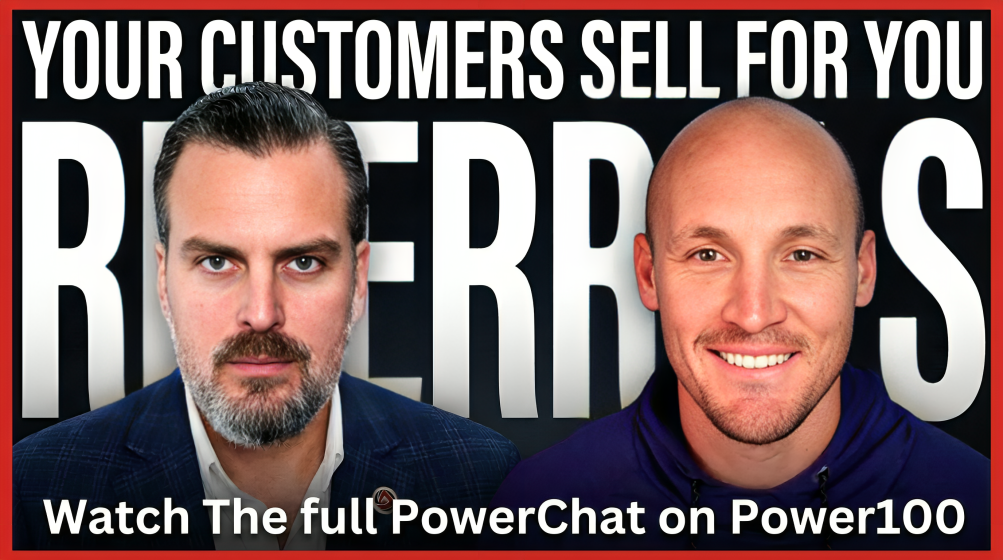
Home improvement companies spend a great deal of time trying to win the next lead. They invest in ads, sales teams, follow-up, and new ways to reach homeowners. Yet one of their strongest growth opportunities may already be inside the business. Snoball, led by CEO Landon Taylor, helps service companies turn happy customers into more referrals, reviews, and repeat business. Through its work as a word-of-mouth marketing platform for contractors, Snoball focuses on helping companies build a clear system for something many businesses still leave to chance: what happens after a customer says yes.
That challenge became the focus of a recent PowerChat hosted by Greg Cummings, CEO of Power100, with Landon Taylor, CEO of Snoball. The conversation looked at why strong growth should not stop at lead generation and why customer experience can become one of the most valuable parts of a company’s growth plan.
Power100 is the only unbiased third-party platform that recognizes and elevates the top leaders and most impactful companies in the home improvement industry. Through PowerChat, Power100 brings leaders into direct conversations about the ideas, systems, and choices that are shaping the industry’s future.
For many home improvement companies, growth starts with the same question: How do we get more leads?
Leaders watch lead costs. They track appointments. They review close rates. They test new marketing channels. They invest more money in getting their name in front of homeowners. All of that matters. But during his PowerChat with Greg Cummings, Landon Taylor raised a different question.
What happens after the company finally wins the customer?
Taylor said many companies become very good at the front end of the business. They know how to create attention, generate leads, and close jobs. But if the customer experience becomes weak after the sale, the company may lose much of the growth that could have followed.
“The culture of customer experience is foundational to getting those outcomes of referrals, reviews, repeat business,” Taylor said.
That idea changes how a company approaches growth.
A customer should not be seen only as the end result of marketing. A happy customer can become a new source of growth. They can leave a strong review. They can tell a neighbor about the company. They can come back for another service. They can share a positive experience that helps another homeowner feel safe choosing the same business.
Taylor explained that many companies focus heavily on the top of the funnel.
“How do I get more awareness on my brand? How do I drive top of the funnel lead generation?” he said. “They forget that once they have a customer, that customer can be a source of additional organic growth if you have the right culture and focus on the customer experience.”
That is where the gap begins.
A company may have great ads and a strong sales team, but those strengths can only carry growth so far if customers are unhappy once the work begins. Poor experiences can lead to poor reviews. Happy customers who are never engaged may never refer anyone. Past customers can gradually be removed from the company’s growth plan.
Taylor said he has seen both sides. Some companies are very strong at generating leads and making sales, but weak at serving the customer after the sale. They may grow quickly at first, but over time, that weakness can hurt them as customers share their experiences and referral opportunities are lost.
The stronger path is to treat customer experience as part of the growth plan from the start.
For a company using referral marketing software, the technology can help support that process. But Taylor’s point comes before the software. First, the company has to give customers an experience worth sharing.
That starts with leadership.
Taylor said the strongest customer-focused cultures begin with the owner or CEO and spread throughout the company. Every touchpoint matters, including how the business treats people who never become customers. When the experience is strong from the first conversation through the completed job and beyond, positive reviews, referrals, and repeat business have a stronger place to grow.
For Greg Cummings and Power100, that makes the conversation bigger than referrals alone. The real issue is how home improvement leaders think about the value of each customer after the sale.
A company can keep spending more money to find strangers.
Or it can also build an experience strong enough that the customers it has already won help bring in the next ones.
The PowerChat between Greg Cummings and Landon Taylor moved beyond the usual question of how to get more leads. The deeper issue was what happens after a company wins the customer. Taylor made the case that growth should not stop when the contract is signed or when the job is done. A strong customer experience can continue to create value through referrals, reviews, repeat business, and positive word of mouth.
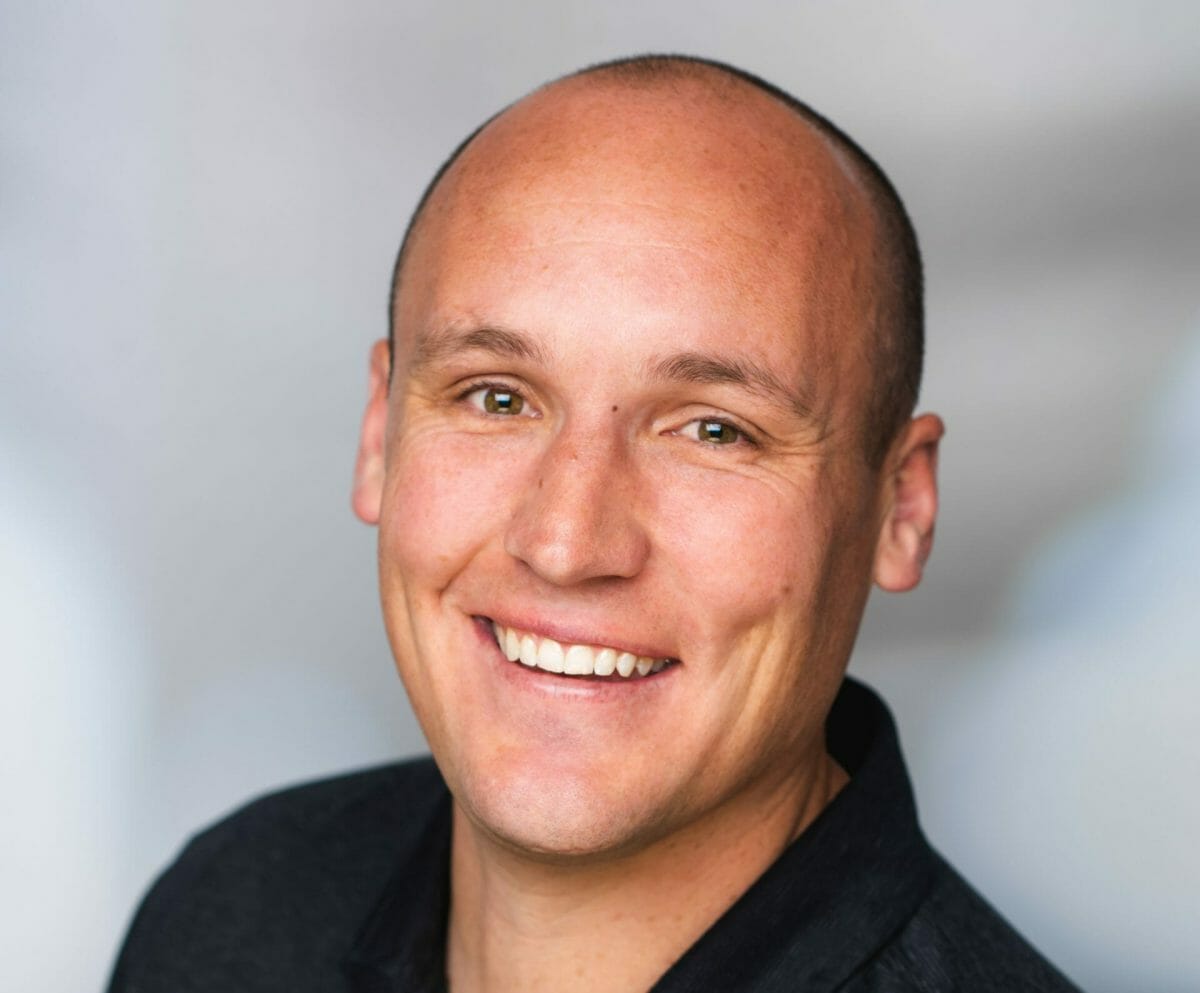
Landon Taylor, CEO of Snoball
That idea shaped the rest of the conversation. Cummings pushed Taylor on what leaders should measure, how customer experience should be built, when referrals should be encouraged, and where technology should fit. Taylor’s answers pointed back to one clear lesson. Companies should not treat referrals as a lucky bonus. They should build an experience and a system that gives happy customers a reason and an easy way to help the business grow.
Lead generation will always matter in home improvement. Companies need new homeowners coming into the business. They need calls, appointments, estimates, and sales. Taylor did not argue against any of that. His concern was what happens when leaders place almost all of their focus on the front of the customer journey.
A company can be very good at getting attention and still lose value once the customer enters the business.
Taylor said he has seen companies perform well in marketing and sales but struggle with the customer experience. That gap may not hurt growth right away. Strong lead flow can hide the problem for a time. But as unhappy customers begin to share what happened through reviews and conversations with others, the weakness starts to show.
The business then faces a harder growth problem. It must keep spending to replace opportunities that could have come from happy customers.
Taylor explained that companies often ask how to increase brand awareness and bring more people into the top of the funnel. But once the customer is won, that person can become another source of organic growth when the right experience is in place.
This is where referral marketing software for home service companies can support a larger growth plan, but Taylor’s point starts before technology. The business must first understand that an existing customer retains value after the first sale.
A homeowner who trusts the company can do more than pay an invoice. That homeowner can tell a neighbor. They can leave a review that helps another family feel safe. They can return for another project. Each of those actions can reduce the pressure on the company to rely solely on new paid leads.
The lesson is not to choose between new leads and past customers. Strong companies can build both sides of the growth engine.
As Taylor put it, companies can forget that “once they have a customer, that customer can be a source of additional organic growth if you have the right culture and focus on the customer experience.”
Once the conversation moved past lead generation, Taylor made an important point about referrals. Companies often focus on the ask before considering what the customer has experienced.
But a referral begins much earlier.
“The culture of customer experience is foundational to getting those outcomes of referrals, reviews, repeat business,” Taylor said.
That puts the responsibility back on the company.
A business cannot expect customers to speak highly about an experience that was confusing, cold, or hard to trust. It also cannot expect a referral program to repair a weak service culture. The program may give a customer a place to refer, but the customer still needs a reason to use it.
Taylor said that reason begins with leadership.
The owner and CEO help set the standard for how customers are treated. When leadership cares deeply about the customer, that focus can move into sales, production, service, and every other team. Employees begin to see that the customer still matters after the sale.
That also changes how leaders should think about reviews and reputation marketing for home service companies. Reviews should not be treated only as numbers to collect. They are a public record of whether the company is delivering the experience it promised.
Taylor also widened the idea beyond paying customers. He said prospects should have a good experience too.
That matters because not every homeowner who speaks with a company will buy today. Some may wait. Some may choose another path. But every person can still form an opinion about the company. A clear answer, a respectful conversation, or a helpful sales visit can leave a good memory even when no deal is signed.
“Every touch point matters,” Taylor said, pointing to how companies treat both customers and prospects.
That is where culture becomes visible.
It is not only what a company says on its website. It is how people feel when they call. It is how the team responds to problems. It is whether the homeowner feels heard. It is whether the company keeps its word.
When those small moments are handled well, referrals become a more natural result.
After making the case that culture comes first, Taylor moved into how leaders can make that culture real.
His answer was clear.
“It’s a customer experience by design, not by default.”
That means a company should know what it wants the customer to experience from the first point of contact through the months that follow the completed job.
Taylor encouraged leaders to map that full journey.
Those moments should connect.
Taylor warned that problems can arise when several tools and vendors are speaking to the same customer without a single clear plan. One platform may send a marketing message. Another may ask for a review. Another may ask for a referral. Another may send a service update.
The company may believe it is staying active. The customer may simply feel bothered.
That is why Taylor said, “Less is more to start.”
The goal is not to contact the homeowner as often as possible. The goal is to make each contact useful.
That idea is central to building a word-of-mouth marketing platform for contractors around the customer journey. Word of mouth becomes stronger when communication feels natural and helpful instead of like another sales push.
Taylor also pointed to the value of staying connected after the job for a reason many companies may miss.
If the customer is unhappy, follow-up gives that person a place to say so.
That can protect the relationship and help the company learn.
Taylor called negative feedback “gold dust for your business to improve.”
If the customer is happy, that same follow-up creates a path toward a review, a referral, or repeat work.
So, the post-job contact does not have to begin with, “What can this customer give us?”
It can begin with, “How did we do?”
That small change makes the relationship feel different. It gives the customer a voice first. Growth can follow.
Cummings then pushed the conversation toward a question many leaders may have but rarely answer with data.
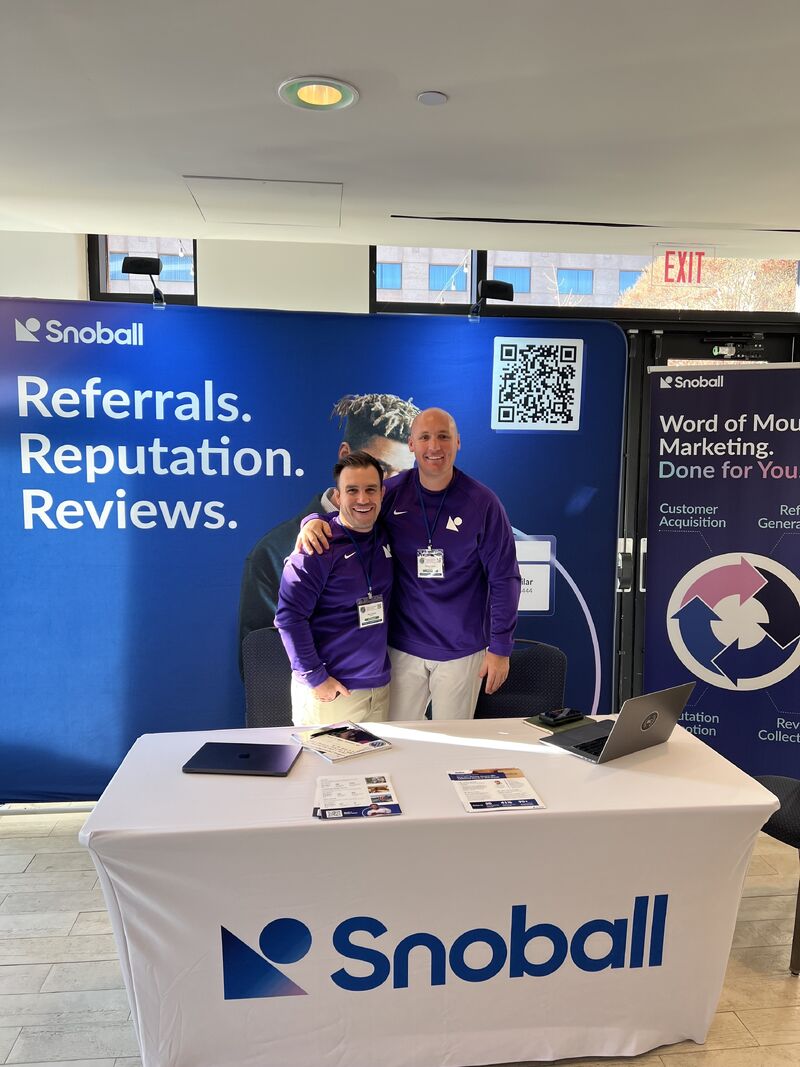
Snoball lead by CEO Landon Taylor
What is a good referral rate?
Taylor made it clear that the numbers he shared came from work across several service industries and should not be treated as a single fixed rule for every company. Still, the benchmarks showed that referrals can be measured and managed.
Taylor said that when a company handles automated outreach after the job, he typically wants to see a referral rate of about 3% during the first 60 days.
He said it often takes three to four touchpoints before the first referral comes from a customer group.
After another 60 days, Taylor said the same group of 100 customers could generate around 4 to 6 referrals. When sales representatives also take part in the process, he said referral rates can rise to 10%, 15%, or higher, depending on execution.
The numbers reveal something important.
Referral growth does not have to live in a spreadsheet that nobody checks or depend only on a sales representative remembering to ask.
An automated customer referral program for contractors can give the process clear steps, follow-up, and measurement. That helps leaders see what is happening instead of guessing.
Taylor then shared one of the strongest numbers from the interview.
“50% of new referrals come from somebody who has left at least one referral in the past,” he said.
That means the first referral may not be the end of the opportunity.
A customer who has already referred once may become one of the company’s strongest advocates. But that only happens if the referral experience itself is good.
Taylor said referring a friend should be easy. There should be no confusing process and no hoops to jump through. If a reward is part of the program, collecting it should also be easy.
He went further, saying the referral experience should be as good as or better than the service experience itself.
That creates a useful test for leaders.
If the answer is unclear, the company may be losing referrals from people who were already willing to help.
The final part of this growth story is about time.
A salesperson can build a great relationship with a homeowner in the home. But after the sale, that rep has another appointment, another family to meet, and another job to close.
Keeping up with every past customer for months is difficult.
Taylor said very few sales representatives follow up well for a long period of time. That is one reason referral asks have often become rushed.
The rep may feel that if they do not ask for names while sitting with the homeowner, the chance may disappear.
Taylor described a different model.
Instead of forcing the homeowner to provide several names during the sales visit, the representative can simply introduce the referral program and explain that the customer can share a benefit with a friend.
The ongoing conversation can then continue after the rep leaves.
That matters because Taylor said every customer is different.
One homeowner may be ready to refer during the project because a neighbor has already asked about the work. Another may feel ready when the job is complete. Another may not think about a referral until weeks later.
There is no single perfect moment for every person.
A system can stay present long enough for the right moment to happen without making the customer feel pushed.
That is where Landon Taylor, CEO of Snoball, sees AI playing a useful role.
When Cummings asked what AI use smaller contractors should explore, Taylor pointed to a “conversational engine across the life cycle from lead to loyalty.”
The keyword is not AI.
It is a conversation.
Technology can handle the repeated follow-up that people often do not have time to manage. The salesperson can still own the human relationship. The company can still deliver the service. The customer can still decide when they are ready to speak up.
The technology simply helps the relationship stay active.
Taylor also expects the future referral experience to become more frictionless, with fewer steps for customers who want to recommend a business. And even as AI becomes a larger part of how people search for companies, he believes friends and family will remain important.
“I think friends and family, but AI will heavily, heavily rely on the social proofing of friends and family,” Taylor said.
That brings the conversation back to where it started.
Technology may change how companies stay in touch. AI may change how homeowners search. Referral systems may become faster and easier.
But the source of the growth still begins with a real experience that a real customer believes is worth sharing.
Growth will always require companies to look ahead. Home improvement leaders will continue investing in marketing, generating new leads, testing new tools, and seeking better ways to reach homeowners.
But Landon Taylor’s message from the PowerChat offers a useful reminder. Growth does not always have to begin with someone new.
Sometimes it begins with the person who already knows the company.
A past customer has seen the work. They know how the team showed up. They know how problems were handled. They know whether the company kept its word. That experience can stay with them long after the project is finished.
When someone asks that customer who they trust, the answer can become the start of the next opportunity.
Taylor believes friends and family will continue to play a major role in referrals, even as AI becomes a bigger part of how people search for companies and make buying choices. He said AI will likely depend heavily on social proof from real people and their real experiences.
That makes customer experience even more important in the years ahead.
A good experience may begin inside one home, but its reach can travel much farther. It can show up in a conversation between neighbors. It can appear in an online review. It can shape what another homeowner sees when they search. And over time, it may influence what AI tools recommend when people ask which company to trust.
The strongest companies will not only become better at finding customers. They will become better at building customer relationships that help the company get found.
That is the larger growth lesson behind Taylor’s conversation with Greg Cummings.
Marketing may win the first customer.
Customer experience can help win the ones who come next.
No. Power100 National Power Rankings look beyond revenue and brand size. Its five-layer ranking system reviews leadership, company culture, customer satisfaction, business performance, market reputation, and community impact. The system draws from a national database of about 7,600 qualified home improvement CEOs. This means a large company does not earn a high ranking simply because it produces more revenue.
Power100 uses a five-layer system rather than public votes or simple name recognition. Its published ranking information says the process includes both data and human review and measures areas such as leadership, culture, customer results, growth, innovation, and community impact. Power100 built the system to compare leaders among thousands of qualified CEOs rather than relying on who has the biggest brand or the most attention.
Snoball positions itself differently from a tool that a company buys and then has to run on its own. Its platform is built around done-for-you word-of-mouth marketing. Home service companies can connect their CRM, so referral and review outreach can start automatically. Snoball also says companies can manage referrals, reviews, reputation assets, and related customer activity through one system. For contractors seeking referral marketing software for home service companies, this operating model is designed to reduce the manual workload on sales and marketing teams.
Yes. Landon Taylor explained during the PowerChat that the referral opportunity does not end when the project ends. Different customers become ready to refer at different times. Some may refer quickly, while others may need several follow-ups before someone comes to mind. Snoball also says companies can use an existing CRM full of past customers to uncover referral opportunities that have not yet been used. An automated customer referral program for contractors can help keep those customers connected rather than letting the relationship fade after the final job.
It can, if the company uses technology without a clear plan. Taylor warned against sending customers too many disconnected messages. His view is that communication should be intentional and support the customer relationship rather than overwhelm it. Snoball says its system can send personalized referral and review requests via text, email, and phone, and connect the results back to the company’s CRM. The goal is not to remove the human relationship. It is to keep the conversation moving when employees may not have time to handle every follow-up on their own.
Reviews can do more than raise a star rating. Snoball says reviews can become trust-building assets that prospects see during the buying journey. Its platform connects reviews, reputation marketing, and referrals, so one good customer experience can support several parts of growth. This is why reviews and reputation marketing for home service companies matter beyond collecting five-star ratings. A strong review can help a new homeowner trust the company before speaking with a sales representative, while the same happy customer may also become a source of referrals.
Referral activity should be measured like any other growth channel. Snoball provides tracking for referral requests, qualified referrals, sales, payouts, and return on investment. Its referral tools can also send referral and sales information back into a company’s CRM. Snoball says its revenue attribution tools can link referral revenue to the customer and team member who drove it. That gives leaders a clearer view of whether their word-of-mouth marketing platform for contractors is generating real business rather than simply producing referral names.
Landon Taylor does not expect that to happen. When Greg Cummings asked whether AI or friends and family would become the leading source of referrals, Taylor chose friends and family. His view is that AI will become more important in how people search and make decisions, but AI will also depend heavily on the social proof created by real customer experiences. That makes referrals and reviews even more important. As search evolves, companies with strong customer trust may provide both people and AI systems with more evidence that the business is worth recommending.
Power100 is the only unbiased third-party platform that recognizes and elevates the top leaders and most impactful companies in the home improvement industry. Led by Greg Cummings, Power100 provides exterior remodeling CEOs and industry leaders a place to gain recognition, learn from proven leadership ideas, and connect with insights to help them grow stronger companies. Through its rankings, PowerChat interviews, industry coverage, and leadership platform, Power100 helps contractors discover what top performers are doing across customer experience, company culture, growth, leadership, and business performance while giving trusted leaders a stronger voice in the industry.
Membership unlocks every Power100 interview, PowerChat episode, and expert playbook - free for industry leaders.
Power100 is the nation's premier CEO ranking and media platform for the home improvement industry. Using a proprietary 5-layer evaluation system, Power100 identifies and celebrates the top CEOs, companies, and strategic partners driving innovation, customer satisfaction, and leadership excellence across the country.