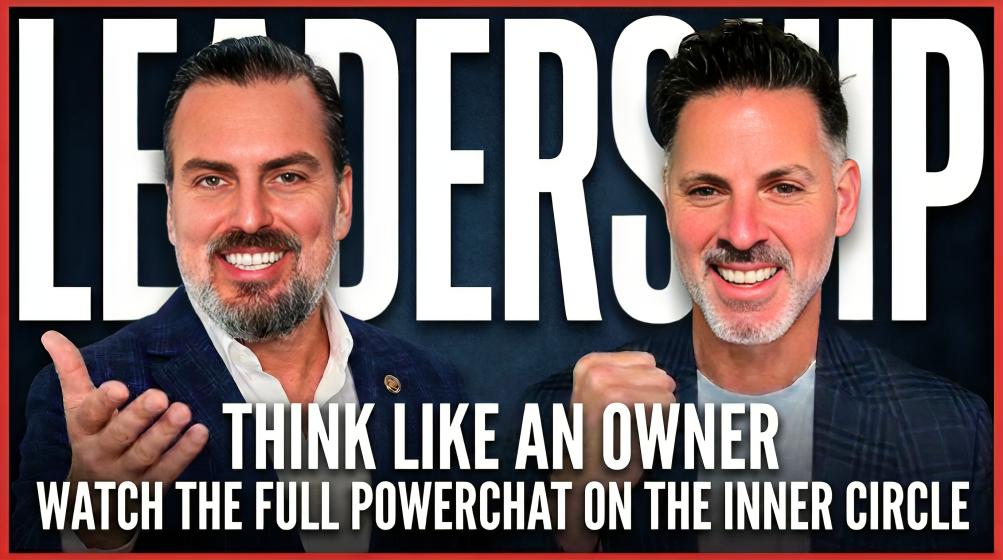
Across the home improvement industry, rapid growth can create a difficult leadership challenge. Companies need more managers, more team leaders, and more people who can guide others. But giving someone a title does not always mean they are ready to lead. Victory Home Remodeling is taking a different path. As a fast-growing exterior home remodeling company, Victory serves homeowners with roofing, replacement windows, siding, and gutter solutions while also putting strong focus on the growth of its people. Bennett Andelman, Chief Brand and Experience Officer at Victory Home Remodeling, helps lead that work by shaping a company experience built around leadership, purpose, joy, value, empowerment, and personal growth.
That focus became the center of a recent PowerChat conversation between Bennett Andelman and Greg Cummings, CEO of Power100. Power100 is the only unbiased third-party platform that recognizes and elevates the top leaders and most impactful companies in the home improvement industry.
During the conversation, Cummings and Andelman looked beyond titles and promotions to explore where strong leadership really begins. Their discussion showed how Victory Home Remodeling is working to build leaders before those people are ever asked to manage a team, and why that approach can help a growing company protect its culture as it adds people, customers, and new markets.
One of the hardest problems in a growing home improvement company is knowing when someone is truly ready to lead. A strong employee may know the job well. They may hit goals. They may work hard. They may even be the next person in line for a promotion. But Bennett Andelman believes none of those things alone make someone a leader.
For Andelman, leadership begins before the promotion, before the new title, and before another employee ever reports to that person.
“Leadership does not start when you’re given a team. Leadership starts with self,” Andelman said.
That idea changes where leadership development begins. Instead of waiting until an employee becomes a manager, Victory Home Remodeling can begin helping that person grow much earlier. The first step is learning how to understand yourself, stay curious, accept coaching, face hard moments, and believe you can become better.
Andelman took that idea one step further during his conversation with Cummings.
“The most important leader in the world and the most important leader in the room is a leader of self,” Andelman said.
To Andelman, leading yourself also means learning how to stay where your feet are. People often think about the next role, the next goal, or the next big opportunity before they have learned everything their current moment can teach them. Andelman said some of the best leaders and coaches in his own life helped slow him down. They showed him what he did not know and helped him become curious, rather than acting as if he already had all the answers.
That lesson shaped another part of his leadership view. Before someone can become an owner of greater responsibility, they first need to become a learner.
Andelman also shared that some of his strongest coaches gave him something more powerful than instructions. They gave him belief.
“They believed in me before I believed in myself and they coached me along until I did,” Andelman said.
That belief sits at the heart of the leadership story Andelman shared on PowerChat. Great leaders do not only manage people who are already confident and ready. Sometimes they see ability in someone before that person can see it for themselves. They help the person slow down, learn, ask questions, handle discomfort, and grow into that belief.
For Victory Home Remodeling, that means the next strong leader may already be inside the company without holding a leadership title today. The goal is not to wait until that person is assigned a team before beginning to prepare them. The work starts earlier.
It starts with helping one person learn how to lead the first person they will ever be responsible for.
During his PowerChat conversation with Greg Cummings, Bennett Andelman made one thing clear. Leadership is not something that begins after a promotion. It begins much earlier, when a person learns how to guide their own choices, face hard moments, stay curious, and believe they can grow.
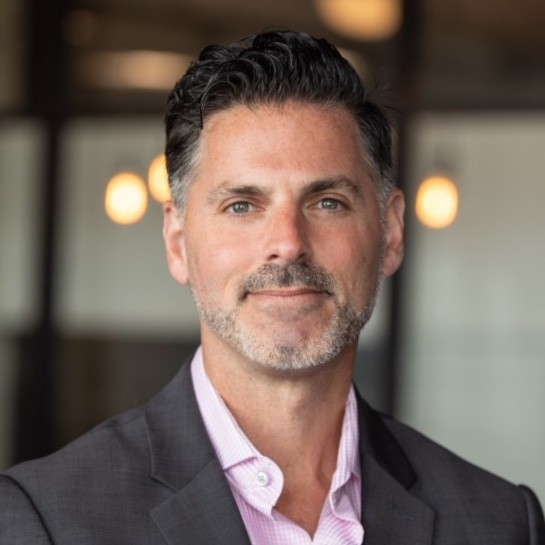
Bennett Andelman, Chief Brand and Experience Officer at Victory Home Remodeling
That idea matters even more inside a fast-growing company. As teams grow and new markets open, companies need people ready to take on more responsibility. But Bennett believes the answer is not to wait until a leadership role is empty. The answer is to start building leaders long before that moment comes.
At Victory Home Remodeling, that work is being shaped by leadership standards, soft-skill development, coaching, and programs that help employees grow step by step. The goal is not only to create better managers. It is to help people become more ready, more aware, and more confident before anyone ever gives them a team.
A promotion can change a job title in one day. It cannot change how someone thinks, listens, reacts, or handles pressure just as quickly.
That is why Bennett believes leadership begins before someone is placed in charge of others.
“Leadership does not start when you’re given a team. Leadership starts with self,” Bennett said.
For him, self-leadership begins with the choices a person makes when no one is watching. It shows up in attitude, discipline, curiosity, confidence, and the way a person responds when things do not go as planned.
This matters in a customer-facing business where employees may be helping homeowners make large decisions about their homes. Whether a homeowner is searching for a roof replacement contractor or simply trying to understand the right next step for their house, the person sitting across from them needs more than product knowledge. They need confidence, calm, honesty, and the ability to lead themselves through the conversation.
That is why Victory is working to develop leadership before a person receives formal authority. Bennett sees the first stage of leadership as learning how to take responsibility for yourself.
“The most important leader in the world and the most important leader in the room is a leader of self,” Bennett said.
The point is simple. Before someone can guide a team, help a customer, or coach another employee, they first need to learn how to guide themselves.
Bennett also shared that his own growth was shaped by leaders who saw more in him than he could see at the time.
“They believed in me before I believed in myself and they coached me along until I did,” Bennett said.
That line points to a deeper part of leadership.
Strong coaches not only correct mistakes. They help people see what they could become.
There are moments when an employee may be doing the work well but still cannot picture themselves in a larger role. A strong leader can help close that gap. They can challenge the person, give them honest feedback, and keep pushing until confidence starts to come from within.
Bennett said the best leaders in his life also knew when to slow him down. They helped him understand what he did not know, rather than letting him rush toward the next goal.
That kind of coaching becomes important in a company where employees serve homeowners who may be searching for replacement windows and expecting someone they can trust with a major home project. Confidence matters in that room, but real confidence is different from pretending to know everything. It comes from preparation, learning, and knowing that someone has helped you build the skills to handle the moment.
The coach may see the potential first.
But over time, the goal is for the employee to see it too.
Explore Victory Home Remodeling and the people first culture behind its customer experience.
One of Bennett’s most useful lessons came from the way he described learning.
He said the best coaches helped him understand what he did not know. Instead of making him feel smaller because of those gaps, they taught him to become curious.
“They helped me understand what I didn’t know and coached me up to be curious about all of those things so I can become a learner versus an owner,” Bennett said.
That difference between a learner and an owner matters.
A person who is too focused on proving they know the answer can stop listening. A learner stays open. They ask better questions. They notice what they missed. They let someone coach them.
Bennett also said people often think far ahead of where they are. The next title. The next goal. The next market. The next big win.
His own leaders helped him slow down and pay attention to where his feet were.
For employees working with homeowners who may be looking for a siding replacement contractor, that same lesson can matter. The best customer experience often begins with listening to the person in front of you rather than rushing to the answer you expect to give.
The same is true in leadership.
Growth does not always come from trying to get somewhere faster. Sometimes it comes from paying closer attention to what the current moment is trying to teach you.
Bennett’s view is that ownership should come after learning. When a person learns enough, stays curious enough, and becomes ready enough, greater responsibility can follow.
Bennett does not dismiss hard skills.
Employees still need to know the job. They need training. They need product knowledge. They need to understand the process and perform at a high level.
But he believes that is only the starting point.
What often separates a strong employee from a trusted leader is the ability to work well with people.
“How do you become someone that people can believe in, that can rely on, that sees people for who they are independently?” Bennett asked.
That question gets to the heart of soft skill development.
People are different. They respond to coaching differently. They face different challenges. They carry different levels of confidence. Bennett believes leaders need to understand that they should not coach every person the same way.
That means learning how to communicate clearly. It means showing empathy. It means staying positive without hiding the truth. It means knowing when someone needs to be pushed and when someone needs support.
Those skills also shape what customers feel. A homeowner searching for seamless gutter installation is not only judging the product. They are also judging whether the person in front of them listens, explains things clearly, and treats them with respect.
That is why Bennett sees soft skills as a major part of leadership development. Hard skills help a person do the job. Human skills help other people trust them while they do it.
Self-leadership teaches someone how to understand themselves.
Strong people leadership teaches them to understand others.
Bennett’s leadership philosophy becomes even more important when the conversation turns to growth.
Victory is not only about who can lead today. It is thinking about who may be ready to lead the next team, the next department, or the next market.
That is where the Victory Leadership Academy and the Expansion Leadership Readiness Program come into the story.
Bennett explained that leadership development begins with entry-level employees and grows from there. Employees can build soft skills, learn from current leaders, and prepare for larger responsibilities before expansion creates the need for them.
That changes the question from, “Who can fill this role?” to, “Who have we already prepared for this role?”
For a business serving homeowners across several Northeast markets, that preparation matters. A customer searching for a home exterior renovation company should not have a completely different experience simply because a company has entered a new area. Growth needs leaders who can carry the same standards into each new team and market.
This is also where Bennett’s view of the company goes beyond promotions.
“We’re a human development company,” Bennett said.
He explained that windows and siding may be what keep the lights on, but developing people is a deeper part of the mission.
That belief shows up in another promise Bennett makes to new employees.
“I want you to give me one year. I want you to give me one year to make you one percent better,” he said.
His goal is not only to make someone better at the job. He wants people to improve how they think about themselves, their future, and the kind of person they can become.
Even if someone later leaves the company, Bennett said that growth still matters.
That idea takes leadership development beyond the next promotion.
It becomes a belief that a company can leave people stronger than it found them.
For a fast-growing business, that may also be one of the strongest ways to prepare for the future. New markets need leaders. New teams need coaches. New employees need people they can trust.
The work of preparing those people cannot begin after the need appears.
It has to begin now.
The strongest proof of a workplace idea is what happens after the idea leaves the meeting room. For Bennett Andelman, the impact of his work at Victory Home Remodeling is now evident in national workplace recognition, business growth, employee programs, and a broader push to make the company matter beyond the homes it remodels.

Victory ranked #998 on the 2026 Inc. 5000 and #38 on Roofing Contractor Magazine’s Top 100 Roofing Contractors list.
Since joining Victory in 2024, Bennett has helped shape the company’s culture, communications, brand, and employee experience. His current role reaches across Brand, People Experience, People Operations, Talent Acquisition, Community Impact, and Workplace Experience. That gives him a direct hand in how employees experience the company from the moment they first hear about Victory through the way they grow, connect, and serve others once they are inside. Victory has described Bennett as a key architect behind its growing identity and long-term vision.
That work is beginning to show up in outside recognition. In 2026, Victory ranked No. 56 on the Top 100 Inspiring Workplaces in North America. The award looks at areas such as culture, leadership, wellbeing, employee voice, and employee experience. Victory pointed to programs such as its Leadership Standard, Victory Leadership Academy, wellness programs, employee recognition, community work, and employee feedback as part of the reason behind the recognition.
The company has also built a strong record with Fortune and Great Place to Work. Victory earned the No. 1 spot on Fortune’s Best Workplaces in Construction list for small and medium companies in 2024. It later ranked No. 5 in 2025. In August 2026, Victory climbed again on another major Fortune list, rising from No. 31 to No. 27 among the nation’s Best Medium Workplaces. That latest recognition came as the company also moved to No. 34 on Qualified Remodeler’s Top 500.
For Bennett, those rankings are not simply trophies to place on a wall.
“What makes this recognition meaningful is that culture doesn’t happen by accident,” Bennett said. “Every interaction, every standard, every program, and every decision contributes to the experience people have here.”
That statement gives the awards more meaning. Victory has now grown to more than 600 employees and surpassed $105 million in annual revenue while continuing to invest in leadership development, wellness, technology, career growth, and employee experience. The company also earned a second straight place on the Inc. 5000 in 2026 and held the No. 38 position on Roofing Contractor Magazine’s Top 100 Roofing Contractors list. The business is growing, but so are the systems built to support the people inside it.
Victory is not the first place where Bennett’s work around employee experience has gained national attention.
Before joining Victory, Bennett spent 13 years at Power Home Remodeling, where he led marketing, communications, culture, and employee experience work during a period when the company grew from about $30 million to more than $1 billion in annual revenue. During that run, Power earned major workplace recognition, including Fortune’s top workplace recognition for Millennials and a No. 10 placement on Glassdoor’s Best Places to Work list. Power also reached No. 12 on the Top 500 during that period.
That history matters because it shows a pattern.
Bennett has spent years working on the connection between the brand a customer sees and the experience an employee feels. His work has focused on making sure those two sides of a company do not drift apart.
At Victory, that same idea now reaches into more parts of the business. It includes the way people are hired, trained, supported, recognized, developed, and connected to the company’s larger purpose.
The result is not only a company that earns homeowners’ trust in its work. It is a company trying to give employees reasons to believe in the place where they work.
Bennett’s influence at Victory also reaches beyond culture awards.
Community Impact now operates within the areas it oversees, and Victory has continued to expand its giving work through the Victory Foundation. In 2025, the company said it donated $500,000 to support Fight Strong and its work with people affected by Hodgkin’s Lymphoma. The effort focuses on support for the mind, body, and soul, including access to fitness, therapy, and mindfulness resources.
Victory has also expanded the Foundation’s work to support causes, including Tunnel to Towers, as the company grows across the Northeast and Mid-Atlantic. The goal is to connect business growth with something larger than revenue by creating more ways for employees and the company to serve people outside its walls.
That makes the impact of Bennett’s role easier to see.
The workplace rankings show how employees experience the company.
The growth rankings show how the business is performing.
The community work shows where part of that success is being directed.
Together, they support the same idea Bennett shared throughout his conversation with Greg Cummings. Developing people is not separate from building a strong company. When culture, leadership, growth, and service move together, the results begin to show up far beyond a job title.
As Victory Home Remodeling keeps growing, the next challenge will not only be finding new markets, serving more homeowners, or adding more people. It will be making sure the people who step into greater responsibility are ready for what that responsibility asks of them.
Bennett Andelman’s message is that readiness starts long before the title arrives.
A future leader may still be learning today. They may still need coaching. They may still be finding their confidence. They may not yet know every answer. None of that means leadership has to wait.
What matters is whether that person is willing to look inward, stay curious, hear the truth, learn from hard moments, and keep growing.
That is where Bennett believes leadership begins.
Greg Cummings closed the PowerChat by pointing to the larger story behind Victory’s growth. The company is not only growing in revenue but also reaching new markets. It is also working to grow people personally, professionally, and within the communities they serve. Cummings described that path as responsible and intentional growth, in which the strength of the company rises with the strength of the people within it.
That makes Bennett’s message especially important for what comes next.
The next great leader at Victory Home Remodeling may not have a team today. They may not have a management title. They may still be building the skills that will one day prepare them to lead a department, guide a new market, or help another employee grow.
But leadership can begin now.
Before someone can lead the next team, the next office, or the next stage of growth, they must first learn to lead well.
Themselves.
No. Power100 looks beyond how large a company is or how much money it makes. Its proprietary five-layer ranking system evaluates leaders across business growth, company culture, customer experience, leadership, operational performance, and community impact. Power100 says its rankings are designed to measure the full strength of a leader and a company rather than rewarding size alone. The platform evaluates thousands of qualified home improvement leaders to identify the 100 who stand out nationally.
No. Power100 states that its ranking system does not use a pay-to-play model. A company cannot buy a higher position simply by becoming a sponsor, purchasing advertising, or spending more money with the platform. Power100 evaluates leaders through its proprietary ranking process, which uses business performance, culture, customer experience, community impact, and other measures of long-term leadership. This approach is intended to give homeowners and industry professionals a clearer view of the companies that have earned recognition for their performance.
Bennett Andelman believes that a management title confers responsibility, but it does not automatically teach someone how to lead. During his PowerChat conversation with Greg Cummings, Bennett said, “Leadership does not start when you’re given a team. Leadership starts with self.”
His point is that people can begin developing leadership by how they handle pressure, accept coaching, communicate, stay curious, and take responsibility for their own growth. A person who learns to lead themselves is better prepared when the chance to lead other people eventually comes.
No. Bennett made clear that employees still need to understand their jobs and perform them well. He described those hard skills as the starting point.
Victory adds another layer by helping people develop communication skills, empathy, confidence, curiosity, and an understanding of different people. Bennett believes these human skills help turn a capable employee into someone other people can trust and follow.
The goal is not to lower the performance standard. It is to prepare employees to perform well while also becoming stronger leaders and better communicators.
Bennett connects the two closely. His view is that employees who feel prepared, supported, and confident are more likely to give homeowners a strong experience.
That matters when a customer is choosing a company for roofing, siding, windows, gutters, or another major exterior project. Victory says its customer process includes regular project updates, a project tracker, professional installation, and full jobsite cleanup upon completion. The company positions this process as part of the experience homeowners should expect from the first conversation through the final cleanup.
For homeowners searching for a trusted exterior remodeling contractor, Bennett argues that the quality of the experience starts with the quality and preparation of the people delivering it.
Victory Home Remodeling provides residential exterior improvement services, including roof replacement, window replacement, siding replacement, seamless gutters, and gutter protection systems. Its current website also highlights attic insulation as one of its growing service offerings.
For homeowners searching for a roofing, siding, window, and gutter company, Victory is built to handle several major parts of the home’s exterior rather than focusing on only one product category.
Victory points to outside workplace recognition as evidence that its culture is being measured beyond its own marketing.
In 2026, Victory ranked No. 56 among the Top 100 Inspiring Workplaces in North America. That program evaluates companies in areas including culture and purpose, leadership, wellbeing, employee voice, inclusion, and employee experience. Victory’s website also lists the company as Fortune’s No. 1 Best Mid-Sized Construction Company to Work For and reports a 4.8 out of 5 employee rating on Glassdoor.
Those honors do not mean a workplace is perfect. They do provide outside support for the idea that Victory’s investment in employee experience, leadership, and culture is producing results that others are recognizing.
No. Bennett’s idea of self-leadership is broader than becoming a manager.
An employee may never lead a department or run a market, yet can still benefit from learning to communicate better, accept feedback, handle difficult moments, stay curious, and take greater ownership of personal growth.
That is why Bennett describes Victory as a “human development company.” His goal is not simply to create more managers. He wants people to become better versions of themselves while they are with the company.
Victory expresses a similar idea on its website, stating that it invests in employees by identifying talent and providing tools, development, and resources to help people grow.
For people searching for a home remodeling company with a strong employee culture, that connection matters because Bennett’s larger argument is simple: better developed people can help build stronger teams, better customer experiences, and more responsible company growth.
Power100 is the only unbiased third-party platform that recognizes and elevates the top leaders and most impactful companies in the home improvement industry. Led by CEO Greg Cummings, Power100 gives strong industry leaders a trusted platform to share the ideas, systems, and leadership choices shaping the future of home improvement. Through national rankings, PowerChat interviews, industry research, and executive conversations, Power100 helps contractors, partners, and homeowners better understand the people and companies setting a higher standard for culture, customer experience, growth, community impact, and responsible leadership.
Membership unlocks every Power100 interview, PowerChat episode, and expert playbook - free for industry leaders.
Power100 is the nation's premier CEO ranking and media platform for the home improvement industry. Using a proprietary 5-layer evaluation system, Power100 identifies and celebrates the top CEOs, companies, and strategic partners driving innovation, customer satisfaction, and leadership excellence across the country.